REVIEW · ROME
Rome: Pasta Making Class with Wine, Limoncello, and Dessert
Book on GetYourGuide →Operated by Experience in Florence · Bookable on GetYourGuide
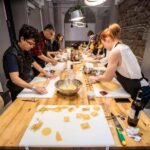
Fresh pasta is the kind of souvenir you can eat. This hands-on Rome class turns out ravioli, tortelli, and fettuccine in a historic palace setting, with organic Tuscan wine at the table.
I especially like that you do the real work—mix dough with egg and flour, roll it, and shape it—while an instructor keeps you moving. I also love the ending: you sit down as a group to eat the pasta you made, then finish with a limoncello shot and dessert.
One thing to consider: it is not set up for everyone. The class is not suitable for wheelchair users or people with mobility impairments, and it also can’t accommodate vegan, gluten-sensitivity, or lactose intolerance diets.
In This Review
- Quick hits
- Why this pasta class feels like Rome, not a staged show
- Palazzo Grazioli meeting point: location with character
- Your 3-hour flow: learn, make, cook, and share
- What you’ll make: ravioli, tortelli, and fettuccine
- Sauces: tomato prepared ahead, butter and sage right before
- The communal table moment: why you eat together
- Organic Tuscan wine and limoncello: included, but respectful about alcohol
- Dessert details: expect a proper sweet ending
- Price and value: what $48 includes (and why that matters)
- Who this Rome class is perfect for
- Who should think twice before booking
- How to get the best results in your dough and your questions
- Should you book this Rome pasta making class?
- FAQ
- What pasta types will I learn to make?
- How long is the class?
- Is it a small group class?
- What’s included in the price?
- What dietary options are available?
- Where do I meet the host?
- Do I need to be comfortable cooking, or is it mostly watching?
Quick hits
- Small group (up to 10) keeps your instructor’s attention on you
- Hands-on shaping of ravioli, tortelli, and fettuccine, not just watching
- Sauce timing: tomato sauce simmers ahead, while butter and sage come together right before cooking
- Organic Tuscan wine from Dalle Nostre Mani plus a limoncello shot
- English recipe booklets so you can recreate it later
- Central location near the Pantheon and Piazza Venezia in Palazzo Grazioli
Why this pasta class feels like Rome, not a staged show
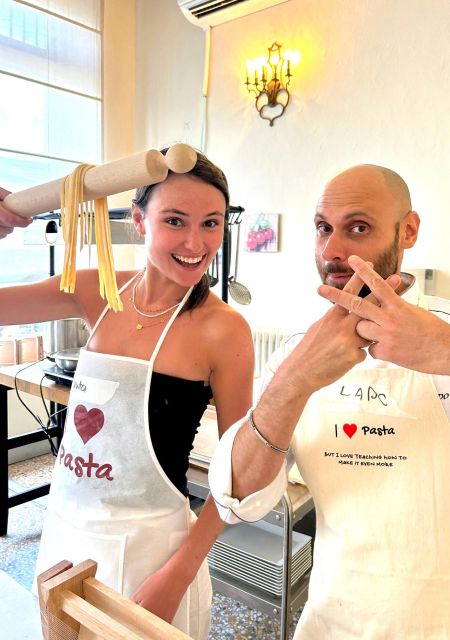
This is the kind of activity that gives you a Rome story you can repeat. You’re in the heart of the city—just a few minutes’ walk from the Pantheon and Piazza Venezia—yet the format stays intimate and practical, with a limited group size.
What makes it work is the balance. You learn the steps, you do the steps, and then you eat what you made. That matters, because pasta-making is physical and sensory: flour texture, dough feel, the thickness of the sheet, and the patience to shape evenly.
You can also read our reviews of more cooking classes in Rome
Palazzo Grazioli meeting point: location with character
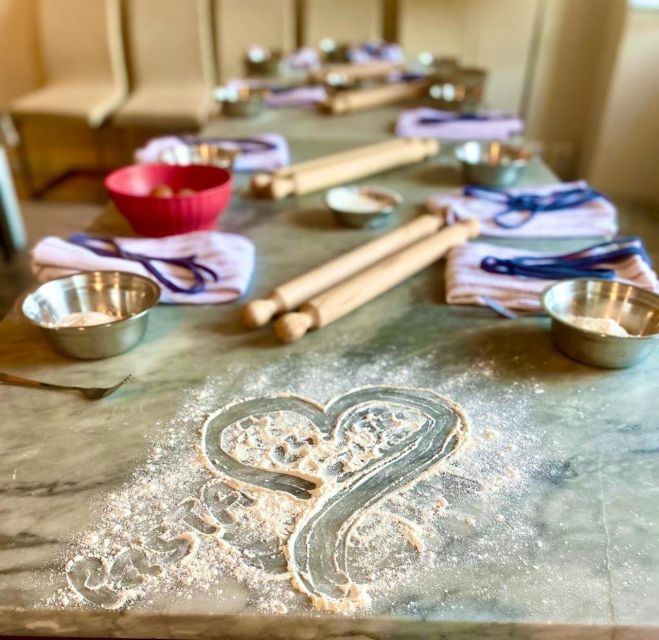
You’ll come directly to the cooking school in Via della Gatta 14, 00186 Roma, and ring the bell at Pastamania. The entrance is at the back corner of Palazzo Grazioli, in a part of town that feels like a normal Roman street rather than an event venue.
One detail I like from the description: the street is named for the famous marble cat statue. It’s a small touch, but it helps you orient yourself fast—by the time you arrive, you’re already in the right “I’m actually here” mood.
Your 3-hour flow: learn, make, cook, and share
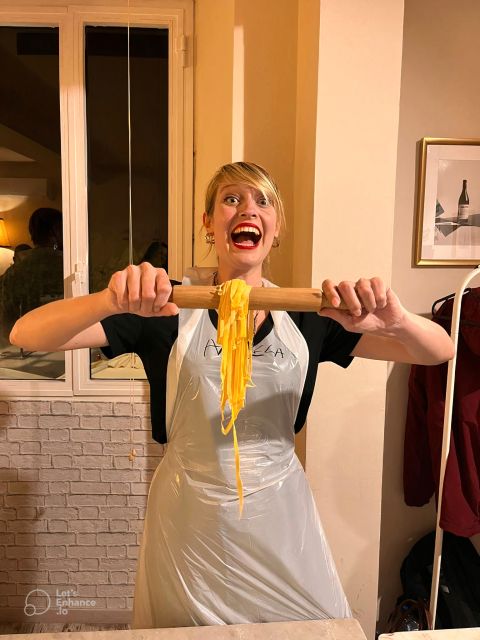
The class runs for about 3 hours, which is long enough to actually build skill. You start with an introduction, then you shift quickly into hands-on work so you’re not stuck watching while everyone else makes food.
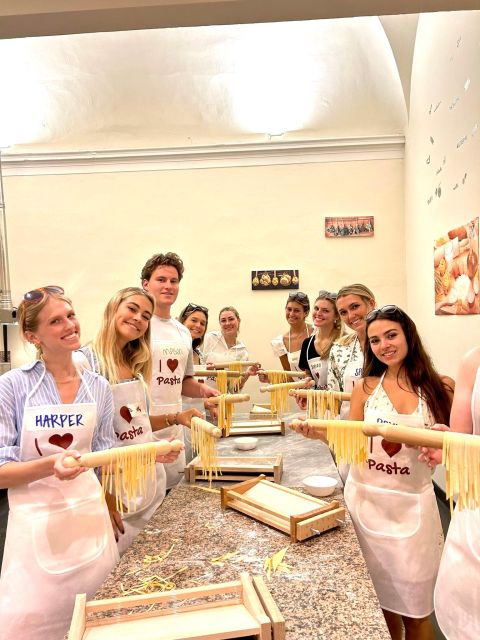
A key part of the structure is that everyone makes their own pasta. Then the kitchen cooks everything together in the same pot so you can share like it’s an Italian home table, not like you’re each eating a different plate from a cafeteria setup.
What you’ll make: ravioli, tortelli, and fettuccine
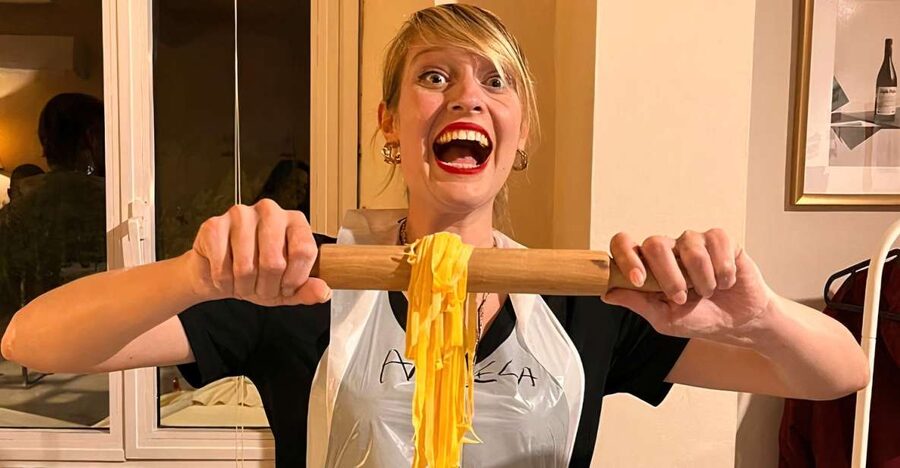
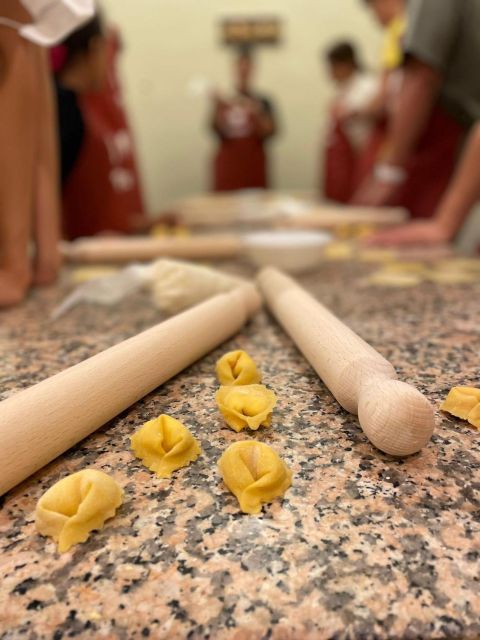
You’ll make three fresh pasta types, and that variety keeps the session interesting. The class includes ravioli, tortelli, and fettuccine—two filled shapes plus a flat noodle style.
Here’s what you can expect in practice:
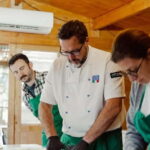
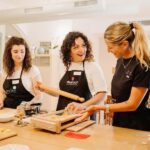
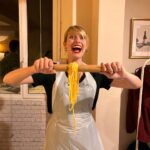
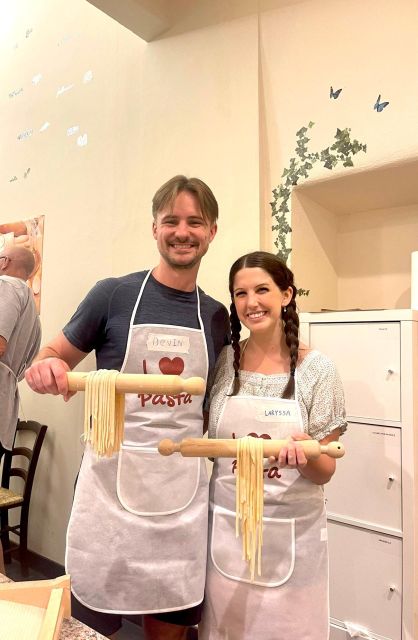
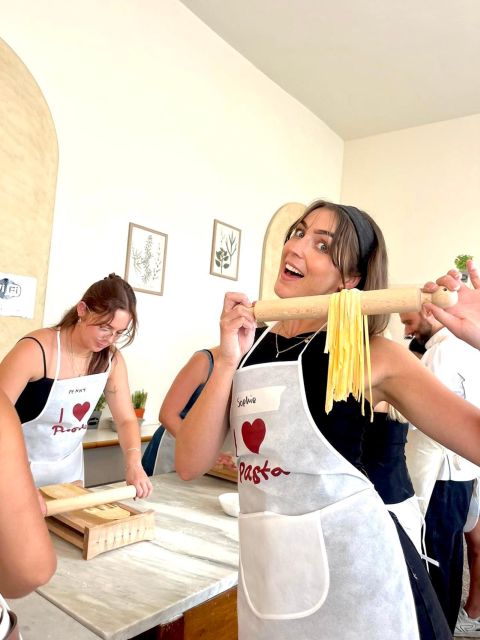
- You’ll put on an apron, use a rolling pin, and learn how to bring dough together using eggs and flour.
- You’ll shape each pasta type so it doesn’t just look good—it cooks well.
- You’ll learn how to move to the next step without losing the dough texture (too dry or too warm can change everything).
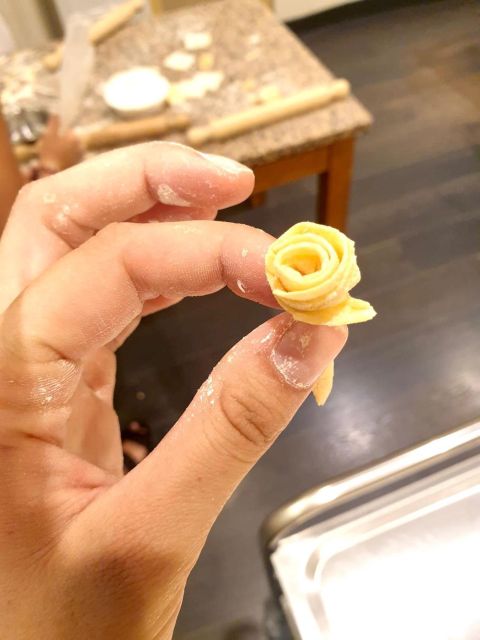
Filled pasta is where most people feel the difference between theory and hands-on learning. When you press, seal, and size the portions yourself, you understand why Italian home cooks are so picky about consistency.
Sauces: tomato prepared ahead, butter and sage right before
The sauces are built around timing. The signature tomato sauce simmers for hours in advance, so when it’s time to eat, it’s developed flavor and doesn’t taste rushed.
For ravioli and tortelli, you’ll watch the instructor prepare a delicate butter and sage sauce right before cooking. That’s a smart lesson, because it shows you how Italians handle “less cooking time” sauces: the goal is fragrance and silkiness, not long simmering.
If you pay attention here, you’ll learn more than one recipe. You’ll learn how to match sauce style to pasta shape—filled pasta tends to beg for sauces that coat and cling, while noodles can handle slightly different thickness and richness.
You can also read our reviews of more wine tours in Rome


The communal table moment: why you eat together
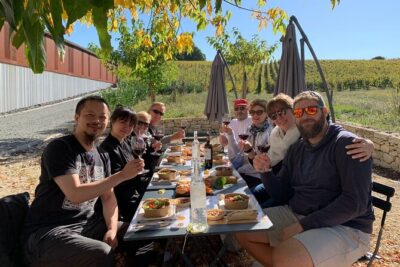
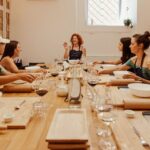
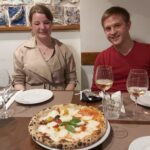
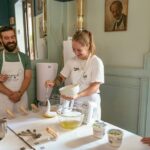
After the hands-on prep, the class culminates with everyone around a large communal table. This part is more than fun social time. It’s when you compare what you made and see what worked—thickness, sealing, and cooking doneness all become obvious once you cut into the pasta.
You’ll also get to chat with other people during the meal. In a city full of “see it, move on” tourism, this is a different pace. You’re sharing stories over something you made with your own hands.
The instruction language is English, and the group size is small, so questions don’t get swallowed by a loud room.
Organic Tuscan wine and limoncello: included, but respectful about alcohol
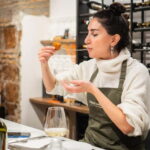
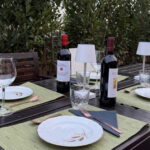
You’ll sip wine with the meal: Dalle Nostre Mani, an organically produced Tuscan wine. Including wine here isn’t just a perk—it’s part of the pacing. It makes the meal feel like a real Italian sit-down, not a “workshop then leave” situation.
Then comes the finish: a traditional limoncello shot plus dessert. Alcohol service is only for participants of legal drinking age, so if you’re not drinking, you can still enjoy the structure of the experience.
Practical note: keep your pace steady through the cooking steps. Wine is part of dinner-time mood, but your pasta still needs your attention when dough is on the table.
Dessert details: expect a proper sweet ending
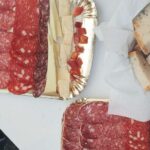
Dessert is included, and the description frames it as part of the class finale. In the material you provided, there’s even a specific example mentioned by past participants: chocolate salami shows up as a dessert-style treat in some sessions.
So you should go in with the expectation of an actual finish, not a tiny cookie. Between the limoncello and cake/dessert, it’s the kind of ending that makes the whole 3 hours feel complete.
Price and value: what $48 includes (and why that matters)
At $48 per person for about 3 hours, the price makes sense because you’re not just paying for instruction. You’re paying for:
- the pasta-making class with instructors
- your meal (the pasta you make, cooked for you)
- Tuscan wine
- dessert
- a shot of limoncello
- English recipe booklets to take home
That’s a lot of “consumable value” for one sitting. If you tried to replicate it on your own, you’d likely spend similarly once you factor in supplies, ingredients, cooking space, and the fact you’re being coached through technique.
Also, small group size matters. When the limit is 10 participants, the instructor can correct your thickness, your shaping, and your timing without everything turning into a production line.
Who this Rome class is perfect for
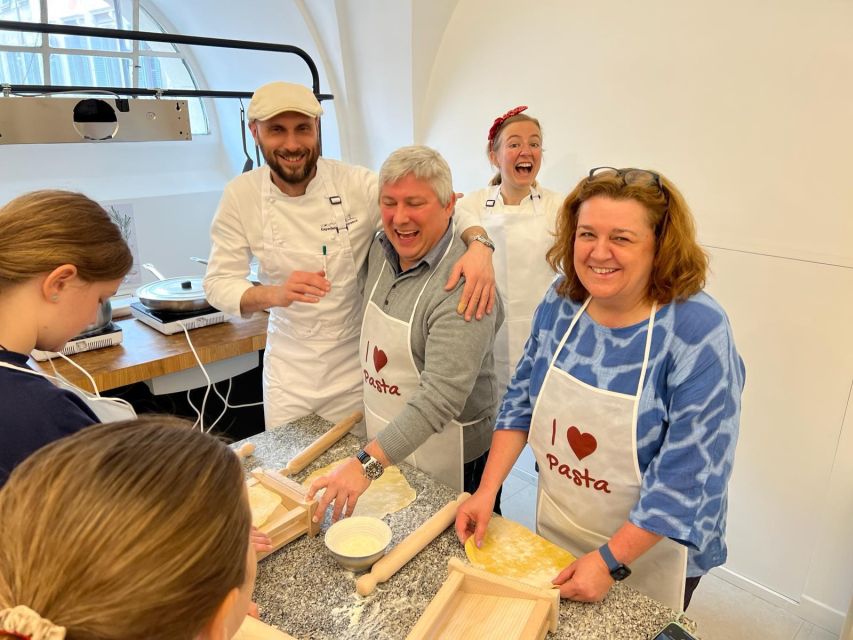
This is a great fit if you want something active, food-focused, and still very Roman. It works for couples, groups of friends, families, students, and even corporate teams looking for a shared hands-on activity.
It’s also a solid choice for beginners. The class is built for people who have never rolled fresh pasta before. You’re guided step by step, and the format keeps you from feeling lost.
A big plus: participants must be at least 8 years old. If you’re traveling with kids, this can be a good family activity because it’s structured, practical, and interactive.
Who should think twice before booking
This class isn’t for everyone. It is not suitable for wheelchair users or people with mobility impairments, and it involves hands-on cooking steps where standing and working at counter height likely matter.
Dietary limits are also strict. Vegetarian and other diets are supported, but the class cannot accommodate vegan, gluten-sensitivity, or lactose intolerance. It also isn’t suitable for people with nut allergies.
If any of those apply to you, double-check when you book and be ready for the possibility that your options may be limited. Clear communication up front is the best way to protect your experience.
How to get the best results in your dough and your questions
Wear comfortable clothing you can move in. You’ll be working with your hands, rolling dough, and spending time in a kitchen-like environment where staying flexible helps.
Come hungry, but don’t arrive starving. You’ll work for the first part of the class, then you’ll eat everything you make. That pacing is part of the fun—learning while you’re energized, then tasting while it’s still fresh from the cooking pot.
Ask questions during the process. Past participants repeatedly highlight how instructors explain steps clearly and check in as people move from kneading to rolling to shaping. If you’re unsure about thickness or sealing, ask right when you’re doing that step.
And when the lesson turns to sauces, pay attention. The difference between a tomato sauce that’s had hours and a butter-sage sauce made right before cooking is a practical lesson you can use at home.
Should you book this Rome pasta making class?
Yes, if you want an experience that feels like you’re learning an Italian home skill, not just collecting photos. For the cost, you get meaningful instruction plus a full sit-down meal that includes wine, limoncello, and dessert—plus take-home English recipe booklets.
Book it especially if you enjoy food that you can reproduce later. The hands-on pasta shaping is the part you’ll remember, and the recipes give you a way to try again at home without guessing.
Skip it if accessibility is a factor for you, or if your diet falls into the categories they can’t accommodate (vegan, gluten-sensitivity, lactose intolerance, nut allergies). If that’s your situation, you’ll save time by choosing a different format that better matches your needs.
If you’re even slightly curious about fresh pasta technique, this class is a practical, fun way to spend a few hours in Rome with real flavor at the center of it.
FAQ
What pasta types will I learn to make?
You’ll make three fresh pasta types: ravioli, tortelli, and fettuccine.
How long is the class?
The experience lasts about 3 hours.
Is it a small group class?
Yes. The group is limited to 10 participants.
What’s included in the price?
The class includes the pasta-making instruction, instructors, your meal, Tuscan wine, dessert, and a shot of limoncello.
What dietary options are available?
Vegetarian and other diets are supported, but the class cannot accommodate vegan, gluten-sensitivity, or lactose intolerance. Nut allergies also make the experience unsuitable.
Where do I meet the host?
Meet at Via della Gatta 14, 00186 Roma, and ring the bell at Pastamania.
Do I need to be comfortable cooking, or is it mostly watching?
It’s hands-on. You’ll knead, roll, and shape pasta yourself, and then everything is cooked so you can eat what you made.