REVIEW · LISBON
Arrabida Wine Tour – Lisbon: Wineries-Tastings-Tile Factory
Book on GetYourGuide →Operated by Lisbon Riders - travel like a local · Bookable on GetYourGuide
Wine, cliffs, and painted tiles in one day. I like the max 8-person vibe, which keeps the ride relaxed, and I like that you get real regional stops instead of a rushed checklist. One consideration: it’s a full day of driving and sightseeing, plus some walking at viewpoints, so it’s not a great fit for wheelchair users.
You’ll start in central Lisbon, cross the famous 25 de Abril Bridge, and end with the citywide views from Cristo Rei. In between, you’ll hit a tile workshop in Azeitão, explore Arrábida UNESCO Park, and taste wine at two family wineries with local cheese and pastry.
In This Review
- Key highlights at a glance
- A Lisbon day trip that actually feels like Portugal
- Getting going from Avenida da Liberdade and crossing 25 de Abril Bridge
- Azulejos de Azeitao: where Portuguese tiles mix worlds
- Arrábida UNESCO Park: coast views plus Mediterranean plant spotting
- Two family wineries and 7 wine tastings you’ll actually remember
- Quinta de Catralvos: vineyards first, tasting in the middle
- José Maria da Fonseca: a 19th-century wine house with older cellars
- Sesimbra: fishing-town lunch time and beach breaks
- Cristo Rei: finishing with Lisbon views instead of ending in traffic
- Price and value: is $94 a fair deal?
- Should you book the Arrábida Wine Tour from Lisbon?
- FAQ
- How long is the Arrábida wine tour from Lisbon?
- What is the group size?
- How many wines will I taste?
- How many wineries are included?
- Where do I meet the tour?
- Is hotel pickup included?
- Is there time to eat in Sesimbra?
- Optional: Quick packing and comfort notes
Key highlights at a glance
- Small-group van (up to 8 people) with an English-speaking guide for a personal feel.
- 25 de Abril Bridge to Cristo Rei views, tying Lisbon’s scale to the coast’s drama.
- Azulejos de Azeitao tile workshop featuring hand-painted and relief tiles inspired by older European and Moorish styles.
- Arrábida UNESCO Park + coastal viewpoint stops, timed for big views and Mediterranean plant life.
- Two family-owned wineries + 7 wines tasted, paired with cheese and torta de Azeitao.
A Lisbon day trip that actually feels like Portugal
This is the kind of Lisbon trip I like: it pulls you out of the city and into the south, but it doesn’t pretend you’ll see everything. You’re trading a few major “big name” sights for a mix of craft, scenery, and wine that’s more local in feel.
The day runs long enough to matter (9 hours), but the group size stays small. That makes a difference when you’re bouncing between viewpoints, tasting rooms, and free time in a real coastal town like Sesimbra.
You can also read our reviews of more wine tours in Lisbon



Getting going from Avenida da Liberdade and crossing 25 de Abril Bridge
Your meet-up point is easy to find: Avenida da Liberdade, number 9, in front of American Vintage, about a 1-minute walk from Restauradores metro station (blue line). From there, you head south by van, with the pace geared to keep everyone together without feeling like a bus tour.
A big early moment is the crossing of the 25 de Abril Bridge. It’s known for looking a bit like San Francisco’s Golden Gate, but this bridge has a Portuguese identity too: it’s named after the April 25, 1974 revolution that ended the Salazar dictatorship. Even if you’ve seen photos, it’s a satisfying way to start the day because it frames what comes next—Lisbon gives way to coast and countryside fast.
Expect pass-by sightseeing along the way, including views tied to Lisbon’s southern edge before you swing into the Arrábida area.
Azulejos de Azeitao: where Portuguese tiles mix worlds
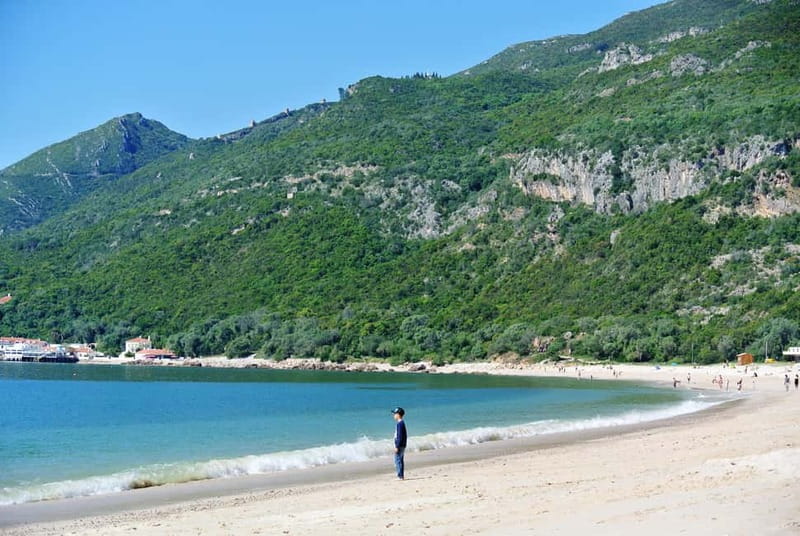
One of the most interesting stops is the Azulejos de Azeitao workshop. You’re not just looking at tiles behind glass. You’ll see how traditional European tile-making techniques create flat hand-painted pieces and relief tiles with different glaze colors.
What makes this stop more than a quick photo break is the style mix. The workshop’s designs pull from older European influences and also reflect Islamic and Chinese cultural motifs. The overall look traces back to 16th-century Hispano-Moorish tile traditions, which is exactly the kind of layered history Portugal does well.
You’ll get time to explore tiles in different formats—hand-painted surfaces and raised relief designs. If you like crafts, design, or you want a souvenir that feels tied to place (not just mass-produced), this is one of the smartest stops on the day.
Practical note: it’s a workshop visit, so comfortable shoes help if you end up standing and moving around a bit.
Arrábida UNESCO Park: coast views plus Mediterranean plant spotting
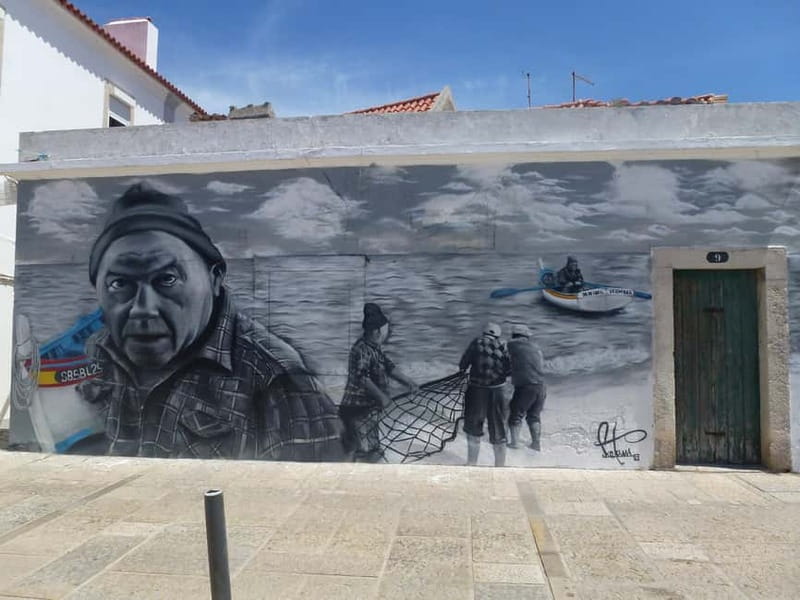
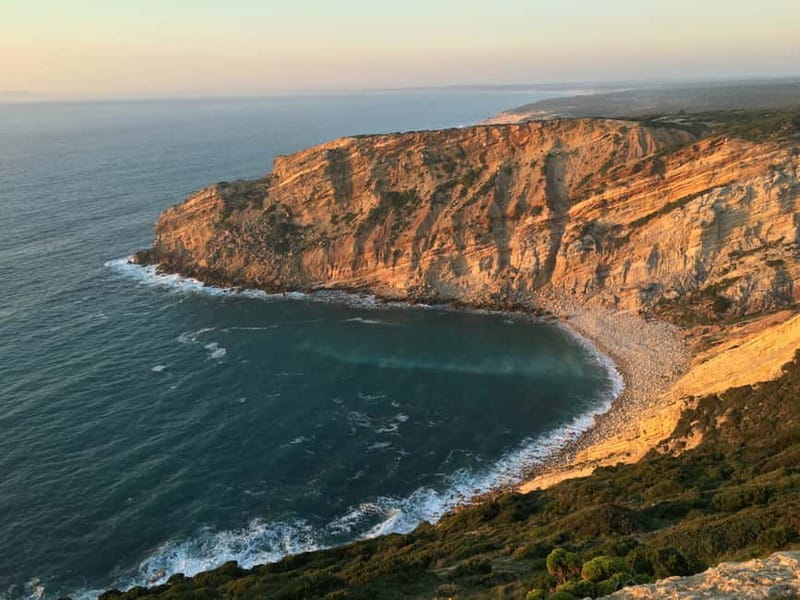
Arrábida UNESCO Park is where the tour shifts from “stuff to see” to “out there in the air.” You’ll drive through the protected area and get scenic viewpoint stops along the Atlantic side.
This park is known for Mediterranean plants. You might spot or at least learn about species like olives, pistachios, strawberries, lavender, thyme, and chamomile. That list matters because it explains why the area looks and smells the way it does, not just because it’s scenic.
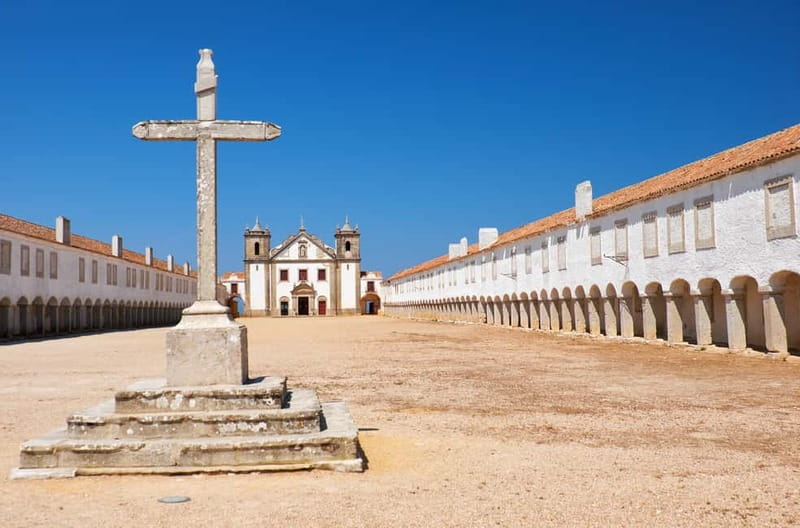
You’ll also pass the Convent of Our Lady of Arrábida, which is more than a landmark sign. Even with limited time, it adds a sense of spiritual geography—Portugal’s inland-and-coast routes often stack natural beauty next to religious sites.
A few useful expectations:
- The views come in waves, not all at once, so bring a phone camera but also leave room to just look.
- If weather turns, you’ll still get the “coast drama” feel, though fog can change how far you can see across the water.
Two family wineries and 7 wine tastings you’ll actually remember
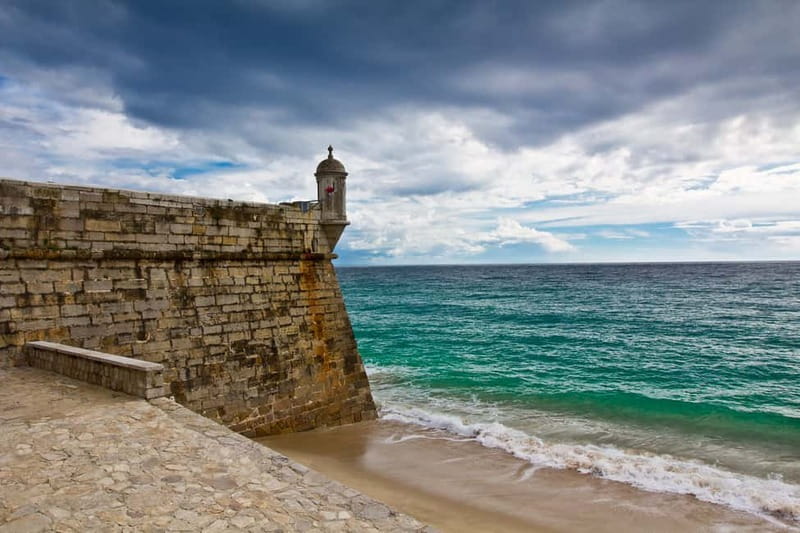
Wine is the heart of the day, but it’s structured in a way that keeps it from feeling like a factory tour. You taste 7 wines total across two family-owned wineries, and the tastings include local flavors like Queijo de Azeitao and torta de Azeitao.





Quinta de Catralvos: vineyards first, tasting in the middle
The day’s first winery stop is Quinta de Catralvos, a family farm with vineyard views. You’ll get a guided visit that takes you through the process from vine to glass, plus a tasting with local cheese and pastries.
One of the best things about this style of stop is the pacing: you’re not only swallowing wine, you’re learning what you’re tasting. And at a family estate like this, you often get a calmer atmosphere than at large-scale operations.
José Maria da Fonseca: a 19th-century wine house with older cellars
Later, you visit José Maria da Fonseca, which has been operating since 1834 and stays within the same family line across generations. The visit starts in the owner’s house and continues through ancient wine cellars, including mention of wines that are over 100 years old.
This second tasting is your chance to compare styles and learn how the region’s history shows up in the bottles. By this point in the day, you’ll have a better sense of what you prefer, so the final pours can feel more personal.
A note on value: even if you’re not a hardcore wine buyer, tasting at two places gives you contrast—different approaches, different personalities, different “why this wine exists.”
Sesimbra: fishing-town lunch time and beach breaks
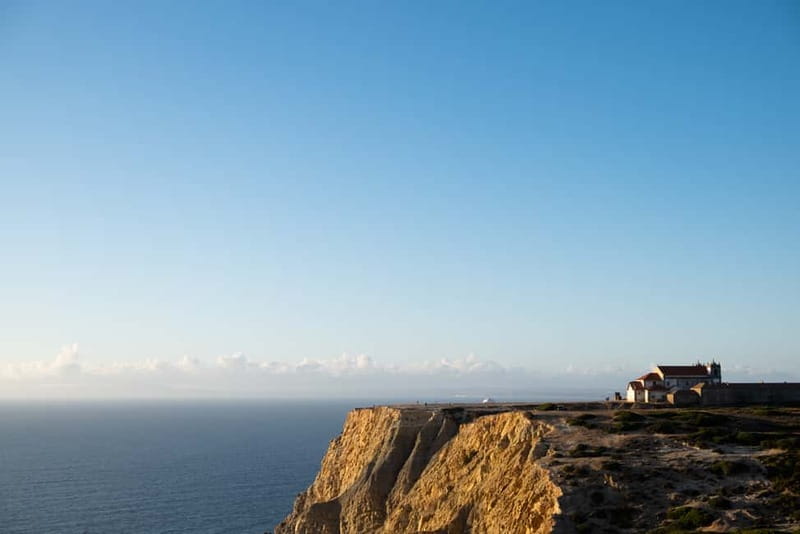
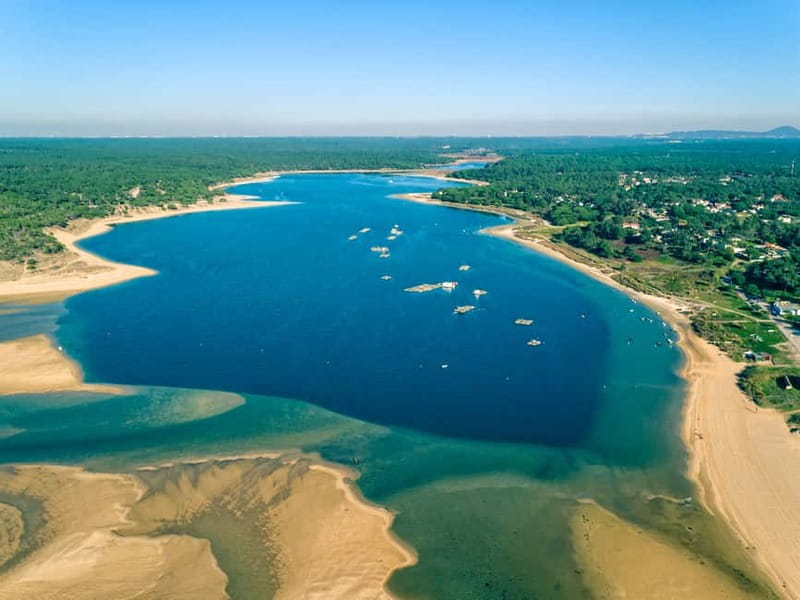
After the wineries, you head to Sesimbra, a coastal fishing town built around a bay with dramatic cliffs. The town center has narrow streets with terracotta roofs and a promenade that feels made for a slow walk.
You’ll have about 1.5 hours free time, often enough for real lunch plans. The big advantage here is choice. You can pick seafood in town, or you can treat it like a beach break with snacks and time to wander.
Three specific stops help shape how you spend that time:
- California Beach: softer, relaxed beach time.
- Ouro Beach: another stretch of sand and sea for lingering.
- Fortress of Saint James of Sesimbra: if you want viewpoints tied to coastal defenses.
Sesimbra’s seafood reputation is well earned, and the tour time gives you enough breathing room that you’re not trapped in a “quick bite and go” mindset. If you’re traveling with people who want both scenery and something to eat, this is a strong compromise stop.
Also, you’ll often get restaurant and timing help from the guide on the day—many guides on this route are praised for being warm and for matching suggestions to the group.
Cristo Rei: finishing with Lisbon views instead of ending in traffic
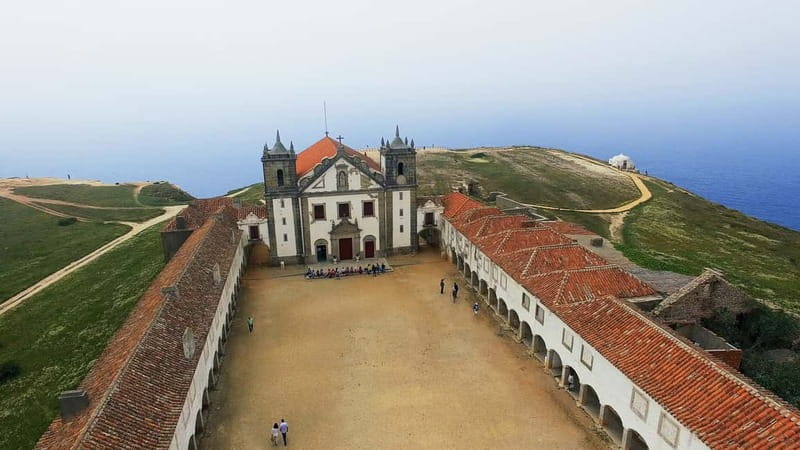
The final highlight brings you back toward Lisbon with a stop at Christ the King (Cristo Rei). It’s inspired by Brazil’s statue and was erected in 1959 as a gratitude monument tied to Portugal being spared the horrors of World War II.
What you’re really buying with this stop is perspective. After spending hours along the coast, you look back at the Tagus River and Lisbon’s layout from above. It’s a strong closer because it turns the day’s travel into one final mental map.
Then you head back to the meeting point in central Lisbon.
Price and value: is $94 a fair deal?
At $94 per person for a 9-hour, small-group day, you’re paying for three things: access, structure, and tastings.
You get:
- Transport in an air-conditioned van, with a guided flow.
- Two family wineries and 7 wines tasted, plus local cheese and pastries.
- A craft stop (Azulejos de Azeitao) that’s far more characterful than another tourist shop.
- A proper coastal break in Sesimbra, not just a drive-by.
If you were to DIY this, you’d still face the time cost of getting to wine estates and coordinating tastings. This tour is priced like a day where logistics are handled and the tastings are built in. On top of that, the small-group size helps you feel like you’re part of the day, not just passengers.
The main “watch-outs” for value are simple:
- It’s not a tight “one perfect winery” focus. You’re sampling and comparing.
- The schedule assumes you’re okay with long hours and frequent stops.
Should you book the Arrábida Wine Tour from Lisbon?
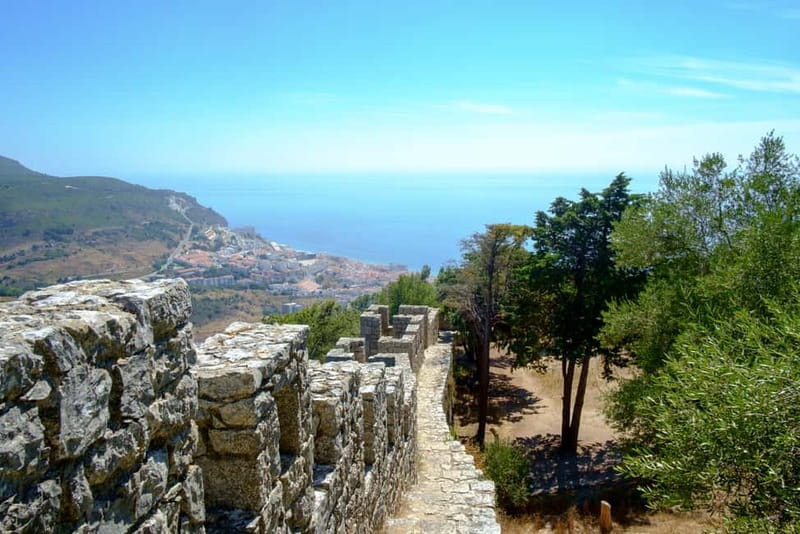
I’d book this if you want a day that feels like southern Lisbon’s real rhythm: art craft in Azeitão, UNESCO park viewpoints, a coastal town for lunch and beach time, and then wine tastings that are split between two family wineries.
Skip it if you want a short day, minimal driving, or if you need a fully wheelchair-friendly itinerary. The day mixes countryside roads, viewpoints, and walking time, so comfortable mobility matters.
If your priority is photos, a big sightseeing checklist, and zero uncertainty, this probably won’t be as satisfying. If your priority is a balanced, paced day with views plus wine plus local food, this is a strong choice.
FAQ
How long is the Arrábida wine tour from Lisbon?
The tour lasts 9 hours.
What is the group size?
It’s a small group limited to a maximum of 8 people.
How many wines will I taste?
You’ll taste 7 wines during the day across the winery visits.
How many wineries are included?
You visit 2 family-owned wineries: Quinta de Catralvos and José Maria da Fonseca.
Where do I meet the tour?
You meet at Avenida da Liberdade, number 9, in front of the American Vintage store, near Restauradores metro station (blue line).
Is hotel pickup included?
No. It’s a central meeting point, and hotel pickup and drop-off are not included.
Is there time to eat in Sesimbra?
Yes. You’ll have free time in Sesimbra (about 1.5 hours) for lunch or a snack, plus local food tastings tied to the wine stops.
Optional: Quick packing and comfort notes
Bring at least a light jacket. You’ll be outside at viewpoints and you’ll spend a good chunk of time during the day on the coast.