REVIEW · LISBON
Lisbon: Food and Wine Small Group Walking Tour
Book on GetYourGuide →Operated by Inside Lisbon tours · Bookable on GetYourGuide
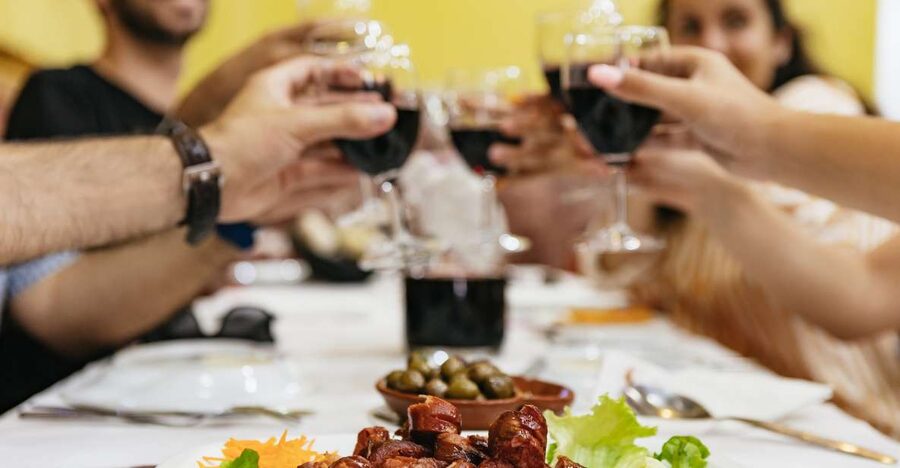
Lisbon food tours are usually about eating fast. This one is about eating with context: 15 tastings across local spots, with the guide tying each flavor to Portuguese history and everyday life in the center of town. You start where locals start their nights, in and around Baixa, then wind through the city’s food scene at an easy walking pace.
I also like the way the tour balances drinks and bites, not just one big splash of alcohol. You’ll try the classics—vinho verde with codfish cake, Port with cheese, Bifana with beer, and the Lisbon cherry liqueur called ginjinha—while the guide keeps the story moving. One thing to consider: there’s a noticeable amount of alcohol included, so pace yourself from stop one.
In This Review
- Key Highlights You’ll Actually Feel
- Where You Meet and What the Start Feels Like in Rossio/Baixa
- Vinho Verde and Codfish Cake: The First Pairing That Sets the Tone
- Fortified Port Wine and Cheese: A Real Lesson in Portuguese Wine Culture
- Famous Tascas for Bifana and Draft Beer: Lisbon’s Casual, Perfect Combo
- St. Dominic’s Square Spirits and the Value of Short Sightseeing Breaks
- Beer and Another Food Stop: Why the Middle of the Tour Works
- Ginjinha at the 1840 Bar: The Lisbon Cherry Liqueur Moment
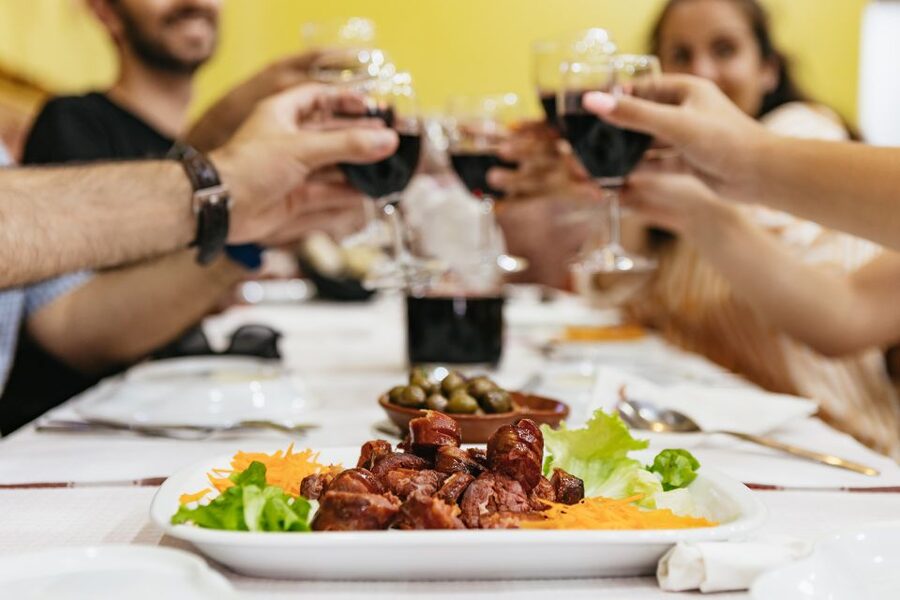
- Chouriço and Portuguese Bread with Red Wine: The Savory Lisbon Beat
- The Portuguese Rice Dish Finale: A Comfort Ending With Pairing Wine
- Price and Value: Why $72 Can Be a Good Deal Here
- Who This Walking Food Tour Fits Best
- Should You Book This Lisbon Food and Wine Walking Tour
- FAQ
- How long is the Lisbon Food and Wine walking tour?
- Where do I meet the guide?
- What’s included in the tour price?
- Are vegan or celiac options available?
- Is the tour suitable for people with allergies?
- What language is the guide speaking?
- What is the cancellation policy?
Key Highlights You’ll Actually Feel
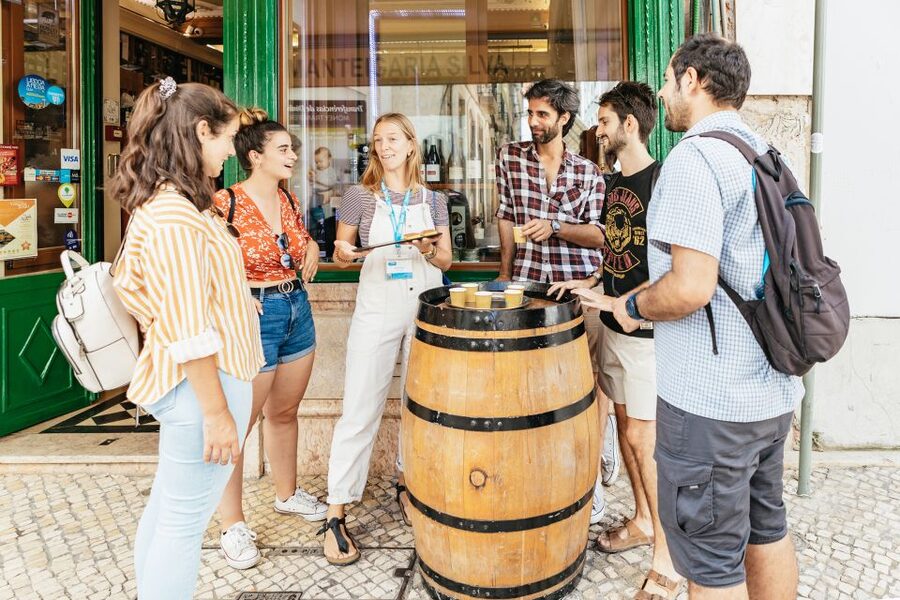
- 15 tastings across 6 popular spots, so you taste more than you snack
- Vinho verde + codfish cake kicks things off with a very Portuguese pairing
- Port wine with local cheese comes with the history of fortified wine
- Bifana + draft beer at a traditional tascas tavern feel like an authentic night out
- Ginjinha at a bar tied to 1840 gives you Lisbon’s signature cherry moment
- A final stretch that includes red wine with chouriço and a Portuguese rice dish
Where You Meet and What the Start Feels Like in Rossio/Baixa
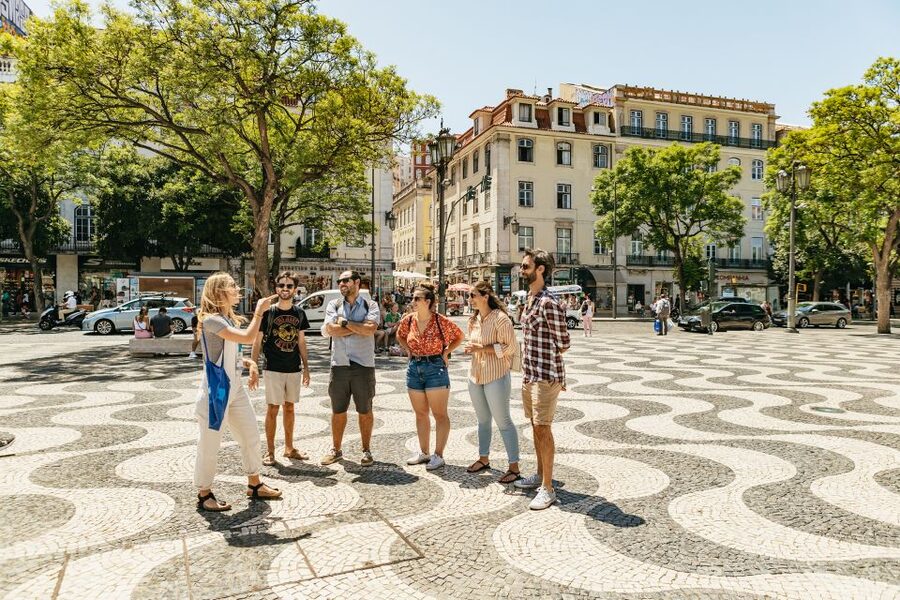
Your tour begins at Praça Dom Pedro IV, with the easiest reference being Rossio Square and the statue of D. Pedro IV. Look for a guide with a blue badge, a blue bag, or a black backpack near the center statue. It’s a wide square with fountains around and a tall column topped by a figure—if you spot a horse statue, you’re in the wrong place.
This matters because Rossio puts you in the thick of Lisbon’s everyday movement. You’re not dealing with a “bus then a hike” kind of day. It’s a walking tour that keeps you close to the action, so you get tastings without spending your energy fighting streets. The closest Metro stop is Rossio on the green line, which is handy if you’re arriving independently.
Expect to meet your live English-speaking guide, then get a quick orientation before the tasting rhythm begins. If you’re a first-timer in Lisbon, this start is a good way to learn where food culture lives in the map.
You can also read our reviews of more walking tours in Lisbon



Vinho Verde and Codfish Cake: The First Pairing That Sets the Tone
The tour starts with a refreshing glass of vinho verde (Portugal’s light, easy-drinking green wine) paired with codfish cake. This is smart ordering. Vinho verde is bright and approachable, so it wakes up your palate without heavy tannins. Then codfish cake gives you something salty and comforting, which helps you transition into richer flavors later.
You’ll also get early context on Lisbon’s culinary roots while you walk and listen. That storytelling piece turns a tasting into something you can remember. After a few stops, you’ll start noticing patterns: coastal ingredients, wine culture, and the way taverns serve as social living rooms.
Practical tip: wear comfortable shoes and don’t plan a tight dinner afterward. By the end, your schedule will feel like a food night, not a quick sample-and-go.
Fortified Port Wine and Cheese: A Real Lesson in Portuguese Wine Culture
Next comes Port wine—Portugal’s famous fortified wine—paired with local cheese. Fortified wine is one of those things that sounds fancy on a menu, but it’s easier to understand when you’re actually tasting it alongside cheese. The guide explains why Port became such a big deal, and the flavors make the history stick.
Port tends to bring sweetness and depth. Pairing it with cheese keeps the experience grounded. Instead of “sweet vs. sweet,” you get contrast: richer wine notes against savory, creamy textures. It’s also a classic Portuguese combo that you can seek out later on your own, because once you know the pairing, you’ll recognize it everywhere.
If you’re curious about why certain wines show up in certain cities and not others, this is the kind of stop that gives you a useful framework.
Famous Tascas for Bifana and Draft Beer: Lisbon’s Casual, Perfect Combo
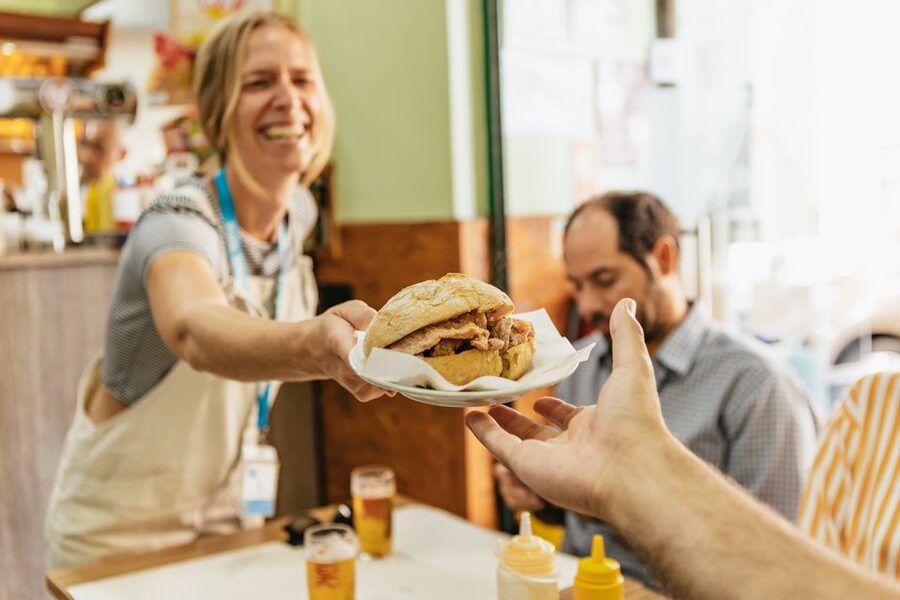
Then you hit one of Lisbon’s most famous tascas (taverns) for Bifana—a pork sandwich—washed down with a cold draft beer. This is comfort food that locals treat like a normal part of life, not a tourist performance.
Here’s why I like this stop: it’s not just a local dish, it’s a local format. You’re seeing how Lisbon feeds people quickly, in a social setting, with food that’s strong on flavor and simple on concept. You’ll also notice that this is the point where the tour shifts from “tasting” to “getting into the city’s rhythm.”
The drawbacks are mostly personal. If you don’t eat pork, this stop is still part of the flow, and the tour warns that it may be difficult to accommodate dietary restrictions at traditional venues.
St. Dominic’s Square Spirits and the Value of Short Sightseeing Breaks
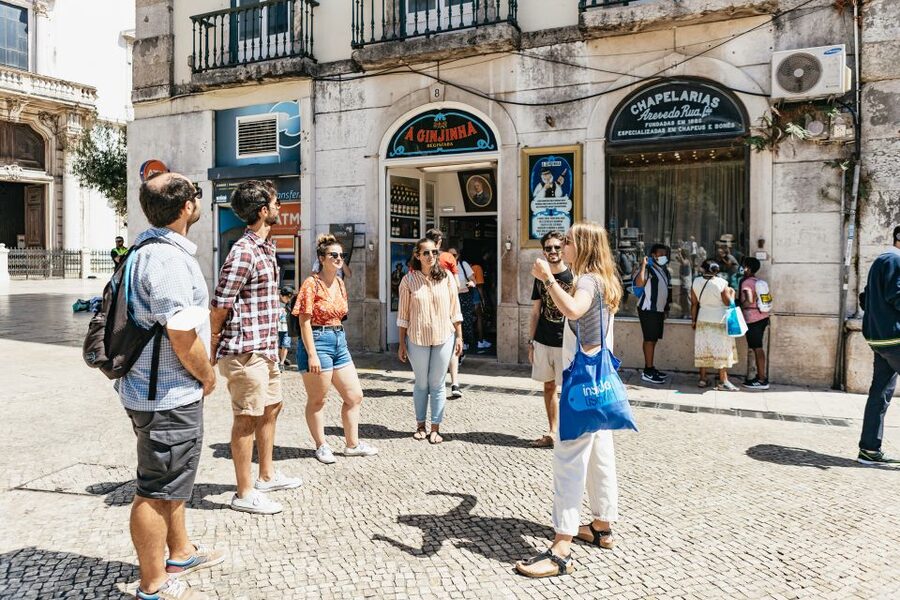
At St. Dominic’s Square, the tour includes spirits. You also get a small window of sightseeing—short enough to keep energy up, but long enough to feel like you’re not just moving from one door to the next.
This kind of stop is valuable because it breaks up the tasting pattern. You’re standing in a real city moment, not stuck inside a building for every sampling. The guide’s job here is to keep the walking meaningful, not just “move us there.” When it works, you leave with mental images you can connect to neighborhoods later.
One more practical note: Stopping in squares can mean wind and uneven surfaces. Keep your shoes sturdy and your jacket handy if it’s a cooler day.
You can also read our reviews of more food & drink experiences in Lisbon



Beer and Another Food Stop: Why the Middle of the Tour Works
There’s also a beer-focused stop at a hidden local venue, plus additional “secret stops” where you’ll keep tasting and learning. The tour’s structure here is what makes it feel like more than a checklist. You’re getting repeated small doses of different flavors rather than one massive meal.
This is where the tour’s pacing shines. Reviews consistently mention that stops are close together and that the walking isn’t long or exhausting. That matters because food tours fail when you get tired mid-way. Here, the tour keeps you moving in short bursts, which keeps your appetite working.
If you’re the kind of person who gets bored on long, scripted tours, this midsection is a better match. It feels like a guided night out, not a rigid production.
Ginjinha at the 1840 Bar: The Lisbon Cherry Liqueur Moment
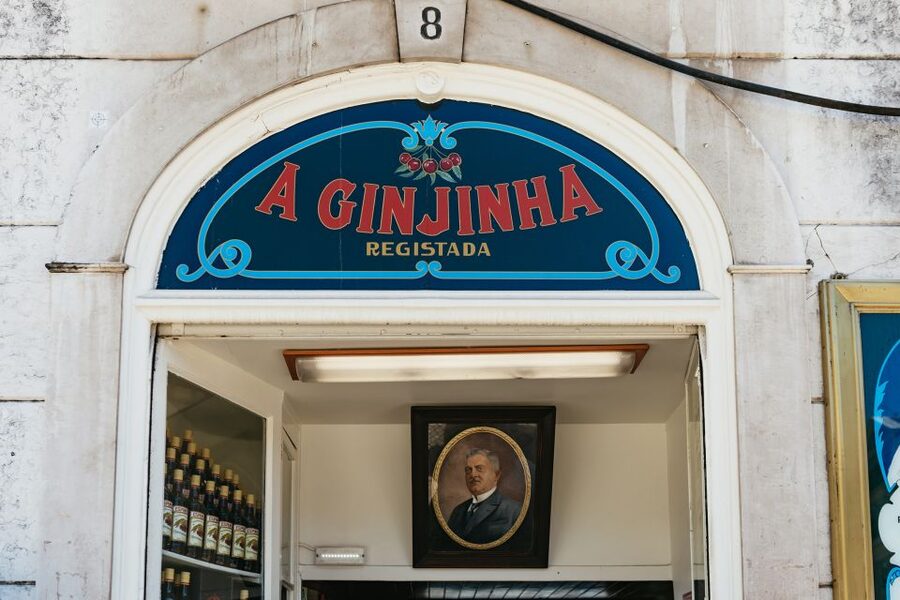
One of the most memorable tastings is ginjinha—a cherry liqueur considered typical of Lisbon—served at a historic bar that was the first to sell it commercially in 1840. This is the stop that makes people talk afterward, because it’s uniquely Lisbon.
Why it works: ginjinha is strong enough to be memorable but not so complicated that you need wine expertise. You’ll taste it as a local tradition, not just an alcoholic sample. And the guide’s context helps you place it in Lisbon’s drinking culture.
If you want a souvenir that isn’t a magnet, this is it. Even if you don’t buy a bottle, you’ll know what to order next time you see the menu.
Chouriço and Portuguese Bread with Red Wine: The Savory Lisbon Beat
Later, you’ll visit a local venue with chouriço (Portuguese sausage), Portuguese bread, and other local products served with a glass of red wine. This is the savory anchor of the tour—the part that turns the experience from snacks-with-alcohol into actual meal flavors.
Chouriço carries smoky, spiced energy. Pairing it with red wine helps it feel complete. And Portuguese bread is there for a reason: it’s a practical partner to everything you’re tasting, from spreads to sausage to whatever else the venue puts in front of you.
If you’re trying to understand Portuguese cuisine beyond seafood, this stop is key. It shows you that the country’s food identity also runs through charcuterie, comfort, and simple pairings done well.
The Portuguese Rice Dish Finale: A Comfort Ending With Pairing Wine
The tour ends with a traditional Portuguese rice dish served with wine. The dish is prepared daily based on what fresh ingredients are available, which is exactly how local cooking stays local. You’re not getting a frozen, standardized plate. You’re tasting what the kitchen can do today.
Rice is also a good ending flavor because it’s satisfying and grounding. Even if you’ve had a lot of wine and beer earlier, rice brings balance back to the experience. It’s the kind of last bite that makes you feel like you got a real meal, not just a parade of tastes.
This is a good moment to slow down, ask questions, and listen to the guide’s final practical recommendations about where to go next in Lisbon.
Price and Value: Why $72 Can Be a Good Deal Here
At $72 per person for about 3 hours, the value depends on what you normally spend in Lisbon. The big difference with this tour is that you’re not buying just one dish and one drink. You’re getting 15 tastings across 6 spots, including multiple tastings of wine and other drinks such as beer, spirits, and ginjinha.
If you try to recreate this on your own, it’s hard to match the pairing logic and the quick-flow route without spending extra time figuring out menus, openings, and neighborhood direction. You also get a guide to connect the food to Lisbon’s stories, which is part of what you’re paying for—not just the food itself.
My simple rule: if you want to taste a wide slice of Portuguese flavors in one afternoon/evening, this price can make sense. If you only want a light snack and zero alcohol, you’ll likely feel overcharged for what you actually drink.
Who This Walking Food Tour Fits Best
This tour fits best if you want:
- A first-night or first-full-day feel for Lisbon’s food scene
- A mix of wine, beer, spirits, and signature liqueur
- A walking route in central neighborhoods like Baixa and a drop-off area including Alfama
It may not fit as well if you:
- Have to stick to vegan or celiac needs, because vegan and celiac options aren’t available and traditional venues can make alternatives hard
- Have food allergies and need guaranteed substitutions, since the provider says it may be difficult to find alternatives like gluten-free, kosher, or vegetarian options
For solo travelers, the tour can work well because the tastings and conversation naturally bring people together. Just be ready to pace yourself with the drinks and keep an eye on your own comfort level.
Should You Book This Lisbon Food and Wine Walking Tour
Yes, if you’re in Lisbon for a short time and you want a fast route to the flavors and drinking habits that define the city. The combination of vinho verde, codfish cake, Port with cheese, Bifana, ginjinha, chouriço, and a rice dish gives you a strong overview without leaving you stuck in a single type of restaurant.
Book it with one caution: alcohol is part of the experience, and the tour includes wine tastings and other drinks. If you’re sensitive to that, consider eating lightly beforehand, go slow at tastings, and decide early how many sips you’ll take at each stop.
If you can handle traditional tavern food and you’re looking for an efficient, story-led walking night in central Lisbon, this is an easy yes.
FAQ
How long is the Lisbon Food and Wine walking tour?
It lasts about 3 hours.
Where do I meet the guide?
Meet at Rossio Square at Praça Dom Pedro IV. Look for a guide with a blue badge, a blue bag, or a black backpack near the statue of D. Pedro IV.
What’s included in the tour price?
You get a walking tour with a guide, food tastings, snacks, and wine tastings. A ginjinha tasting is also included.
Are vegan or celiac options available?
No. Vegan and celiac options are not available, since the tour visits traditional venues where dietary restrictions might be difficult to accommodate.
Is the tour suitable for people with allergies?
The tour warns that alternatives like gluten-free, kosher, and vegetarian options may be difficult to find. If you have allergies, you should be prepared that substitutes might not be available.
What language is the guide speaking?
The live tour guide speaks English.
What is the cancellation policy?
There’s free cancellation up to 24 hours in advance for a full refund. You can also reserve now and pay later.