Hungry in Budapest? This tour fixes that by pairing big sights with 10+ tastings. In about 3 hours, you’ll walk through the center of Pest, hear straight talk about Hungarian food culture, and stop at local spots where the menu matters as much as the story.
I especially like two things: the variety of real Hungarian classics (strudel, lángos, goulás, cheeses, and more) and the fact that your guide links dishes to everyday life, not just dates and dates.
One consideration: expect a fair amount of walking, and the day’s exact menu can shift based on availability and weather, so wear comfortable shoes and keep your schedule flexible.
In This Review
- Key highlights that make this tour work
- Budapest on foot, but food-first
- Start at Andrássy út and the Hungarian State Opera
- St. Stephen’s Basilica: the relic story behind the building
- Lipótváros square and Parliament building: why the route makes sense
- The 10+ tastings: what you’ll actually eat and drink
- Wine, coffee, and the rhythm of Hungarian comfort
- Small-group feel: more questions, less waiting
- Price and value: why $118.51 can make sense
- Practical tips so you enjoy the whole day
- Should you book the Budapest Centre Food Tour?
- FAQ
- How long is the Budapest Centre Food Tour?
- What’s the price per person?
- How many people are in the group?
- Where do I meet the tour, and where does it end?
- What food and drinks are included?
- Is hotel pickup included?
- Is the tour in English?
- Can the itinerary or menu change?
- What should I do if I have dietary requirements?
Key highlights that make this tour work
- Small group (max 12) so you can ask questions and actually hear the food explanations
- 10+ tastings included plus red or white Hungarian wine and water
- Central starting point at Andrássy út, with the Hungarian State Opera setting the tone
- Iconic landmarks on the route, including St. Stephen’s Basilica and the Parliament building
- “Go hungry” pacing: you’re meant to eat, not snack, through multiple stops
- Dietary needs handled if you contact the operator in advance
Budapest on foot, but food-first
This is the kind of tour that helps you get your bearings fast. You’ll be walking through central Budapest while your guide builds a simple picture: how Hungarians eat, what they celebrate, and why certain dishes show up again and again in everyday restaurants.
The value here is practical. Tastings are included, so you don’t spend the whole time hunting for what’s worth trying. And because it’s a small group, you’re not shouting over crowds to ask basic questions like what’s in a dish or how to order it later.
If you love food tours that feel like a guided meal with a local brain behind it, this fits. The only caution is comfort: you’ll be on your feet for the better part of the tour, so plan on a proper walking pace.
You can also read our reviews of more food & drink experiences in Budapest

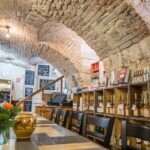
Start at Andrássy út and the Hungarian State Opera
You meet at Budapest’s Andrássy út 22, with the Hungarian State Opera as your first stop. It’s a good place to begin: central, easy to find, and visually dramatic right away. The stop is about 15 minutes, and the admission ticket is listed as free—so you get a quick orientation without paying extra.
What I like about this opener is how it sets the tone for the whole day. It’s not just a food march; you’re seeing the city’s identity through recognizable landmarks, then turning that curiosity into tastings right after. Opera houses may sound like a left-field start for a food tour, but it works because Hungarian food culture has that same mix: formal tradition and everyday comfort side by side.
Drawback-wise, if you’re the type who hates any “first stop that isn’t food,” this may feel like a warm-up. But in practice, it’s short, and it helps you understand where you are in the city before you start eating.
St. Stephen’s Basilica: the relic story behind the building
Next comes St. Stephen’s Basilica, the Roman Catholic church named for Hungary’s first king, Stephen. The standout detail is the reliquary claim that houses his supposed right hand. Even if you don’t care about relics, the story is a reminder of how closely Hungarian identity is tied to religion, monarchy, and national pride.
Why this matters for a food tour: Hungary’s cuisine isn’t floating in a vacuum. It’s shaped by history—by the long arc of empires, borders, and local traditions—and your guide’s commentary ties that context to what you’ll eat later. You start noticing patterns: comforting soups, cured meats, pickled sides, and breads that show up across the tastings.
One note to keep expectations grounded: this stop is primarily about history and atmosphere. It’s not a lunch moment. Still, it’s a great mid-tour break for photos and for stretching your legs before the eating ramps up again.
Lipótváros square and Parliament building: why the route makes sense
As the walk continues, you pass through Lipótváros, including a public square in the neighborhood. Then you reach the Hungarian Parliament building. These landmarks put you in the center of political and architectural Budapest, which helps your guide explain how the country’s culture has shifted over time.
From a practical view, this portion is valuable because it connects “where you are” to “why your food choices make sense.” When a guide talks about modern cultural norms alongside older traditions, it doesn’t feel random. You’re watching the city’s official face while also learning how everyday people actually live.
If you’re sensitive to crowds or traffic, it’s worth knowing this is a walking route in a busy area. The tour is designed for a group up to 12, so you won’t feel swallowed by a massive mass, but you still need to stay aware in public squares.
The 10+ tastings: what you’ll actually eat and drink
This tour is built around the classic Hungarian comfort stack: bread, meat, dairy, pickles, soups, pastry, and then coffee and wine to tie it together. The included menu gives you a clear idea of what to look forward to.
Here’s the lineup you can expect as part of the tastings:
- Crispy Hungarian lángos: often described as a personal-sized, fried street-food cousin to pizza, and it’s a favorite for a reason. It’s filling, salty, and perfect when you want something hot and satisfying.
- Strudel: a sweet pastry that fits Budapest well, especially paired with coffee. It’s the kind of bite that makes you understand why Hungarian desserts stay comforting rather than fancy.
- Pickled vegetables: tangy and sharp, they cut through the richness of fried or fatty foods. Think of them as the palate reset.
- Hungarian sausages and local cheeses: this is where you get the “everyday restaurant” vibe. Expect cured and hearty flavors rather than something delicate.
- Hearty goulás soup: a warm, thick bowl that anchors the whole experience. It’s not a small taste either, and it’s one of those dishes that makes you want to learn what you can order back home.
- Freshly baked bread: bread shows up because it’s part of the culture of eating together. It’s also useful when you’re sampling multiple items.
- Rich, aromatic coffee: not just a drink stop; it’s a tasting moment that rounds out the pastry flavors.
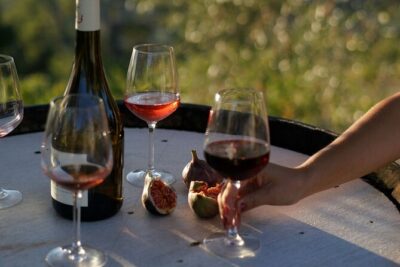
- Red or white Hungarian wine plus water: enough alcohol to feel like a real food-tour experience without turning it into a party.
- A secret dish: you won’t know the full details ahead of time, which is part of the fun. Your guide’s job is to connect it to the bigger picture of Hungarian tastes.
A big theme from the top-rated reviews is how plentiful this feels. People repeatedly stress that you should really not eat beforehand. If you do, the later stops can become a struggle, because you’re meant to work through multiple courses spread across several stops.
One more balanced note: while many tastings are in everyday Hungarian places, there may be a couple stops that are well-known chains locals also use. If you’re traveling with a strict only-tiny-family-places mindset, that could disappoint you. For most people, though, the trade-off is a smooth, reliable flow of food that locals genuinely eat.
A few more Budapest tours and experiences worth a look
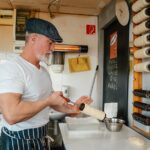
Wine, coffee, and the rhythm of Hungarian comfort
What makes the drink part work is the pairing. You’re not just getting wine dumped into the mix; it’s timed alongside savory bites and then followed by coffee and dessert. That order matters.
The wine is listed as red or white, plus water, which makes the tasting more manageable than a heavier alcohol-only experience. You’ll still get the Hungarian feel, but you can keep your head enough to enjoy the walking and the explanations.
Coffee is especially important here because it bridges sweet and savory. After strudel and pastries, a rich coffee taste is a natural closer before your final heavier bites. If you tend to skip dessert on trips, this is the moment to reconsider, because the tour includes it as part of the story, not as a random extra.
Small-group feel: more questions, less waiting
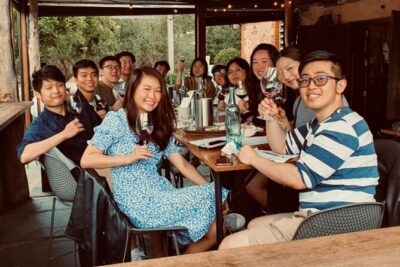
With a maximum of 12 people, the tour feels like a guided meal instead of a ticket line. That’s a real quality-of-life factor in Budapest, where restaurants can be small and timing matters.
You’ll also get the kind of guide interaction that changes your experience. Names that come up often include George, Zoltan, Gábor, Angela, and Kitti. The common thread is how they mix practical food talk with local context, and they’re patient with questions. If you like pronunciation help, you’ll probably get laughs while your guide corrects you gently.
Pacing is mostly smooth, but one caution shows up in a less-perfect review: sometimes you can spend a bit too long at a stop. That said, most of the tour is structured so you can digest between locations with the walk. It’s not a sprint, and the food volume is the main schedule driver.
Price and value: why $118.51 can make sense
At $118.51 per person for around 3 hours, it may sound like a splurge—until you match it to what’s included. This is not just two tastings and a coffee. You’re getting 10+ tastings, including goulás soup, lángos, strudel, cheeses, sausages, pickled vegetables, bread, coffee, plus wine and water.
When you price it out mentally as separate purchases, the tour starts looking more fair. You’d likely pay similar or more if you went out on your own for a comparable mix of dishes in central Budapest, especially when wine and soup are involved.
Also, the guide saves you time and decision stress. You don’t have to figure out what’s worth ordering at each place or whether you’ll get a “tourist version” of the dish. For the amount you eat, the small group size, and the walking route through major sights, the value is strong.
Practical tips so you enjoy the whole day
A food tour works best when you show up ready. Here’s how to make the experience painless:
- Wear comfortable shoes. The walking is part of the format, and you’ll want your feet to last through all stops.
- Go hungry. Multiple reviews warn you to skip breakfast, and the overall structure supports that. If you snack too early, the later tastings can feel heavy.
- Plan for a mixed menu pace. You’ll have both sweet and savory items, so if you hate one category, think about how you’ll handle it before you arrive.
- If you have dietary requirements, contact the operator in advance. The tour specifically notes they can cater best when you plan ahead.
- Expect a bit of flexibility. The itinerary and menu can change due to location availability, weather, and other circumstances. That’s normal for city walking tours.
Should you book the Budapest Centre Food Tour?
Book it if you want a smart introduction to Hungarian food in a single afternoon. This works especially well when it’s your first day in Budapest and you want to connect city landmarks to what people actually eat. It’s also a great pick if you like guided explanations tied directly to dishes—strudel, lángos, goulás, cheeses, sausages, pickled sides, bread, coffee, and wine.
Skip it (or at least set expectations) if you only want tiny family-run restaurants for every stop, because there can be a couple well-known chain-style places that locals also use. And if walking bothers you, choose another format, since this one is built on moving between central sights.
If you want a food-centered way to understand Budapest’s center—without spending hours planning—this tour is a strong bet.
FAQ
How long is the Budapest Centre Food Tour?
The tour lasts about 3 hours.
What’s the price per person?
The price is $118.51 per person.
How many people are in the group?
The group size is capped at a maximum of 12 travelers.
Where do I meet the tour, and where does it end?
You meet at Budapest, Andrássy út 22, 1061 Hungary, and the tour ends at Budapest, Báthory utca 23–1054 (near Hun&Only Club).
What food and drinks are included?
Included tastings include strudel, lángos, pickled vegetables, Hungarian sausages, local cheeses, goulás soup, freshly baked bread, coffee, a secret dish, and Hungarian wine (red or white) plus water.
Is hotel pickup included?
No, hotel pickup and drop-off are not included.
Is the tour in English?
Yes, it is offered in English.
Can the itinerary or menu change?
Yes. The itinerary and menu can change based on location availability, weather, and other circumstances.
What should I do if I have dietary requirements?
Contact the operator in advance so they can cater for you as well as possible.