REVIEW · PORTO
Porto: Graham’s Port Lodge Tour with Premium Wine Tastings
Book on GetYourGuide →Operated by Symington Family Estates, Vinhos, S.A. · Bookable on GetYourGuide
Port wine tastes like Porto, and this is the real room where it’s made. I loved seeing Graham’s 1890 Lodge up close, still operating with huge oak storage and that true cellar smell. My other favorite part was the three premium tastings paired with chocolate, cheese, and Pastel de Nata, which turns Port from a drink into a story.
One thing to plan for: this tour involves walking and some standing, plus the lodge sits on a ridge above Gaia. If mobility is an issue, you’ll want to factor in comfort and possibly ask about seating when you arrive.
The views help, too. From the lodge you get sweeping Porto panoramas and the iconic two-tier bridge connection over the Douro, and guides like Max, James, and Jade set a calm pace with time for questions.
In This Review
- Key things that make this tour special
- Graham’s Port Lodge: An 1890 working cellar above Vila Nova de Gaia
- Inside the tour: production process, oak storage, and Vintage Port cellars
- The premium tasting: LBV + chocolate, Quinta dos Malvedos + cheese, 20 Year Old + Pastel de Nata
- Porto and the two-tier bridge: where the photos feel easy
- Meeting point and getting there: Rua do Agro, check-in, and the hill reality
- Languages, pace, and guide style: what to expect from the group tour
- Value for $47: what you’re really paying for
- Who should book this tour (and who should think twice)
- Should you book Graham’s Port Lodge premium wine tastings?
- FAQ
- How long is the Graham’s Port Lodge tour with premium wine tastings?
- What’s included in the $47 price?
- Which wines and pairings are included in the tasting?
- Where do I meet the group?
- Is transportation included?
- What languages are the live tour guides available in?
- Can I cancel or pay later?
Key things that make this tour special
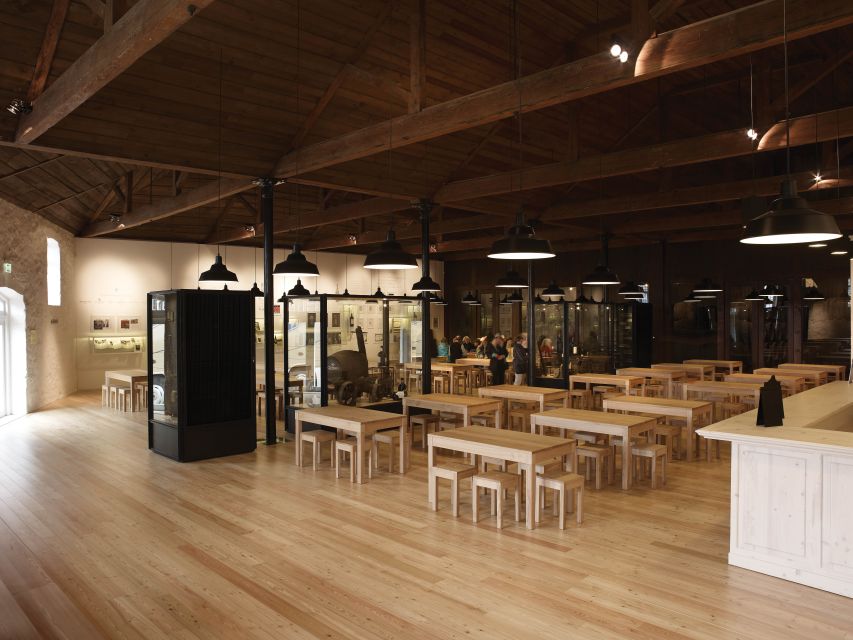
- A working 1890 lodge in Vila Nova de Gaia, across the Douro from Porto
- Scale you can see: 2,000+ pipes and 40 large oak vats for aging Port
- Three guided tastings with food pairings: LBV + chocolate, Quinta dos Malvedos + cheese, 20 Year Old + Pastel de Nata
- Historic production rooms plus extensive cellars for Vintage Port
- Big photo payoff from the terrace with Porto and the two-tier bridge
- A bit of a climb and some standing, so pace yourself
Graham’s Port Lodge: An 1890 working cellar above Vila Nova de Gaia
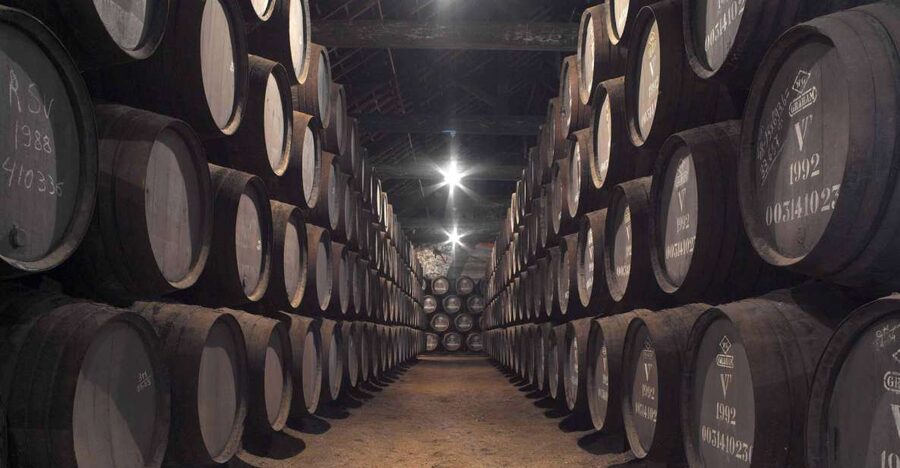
Porto is famous for wine, but this experience takes you past tasting and into the setting that produces it. Graham’s Port Lodge sits on a commanding ridge in Vila Nova de Gaia, just across the Douro River from Porto. That location matters. You feel separated from the busy riverfront streets and placed in a working production space, yet you still get a clear visual link to Porto across the water.
The lodge itself was built in 1890, and it still functions as an active cellar. That means you’re not touring a museum that stopped breathing decades ago. It’s a live production site, with the rooms and storage built around the slow rhythm Port demands—aging, blending, and patience.
This is also one of the reasons the guided part feels worth it. If you’ve ever tasted Port and wondered why it tastes the way it does, the answer starts with wood, time, and how each wine type is handled. Here you can actually look at the infrastructure behind the flavor.
And yes, the setting is beautiful. Even if you’re not deep into wine, you’ll appreciate the architecture and the air of quiet work. One review mentioned that the property felt like stepping into another world from the opposite side of Porto’s bustle, and I think that’s a fair description. You’re there for Port, but the lodge also gives you a sense of place.
You can also read our reviews of more wine tours in Porto

Inside the tour: production process, oak storage, and Vintage Port cellars
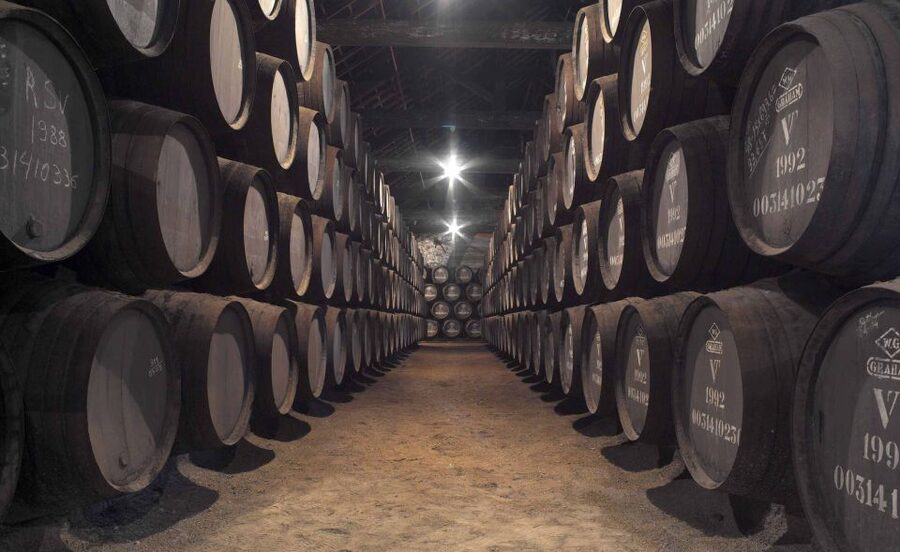
The tour is guided at a leisurely pace, which is a big deal with wine tastings. You’re not sprinting from one room to the next while the guide rushes to the next step. You’re given time to look, listen, and ask.
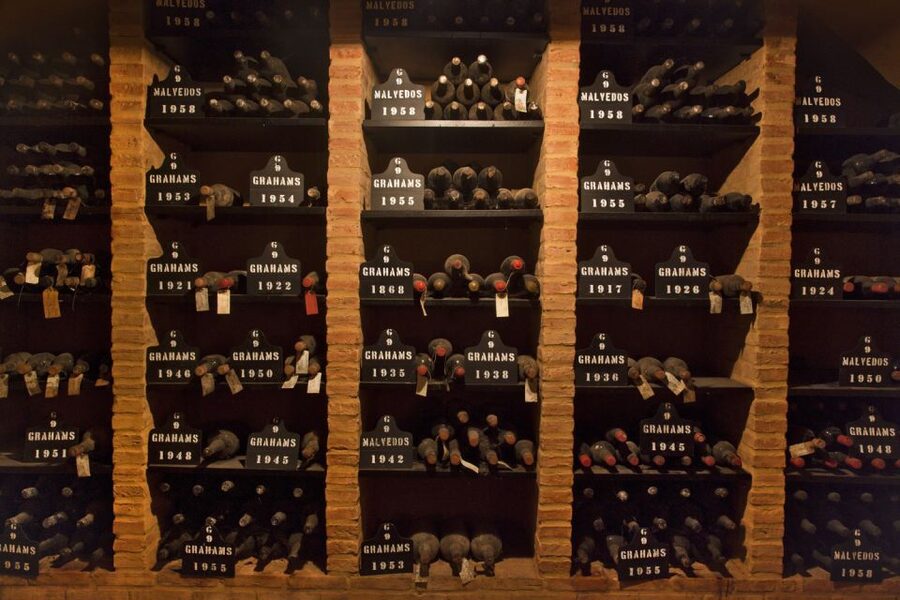
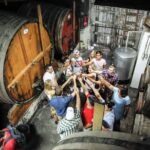
What you’ll learn centers on Port wine production and aging. The lodge houses over 2,000 pipes (oak casks) and 40 large oak vats used for aging Port wines. You’ll also see more extensive cellar space for Vintage Port. Standing in a space like that changes how you think about Port. It stops being just a label and becomes something physical—thousands of pieces of wood doing their job.
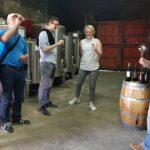
This is where guides really matter. In the group, you may hear different names depending on your date. I saw multiple accounts of excellent hosting, including Max and James, who were patient, didn’t rush, and kept answering questions throughout. Another guide reported was Fernando, and others like Jose, Laura, and Sergio also got praised for explaining the history of the company and the production process clearly.
You’re also likely to notice how Port blends different factors: fruit character, style choices, and time in oak. Even if you only catch parts of the explanation, you’ll walk away with a better instinct for why one Port tastes different from another—Ruby vs Tawny vs Vintage are common categories you’ll hear discussed in Port tastings, and the tour’s focus on production and aging supports that kind of understanding.
Practical note: the lodge involves some movement through working areas. The floor plan and route aren’t described in detail, but I’d treat this as a moderately active visit. One review flagged standing fatigue for an older guest, and another described the hill approach as strenuous. If you want the view but have limited stamina, plan for slower steps.
The premium tasting: LBV + chocolate, Quinta dos Malvedos + cheese, 20 Year Old + Pastel de Nata
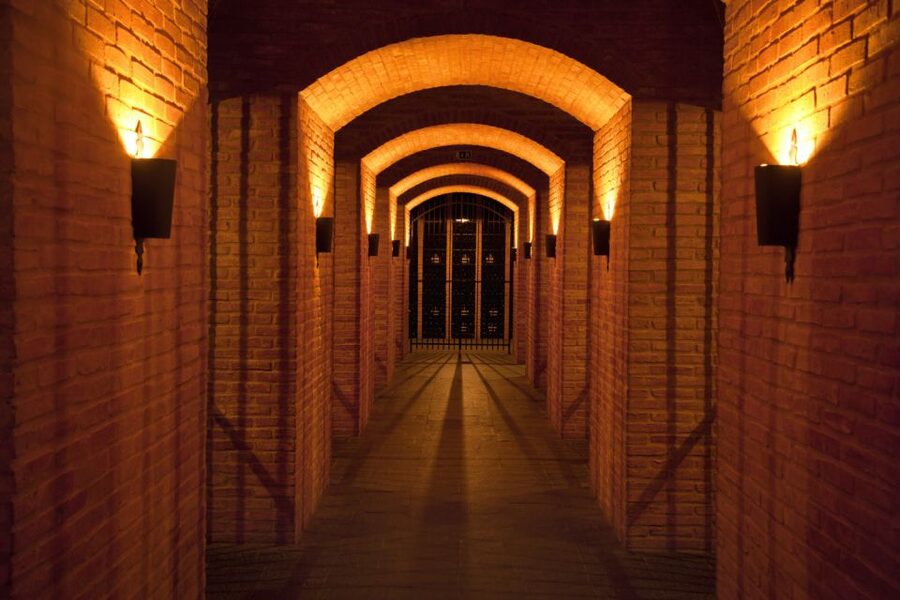
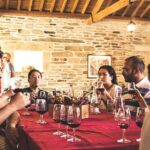
The tasting is the heart of why this tour feels like more than a quick walkthrough. You end with a structured, premium tasting that also teaches you how food can pull flavors into focus.
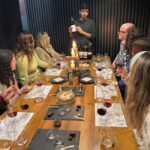
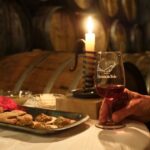
You’ll taste three Graham’s wines with specific pairings:
- Graham’s LBV paired with chocolate
- Graham’s Quinta dos Malvedos paired with cheese
- Graham’s 20 Year Old paired with Pastel de Nata
This kind of pairing isn’t just a snack line-up. It’s a practical way to learn what Port does on your palate. Chocolate can amplify the darker fruit and cocoa notes you often find in LBV styles. Cheese pairing helps highlight structure—salt and fat can balance sweetness and bring out aromatic elements. Pastel de Nata adds a totally different dimension: custard-like sweetness and cinnamon/vanilla warmth that can make the aging character of a Tawny-style Port feel rounder and more dessert-like.
More than one person praised the tastings as generous for the format. If you like to taste and compare, you’ll like that you get a spread across different Port styles rather than one single glass. And because the tasting happens after the cellar tour, it lands better. You’ve just seen oak storage and the working cellar logic, so when the wine hits your tongue, it feels tied to the rooms you saw.
If you’re the type who asks questions, this is the moment to use that energy. One highlight across accounts: guides were open, patient, and happy to answer questions while tasting. That’s where you’ll clarify details like what makes each style distinct and why the pairing works.
Porto and the two-tier bridge: where the photos feel easy
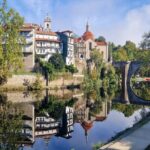
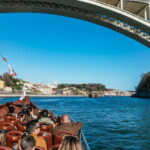
Even though this is a wine-focused tour, the terrace views are a major part of the experience. You’re up in Gaia, looking over the Douro toward Porto’s historic core, with the iconic bridge that links the cities in view.
I like these view-based stops when they’re tied to the activity. Here, the tasting and breaks feel connected to the location. You can take photos, but you can also just sit and let your senses recalibrate after the cellar rooms. Several people mentioned enjoying time on the balcony/terrace with drinks and incredible views over Porto.
That also means this tour can be a great use of half a day. Instead of squeezing one more museum into your schedule, you get education plus scenery. And because the lodge is a working cellar, the terrace doesn’t feel like a random lookout. It feels like a reward inside a production site.
Meeting point and getting there: Rua do Agro, check-in, and the hill reality
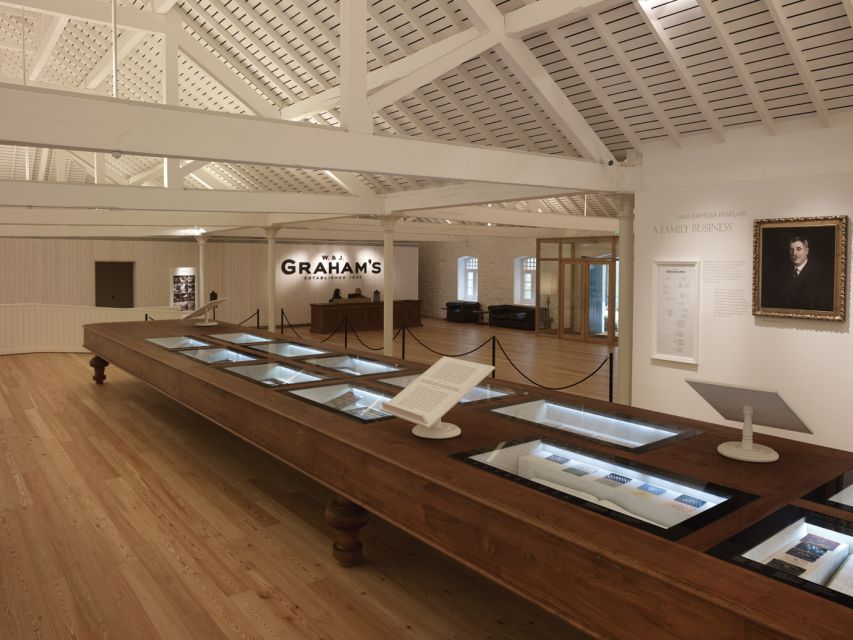
The meeting point is at Graham’s Port Lodge, specifically the reception at Rua do Agro 141, 4400-003 Vila Nova de Gaia. Plan to arrive 15 minutes early for check-in. It’s a small timing detail, but arriving on time helps the whole experience feel relaxed instead of rushed.
There’s also a heads-up worth listening to. The surrounding area can involve work in progress, and one guest noted that arriving at the wrong side of the building address can happen because the reception area isn’t exactly where you might first assume. If you’ve got the address pinned, still take a moment when you arrive to find the correct reception setup. The lodge staff can get your group pointed in the right direction.
Getting there can mean a hill. Some people walked from Porto, and others recommended a taxi—especially when it’s hot or when you want to avoid arriving sweaty. The lodge sits about 100–120 meters above river/sea level, and the streets and steps toward the lodge can be steep. If you’re staying in the lower part of Gaia or near Ribeira, I’d strongly consider a taxi or at least plan extra time and water if you choose to walk.
If you want the simplest plan: treat this as a “go directly to the lodge” stop, not an add-on you try to casually tack onto a long river walk.


Languages, pace, and guide style: what to expect from the group tour
This tour runs with live guides in Spanish, English, and French. The pacing is meant to be leisurely, and multiple comments called out guides who were patient, didn’t rush, and answered questions.
That matters because Port tasting isn’t just about swallowing wine. It’s about learning how to notice flavors and how style changes with production and aging. When a guide slows down, you get better at tasting, and you leave with more than just a happy buzzy feeling.
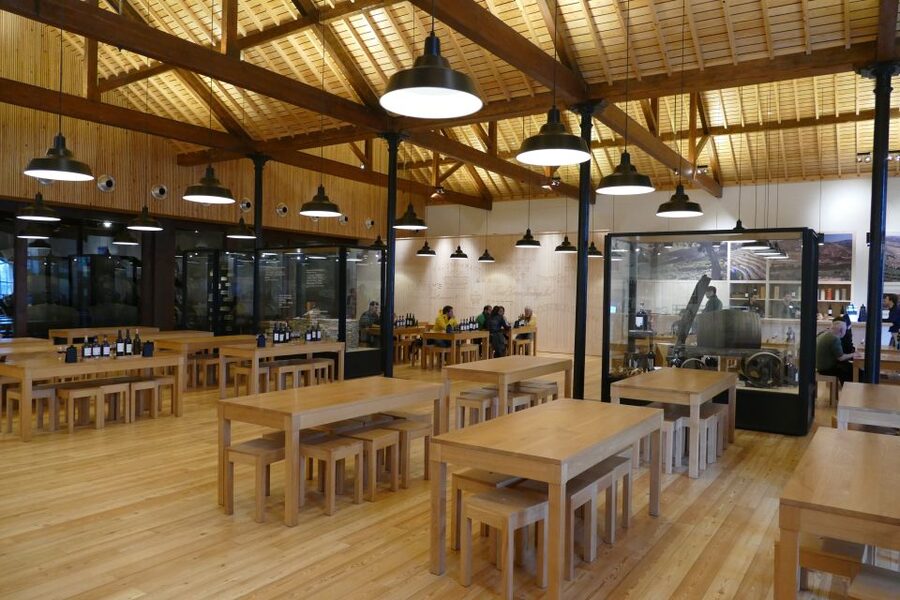
You’ll also notice that the tour structure keeps moving from cellar education to tasting and then to time for photos and shopping. That’s helpful for two types of visitors:
- People who want an organized experience with clear stops
- People who want time to linger at the end rather than being whisked away
Also worth noting: wheelchair accessibility is listed. Still, since the lodge sits on a ridge and the experience includes movement through the cellar spaces, you’ll want to plan around comfort and any personal mobility needs.
Value for $47: what you’re really paying for
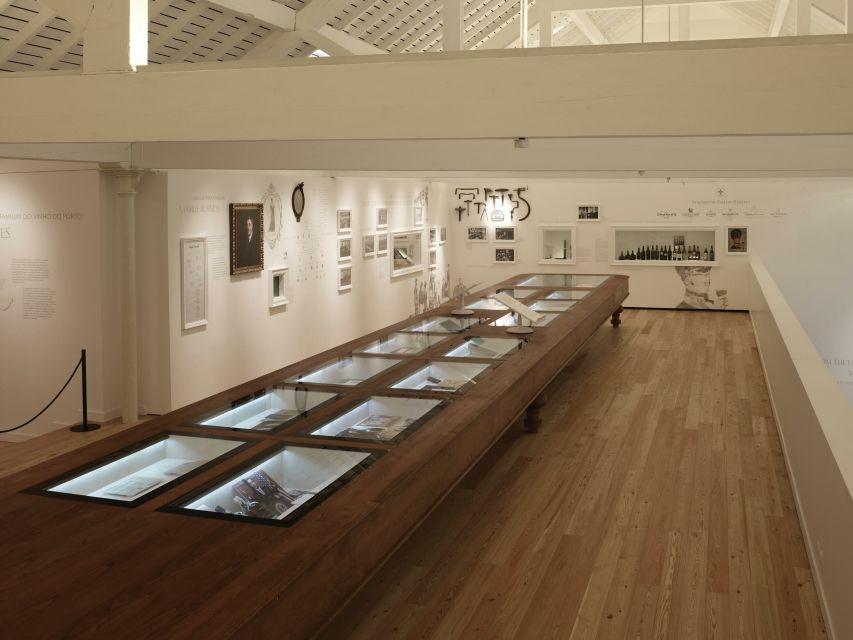
At $47 per person for a 2-hour experience, you’re not just buying three sips. You’re paying for a guided visit to a functioning Port lodge built in 1890, with access to the scale of storage (2,000+ pipes and 40 oak vats) and a guided tasting with food pairings.
Here’s what that means for value in plain terms:
- You’re getting context that makes the tasting make sense
- You’re getting a structured tasting that covers multiple Port styles rather than one
- You’re getting small food pairings that help your palate learn faster
- You’re getting views from a high point that aren’t simply tacked on
If you only wanted wine, you could probably find a pour somewhere cheaper. But if you want understanding and a memorable setting, this price feels fair for what you’re getting. It also tends to fit a tight schedule. Two hours is long enough to feel like you did something real, and short enough to still enjoy Porto afterward.
Who should book this tour (and who should think twice)
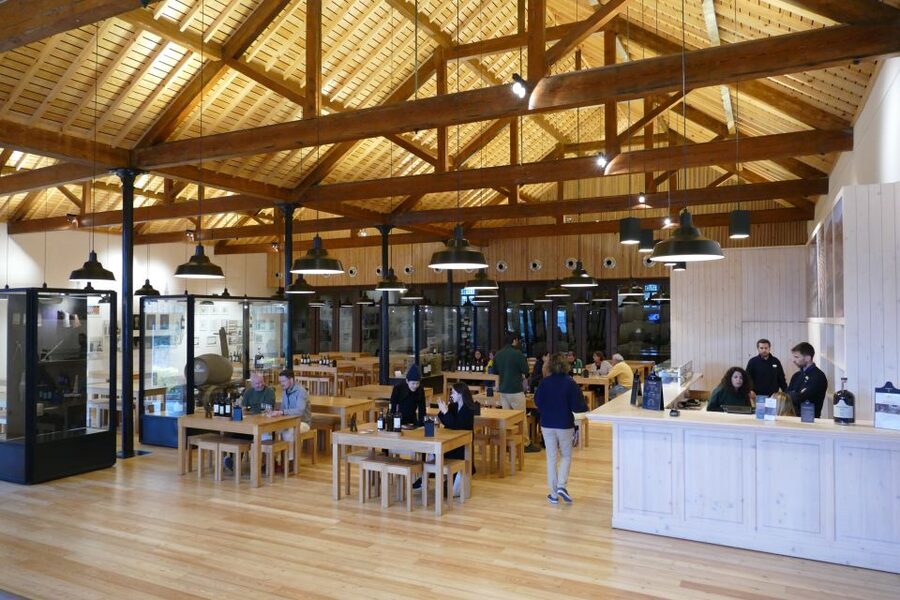
This is a strong match if you:
- Want a Port experience that includes production, not just tasting
- Like food pairings and want to learn what works with each style
- Appreciate scenic views and want an easy photo spot built into the activity
- Enjoy guided explanations with time for questions
You should think twice or plan carefully if:
- You get worn out by hills and standing. The approach and internal pacing can be tiring for some visitors.
- You prefer super flexible time. This is scheduled and guided, so you’re not roaming the cellar on your own.
Still, even for less mobile visitors, wheelchair access is listed. That doesn’t automatically remove all hurdles, but it does suggest the experience can be adapted better than many steep cellar tours.
Should you book Graham’s Port Lodge premium wine tastings?
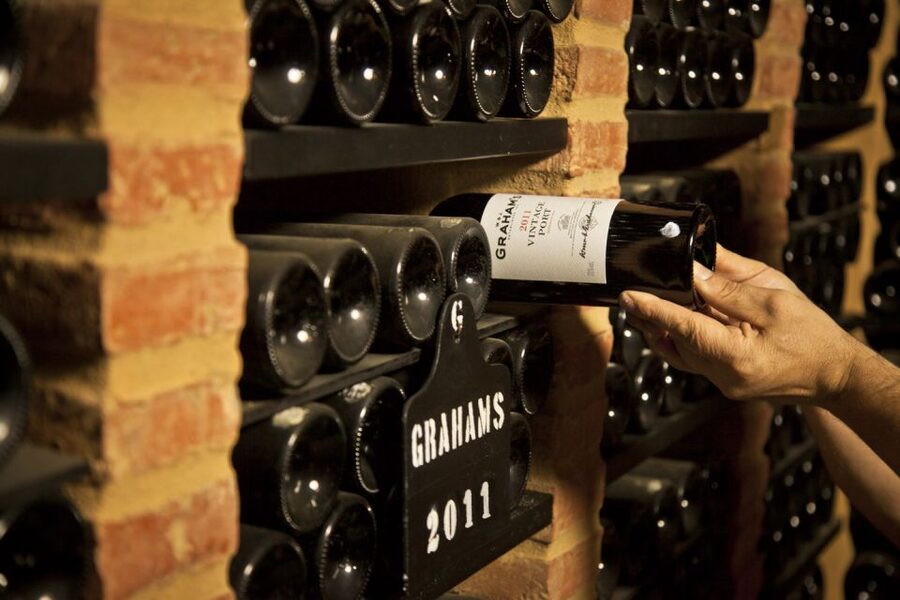
If Port wine is on your list, I’d book this. The blend of a real working cellar plus a tasting with thoughtful pairings is exactly what makes it feel worth doing in Porto’s region. It’s also not an all-day commitment, so it won’t wreck your schedule.
My one booking tip: if you’re sensitive to standing or you’re walking in from the riverfront, plan your arrival with the hill in mind. Taxi can be a smarter move than you expect, especially if you’re traveling in warmer months or you want your best energy for tasting and views.
If you want Port with context—and you like the idea of comparing styles in a historic production setting—this tour is a very solid choice.
FAQ
How long is the Graham’s Port Lodge tour with premium wine tastings?
The experience lasts 2 hours, and you can check available starting times before you book.
What’s included in the $47 price?
You get a guided tour, a wine tasting, and food pairings with the wines. Transportation is not included.
Which wines and pairings are included in the tasting?
The tasting includes Graham’s LBV paired with chocolate, Graham’s Quinta dos Malvedos paired with cheese, and Graham’s 20 Year Old paired with Pastel de Nata.
Where do I meet the group?
The meeting point is Graham’s Port Lodge, with check-in at the reception at Rua do Agro 141, 4400-003 Vila Nova de Gaia.
Is transportation included?
No. Transportation is not included with this experience.
What languages are the live tour guides available in?
Guides are available in Spanish, English, and French.
Can I cancel or pay later?
Yes. You can cancel up to 24 hours in advance for a full refund, and you can reserve now and pay later.