REVIEW · BUDAPEST
Budapest: Essentials of Hungarian Wine Tasting Class
Book on GetYourGuide →Operated by Taste Hungary · Bookable on GetYourGuide
Hungary’s wine story starts with a sweet finish. This 2-hour, sommelier-led tasting turns a complicated country into something you can actually remember, from white and red styles to the finale with Tokaj Aszú. I love the 8-wine format with meaningful food pairings, and I also like how the host uses simple, region-by-region comparisons so you start to taste the differences. One small consideration: if you’re picky about wine tasting protocol, you may not get glass changes between whites and reds, based on one comment I saw.
You’ll do this in a real wine setting near the National Museum, not a generic classroom. The vibe is social but not chaotic, and the tasting sheets with a map help you keep your notes straight for later. If you want a quick, high-value way to get oriented before you go off exploring Hungary’s wineries on your own, this is a smart pick.
In This Review
- Quick takeaways: what makes this tasting worth your evening
- Budapest wine tasting basics: where you’ll go and what it feels like
- The 2-hour flow: how 8 wines turn into an easy Hungarian “road map”
- The sommelier’s job: teaching regions, soils, grapes, and styles without the snobbery
- What you actually taste: 8 wines selected with purpose (and often from small producers)
- Food pairings: the cheese-and-charcuterie part isn’t an afterthought
- The Tokaj Aszú finale: why the last pour is your best memory anchor
- Venue location hacks: making it easy to arrive, park your thoughts, and start tasting
- Value in plain terms: is $65 worth it?
- Want to keep the party going? Buying bottles and extras
- Who should book this Hungarian wine class in Budapest?
- Should you book this tour or not?
Quick takeaways: what makes this tasting worth your evening
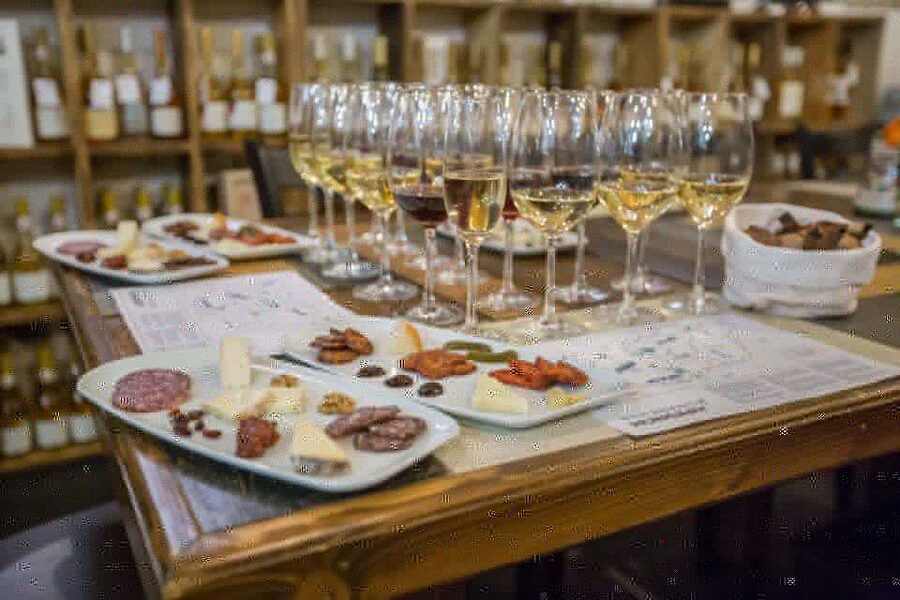
- 8 Hungarian wines in a guided story, usually in the order aperitif → whites/reds → sweet Tokaj Aszú
- Food pairings built around Hungarian flavors like cheese-and-charcuterie-style platters, not random crackers
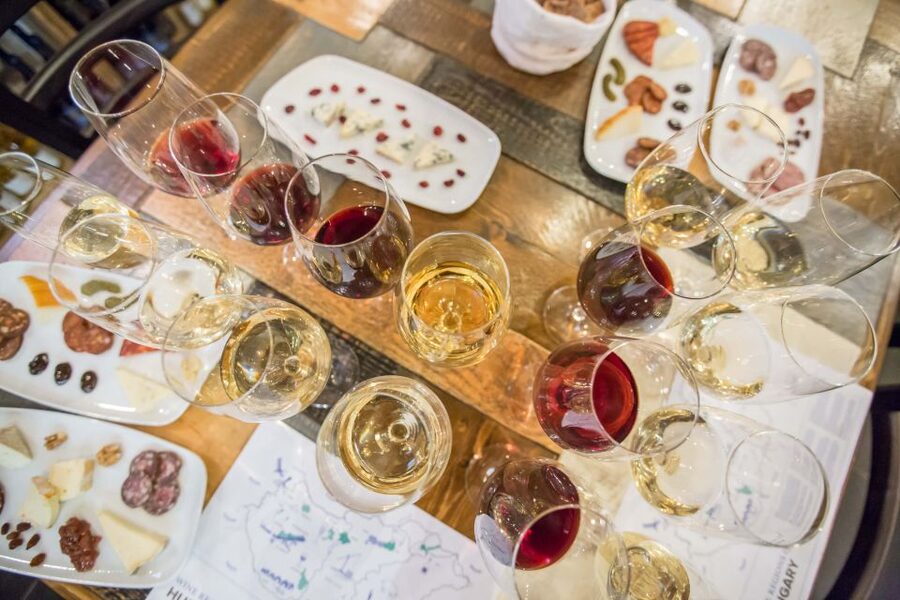
- Tasting sheets + a map of wine regions so you can remember what you liked (and why)
- Small-group feel where you can taste, compare, and chat between short explanations
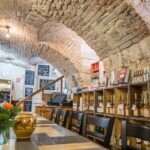
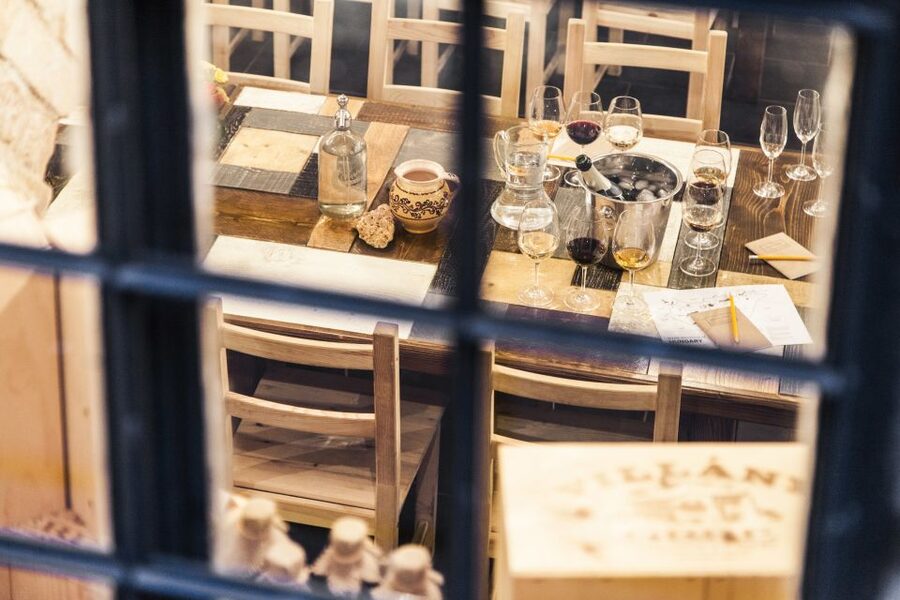
- A venue that feels like a proper cellar, with a warm, brick-arched atmosphere
Budapest wine tasting basics: where you’ll go and what it feels like
This class meets at Tasting Table Budapest, Bródy Sándor utca 9 (District VIII). It’s close to the National Museum, and it’s walkable from both Astoria (M2) and Kálvin tér (M3). Trams 47 and 49 also stop at Astoria and Kálvin tér, so you can show up without planning a complicated route.
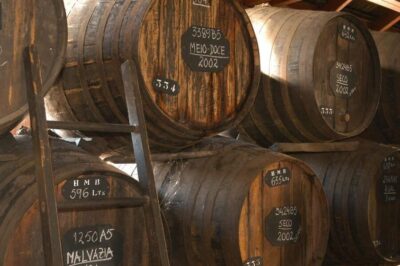
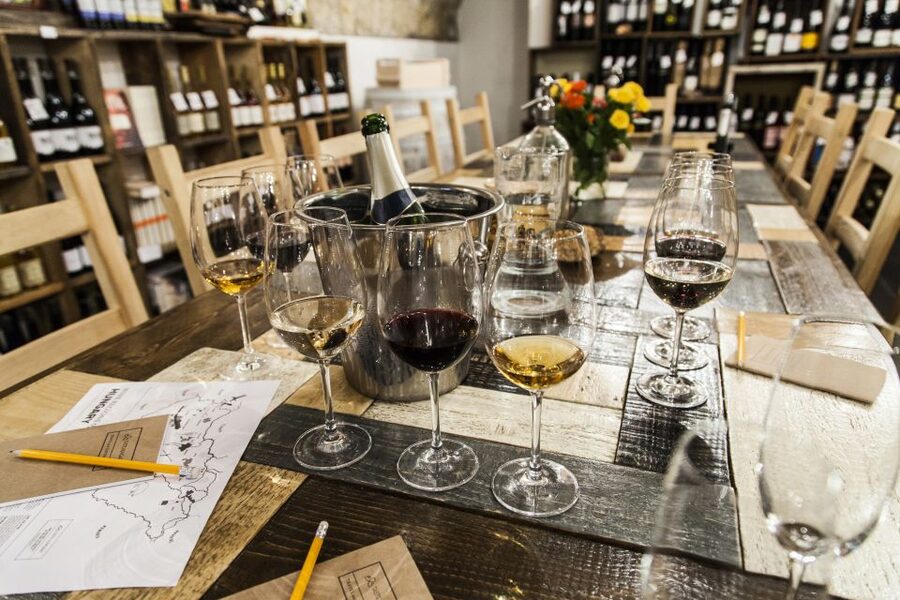
The setting matters more than you’d think for a wine class. This one happens in a tasting room that feels like an old cellar, with brick arched features that make the whole thing feel grounded in place. It’s the kind of room where you can relax, pay attention, and still enjoy your evening without feeling like you’re stuck inside a lesson.
Most sessions run in the evening, generally between 6:00 PM and 8:00 PM. That timing is ideal if you’re doing a first full day in Budapest or you want something easy to slot in before dinner plans.
You can also read our reviews of more food & drink experiences in Budapest

The 2-hour flow: how 8 wines turn into an easy Hungarian “road map”
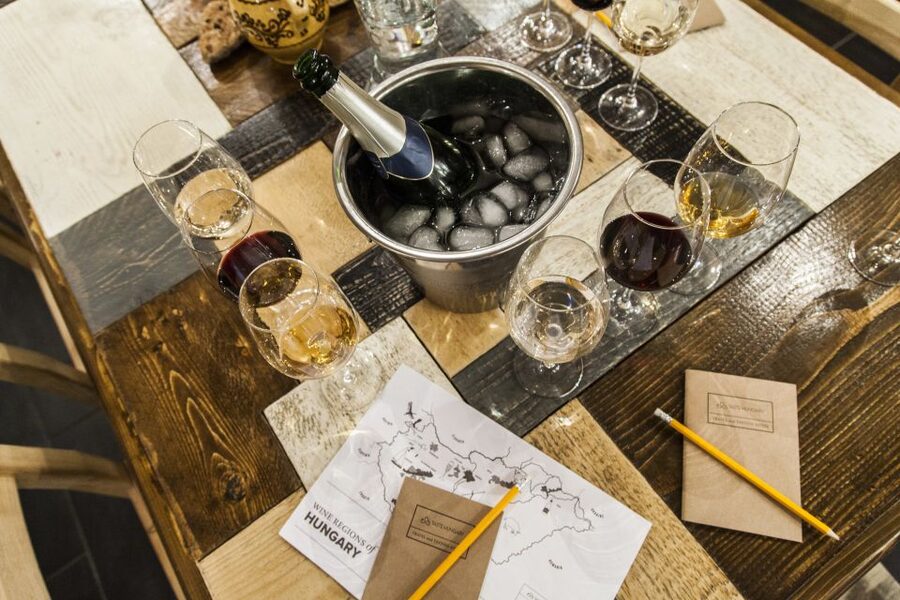
The whole idea is a crash course you can follow while you taste. Over 2 hours, you’ll sample 8 wines, guided by a sommelier who turns each pour into a clue about how Hungarian wine works.
The sequence is designed to build your understanding step by step:
- It starts with an aperitif, so you get your palate warmed up.
- Then you move through white wines and red wines (and you might see rosé in the mix, depending on the selection that night).
- The evening ends with a sweet, botrytised Tokaj Aszú.
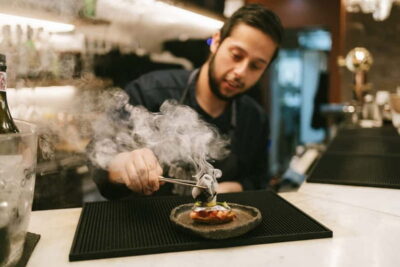
That ending is not an accident. Tokaj Aszú is Hungary’s signature sweet wine style, and it’s a great way to cap the lesson because it’s tied to very specific growing conditions and a very specific approach to ripening. Botrytised wine is shaped by noble rot (a controlled type of fungal development). You’ll taste how that process creates honeyed flavors, apricot-like notes, and a finish that’s both sweet and lively instead of cloying.
Between wines, the host typically keeps the pace moving. You get short explanations, then you taste and compare. One of the best parts of this format is that it doesn’t trap you in constant talking. You can look at the notes, smell and sip, and actually start connecting what you’re tasting to the region story being told.
The sommelier’s job: teaching regions, soils, grapes, and styles without the snobbery
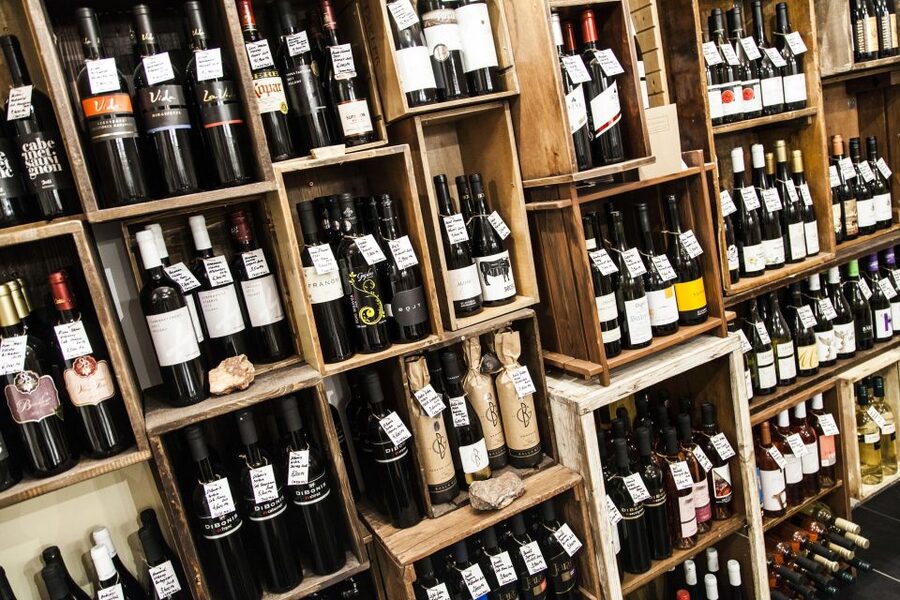
Hungarian wine can feel hard to crack if you only know a few global names. What makes this class useful is that the sommelier builds a clear framework fast. You’ll get a guided overview of:
- Hungarian wine history
- Major wine regions
- Important varietals
- Unique characteristics and styles
- Promising trends in what producers are doing now
A big reason this works is that the host doesn’t just list facts. They connect the taste to the setting. In practice, you’ll get explanations around how soil and climate influence flavor, and you’ll learn what to look for when comparing wines from different parts of the country.
In different evenings, you might meet different English-speaking hosts. Names I saw associated with the experience include Somali, Sam, Tomas, Nikki, Carlos, John, Christian, and Sebastian. Regardless of who’s guiding you, the goal stays the same: make Hungary’s wine world feel understandable quickly.
You do not have to be a wine expert to enjoy it. The class is explicitly built for people who want a meaningful introduction to the relatively lesser-known side of European wine. If you like learning through doing, this format makes sense: taste eight times, compare eight times, leave with a mental set of “this region tastes like that.”
What you actually taste: 8 wines selected with purpose (and often from small producers)
The wines in this class aren’t random. They’re selected to tell a story, and you’ll taste eight wines for a reason across the spectrum of styles. You can think of the lineup as a set of guided samples rather than a menu of whatever the producer has open that day.
You’ll generally taste:
- an aperitif
- multiple whites
- multiple reds
- possibly rosé
- and the closing Tokaj Aszú sweet dessert wine
One extra detail that makes the experience feel more authentic: the wines are bought directly from producers, and the guides have gotten to know these wineries over time. That matters because it usually means the selection is more about teaching than about maximizing margin.
The exact grapes can vary night to night, and the overall lineup can change. Based on comments I saw, you might run into varieties like Cabernet Franc among the reds in some sessions. Expect the host to explain what you’re drinking and what to notice, not just hand you a glass and move on.
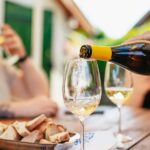
The generous pours are a real factor too. Several people pointed out that the servings feel more like a proper tasting glass than a tiny sip. That’s good for learning because you can actually taste and reset your palate between pours. Just remember: if you have evening plans after, you’ll want to pace yourself. This is still a wine class, not a light snack.
Food pairings: the cheese-and-charcuterie part isn’t an afterthought
Wine tasting without good food is like watching a play with the sound off. This class pairs your wines with food built around local Hungarian flavors, most often in the form of a cheese and charcuterie-style spread.
What I like about the pairing approach is that it supports the tasting logic. Salty cured meats and fatty cheeses give you something to contrast with acidity, tannin, and sweetness. The result is that each wine tastes like it has a job, not just that you’re collecting glasses.
Some specific food elements people referenced include:
- cheese and charcuterie boards
- bread
- and items like pumpkin seed oil showing up in the food setup
You’ll also get mineral water, which you should treat as part of your plan, not an optional extra. Sip it between tastings. It keeps the evening comfortable and lets the later wines stay clear instead of turning into one big blur.
One of the most practical perks: the food is substantial enough that many people described it as effectively covering dinner. If you go in hungry, you’ll likely leave feeling fed, not just educated.
You can also read our reviews of more wine tours in Budapest


The Tokaj Aszú finale: why the last pour is your best memory anchor
Ending with sweet botrytised Tokaj Aszú is smart teaching. It gives you a high-emotion finish and forces you to focus on a totally different style than the whites and reds earlier in the evening.
Tokaj Aszú sweet wines are famous for the noble rot process. In your glass, that shows up as concentrated fruit and honeyed aromatics, often with a bright backbone that keeps it from becoming heavy. When the host explains the why behind the sweetness, you’re not just tasting dessert wine. You’re learning how conditions in specific growing areas can create flavors that don’t happen elsewhere.
Even if you’re not usually into sweets, this kind of guided ending helps you understand why Tokaj’s reputation exists. And if you do like sweet wine, this last pour is where you’ll likely find your favorite glass of the entire night.
Venue location hacks: making it easy to arrive, park your thoughts, and start tasting
Since the meeting point is near the National Museum, it’s an easy stop on a Budapest evening. Here are a few practical ways to make your night smoother:
- Plan to arrive a little early so you can settle in before the first aperitif.
- If you’re walking from Astoria or Kálmán tér, it’s a straightforward stroll (about a 5-minute walk noted for both areas).
- Trams 47 and 49 can drop you near the same general area, which helps if you’re moving between neighborhoods.
Also, don’t feel pressured to memorize everything in real time. The session provides tasting sheets and includes a map of Hungarian wine regions. Use it like a tool, not a school worksheet. Write down what you liked, what surprised you, and one sentence on the region style. In a day or two, that becomes your shortcut to buying a bottle later with confidence.
Value in plain terms: is $65 worth it?
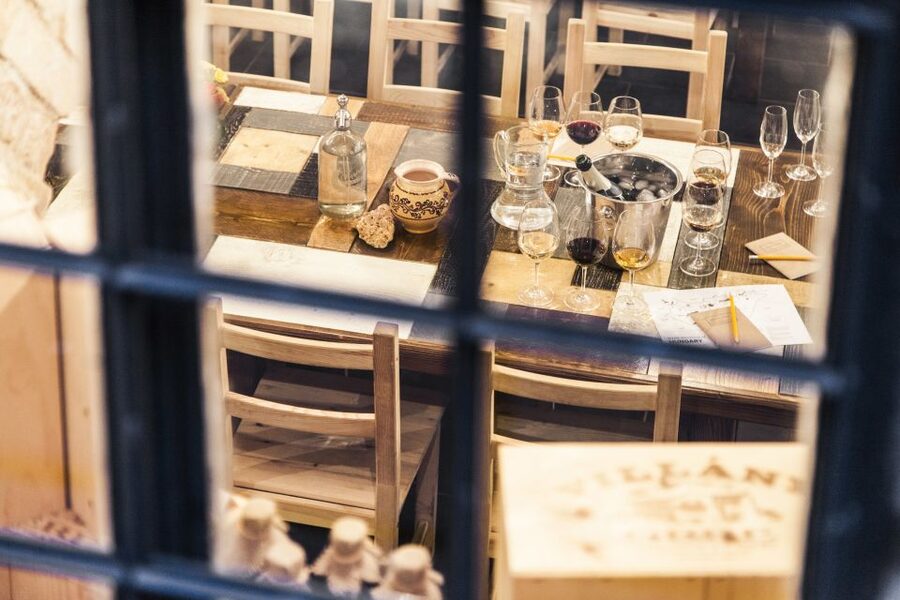
At $65 per person for 2 hours, you’re buying more than a quick wine sip. You’re getting:
- a sommelier-led guided tasting
- 8 wines
- mineral water
- food pairings with local Hungarian flavors
- tasting sheets with notes and a wine regions map
In other words, it’s not just a lecture. You’re paying for a structured tasting experience where the food supports the wine and the host gives you context while you’re tasting.
People also emphasized that the wine amounts feel generous, and the charcuterie boards can be satisfying enough to serve as dinner. When that’s true, value rises quickly because you’re not paying separately for a full meal and drinks.
One more value angle: this class can cut the learning curve. If Hungarian wine has felt confusing before, this evening gives you a workable mental map. That means future tastings (or bottle purchases) are less random. You taste with intention.
Want to keep the party going? Buying bottles and extras
This experience takes place inside a shop/tasting room setup, and many people mentioned returning later to buy wines they liked. One comment even pointed out a discount on wines that were tasted.
So if you end up loving a certain style, it’s normal to treat the tasting as research. If you’re buying for home, start with whatever the host suggested that night, then use your tasting sheet notes to confirm you’re not buying on a whim.
Some sessions may also include the option to taste additional Hungarian spirits, depending on what’s available during your visit. If that interests you, ask during the tasting window rather than assuming.
Who should book this Hungarian wine class in Budapest?
I’d send you if:
- you want a high-impact first look at Hungarian wine in a short time
- you like learning through tasting and want the region connections explained in plain language
- you enjoy social evenings where you can compare notes with people at your table
- you want a Budapest experience that feels more local than the typical bar crawl
I wouldn’t prioritize it if:
- you only want light sipping and hate any structured explanations
- you’re very strict about wine protocol like using different glasses for different stages (one comment suggested that change might be worth adding)
Should you book this tour or not?
If you’re in Budapest and you’re curious about Hungarian wine, I think this is a solid yes. The format is tight: 2 hours, 8 wines, food pairings, and region context, all guided by an English-speaking host in an actual cellar-like setting. For $65, you’re getting enough wine and food that it feels like a real plan for the evening, not a quick add-on.
Book it if you want a memorable introduction you can build on. Skip it if you’d rather browse wine menus on your own with zero structure.