REVIEW · BUDAPEST
Private Wine Tasting in Budapest
Book on Viator →Operated by Miklós Csizmadia · Bookable on Viator
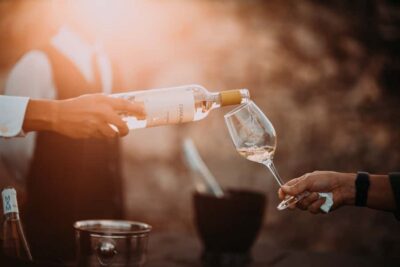
Hungarian wine has a way of surprising people fast. This private tasting puts you face-to-face with indigenous Hungarian grapes and a real wine journalist and judge style of guidance, in about two hours. You’ll sip through a lineup of whites and reds, plus learn how Hungary turned these grapes into wines people still chase.
I love the way the session explains what you’re tasting, not just what bottle it is. I also like that you get snacks with the wines, so you’re not stuck with a dry mouth and guesses. With a price of $60 per person, you’re paying for direction and selection, not a generic pour-and-go.
One thing to consider: this is very much a wine-focused evening with lots of talking. If you’re hoping for a quick drink while checking your phone, you may find the pace too educational. And the meeting spot is a bit off the core tourist shuffle, though it’s near public transport.
In This Review
- Key Highlights You’ll Notice Right Away
- Why This Hungarian Tasting Feels More Like a Lesson Than a Bar Stop
- Meeting Miklós Csizmadia at Wine the Gap (Tompa u. 26)
- The Whites: 6+1 Indigenous Grapes and the Furmint Story
- The Reds: Kékfrankos, Kadarka, and Bull’s Blood
- The Host’s Wine Stories: History, Makers, and Small Laughs
- Snacks and Pairing: Tapas Plates with Hungarian-Sized Flavor
- What the 2 Hours Actually Feel Like (And How to Enjoy It)
- Price and Value: $60 for Selection, Guidance, and Real Pairing
- Who Should Book This Budapest Wine Tasting
- Where to Go Next in Budapest (So You Don’t Waste the Night)
- Should You Book This Private Wine Tasting in Budapest?
- FAQ
- How long does the private wine tasting last?
- What’s the price per person?
- Where do we meet for the tasting?
- Are tickets mobile?
- Is the experience offered in English?
- What wines will I taste?
- Will there be food included?
- Is this a private tour?
- Who hosts the experience?
- What’s the cancellation policy?
Key Highlights You’ll Notice Right Away
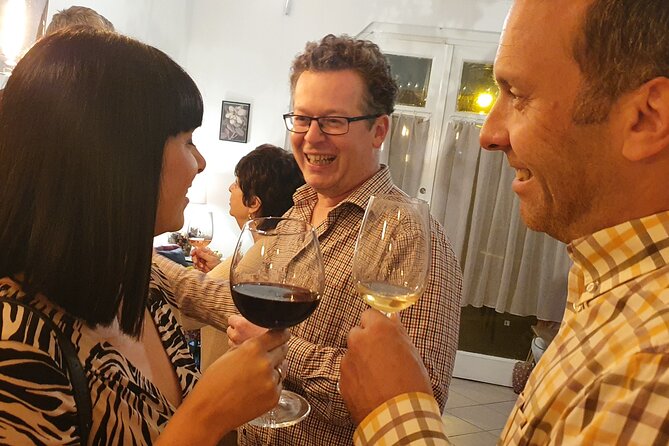
- Wine journalist and judge host: Miklós Csizmadia brings a judge’s eye plus a storyteller’s energy.
- 6+1 indigenous whites to learn by comparison: Expect grapes like Furmint, Hárslevelű, and Cserszegi fűszeres.
- Red wine lineup that shows Hungary’s range: Kékfrankos, Kadarka, and Bull’s Blood-style pours are part of the mix.
- Snacks that actually support the tasting: tapas-style plates including ham, sausages, cheese, olives, and bread.
- A Budapest stop that feels local: you taste bottles tied to places that serve serious wine, not only everyday shelves.
Why This Hungarian Tasting Feels More Like a Lesson Than a Bar Stop
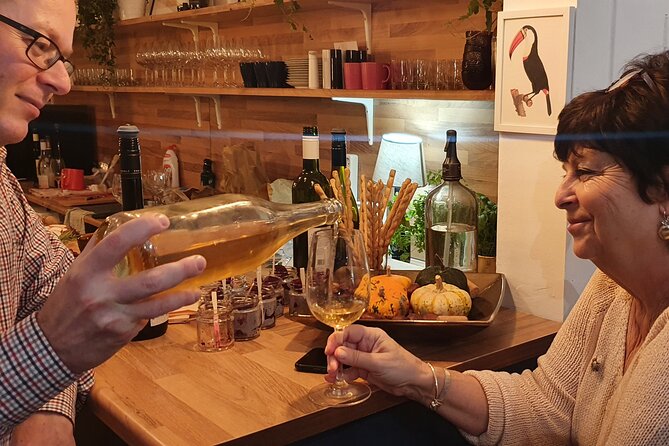
Budapest has plenty of wine bars. This one is different because it’s built around understanding. The host frames Hungarian wine the way a good judge would: by grape, region, and the choices made in the vineyard and cellar. That turns your glass into a map.
You’ll get a clear spread of what Hungary tastes like. The session is designed around indigenous varieties, so it’s not just drinking wine that could come from anywhere. You’ll also hear why Hungary earned its reputation as a wine country, not a beer-and-pub culture.
This also helps if you’re new. You don’t need to know the difference between an oxidative process and a clean cellar style. The structure gives you handles: aroma, acidity, body, and how the wine shifts after the first sip.
You can also read our reviews of more food & drink experiences in Budapest

Meeting Miklós Csizmadia at Wine the Gap (Tompa u. 26)
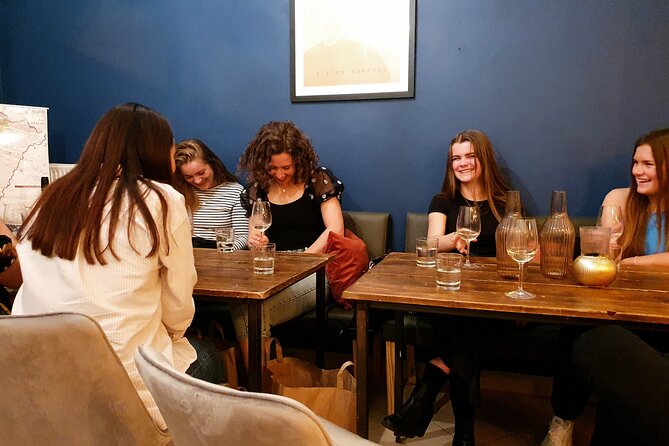
Your tasting starts at Wine the Gap Borbár és Rendezvénytér, Tompa u. 26, 1094 Hungary. The session ends back at the same meeting point, which makes it easy to plan the rest of your evening.
The practical win here is simple: you can arrive without a multi-stop scavenger hunt. It’s also near public transportation, which matters in Budapest, where timing can make or break a night out.
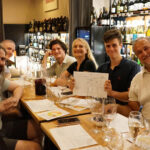
Most importantly, this is a private setup. Only your group joins in, so questions are welcome and the pace can match your curiosity. If you like to ask about what you’re smelling or why one wine works with food, you’ll get a real conversation instead of a lecture for a crowd.
The Whites: 6+1 Indigenous Grapes and the Furmint Story
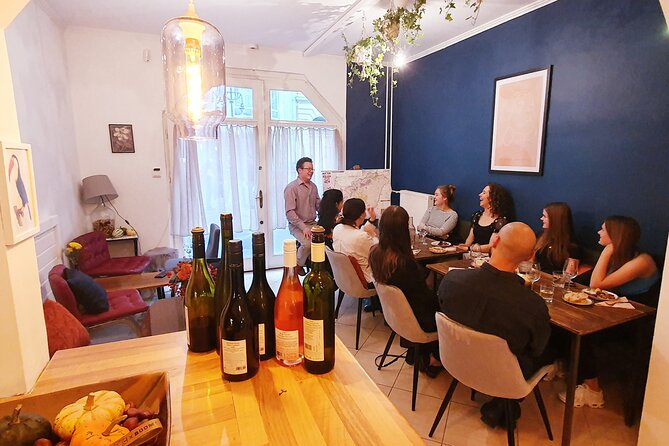
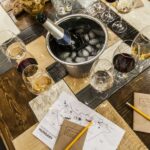
The tasting centers on Hungarian white grapes, and you’ll go beyond the usual suspects. The experience highlights at least 6 indigenous Hungarian whites, plus a bonus pour (often treated as the extra “lesson glass”). You’ll likely run into names like Furmint, Hárslevelű, and Cserszegi fűszeres.
Here’s what makes this part valuable: Furmint isn’t just a grape label. It’s tied to Tokaj, and specifically to why Tokaji Aszú exists. Even if you’ve never ordered Tokaj before, you start to understand the logic behind sweet, complex styles and why they can age well.
Then you shift away from the big name wines to more “you wouldn’t pick this blind” varieties. Cserszegi fűszeres is described as the so-called unpronounceable grape for a reason: it’s distinctive and not as familiar. That’s the point. The lineup is built to help you notice how Hungarian whites can taste dry and crisp, or richer and aromatic, depending on the grape and style.
Hárslevelű is another key lesson. You’ll get a chance to compare it against Furmint instead of treating each grape as a one-off. That’s how you learn faster: not by memorizing, but by tasting in sequence.
The Reds: Kékfrankos, Kadarka, and Bull’s Blood
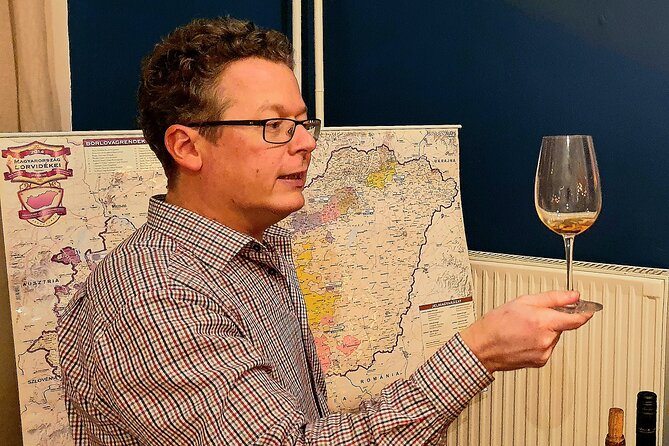
After the whites, the red portion gives you a clean contrast. You’ll taste Hungarian reds including Kékfrankos and Kadarka, and you’ll also encounter Bull’s Blood-style wine.
This section helps you understand that Hungary isn’t only “white wine and dessert.” The red grapes show different textures and flavors: lighter, aromatic reds on one end, and deeper, more structured profiles on the other.
Kadarka, for instance, is often about character and a kind of peppery or savory edge. Kékfrankos brings another set of aromatic cues and fruit shape. Bull’s Blood-style wines tend to be recognizable by their darker tint and traditional reputation, and tasting them side-by-side makes the differences feel obvious.
What I like about including these three is that it avoids the trap of picking one crowd-pleaser. You get a range, and you can decide what you’d actually want to order again.
The Host’s Wine Stories: History, Makers, and Small Laughs
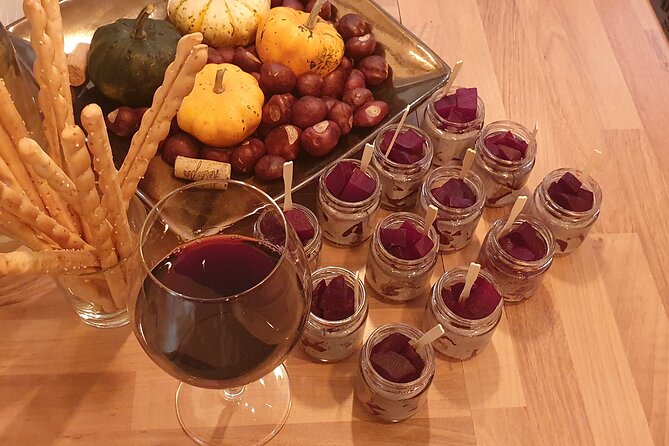
A big reason this tasting earns a top rating is the way Miklós Csizmadia connects wine to people. He doesn’t only list facts. He shares history of winemaking in Hungary and includes funny stories connected to the wines and makers.
That’s not fluff. When someone explains how winemaking traditions evolved—or how certain grapes stayed important—you start tasting with context. Suddenly, acidity makes sense, and the way a wine smells feels less random.
The host also has personal connections in the wine world and names wine makers he knows. That matters because it turns the wines from products into living work. You also get the sense that this isn’t a script read off a poster. The energy stays human.
In one standout moment from the experience style, the host can make a fröccs for the group. If you’ve never tried Hungary’s mixed-wine tradition, it’s a good reminder that Hungarian drinking culture includes more than straight pours.






Snacks and Pairing: Tapas Plates with Hungarian-Sized Flavor
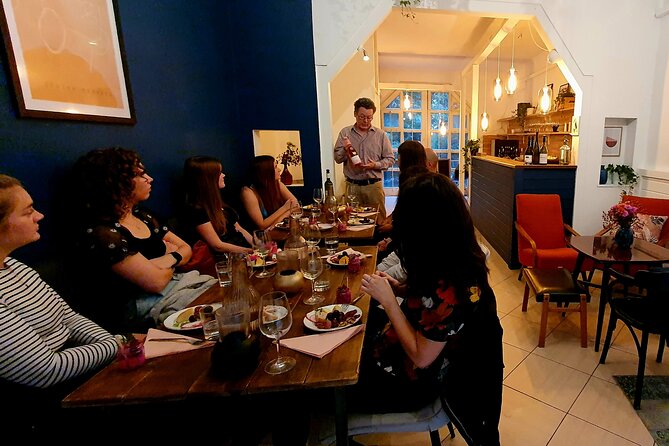
You won’t show up to wine alone. Snacks are part of the session, and that changes how you experience the wines.
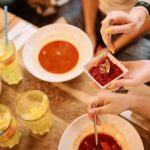
The sample food includes tapas-style plates: ham, sausages, cheese, olives, and bread. That lineup is practical. Salty, fatty foods help tame sharp edges in young whites and keep red wines from feeling too dry. Bread and olives also help reset your palate between pours.
One review detail that stuck with me as an indicator of quality: the experience can include a Mangalica spread, which is a Hungarian specialty people actively seek out. If you’re a fan of local pork flavors, it’s a strong pairing moment after the wine talk finishes.
So yes, you sip. But you also eat in a way that lets you taste more clearly.
What the 2 Hours Actually Feel Like (And How to Enjoy It)
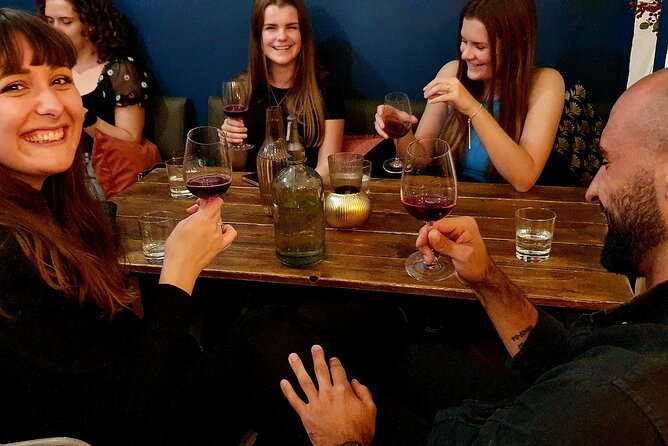
Two hours can disappear fast in a group tasting, or it can drag if the structure is weak. Here, the format is tight enough that you keep moving, but paced enough to ask questions.
Expect a sequence: introductions, tasting rounds (whites first, then reds), and explanations that connect each pour to Hungarian production. The session also includes stories and heritage talk, which is part of why it’s fun rather than stiff.
A practical tip: don’t over-schedule the evening right before or right after. You’ll want time for a slow walk or a nearby dinner after, not a tight shuttle rush. Also, if you’re flying in late, this kind of pacing can still work, since the guide keeps energy up and the group format stays relaxed.
Price and Value: $60 for Selection, Guidance, and Real Pairing
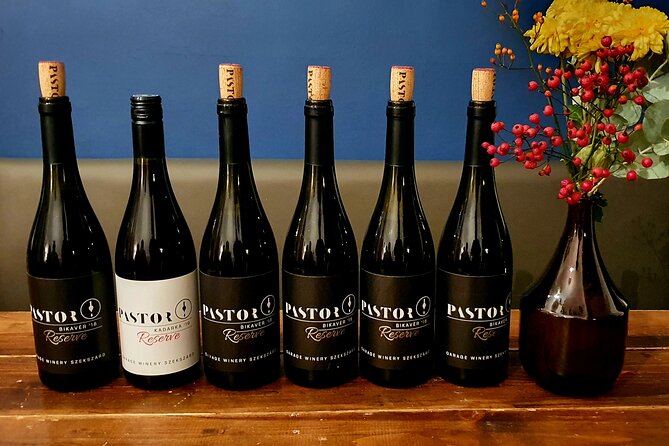
At $60 per person for about two hours, this isn’t a cheap tasting. But it’s also not overpriced if you think in terms of what you receive.
You’re paying for:
- A private group format
- A host who’s working as a wine journalist and judge, with a learning-first approach
- A designed set of bottles, including indigenous whites and specific Hungarian reds
- Snacks that match the tasting rather than random chips
If you compare this to buying bottles on your own and trying to teach yourself the differences, the value becomes clearer. The point isn’t the cost per sip. It’s the cost per insight. You leave with a mental checklist of what you liked and why.
Who Should Book This Budapest Wine Tasting
This is a great fit if you want more than casual drinking. You’ll enjoy it if you like:
- learning how grapes shape flavor
- comparing multiple indigenous Hungarian varieties in one sitting
- a host who explains without talking down
It’s also ideal for couples or small groups who prefer a private setting. Reviews and the format both point to the same thing: you get personal attention, and the guide can accommodate questions, including dietary needs like a nut allergy.
If you’re traveling solo, it’s still worth considering because the experience doesn’t feel like a crowded bus tour. Private time tends to make first-time wine learners feel comfortable fast.
Where to Go Next in Budapest (So You Don’t Waste the Night)
Your tasting ends where it starts: Wine the Gap. That’s helpful because you can continue in the area without recalculating plans.
If you’re the type who wants to continue exploring, pick a dinner spot where you can order Hungarian wines by the glass. You’ll understand what to ask for after this. If you liked Furmint most, look for Tokaj-adjacent styles. If the reds stole the show, ask for Kékfrankos or Kadarka when the menu includes them.
Also, since the wines in this session are connected to higher-end restaurants and top hotels in Budapest, it’s smart to treat this as a “taste first, then order better” evening.
Should You Book This Private Wine Tasting in Budapest?
Book it if you want an evening that mixes Hungarian wine culture with real tasting education. The best reasons to go are the indigenous grape focus and the structured selection, with snacks that keep the tasting comfortable.
Skip it only if you hate wine talk, want a very low-key drinking vibe, or you’re looking for a quick, casual stop. This is a guided session, and the success of the experience comes from paying attention.
If you like learning through taste—one glass leading to the next—you’ll leave feeling like Hungarian wine just got a lot more personal.
FAQ
How long does the private wine tasting last?
It runs for about 2 hours.
What’s the price per person?
The price is $60.00 per person.
Where do we meet for the tasting?
You meet at Wine the Gap Borbár és Rendezvénytér, Tompa u. 26, 1094 Hungary.
Are tickets mobile?
Yes, it uses a mobile ticket.
Is the experience offered in English?
Yes, it’s offered in English.
What wines will I taste?
The tasting includes 6+1 indigenous Hungarian white wines and red wines such as Kékfrankos, Kadarka, and Bull’s Blood-style wines. Specific examples mentioned include Cserszegi fűszeres, Hárslevelű, and Furmint.
Will there be food included?
Yes. Snacks are provided, with tapas plates such as ham, sausages, cheese, olives, and bread.
Is this a private tour?
Yes. Only your group participates.
Who hosts the experience?
The provider is Miklós Csizmadia.
What’s the cancellation policy?
Free cancellation is available up to 24 hours in advance for a full refund. If you cancel less than 24 hours before the start time, the amount paid is not refunded.