REVIEW · BUDAPEST
Budapest: Wine, Cheese, and Charcuterie Tasting
Book on GetYourGuide →Operated by Taste Hungary · Bookable on GetYourGuide
Hungary tastes like it means business. In 90 minutes you’ll follow an English-speaking sommelier through five Hungarian wines matched with local cheese and charcuterie; the sommelier-led format keeps each pour clear, and that final glass of Tokaj sweet wine gives the whole flight a satisfying ending. One thing to think about first: it’s 18+, and the board is built around meats as well as cheese.
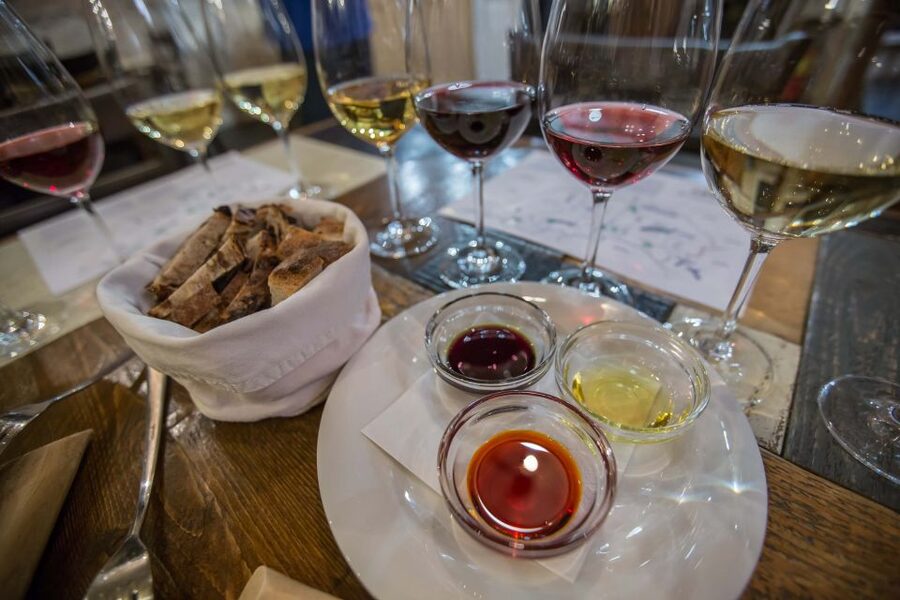
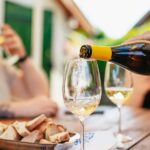
I like that you get more than just drinks. You’ll taste at a table set up with bread and artisan oils, and you’ll get tasting sheets (with a map of Hungarian wine regions) so you can remember what you liked and why.
In This Review
- Quick hits you’ll feel right away
- Meeting Point: A central start near National Museum and Astoria
- How the 90-minute flight flows: 5 glasses, notes, and pairings
- The wines: Indigenous focus plus a Tokaj sweet finish
- Cheese and charcuterie pairings: Mangalica, water buffalo, smoked duck, and more
- Bread and artisan oils: The small tastes that keep the flight coherent
- Price and value: Why $50 often makes sense here
- Who should book (and who should skip)
- Guide style: English-speaking sommeliers with real personality
- Where this fits in your Budapest plan
- Should you book this tasting? My take
- FAQ
- How long is the wine, cheese, and charcuterie tasting in Budapest?
- How many wines will I taste?
- Is there a sweet wine included?
- What food is included with the wines?
- Where is the meeting point?
- Is the tour available in English?
- What is the age requirement?
- Can I get a refund if my plans change?
Quick hits you’ll feel right away
- Five Hungarian wines in 1.5 hours, ending with sweet wine from Tokaj
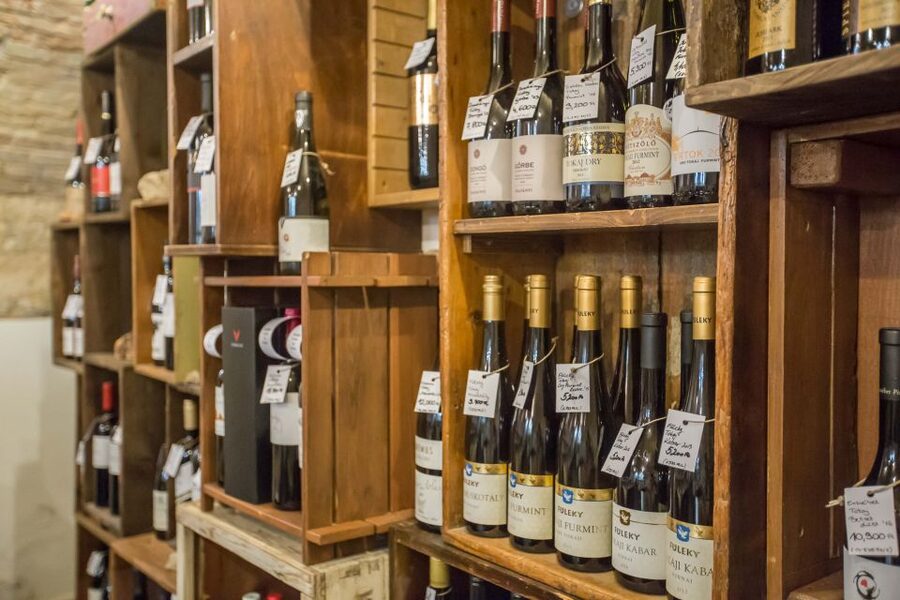
- Cheese and charcuterie board featuring items like Mangalica pork sausages and water buffalo salami
- Bread plus artisan oils to reset your palate between pours
- Tasting sheets with a region map so you can follow the logic behind each wine
- English-speaking sommelier guidance, with real personality from the person at the table
Meeting Point: A central start near National Museum and Astoria
The tasting takes place at The Tasting Table Budapest, Bródy Sándor utca 9 (District VIII). It’s about 150 meters from the National Museum, and it’s a short walk from both Astoria (M2) and Kálvin tér (M3). If you’re already sightseeing nearby, you can usually fit this between museums and a late dinner without stress.
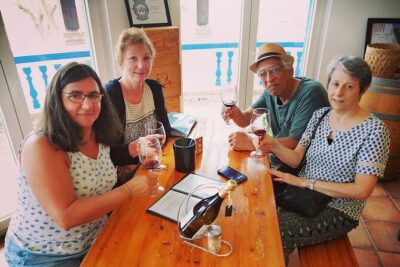
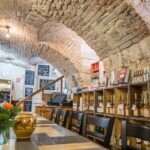
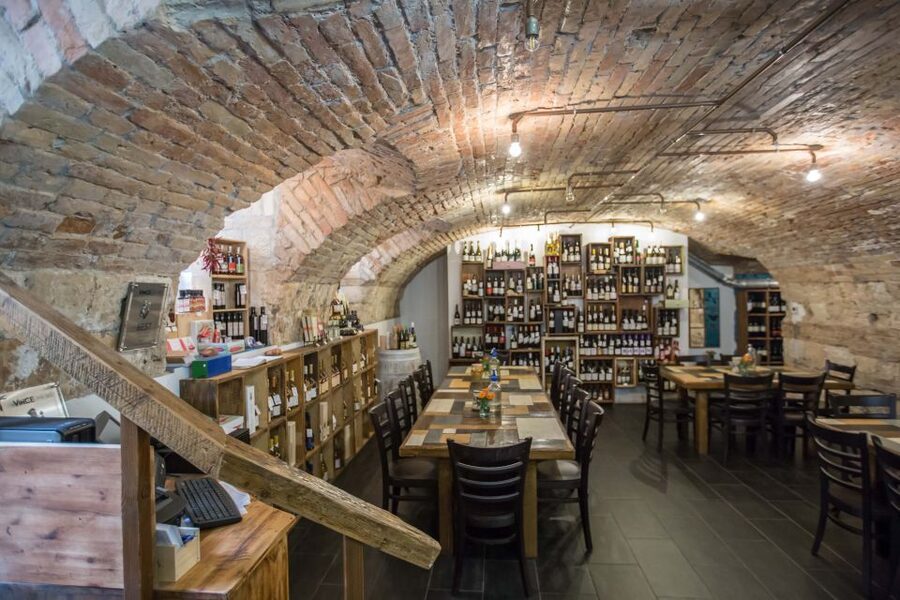
The venue itself feels like part of the city’s food-and-wine culture: several sessions are held in a downstairs space with brickwork and arches, which makes the experience feel intimate rather than formal. You’re seated around a shared setup, so the room has that easy, conversational vibe.
Practical tip: plan to arrive a few minutes early. With wine tastings, the start time really matters—once the first pour starts, the pacing moves fast enough that you don’t want to be scrambling for the door.
You can also read our reviews of more food & drink experiences in Budapest
How the 90-minute flight flows: 5 glasses, notes, and pairings

This is a classic tasting format, but with one key difference: you get five full glasses, not tiny samples. That matters. If you only sip, you can miss the shape of a wine. Here, you can actually taste differences—dry vs. sweeter styles, aromatic vs. structured profiles, and how food changes what you perceive in the glass.
Here’s what the session experience feels like as it moves along:
- You begin with an intro to Hungarian wine and what to pay attention to.
- Then come five wine servings, each paired with something from the cheese-and-charcuterie board.
- Bread and artisan oils show up as palate “checkpoints,” so the flight doesn’t turn into one long flavor blur.
- You keep notes using the tasting sheets, which help you connect what you taste to the regions and styles you’re learning about.
If you’re new to wine, that pacing is a gift. A good sommelier doesn’t just hand you a glass—they explain what you’re likely to notice: aroma, acidity, sweetness (especially when Tokaj appears), texture, and how the pairing works.
Also, the atmosphere stays relaxed. You’re not being tested. You’re being guided.
The wines: Indigenous focus plus a Tokaj sweet finish
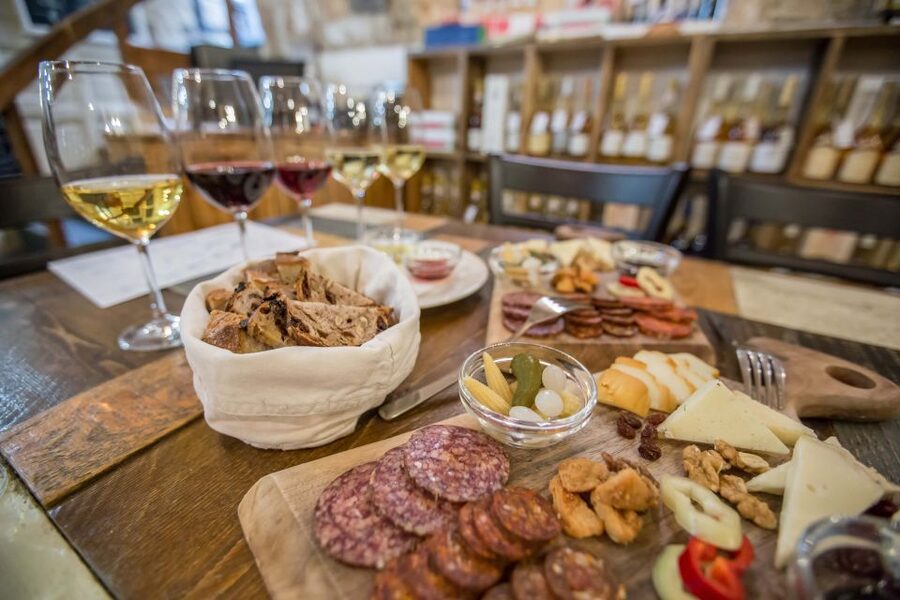
You’re there to learn Hungarian wine as a story, not just as a lineup of bottles. The sommelier walks you through:
- the history behind Hungarian wine,
- the major wine regions (with a map in your notes),
- important varieties,
- and current trends shaping what’s made today.
What makes this tour especially useful is the emphasis on indigenous Hungarian grape varieties and local styles. That means you may taste grapes and styles you don’t see on restaurant wine lists back home. Even if you’re the type who thinks you already know wine, this setup tends to expand your vocabulary fast.
The best moment to watch for is the last glass: sweet wine from Tokaj. Tokaj is one of Hungary’s signature chapters, and tasting it at the end changes how you experience the flight. The session builds toward that sweetness, so you can notice how flavors evolve across the lineup—how sweetness, acidity, and pairing choices all work together.
If you care about dessert wine or have ever wondered why Tokaj is so famous, this is a straightforward way to understand it without booking a full day trip. One practical upside: because it’s the final step, you won’t be hunting for that flavor contrast while you’re already tired.
Cheese and charcuterie pairings: Mangalica, water buffalo, smoked duck, and more
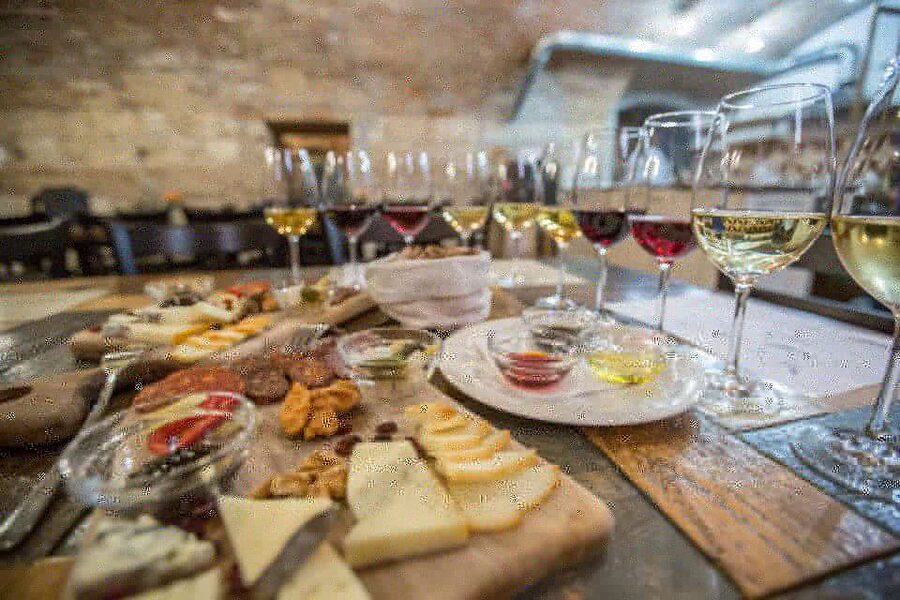
Wine tastings are only half the equation. The other half is the food, and this one is built around Hungary’s artisan producers. The board can include a mix like:
- Mangalica pork sausages
- free-range water buffalo salami
- smoked duck breast
- grey beef sausage
- and multiple styles of cheese
What’s smart about this pairing approach is that it gives you different “structures” to taste against the wine. Salty, fatty sausages behave differently than smoked meats. Cheese adds creaminess and sometimes nuttiness. Each bite can make the wine taste fruitier, drier, or more aromatic.
You’ll also notice that the sommelier isn’t just saying, This pairs well. The better sessions use the pairing to explain why: salt can sharpen acidity, fat can round harsh edges, and smoke can interact with aromatic notes in surprising ways.
One practical consideration: because the board includes plenty of meats, it’s not a vegetarian tasting by default. If that’s your situation, focus on the cheeses and bread, and be ready to adjust your expectations. You might still enjoy the wines, but you may want to check in about meat-forward pairings before you come in hungry.
Bread and artisan oils: The small tastes that keep the flight coherent
Bread and oils sound minor until you start tasting. Then you realize they’re doing real work.
You’ll get bread alongside artisan oils, and in some sessions a pairing like pumpkin oil shows up as a quirky, satisfying extra. These items help you:
- reset your palate between wines,
- notice texture differences that alcohol alone can mask,
- and keep the experience from feeling repetitive.
This is one of those underrated parts of good tastings. You’re not just chasing flavor; you’re learning how flavor changes as your mouth gets refreshed.
If you’re the type who loves food detail—especially local oils and regional ingredients—this part adds character and makes the tasting feel more like Hungarian cuisine than just wine class.
You can also read our reviews of more wine tours in Budapest


Price and value: Why $50 often makes sense here
At $50 per person for 1.5 hours, you’re paying for more than a handful of sips. You’re getting:
- 5 glasses of Hungarian wine
- a cheese and charcuterie board
- bread and artisan oils
- tasting sheets with a map so you can take notes
The value equation here is simple: five glasses plus real food is a fuller package than many tastings that stretch into lighter pours and smaller bites. Multiple people have also pointed out the generous feeling of the servings—this is not a too-fast, too-tiny sample situation.
Where the price might feel less perfect is if you only want a casual drink. This experience is built to teach you something. If you’d rather do a self-guided wine crawl with a slower pace and more stops, this might not match your style.
But if you want a focused introduction to Hungarian wine, plus quality pairings, it’s strong value.
Who should book (and who should skip)
This is a great fit if:
- you’re curious about Hungarian wine and want a guided way to understand it,
- you like food-and-wine pairings more than pure wine lectures,
- you want a practical tasting you can remember later when you see Tokaj or Hungarian wines on a menu.
It may not be ideal if:
- you’re under 18 (the tasting is for legal drinking age 18+),
- you’re strictly vegetarian or you dislike charcuterie and smoked meats,
- you want a long, multi-course meal experience with non-stop food.
Group size also affects the vibe. Sessions tend to feel small and social, with people chatting at the table, so it’s a solid choice for couples and friends who don’t mind a shared, friendly room.
Guide style: English-speaking sommeliers with real personality
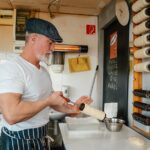
The tasting is sommelier-led and in English, and the guidance can bring more than just facts. In past sessions, guides with names like Thomas, Bence, Sam, and John/Jon have led tastings, and the consistent theme is a friendly, engaging delivery.
That matters because Hungarian wine can be unfamiliar. The best guides help you translate what you’re tasting into a simple mental model: acidity, sweetness, tannin feel, and pairing logic. If the guide has a sense of humor (and many do), the room stays lively without turning into a performance.
You’ll get your questions answered too. It’s the kind of setting where you can ask what Tokaj is doing differently, or why a certain style tastes the way it does, and get an explanation that makes sense.
Where this fits in your Budapest plan
This is an afternoon-friendly add-on, usually available most days in the 3:00PM to 5:00PM window. Because it lasts about 1.5 hours, you can treat it as:
- your “inside” break on a travel day,
- a pre-dinner activity before you head out for Hungarian classics,
- or a smart activity if you want something cultural but not complicated.
If your mornings are for the big sights, this gives you a later plan that still feels local and hands-on.
Should you book this tasting? My take
Book it if you want a compact, high-reward introduction to Hungarian wine with real pairing food and five glasses you can actually evaluate. The combination of sommelier-led guidance, a meat-and-cheese board from artisan producers, and a Tokaj sweet finish makes it feel like you’re learning the big picture without needing background knowledge first.
Skip it if you’re not interested in wine education and prefer a self-guided, longer dining experience. And if charcuterie is a hard no for you, be cautious and plan around the fact that the board is built around meats as well as cheese.
If you fit the middle—curious, hungry, and open to tasting styles you don’t usually see—this tasting is a very efficient way to understand a side of Hungary that’s rarely offered this clearly.
FAQ
How long is the wine, cheese, and charcuterie tasting in Budapest?
The experience lasts about 1.5 hours.
How many wines will I taste?
You’ll taste five Hungarian wines, served as five glasses.
Is there a sweet wine included?
Yes. The final wine in the lineup is sweet wine from Tokaj.
What food is included with the wines?
You get a local cheese and charcuterie board, plus bread and artisan oils.
Where is the meeting point?
The meeting point is The Tasting Table Budapest, Bródy Sándor utca 9, 1088 Budapest (District VIII).
Is the tour available in English?
Yes, the live tour guide speaks English.
What is the age requirement?
The legal drinking age is 18 in Hungary, so the tasting is for guests aged 18 and above.
Can I get a refund if my plans change?
You can cancel up to 24 hours in advance for a full refund.