REVIEW · ROME
Rome Pasta Making Class with Italian Sauces and Wine Included
Book on Viator →Operated by Riccardo Cooking Class - Pasta Class and Sauces · Bookable on Viator
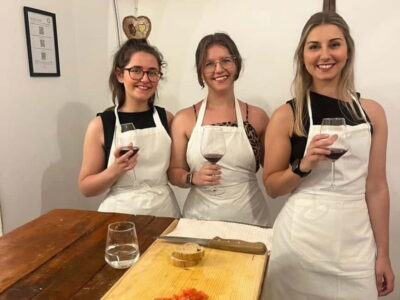
Flour, rolling pins, and Roman sauce lessons in one 3-hour class. This is a hands-on Rome pasta-making class where Chef Riccardo and the team teach you fresh pasta from scratch, then you sit down to eat what you made with complimentary wine and coffee.
I especially like the small-group setup—you’re not stuck watching while someone else cooks. You get real coaching for kneading, rolling, shaping, and sauce technique, and you’re guided by instructors like Chef William and Leo (based on examples shared in past classes). One consideration: at $95.53 for about three hours, it’s best for you if you want the full cooking experience (not just a food snack and a quick demo).
In This Review
- Key highlights you’ll care about
- Meeting Chef Riccardo’s team in Rome’s pasta-kitchen world
- What you’ll make: ravioli, fettuccine, and spaghetti alla chitarra
- The sauce lineup: carbonara, arrabbiata, cacio e pepe/gricia, and butter-sage
- The meal part: cheese tasting, prosecco, wine, and coffee
- Dietary needs: vegetarian options now, private upgrades for GF and vegan
- Small group pacing with instructors like William and Leo
- Price and value: what $95.53 buys you in real life
- How to get the most from your pasta-making class
- Should you book the Rome Pasta Making Class?
- FAQ
- What’s included in the Rome pasta-making class?
- How many people are in the group?
- What types of pasta and sauces might I make?
- Is the class offered in English?
- Can the class accommodate dietary restrictions or allergies?
- How long does the experience last?
- Where do I meet, and does it end nearby?
Key highlights you’ll care about
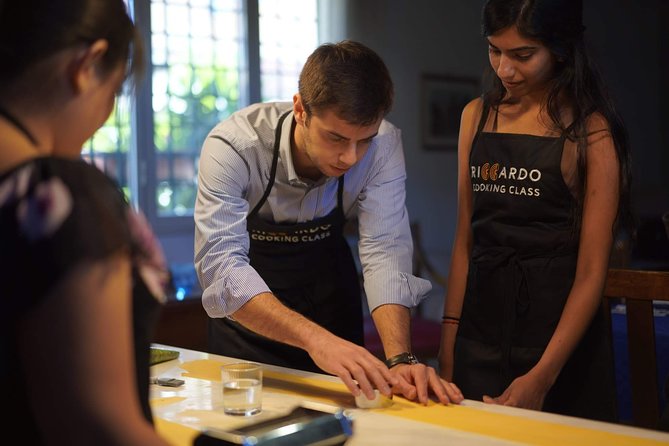
- Three hands-on pastas with classic Roman sauces, not a one-dish workshop
- Wine and coffee included, plus a relaxed meal at the end
- Max 10 travelers, so questions don’t get lost in the crowd
- Dietary help is built in: standard options for vegetarian menus, and private upgrades for GF and vegan
- Recipes provided so you can recreate the dishes at home
- Instruction in English with a teachable, practical pace
Meeting Chef Riccardo’s team in Rome’s pasta-kitchen world
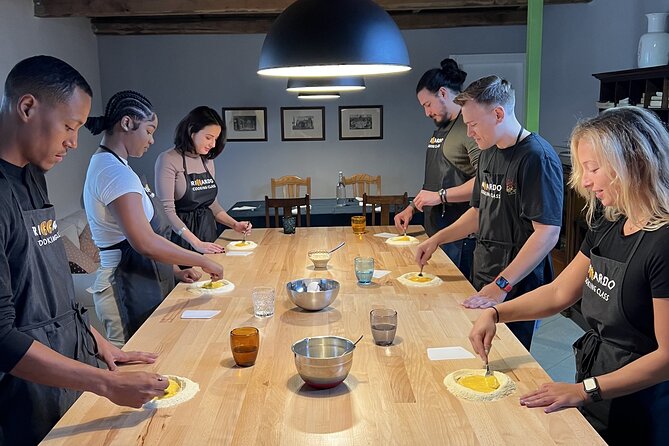
Rome cooking classes can range from scripted tastings to serious technique lessons. This one leans toward technique, in a setting that feels like you’ve been invited into a real home kitchen. You’ll meet at Circonvallazione Gianicolense, 418 (00151 Roma), or in some cases at The Cooking Lab, so pay attention to what your confirmation says so you don’t waste time hunting.
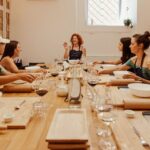
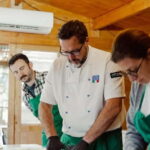
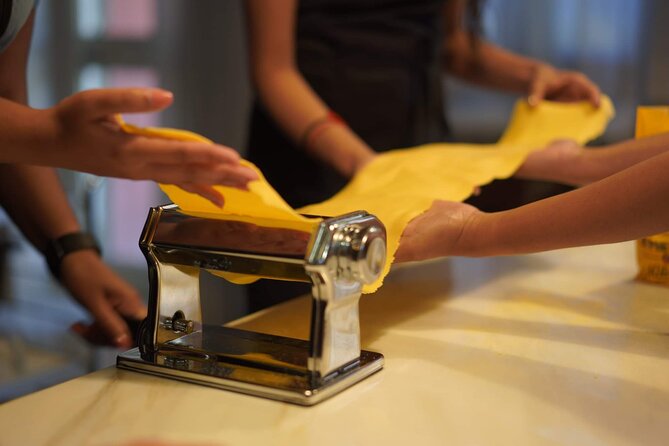
The class starts with introductions and ingredients, then moves quickly into hands-on work. The vibe is friendly and active: you’re not just standing around. If you’ve done formal cooking schools before, you’ll still like the energy here because the focus stays on doing—kneading, rolling, shaping, and making sauce.
One small practical point: plan for a 3-hour block where you’re ready to work and eat. If you’ve got dinner reservations immediately after, aim for a little breathing room.
You can also read our reviews of more cooking classes in Rome
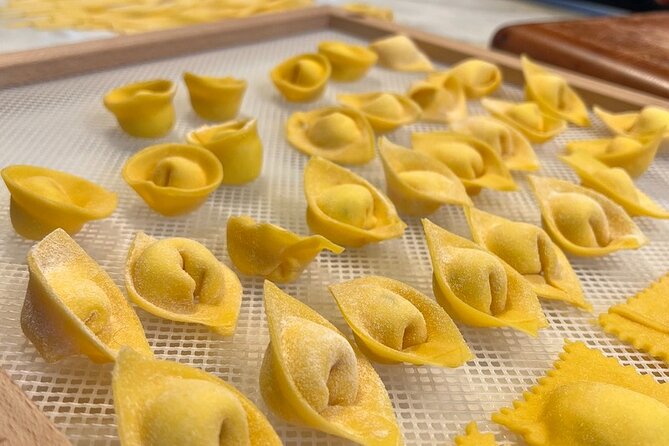
What you’ll make: ravioli, fettuccine, and spaghetti alla chitarra
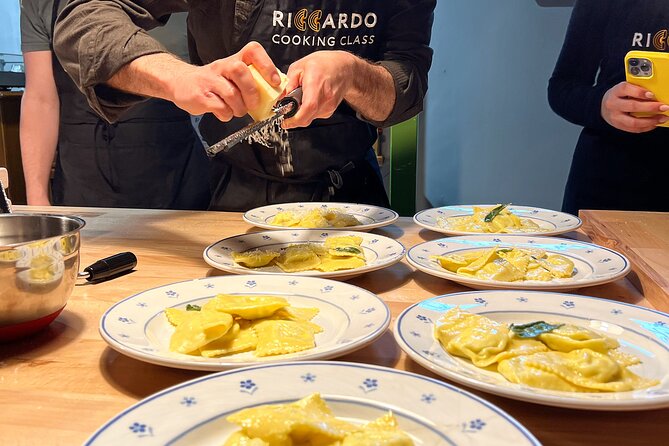
The big draw is that you don’t leave after one pasta. You make a set of traditional shapes and learn how the dough and the technique connect to the sauce.
Here are the kinds of pastas and dishes you can expect based on the course format and sample menu:
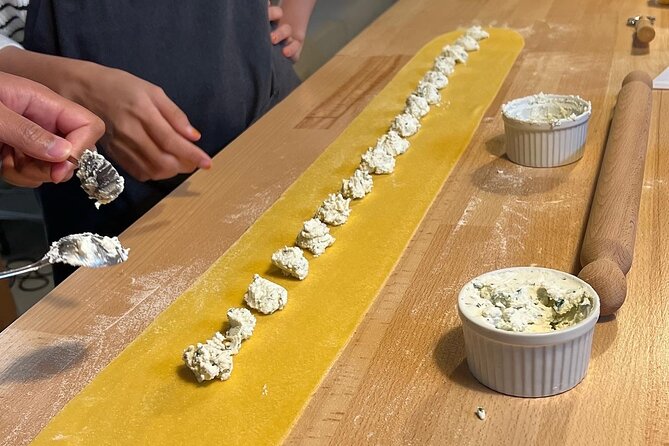
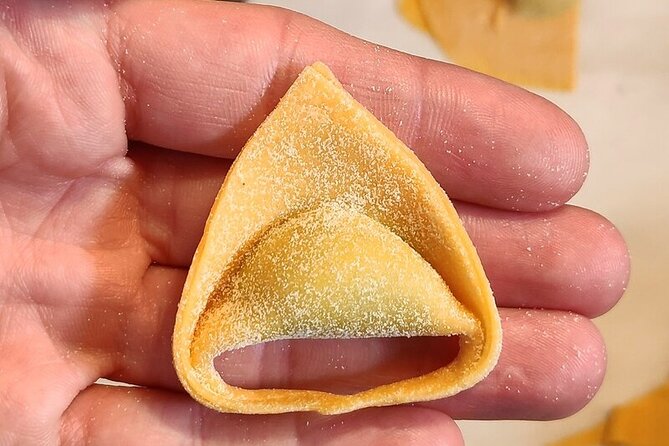
- Ricotta-filled ravioli (a stuffed pasta with a classic Roman feel)
- Handmade fettuccine
- Spaghetti alla chitarra (and in some sessions, similar egg-pasta shapes)
- Plus additional traditional options depending on the menu for your group
In several examples of how the class runs, the pace includes making multiple pastas and then cooking multiple sauces so the meal at the end feels complete. You’ll likely do a cycle of: dough prep → shaping/cutting → sauce work → tasting and eating together.
The value here isn’t just learning recipes. It’s learning the workflow—how dough behaves, how thickness affects texture, and how to time sauce alongside pasta prep so everything lands hot.
The sauce lineup: carbonara, arrabbiata, cacio e pepe/gricia, and butter-sage
Roman sauces can sound simple on paper. In class, you learn why that simplicity matters—and how small choices change the final result.
You’ll work with sauces like:
- Carbonara (a Roman favorite built on proper mixing and timing)
- Arrabbiata (bold, spicy, tomato-forward)
- Cacio e pepe / gricia-style sauce, depending on the menu flow and dietary preferences
- Butter and sage, often paired with stuffed pasta like ravioli
The coaching tends to focus on method: how to treat ingredients, how to balance heat, and how to avoid common mistakes when making cheese-based sauces. What I like about this approach for you is that it makes the class feel repeatable. Instead of memorizing steps, you’re picking up principles you can reuse for other sauces at home.
And yes, the sauce lessons include the fun details—like the background and why certain Roman combinations became so iconic. It’s not just, do this, add that. You’ll get context that makes the flavors make sense.
The meal part: cheese tasting, prosecco, wine, and coffee
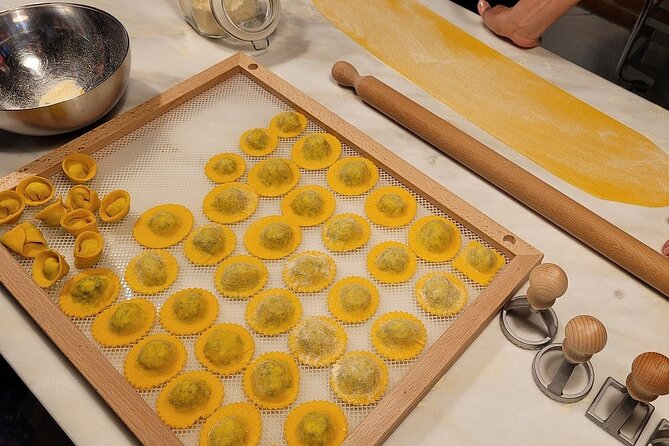
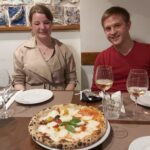
Cooking ends, but the experience doesn’t rush to the finish line. You eat what you made as a real meal, and that’s where the class clicks.
In past sessions, the flow has included:
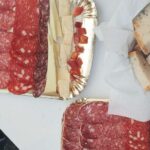
- a cheese tasting at the start (with prosecco mentioned in examples)
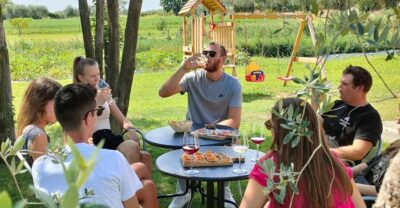
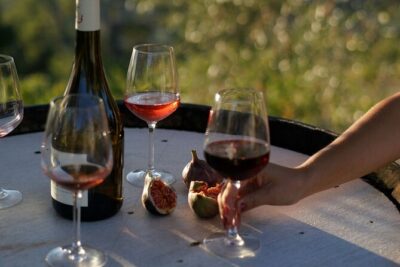
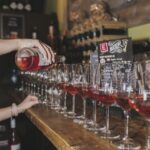
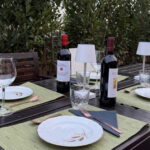
- complimentary wine during the meal with your pasta
- complimentary coffee afterward
This is one reason the class feels like more than a craft lesson. You’re tasting your results right away, while the technique is still fresh in your mind. It also helps if you’re traveling solo or with friends—you get that shared table moment that’s harder to recreate in a regular restaurant dinner.
Quick practical note: wine is included, so if you want to keep your day totally “tight,” plan to take it slower afterward. The class itself moves at an active, social pace.
Dietary needs: vegetarian options now, private upgrades for GF and vegan
If you’ve got dietary limits, this is a good sign: the class explicitly addresses restrictions rather than waving you off.
Here’s what you can count on from the format:
- Vegetarian participants can choose from a special menu
- You should inform about allergies and dietary restrictions when booking
Then there’s the upgrade option for the class design. If you go private, you can request a customized menu for things like:
- gluten-free
- vegetarian
- vegan
- and other special recipes such as gnocchi, tiramisu, or risotto (as options for private bookings)
This matters because pasta is tricky with substitutions. The private upgrade is most valuable if your needs are specific and you want the kitchen to build a menu around you, not around the standard group schedule.
If your needs are moderate (like vegetarian), the standard class already has a pathway. If your needs are complex (like vegan or gluten-free), the private upgrade is the safer bet for getting exactly what you want.
You can also read our reviews of more wine tours in Rome


Small group pacing with instructors like William and Leo
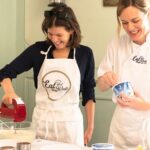
With a max of 10 travelers, the room stays manageable. You’re close enough for the chef to correct your technique, and you’re not waiting forever for attention. That’s a big deal for pasta-making because small issues—overworking dough, uneven thickness, or rushed timing—show up fast.
The instruction is in English, and the teaching style is practical. In examples from past classes, instructors like Chef William, Leo, and others focus on hands-on guidance and helpful tips you can actually use. One recurring theme is that the experience feels relaxed rather than scripted.
It’s also a good fit for mixed experience levels. If you’re brand new, you’ll get support for basics like dough handling and shaping. If you cook at home already, you’ll likely appreciate the “why” behind the sauce behavior and how timing affects texture.
Price and value: what $95.53 buys you in real life
Let’s talk value honestly. $95.53 for about three hours isn’t bargain-basement cooking. But you’re paying for four things that most cheaper classes skip:
- Real hands-on instruction for more than one pasta
- Multiple sauces tied to the pasta shapes you make
- Alcohol and coffee included (with wine for the meal)
- Recipes provided so you can cook again later
Also, the class is capped at 10, so you’re not paying the same price for a crowd-control cooking show. And the fact that you learn Roman classics—carbonara, arrabbiata, and cheese-based sauces—means your skills translate directly to meals you can cook after you return.
If you were thinking of spending the evening just eating, this is often the better deal when you treat it as a skill lesson. You’re paying to learn a process you can repeat.
One more practical note: this class tends to book out. If your dates are set, don’t leave it for the last minute.
How to get the most from your pasta-making class
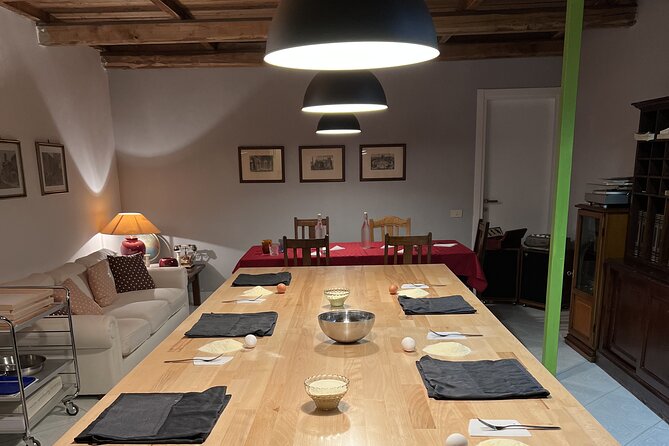
You’ll have the best time if you treat this like a working session, not a sightseeing stop.
A few smart moves:
- Come hungry. You’re going to eat what you make, and it’s part of the fun.
- Ask questions as you go, especially about dough texture and sauce timing. That’s where the real payoff lives.
- Pay attention to how thickness changes the feel of fettuccine and how stuffed pasta needs careful handling.
- If you have dietary restrictions, tell the organizer up front so the menu can match your needs.
- Take basic notes on sauce steps and ingredient behavior. You won’t remember everything after a long Rome day.
And here’s the slightly humorous truth: if you’re covered in flour, you’re doing it right. This is the kind of class where your hands tell the story.
Should you book the Rome Pasta Making Class?
Book it if:
- you want a hands-on cooking skill you can repeat at home
- you like Roman classics and want to understand how they’re built
- you’d enjoy a small-group setting with real conversation and coaching
- you want wine and coffee included, not just a quick tasting
Skip it (or consider a different style) if:
- you’d rather spend your time sight-seeing and keep your cooking light
- you don’t want to commit three hours to active work
- your schedule is so tight you can’t relax into the meal at the end
If you’re the type who likes to learn by doing, this class is a very strong Rome choice. You’ll leave with pasta knowledge, sauce technique, and a plate of food you made yourself—often better than what you get on a rushed restaurant night.
FAQ
What’s included in the Rome pasta-making class?
The class includes hands-on pasta-making with Italian sauces, and you’ll enjoy the meal at the end with complimentary wine and coffee. A cheese tasting and prosecco are also described in past sessions.
How many people are in the group?
The class has a maximum size of 10 travelers, which keeps the experience more personal and hands-on.
What types of pasta and sauces might I make?
You can expect traditional options such as ricotta-filled ravioli, fettuccine, and spaghetti alla chitarra, along with classic Roman sauces like carbonara, arrabbiata, a cacio e pepe / gricia-style sauce, and butter and sage (depending on your group and menu).
Is the class offered in English?
Yes, instruction is offered in English.
Can the class accommodate dietary restrictions or allergies?
Yes. You should inform the organizer about allergies and dietary restrictions. Vegetarian participants can choose a special menu, and private classes can be customized for gluten-free, vegetarian, or vegan needs.
How long does the experience last?
The class lasts about 3 hours.
Where do I meet, and does it end nearby?
You start at Circonvallazione Gianicolense, 418, 00151 Roma RM. The activity ends back at the meeting point.