REVIEW · ROME
Rome: Fresh Pasta-Making Class with Italian Chef and Wine
Book on GetYourGuide →Operated by Rome Cooking Club - Pasta Class and Sauces (by Riccardo Cooking Class) · Bookable on GetYourGuide
Fresh pasta work beats pasta memories from a packet. In Rome, this small-group class with Chef Riccardo’s team turns you into the cook, not the spectator, and it focuses on Roman favorites like Carbonara and Cacio e Pepe. I love that you get hands-on help making multiple shapes, and I also like the meal side: a 3-course dinner with wine tasting while you sit down with what you made. One thing to consider: in a very small group (up to 10), the chef’s stories and explanations may vary depending on who else is in the class and what languages people use.
You’ll start at the Cooking Lab near a café (Circonvallazione Gianicolense 418, 00152 Roma) and then move into the real work: dough, rolling, shaping, and sauce-making like a local family meal. The price is $97 for a 3-hour session, and the value is in the volume of food you produce plus the fact that you learn technique, not just eat a finished dish. If you’re gluten-free or dairy-free, you’ll want to ask early—diet accommodations are clearly supported, but some custom options are described for private classes.
In This Review
- Key takeaways before you book
- Where the Rome class happens: Chef Riccardo’s Cooking Lab
- The “3-course meal + wine” part isn’t an afterthought
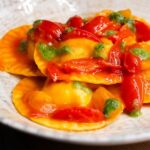
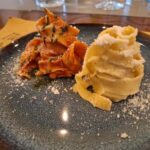
- What you’ll actually make: fresh pasta shapes and Roman variety
- Roman sauce training: Carbonara and Cacio e Pepe methods
- How the class runs in real time (3 hours, small group pacing)
- Vegetarian options and allergy handling: plan ahead, communicate early
- Who this Rome pasta-making class is best for
- Price and value: is $97 worth a 3-hour class?
- Practical details that affect your experience
- Should you book this fresh pasta-making class in Rome?
- FAQ
- Where is the meeting point for the class?
- How long is the pasta-making experience?
- What does the price include?
- Is this class a small group?
- Do they offer vegetarian options?
- Can they accommodate allergies or dietary restrictions?
- What languages do the instructors speak?
- Is the class wheelchair accessible?
- Are aprons included?
- What are the refund and booking options?
Key takeaways before you book
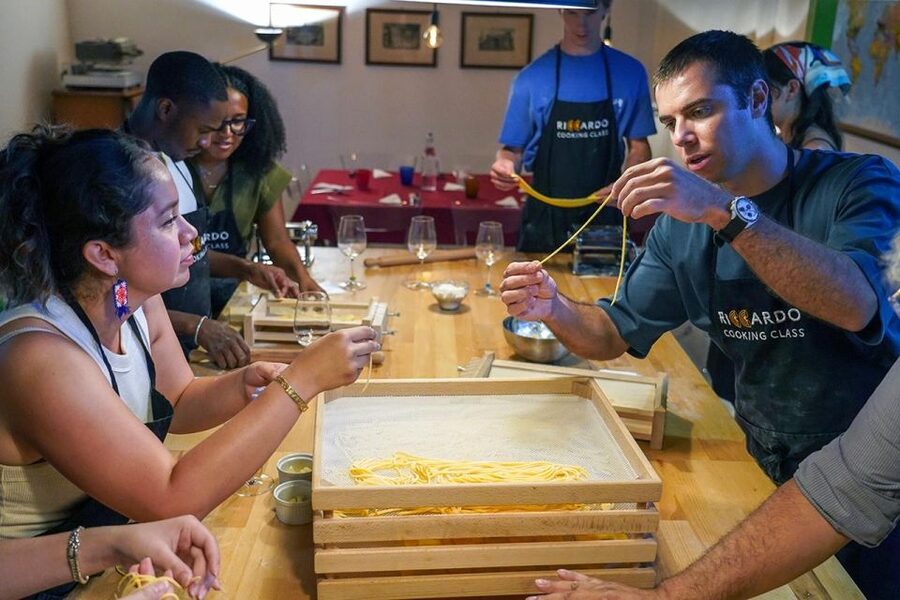
- Small group size (10 max) means more time at the workstations and better coaching.
- Three-course meal with wine keeps the session from feeling like a classroom.
- You make both long and stuffed pasta (examples include fettuccine, ravioli, and more).
- Roman sauce focus includes Carbonara and Cacio e Pepe methods.
- Instructors vary by session (Chef Riccardo is the lead; you may work with chefs like Leo, William, Mattia, Bruno, or Marco).
- Vegetarian menu is available, and allergy needs can be handled with advance notice.
Where the Rome class happens: Chef Riccardo’s Cooking Lab
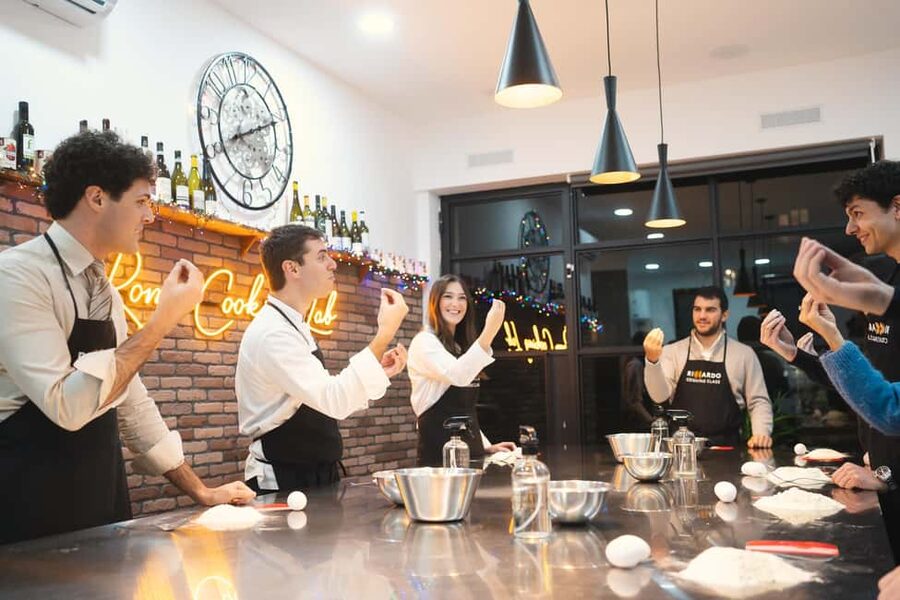
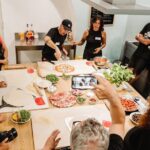
This experience is based around a small local setup near a café in Rome, at Circonvallazione Gianicolense 418, 00152 Roma. From there, you get into the hands-on flow quickly—no waiting around for someone else to do the real work. Depending on the session, you may meet at Chef Riccardo’s grandma’s house or at the Cooking Lab, but either way the vibe stays close to a family kitchen rather than a show kitchen.
The location matters for practical reasons. It’s in Lazio, but you’re not out in the countryside, and you can reach the area using public transportation (one past group noted easy transit from the city center). If you like cooking classes that feel grounded in real daily life—aprons on, flour everywhere, and no big performance stage—this is the kind of place that fits.
You can also read our reviews of more wine tours in Rome


The “3-course meal + wine” part isn’t an afterthought
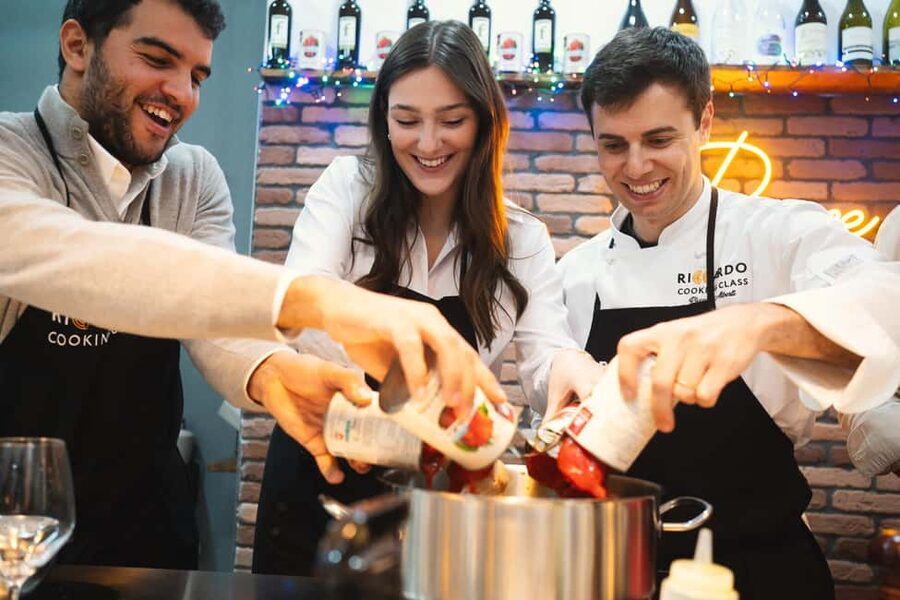
A lot of cooking classes promise a meal. This one folds the meal in as the reward for the work: after cooking, you eat what you made as a genuine Italian meal together. The class includes complimentary wine, and the format is a true tasting rhythm, not a single token pour.
In real terms, that means you’ll taste your pasta and sauces while you’re still in the mindset of learning. It also helps you connect technique to flavor: when something thickens, emulsifies, or tastes “right,” you can understand what your hands just did. One review even mentioned Prosecco throughout the class, which matches the “selected wine” promise in the included details.
If you don’t drink much wine, it’s still worth it because the main point is the food and the skills. Just plan to go a little slower after you eat. Three hours passes faster than you think when you’re mixing dough and building sauces.
What you’ll actually make: fresh pasta shapes and Roman variety
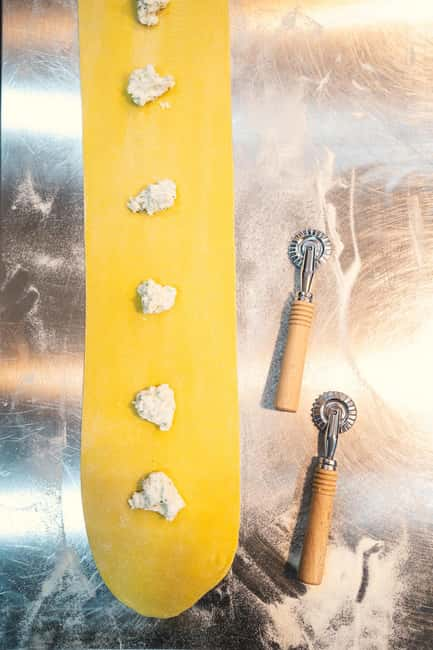
This class is built around making fresh pasta from scratch using quality ingredients. You don’t just roll dough and call it done. You learn multiple formats, so you leave with a better mental library of how different pasta shapes behave and pair with different sauces.
Across sessions, you may make combinations that include long pasta and stuffed pasta. Examples mentioned include:
- Ravioli (stuffed pasta)
- Fettuccine
- Spaghetti variations, including spaghetti alla chitarra
- Tortellini and cappelletti styles (or similar stuffed shapes)
- Spaghetti and other traditional forms depending on your class
What I like for you here is the mix of skills. Rolling and cutting long pasta teaches dough handling and thickness control. Stuffed pasta teaches filling balance and sealing—skills that show up again and again if you cook at home.
One practical bonus: the class is designed for small groups, so you can actually get adjustments from the chef team while you work. Several reviews mention step-by-step instruction and the chef changing the approach for each person. That’s the difference between a “cool activity” and a class where you can repeat the result later.
Roman sauce training: Carbonara and Cacio e Pepe methods
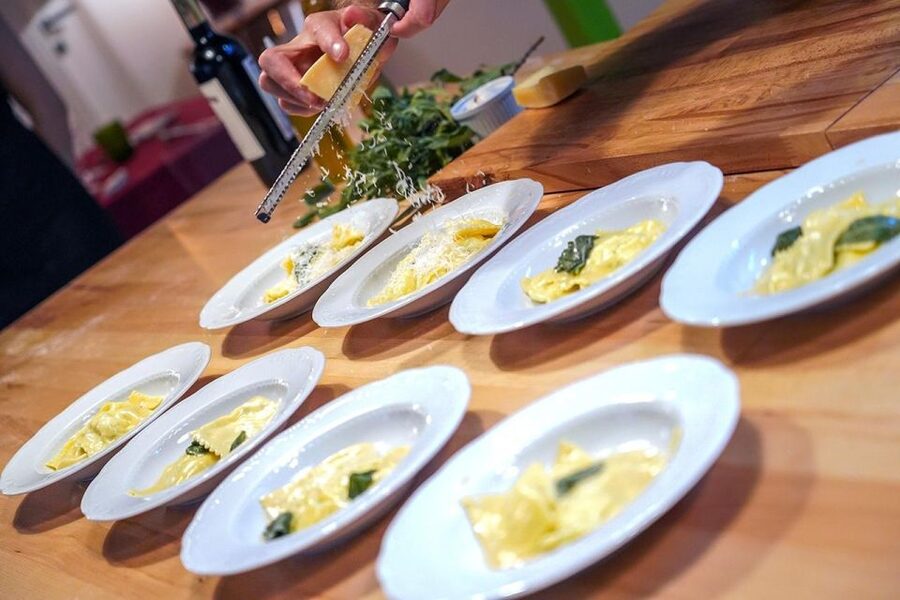
The pasta is the headline, but the sauces are where you learn how Romans actually think about dinner. The experience explicitly includes methods for Carbonara and Cacio e Pepe, two dishes that many people love but few cook with confidence.
Here’s what makes the sauce portion valuable: you learn the logic behind pairing and timing, not just the final outcome. With these Roman specialties, the sauce doesn’t behave like a simple tomato sauce where everything stays separate. It calls for attention and technique.
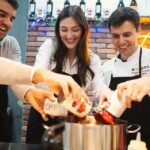
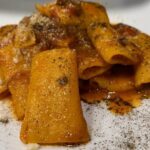
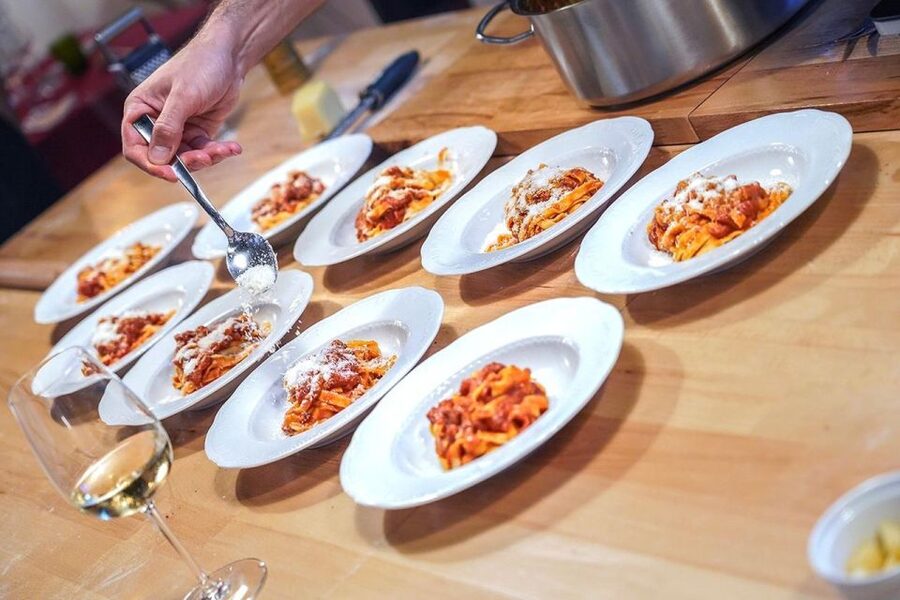
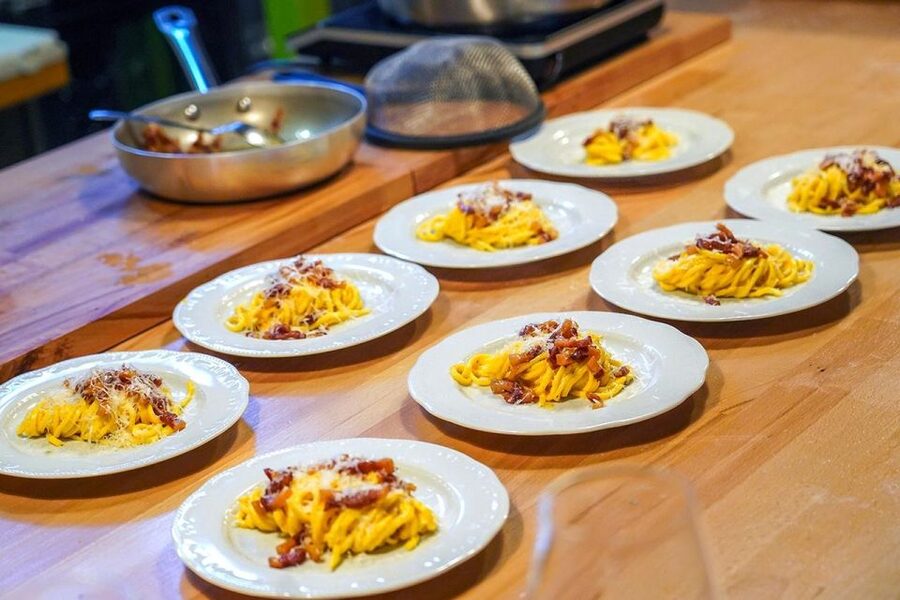
You’ll also make classic Italian sauces beyond those two. One example from a past class was arrabbiata paired with fettuccine. Another review described carbonara being made with guanciale, and praised the flavor. You’ll get the kind of guidance that helps you reproduce the dish later without guessing.
And because wine is part of the meal, the sauce course often tastes more “anchored” to what you’re learning. Food and drink are tied together, so you remember not just the recipe steps, but the flavor direction the chef is aiming for.
How the class runs in real time (3 hours, small group pacing)
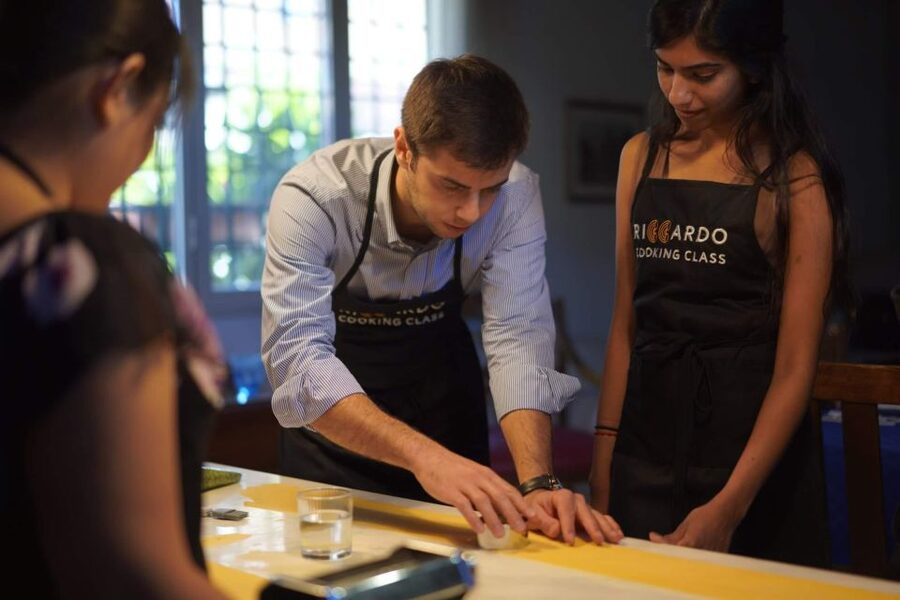
The session is 3 hours, and it moves in a way that keeps you doing something nearly the whole time. A past group started at 11:00 and wrapped around 14:00, which gives you a sense of typical pacing. You may not hit every exact moment the same way, since classes can change based on the pasta lineup that day, but the rhythm stays similar: dough prep and shaping, then sauce work, then eating.
In a group of 10 max, you’re not stuck watching. This matters because pasta-making is hands-on and physical. If the group were larger, you’d spend your time waiting for your turn. Here, you’re more likely to get corrections and short coaching moments while your dough is still workable.
Language is listed as English and Italian for the instructor. In practice, since the group can include people of different backgrounds, keep an open mind. One review mentioned that when other participants spoke a different language, some storytelling went that direction for part of the class. If you want lots of English-only commentary, I’d plan to ask questions directly during the class and lean on the chef’s step-by-step demonstrations.
A few more Rome tours and experiences worth a look
Vegetarian options and allergy handling: plan ahead, communicate early
Good news: there is a vegetarian menu. That means the class is not just “eat around the edges” if you skip meat. You’ll still be making fresh pasta and sauces, and you should be able to enjoy the full meal portion.
For allergies and dietary restrictions, the instruction is clear: tell the team about any allergies, intolerances, or ingredients you can’t eat. And that’s not just a checkbox. One review specifically noted accommodations for an allergy.
If your needs are more complicated (gluten-free, dairy-free, vegan), the details say you can request special recipes for private classes. So if you’re strictly avoiding ingredients and you want a precise setup, private may be the safer route. Either way, the best move is to message with specifics before arrival so they can plan the menu and ingredients.
Who this Rome pasta-making class is best for
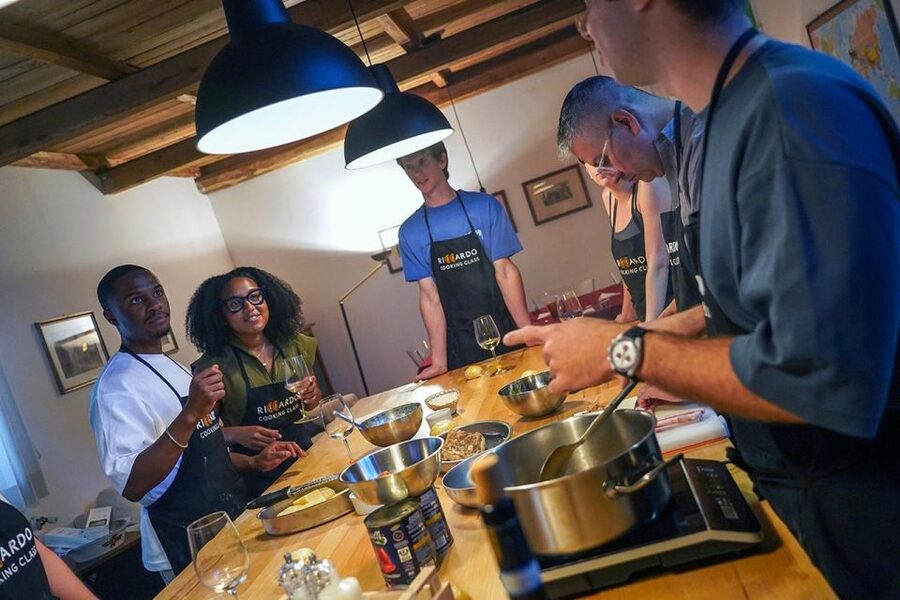
This class fits best if you want a hands-on Rome experience that feels local and skill-focused. It’s a great choice for:
- Couples or friends who want a shared activity with real learning
- Food lovers who want to understand Roman staples like carbonara and cacio e pepe
- Travelers who enjoy cooking and want a recipe they can reproduce at home
- People who prefer small groups over big bus-style tours
It’s also a strong option if you’re doing Rome early in the trip. One past guest said the chef shared restaurant and wine recommendations, and that can help you plan the rest of your eating schedule. If you want that bonus, aim to book this near the start of your stay.
If you just want a quick tasting, this may be more work than you expect. But if you enjoy getting your hands in the dough, you’ll likely come out happier than you thought you could.
Price and value: is $97 worth a 3-hour class?
At $97 per person for a 3-hour, small-group cooking class, the value comes from what you get for that time. You’re not paying just for ingredients. You’re paying for coaching, multiple pasta formats, Roman sauce instruction, and a meal built from your work—plus selected wine.
Compared with lots of Rome food experiences, the cost feels reasonable because:
- You leave with skills you can use again
- You produce enough food to feel like an actual dinner, not a snack
- The class setup is small (up to 10), which makes instruction more personal
- The chef team’s guidance helps prevent the most common pasta mistakes
If you’ve ever bought a “pasta class” that mostly served tasting bites, this is different. This is built around making, not just watching. That’s where the money goes.
Practical details that affect your experience
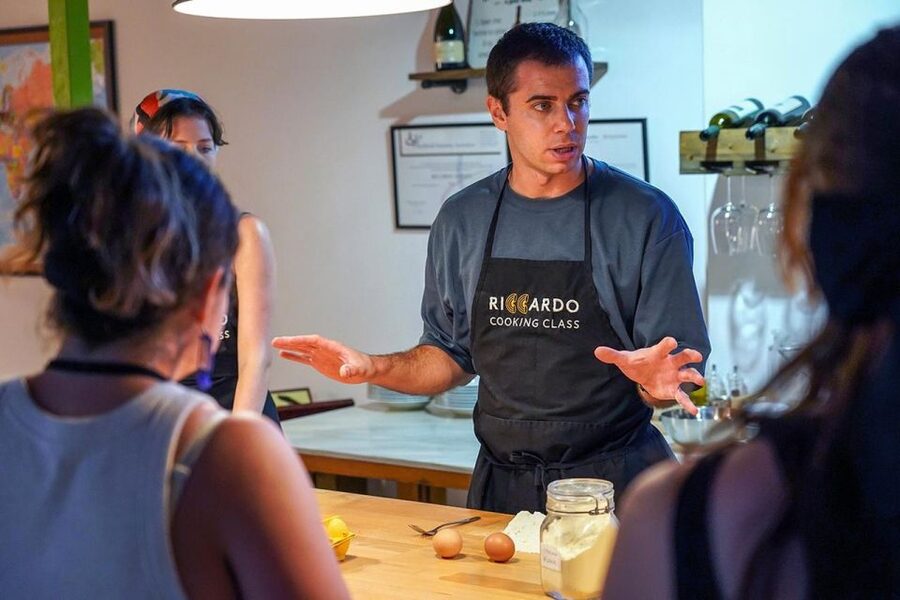
A few small things can make a big difference on the day.
- Aprons are provided. They can be kept for an extra cost, so decide what you want before you walk out.
- Wear clothes you don’t mind getting flour on. That sounds obvious, but flour has a way of finding everything.
- Ask about your menu and restrictions before you arrive. The team asks for allergies and restrictions, and advance clarity helps them plan.
- Expect cooking + eating. Even if you love food, you’ll want some energy and patience for the full 3 hours.
And one more tip: go hungry in the healthy way. You’ll eat what you make, and you’ll enjoy it more if your stomach isn’t already full of snacks.
Should you book this fresh pasta-making class in Rome?
I’d book it if you want a hands-on Rome cooking experience centered on fresh pasta technique and Roman sauce methods, not just a meal out. The small group size, the range of pasta shapes (including stuffed options like ravioli and long pasta like fettuccine), and the focus on dishes like Carbonara and Cacio e Pepe make this a class you can actually use back home.
Skip or reconsider if you need very specific dietary accommodations that usually require private planning, or if you’re uncomfortable in small groups where language levels and explanations may vary depending on who’s in the room. If you’re flexible and you communicate your needs up front, you should feel in good hands.
If this is the kind of activity you’d do twice—once for the fun and once for the skills—this is a strong pick for your Rome itinerary.
FAQ
Where is the meeting point for the class?
The cooking lab is at Circonvallazione Gianicolense 418, 00152 Roma. Some sessions may begin at Chef Riccardo’s grandma’s house, but the provided meeting location is at the Cooking Lab address.
How long is the pasta-making experience?
It lasts 3 hours.
What does the price include?
You get a hands-on pasta-making class, top-quality organic ingredients, selected wine, and the meal included (a 3-course meal). Aprons are also provided.
Is this class a small group?
Yes. It’s limited to up to 10 participants.
Do they offer vegetarian options?
Yes. There is a special vegetarian menu available.
Can they accommodate allergies or dietary restrictions?
They ask you to inform them about allergies, intolerances, and dietary restrictions. One class review noted an allergy was accommodated. For certain restrictions like gluten-free, dairy-free, or vegan, special options are mentioned for private classes.
What languages do the instructors speak?
The instructor speaks English and Italian.
Is the class wheelchair accessible?
Yes, it’s listed as wheelchair accessible.
Are aprons included?
Aprons are provided, and they can be kept for an extra cost.
What are the refund and booking options?
Free cancellation is available up to 24 hours in advance for a full refund. You can also reserve now & pay later to keep plans flexible.