REVIEW · ROME
Rome: Combo Pizza and Pasta Cooking Class with Wine
Book on GetYourGuide →Operated by Once in Rome Authentic Experiences · Bookable on GetYourGuide
There’s nothing abstract about this class; you make it all yourself in Rome. I like the hands-on pizza and pasta focus, and I love the relaxed countryside setting outside the center. One thing to consider: it’s a bit of a ride to get there, and the return back to the metro can feel slightly inconvenient at the end.
A big part of the fun is the flow. You start with dough work, move to pasta shaping, then eat what you made—paired with unlimited red and white wine during the class. If you’re the type who wants a purely sightseeing day, this isn’t that.
In This Review
- Key highlights at a glance
- Meeting at Laurentina and the Ride Out to the Wood-Houses
- The Pizza Session: Neapolitan Dough Work and a Wood-Fired Oven
- Fresh Pasta in Three Doughs: Egg, Water-Based, and Pizza Dough
- Wine With Your Work: Free-Flowing Tastings and Real Eating
- Tiramisu and Limoncello: The Chilled Finale
- What You Truly Learn (Not Just What You Eat)
- Who This Class Is For: Couples, Families, and First-Timers
- Price and Value: Why $64.06 Can Actually Make Sense
- Timing, Transport, and the End-of-Day Metro Return
- The Bottom Line: Should You Book This Pizza and Pasta Class?
- FAQ
- Where do I meet for the class?
- How long is the cooking class?
- Is hotel pickup included?
- Do I need to speak Italian to join?
- Is there alcohol included?
- What are the age requirements?
- What desserts and tastings are included?
- What if I have dietary needs?
Key highlights at a glance
- Laurentina meeting point + round-trip minibus so you can focus on cooking, not navigation
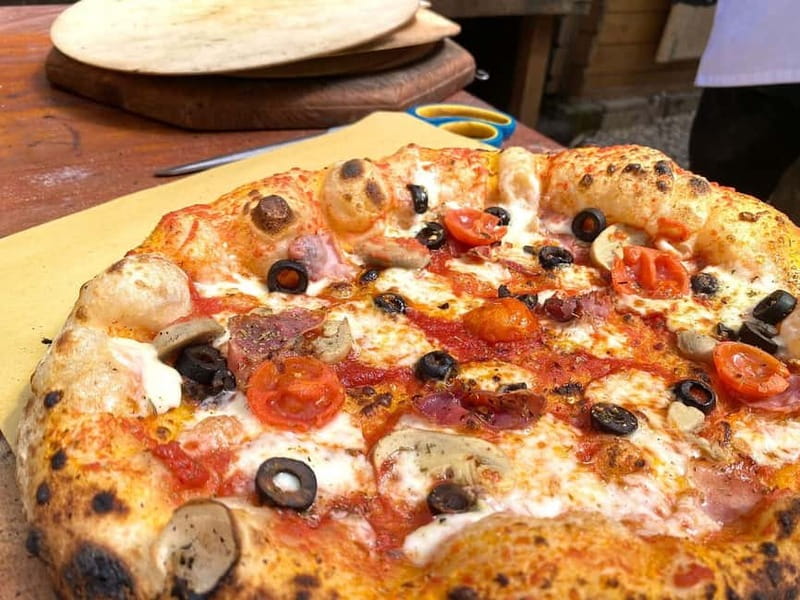
- Wood-fired Neapolitan pizza from dough work to oven bake
- Three pasta dough types (egg, water-based, and pizza dough) plus shapes like tagliatelle, fusilli, and farfalle
- Unlimited local wine during the workshop, with a friendly staff vibe
- Tiramisu + chilled limoncello to finish, plus a recap sheet to help you repeat it later
Meeting at Laurentina and the Ride Out to the Wood-Houses
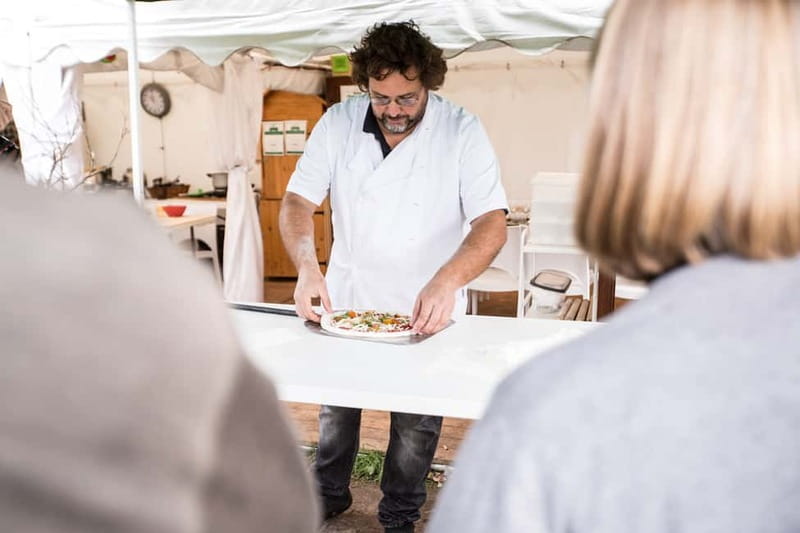
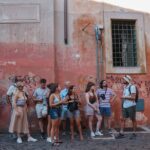
This experience starts at Metro Laurentina. You’ll meet your guide there, and at the exit you should see a staff member holding a cooking class sign. The idea is simple: get you out of central Rome without stress, then bring you back.
Right away, you’ll learn the rhythm of the day. The transfer gives you a buffer to adjust from city noise to a calmer pace. Several people note the short minibus ride (around 15 minutes) before you reach the cooking venue, so it isn’t a long “get-away” trek.
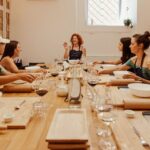
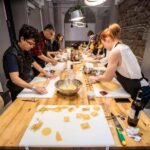
At the venue, you’re in an outdoor, garden-style setting described as countryside-style wood houses. It’s the opposite of the cramped, city-in-a-box classes. You’re working in a real kitchen space, but the atmosphere feels open and relaxed, which matters when you’re kneading dough and handling hot baking trays.
Logistically, there are a couple of things to keep in mind. Hotel pickup and drop-off isn’t included, and the included transport is tied to the central Rome meeting/drop point. Also, the drinks in fridges aren’t part of the package, which means if you see extra items for sale, you’ll pay for anything beyond what’s included.
You can also read our reviews of more cooking classes in Rome
The Pizza Session: Neapolitan Dough Work and a Wood-Fired Oven
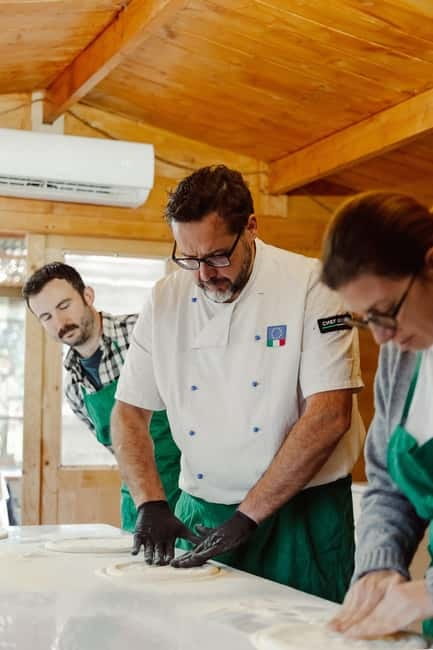
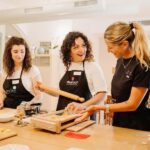
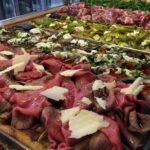
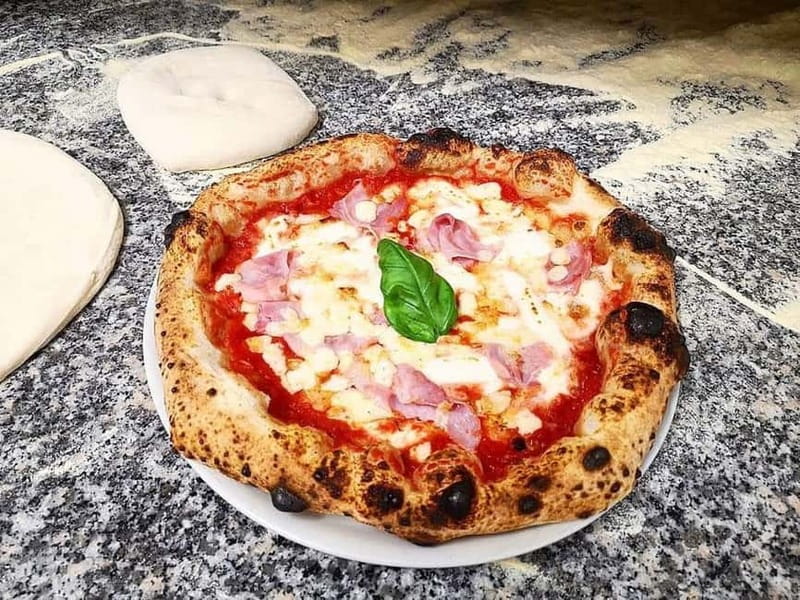
The pizza portion is where the class feels most “Rome.” You start learning real dough technique: kneading by hand, prepping the base, and shaping pizza in a way that makes sense for Neapolitan-style cooking. The chef leading the session is described as a licensed Mastro Pizzaiolo and Pasta Maker, and in practice, the instructors’ tone is very much about method, not just performance.
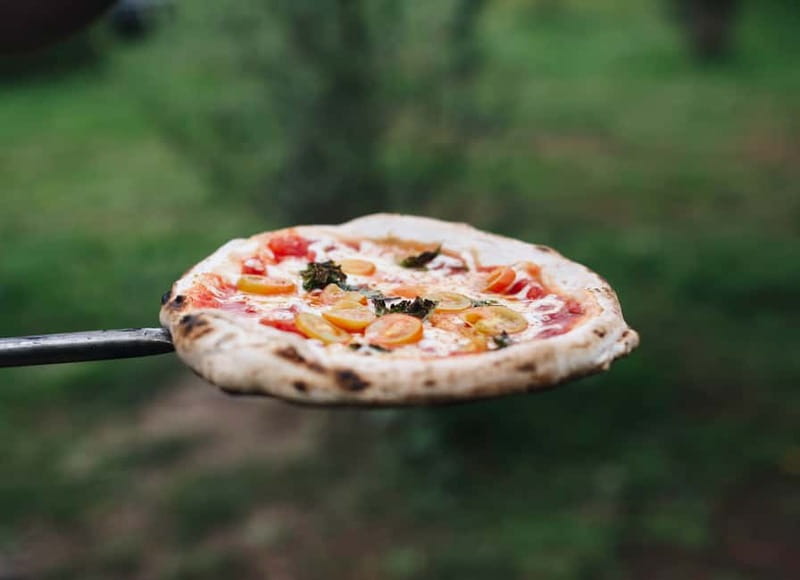
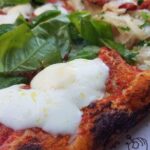
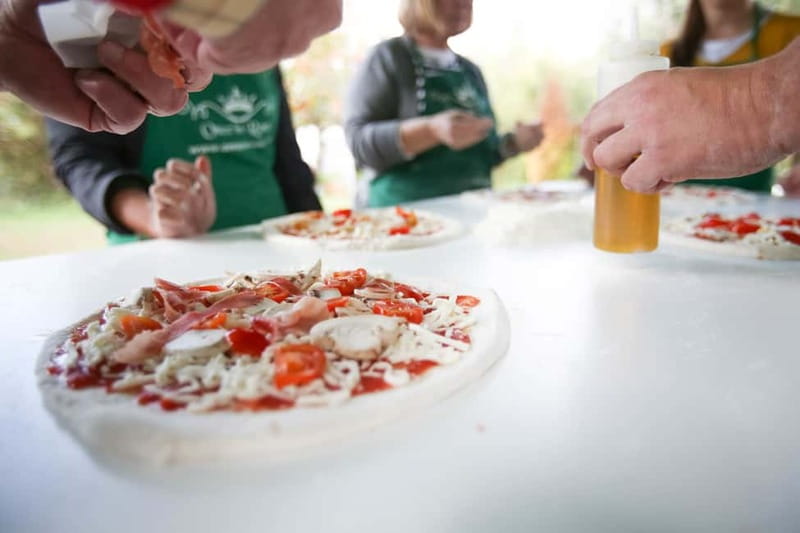
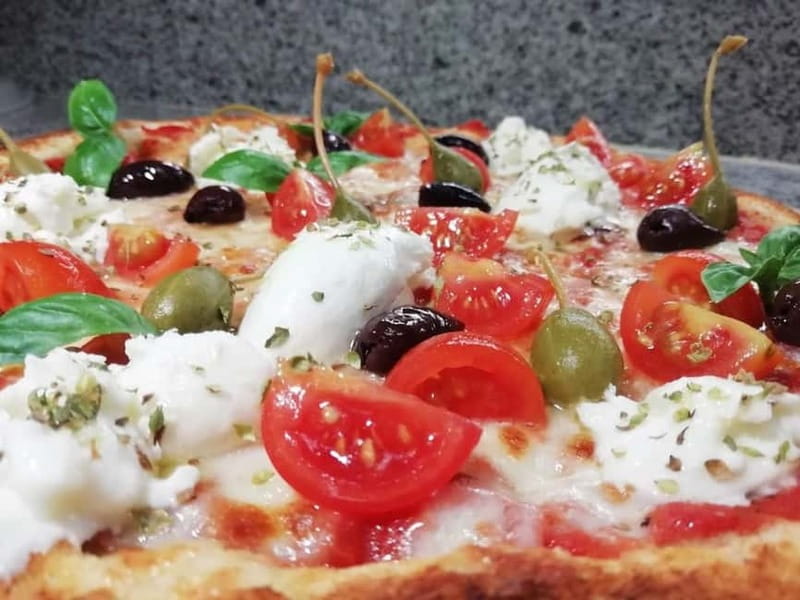
From there, you pick toppings and then bake in a wood-fired oven. That’s a key value point. Even if your first pizza isn’t restaurant-perfect, you’re learning how heat and timing behave in the oven you actually use—not just in theory.
One small consideration: a few people mention that some dough may be partly prepared ahead of time so the schedule stays smooth. That doesn’t change what you learn about handling and shaping, but it’s worth knowing if you’re hoping for a fully uninterrupted, from-scratch process for every single step.
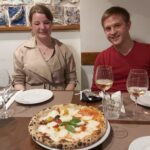
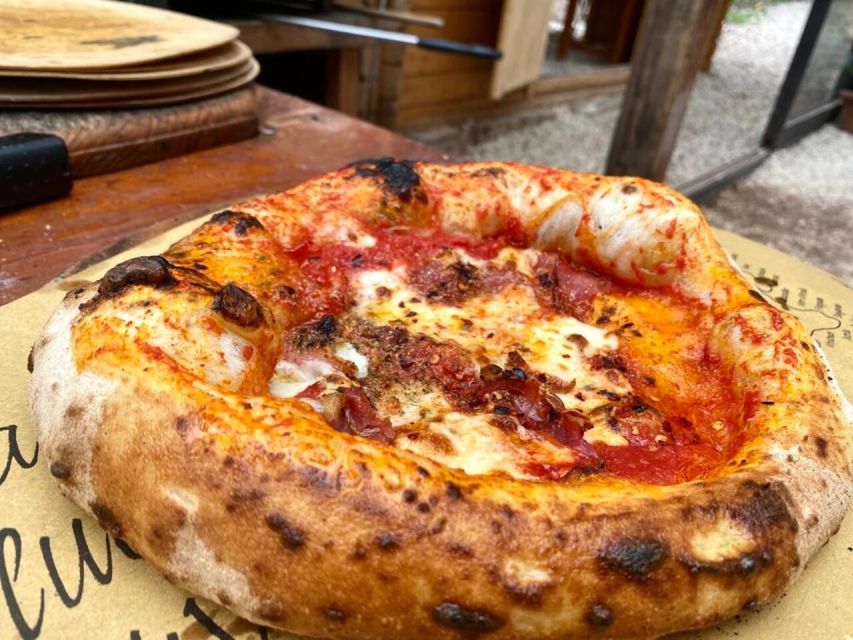
You’ll also eat what you make, and that’s where the class becomes more than a demo. Several notes highlight that the pizza tasted great, and the staff stays patient while you’re working. If you’ve ever thought you couldn’t learn dough technique, this is the type of class that proves you wrong—because you do it with guidance in real time.
If you want a name to remember, people mention instructors like Eduardo for teaching the pizza dough and keeping the energy up, and hosts like Giuseppe as part of the guiding team. The exact instructor can vary by day, but the consistent theme is clear: hands-on coaching with a relaxed, fun approach.
Fresh Pasta in Three Doughs: Egg, Water-Based, and Pizza Dough
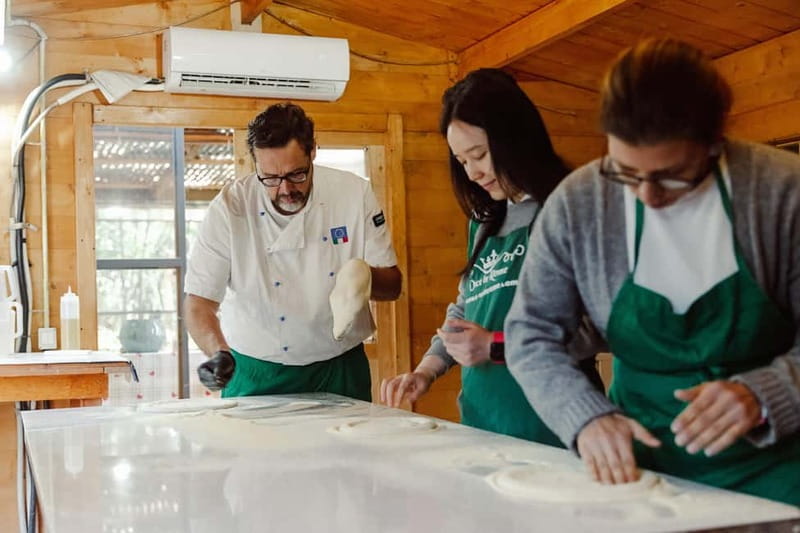
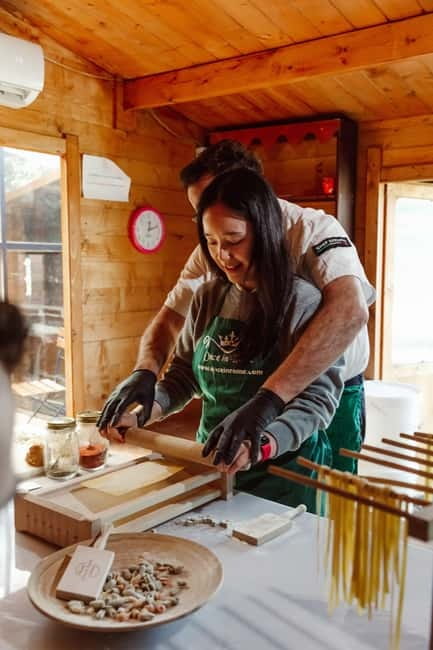
Next comes pasta, and it’s not just one kind of dough. You work with three different dough bases—egg pasta, water-based pasta, and pizza dough—then shape them into multiple formats.
That variety is more useful than it sounds. Most cooking classes teach one dough and one shape. Here, you learn how dough changes when the ingredients change, and you practice shaping enough that you stop thinking of pasta shapes as magic and start treating them as a step-by-step process.
You should expect to work on shapes like tagliatelle, fusilli, and farfalle. Then you cook pasta with two seasonal sauces to pair with the handmade shapes. The sauce part matters because it teaches you how to think like a kitchen: pasta isn’t finished until it’s dressed, and pairing is part of the craft.
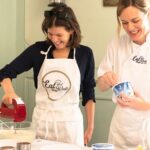
People repeatedly praise the instructors’ patience—especially when the group is mixed in experience levels. Names come up like Alessandro, with people describing him as funny and generous with guidance. Giuseppe also shows up in feedback as a host who explains dough steps clearly and makes the session entertaining without turning it into a show.
One practical note: the shaping stage can be a little hands-on-fiddly at first. That’s normal. The advantage here is that the class keeps you moving, but still helps you fix common errors—like thickness, edge handling, and how to manage the dough once it starts behaving.
Wine With Your Work: Free-Flowing Tastings and Real Eating
Here’s a big difference from many cooking tours: you’re not stuck eating quickly and running out. There’s time to cook, learn, and then sit down to the results while wine keeps flowing.
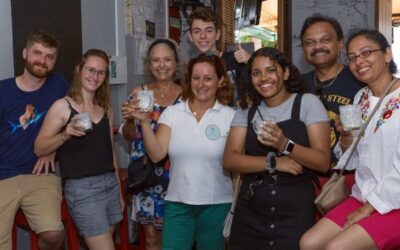
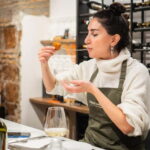
The class includes free-flowing red and white Italian wine served during the workshop. That changes the tone. It turns pasta and pizza from a homework assignment into a social meal where you’re celebrating effort, not just completing steps.
It’s also very “Italian family table” in vibe. You’ll be eating homemade items—pizza you baked and pasta you shaped. Then you add the dessert and digestivo at the end.
Since you’ll be drinking, plan accordingly. The minimum drinking age is 18. If you’re bringing kids, it’s fine—minimum age to take part is 3—but the class is still a kitchen environment with dough, ovens, and food prep.
One neat detail from feedback: a guest notes they were vegan and the team accommodated requests. That’s not a guarantee for every situation, so if you have dietary needs, you should contact the operator ahead of time. Still, it’s a good sign that the team can adapt.
Tiramisu and Limoncello: The Chilled Finale
The final course is dessert and digestivo: a tasting of homemade tiramisù made fresh on-site, then a chilled shot of limoncello.
This pairing is classic in a way that makes sense after heavy, wheat-and-cheese comfort food. Tiramisu closes the sweet chapter, then limoncello acts like a bright reset before you head back to the metro.
Some people mention the tiramisù tasting is served in a small portable container, and while it still tastes good, the presentation can feel a little less exciting than you might hope. That said, the main value is that it’s part of the included flow and it’s made fresh where you are, not shipped in.
For limoncello, people consistently describe it as part of the “finale” mood. It’s quick and chilled, and it tends to finish the evening on a high note, especially if you’ve been drinking wine during the class.
You can also read our reviews of more wine tours in Rome


What You Truly Learn (Not Just What You Eat)
If you’re trying to decide whether this is “worth it,” focus on what you’ll be able to repeat at home. You should leave with a recap document summarizing techniques and steps, designed to help you recreate the experience later.
In practice, the real learning is technique plus muscle memory:
- You learn dough handling and kneading cues.
- You learn shaping logic for multiple pasta types.
- You learn the pasta-to-sauce pairing idea, not just cooking time.
And because you work on dough yourself, you’re not relying on someone else’s result. You experience how dough feels before it becomes dinner.
A few notes also mention learning about the tools and kitchen workflow, not just the ingredients. That’s a hidden win. When you try this later at home, the difference between average and good often comes down to tool habits—how you flour, how you manage sticking, and how you portion.
If you want the “impress your friends” angle, this class sets you up better than a typical meal. You’ll be able to say how you shaped it, what sauce you chose, and what changes when dough is wetter or drier.
Who This Class Is For: Couples, Families, and First-Timers
This works well for couples who want something more intimate than a guided walk. You’re sharing a table meal and doing an activity together, with plenty of laughter built in. It also fits solo travelers who don’t want a silent meal. The group format encourages conversation while you cook.
Families are a strong fit too. People mention instructors being patient with children as young as 4 or 6. The workshop stays family friendly, but still age-appropriate in structure: you cook, you learn, then you eat.
If you’re worried about kids in an adult kitchen, don’t. Just understand it’s not a baby sitter service. There’s a minimum age of 3 for participation, and the venue is active and hands-on.
One extra practical note: people mention mosquitoes and recommend bug spray. If you’re going in warmer months or during dusk, pack it. Even with a well-run venue, the outdoors can mean bites.
Price and Value: Why $64.06 Can Actually Make Sense
Let’s talk money honestly. At around $64.06 per person for a 3-hour class, the value isn’t the food alone. It’s the bundle.
You’re paying for:
- Instruction from Italian chefs and multilingual support
- Pizza and pasta prep plus baking/cooking
- Unlimited red and white wine during the class
- Tiramisu and limoncello tastings
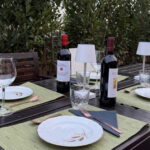
- Al fresco dining in the countryside setting
- Round-trip transport linked to central Rome meeting points
Compared with buying pizza and pasta separately in Rome, the price starts to look reasonable because the class is doing the heavy lifting: teaching, guiding, and providing the full meal structure.
Also, the wine being included matters more than you’d think. A lot of “food tours” don’t include alcohol in a free-flow way, so you end up paying extra on top. Here, it’s part of the experience.
One pricing note that can surprise people: all the drinks in fridges aren’t included. So if you see extra bottled drinks available, those cost extra. But the core wine flow is covered.
Timing, Transport, and the End-of-Day Metro Return
Duration is about 3 hours, and you’ll want to choose a start time that doesn’t clash with your dinner plans. Since you’re in the countryside area, this is a day activity—plan for an evening that stays casual afterward.
The transport plan is straightforward: you meet at Laurentina, you go to the cooking venue, and then it ends back at the same meeting point. Still, one review note mentions it can feel a bit annoying to return to the metro at the end. Translation: wear shoes that work for walking and stairs. Keep it simple.
Also watch out for temperature. One comment mentions chilly conditions inside the car in October due to a missing window seal. Even if it sounds minor, you’ll feel it during transfer time. If you’re visiting in cooler months, bring a light layer.
At the start, you’ll skip waiting thanks to a separate entrance. That helps when Rome is busy and you don’t want to lose time before cooking.
The Bottom Line: Should You Book This Pizza and Pasta Class?
I’d book it if you want a Rome food experience that’s practical, social, and actually teaches you technique. The combination of hands-on pizza and pasta, wood-fired baking, and included wine plus dessert makes it feel like more than a snack stop. And if you care about learning how pasta dough and pizza dough behave, this format is strong.
Skip it (or reconsider) if you hate the idea of leaving the center for a couple of hours, or if you’re expecting a pure sightseeing day. Also, if you’re very picky about food presentation, note that the tiramisù portion can be served in a small container, and the pace may involve some prepped elements to keep the class moving.
If you match the vibe—hands-on food, good instruction, and a relaxed meal—this class is a solid bet for your Rome time.
FAQ
Where do I meet for the class?
You meet your guide at the metro stop Laurentina. At the exit, you should find a staff member from the partner with a cooking class sign.
How long is the cooking class?
The experience lasts about 3 hours. Starting times vary, so check availability for the time that fits your day.
Is hotel pickup included?
No. Hotel pickup and drop-off aren’t included. Transport is tied to the central Rome meeting point.
Do I need to speak Italian to join?
No. The class is supported by instructors who teach in English and Italian.
Is there alcohol included?
Yes. The class includes free-flowing red and white Italian wine during the workshop. The minimum drinking age is 18.
What are the age requirements?
The minimum age to take part is 3 years old. Infants up to 2 years can go for free, but they must be booked for the transportation count and sit on the parents’ legs.
What desserts and tastings are included?
You get a tasting of homemade tiramisù and a chilled shot of limoncello to finish.
What if I have dietary needs?
The information provided confirms the class can handle requests like vegan options based on feedback, but it’s still best to flag your needs when booking so the team can guide you on what they can accommodate.