REVIEW · ROME
Rome Private Wine & Food Tour Trastevere, Ghetto, Campo de Fiori
Book on Viator →Operated by GOURMETALY FOOD TOURS OF ROME · Bookable on Viator
Cacio e pepe and a market stroll—done right. This private Rome food and wine tour strings together Campo de’ Fiori, the Jewish Ghetto, and Trastevere with a local guide’s close attention, plus real tastings (pizza, cheeses, pasta, fried seasonal bites, and gelato). I especially like how you get insider access to places you’d never notice on your own, and how the food history makes each bite click. One thing to consider: it’s a walking experience through lively but sometimes crowded streets and markets, so comfy shoes matter.
You’ll choose a morning or afternoon departure (the pace and vibe shift a bit). And if you’re food-minded, you’ll appreciate the structured tastings paired with wine—3 wine tastings at seated stops—so it’s not just samples on the go. As for guide names, people have highlighted guides like Clelia, Marielle, Natasha, Aurelio, Gloria, Livia, and Claudio, and they consistently focus on both food and neighborhood context.
In This Review
- Quick hits before you book
- Starting in Piazza Farnese: elegant Rome, practical start
- Campo de’ Fiori: where you’ll taste Rome’s everyday shopping culture
- Into the Jewish Ghetto: flavors shaped by identity and rules
- Ruggeri and Roscioli: where pizza and Roman habits come to the surface
- Ancient Pizzicheria Ruggeri
- Antico Forno Roscioli
- Isola Tiberina: an old bridge, a pause with a view
- Trastevere finish: pizza, pasta, and wine in Rome’s most loved food streets
- A key vibe from guides
- Gelato at Fiordiluna: Eugenio Morrone’s winning touch
- Price at $217.69: what you’re paying for (and why it can make sense)
- Morning vs afternoon, plus Sunday changes you should know
- Food choices, allergies, and what to tell your guide
- Who should book this (and who should rethink it)
- Should you book this Rome private wine & food tour?
- FAQ
- How long is the Rome private wine & food tour?
- Does it run in the morning and afternoon?
- What neighborhoods does the tour cover?
- What’s included in the price?
- Are vegetarian or dietary options available?
- Are there allergen concerns?
- What language is the tour offered in?
- Where do I meet and where does it end?
Quick hits before you book
- Private guide attention means your questions get answered and the pace can adjust.
- Campo de’ Fiori market time gives you a front-row look at how Romans shop for daily ingredients.
- Jewish Ghetto food stops tie flavors to cultural history, not just recipes.
- Wine included at seated moments—3 tastings—keeps the tour from feeling like a nonstop snack run.
- Gelato at Fiordiluna is led by Eugenio Morrone, gelato world champion (2020).
- Sunday routing is adapted because many independent shops and food vendors close, so the focus shifts to markets and open venues.
Starting in Piazza Farnese: elegant Rome, practical start
Your tour begins near Piazza Farnese (106, 00186 Roma), an elegant square anchored by the Farnese building and two fountains. It’s a good “opening scene” because it’s visually Roman but also a convenient launching point for walking into the areas where the food story gets more specific.
This matters because Rome can feel chaotic fast. Starting somewhere calm and ordered helps you get your bearings before the tasting sprint begins. It also sets a tone: this is not a checklist of famous monuments—it’s a guided route built around where Romans actually eat and buy.
You’ll likely meet your host at Gourmetaly Food Tours of Rome before setting out, and the tour runs in English with a mobile ticket. The schedule is structured, too, so you’re not wandering with a map trying to guess what’s open.
You can also read our reviews of more food & drink experiences in Rome

Campo de’ Fiori: where you’ll taste Rome’s everyday shopping culture
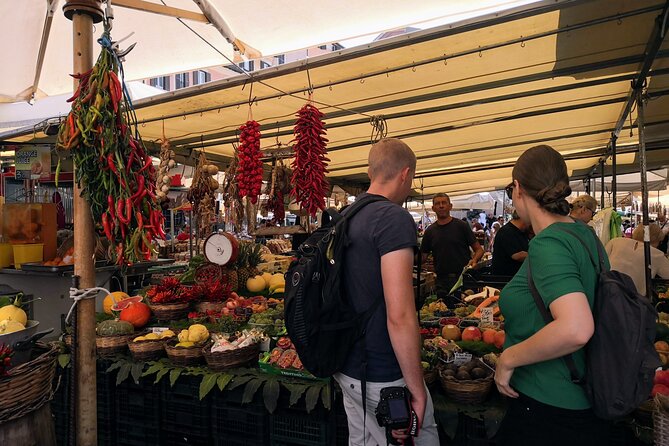
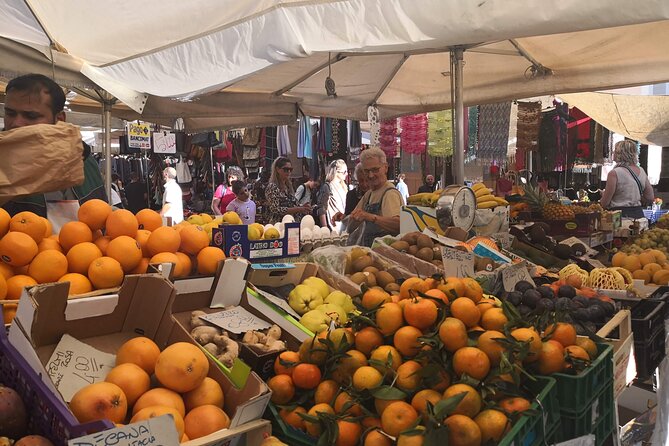
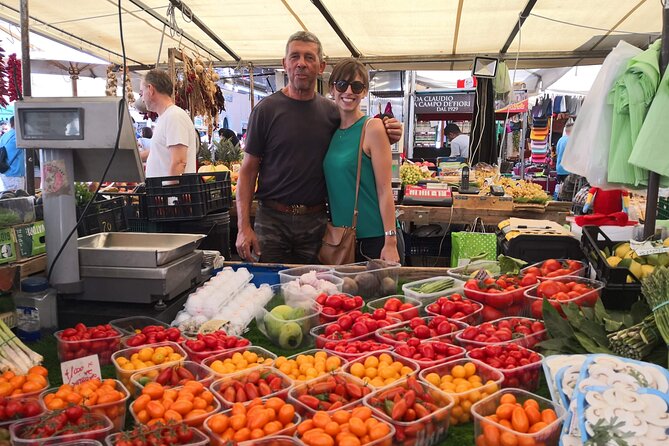
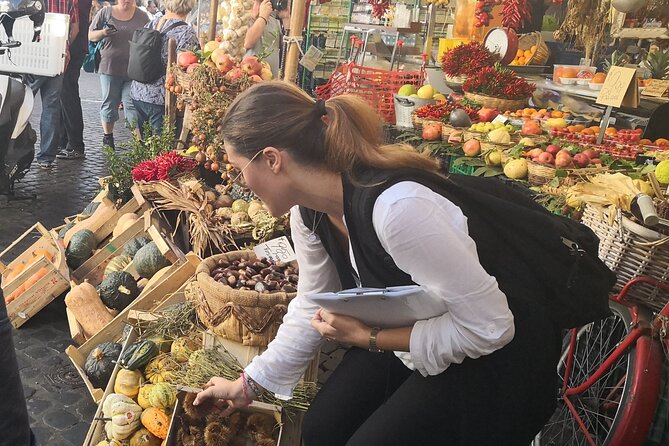
Campo de’ Fiori is one of Rome’s best-known market squares, and it’s the right place to start eating because it shows you the ingredients behind the dishes.
On Monday to Saturday morning tours, you’ll walk through the market atmosphere at a lively time when vendors are actively selling seasonal produce and local specialties. It’s the kind of scene that teaches you more than it feeds you: you see what looks fresh, what’s in season, and what kinds of stalls sell the building blocks of Roman cooking.
If you choose an afternoon departure on those days, you’ll still enjoy the square, even if the market isn’t in full swing. Think of it as the same neighborhood—but with more relaxed pacing, less frenetic energy.
And yes, you’ll connect it to a specific landmark: the statue of Giordano Bruno. The tour notes his role as a philosopher burned alive in 1600 and uses that as a moment to talk about freedom of thought and speech. It’s not heavy-handed; it’s a quick historical pause that adds meaning to the place you’re standing in.
How to use this stop: Look for the seasonal items and take mental notes. Later, when you’re tasting things like fried seasonal vegetables or cheese-forward bites, you’ll understand why they show up here.
Into the Jewish Ghetto: flavors shaped by identity and rules
After Campo de’ Fiori, the tour shifts into the historic Jewish Ghetto area. This part is special because it connects food to community life—what people could access, what they adapted, and what traditions survived.
You’ll pass by key sights tied to this history, including Piazza delle Cinque Scole and stops that connect you to traditional shops and recognizable culinary customs. The focus isn’t only on what to eat; it’s on why these foods became part of the neighborhood’s identity.
This is also where you start tasting the “Roman-Jewish” classics. The tour includes (depending on season and menu flow) items like:
- Fried artichokes (notably carciofi fried in the Jewish style, including winter’s carciofo alla giudia)
- Codfish and other traditional flavors
- Supplì (rice balls fried to order)
Seasonal differences are part of the fun here. If you’re visiting in winter, you’re more likely to get the artichoke spotlight. In warmer months, the tour’s fried vegetable options shift to match what’s freshest.
One practical note: the tour works in all weather, so you’ll be walking even if the sky turns. Bring a light layer and plan for quick changes in temperature.
Ruggeri and Roscioli: where pizza and Roman habits come to the surface
As you move deeper into the day’s eating plan, you’ll hit some of the most “Roman habit” places—food stops that feel like they’ve been doing the same work for decades.
Ancient Pizzicheria Ruggeri
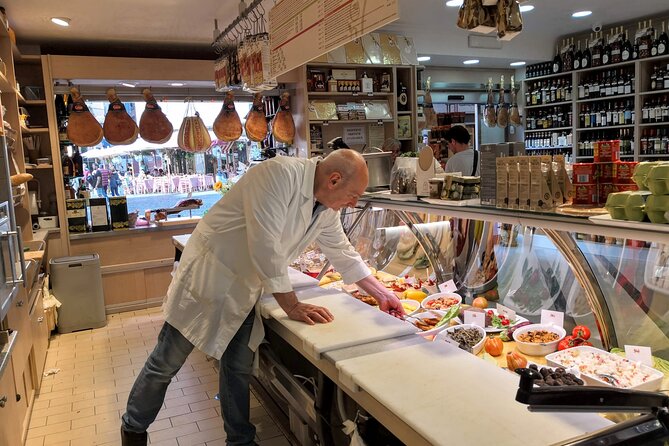
One stop centers on tasting traditional Roman food in an old-school shop environment, including history, local legends, and practical eating tips. A big theme here is that Roman food isn’t complicated in theory—it’s skill and timing in execution.
You’ll also learn about the culture of quality vendors and long-running family businesses; the tour description specifically mentions a family selling quality foods since 1919.
A few more Rome tours and experiences worth a look



Antico Forno Roscioli
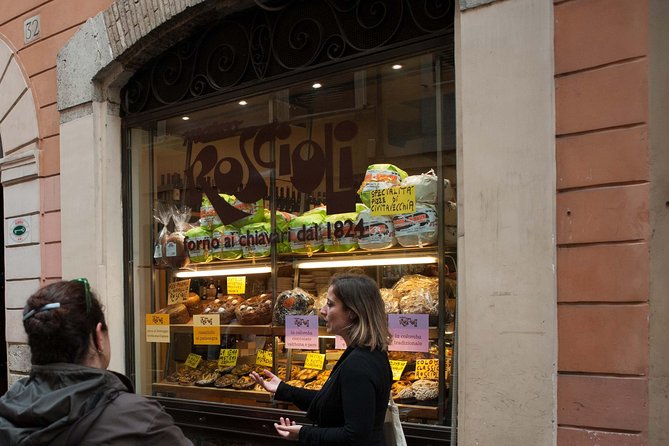
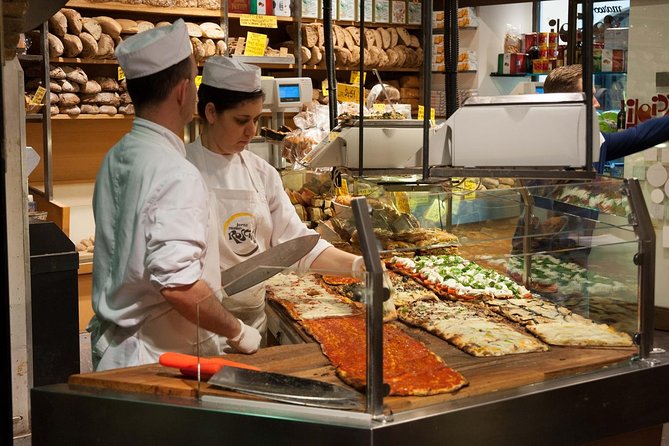
Another favorite stop is Antico Forno Roscioli, where pizza al taglio (pizza by the slice) earns serious attention. If you’ve ever wondered why Romans can treat pizza like a quick but deeply satisfying routine, this is where it becomes obvious.
This stop tends to make people happy for a reason: you’re not just tasting pizza—you’re tasting the idea of it. The tour description calls it the kingdom of pizza al taglio and a paradise for bread lovers, and the tasting is designed around that.
What to expect from these two stops: You’ll likely move from cheese-and-cured-meat bites into pizza styles and then into pasta moments later. It’s a logical arc, so you’re not eating random items that don’t belong together.
Isola Tiberina: an old bridge, a pause with a view
At some point during the route, you’ll cross the oldest bridge in town to reach Isola Tiberina (the island in the Tiber). The day’s walking is steady, but this is your “pause with a story.”
The island has a church, a convent, and hospitals, and the tour notes that music happens at night—especially in summer. Even if you’re not timing your trip for music, it’s a great mental reset. You get a different sense of the city: less street-level pressure, more a sense of place tied to history.
If you like food tours that also give you a little geography, this is the kind of stop that helps the rest of the neighborhoods make sense.
Trastevere finish: pizza, pasta, and wine in Rome’s most loved food streets
Trastevere is where the tour really turns into the Rome you picture when you think of dining outdoors—narrow streets, artisan shops, and cafés packed into a neighborhood that’s both historic and everyday.
The tour includes tastings that hit Roman comfort targets:
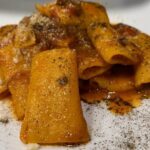
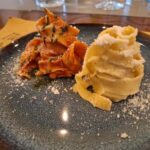
- Cacio e pepe
- Amatriciana
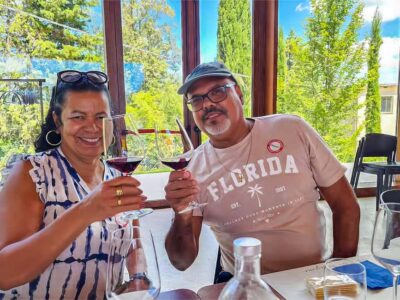
- 3 wine tastings at seated stops during the tour
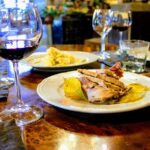
A specific restaurant stop is Ristorante Sette Oche in Altalena, where you taste cacio e pepe and amatriciana pasta. This is one of those moments that changes the tempo: you go from walking and grazing to sitting down and eating with a little breathing room.
You also get more pizza action earlier (pizza rossa and other pizza styles are part of the sample menu), plus cheese and cured meats at a historic grocery stop. The effect is that you’re not just sampling dinner—you’re learning how Roman meals get built: cheese meets bread meets fried bites, then pasta becomes the center, and wine keeps everything moving.
A key vibe from guides
People highlighted guides who slowed down when needed. For example, Aurelio was praised for taking time and not rushing during a group with mobility concerns. That’s a big deal if you prefer your food tour to feel like a paced stroll rather than a sprint with snacks.
Gelato at Fiordiluna: Eugenio Morrone’s winning touch
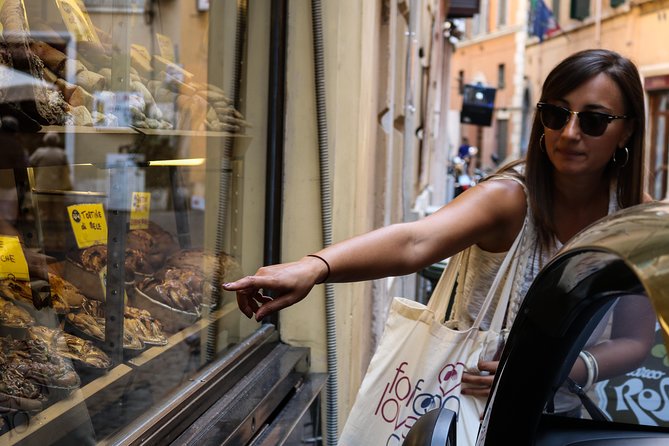
No Roman food tour review is complete without gelato, and this one has a standout name attached: Fiordiluna, hosted by Eugenio Morrone, noted as gelato world champion (2020).
The tour description is clear about how to treat this stop: do not call it ice cream. You’ll get a gelato tasting, and the tour is set up so you can finish the walk with something cold, sweet, and satisfying rather than heavy.
How to order with confidence: Since it’s a tasting, you don’t need to overthink flavors. Focus on texture and flavor balance—Roman gelato is often about how clean the ingredients taste, not just sweetness.
Price at $217.69: what you’re paying for (and why it can make sense)
At $217.69 per person for about 3 hours 30 minutes, this isn’t a budget snack crawl. But the value is built into the structure.
Here’s what’s included based on the tour details:
- A private passionate foodie local guide
- Meals across multiple stops: cheeses & hams, 2–3 pizza tastings, fried seasonal specialties, 2 pasta tastings, and gelato
- 3 wine tastings plus seated stops with wine (3 of them)
- Food walking tour format with stories and tips on Italian food tradition
So your cost isn’t just for “access.” You’re paying for:
1) someone to route you through places that are hard to find,
2) tastings in a deliberate sequence, and
3) seated wine moments that make the experience feel like a meal, not a constant grab-and-go.
If you compare it to buying everything piecemeal, the win is the timing and the expert direction. You’ll taste more types of Roman food in fewer steps, with fewer stalls ending in disappointment.
Morning vs afternoon, plus Sunday changes you should know
This tour is offered on a morning or afternoon schedule (for Monday to Saturday). Morning gives you Campo de’ Fiori at its most active, while afternoon shifts to a calmer market feel.
Sunday is where the plan adapts. The tour notes that many independent shops and food vendors close on Sundays, so the itinerary focuses more on markets and open venues. It also starts with a farmer-managed organic market, where producers sell directly and you sample fresh products while learning how ingredients get sourced and used in Roman cooking.
If Sunday matters for your schedule, don’t treat it like a downgrade. It’s actually a smart way to see ingredients firsthand when normal storefront tastings may be harder to access.
Food choices, allergies, and what to tell your guide
This experience is designed to work for most people (it’s listed as most travelers can participate), and it’s private—meaning your guide can adjust pacing for your group.
There are also options:
- Vegetarian option is available—ask at booking
- Gluten-free or dairy-free options are available
Important detail: the tour notes that allergens can be present in tastings, including milk, eggs, soya, mustard, nuts, and gluten. So if you have a serious allergy, don’t keep it vague. Make sure you flag it clearly when booking, and confirm at each stop.
Who should book this (and who should rethink it)
This is a strong match if you:
- love eating as a way to understand a neighborhood
- want private guide attention
- enjoy wine paired with food (3 tastings, seated stops)
- want a route that links Campo de’ Fiori + Jewish Ghetto + Trastevere instead of hopping randomly
You might rethink it if you:
- hate walking or tight streets
- prefer only one neighborhood, not a cross-city food route
- have very limited diets and don’t want to manage allergen checks (the tour can handle options, but tastings can include common allergens)
Should you book this Rome private wine & food tour?
Yes, if you want a guided Rome that feels like eating with a local friend who knows the logic behind the flavors. The route is built around ingredient culture (Campo de’ Fiori), community history (Jewish Ghetto), and the dinner-energy streets (Trastevere). The included mix—cheeses and cured meats, pizza by the slice, fried seasonal bites, pasta, 3 wine tastings, and gelato with a named expert—adds up to a full sensory meal.
Book it if you’re the kind of person who would rather spend your limited Rome time learning why something tastes the way it does, not just checking off spots.
If you want to maximize value, go hungry, wear good shoes, and ask your guide to tailor tastings to your tastes within the options provided.
FAQ
How long is the Rome private wine & food tour?
The tour runs for about 3 hours 30 minutes.
Does it run in the morning and afternoon?
Yes. You can choose between a morning or afternoon tour.
What neighborhoods does the tour cover?
It focuses on Campo de’ Fiori, the Jewish Ghetto area, and finishes in Trastevere.
What’s included in the price?
Included are multiple tastings and meals (cheeses and hams, pizza tastings, fried seasonal specialties, pasta tastings, and gelato), plus 3 wine tastings at seated stops, along with guide stories about Italian food traditions.
Are vegetarian or dietary options available?
Yes. Vegetarian options are available if you advise at booking. Gluten-free or dairy-free options are also available.
Are there allergen concerns?
Yes. The tour notes that allergens can be present in tastings, including milk, eggs, soya, mustard, nuts, and gluten.
What language is the tour offered in?
The tour is offered in English.
Where do I meet and where does it end?
It starts at Piazza Farnese, 106 (00186 Roma RM) and ends in Piazza Giuseppe Gioachino Belli (00153 Roma RM).