REVIEW · ROME
Rome: Tuscany & Montepulciano Day Trip with Lunch & Wine Tasting
Book on Viator →Operated by City Wonders Ltd · Bookable on Viator
A day trip like this can save you. You’ll trade Rome crowds for Montepulciano’s hilltop views and a real Tuscan farm lunch with wine pairings. I also like that the day is guided with audio headsets, so you’re not guessing your way through cathedral façades and Renaissance church stops. One possible drawback: it’s a long day with walking and some steep lanes, so it rewards comfy shoes and a patient pace.
You’ll ride out of central Rome in an air-conditioned coach, with English-speaking guidance and on-board Wi-Fi to keep the wait from feeling too long. Guides you may see referenced often include Flavio, Anna, Barbara, Antonino, Enrica, and Sonia, plus drivers like Pablo, Massimo, Luca, and Cesar who keep the schedule moving safely. The tour caps at 25 people, so it tends to feel organized rather than chaotic, but you still won’t have “wander all you want” freedom in every town.
In This Review
- Key things to know before you go
- A 12-hour escape: how this day trip actually feels
- From Rome into Val d’Orcia: the scenery bonus
- Montepulciano: Vino Nobile views, cathedral façades, and old walls
- The Tuscan farm lunch and wine tasting: what’s included and what to watch
- Tempio di San Biagio: a short stop with big architectural payoff
- Pienza’s UNESCO center: Renaissance planning and pecorino hunting
- Price and logistics: is $83.44 good value for most people?
- What to wear, how much walking, and how to avoid sore-feet regret
- Should you book this Rome to Tuscany day trip?
- FAQ
- How long is the Rome to Tuscany day trip?
- What’s the price per person?
- Where does the tour meet in Rome?
- What’s included in the lunch and wine portion?
- Is this tour good for people with limited mobility?
- Are alcohol tastings served to everyone?
- What’s the dress code for the sites?
Key things to know before you go
- Montepulciano walking tour covers the Florence-style clock tower, the Santa Maria Assunta cathedral area, and the wine culture of Vino Nobile
- Tuscan farm lunch is a 3-course meal with local wine pairings, including references to Brunello di Montalcino
- Tempio di San Biagio is a short stop with big views and a Renaissance/Greek-cross design story
- Pienza free time gives you a chance to look around a UNESCO Renaissance town plan and shop for pecorino
- From March 1, the wine tasting can be led by a professional sommelier, adding more structure to the tastings
A 12-hour escape: how this day trip actually feels
This is the classic Rome-to-country reset: you leave the city, hit three Tuscan stops, eat well, taste wine, and come back before your next day gets fully wrecked. The duration is about 12 hours, so plan your energy like you would for a hiking day—eat breakfast, wear shoes you can stand in for a while, and don’t schedule anything important right after you get back to Rome.
The coach ride helps. It’s air-conditioned, and you get unlimited high-speed Wi-Fi on board (handy if you want to plan your next Rome stop or just distract yourself while the countryside passes). You’ll also have audio headsets, which sounds small until you’re trying to hear facts while the bus is moving and everyone is talking at different volumes.
The group size matters too. With a maximum of 25 travelers, you’ll usually feel guided, not herded—but you should still expect timed regrouping and short walks between stops. This is a “see the highlights” day, not a “linger for hours” day.
You can also read our reviews of more food & drink experiences in Rome

From Rome into Val d’Orcia: the scenery bonus
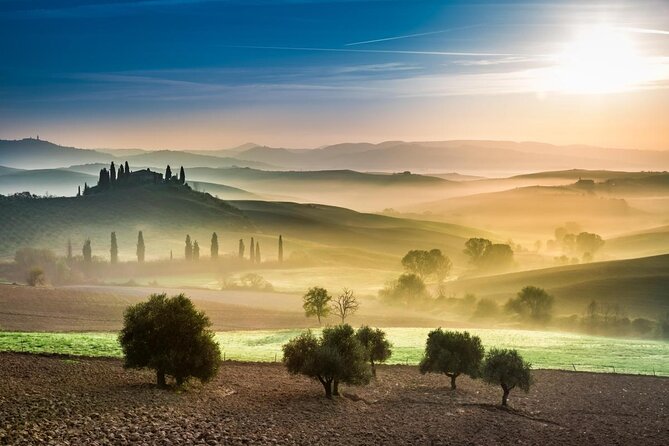
Before you ever hit the towns, you get the drive into Val d’Orcia, near Siena. The bus trip is scheduled for about 2 hours, and that time is part of the experience: rolling hills, cypress-lined roads, and the big open Tuscan sky. For many people, this is the first taste of why Tuscany looks the way it does in postcards.
Your guide typically uses the travel time to set context—why these towns are where they are, how the region became so closely tied to food and wine, and what to notice once you step off the coach. If you’re the type who likes to understand what you’re seeing (even just a little), pay attention during the drive.
Montepulciano: Vino Nobile views, cathedral façades, and old walls
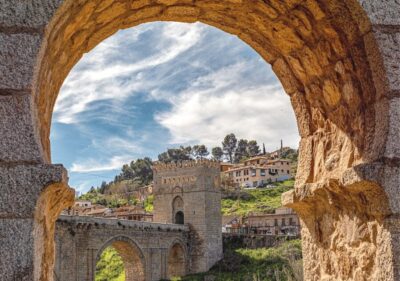
Montepulciano is the heart of the day. It’s a hilltown with a strong wine identity, and the tour is designed to connect the dots between the town’s layout and its famous production of Vino Nobile di Montepulciano.
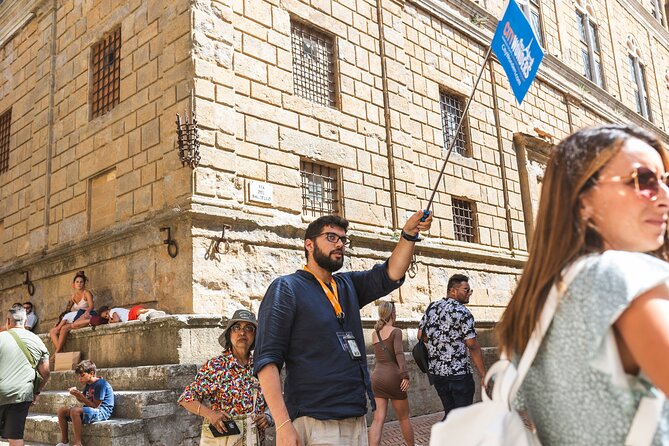
You’ll do a guided walking tour through the historic center. Key highlights include:
- The Florence-style clock tower, which helps define the town’s “center”
- Santa Maria Assunta (you’ll hear about the cathedral and the unusual state of its façade)
- Old town walls and medieval streets that explain why the town developed the way it did
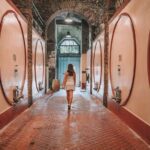
- Wine cellars and the broader “how the wine world works here” story
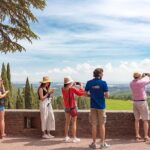
You also get time for the views. Montepulciano is built for looking out. If photography is your thing, bring your camera ready—this is the sort of place where the best photos happen right at the moment you decide to stop walking and turn your head.
One consideration: Montepulciano can feel a bit time-tight depending on the pace of the group. Some people end up wanting more free exploring time after the guided portion, so if you love wandering slowly, keep expectations realistic on a day trip.
The Tuscan farm lunch and wine tasting: what’s included and what to watch
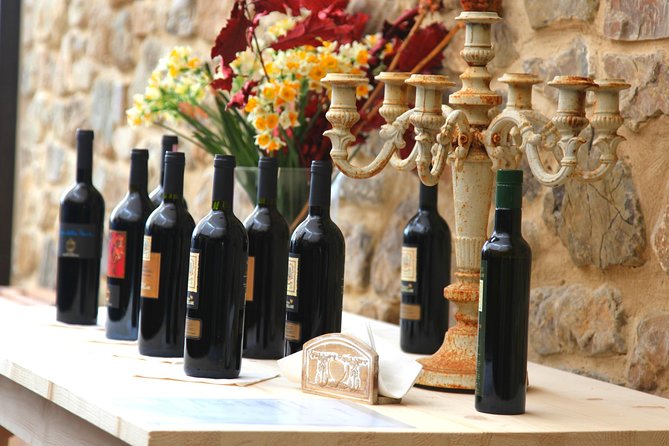
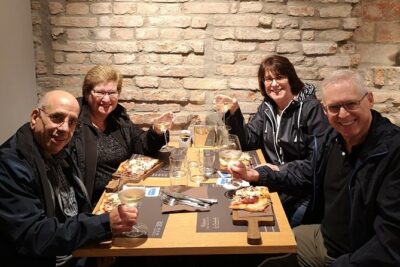
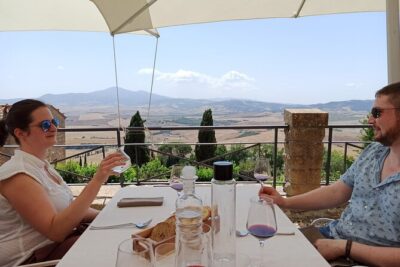
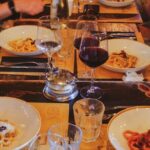
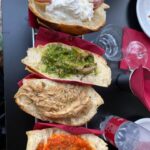
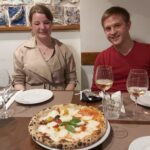
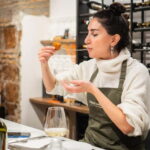
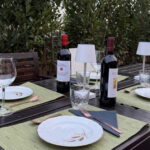
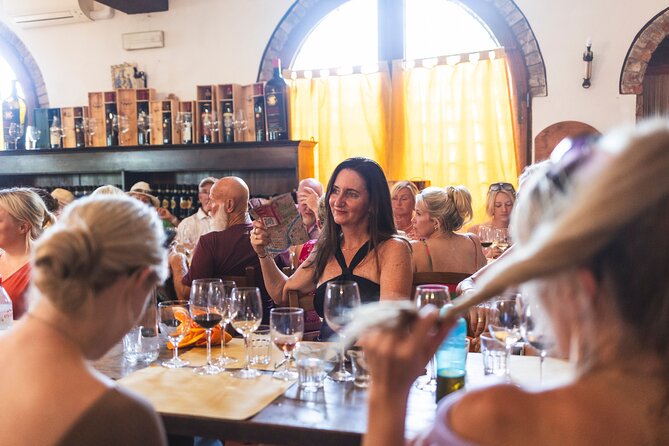
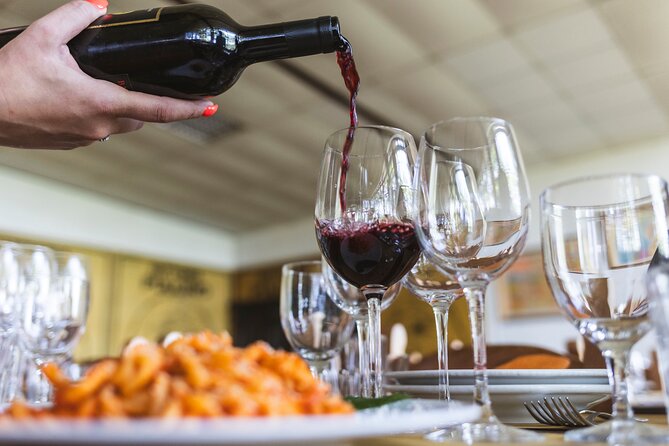
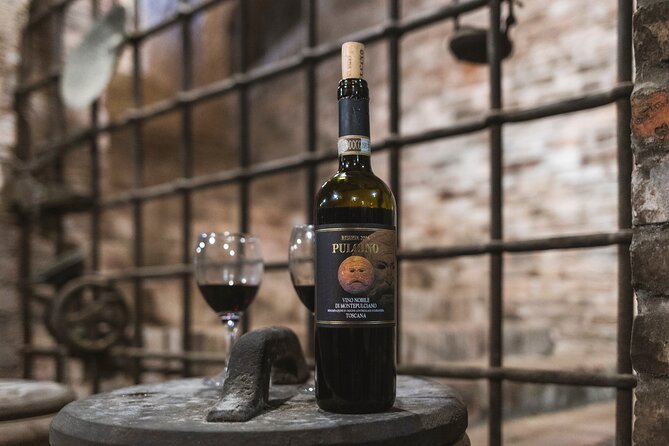
Lunch is one of the main reasons people book this trip. You’ll eat on an authentic Tuscan farm and winery setting, and the meal is a traditional 3-course lunch with regional food. Wine is paired with the meal, and the experience is built around local specialties.
What you should know:
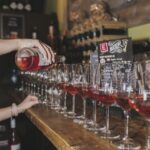
- You’ll taste regional wines, including Brunello di Montalcino references
- From March 1, wine tasting is led by a professional sommelier (more structured explanations)
- For small group or private upgrades, there may be extra tastings (like extra wine and olive oil tasting) and even an additional visit such as a castle in Montalcino, depending on the selected option
Now, the honest part: the wine and lunch quality can land differently depending on the day and the supplier’s execution. Many reviews praise the lunch as delicious and the wine pairings as worth it. Others describe small pours and a more basic tasting format, plus occasional disappointment with food texture or variety. That’s not unusual on group tours where you’re trying to feed everyone on a schedule.
My practical advice: treat the lunch as a Tuscan meal experience first, and the wine as an introduction, not a long, bottle-by-bottle tasting. If you’re a serious wine hobbyist who wants deep tasting detail and lots of volume, you might prefer a dedicated wine tour with a smaller, slower format. If you want a tasty, well-timed country break from Rome, this part usually delivers.
Also, a small survival tip: use bathrooms when you can. In historic towns, public restrooms aren’t always easy to spot.
Tempio di San Biagio: a short stop with big architectural payoff
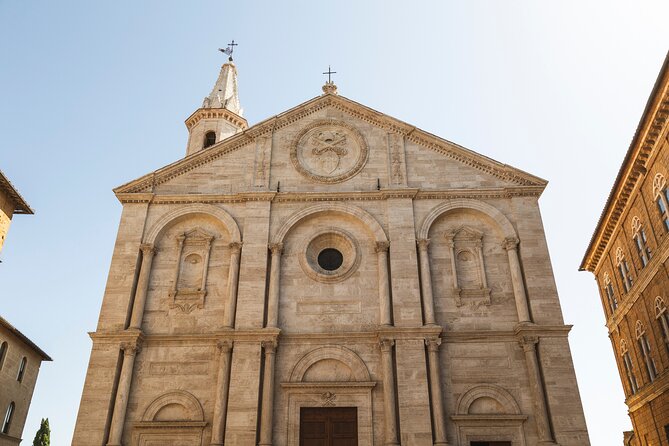
After Montepulciano, you’ll visit Tempio di San Biagio. This stop is only about 30 minutes, so think of it as a highlight photo break with an explanation, not a long exploration.
It’s known for being the result of a Renaissance artistic approach mixed with the beauty of the surrounding hills. The church is described as a Renaissance Greek cross central plan, and the design is connected to Bramante and Michelangelo’s work for St. Peter’s Basilica in Rome.
The practical value here is the “look, learn, and move” format. Even if you’re not an architecture nerd, the structure helps you see the shape and symmetry quickly, and the view from the location tends to make the quick stop feel worth it. Wear shoes you can trust on uneven ground, because the ground doesn’t care that you’re in a hurry.
You can also read our reviews of more wine tours in Rome


Pienza’s UNESCO center: Renaissance planning and pecorino hunting
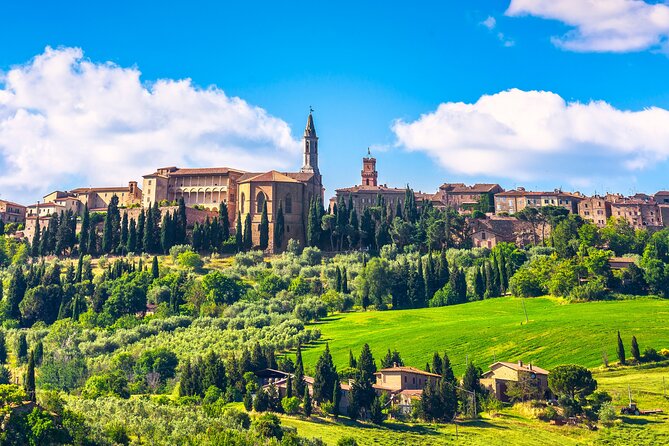
Pienza is where the day turns from wine-town energy into elegant Renaissance stillness. It’s a UNESCO World Heritage site, and the historic center is associated with Pope Pius II, who planned a change to his birth town’s appearance. That context matters, because once you understand it’s a designed town plan, not just “pretty streets,” the place starts making sense.
You’ll get free time in Pienza to explore. The tour describes this as up to about 45 minutes in the historic center, with guidance beforehand about architecture tips and shop ideas. If you like food souvenirs, this is the part to focus on: you’re encouraged to look for pecorino cheese in local shops.
Then you’ll have additional time labeled as exploring Pienza—time to shop for local food and wines, take photographs, and eat gelato.
One key reality check: seasonal closures can affect what you can do on the ground. In colder months, some shops may be closed, so your experience can shift from browsing and tasting snacks to mainly walking, photographing, and eating what’s open. If you’re going in the off-season, go in with a “photos and strolls” mindset.
Price and logistics: is $83.44 good value for most people?
At about $83.44 per person for a day that runs roughly 12 hours, the value comes from packing several paid elements into one organized package.
Here’s what you’re effectively buying:
- Round-trip transport from central Rome in an air-conditioned coach
- A guided walking tour in Montepulciano with audio headsets
- A 3-course lunch at a Tuscan farm and winery
- Wine tastings (with Brunello di Montalcino references)
- A stop at Tempio di San Biagio
- UNESCO Pienza time with guidance and food shopping focus
If you were doing this independently, you’d spend time and money on transport, and you’d still need to figure out logistics for wine and lunch. The tour takes away that planning headache.
But value depends on your tolerance for group pacing. If you hate tight time windows, you might feel Montepulciano or Pienza gets rushed. If you’re extremely picky about wine quality, remember that it’s still a group tasting designed as an introduction.
In other words: it’s great value if you want a curated Tuscan day without doing project management. It’s less ideal if you want slow wandering plus serious wine depth.
What to wear, how much walking, and how to avoid sore-feet regret
This day involves a fair amount of walking and some steep areas. You don’t need to be an athlete, but moderate fitness helps. Plan for cobblestones, small stairs, and uneven surfaces in hill towns.
Dress rules also matter. Some sites require coverage: knees, shoulders, and backs must be covered. If you’re traveling in warm weather, bring something light you can throw on.
Weather can also hit you. One review notes cold, wind, and rain in December—so layers and a compact umbrella aren’t a bad idea. Even in mild seasons, the Tuscan hills can change how fast you cool down once you step into shade.
Should you book this Rome to Tuscany day trip?
If you’re in Rome and want an efficient, guided taste of Tuscany—Montepulciano, Pienza, and the Val d’Orcia countryside—this is a solid choice. It’s especially good if you want a structured day with lunch and wine included, and if you appreciate having a guide explain what you’re looking at (including the why behind town shapes, church design, and wine identity).
I’d think twice if:
- You want a slow, independent pace in Montepulciano
- You expect a wine “deep study” with lots of pouring and intense tasting notes
- You’re going in an off-season month and plan to rely on shops being open for browsing and snacks
If you book, go in knowing it’s a highlight tour with real food and wine, not a perfect replacement for a multi-day Tuscany trip. Bring comfortable shoes, do the pecorino shopping while you can, and treat the bus ride as part of the charm, not wasted time.
FAQ
How long is the Rome to Tuscany day trip?
It runs for about 12 hours (approx.), including transport from Rome, the stops in Tuscany, lunch, and the return trip.
What’s the price per person?
The price listed is $83.44 per person.
Where does the tour meet in Rome?
The meeting point is Piazza del Popolo, Roma RM, Italy, and the tour ends back at the same meeting point.
What’s included in the lunch and wine portion?
You get a 3-course lunch on an authentic Tuscan farm and winery, plus wine tasting with regional wines. The experience includes wine tasting information and local pairings, with Brunello di Montalcino included as part of the wine tastings described. From March 1, the wine tasting is led by a professional sommelier.
Is this tour good for people with limited mobility?
The tour notes a moderate physical fitness level is required, with a fair amount of walking and some steep areas. Comfortable shoes and a willingness to walk are important.
Are alcohol tastings served to everyone?
No. Customers who have not reached Italy’s legal drinking age of 18 will not be served alcohol.
What’s the dress code for the sites?
Some sites require coverage: knees, shoulders, and backs must be covered.