REVIEW · ROME
Pasta Making & Wine Tasting with Dinner in Frascati from Rome
Book on Viator →Operated by From Scratch - Authentic Experiences · Bookable on Viator
Frascati is a sweet break from Rome. This pasta-making and wine-tasting dinner turns a simple class into a real taste of the town, with a family vineyard focus and a step-by-step meal you finish by eating your own work. And yes, the day includes wine tasting first, then pasta, then dinner.
Two things I really like: you get hands-on help with fresh pasta from scratch, even if you’ve never rolled dough before, and you taste Frascati wines with clear variety, including Frascati Superiore DOCG and Vagnolo. It feels personal too, since group size tops out at 18, and guides such as Nico, Federica, and Rosie tend to keep the mood warm and practical.
One consideration: you’re not staying put in central Rome. You’ll be taking the train to Frascati and doing some walking on return, plus you may see stairs as part of the cellar experience, so wear shoes you can trust.
In This Review
- Key Points at a Glance
- Why Frascati Pasta Feels More Italian Than a Rome-Only Dinner
- Getting There: The Frascati Station Meet-Up and Town Walk
- The Wine Tasting Part: Frascati Superiore DOCG and Vagnolo
- Pasta Class in the Historic Cellar Setting
- The Three Roman Pastas You Can Make (and Why They Matter)
- Dinner: Eating Your Own Pasta Paired with Local Wines
- The Caves Below the Wine Cellar: A Finale Worth Slowing Down For
- Timing, Pace, and What to Wear
- Price and Value: What You’re Actually Getting for $45.95
- Who Should Book This and Who Might Skip It
- Should You Book Pasta Making & Wine Tasting in Frascati?
- FAQ
- How long is the pasta making and wine tasting experience?
- Where do I meet the group?
- What language is the class offered in?
- What wines will you taste in Frascati?
- What pasta dishes can you make?
- Is gluten-free pasta available?
- Are vegetarian or vegan options available?
- How big are the groups?
- Does the experience run in bad weather?
- What is the cancellation window for a full refund?
Key Points at a Glance
- DOCG + IGT tastings tied to the family vineyard, not just a generic pour
- Small group size (18 max) for more attention while you knead and roll
- Hands-on pasta skills from a chef instructor, with guidance for beginners
- Pick your Roman pasta: cacio e pepe, carbonara, or amatriciana
- Dinner using what you made, paired with local wine
- Cellar-caves peek at the end, a memorable closer
Why Frascati Pasta Feels More Italian Than a Rome-Only Dinner
Rome is amazing, but it can also be loud. This experience swaps the city bustle for Frascati, a town just outside Rome that feels slower and more local the moment you arrive. The whole arc of the evening helps: you start with wine and town context, then move into cooking, then sit down to eat.
What makes it work so well is the flow. You taste, learn what you’re tasting, then you make something that fits the flavors of the region. By the time dinner arrives, you’ve already done the hard part, so the meal feels earned instead of purchased.
And Frascati isn’t just a backdrop. You’re introduced to the town before you even get to the wine cellar, which means the walk has meaning. You’re not just relocating; you’re actually getting oriented.
You can also read our reviews of more food & drink experiences in Rome

Getting There: The Frascati Station Meet-Up and Town Walk
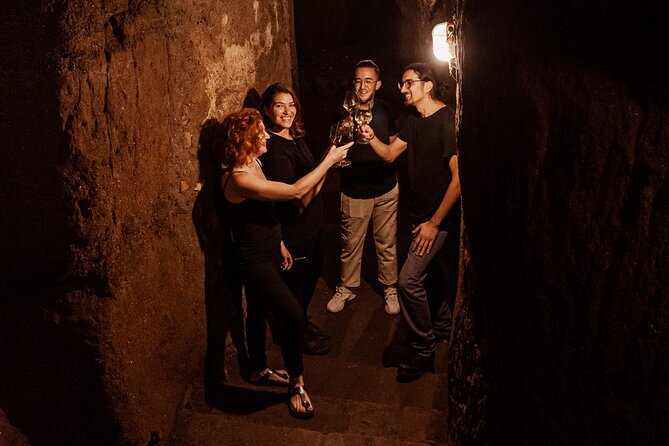
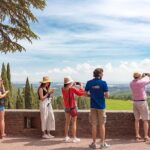
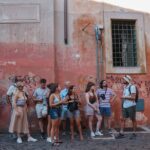
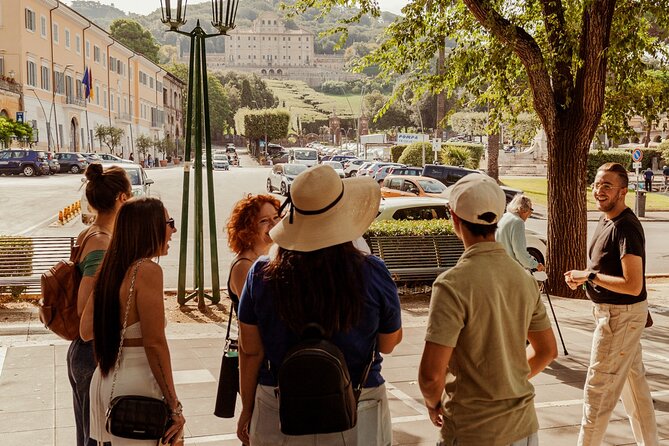
You meet your hosts directly outside the Frascati train station. This is one of those details that saves you stress, because you’re not hunting for a hidden address deep in the maze of Rome. After the meet-up, you take a scenic walk through the old town toward a historic wine cellar.
That walk matters more than you’d think. It’s built for pacing, so you arrive in the right frame of mind for wine tasting and cooking. If you’re the type who gets hangry quickly, this structure helps because you’re not stuck indoors immediately.
Practical note: the experience includes walking and you may encounter stairs, especially around the cellar area. I’d plan for comfortable shoes, and I’d keep a light jacket handy if the weather turns cool. Also, your language support is set for English groups, with Italian naturally part of the atmosphere.
The Wine Tasting Part: Frascati Superiore DOCG and Vagnolo
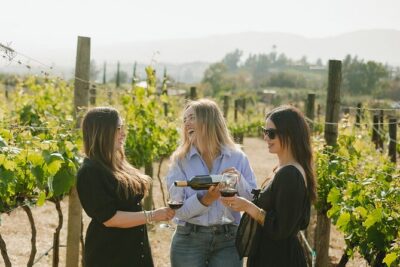
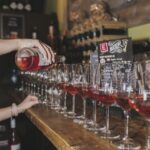
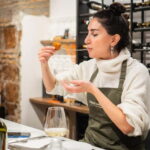
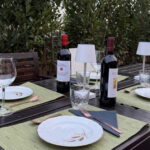
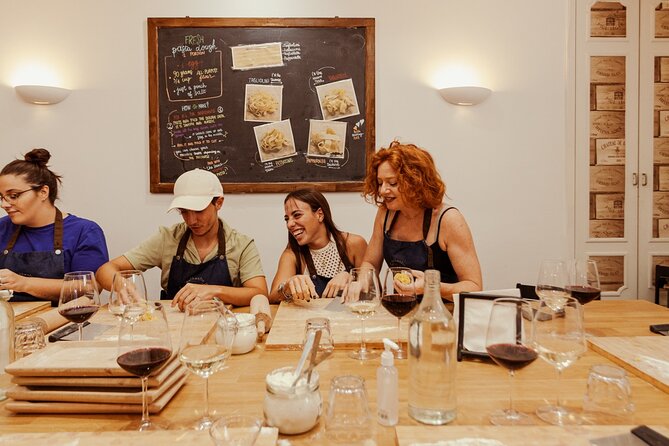
Wine is not just an intro here. It’s the opening chapter of the evening, and it sets the stage for what comes next. In the cellar, you’ll taste Frascati Superiore DOCG and Vagnolo wines, presented with a local winemaker connection through a family vineyard.
This is where you start picking up the logic behind Italian wine regions. Instead of random sips, you’re given enough context to notice differences. That matters because later, when you’re eating pasta, you can actually match flavors to the glass.
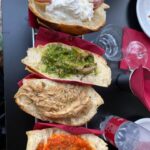
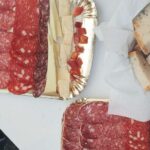
You’ll also get local appetizers during the tasting. It’s a smart choice for two reasons. First, it smooths out the evening so you’re not cooking on an empty stomach. Second, it helps you understand how the wines get used with food, not just tasted on their own.
If you get a guide like Nico or Federica (or Rosie), you’ll likely find the tone is friendly and not overly formal. The goal is that you understand what you’re drinking and why, not that you memorize wine terms.
Pasta Class in the Historic Cellar Setting
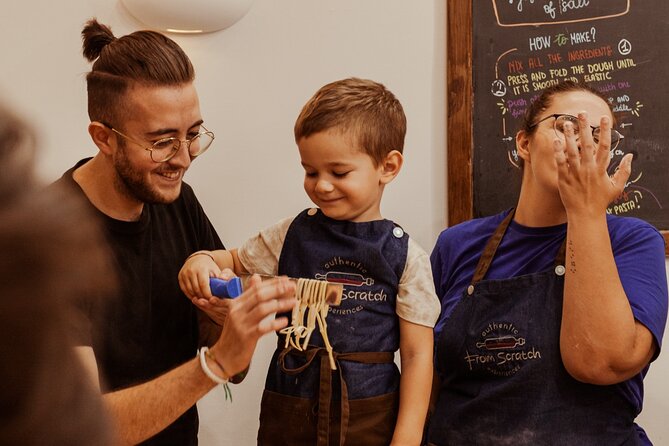
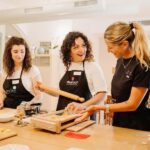
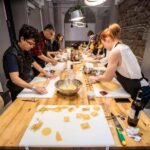
Then comes the main event: cooking. You head to the pasta-making space, where a chef instructor guides you through making fresh pasta from scratch. Even better, you don’t just watch; you roll up your sleeves and do the work.
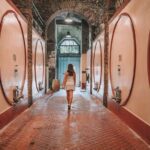
The cellar setting changes the vibe. It’s not a sterile cooking room. It feels like you’re working in a real food-and-wine environment that has been used for generations. That atmosphere helps beginners relax, because the focus stays on doing the steps correctly, not on looking fancy.
What I’d look for in a class like this is patient, practical instruction. The experience consistently gets high marks for staff who guide novices step-by-step. You can also expect a fun group energy since the class is limited to 18 people, so it’s easier for the instructor to check in and help when your dough starts acting like dough.
If you have dietary needs, options may be available, but with one important limitation: gluten free pasta is possible if required, but cross contamination can’t be assured. Vegetarian and vegan options are available if you let the team know ahead of time. If you have allergies or food intolerances, you’ll need to ask so they can manage your request, again with cross contamination limits for gluten-free.
The Three Roman Pastas You Can Make (and Why They Matter)
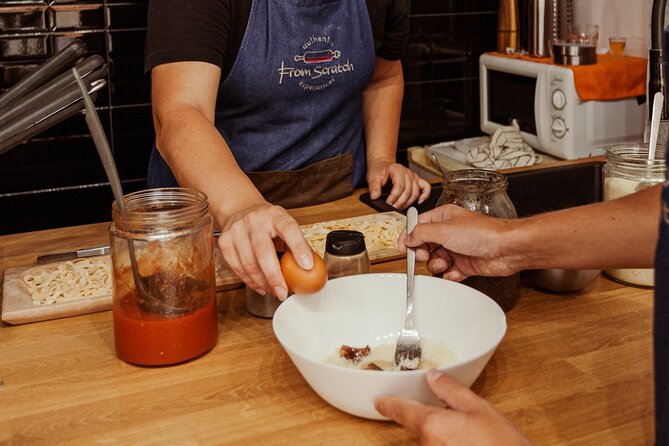
You’ll choose one of three classic Roman dishes to make: cacio e pepe, carbonara, or amatriciana. This is a smart set because they represent three distinct styles of Roman comfort food.
Cacio e pepe is all about simplicity: cheese and pepper do the heavy lifting. Carbonara brings egg and cured elements, with technique playing a big role in getting the sauce right. Amatriciana adds a tomato note and typically feels more robust, especially when paired with a wine that has enough structure to stand up to savory flavors.
The class also doesn’t treat sauce like an afterthought. You’re guided on what goes into the sauce and how it’s put together, then you taste what you made as part of dinner.
One reason I like this setup for visitors is that it keeps the lesson focused. You’re not trying to learn ten recipes. You’re learning one pasta dish deeply enough that you can understand what makes it Roman.
You can also read our reviews of more cooking classes in Rome
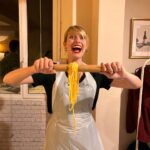
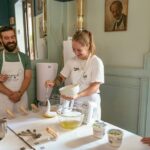
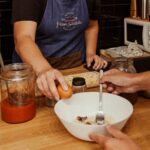

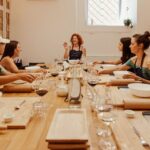
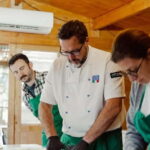
Dinner: Eating Your Own Pasta Paired with Local Wines
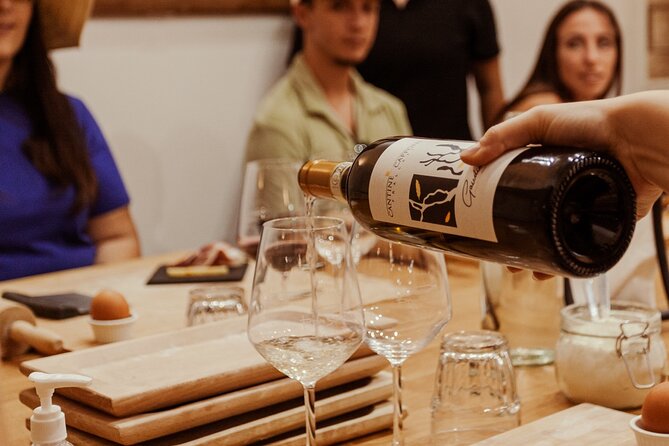
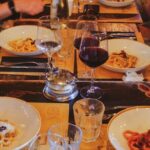
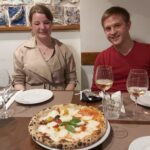
After cooking, you sit down and eat the pasta you made. It’s served with local wines, so you get the full loop: tasting, cooking, then eating with pairing support.
This is the moment that turns the class from activity into memory. There’s something satisfying about eating pasta that went from flour to dough to a finished dish. It also gives you a better reference for future meals in Italy, because you’ll recognize what technique changes can taste like.
Also, dinner is part of the overall timeline, not tacked on. It ends the lesson on a relaxed note while you’re still in the same food-and-wine environment. If you’re the type who likes to keep evenings structured (especially when you’re tired from Rome days), this pacing works.
The Caves Below the Wine Cellar: A Finale Worth Slowing Down For
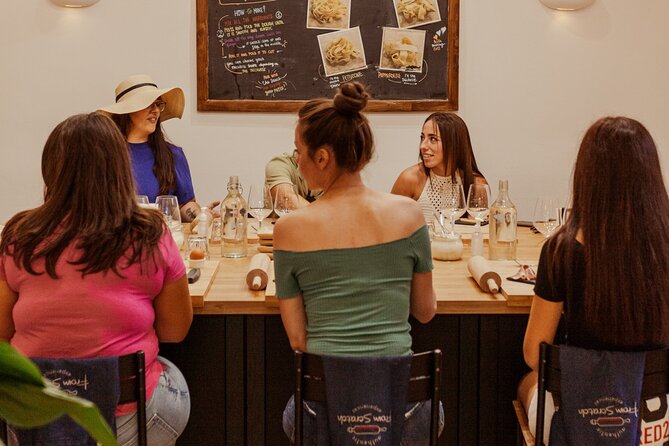
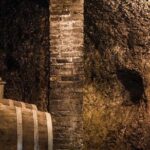
After dinner, you get a look at the caves hidden below the wine cellar. This is one of those travel moments that costs nothing but adds a lot of flavor to the story you take home.
Even if you’re not a “cellar person,” caves connect you to how wine storage and aging work in a tangible way. You’re seeing the environment that supports the family’s winemaking, which makes the earlier tastings feel more grounded.
Then it’s time for the walk back toward the Frascati train station. If you have energy left, this is a good window to linger in Frascati center for a little wandering before you head back to Rome. The town is small enough that it’s not a stressful chase, and the pace feels right after dinner.
Timing, Pace, and What to Wear
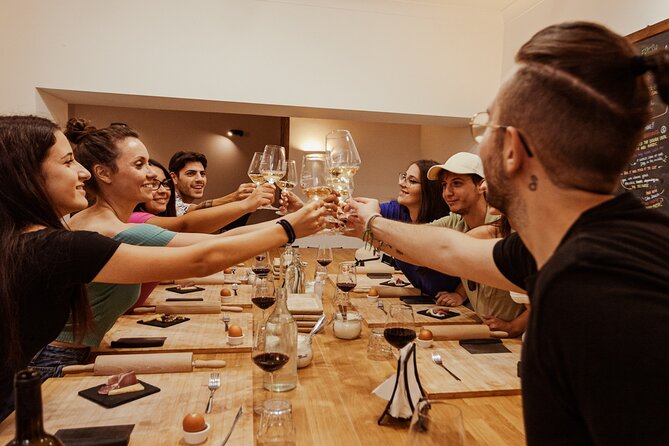
The experience runs about 2 hours 30 minutes. That’s long enough for real instruction and dinner, but short enough that it doesn’t wreck your Rome schedule.
The pace is usually: meet up, town context walk, wine tasting with appetizers, pasta-making class, sit-down dinner, cave peek, then return walk. It’s not rushed chaos, but it also isn’t a slow museum tour.
What to wear:
- Comfortable shoes for walking in an old-town setting
- A light layer in case the cellar feels cooler than the street
- Clothes you don’t mind getting a little flour-dusted (unless your instructor suddenly invents a magical no-mess dough technique)
If you’re traveling with kids, this format can work well too because it’s interactive and the group size is controlled. Just keep in mind it’s still a cooking class, so there’s real hands-on time.
Price and Value: What You’re Actually Getting for $45.95
At $45.95 per person, the value is in what’s included, not in the hourly cooking time. You’re paying for a complete package: wine tasting (with appetizers), chef-led fresh pasta instruction, a choice among Roman classics, and dinner built around what you made.
Some cooking classes in Rome area are basically a meal with a few steps of “look, I’m cooking too.” This one is more skill-based. You leave knowing what the dough should feel like and how the dish comes together, even if you don’t become a pasta factory overnight.
You’re also paying for the location advantage. Getting out to Frascati isn’t just scenery; it’s part of the experience. The cellar, the cave visit, and the family vineyard focus are what turn it into something more authentic than a standard city dining tour.
If you’re trying to choose between a purely Roman dinner experience and this wine-and-pasta day, I’d pick the one that teaches you a technique and gives you a place-based wine story. That’s what this delivers.
Who Should Book This and Who Might Skip It
This experience is a strong match if you want:
- A break from central Rome crowds
- A hands-on cooking activity with clear instruction
- Local wine tasting tied to the area, not a generic sampling
- A dinner you can explain later because you made it
It might be less ideal if:
- You want to stay in Rome center all evening
- You dislike walking and stair steps around older buildings
- You need guaranteed gluten-free preparation without any cross-contact (the program says they can’t assure this)
It’s especially good for solo travelers too because the small group setup and shared work make it easy to relax and join in without feeling lost.
Should You Book Pasta Making & Wine Tasting in Frascati?
If you enjoy food that has a story and you like learning by doing, I think you should book this. The mix of Frascati wine, chef-guided pasta from scratch, and dinner in the same setting creates a satisfying arc that doesn’t feel like a checklist.
Even if you’ve already eaten plenty in Rome, this works because it gives you something different: technique, a regional wine connection, and a real break in tone outside the city. Go for the class if you want skills. Go for the dinner if you want the payoff. Either way, Frascati makes it feel like Italy instead of just another evening out.
FAQ
How long is the pasta making and wine tasting experience?
It runs about 2 hours 30 minutes.
Where do I meet the group?
You meet your hosts directly outside the Frascati train station, and the activity ends back at the meeting point.
What language is the class offered in?
The class is offered in English (and Italian as well, in the natural course of the day).
What wines will you taste in Frascati?
You’ll taste Frascati Superiore DOCG and Vagnolo wines.
What pasta dishes can you make?
You can prepare one of three Roman classics: cacio e pepe, carbonara, or amatriciana.
Is gluten-free pasta available?
Gluten free pasta is possible if required, but cross contamination can’t be assured.
Are vegetarian or vegan options available?
Yes. Vegetarian and vegan options are available if you let the team know.
How big are the groups?
The maximum group size is 18 travelers.
Does the experience run in bad weather?
The experience requires good weather. If it’s canceled due to poor weather, you’ll be offered a different date or a full refund.
What is the cancellation window for a full refund?
You can cancel up to 24 hours in advance for a full refund.