REVIEW · ROME
Pasta and tiramisù Cooking class with Wine at Piazza Navona
Book on GetYourGuide →Operated by Cook and Eat Rome · Bookable on GetYourGuide
Fresh pasta dough and tiramisù control your whole afternoon. This hands-on cooking class in the heart of Rome (near Piazza Navona) is built around making everything yourself—from the flour-and-egg pasta base to the classic dessert—then sitting down to eat it with wine. In many sessions, energetic hosts like Lucas and Chef Alfons keep the tone friendly and funny, so even a first-timer feels steady at the counter.
My favorite part is how practical the instruction feels: you knead, roll, and shape your own Roman pasta instead of just watching. I also love that you don’t stop at dessert basics; you learn the full tiramisù routine with fresh ingredients, and you get a real finish—pasta with sauce plus the tiramisù you made. One consideration: you prepare the pasta and tiramisù, but the sauces are handled by the restaurant staff, so you won’t watch every sauce step up close.
In This Review
- Key Highlights at a Glance
- Roman Cooking With Your Hands: What Makes This Class Work
- Flour-and-Egg Pasta: What You’ll Learn (and Actually Do)
- What you won’t be doing
- Classic Tiramisu: The Dessert Lesson People Talk About
- Chef Energy and Teaching Style: Lucas, Riccardo, and Chef Alfons
- Wine, Limoncello Toast, and the Meal You Eat Right There
- A practical note on timing
- Price and Value: Why $55 Feels Fair Here
- Who Should Book This (and Who Might Skip It)
- Practical Tips So You Enjoy It More
- Best Way to Pair This With Your Rome Day
- Should You Book This Cooking Class?
- FAQ
- Where does the cooking class take place?
- How long is the class?
- What dishes will I make?
- Is wine included?
- Does the class include ingredients and equipment?
- Who speaks with the group during the class?
- Are sauces made by participants?
- Can children join?
- Is it suitable for vegans?
- What if I arrive late?
Key Highlights at a Glance
- Fresh pasta from scratch using flour and an egg the traditional Roman way
- Tiramisu guided step-by-step, designed for both beginners and more confident cooks
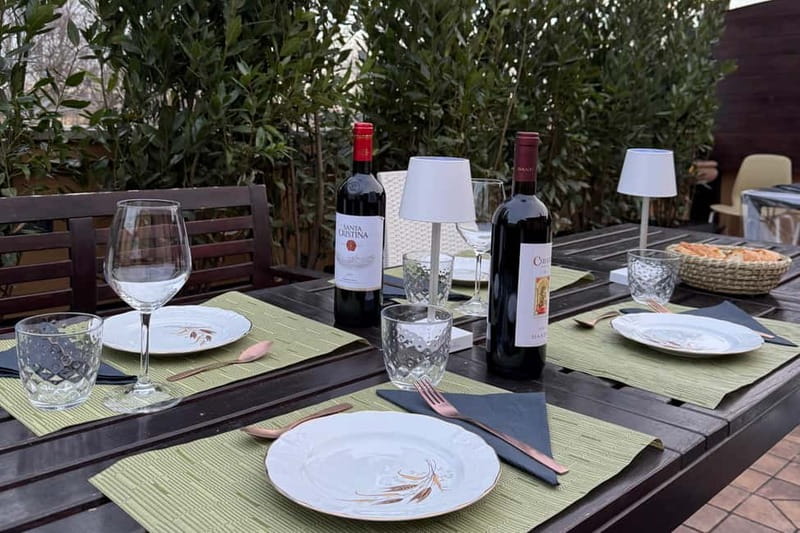
- Wine included (red and white) plus a limoncello toast with your meal
- Recipes to take home so you can recreate the dishes in your own kitchen
- English/Spanish instruction with instructors who keep the class light and engaging
- Family-friendly energy, with instructors taking time to involve kids appropriately
Roman Cooking With Your Hands: What Makes This Class Work
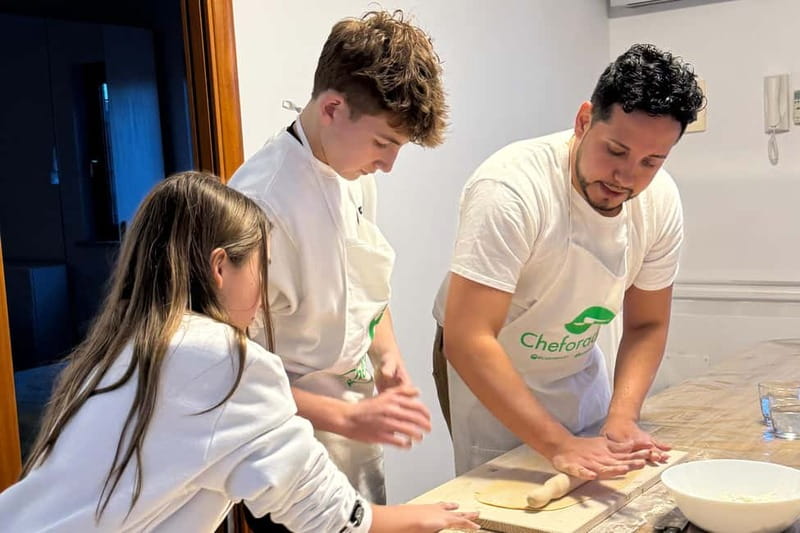
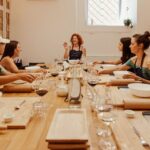
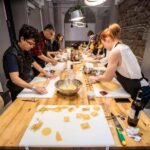
This is the kind of activity that feels like a vacation memory and a useful skill at the same time. You’re not stuck in a demo room. You’re at a workstation, learning through touch: mix, knead, shape, plate, and taste what your own work becomes.
The setting matters too. Because you’re near Piazza Navona, you can pair this with a scenic walking block before or after. And the format hits a good sweet spot for people who want something “real” without a long course. At 2 hours, it’s long enough to learn, not so long that you feel worn out.
From what you’re given, you’ll also understand why this works culturally. Roman pasta starts with a simple dough approach, and tiramisù is all about timing and technique. The class gives you the method, then rewards you immediately with a meal that matches what you made.
You can also read our reviews of more cooking classes in Rome
Flour-and-Egg Pasta: What You’ll Learn (and Actually Do)
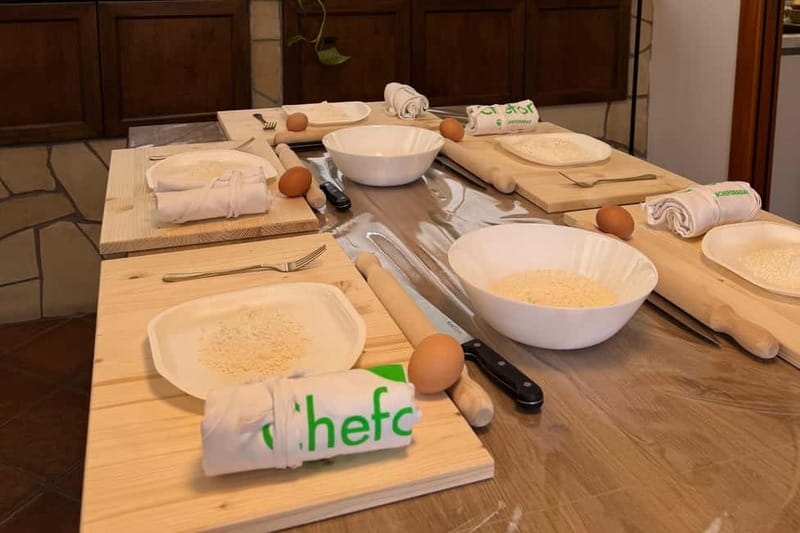
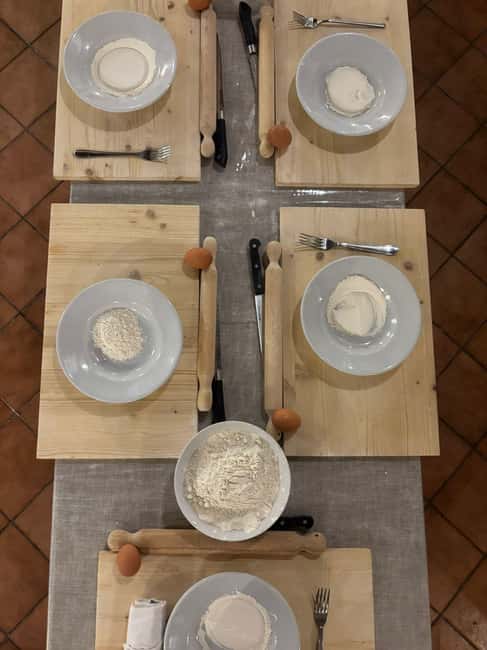
The pasta portion is straightforward in concept, but it’s where the skill shows. You’ll make fresh dough from scratch using flour and an egg, then move through the motions that turn “ingredients” into pasta: knead, roll, and shape.
Why this matters: most people in Rome can eat pasta anywhere. Few can confidently make it. The class focuses on the key physical cues—how the dough should feel as you work it, and what you’re aiming for when you roll it out. Even if you never touched dough before, you’ll get guidance that keeps you from guessing.
In some sessions, instructors also show how to form different pasta shapes, not just one rigid option. That’s a big win because it helps you think beyond the one finished plate. You’re learning a technique, not memorizing a single trick.
What you won’t be doing
This is one detail worth planning around: the sauce part is prepared by the restaurant staff, not by you. You still get choices for your meal, but the staff handles the sauce prep so you’re free to focus on the dough and dessert stages that the class is built around.
Classic Tiramisu: The Dessert Lesson People Talk About
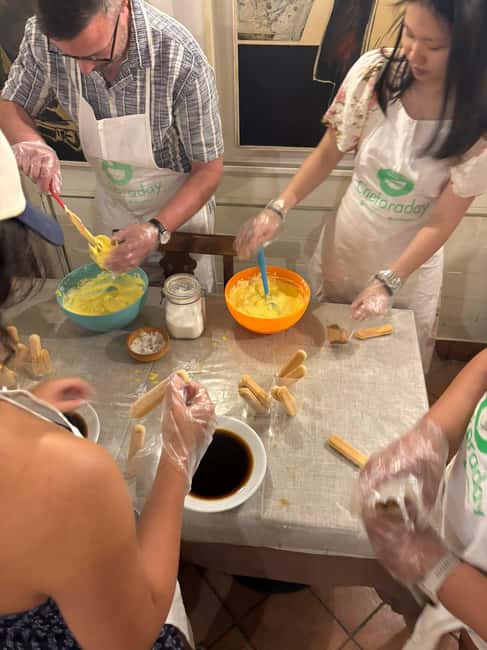
Tiramisu is where the class earns its reputation. You’ll prepare a classic tiramisù following an original-style approach using fresh, high-quality ingredients. The key here isn’t fancy equipment. It’s mixing the components correctly, keeping the texture right, and understanding the rhythm of the dessert process.
You’ll also learn the “why” behind steps. Many cooking classes stop at instructions. This one tries to make the steps make sense so you can repeat them later. That’s why people leave with recipes and not just good memories.
Another practical plus: tiramisù isn’t a last-minute throw-together. Even when you assemble it during the class, the method matters because the dessert needs its proper set. The class design supports that reality, so your final result is something you can actually enjoy rather than something that tastes underdeveloped.
Chef Energy and Teaching Style: Lucas, Riccardo, and Chef Alfons
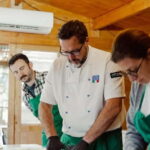
A huge part of the success of this experience is the way instructors run it. Across recent sessions, names like Lucas, Riccardo, and Chef Alfons show up again and again, and the consistent pattern is the same: clear guidance, fast comfort, and lots of involvement.
You can expect:
- Friendly instruction in English or Spanish
- An upbeat pace that still keeps things organized
- Teachers who assign hands-on roles, including letting participants help with mixing and assembling
- Tips that connect technique to taste, not just to rules
This is especially helpful if you’re traveling with kids. Multiple families highlighted how chefs stayed patient and supportive, even when younger participants needed extra help. The goal is not to turn your class into a production line. It’s to make sure everyone gets a turn and feels capable.
You can also read our reviews of more wine tours in Rome



Wine, Limoncello Toast, and the Meal You Eat Right There
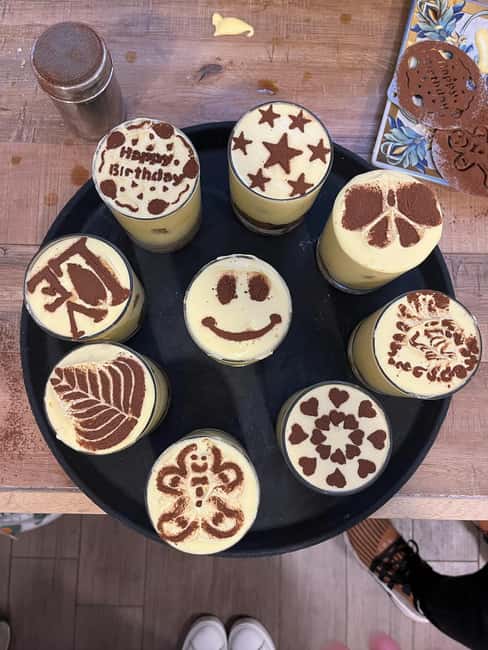
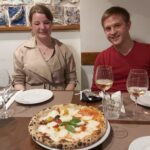
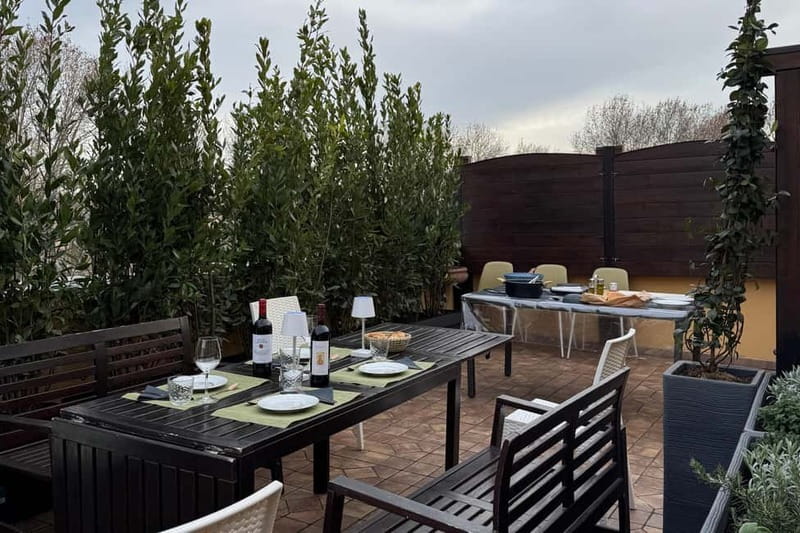
After the cooking, you don’t just leave with take-home chaos. You eat the results. Your pasta arrives with sauce (prepared by the restaurant staff), and you get to sit down with the dishes you made—fresh pasta and your tiramisù.
Wine is included: red or white, plus a limoncello toast as part of the experience. Water is also available during the class. If you want an easy “Rome afternoon plan” that doesn’t require extra reservations for dinner, this is one of the better setups because you’re basically turning cooking into the meal.
A practical note on timing
Because you’re cooking and then eating, the most important thing you can do is show up hungry and ready. The 2 hours move with purpose. If you arrive late, you can end up missing the start of the action.
Price and Value: Why $55 Feels Fair Here
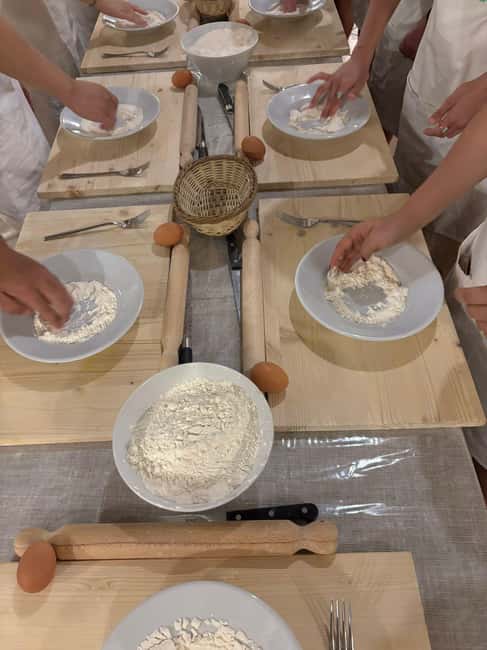
$55 per person sounds simple, but the value comes from what’s bundled. In one short afternoon you get:
- Guided instruction from an expert chef
- Equipment and ingredients
- Fresh pasta you help make
- A freshly made tiramisù for dessert
- Wine (red/white) and a limoncello toast
- Water during the class
- Recipes you can recreate later
- A participation certificate
When you break it down, you’re paying for more than food. You’re paying for a structured lesson and a meal with wine that would cost more on its own. And recipes are one of those “quiet” value items. Many people come home and can’t remember what they did. These recipes are meant to close that gap.
So if you like Rome activities that mix hands-on work with a guaranteed payoff, this class is priced like a practical treat, not a tourist gimmick.
Who Should Book This (and Who Might Skip It)
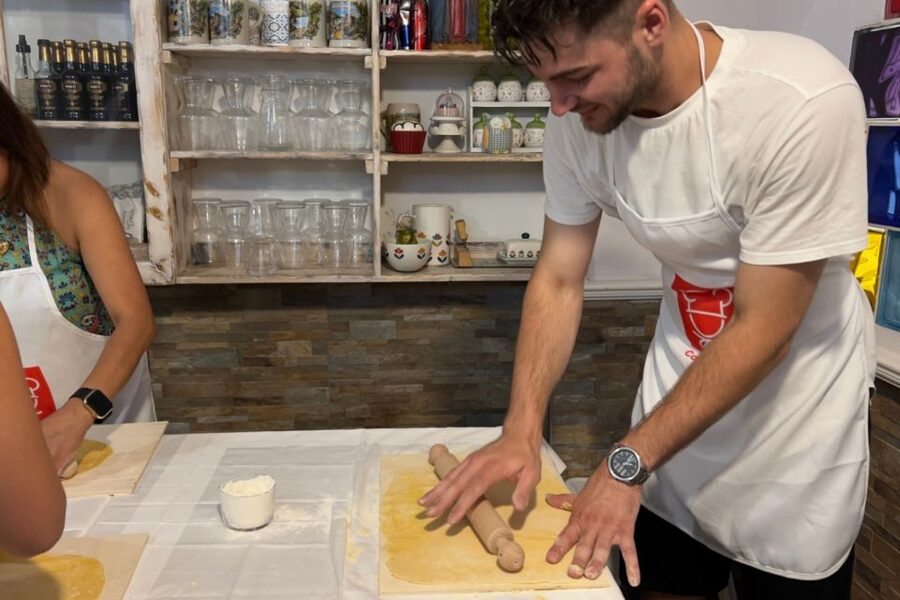
This is a good match if you:
- Want a hands-on food activity without needing prior cooking skills
- Love Roman and Italian comfort foods like fresh pasta and tiramisù
- Travel with a mix of adults and kids who want something active
- Prefer small-group attention over a crowded “show and go” format
- Want take-home recipes, not just photos
It’s not for everyone. Based on the activity details:
- Wheelchair users are not suitable
- Vegans are not suitable
- Children under 7 can join for free, but they must share a workstation with an accompanying adult
If you have dietary restrictions, you should inform the organizer in advance so you’re not guessing on ingredients during the class.
Practical Tips So You Enjoy It More
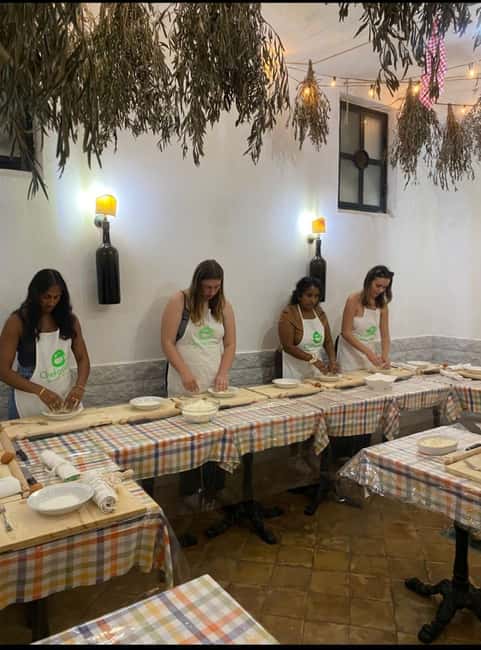
Here are the small things that can make the class feel smooth instead of stressful.
- Wear clothes you don’t mind getting flour on. Even with aprons, pasta dough is messy in the normal way.
- Arrive 15 minutes early. Late arrivals may not be admitted and may need rescheduling, so give yourself a buffer near Piazza Navona.
- Ask about allergies ahead of time. The class asks you to share dietary needs, which is exactly what you should do.
- Go in ready to taste. You’ll be cooking, then eating what you made with wine, so don’t plan a heavy meal right before.
- Take the recipes seriously. This experience is designed to be repeatable at home. When you get the recipe sheets, note any steps your chef emphasized.
Best Way to Pair This With Your Rome Day
Since you’re near Piazza Navona, plan this like an anchor. For example:
- Do a slow walk around the square and nearby streets before class so you arrive calm, not hurried.
- After class, keep the pace light. You’ll be full, and you’ll want an easy plan—gelato, a short museum stop, or more wandering on foot.
You’ll get more out of the cooking lesson if you treat it like a highlight rather than a “gap filler.”
Should You Book This Cooking Class?
Yes—if fresh pasta and tiramisù are your kind of souvenir, you should book it. For $55, you get a real skill lesson, a full meal you made yourself, and wine included, all in a manageable 2-hour block near a top Rome landmark.
I’d skip it only if you’re vegan, need wheelchair access, or you’re looking for a class that includes watching every single component of your meal being cooked. Here, you focus on the pasta dough and the tiramisù. The sauce prep happens off-camera with the restaurant staff.
If you want a fun, hands-on afternoon that leaves you with food, recipes, and a story you’ll actually tell later, this one earns its place on a Rome itinerary.
FAQ
Where does the cooking class take place?
It’s in Rome, in the Lazio region, near Piazza Navona.
How long is the class?
The class lasts 2 hours.
What dishes will I make?
You’ll make fresh Roman pasta from scratch and prepare a classic tiramisù.
Is wine included?
Yes. Wine (red or white) is included, along with a limoncello toast. Water is available during the class.
Does the class include ingredients and equipment?
Yes. All necessary equipment and ingredients are included.
Who speaks with the group during the class?
The instructor speaks English and Spanish.
Are sauces made by participants?
You prepare the pasta from scratch and the tiramisù during the class. The sauces are prepared by the restaurant staff that hosts the event, so you do not see sauce preparation.
Can children join?
Children under 7 can join for free, but they must share a workstation with an accompanying adult.
Is it suitable for vegans?
No, it is not suitable for vegans.
What if I arrive late?
Late arrivals may not be admitted and might need to be rescheduled for the next available session, with a rescheduling fee of €15.00 per person.