REVIEW · POLLONIA
Milos Island: Kostantakis Winery Wine Tasting Experience
Book on GetYourGuide →Operated by Kostantakis Milos Winery · Bookable on GetYourGuide
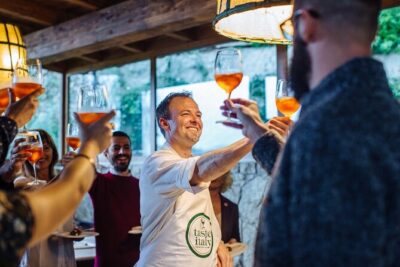
Wine in a Milos cave feels oddly perfect. At Kostantakis in Pollonia, you get a family-run winery tour and then a generous tasting of seven wines plus a grape distillation, all paired with island bites, but you will need to handle your own ride since there is no hotel transfer. It’s a real, small-production glimpse into how Milos keeps making wine—without the big-tour machinery.
What I like most is how hands-on it feels. You walk the property, hear the family story from guides such as Sofia, Petros, George, Jason, or Kate, and you see the wine cave where bottles are stored. I also like that the group stays small, max 8 people, so questions don’t get swallowed by the clock.
One thing to plan for: you’re on Milos, and weather and heat can change your pace. If it’s hot, most of your comfort will come from water, shade breaks, and going at a steady rhythm through the tour’s two-hour flow.
In This Review
- Key Things You’ll Notice Right Away
- Why Kostantakis Winery’s Cave Cellar Is the Main Event
- Pollonia Arrival: Getting There From Bus, Car, or Taxi
- The 40-Minute Winery Tour: Traditional Methods With Family Details
- Vineyard Walk in Milos Conditions: Where the Farming Reality Shows Up
- Inside the Natural Wine Cave: Storage, Temperature, and Atmosphere
- Tasting Seven Wines Plus One Grape Distillation (With Local Bites)
- Price and Value: What $68 Buys You in Real Terms
- Who Should Book This Milos Winery Experience
- Potential Downsides: Heat, Timing, and Getting Back to Your Plans
- Should You Book Kostantakis in Pollonia?
- FAQ
- How long is the Kostantakis Winery wine tasting experience?
- How many wines will I taste, and is there distillation?
- What’s included in the price?
- Is hotel transfer included?
- Where is the meeting point?
- What languages are the live guides?
- Is this tour suitable for children?
- Is the group small?
- Is the winery wheelchair accessible?
- Can I cancel, and how far in advance?
Key Things You’ll Notice Right Away
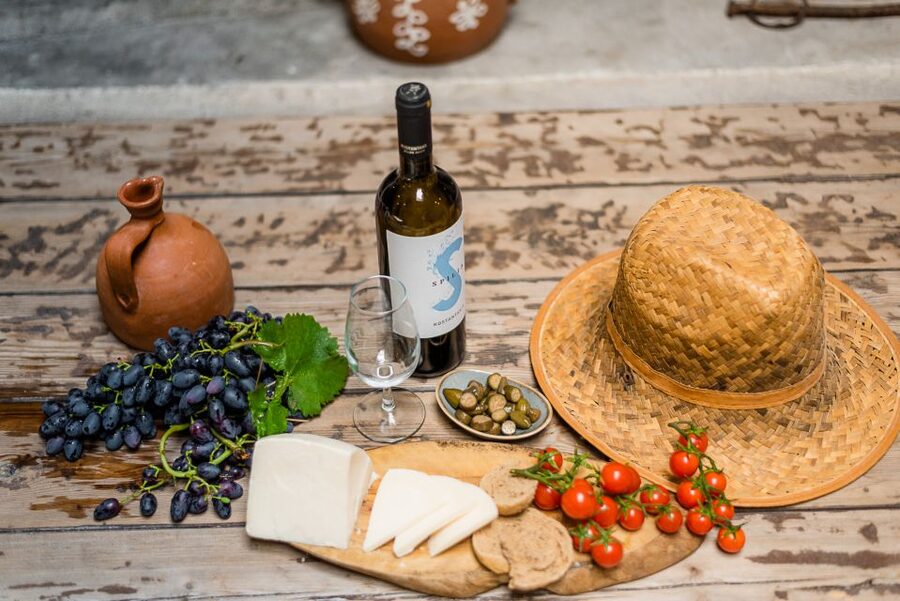
- A cave winery experience at the Konstantakis estate: storage underground, which makes the atmosphere feel instantly different.
- Eight tasting moments: seven wines plus a grape distillation/aperitif, not just a quick sip-and-go.
- Indigenous grapes and island farming constraints: you’ll hear why they stick to local varieties and work within Milos conditions.
- A real family connection: you meet the owner and son, and the tour is built around their methods and stories.
- Cheese and island snack pairings: tasting is matched with local flavors, not just wine in isolation.
- Small-group pacing (up to 8 people): easier conversation, easier questions, more time to pay attention.
Why Kostantakis Winery’s Cave Cellar Is the Main Event
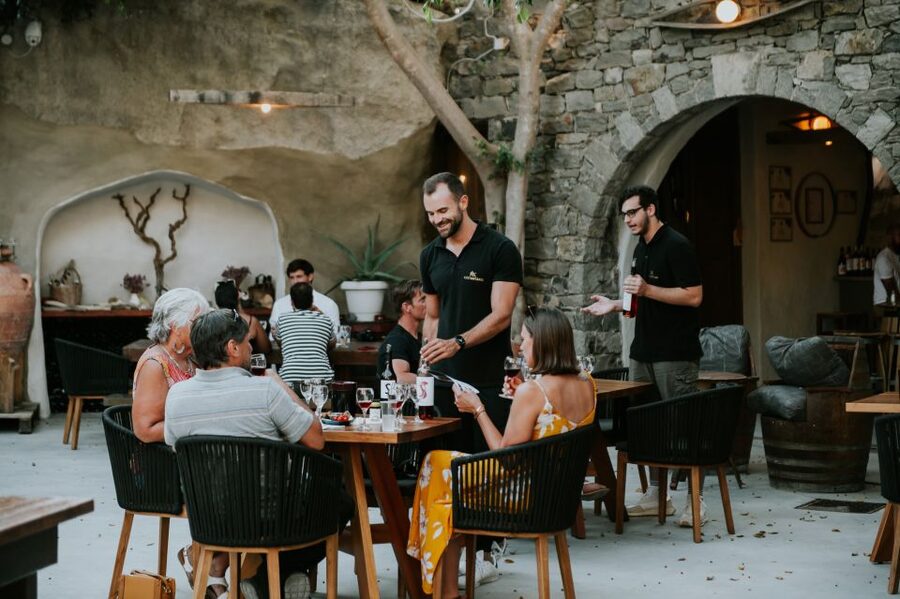
If you like wine tours that feel human-sized, Kostantakis hits the sweet spot. The cave cellar is not just a backdrop—it’s part of the story of how wine survives on a small island. Even when the weather turns, the cave setting makes the tasting feel cozy instead of rushed.
This is also a good choice if you’re tired of seeing the same “marketing vineyard” playbook. Here, you get traditional production methods, a vineyard walk, and then a proper tasting sequence. It makes the wine feel tied to place, not just poured because it’s on the schedule.
Pollonia Arrival: Getting There From Bus, Car, or Taxi
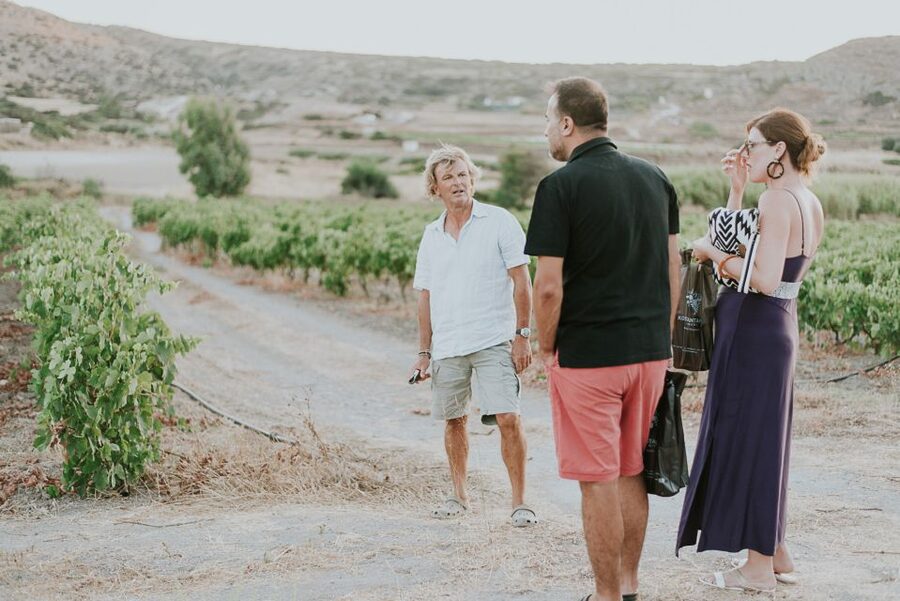
The winery meeting point is Kostantakis Winery & Residence, and you can reach it by car or taxi. If you’re based in Pollonia, the walk from the bus station is about 5–7 minutes, so you’re not stuck waiting for a transfer.
For most people, that’s a real advantage. It means you can come from lunch on your own timing, and you don’t need to coordinate a hotel pickup window. If you’re coming from a cruise port, plan on taking a taxi and budgeting extra for the ride each way—some visitors report needing cabs in both directions.
Also, wear shoes you don’t mind for uneven ground. You’ll do a guided stroll across the vineyards and move between the winery areas and the cellar.
The 40-Minute Winery Tour: Traditional Methods With Family Details
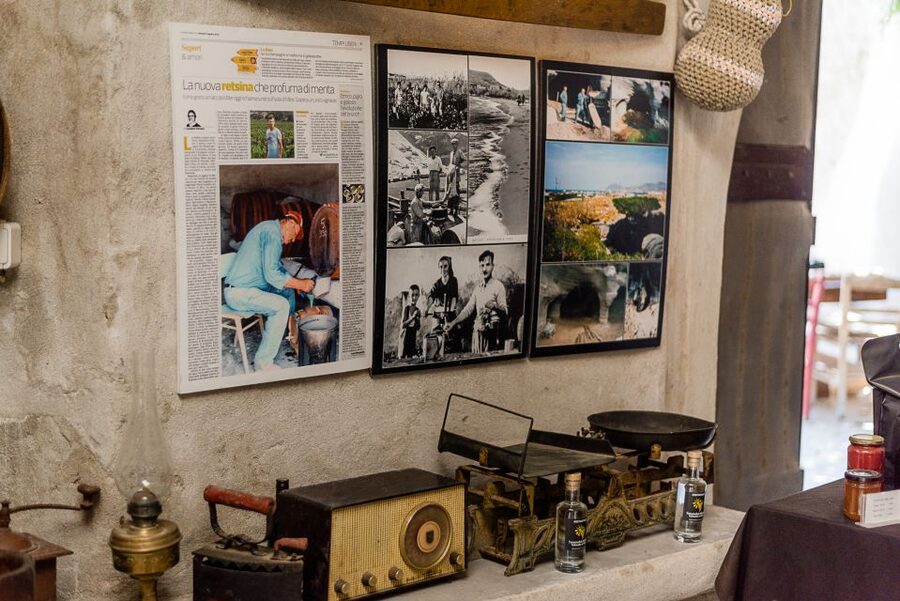
The tour portion starts with a guided walkthrough of about 40 minutes. This is where the experience becomes more than tasting notes. You’ll learn how they make their wine at small scale, and you’ll hear the long-running family angle—stories going back more than 50 years of making their own wines.
You also get to see the traditional machines and winemaking facilities used for their process. That matters because it gives you something to compare to other wine regions you might know. You can ask questions like: What changes when production stays small? What’s harder on an island? And how does your cellar and storage approach affect taste?
Because it’s family-led, the pacing tends to be conversational. You’ll meet the son of the winemaker and hear how the winery’s know-how gets passed down.
Vineyard Walk in Milos Conditions: Where the Farming Reality Shows Up
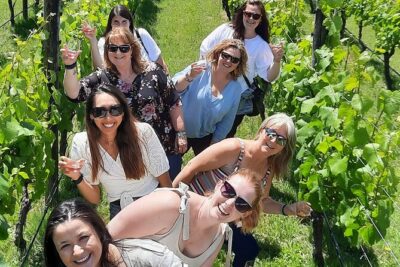
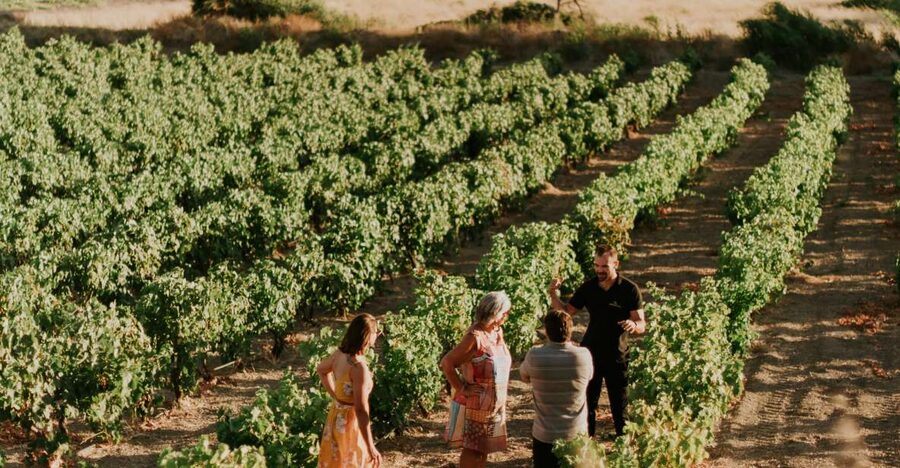
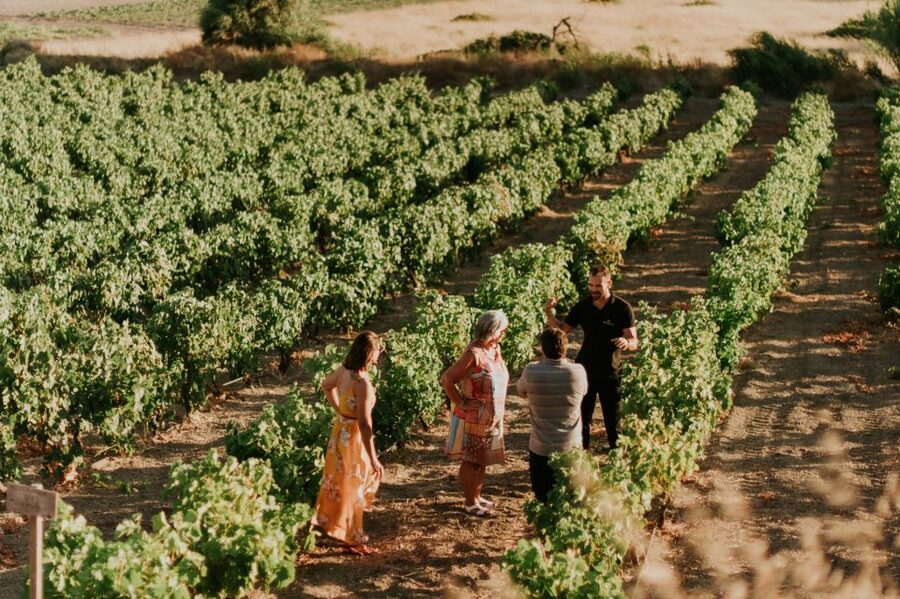
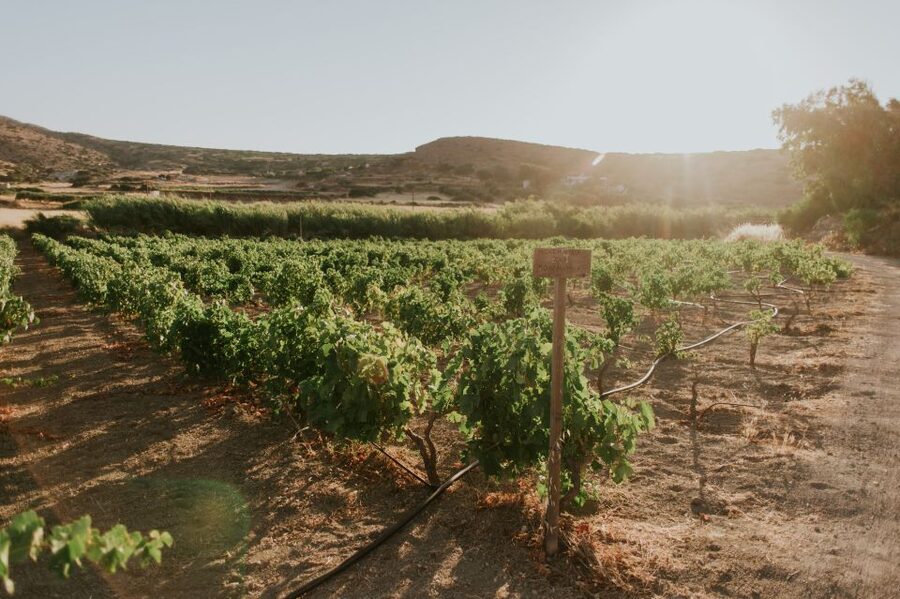
After the initial winery portion, you’ll move outdoors for a vineyard stroll. This is not a long trek, but it’s enough to feel what island viticulture means day-to-day.
You’ll learn about growing grapes with Milos’ climate in mind, and you’ll hear why the family works with indigenous grape varieties. That point is more than trivia. It helps explain why the wine you taste might feel different from what you’re used to in more export-focused regions.
If you’re visiting in peak summer heat, plan your expectations. One common theme from guests is that it can get very hot (some people even mention 35°C), so the walk can feel faster than you want. Bring water, take the shade offered by the guide, and don’t worry if you feel a little slower on the path.
Inside the Natural Wine Cave: Storage, Temperature, and Atmosphere
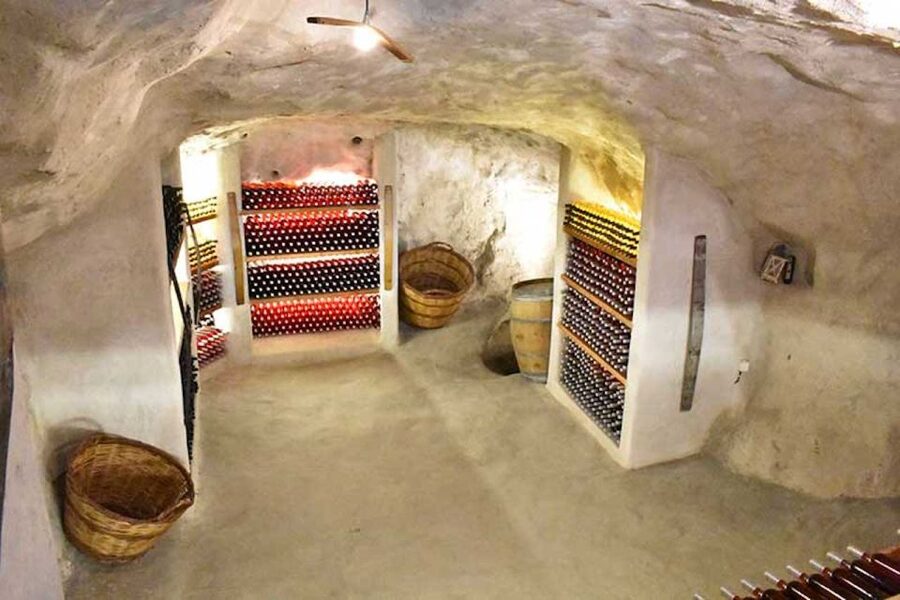
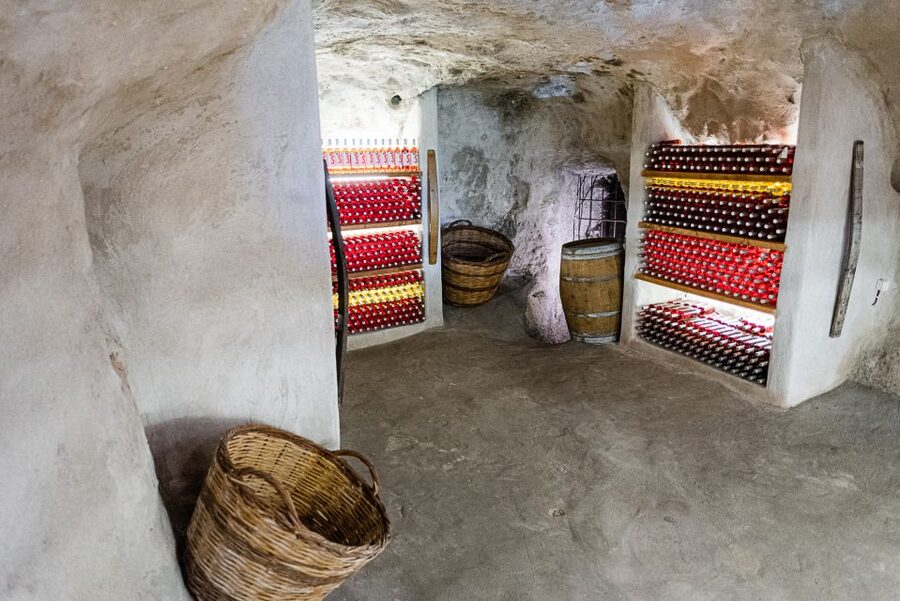
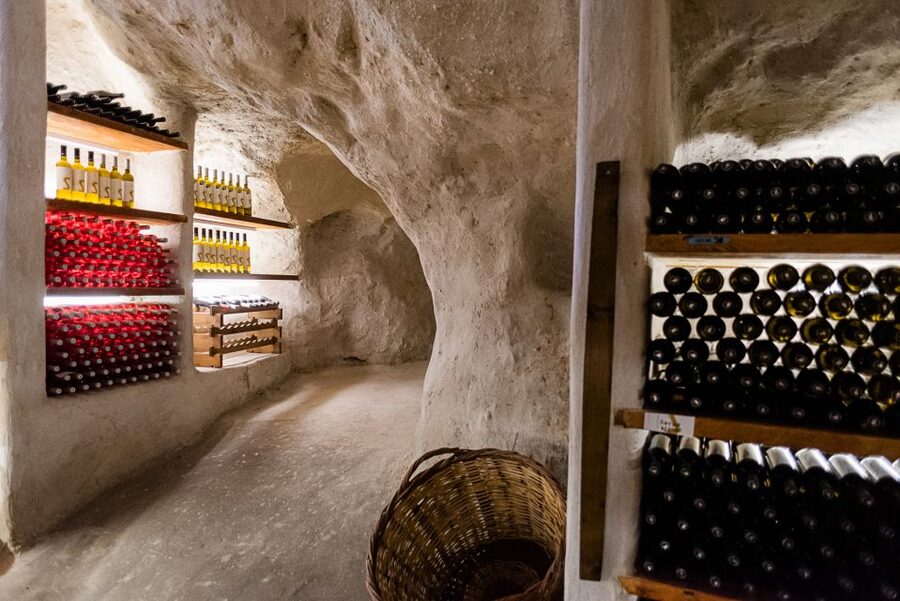
Then comes the part most people remember. You’ll explore the natural cave where the wines are stored. Caves do two jobs at once: they protect the wine and they change the mood of the tasting.
In practical terms, the cellar environment helps keep conditions steady for aging and storage. In human terms, it makes the group sound quieter and the tasting feel more deliberate. If rain starts, even better—one guest described how the atmosphere became much cozier once it hit.
This stop also connects the earlier talk about production to the end result. You see where the wine lives before it hits your glass.
Tasting Seven Wines Plus One Grape Distillation (With Local Bites)
After the tour and cave visit, you’ll settle in for the tasting. The experience includes a wine tasting lasting about 100 minutes, with a snack plate.
Here’s what you should expect to try:
- Seven wines
- One grape distillation (aperitif-style)
You’ll taste these alongside local cheese and other island treats. Based on what guests describe, the snack spread can include things like olives and dips (including sundried tomato dip) plus bread and similar Milos flavors.
Two tips for getting the most out of the tasting:
- Go in order and pay attention to how each wine changes as your palate warms up.
- Take notes on what you like before you order anything. Because the pours are generous, it’s easy to forget what you enjoyed once you’ve moved to the next glass.
You’ll also learn how their distillations fit into the broader picture of grape-to-spirits production. If you’ve never had a grape distillation from an island winery, this is one of the reasons the tasting feels more complete than “just wine.”
Price and Value: What $68 Buys You in Real Terms
At $68 per person for about two hours, this is not the cheapest thing on Milos. But for what you actually get, it’s easy to see the value.
You’re paying for:
- A guided winery tour plus vineyard walk
- A cave cellar visit
- Eight tasting samples (seven wines plus distillation)
- A paired snack plate with local cheese and island bites
- A small group capped at 8 people, which keeps the pace manageable and the explanations personal
Also, because production is small, the winery isn’t operating like an assembly line. One guest noted they couldn’t ship wine off the island due to limited production demand. That’s a trade-off: you may find it hard to arrange shipping, but it’s also proof the winery is still operating with real constraints.
For many people, this is worth it because the tasting becomes part education, part food pairing, part family storytelling.
Who Should Book This Milos Winery Experience
This works best if you like wine that feels local, and you’re happy to spend a couple hours on something slower and more intimate than the usual island sightseeing.
It’s also a strong match for:
- Couples who want a shared experience without crowds
- Wine lovers who enjoy production details (machines, storage, indigenous varieties)
- People who like family-run places where you can ask direct questions
It’s not a fit for everyone:
- Children under 18 are not suitable for the tour.
- Children can only observe at the tasting and will not be offered any alcoholic beverage.
One more fun detail: the winery has cats, and people mention a vineyard cat named Moo Shu. It’s not a circus act, but it adds a relaxed, lived-in feel while you wait between pours or move through the property.
Potential Downsides: Heat, Timing, and Getting Back to Your Plans
The biggest practical drawback is not about the winery. It’s logistics and time.
There’s no hotel transfer, so you need to arrange your own ride to and from Pollonia. If you’re on a cruise schedule, make sure your taxi timing matches your departure window. Some guests report adding cost for cabs from the cruise port and for return tenders.
Second, the vineyard walk can be uncomfortable when it’s hot. You’ll likely move through it at a guided pace, but you should still plan for sun and warmth.
Finally, since tastings can be generous, don’t schedule anything tight right after the tour. If you want dinner afterward, Pollonia is the obvious choice.
Should You Book Kostantakis in Pollonia?
Yes—if you want Milos wine that feels connected to the island itself. This isn’t a long, sightseeing-style tour. It’s a focused two-hour experience built around family production, a cave cellar, and an eight-sample tasting paired with local food.
Skip it only if you:
- Need a hotel pickup and tight, pre-planned transport is a must
- Are looking for a huge show or a big branded winery experience
- Have kids who would want to participate in tastings (they can only observe)
If you’re in Pollonia and you like the idea of tasting indigenous Milos grapes in a cave cellar setting, book it early and plan your ride. This is the kind of stop you remember because it feels like someone’s home, not a billboard.
FAQ
How long is the Kostantakis Winery wine tasting experience?
The experience lasts about 2 hours.
How many wines will I taste, and is there distillation?
You’ll taste eight samples: seven wines plus one grape distillation.
What’s included in the price?
It includes the winery tour, vineyard tour, wine tasting, and a snack plate with local pairings.
Is hotel transfer included?
No. Hotel transfer is not included, so you’ll need to arrange your own taxi or transport.
Where is the meeting point?
You meet at Kostantakis Winery & Residence. It’s about a 5–7 minute walk from the bus station in Pollonia, and there are road signs to guide you.
What languages are the live guides?
The live tour guide offers English and Greek.
Is this tour suitable for children?
No for kids under 18. Children can only observe at the tasting and are not offered alcoholic beverages.
Is the group small?
Yes. It’s a small group limited to 8 participants.
Is the winery wheelchair accessible?
Yes. The activity is wheelchair accessible.
Can I cancel, and how far in advance?
You can cancel up to 24 hours in advance for a full refund.