REVIEW · LYON
From Lyon: Beaujolais Wine Tour with Tastings
Book on GetYourGuide →Operated by TASTY LYON · Bookable on GetYourGuide
Beaujolais tastes better with the hills in view. This half-day, small-group tour from Lyon mixes scenery with hands-on wine time, so you leave with more than a few pleasant sips. I especially like the two-winery format (you compare styles) and the chance to talk with the people who actually make the wine. One drawback to plan around: there’s no lunch included, and the day keeps moving for about four hours.
You’ll start right by Lyon’s Bellecour Square, then wind out into Beaujolais with an English-speaking driver-guide. In the best moments, owners like Denis (at Chateau Portier) or Dominique at their estates bring you into their vines and cellar and help connect the glass to the ground. Just bring comfortable shoes and plan for water and snacks on your own, since bottled water is not included.
In This Review
- Key things to know before you go
- Leaving Lyon’s Bellecour Square and finding your Beaujolais rhythm
- The scenic drive is not filler: why the minivan ride helps you taste
- Two family estates: where the real magic happens
- Morgon, Moulin-à-Vent, and Fleurie: learning the names that matter
- Terroir in plain language: how a few kilometers can change the wine
- Tastings and pacing: what you should expect to taste
- How small-group touring really affects your experience
- Comfort, heat, and what to pack for a better day
- Price and value: why $113 can make sense for Beaujolais day trips
- Who should book this Beaujolais wine tour from Lyon
- Should you book? My take on the “yes” and “no” calls
- FAQ
- Where is the meeting point for the Beaujolais Wine Tour?
- How long is the tour?
- Is the tour led by an English-speaking guide?
- How big is the group?
- What does the price include?
- Is lunch included?
- Are bottled water and food included?
- Who should avoid this tour?
Key things to know before you go
- Max 8 people means less waiting and more time to ask questions
- Two different family estates help you compare Beaujolais wine styles
- Appellations you’ll recognize like Morgon, Moulin-à-Vent, and Fleurie
- Meet-the-winemaker time ties tasting notes to real choices in the vineyard
- Gamay is the star, with a clear explanation of why that matters
Leaving Lyon’s Bellecour Square and finding your Beaujolais rhythm
This tour is built for a focused half day. You meet in front of the Lyon tourist office in Bellecour Square, in the middle of the square, and the whole experience runs about 4 hours, ending back at the same meeting point.
That timing matters. A day like this is not about rushing through a checklist of photos. It’s about using a limited window well: you drive through the Beaujolais hills, then you get time at wineries to taste and learn, then you’re back in Lyon before your evening plans feel hijacked.
A small but important note: you’ll want to arrive about 10 minutes early. In Bellecour Square, that extra buffer helps you avoid stress and get settled in the van.
You can also read our reviews of more wine tours in Lyon
The scenic drive is not filler: why the minivan ride helps you taste
The tour uses an air-conditioned minivan with a professional driver-guide. That means you’re not stuck on public transport schedules, and you’re not doing the hard part of getting into the hills.
Here’s the practical value: as you move through the Beaujolais wine areas, you start to connect what you’re seeing—gentle slopes, vineyard blocks, and small differences in terrain—with what you’ll taste later. Beaujolais wines can be surprisingly different over short distances, and the drive is your mental warm-up.
I also like that it’s a shared tour. You’re not getting private treatment all the time, but you still get a small group experience. With only up to 8 participants, you can usually hear the guide without craning your neck.
Two family estates: where the real magic happens
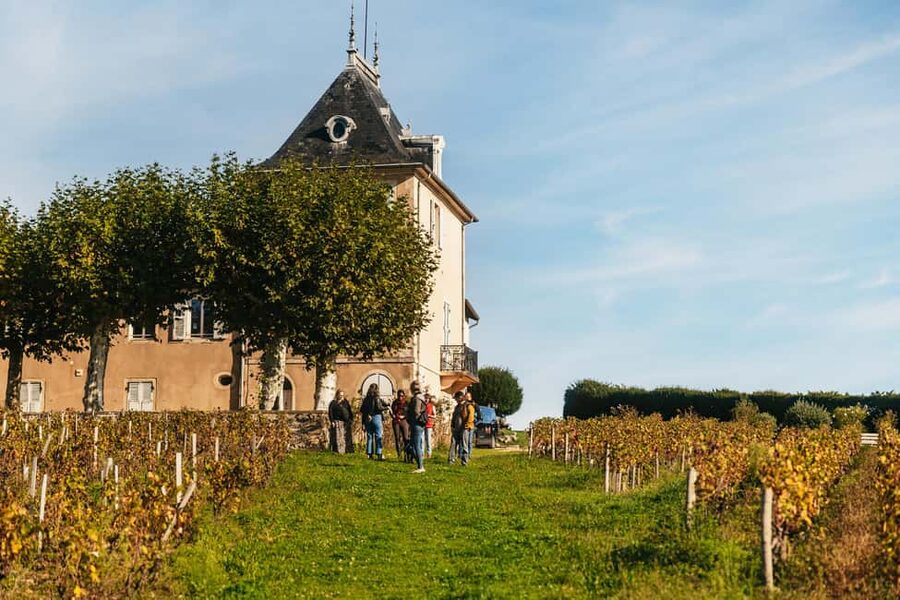
Wine tastings can be either informational or personal. This one tends to be both because you visit two wineries and meet the owners.
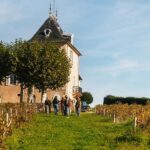
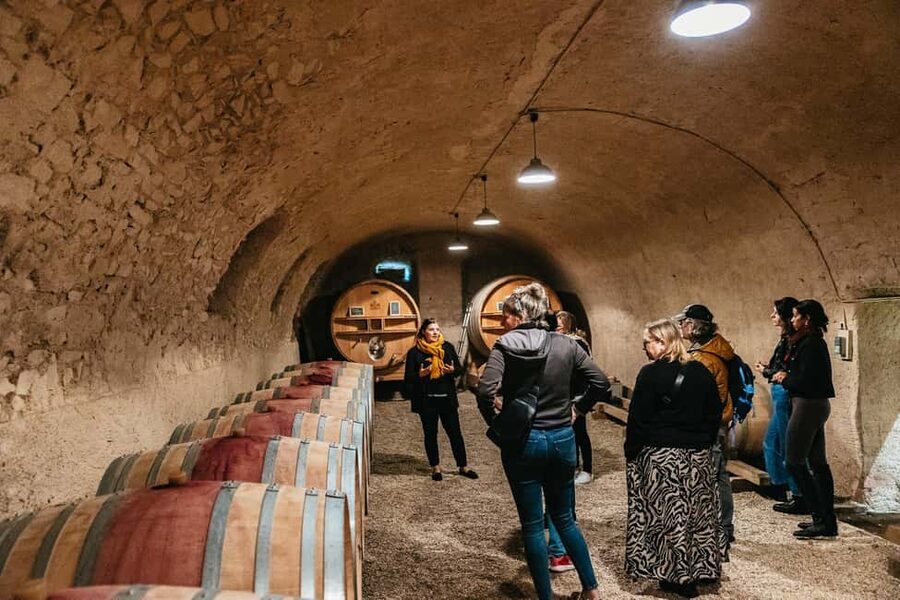
The core idea is that each estate shows a slightly different side of Beaujolais—different appellation focus, different working methods, and a different way of expressing the same grape (Gamay). And because these are family domaines, the discussion often turns into real-world decisions: when they harvest, how they handle the vines, and why they care about the details.
In feedback, owners have been especially memorable. Denis at Chateau Portier is highlighted for leading visitors through the vines and cellar and for sharing how his family’s life is tied to winemaking. Dominique is also mentioned as a warm host who explains both the area and what goes into his wines. Your experience will vary by estate and by day, but the theme stays the same: you’re tasting because you’re learning the why.
Morgon, Moulin-à-Vent, and Fleurie: learning the names that matter
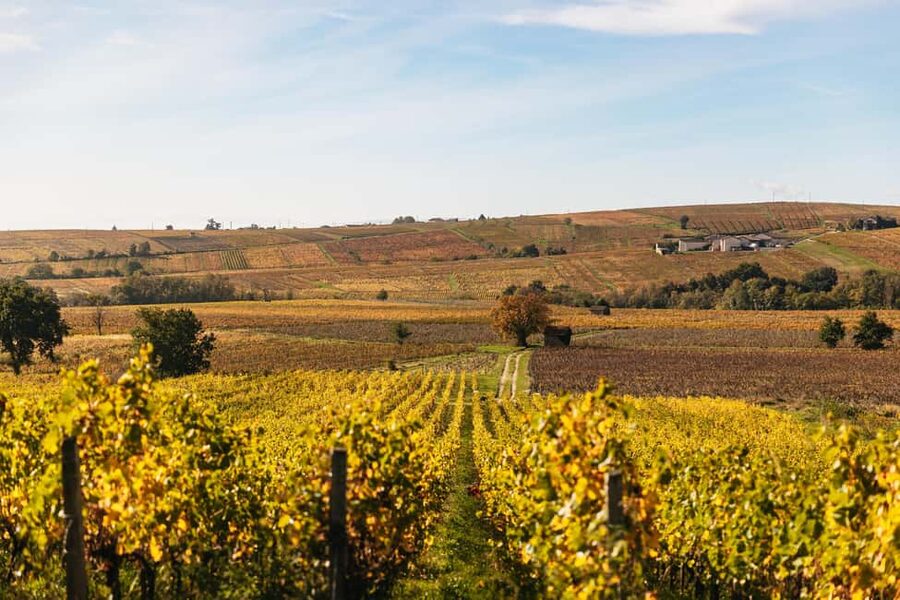
Beaujolais can feel like a lot of labels at first. This tour helps you connect those labels to actual taste by visiting areas known for their wines.
You’ll pass through or see references to Morgon, Moulin-à-Vent, and Fleurie. Even if those names sound like trivia now, the tastings give you a reason to remember them. That’s the big win: the appellations stop being just text on a bottle and become a shortcut to style.
Why this matters for you: Morgon, Moulin-à-Vent, and Fleurie often signal different expressions of Gamay, influenced by differences in geology and site conditions. By the time you leave, you’re more likely to recognize what you liked and why.
The tour is also designed around the idea of the Beaujolais Wine Route. In practice, that means you’re not just driving through countryside—you’re moving through a system of famous wine zones that form a coherent day of tasting education.
Terroir in plain language: how a few kilometers can change the wine
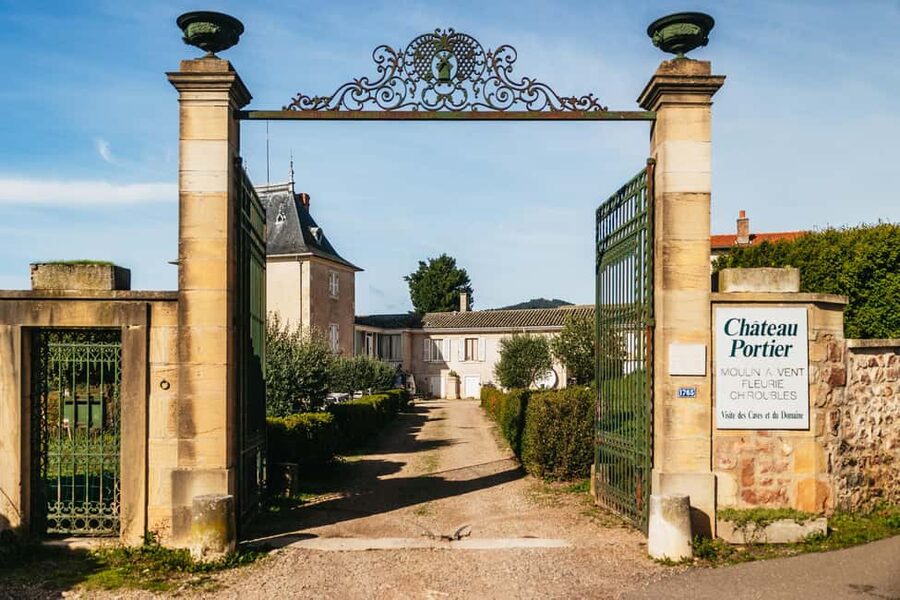
Terroir gets thrown around in wine talk, but here it’s treated as something you can taste. The region is known for exceptional geology, and the tour explicitly pushes the link between ground and wine.
What that means on the ground: you’ll be guided through the notion that a slope, a soil type, and the way vines are planted and handled can shift flavor and structure. Beaujolais is a great place to learn this because it’s not one uniform wine; it’s a patchwork of conditions that create different results only short distances apart.
This is also where your conversations with the owners become useful. When a winemaker explains their choices, it stops being a lecture. It becomes a comparison tool: you taste, you ask questions, and you start seeing how the same grape can tell different stories depending on the site.
And yes, Gamay is the centerpiece. It’s the signature grape for the emblematic red wines of Beaujolais, and you’ll get a clearer sense of why it’s so central to the region’s identity.
Tastings and pacing: what you should expect to taste
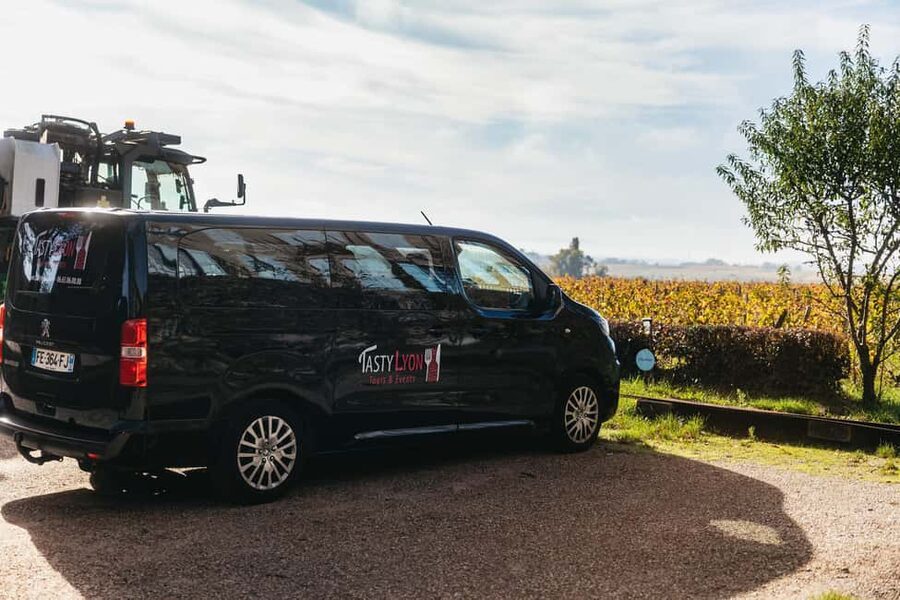
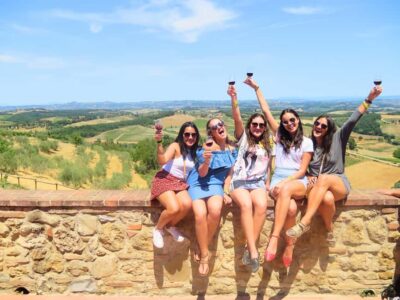
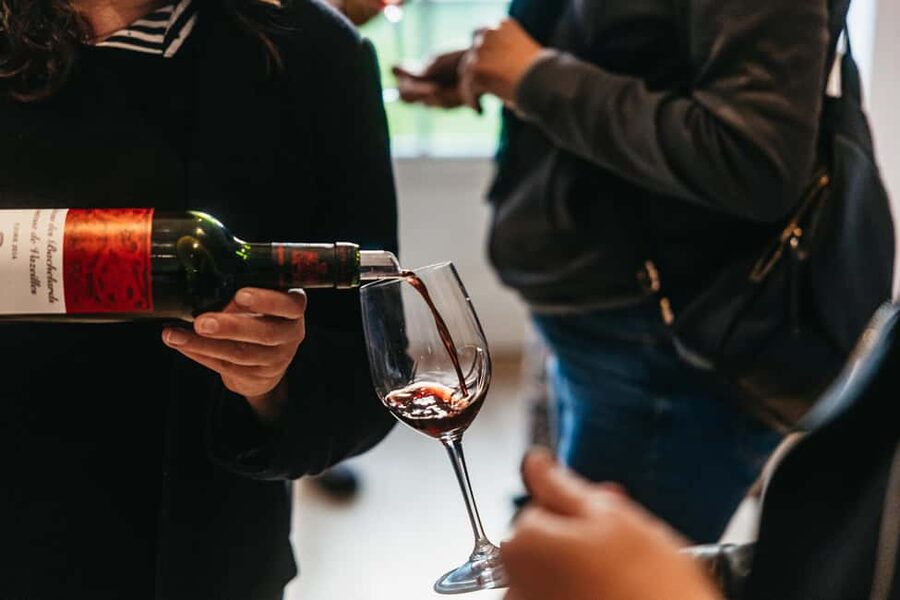
You’re paying for wine tasting, and the tour delivers tasting time at two stops. The exact number of pours can vary by estate and by day, but you should expect several tastes across the pair of wineries.
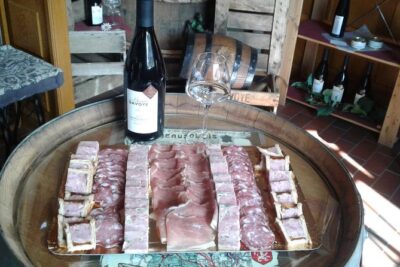
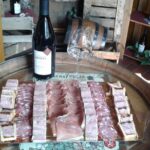
In feedback, one winery experience is described as having multiple tastings and a very generous pour approach. Another tasting flow is described as including a white wine at a market stop, followed by food like charcuterie in that context. The wine focus stays consistent, but you might encounter small additions depending on how that specific day is planned.
How to make the tastings work for you:
- Pace yourself and use your senses. Smell first, then sip, then decide what you think.
- Ask what changes the wine the most at that estate. Harvest timing and vineyard approach are usually the best questions.
- If you’re buying bottles, take notes on which style you preferred so you don’t rely on memory after the second stop.
Also, alcohol rules are clear. No alcoholic drinks are allowed in the vehicle, so don’t expect to sip casually during transit.
How small-group touring really affects your experience
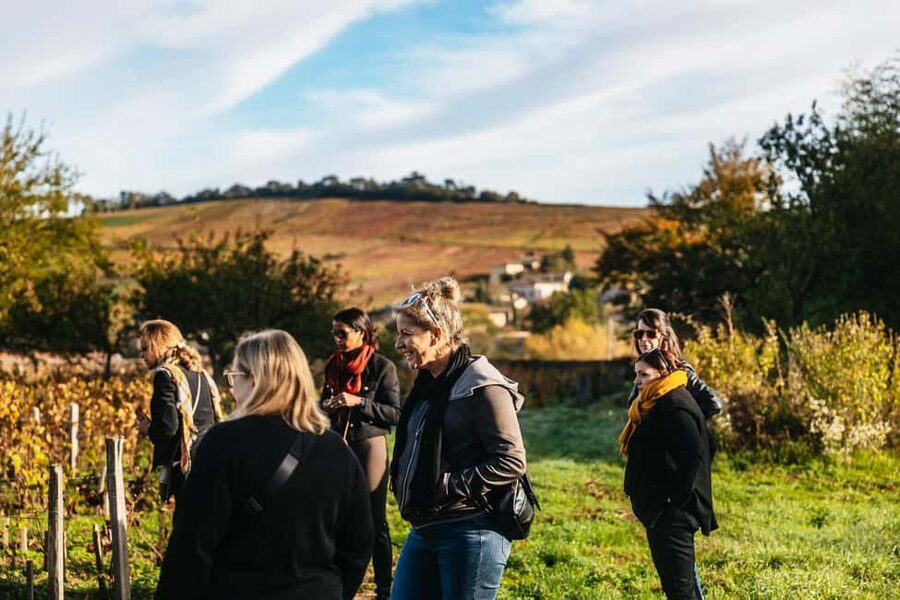
With a group limited to 8 participants, this isn’t the kind of tour where you’re stuck in the back and forgotten. You can usually hear the guide, you can ask follow-up questions, and you can keep the mood calm while people taste.
A friendly detail from the feedback: guides like Francois get praise for pairing wine information with the narrative from the winery owners. If you care about understanding what you’re drinking instead of just tasting it, this is the part that pays off.
If you’re the type who likes structured learning, you’ll appreciate the drive-and-taste rhythm. If you just want scenic views and casual tasting, the small group still helps because you’re not in a crowd.
Comfort, heat, and what to pack for a better day
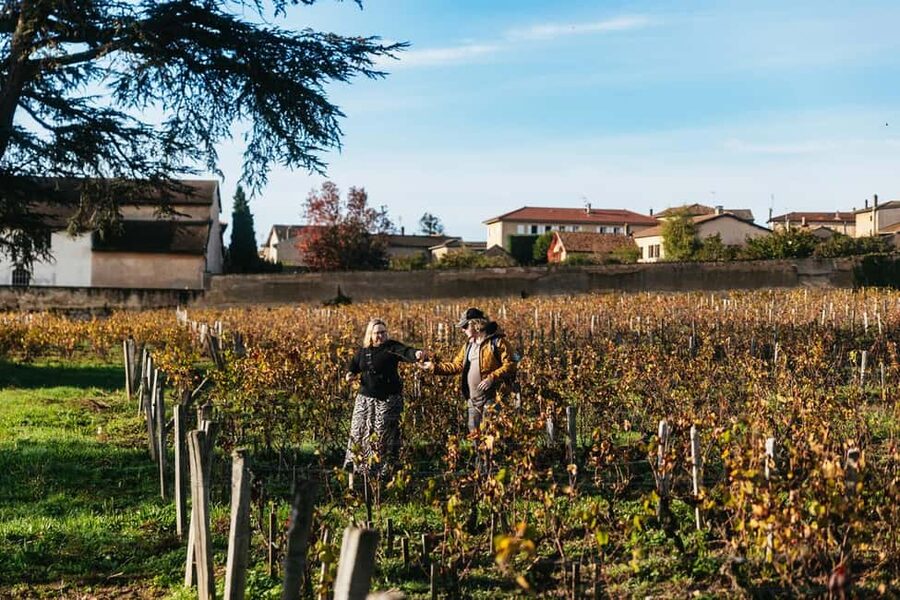
This is a half-day, but you’re still moving and standing. The practical requirement is simple: wear comfortable shoes.
Here’s what I’d plan beyond that. Bring water if you can. Bottled water is not included, and when the weather is hot, that can become your biggest comfort issue. One review specifically called out the heat and the need to have a water plan.
Also note what’s not allowed or might affect your day:
- No pets (assistance dogs allowed)
- No baby strollers
- No smoking in the vehicle
- No food or drinks in the vehicle
- Not suitable for wheelchair users
That list matters because it tells you who this tour is easiest for. If your group travels light and likes tasting-focused days, this will feel smooth. If you need stroller space or wheelchair access, you’ll want to look for a different option.
Price and value: why $113 can make sense for Beaujolais day trips
At $113 per person for about four hours, you’re paying for three things at once: transport, an English-speaking guide, and winery tastings at two stops.
Could you do Beaujolais cheaper on your own? Maybe—if you already have transport and you’re comfortable booking tastings at multiple estates. But most people don’t want the planning headache, and most people don’t want to fight schedules in the hills.
This tour’s value is in the structure:
- You get two wineries instead of one quick tasting.
- You get help learning what to look for while you taste.
- You get a driver-guide to handle the logistics so you can focus on wine and views.
If you’re a wine lover, that’s the best return on the price. If wine is more of a background activity for you, consider whether the tastings match your interests, because this is clearly oenology-focused.
Who should book this Beaujolais wine tour from Lyon
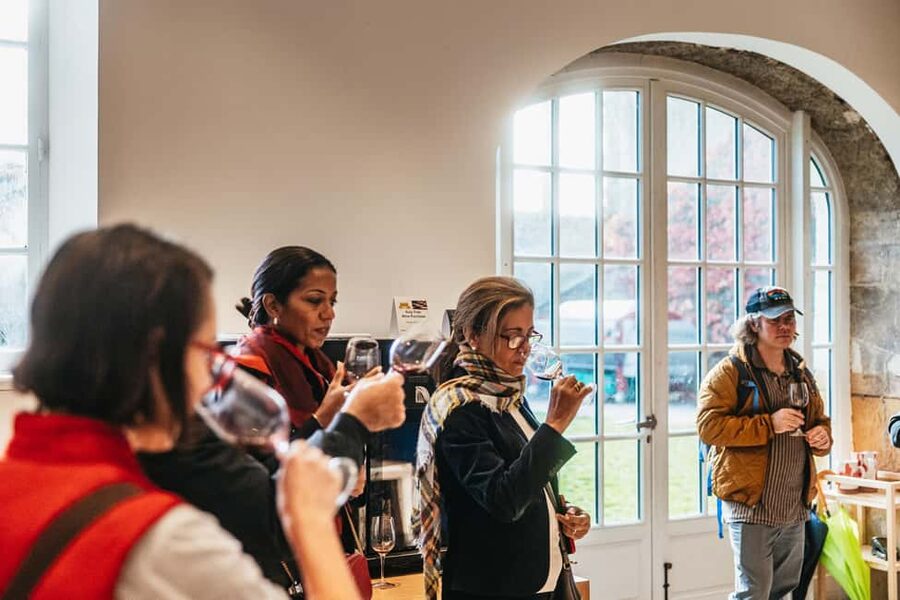
This tour fits best if you want:
- A small-group wine experience without the hassle of driving and planning
- To taste multiple Beaujolais styles and learn the difference between appellations
- To talk with winemakers and get the story behind the bottles
It’s also a good match if you’re short on time in Lyon. A half day is long enough to feel like you did something meaningful, but short enough to keep your evening free.
If you dislike group tours entirely or if you need a longer meal break (since lunch is not included), you might find the pace a bit intense.
Should you book? My take on the “yes” and “no” calls
Book this tour if you want a straightforward Beaujolais introduction with real tasting time at two family estates, plus a guided explanation of Gamay and terroir. The small group size and the winemaker access are the two reasons this feels more satisfying than a quick tasting room stop.
Skip it if you’re looking for a relaxed, full-day outing with lunch included, or if you need wheelchair-friendly access. Also think twice if you want lots of free time for wandering. This day is designed to be purposeful, not open-ended.
If you do book it, come ready to taste and compare. Bring comfortable shoes, plan your water, and be ready to ask questions. Beaujolais rewards that approach, and this tour gives you the best conditions to notice the differences.
FAQ
Where is the meeting point for the Beaujolais Wine Tour?
You meet in front of the Lyon tourist office in Bellecour Square, in the middle of the square. The tour ends back at the same meeting point.
How long is the tour?
The tour lasts about 4 hours. Starting times can vary, so you’ll need to check availability for the time that fits your day.
Is the tour led by an English-speaking guide?
Yes. The tour includes a live guide in English.
How big is the group?
It’s a small group limited to 8 participants.
What does the price include?
The price includes wine tasting, a professional driver/guide, and transport by air-conditioned minivan. It’s also a shared tour.
Is lunch included?
No. Lunch is not included.
Are bottled water and food included?
Bottled water is not included, and you can’t bring food or drinks into the vehicle.
Who should avoid this tour?
The tour is not suitable for wheelchair users. Pets and baby strollers are also not allowed (assistance dogs are allowed).