REVIEW · LYON
From Lyon: Beaujolais Wine Route Half-Day Tour
Book on GetYourGuide →Operated by TASTY LYON · Bookable on GetYourGuide
Beaujolais can feel like a short hop from Lyon, but it still tastes like a real wine day. This half-day Beaujolais wine route pairs vineyard drives with two tasting stops, starting with Château de Pizay and ending at a family winery where the winemaker welcomes you in.
What I like most: you get a small group experience (limited to 8), which makes it easier to ask questions and actually talk with the guide instead of just listening. I also love the sheer amount of wine you taste for the time—12 estate wines at the first stop, then 5 more at the end—so you see Beaujolais in a practical, not-too-theory-heavy way.
One thing to watch: this is a 4-hour plan, and traffic can steal time between stops. If you’re the type who likes to linger slowly, you may feel a little rushed if the roads are busy.
In This Review
- Key things to know
- From Lyon’s Bellecour Square to Beaujolais Hills: the setup
- Château de Pizay’s oenosensorial circuit: 12 estate wines and the learning parts
- The Beaujolais wine route drive: Fleurie, Morgon, and Moulin-à-Vent
- Family-run winery finale: meet the winemaker and taste five wines
- How the tasting pace works in just four hours
- Small group comfort, English guiding, and skip-the-line perks
- Price and value for $113: what you’re really paying for
- Timing reality check: when heavy traffic steals tasting minutes
- Who this tour suits best (and who might want a different option)
- Should you book this Beaujolais half-day tour?
- FAQ
- How long is the Beaujolais wine route half-day tour?
- Where do I meet the guide, and where does it end?
- How many people are in the group?
- What language is the tour guide?
- How many wines will I taste during the tour?
- Is it suitable for wheelchair users?
Key things to know
- Château de Pizay oenosensorial circuit: a taste-and-sight experience sampling 12 estate wines
- Route through Beaujolais villages: Fleurie, Morgon, and Moulin-à-Vent appear along the way
- Family winery finale: meet the winemaker and taste five wines
- Small group of up to 8: smoother pace and more back-and-forth with the guide
- Skip-the-line entrance: separate entrance helps you get into the first tasting sooner
From Lyon’s Bellecour Square to Beaujolais Hills: the setup
You start right in central Lyon at the Lyon tourist office in Bellecour Square. Plan to arrive about 15 minutes early so you can get settled before the minivan heads out, because that early buffer matters more on day trips than you’d think.
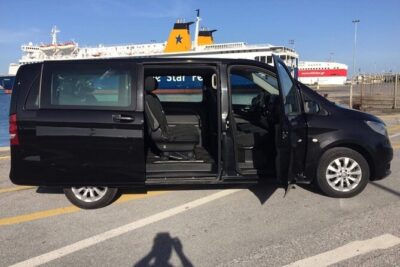
This tour is designed as a short escape into northern Beaujolais, close enough that you’re back in Lyon after just a few hours. You’ll travel by air-conditioned minivan with a driver-guide, then spend most of the time actually tasting and learning rather than just sitting on a bus.
The vibe is friendly and guided. In past runs, guides like Rachel and Clémence have stood out for being engaging and for making the wine process easier to understand, not just reciting facts. That matters because Beaujolais can be confusing if you only taste a sip here and there without context.
You can also read our reviews of more wine tours in Lyon

Château de Pizay’s oenosensorial circuit: 12 estate wines and the learning parts
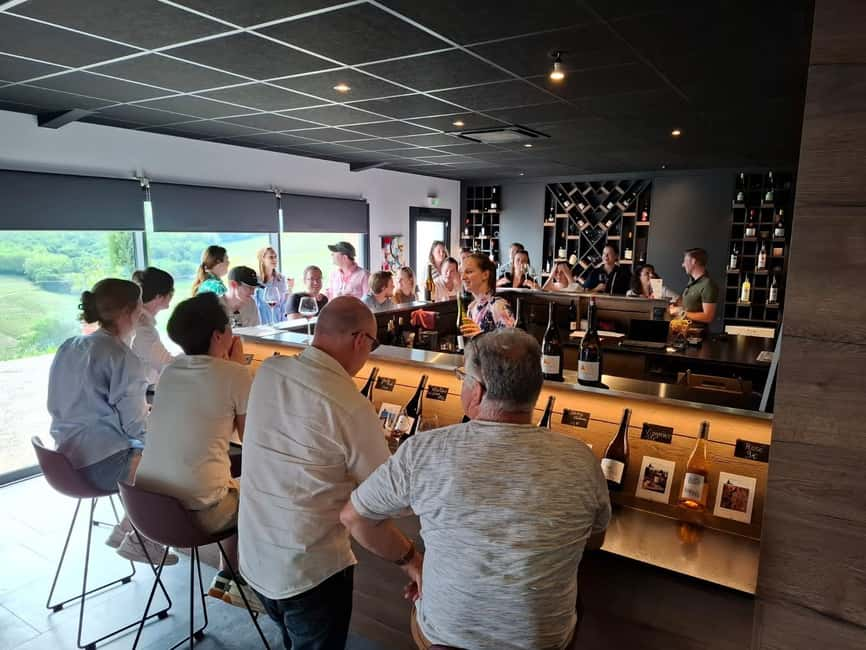
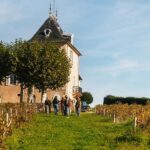
Your first stop is Château de Pizay’s oenosensorial circuit, which is built to teach you how to notice wine. Instead of tasting as a random sampler, you go through an experience that blends what you see with what you taste, so the flavors start to make more sense in your head.
Here’s the headline: you sample 12 estate wines. That’s a lot for half a day, and it’s one of the reasons this tour feels like good value. You’re not just paying for scenery; you’re paying for repeated tastings in a structured setting.
This stop also includes a fun educational layer—there’s even an amateur wine expert diploma. One note from experience on similar outings: there can be a wine quiz element here, which some people find fun and others don’t. If you’re not into quizzes, treat it like extra entertainment, not the main course.
Practically, this is where you learn the tasting language that helps later. You’ll often spot the difference between wines faster once you’ve done one “learning” tasting first, rather than bouncing between producers with no framework.
The Beaujolais wine route drive: Fleurie, Morgon, and Moulin-à-Vent
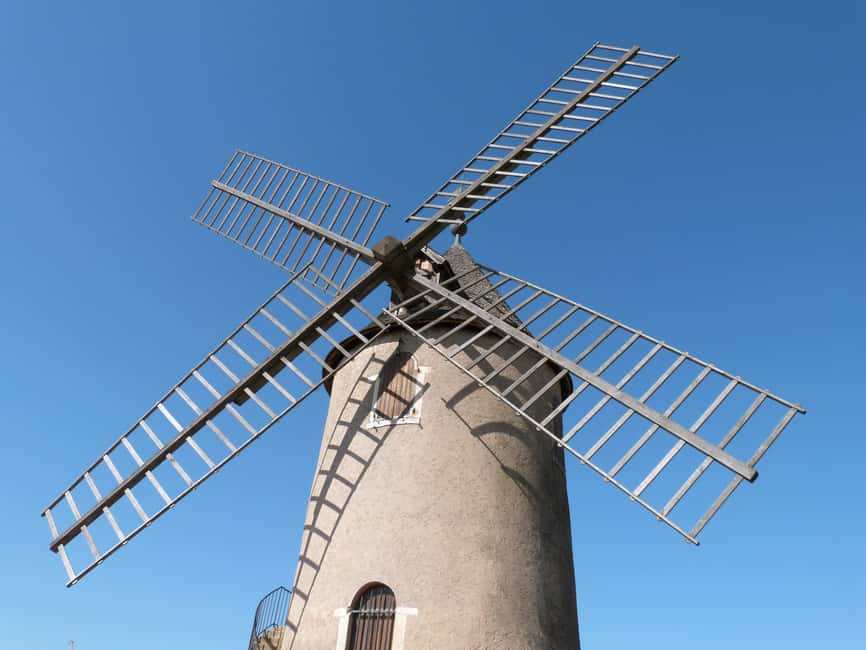
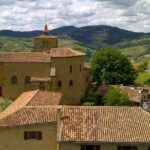
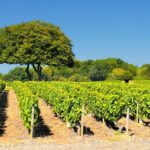
After the first tasting, you continue along scenic wine routes and pass through or around charming villages like Fleurie, Morgon, and Moulin-à-Vent. The point isn’t a long walking tour—it’s the sense of place. You’ll see enough of the area to connect the wine you tasted to the region’s rolling hills and farming culture.
This drive-through segment is also where the guide’s explanations land. When your guide links what you’re seeing to winemaking choices, those stops feel less like “scenic pauses” and more like a moving classroom. That’s especially helpful if you’re a beginner, because it helps you make your own sense of terroir without needing to read a textbook.
Still, keep expectations realistic about timing. It’s a half-day tour, and you’re relying on roads. If traffic slows you down, the drive portion and the time at each stop can compress. That’s not a quality problem—it’s just how day trips work when you’re leaving and returning to Lyon the same afternoon.
Family-run winery finale: meet the winemaker and taste five wines
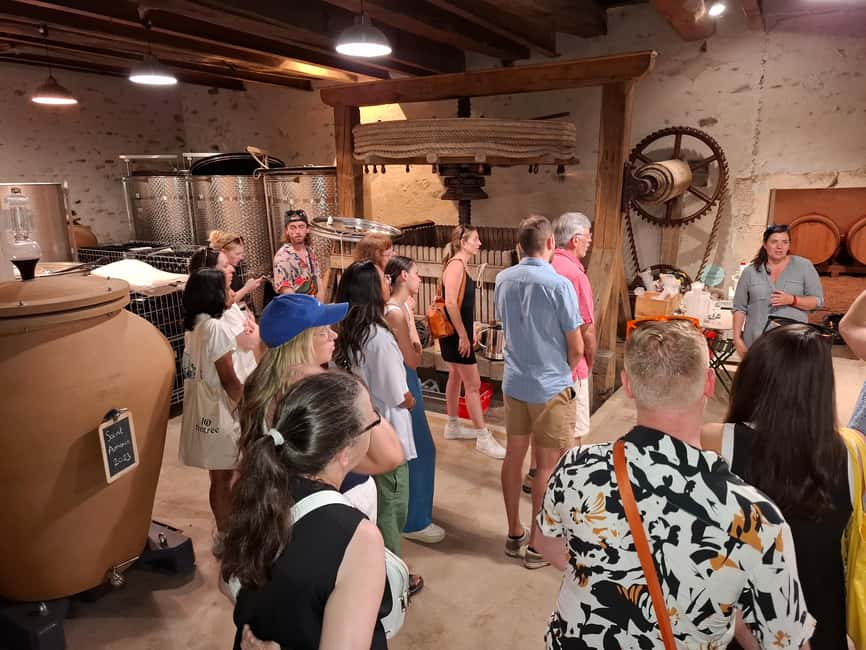
The tour ends at a family-run winery, which is a smart pairing after the larger estate experience earlier. You get a chance to see how a smaller operation approaches craft, and the winemaker is part of the experience rather than staying behind the curtain.
The structure is clear: you’ll be invited to taste five wines, and the winemaker shares the secrets of their craft as you taste. For me, that “meet the person” factor is what turns a tasting from a shopping exercise into something more meaningful. You get to ask questions while you’re actually tasting, when the topic is fresh in your mind.
One practical benefit of this finale: it gives you a more personal ending after the big tasting circuit. If you enjoy comparing styles—how one place’s choices differ from another—this wrap-up stop gives you a clean contrast.
How the tasting pace works in just four hours
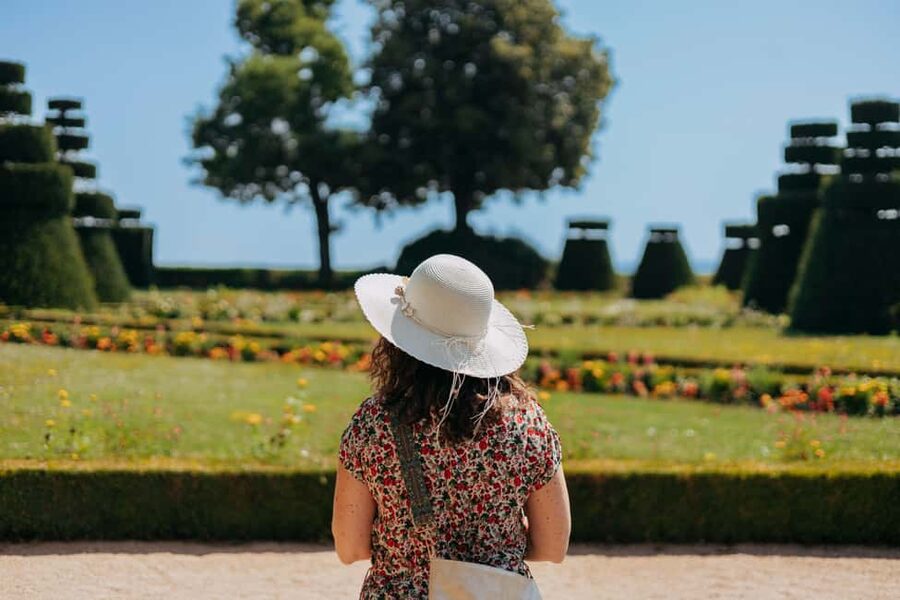
This is a high-taste itinerary, so it helps to think about pacing before you go. You’ll have a serious number of pours early (12 estate wines), then more at the end (5 additional wines). Even if you pace yourself, it can feel like a lot because you’re learning as you drink.
That means you’ll get the most out of it if you arrive with the right mindset: ask questions, take a few short notes if you like, and keep your focus on differences. One theme that came through strongly in guide feedback is that the experience is educational and built around helping you notice what you’re tasting—not just downing it.
Also, because food isn’t mentioned as part of the tasting stops, you should plan to be ready for a wine-focused schedule. Comfortable shoes are required, but the bigger “prep” is mental: expect a lesson plus a tasting sprint.
If you’re the kind of person who hates feeling rushed, consider that this tour can compress when the roads are slow. A five-hour version would likely give you more breathing room, but as written, the tour does pack a lot into the 4-hour window.
A few more Lyon tours and experiences worth a look
Small group comfort, English guiding, and skip-the-line perks
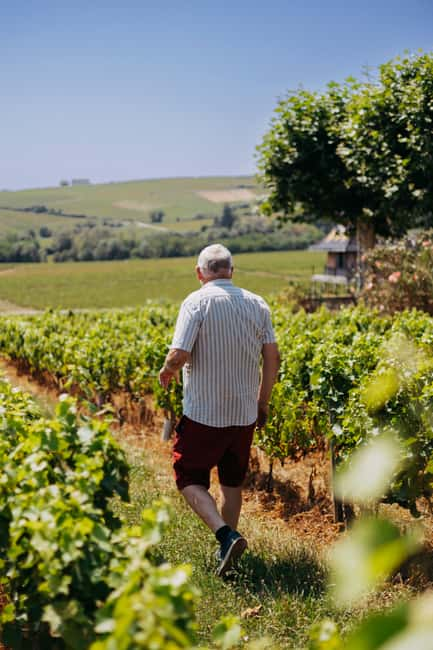
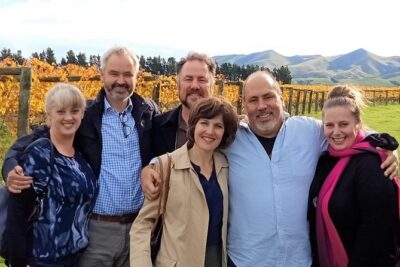
One of the strongest reasons to pick this tour is the group size. It’s limited to 8 participants, and that keeps things relaxed. You’re not waiting for everyone to catch up, and it’s easier to hear answers when you ask about how the tasting works.
You also get a live guide in English. In examples from past groups, guides such as Rachel and Françoise have been praised for being fun and for making the region and wine process easy to understand. Even if your wine vocabulary is minimal, the explanations are built to meet you where you are.
Then there’s the logistics win: skip-the-line via a separate entrance at the first stop. When you’re only there for part of a day, saving time at the entry stage matters.
You’ll travel in an air-conditioned minivan, and that’s a comfort upgrade when you’re spending time on the road between Lyon and northern Beaujolais.
Price and value for $113: what you’re really paying for
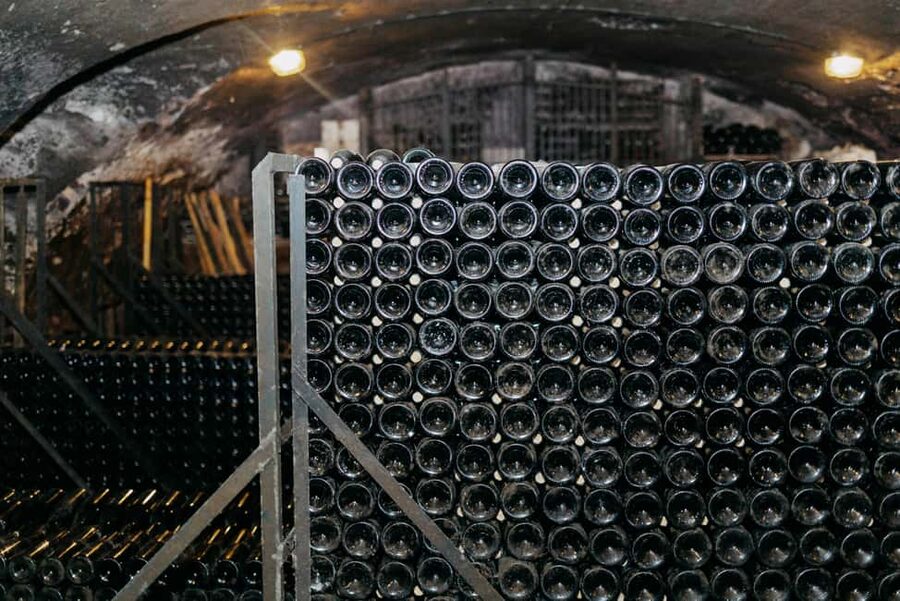
At about $113 per person for roughly 4 hours, this doesn’t look cheap on the sticker. But it becomes clearer when you break down what’s included.
You’re getting:
- transportation in an air-conditioned minivan
- a driver-guide
- wine tastings as part of the experience (including alcohol)
- both educational and tasting components at the first stop
- a family winery visit with tasting at the end
The pricing starts making more sense because you’re not paying for one small pour at one location. You’re tasting 12 estate wines at Château de Pizay and then 5 more wines at the end, with guided context for both. If you’ve ever taken a short wine tour that feels more like driving with a single sip, this one is structured to give you real sampling time.
The tour also includes shared guiding, so you’re not paying for private transportation or a full private schedule. In other words: it’s a middle ground that’s often the sweet spot for wine lovers with limited time.
Timing reality check: when heavy traffic steals tasting minutes
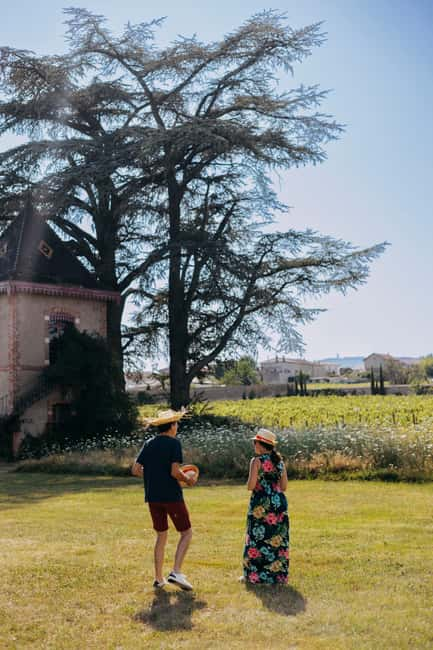
The best thing about a half-day tour is that you get a wine experience without losing an entire day. The tradeoff is you’re at the mercy of the roads. In some cases, heavy traffic can delay you enough that the tour feels tighter than the ideal plan.
That’s the main consideration I’d put on your radar. The tour is 4 hours, but you may feel the pinch if the van gets stuck or if the day runs busy. One sensible approach is to keep your afternoon flexible after the tour. Don’t schedule something that depends on you arriving with zero buffer.
If you’re planning a trip where every minute is booked solid, you’ll likely have more peace of mind choosing a slightly longer day. If not, this still works well—it’s just better as a “wine focus” block, not a side quest.
Who this tour suits best (and who might want a different option)
This is a strong fit if you want a structured introduction to Beaujolais without spending hours behind the wheel. It’s especially good for people who learn best by doing—tasting plus guided explanation plus a couple very different winery settings.
It’s also a good match for wine lovers who like variety in a short time. Estate-focused tasting first (12 wines) followed by a family winery finale (5 wines) gives you a built-in comparison.
Not ideal if you need wheelchair access. The tour is listed as not suitable for wheelchair users, and electric wheelchairs are specifically not allowed. Also, plan around the rules: no pets (assistance dogs allowed), no baby strollers, and no smoking in the vehicle. Comfortable shoes are a must.
Finally, if you don’t enjoy learning formats like quizzes, just know the first stop can include interactive elements. The tastings are still the main event, but if you hate that style of activity, you may want to mentally switch gears early.
Should you book this Beaujolais half-day tour?
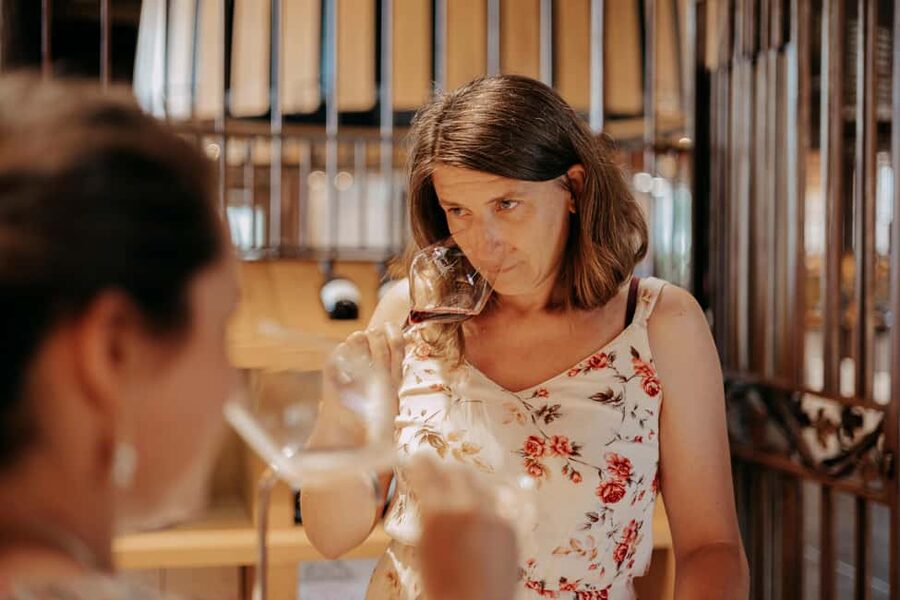
Yes, if you want a short, wine-heavy Beaujolais experience that starts in the center of Lyon and gives you real tasting time at two meaningful stops. The mix of Château de Pizay’s oenosensorial circuit plus a family-run winery is a smart way to see different sides of winemaking without overcommitting.
I’d especially book it if you like having an English guide to explain what you’re tasting and if a small group matters to you. With up to 8 people, this is the kind of tour where questions are actually possible.
I’d think twice if your schedule is tight to the minute or if you get anxious about traffic. This is a 4-hour window, and that window can shrink when roads slow down. If that would stress you out, look for a longer option instead.
FAQ
How long is the Beaujolais wine route half-day tour?
The tour duration is 4 hours. Starting times vary, so you’ll need to check availability for the specific departure you want.
Where do I meet the guide, and where does it end?
You meet your guide in front of the Lyon tourist office at Bellecour Square. The tour ends back at the same meeting point.
How many people are in the group?
The group is limited to a small size, with a maximum of 8 participants.
What language is the tour guide?
The live tour guide speaks English.
How many wines will I taste during the tour?
At Château de Pizay, you taste 12 estate wines. The tour also ends at a family-run winery where you taste five wines.
Is it suitable for wheelchair users?
No. The tour is listed as not suitable for wheelchair users.