REVIEW · LYON
Guided tour and wine tasting Northern Rhône Valley
Book on Viator →Operated by Sur les Sentiers de l'Oenotourisme · Bookable on Viator
Vineyard slopes make this half-day fly. This guided Northern Rhône outing from Lyon pairs pretty village drives with guided stops for tastings and producer conversations, all in a small group. You ride in an air-conditioned Mercedes (up to 8 people), and the guide keeps things moving in English.
I love the tasting variety packed into about four hours, with roughly 8–10 wines total across the day. I also like the wine-estate access part: you meet staff on site, get snack bites to go with pours, and learn how the region’s styles connect from one stop to the next.
The only real consideration is time: the day is structured tightly, and a few guests feel there’s less room for long discussion, notes, or extra bottle shopping at each estate. If you want an unhurried pace, go in expecting a smart sprint rather than a leisurely wine afternoon.
In This Review
- Quick hits before you go
- Getting from Lyon to Condrieu without stress
- Condrieu stop: steep-slope vines and quick orientation
- Chavanay tasting stop: your first 4–6 pours
- Ampuis estate tasting: building the Rhône contrast
- The guide matters: Justine’s pacing and winery rapport
- How the tastings work: 8–10 wines plus snack support
- Price and value: what $143.97 buys in real wine time
- Who this tour suits best (and who should rethink)
- Practical tips so you enjoy every stop
- Should you book this Northern Rhône Valley wine tour from Lyon?
- FAQ
- How long is the Northern Rhône guided tour from Lyon?
- Where does the tour meet in Lyon?
- How many people are in the group?
- What language is the tour offered in?
- How many wine tastings should I expect?
- Which stops are included on the route?
- Is the Condrieu stop paid?
- Are toilets available on board the vehicle?
- Is water provided during the tour?
- What if the tour gets canceled?
Quick hits before you go
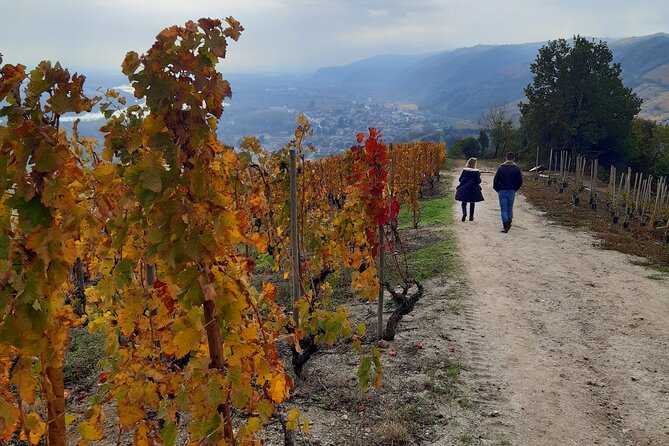
- Condrieu viewpoints on steep slopes with a dedicated stop for seeing the vines up close
- Two separate tastings at distinct estates, typically 4–6 wines each time
- Small group (max 8) in an air-conditioned Mercedes for comfort and easier conversation
- Meet the estate team and get hands-on explanations, not just poured-and-go
- English or French support side-by-side, so you can follow easily either way
- Snack bites included to keep you steady through multiple pours
Getting from Lyon to Condrieu without stress
This tour starts at the Statue of Saint Exupéry in Place Bellecour, one of the easiest meeting spots in central Lyon. It’s also noted as near public transportation, which matters if your plans include trains, buses, or a quick hotel change.
You’ll board an air-conditioned Mercedes with a maximum of 8 travelers, which keeps the feel personal. This also helps the guide manage the group at winery timing—because when everyone’s together, you don’t waste the good part of the afternoon waiting around.
Two small practical reminders: there are no toilets on board, and water isn’t provided in the vehicle. Bring a bottle, and plan your bathroom needs early. A half-day format is great for seeing wine country without losing a whole day, but you still want to stay comfortable for the full run.
You can also read our reviews of more food & drink experiences in Lyon
Condrieu stop: steep-slope vines and quick orientation
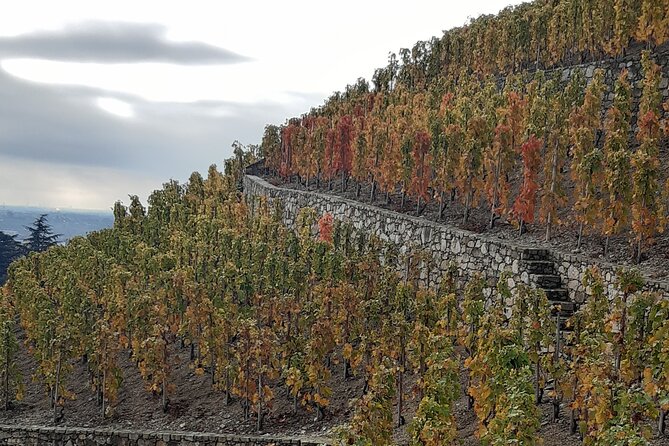
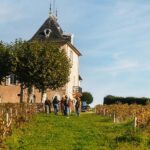
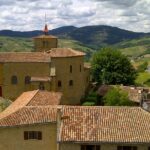
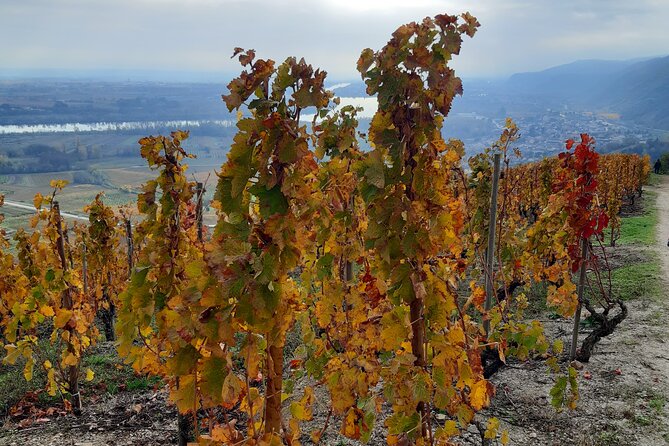
The first stop is Condrieu, and you’ll spend about 45 minutes there. Before that, you pass through several villages in the Rhône Valley, then you get out to admire the vines planted on very steep slopes.
That steep-slope moment matters more than it sounds. It’s not just a pretty photo break; it’s the visual shortcut that helps you understand why Northern Rhône wines often feel so focused. When vines cling to steep hillsides, growers have to work with gravity, exposure, and drainage in a very direct way—so it shows up in the way the guide explains terroir later.
Admission for this stop is free, which is nice because it keeps the day feeling like you’re getting access plus context. Wear shoes you’re comfortable standing in, because the stop is about looking and soaking in the view rather than rushing through a long attraction line.
Chavanay tasting stop: your first 4–6 pours
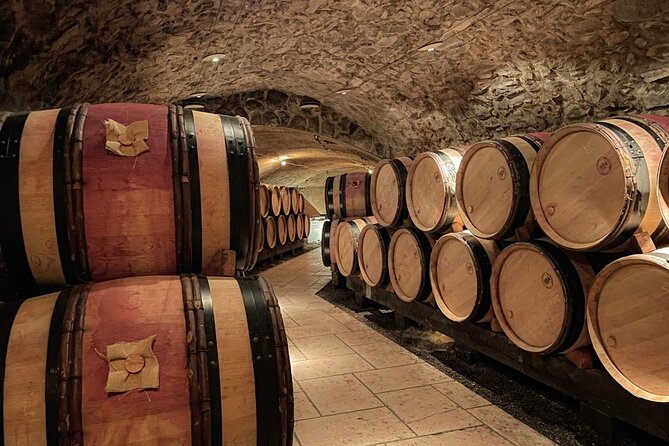
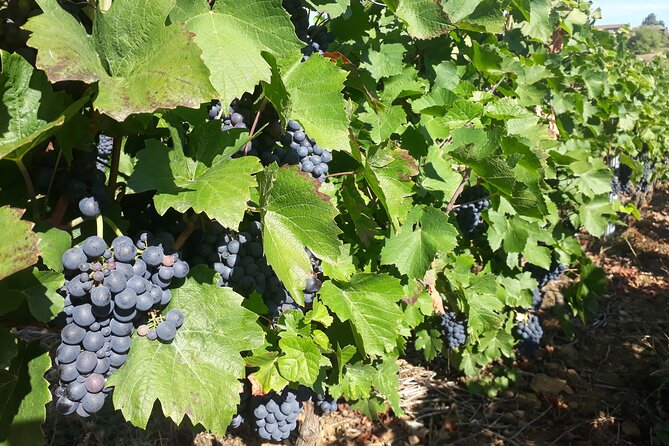
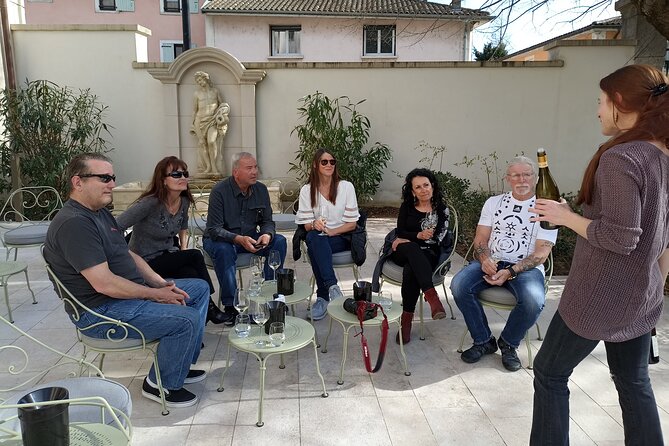
Next you head near the village of Chavanay for the first wine estate tasting. The tasting block is about 1 hour 15 minutes, with a selection of 4 to 6 wines.
This is the part where the day usually clicks for beginners. You’re not thrown into a complicated crash course. The guide frames the wines with enough explanation to help you taste with intention—what’s in the glass, why it might taste the way it does, and what to watch for as the lineup changes.
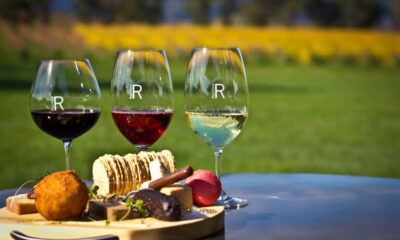
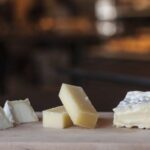
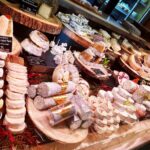
You also get snacks included to accompany tastings. On past departures, people have mentioned a charcuterie board with local cheese and meat at the first stop, which is exactly the kind of practical pairing that keeps the tasting enjoyable instead of just educational.
One more thing I appreciate: estate staff are part of the experience. Meeting members of the winery team turns the tasting into a conversation about choices—how they approach grapes, aging, and the style of wine they’re aiming to make.
Ampuis estate tasting: building the Rhône contrast
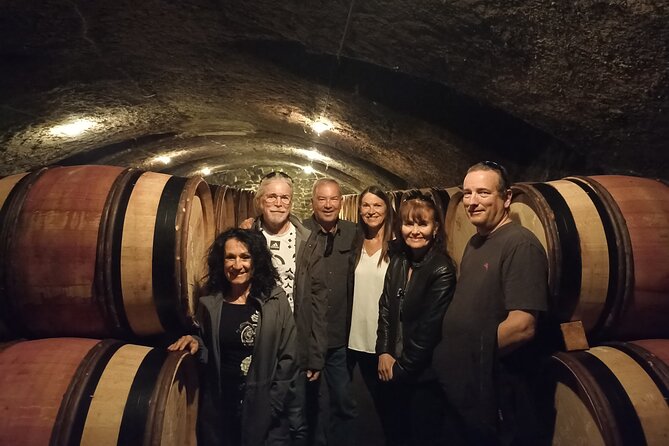
From Chavanay you continue to Ampuis for the second wine estate visit, again around 1 hour 15 minutes. Expect another tasting of several typical wines of the region, generally 4 to 6 wines here as well.
Ampuis is a name you’ll often hear when people talk about Northern Rhône, and the day uses that stop to widen your mental map. You’re comparing two wine estates rather than just tasting the same style twice. The guide also ties in local history and modern practices, which helps you understand that winemaking is both tradition and ongoing decisions.
A highlight from the feedback: some groups reported trying stand-out bottles like a 30-year-old white wine, and others mentioned tastings that included well-known Northern Rhône names such as Côte Rôtie and Condrieu. There’s even a reference to Hermitage in at least one report.
That’s not a promise for every departure, but it does tell you what the tour tends to aim for: memorable pours, not just generic label samples. If you’re serious about wine, this is the stop where your questions get more specific—ask how they judge ripeness, what they look for in the glass, and why their bottling choices differ from the previous estate.
The guide matters: Justine’s pacing and winery rapport
This tour is guided by a local, specialized guide, and in the feedback the name that shows up most is Justine (often listed as Justine Poncet). The consistent theme is how she connects the dots between vineyards, winemaking, and what you taste.
I like tours where the guide can handle both the curious beginner questions and the more technical ones without turning it into a lecture. The tone here comes through as warm and engaging, with the guide actively answering questions during the drive and at the estates. One report also notes that if she doesn’t know an answer immediately, she follows up—so you don’t feel left with half-information.
The guide also coordinates with the estate teams. That matters because staff time is real time. When the relationships are good, explanations run smoothly and you get the sense you’re being welcomed rather than rushed.
About pacing: most feedback calls the day well-paced, but there’s a minority note that it can feel rushed. Translation for you: you may get a lot of information and a lot of pours, and you might not have unlimited time to linger at each place. If you love speed-learning and moving from one wine story to the next, you’ll probably be happy. If you want slow sipping and long note-taking, plan to follow up on your own afterward.
How the tastings work: 8–10 wines plus snack support
Even though each stop is structured, the day is designed so you taste with context. You’ll typically have two blocks—one at the Chavanay area estate and one at Ampuis—each bringing 4–6 wines. Add in the overall description of tastings around 8–10 wines, and that’s the rhythm you should expect.
Snacks are included, plus little bites to accompany tastings. This isn’t a small detail. With multiple pours, snack support changes the whole feel of the day. You’re more comfortable, you can enjoy the explanations, and you’re less likely to end up in the blurry stage where everything tastes like wine.
Also note the logistics of a tasting day: there’s no water in the vehicle and there’s no onboard toilet. You’ll likely use water and bathroom breaks around the estate stops. So bring a bottle and treat timing as part of the experience, not as an inconvenience.
If you want to leave with bottles, bring your decision style: either taste, take quick mental notes, and buy later, or buy immediately if a wine grabs you. The schedule is tight enough that you may want to know what you’d like before the last pour ends.
Price and value: what $143.97 buys in real wine time
At $143.97 per person for about 4 hours 15 minutes, you’re paying for more than the wines. You’re paying for transport, guided interpretation, limited-group access, and coordination with two estates. That’s where the value usually lands for most people.
You get an air-conditioned Mercedes ride for up to 8 people, which keeps it comfortable and avoids turning the experience into a crowded bus tour. The guide is with you throughout the journey and offers guidance at your disposal, plus English (and French simultaneously if needed). That language setup is part of the price: it’s how you actually understand what you’re tasting.
You also get admission included for the Condrieu stop, and snacks are part of the experience. And importantly, the tastings aren’t described as a token sip. They’re set up as commented tastings of about 8–10 wines total, with staff involvement at the estates.
So the value question becomes simple: do you want a structured, guided taste of Northern Rhône highlights in a half-day? If yes, the price makes sense. If you prefer deep, slow time at one producer, you might feel the schedule is too compact for your style.
Who this tour suits best (and who should rethink)
This tour fits best if you want a Northern Rhône overview without committing a full day out of Lyon. It’s also a great choice if you have one afternoon and want both scenery and wine education without sorting everything yourself.
If you’re a wine novice, the guided explanation helps you taste without feeling intimidated. If you’re more experienced, the two estates and the variety of pours give you enough range to compare styles and decisions between producers.
It’s also ideal for people who like small-group travel. With a maximum of 8 travelers, you can ask questions and stay engaged instead of yelling across a crowd.
The tour may be less ideal if you want to linger. One critique points out that after the travel time, the tastings and estate visits can feel packed—especially if you want extra time for notes, photos, and longer conversations at each stop. If that’s you, consider booking a longer wine visit later, and use this tour as your high-quality introduction.
Practical tips so you enjoy every stop
Here are the things that will help you have a smooth afternoon.
- Bring a water bottle since water isn’t provided on board.
- Plan for a short, timed rhythm at each estate; keep your questions ready so you don’t lose time.
- If you’re planning purchases, decide your top priorities early so you’re not rushed at the end.
- Wear comfortable shoes for the Condrieu viewing stop where you’ll likely stand and look around.
- Use the language flexibility: you can follow along in English, and French is available alongside if you need it.
If you’re tempted to judge the day by how fast it moves, try switching your mindset. Treat it like a guided tasting playlist: each stop is a new track, and the point is to leave with a clear sense of how the region tastes and why.
Should you book this Northern Rhône Valley wine tour from Lyon?
I’d recommend booking if you want a tight, friendly half-day that mixes vineyard scenery, two distinct wine estates, and guided explanations that help you taste with confidence. The small group size, air-conditioned comfort, and the chance to meet estate staff all support an experience that feels real, not staged.
I wouldn’t choose it if you crave unhurried time. The schedule is built for getting from A to B and fitting two tastings into your afternoon. If you want a slow pace with lots of downtime, you’ll likely feel the pressure of the clock.
For many visitors to Lyon, this is the sweet spot: one afternoon, Northern Rhône context, and a tasting lineup you can talk about later at dinner.
FAQ
How long is the Northern Rhône guided tour from Lyon?
It lasts about 4 hours 15 minutes.
Where does the tour meet in Lyon?
You meet at the Statue of Saint Exupéry, Pl. Bellecour, 69002 Lyon, France.
How many people are in the group?
The group size is capped at 8 travelers.
What language is the tour offered in?
The tour is offered in English, with English/French handled simultaneously if needed.
How many wine tastings should I expect?
The day includes commented tastings of around 8–10 wines total, typically 4 to 6 wines per estate stop.
Which stops are included on the route?
You visit Condrieu, then a wine estate near Chavanay for a tasting, then a second wine estate in Ampuis for another tasting, and you return to the meeting point.
Is the Condrieu stop paid?
Admission for the Condrieu stop is free.
Are toilets available on board the vehicle?
No, toilets on board are not included.
Is water provided during the tour?
Water in the vehicle is not provided, so you should bring your own bottle.
What if the tour gets canceled?
Free cancellation is available up to 24 hours before the start for a full refund, and the tour can be canceled if the minimum number of travelers isn’t met, with an alternative date or a full refund offered.