REVIEW · PARIS
Paris: French Wine Tasting Class with Sommelier
Book on GetYourGuide →Operated by O Chateau - Paris Wine Tasting · Bookable on GetYourGuide
Six French wines in a cellar by the Louvre. This 2-hour, English-led tasting starts at 5pm in a 17th-century wine cellar and takes you through Champagne plus still wines from France’s main regions. Expect clear guidance on tasting, labels, and the French ideas behind why each bottle tastes the way it does.
I like that it’s genuinely hands-on: you sample multiple wines, you get bread and still water, and you learn a repeatable way to taste instead of guessing. I also like the teaching focus that turns big French words into bite-sized ideas, including terroir and appellation, plus practical food and wine pairing.
One possible drawback: it’s a group setting, and if the room gets chatty, it can cut into the presentation time. If you want maximum value, plan to ask your questions during the guide’s prompts and Q&A rather than mid-explanation, especially if you land near the back.
In This Review
- Key things to know before you go
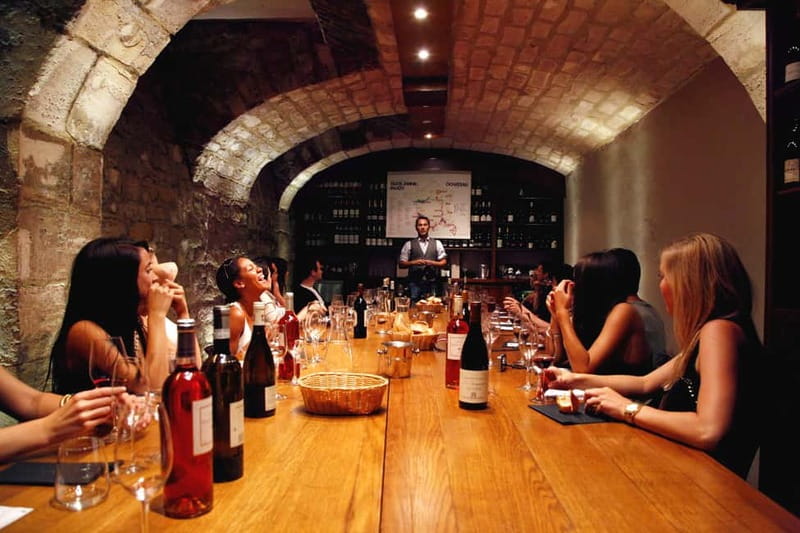
- Where this tasting happens: 5pm in a 17th-century cellar near Le Louvre
- What you taste: Champagne plus five French wines across France’s regions
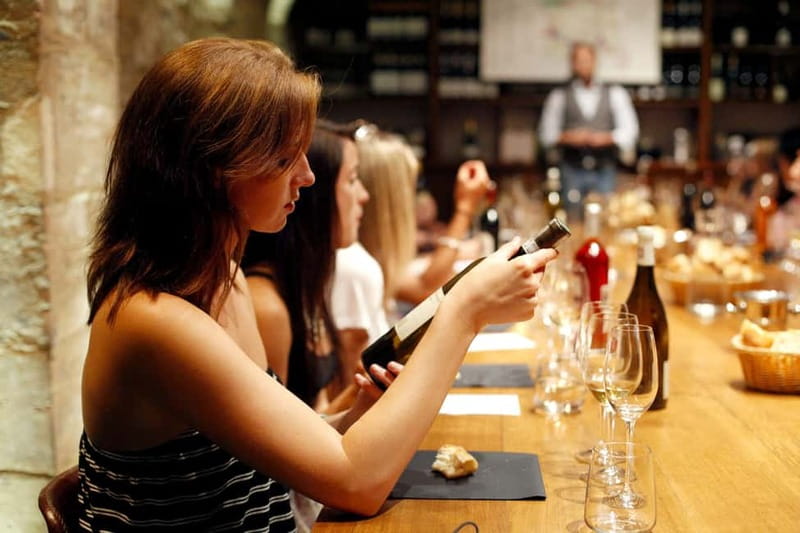
- How the sommelier teaches tasting: swirl, sniff, sip, and read the glass
- Terroir and appellation: turning French terms into real-world flavor
- Champagne basics you can actually use after 2 hours
- Bread, cheese add-ons, and the pairing skills that save your dinner order
- Price and value: does $88 buy more than “just wine”?
- Who this class suits best (and who might feel impatient)
- Tips to get the most from your night
- Should you book this Paris wine tasting class near the Louvre?
Key things to know before you go
- A 5pm start in a 17th-century wine cellar near the Louvre keeps the experience calm and easy to tack onto your evening plans.
- Six tastings total: 1 Champagne and 5 still French wines from different regions, with a wine list and sommelier presentation included.
- Label-reading and tasting technique are part of the core lesson, not a side note.
- Terroir and appellation translated into flavor so you can connect geography to what’s in your glass.
- Food pairing is taught alongside the wines, so you leave knowing what to order in French restaurants.
- You get a Q&A window after the tasting, covering topics like Champagne making and even tannins.
Where this tasting happens: 5pm in a 17th-century cellar near Le Louvre
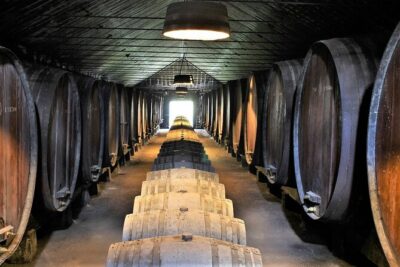
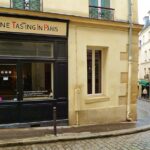
This class begins at 5pm in a 17th-century wine cellar close to the Louvre area, so the vibe feels like France instead of a generic tasting room. The setting matters more than you might think. Cool stone walls and low lighting nudge you into the slow, careful pace that wine tasting actually requires.
Meeting point is 68 Rue Jean-Jacques Rousseau (1st arrondissement). Your easiest metro options are Louvre-Rivoli (Line 1) or Étienne Marcel (Line 4), and it’s about a 6-minute walk from there. If you’re trying to keep your night efficient, do yourself a favor and arrive a few minutes early. You’ll settle in faster and you’ll catch the opening instructions without rushing.
The experience runs about 2 hours, typically letting you go around 7pm, which is perfect if you want to head straight to dinner without feeling like the night is gone already.
You can also read our reviews of more food & drink experiences in Paris

What you taste: Champagne plus five French wines across France’s regions
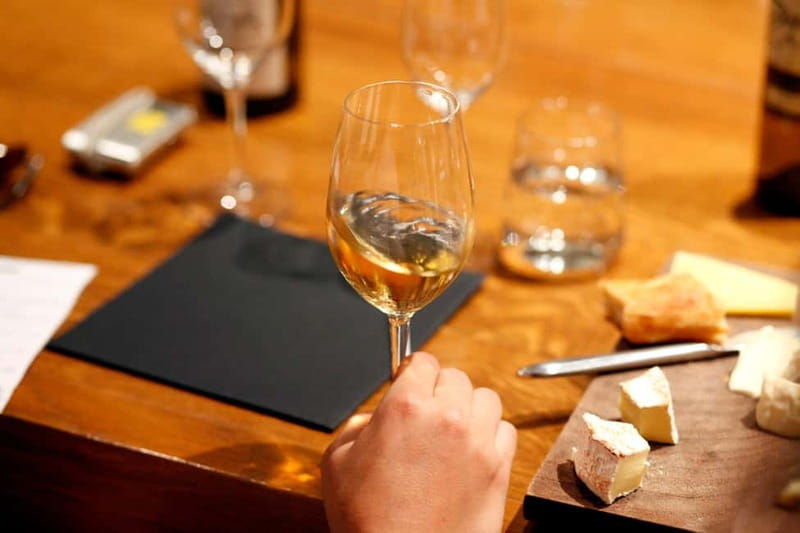
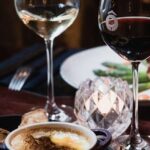
You’ll taste six different samples: one Champagne and five still wines from five different French regions. The lesson isn’t just about drinking; it’s about building a map in your head for how France’s winemaking style changes from place to place.
What you can expect the sommelier to cover as you taste:
- how the Champagne is made (sparkling isn’t just bubbles; it’s a method)
- which grapes grow in the regions being discussed
- the typical style you’ll find there
- how to spot basic differences while you swirl and sip
One detail I appreciate here is that the class is designed like a sequence. You’re guided from wine basics into regional thinking, so you start to notice patterns instead of treating each pour as a random taste test.
If you’re brand-new to wine, this format is forgiving. You get to taste multiple styles in one evening, and the guide gives you a framework for describing what you’re noticing. If you already love wine, you’ll likely enjoy the label and terminology side, because it helps you shop and order with confidence rather than relying on luck.
How the sommelier teaches tasting: swirl, sniff, sip, and read the glass
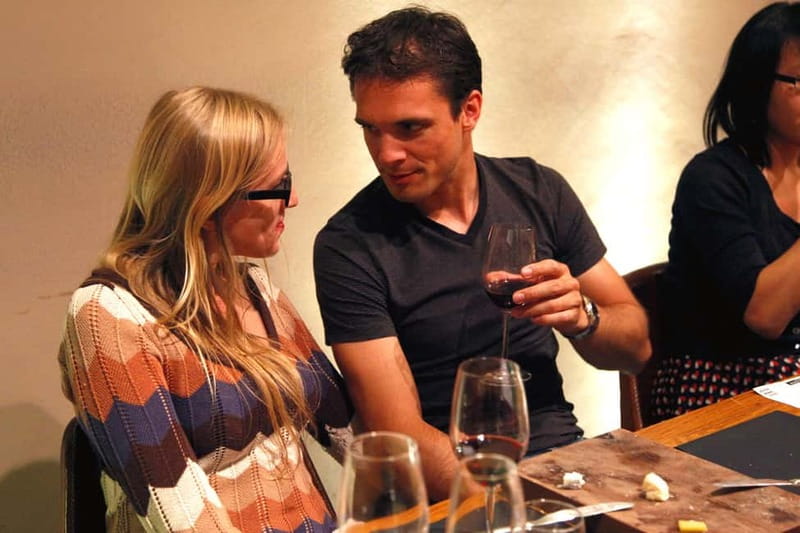
The teaching style is built around learning how to taste wine in a way you can repeat later. In practice, that means you’re not just asked to say if you like something. You learn what to look for in the glass and how to connect sensations to wine-making choices.
You’ll be guided through core questions like:
- how to taste wine
- what people mean by tannins (and what that feels like)
- what’s going on with aroma and flavor
- how to interpret different wine styles without getting lost
You might get a sommelier like Laury, Paul, Felicity, Lily, Clement, Preston, Pierre, Kim, Jasmina, Charlotte, Gerard, or Jazmin, since those names show up in the class feedback. The key is the effect: they keep the lesson engaging and geared toward real understanding, whether you’re starting from zero or already know a few terms.
A small practical plus: you’re given a wine list during the session. When the guide explains something, you’re not trying to memorize it on the spot. You can look at the list and connect the advice to the bottles in front of you.
Terroir and appellation: turning French terms into real-world flavor
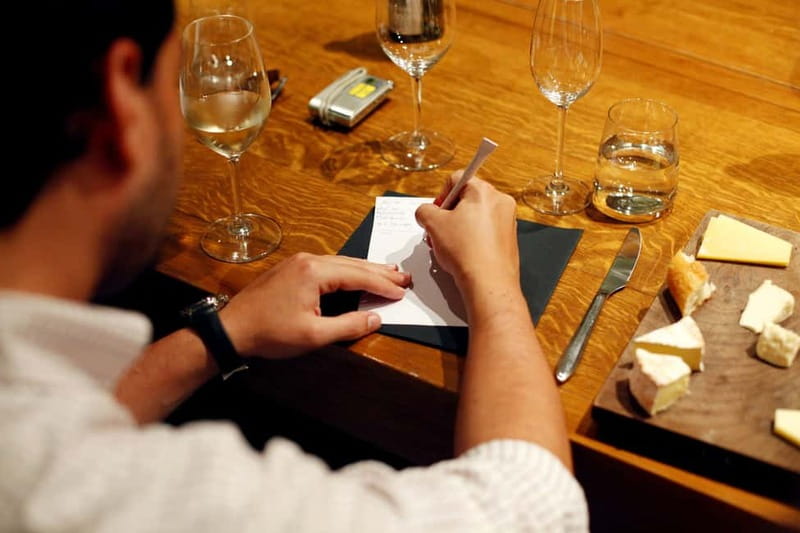
“Terroir” and “appellation” sound like fancy words until someone makes them usable. This is one of the most valuable parts of the class, because it explains what’s behind the label claims and why two wines made from similar grapes can taste completely different.
Here’s the practical version of what you should aim to learn:
- Terroir is the place-based mix of factors that shapes the wine, and you’re taught to connect those factors to taste.
- Appellation is the system that defines which wines can carry certain place-based names, and you learn to read what that means for style and expectations.
Instead of treating these as trivia, the class uses them as a tasting lens. Once you understand what appellation rules and terroir influences are trying to communicate, you’ll feel less overwhelmed in French bottle aisles and restaurant menus.
And yes, this concept work shows up alongside other label skills. You learn how to read French wine and Champagne labels, which is the difference between buying what looks nice and buying what matches your taste.
Champagne basics you can actually use after 2 hours
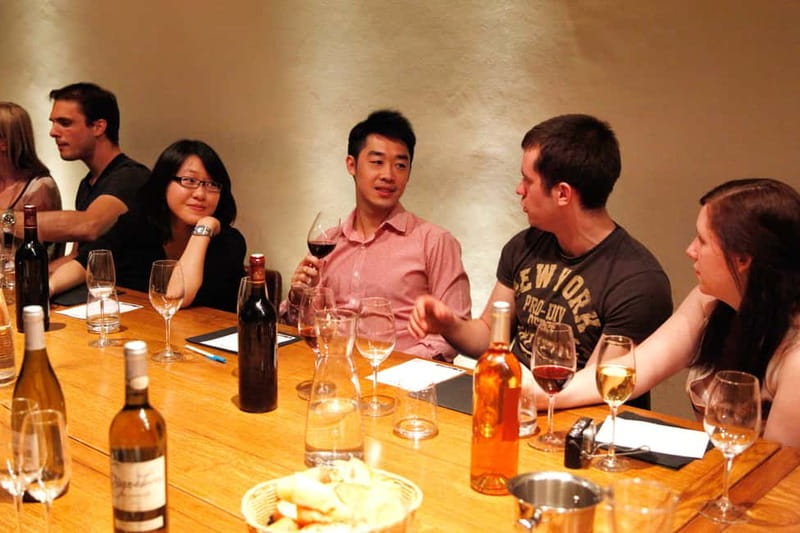
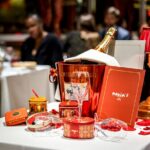
Champagne gets its own attention, and it’s not just a toast-to-Paris moment. The class covers how Champagne is made, and that matters because Champagne style can change a lot depending on method and decisions made along the way.
If you’ve ever wondered why some sparkling wines taste crisp and sharp while others feel more round or fuller, learning the basics here can help you:
- understand why Champagne often tastes different from other bubbles
- decode menu language you might see in France
- order with less guesswork
One plus from the class structure: after the tasting, you usually get time to ask follow-up questions. Topics mentioned include how Champagne is made, where grape varieties grow, what tannins are, and even new wine trends.
You can also read our reviews of more wine tours in Paris


Bread, cheese add-ons, and the pairing skills that save your dinner order
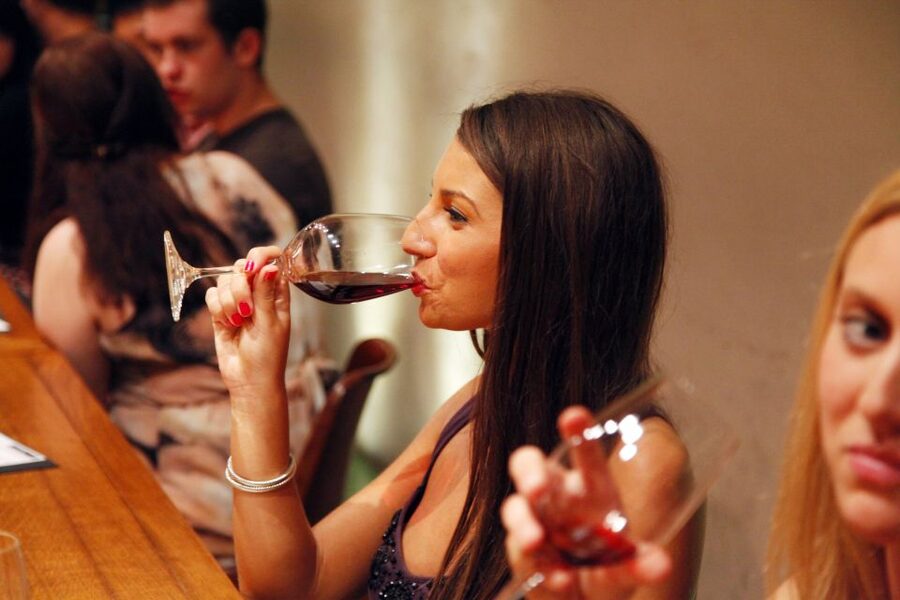
You’re not sent into tasting without food support. You get a basket of bread and still water, which helps you reset your palate between pours. That might sound basic, but it’s important. Wine tasting works better when your mouth isn’t overwhelmed by the last flavor.
Pairing is also a main theme. The guide discusses food and wine pairing, including what to pair with the wines you’re tasting. The goal isn’t for you to memorize a chart. It’s for you to understand the logic, so you can order confidently at dinner.
There’s also an optional add-on available on site: a cheese or charcuterie platter for +15€. In at least one case, the cheese selection was described as having better variety when choosing that option. If you’re the kind of person who loves to keep the learning going while your palate is still warmed up, this add-on can turn the class into a full pre-dinner spread.
One caution I’d share: pay attention to the glassware and service details. A couple of feedback notes mentioned things like red wine glasses being reused where people expected separate glass types. It’s not a deal-breaker, but if you’re picky about tasting conditions, it’s good to know.
Price and value: does $88 buy more than “just wine”?
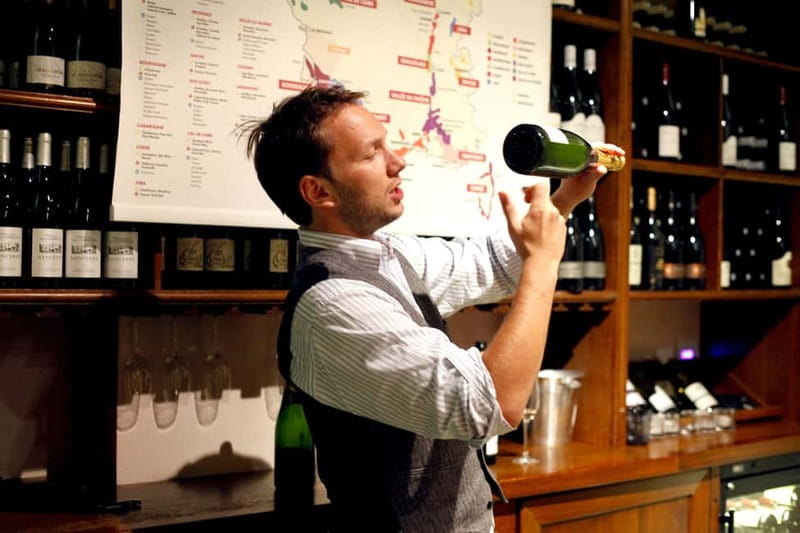
At $88 per person for a 2-hour class, the value depends on what you want out of the experience.
Here’s what you do get for the price:
- 6 tastings total, including 1 Champagne
- 5 still French wines from different regions
- sommelier presentation
- a wine list
- bread and still water
For many people, that’s the big win: you’re not paying just for drinks. You’re paying for a guided system that helps you:
- notice differences between styles
- understand the label language you’ll see in France
- learn how to describe what you like so you can order better later
That said, there are a couple of trade-offs to keep in mind. One person felt a pour or two was only decent rather than outstanding, which can happen since taste is personal and wine samples can vary. Another note pointed out that if the group feels large, questions may be harder to hear and side conversations can interrupt.
My practical advice: if you want your money’s worth, come with a couple of questions ready. Ask early if you can, and save deeper queries for the Q&A section near the end. That way, you don’t spend the whole class trying to guess what you should be listening for.
Who this class suits best (and who might feel impatient)
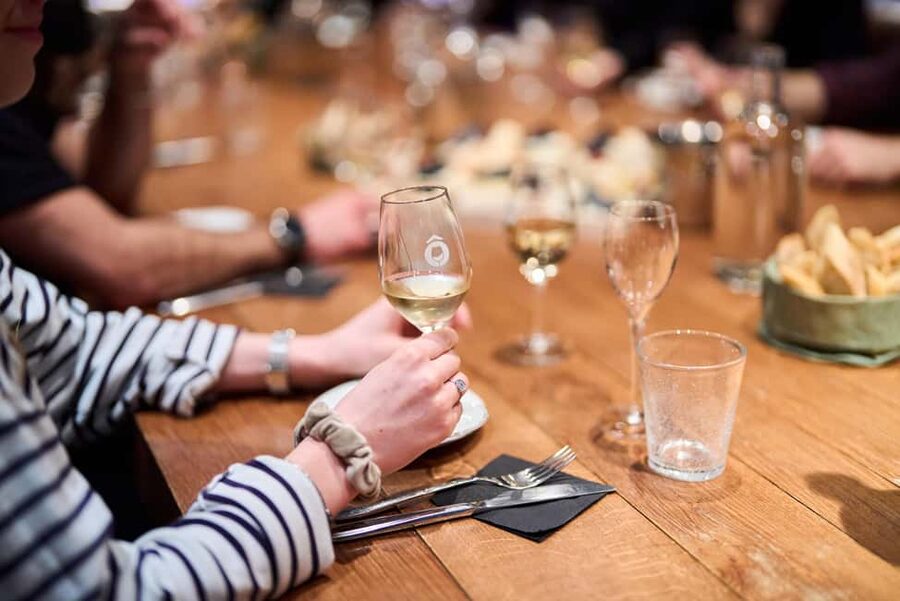
This tasting class is a great match if you fall into one of these buckets:
- You’re new to French wine and want a structured start.
- You like learning terms that actually help you order and shop.
- You want an easy, pre-dinner activity near the Louvre that doesn’t require planning an entire day.
- You enjoy group conversation and being guided by an English-speaking sommelier.
It can also work well for families and pairs. Names like a niece-focused second visit and a group of multiple family members show that this is comfortable even when people have different levels of interest.
If you’re the type who hates group activities or you need total quiet to focus, it may take effort on your part. One piece of feedback described side chatter disrupting the presentation. In that case, choose your seat thoughtfully and treat the class as a chance to tune in during the guide’s prompts.
Tips to get the most from your night
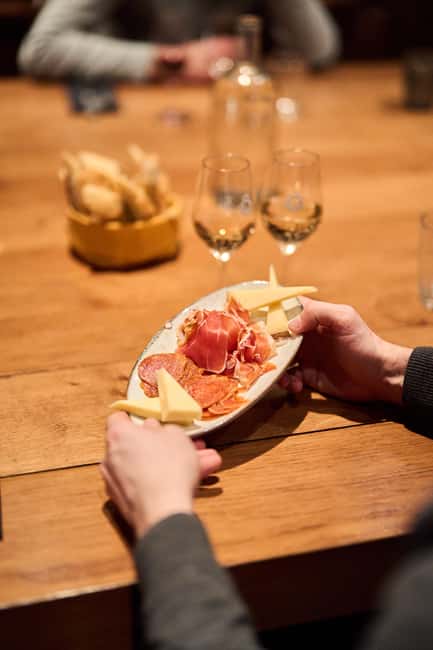
A few small moves will help you take home more than a buzz:
- Arrive a little early and settle in so you catch the opening tasting guidance.
- Ask one practical question early, like how to interpret a label you’re likely to see in restaurants.
- Taste slowly. Swirl, sniff, sip, then wait a few seconds before deciding if you like it.
- Use the Q&A time well. If you care about Champagne method, grape growing, tannins, or pairing, save those for the questions window.
Also, dress for a cellar environment. One note mentioned it can get warm, so light layers can make the experience more comfortable.
Should you book this Paris wine tasting class near the Louvre?
Book it if you want a fun, structured way to learn French wine basics in 2 hours, with Champagne included and a sommelier-led focus on tasting technique, labels, terroir, and pairing. The value is strongest if you plan to keep using what you learn the same night and in future restaurant orders.
Skip it or choose another option if you’re very sensitive to group distractions or you expect a private, quiet tasting. Since it’s a shared experience, you’ll get the most out of it by leaning into the group energy and asking questions at the right time.
If you want an evening that makes French wine feel less intimidating and more enjoyable, this is a smart pick.