REVIEW · PARIS
Paris Wine Day Tours exclusive Champagne tour incl. 3 visits
Book on Viator →Operated by Paris Wine Day Tours · Bookable on Viator
A 7:00 am start, then Champagne everywhere. This exclusive tour is built for multiple tastings in one day and real Champagne know-how with visits to three different producers, including Reims’ cathedral area. What I like most is the combo of big-house history plus a smaller family operation where you can actually meet the owners, not just sip and leave. One thing to consider: it’s a long day (about 12 hours), and you’ll want to pace yourself with all the sampling.
You’ll be traveling in a small group capped at 8, which matters when you’re moving between cellars and want time for questions. The guiding is one of the best parts; Brice has been singled out for bringing specific local context to Reims, including pointed details about the cathedral, and keeping a good mood even when the weather turns.
In This Review
- Key highlights that make this Champagne day plan worth it
- A 7:00 am small-group Champagne day with real breathing room
- Reims: Cathedral first, then a big Champagne house visit and a proper lunch
- What to watch for at the Reims stop
- Epernay cellars: see how Champagne is made, then finish with a tasting
- The practical angle
- Hautvillers and Dom Pérignon: a church stop plus family-house tastings
- A tip for enjoying Hautvillers
- What you’re really buying: three producers, one day, and less guesswork
- The downside, stated plainly
- Food, pace, and how to get the most out of all that tasting
- Timing: why the order matters
- Price and what $445.31 buys you in real-world value
- Who this tour fits best (and who should think twice)
- Should you book Paris Wine Day Tours Champagne Day Tour?
- FAQ
- What time does the tour start and where is the meeting point?
- How many people are in the group?
- How long is the Champagne tour?
- Is the tour offered in English?
- What stops are included during the day?
- Can I get a full refund if I cancel?
Key highlights that make this Champagne day plan worth it
- Three Champagne stops, three different styles of visits, so you see more than one “type” of producer
- Reims cathedral area + a classic French 3-course lunch in a traditional Art-Deco setting
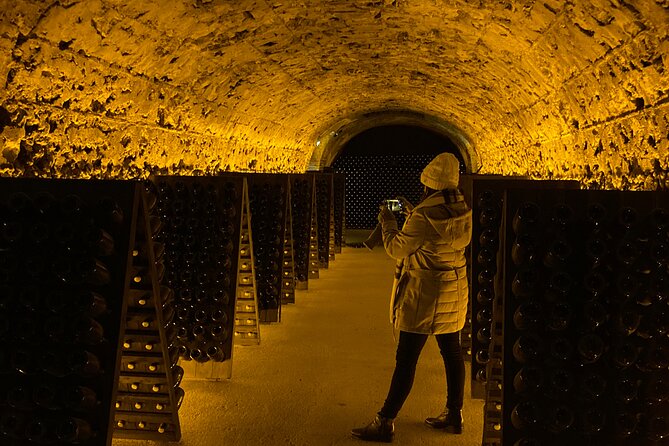
- Epernay cellars with an end tasting, so you get the process and the payoff back-to-back
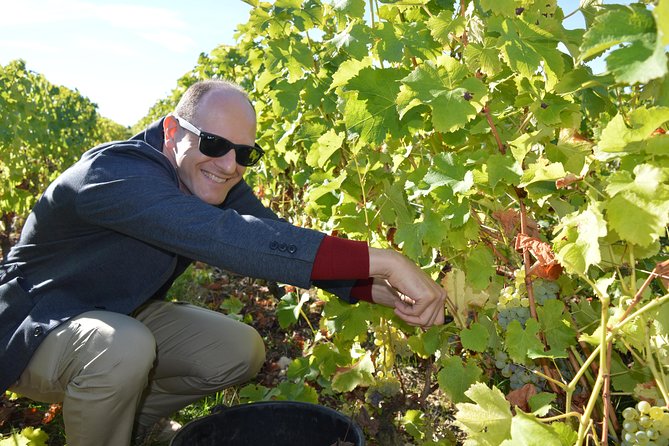
- Hautvillers and Dom Pérignon’s grave, plus a family-run house where owners join the tasting
- Small-group feel (max 8), which helps you ask questions without feeling rushed
A 7:00 am small-group Champagne day with real breathing room
This is a classic Champagne-country day trip with an unusually thoughtful format: you start early from Porte d’Orléans (75014 Paris), you’re back at the same meeting point, and you do it in a group that stays small enough to feel personal. That early departure matters. Champagne country is better when you’re not fighting traffic and late-morning crowd energy, and starting at 7:00 am helps you hit each town while the day still feels manageable.
The tour runs about 12 hours, which is long, but it’s not “all bus, no time.” The schedule is built around time blocks: Reims gets about 4 hours, and then you get shorter, focused visits in Epernay and Hautvillers. That rhythm is easier to enjoy than one long stop in a single place.
Also pay attention to the practical side: it’s offered in English, and you’ll get a mobile ticket. If you like having fewer moving parts in your day, that helps.
If you’re wondering whether you’ll feel like you’re getting hustled through: with a max of 8 people, you’re more likely to get the guide’s attention when you want it. That’s not a small thing on a tasting day.
You can also read our reviews of more wine tours in Paris
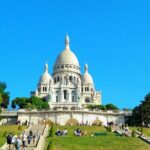
Reims: Cathedral first, then a big Champagne house visit and a proper lunch
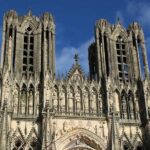
Reims is the emotional center of this day, and the schedule reflects that. You get time in the cathedral area, including a visit to a popular Champagne house and a look at the Cathedral of Reims—a place that gives the whole region context fast. This is the kind of stop where the right guide makes a difference. Brice has been praised for calling out specific history tied to the cathedral, and if your guide brings that kind of detail, you’ll come away with more than postcard facts.
Then there are the food and palate moments, which I find are where this itinerary earns its “full-day” status. You’ll taste local sweet specialties first, before sitting down for a typical 3-course French lunch with wine and coffee in a traditional Art-Deco restaurant. That lunch isn’t a random add-on. It’s a reset button.
A 3-course lunch also helps balance all the tasting later. Champagne is the focus, but lunch keeps your body on your side: you’re not just swallowing bubbles. The combination of wine with your meal also makes sense for a day where you’ll be comparing styles.
What to watch for at the Reims stop
This is the longest block of the day, so plan your energy accordingly. You’ll want a comfortable pace and to keep your attention on what you’re tasting. If you’re the kind of person who tries to “speed-run” comparisons, you may find you’ve already used up your best tasting attention by the time lunch hits.
Also, don’t ignore the weather. Reims can be wet and gray in parts of the year; you’ll still want a light layer and shoes that handle damp stone. The good news: your guide’s job includes keeping the mood up so the day doesn’t stall.
Epernay cellars: see how Champagne is made, then finish with a tasting
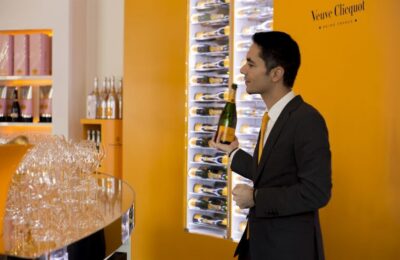
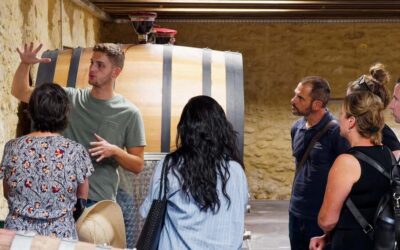
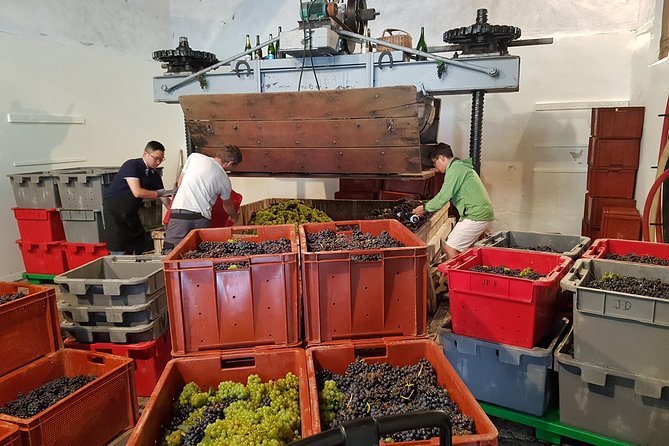
After Reims, you shift to Epernay, and the tone changes from sightseeing-plus-lunch to “process and product.” You’ll visit the cellars of a second Champagne house, learn how Champagne is made, and the visit ends with a tasting.
I like this format because it gives you a clean contrast. In Reims, you get the cultural anchor (cathedral) plus a classic food break. In Epernay, the focus tightens: you’re in Champagne mode—materials, cellar logic, and the story behind what’s in your glass.
Even though the Epernay stop is only about 1 hour, the structure is straightforward:
- time in the cellars and explanation of the method
- tasting at the end
That “explain first, then taste” order helps. It’s one thing to sip Champagne and another to connect the flavors to the steps you just heard.
The practical angle
Because this is a shorter stop, it’s not the place to wander off or get distracted. Arrive ready to listen and ask questions. If your goal is learning, this is one of your best chances to connect Champagne’s production steps to what you’ll actually taste.
And since you’ll likely have been sampling since Reims, keep in mind you’re going to do a lot of tasting across the day. The Epernay session is your “compare what you learned” window.


Hautvillers and Dom Pérignon: a church stop plus family-house tastings
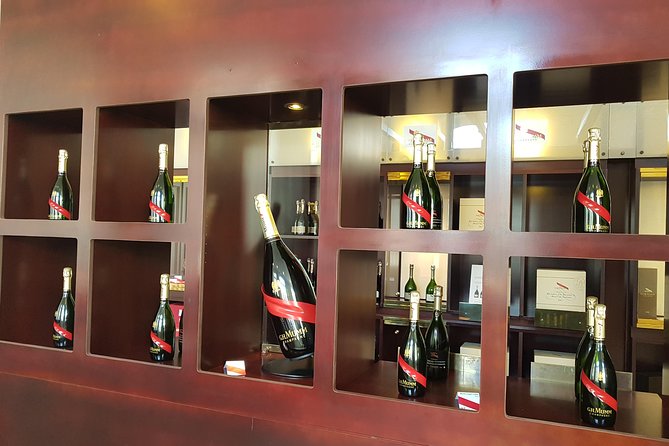
Hautvillers is where the day gets more personal and more old-school. You’ll visit the church and the grave of Dom Pérignon, and then you move to a third Champagne house, described as one of the oldest family-run houses.
There are two reasons this part of the itinerary hits well. First, the Dom Pérignon stop gives the day a sense of origin. Second, the tasting experience here is set up differently than the big-house version. You’ll get the chance to meet and have the tasting with the owners.
That owner-led part matters. It’s the kind of tasting where you can ask basic questions and still get thoughtful answers, because the people pouring the Champagne are also invested in the story and the family’s approach. In past days, small-house tastings have been a highlight, and this is exactly that kind of stop.
A tip for enjoying Hautvillers
Take your time with the tastings here and don’t rush the conversation. The value isn’t only the taste; it’s the human context—how a family-run producer explains its choices. If you’re the type who likes to bring home something more than a souvenir, this is where you’ll get it.
Also, remember the time block is about 1 hour 30 minutes, so you have enough breathing room to do both the sacred site visit and the tasting without feeling chopped up.
What you’re really buying: three producers, one day, and less guesswork
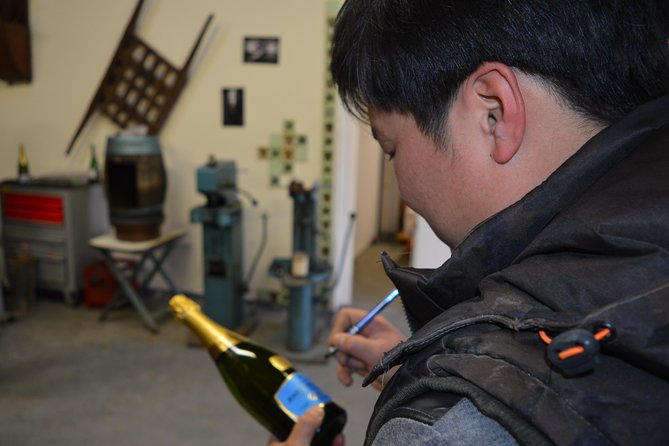
The big reason this tour feels efficient is that it’s not just “see towns, sip randomly.” You’re getting a structured comparison across three different producer experiences in Reims, Epernay, and Hautvillers.
Here’s what that means for you:
- You’ll likely taste different styles because you’re working with different houses, not the same facility repeated three times.
- You’ll get multiple angles on production: historical context in Reims, method-focused explanations in Epernay, and a more personal, family-driven perspective in Hautvillers.
- You reduce the stress of planning. You don’t have to map out which cellars to choose or worry about timing between towns.
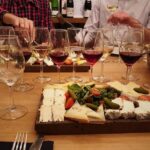
The tour also includes a delicious lunch with plenty of Champagne to taste, which came through clearly as a favorite in the feedback. If you’ve ever done a “tasting tour” that ends up feeling like you paid for a glass and a brochure, this is the opposite. The day is built around the actual tasting experience.
The downside, stated plainly
If you hate tasting days or you’re trying to stay strictly sober, this tour may be harder to enjoy. You’ll have multiple tasting opportunities across the day, and the lunch includes wine and coffee. You don’t have to drink everything, but you should come with a plan for pacing.
Food, pace, and how to get the most out of all that tasting
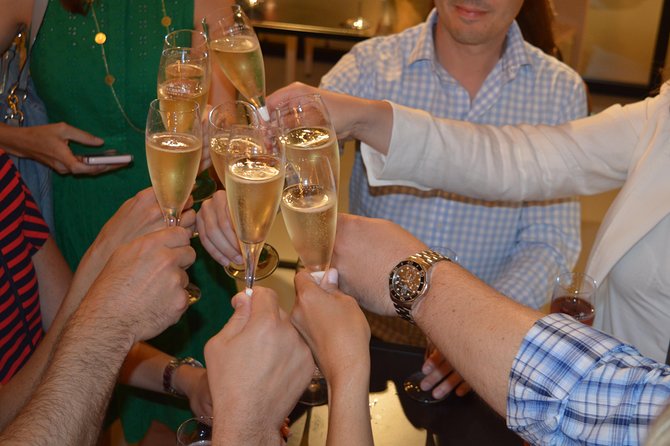
With a schedule that includes tastings in multiple towns plus a full lunch, your success on this tour depends on how you pace yourself. Here’s what I recommend, practically:
- Start with a light mindset. Treat your first tasting as a warm-up, not a final test.
- Use water between tastings if it’s available to you during the stops.
- Eat the lunch like it’s part of the tasting. The 3-course meal helps you “reset” your palate.
- Take notes with just a few words—sweetness, dryness, acidity, toastiness—so the comparisons stay clear.
Also, wear shoes you don’t mind for short walking sections around historic sites and cathedral areas. You’re not doing a marathon, but you will be moving.
Timing: why the order matters
Reims gives you place and history first. Epernay then gives you production explanation with a tasting finish. Hautvillers adds heritage and an owner-led touch. That order is useful. By the time you reach Hautvillers, you’ll have a better sense of what makes one Champagne different from another.
Price and what $445.31 buys you in real-world value
At $445.31 per person for an approximately 12-hour day, the question isn’t just whether Champagne is expensive (it is). The question is whether you’re getting enough value to justify the full-day commitment.
For me, the value case here is strong because you’re not only paying for transport and entry tickets. You’re paying for:
- three distinct visits to different Champagne houses
- guided learning tied to production and local context
- a real lunch (3 courses with wine and coffee)
- a small group size (max 8), which reduces waiting and increases attention
That’s a lot more than a basic tasting “stopover.” If you want the best return on your time in the region, this format is designed for exactly that.
Is it cheaper than planning your own day? Often, yes, if you’re willing to do the booking and timing yourself. But if you want to remove friction and get a structured day with multiple producers, the price starts to make sense.
Who this tour fits best (and who should think twice)
This tour is ideal if you:
- want to see more than one Champagne house without spending days planning
- enjoy learning from locals and guides who can tie Champagne to place
- like the mix of history + tastings, not just one or the other
- value a small group over a big coach experience
It may be less ideal if you:
- dislike long days and early starts
- want only minimal alcohol sampling
- prefer very free-form travel with lots of independent wandering
Should you book Paris Wine Day Tours Champagne Day Tour?
I’d book it if your top priority is a structured Champagne day that gives you variety—Reims for the cathedral-and-history mood, Epernay for the method-and-cellars focus, and Hautvillers for Dom Pérignon plus a family-house tasting with the owners. The small group size and the fact that lunch is a proper 3-course sit-down push it from “nice outing” into “good use of a full day.”
If you’re choosing between Champagne experiences in the area, this one makes a clear promise: you’ll come away understanding how Champagne is made and how different houses interpret it, not just collecting bottles.
FAQ
What time does the tour start and where is the meeting point?
The tour starts at 7:00 am from Porte d’Orléans, 75014 Paris, France. The activity ends back at the meeting point.
How many people are in the group?
This experience has a maximum of 8 travelers.
How long is the Champagne tour?
The tour duration is about 12 hours.
Is the tour offered in English?
Yes. The tour is offered in English.
What stops are included during the day?
The tour includes stops in Reims, Epernay, and Hautvillers, with Champagne house visits and tastings at each stop. It also includes the church and the grave of Dom Pérignon in Hautvillers.
Can I get a full refund if I cancel?
Yes. You can cancel up to 24 hours in advance for a full refund. If you cancel less than 24 hours before the start time, the amount paid is not refunded.