REVIEW · AVIGNON
Avignon: Historic District Guided Food & Wine Walking Tour
Book on GetYourGuide →Operated by _Do Eat Better Experience · Bookable on GetYourGuide
Avignon has a way of making your stomach pay attention first. This guided food-and-wine walking tour turns the medieval streets into a tasting route, starting at the Palais des Papes and ending by the bridges everyone photographs. And with guides like Nastassja, Clara, Laur, and Zahra steering the group, you get both flavor and city context without feeling like you’re on a scavenger hunt.
I love the way the stops are built around classic Provençal products like olive oil, tapenades, and regional sweets, with at least four food moments along the way. I also like the history weaving in as you walk, especially around the old-town core—because you’re not just eating, you’re learning why those places mattered.
One thing to consider: this is a 210-minute walk inside the historic center, so you’ll want comfortable shoes and patience for a steady pace. Also, it’s not suitable for mobility impairments, and you won’t be carrying luggage since large bags aren’t allowed.
In This Review
- Key highlights worth planning for
- Why Avignon’s flavors make this walk worth it
- The $89 value: tastings plus a guide, not just snacks
- Where you’ll start: Palais des Papes and a simple meet-up
- Rue Carnot: the warm-up walk where food comes into focus
- Les Halles d’Avignon: market energy and Provençal ingredients
- Rue de la République: architecture plus more stops to eat
- Place des Corps Saints: a historic pause that still tastes local
- Pont Saint-Bénézet and the finish at Pont d’Avignon
- What you’ll probably taste: Provençal hits with seasonal swaps
- Wine and cheese: how the drink fits the walk
- Pace and comfort: you’re walking for 210 minutes
- Who this tour suits best (and who should skip)
- What makes the guide matter: asking better questions
- Should you book this Avignon Food & Wine Walking Tour?
- FAQ
- How long is the Avignon Historic District Guided Food & Wine Walking Tour?
- Where do I meet the guide?
- How much does the tour cost?
- How many food stops are included?
- Is an alcoholic drink included?
- What tastings might I try?
- What languages are the tours offered in?
- Is hotel pickup or drop-off included?
- Is the tour suitable for people with mobility impairments?
Key highlights worth planning for
- Palais des Papes start, bridge finish: you’ll move through the most photogenic landmarks on foot.
- At least 4 food stops plus a drink and water—built for people who actually want to eat.
- Provençal staples: think onion tart, olive oil, tapenades, cheese, and local biscuits.
- Small group size (max 12) makes it easy to ask questions as you go.
- Guide-led history that explains what you’re seeing while you’re tasting.
Why Avignon’s flavors make this walk worth it
Avignon sits in Provence, where the food tends to be simple, loud, and ingredient-driven. You’ll see that reflected in the tour’s focus: aromatic herbs, tomatoes, olive oil, sun-ripened fruit—and a good glass of Côte du Rhône when wine is on the menu. It’s the kind of place where “seasonal” isn’t a marketing word. It changes what you taste.
What makes this tour more than a checklist is the rhythm. You’re walking through historic streets, then stopping to taste, then walking again. That pace helps you connect flavors to the places you’re standing in. By the time you’re near the bridge area for the final stretch, the city feels less like a postcard and more like a lived-in neighborhood.
You can also read our reviews of more tours and experiences in Avignon.

The $89 value: tastings plus a guide, not just snacks
At $89 per person for about 210 minutes, you’re paying for three things: time, guidance, and access to well-chosen food stops. The tour includes a tour guide, at least four food stops, and one alcoholic drink plus water. That matters because in cities like Avignon, it’s easy to spend just as much trying to recreate the same tasting “chain” on your own—and you still might miss the best small shops.
The sweet spot here is that you’re not just tasting random bites. The tour is set up for a spread of Provençal favorites. Depending on the season and partner availability, you may encounter onion tart (pissaladière), olive oil and tapenades, a typical Provençal dish, homemade cake, and traditional Provençal biscuits. That’s a lot of variety for a single afternoon or early evening.
And because the group is capped at 12, the guide can keep things moving without turning it into a cattle-car situation. That makes the experience feel friendly, even when you’re hitting multiple stops.
Where you’ll start: Palais des Papes and a simple meet-up
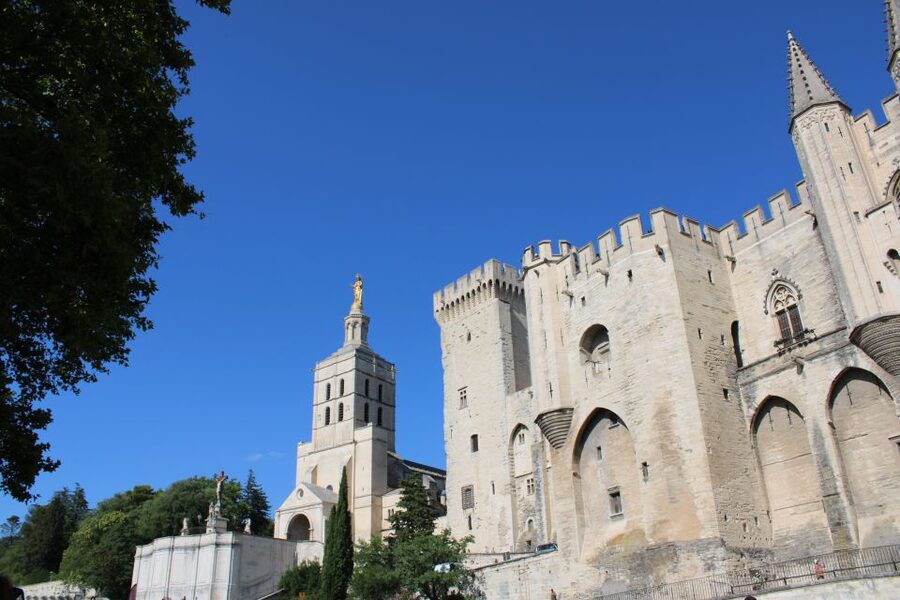
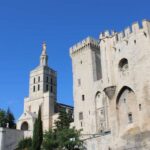
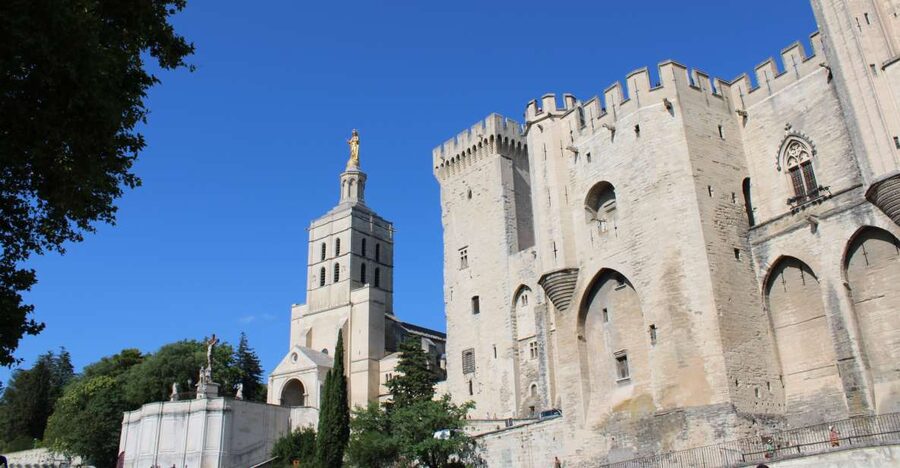
The meeting point is in front of the Palais des Papes, below a small entrance door on the right, near the black stairs. It’s specific, and that’s a good thing. Avignon’s center can be confusing at first glance, so having a clear landmark to aim for saves stress.
Expect a warm-up moment where you get oriented fast. The route starts right in the heavy-hitters zone, meaning you don’t waste your first 30 minutes “finding the city.” You’re already in the thick of it—stone courtyards, medieval lanes, and the kind of atmosphere where you can feel why people keep returning.
Rue Carnot: the warm-up walk where food comes into focus
The first walking segment takes you down Rue Carnot, and you’ll do two jobs at once: sightseeing and food tasting. This is a smart start because it gets your senses working early. You’re not waiting until late in the tour to begin eating.
Rue Carnot is also a practical beat. It helps you settle into the group pace, and it sets expectations for what the rest of the route will feel like. If you’re the type who gets hangry quickly, this early tasting is a relief.
A quick practical note: dress for walking through uneven old-town streets. The tour is about enjoying what you find, not racing the city with perfect timing.
Les Halles d’Avignon: market energy and Provençal ingredients
Next up is Les Halles d’Avignon, a key stop that adds both food and city texture. Markets like this matter in Provence because they’re where the ingredient culture shows up in real life. You’re in a place designed for food—so tasting here feels natural, not staged.
Even when the exact items shift seasonally, the point stays the same: you learn what the region actually sells and values. This is where olive oil culture and tapenade culture make more sense. You’re seeing how products move from shop to table, then trying them in a way that’s meant for sampling.
In the reviews, one tasting highlight that comes up often is olive oil-related spreads and flavors—so if you’re the type who loves to notice how small differences change everything, you’ll likely enjoy this part.
You can also read our reviews of more food & drink experiences in Avignon
Rue de la République: architecture plus more stops to eat
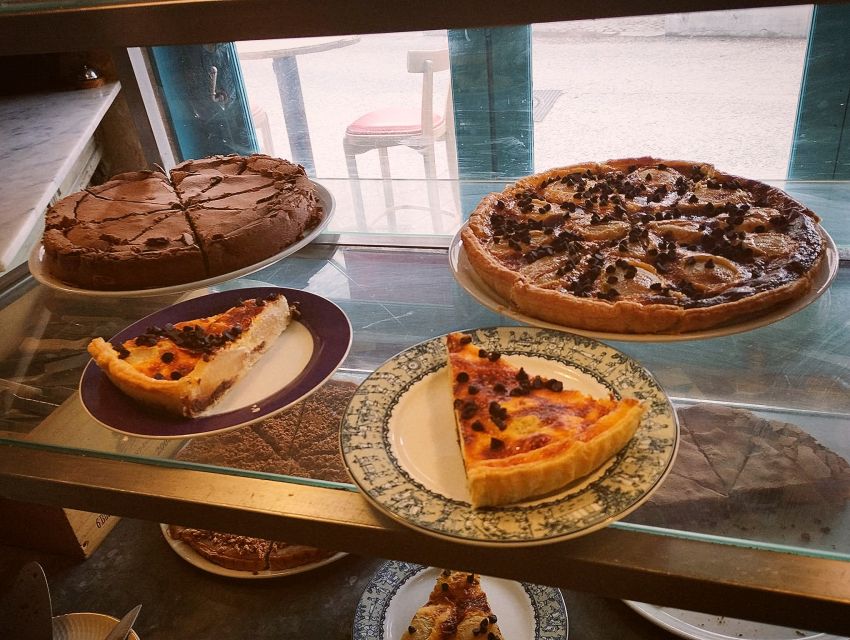
Rue de la République is your next stretch, again mixing sightseeing with more tasting. This section matters because it shows you Avignon beyond just the first monument you notice. You’ll spot details that a map won’t explain—street rhythm, storefront types, and the way the old city organizes around food.
This is also where the tour’s structure helps. By now, you’re accustomed to stepping aside for tastings, then walking to the next point. That flow keeps the experience from feeling like “one long walk interrupted by snacks.”
If you’re thinking about timing, remember this tour is 210 minutes. That means you don’t get hours at each site, but you do get a solid sequence of stops without the typical guided-tour scramble.
Place des Corps Saints: a historic pause that still tastes local
At Place des Corps Saints, you’ll get another layer of context along with tasting. Places like this often look like they were made for travelers to photograph, but on this kind of tour, they become more than scenery. The guide’s job here is to connect the stones to the city’s rhythms—how people gathered, how food culture anchored daily life, and why certain spots stayed important.
The tasting at this point keeps you grounded. Instead of letting the walk become mostly sight-focused, you get a food moment that matches the setting. It’s one of those “history with taste attached” stops.
Pont Saint-Bénézet and the finish at Pont d’Avignon
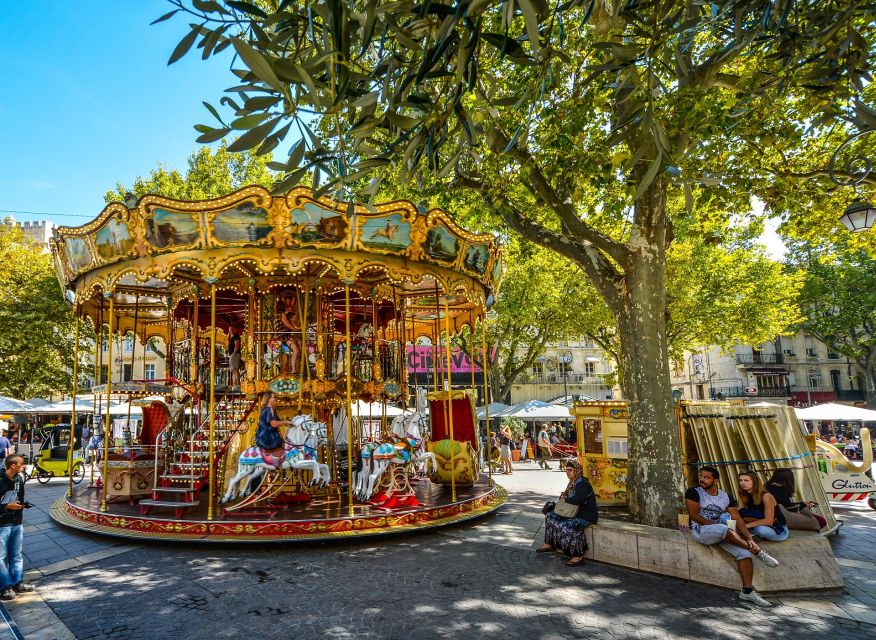
Then you head toward Pont Saint-Bénézet and finish at Pont d’Avignon. The bridge area is the emotional payoff: Avignon’s skyline and the river views bring your senses back to the outside world after hours in old streets.
This is also a practical finish. You’ve been walking and tasting for about three and a half hours, so ending near a landmark zone makes it easier to transition to your next move—dinner, a stroll, or a quick look around.
If you love photos, this is where you’ll get them. And if you don’t care about photos, it’s still a useful way to close the tour because the final stretch is more open and relaxing than the tight lanes earlier on.
What you’ll probably taste: Provençal hits with seasonal swaps
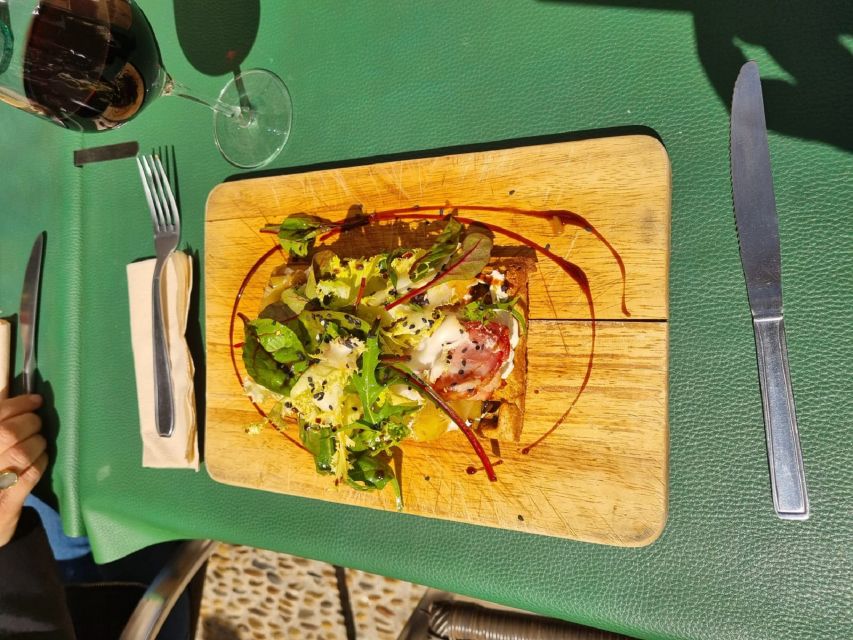
The tour is built around a menu of Provençal staples, but offerings can vary by season and partner availability. That flexibility is common in food tours, and it’s worth it—you’re tasting what’s actually good right now, not what the tour flyer promised six months ago.
Here are the tastings specifically listed as possible:
- Pissaladière (lunch only): a Provençal onion tart. Expect savory, aromatic flavors that feel very regional.
- Olive oil and tapenades (lunch only): tapenade is where olive oil culture becomes real—rich, salty, and usually served as a spread or bite.
- Local cheese and wine (dinner only): this is the classic pairing angle, and it fits the region’s reputation for dairy plus Rhône wine.
- A typical Provençal dish with local ingredients: this helps you move beyond spreads and sweets.
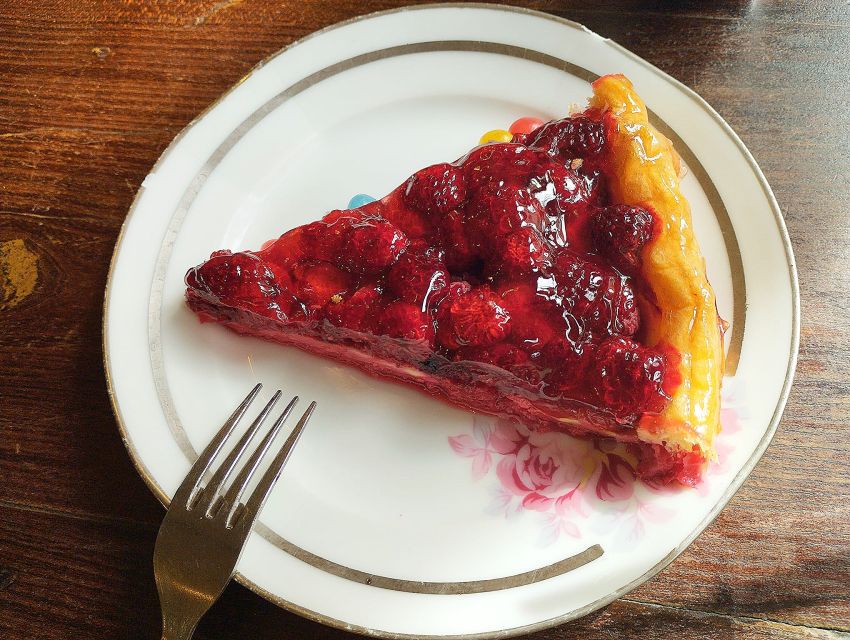
- Homemade cake: a dessert stop that feels less like a random cookie break.
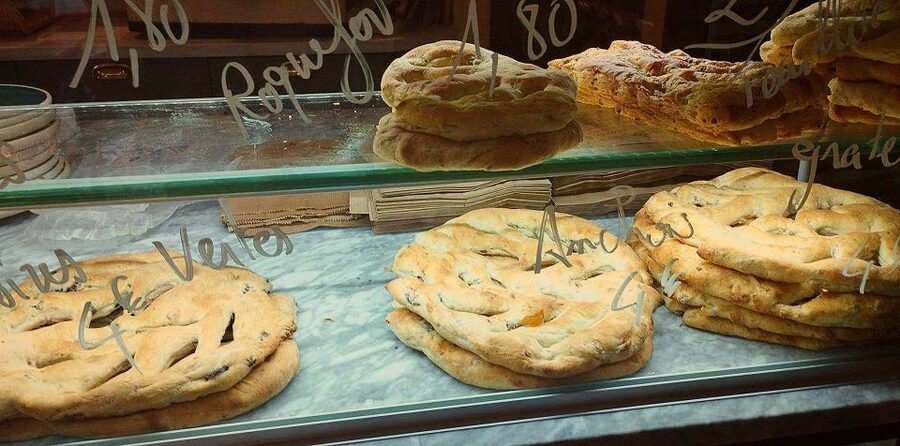
- Traditional Provençal biscuits: a take-a-step-below-cake kind of sweet, often more “everyday local” than fancy.
One review detail to keep in mind: you may also run into nutty or spread-style items that go beyond the basic list, since local shop partners vary. If you love tasting spreads and noticing texture changes, you’ll probably enjoy the middle of the tour as much as the final sweet moment.
Wine and cheese: how the drink fits the walk
You’ll get one alcoholic drink included, and water is included too. The wine/cheese combination is listed as a possible dinner-only tasting, so depending on when your departure lands, your drink might pair with cheese or come in a different format.
Either way, the key value is that the drink is part of the route, not an extra you go buy later. That keeps your experience consistent. And since Avignon is in Côte du Rhône territory, tasting here has extra meaning—you’re drinking with the region’s food logic in mind.
If you prefer non-alcoholic options, the provided details only guarantee one alcoholic drink. So check in with the operator before booking if you have strong preferences.
Pace and comfort: you’re walking for 210 minutes
This isn’t a sit-down meal tour. It’s a walking tour with tastings, lasting 210 minutes. For me, that’s the main “planning factor.” You’ll want comfortable clothes and shoes that can handle old-town surfaces. A quick rule: if you wouldn’t wear it for a long neighborhood walk, don’t wear it here.
The tour is also small. Minimum is 2 people to operate, maximum is 12. That size supports interaction and questions, and it tends to make stops feel less rushed than bigger group tours.
One more thing: luggage or large bags aren’t allowed. If you’re carrying a day pack, keep it manageable and easy to move around with.
Who this tour suits best (and who should skip)
This works especially well for you if:
- You want a first-time feel for Avignon’s old center without studying maps for days.
- You love Provençal food and want multiple tastings in one afternoon.
- You enjoy walking tours that explain what you’re seeing as you go.
- You like small-group experiences with a real guide voice.
It’s not the best match if:
- You have mobility limitations. The tour is not suitable for people with mobility impairments.
- You need a low-steps, minimal-walking experience.
If you’re traveling with a partner, this is also a strong date choice. The route has enough variety—market-style stop, historic squares, bridge views—to keep the conversation going and your appetite satisfied.
What makes the guide matter: asking better questions
Many of the standout comments in the provided feedback focus on the guide personalities and teaching style. People repeatedly mention that guides like Nastassja, Clara, Laur, and Zahra bring energy and local affection. That’s not just nice for the moment. It changes how you experience the food.
A good example: several guests emphasize that guides didn’t stop at tastings. They shared history context and offered practical suggestions for where to eat and what to notice next. So after the final bridge stop, you’re more prepared to choose your next meal instead of guessing.
My advice: when the group is gathered at each tasting spot, ask one question. One. What ingredient matters most here? Why this dish? That simple question often leads to the best stories.
Should you book this Avignon Food & Wine Walking Tour?
Book it if you want a structured, flavorful way to see Avignon in about three and a half hours, with real tastings, a small group, and history built into the walk. At $89, you’re paying for multiple food stops plus a guide, not just sampling a few bites on your own. That’s solid value, especially if you’d otherwise spend time figuring out where to go.
Skip it if walking is difficult for you or if you need a slow, sit-and-stay meal pace. It’s built for movement.
If you’re on the fence, I’d choose this tour because it hits the sweet spot: Provençal food you can taste right away plus a route through Avignon’s main landmarks that ends with big views at the bridges.
FAQ
How long is the Avignon Historic District Guided Food & Wine Walking Tour?
The tour lasts 210 minutes.
Where do I meet the guide?
Meet in front of the Palais des Papes, below the small entrance door on the right, near the black stairs.
How much does the tour cost?
The price is $89 per person.
How many food stops are included?
The tour includes at least 4 food stops.
Is an alcoholic drink included?
Yes. One alcoholic drink is included, along with water.
What tastings might I try?
Possible tastings include pissaladière (lunch only), olive oil and tapenades (lunch only), local cheese and wine (dinner only), a typical Provençal dish, homemade cake, and traditional Provençal biscuits.
What languages are the tours offered in?
The tour guide speaks English and French.
Is hotel pickup or drop-off included?
No. Hotel pickup and drop-off are not included.
Is the tour suitable for people with mobility impairments?
No. It is not suitable for people with mobility impairments.