REVIEW · AVIGNON
From Avignon: Wine Tour with Visit to Châteauneuf du Pape
Book on GetYourGuide →Operated by Ventourisme · Bookable on GetYourGuide
Three wine towns, one smart half-day. From Avignon, Arnaud with Ventourisme drives you through three iconic appellations and turns the countryside into a tasting lesson you can actually enjoy. I love that you sample at least 9 wines across 3 different estates, not just a quick stop and a shrug.
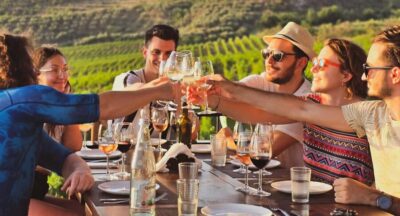
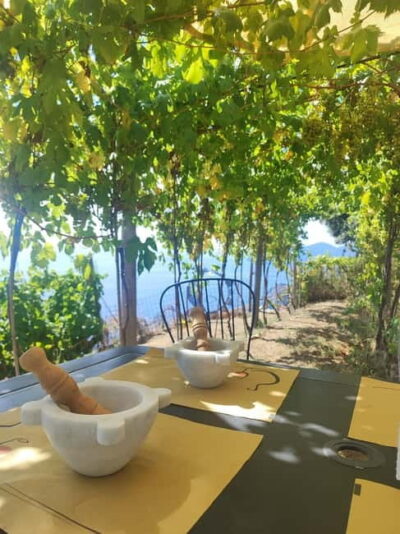
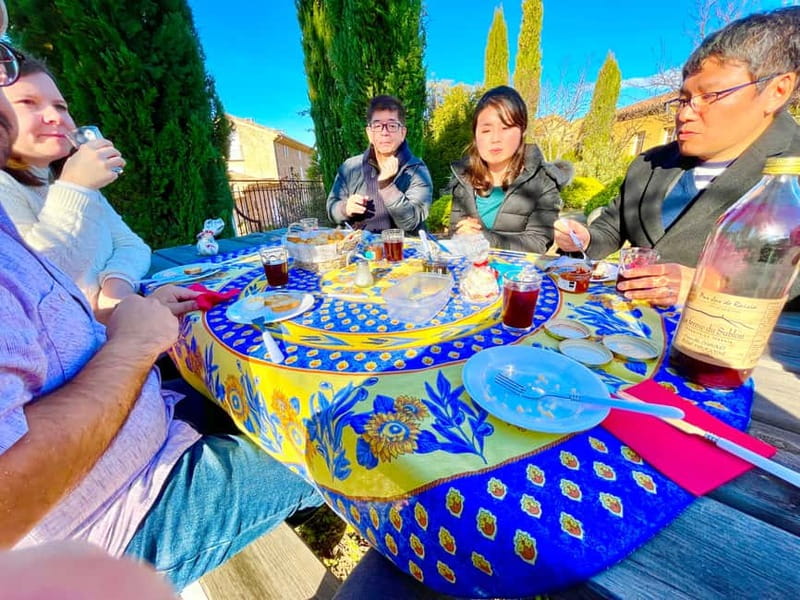
My favorite part is the local picnic for April to October morning departures, when you get farmer-made snacks alongside the tasting flow. You’ll also get big, photogenic vineyard views with mountains in the background, the kind that make your camera work overtime.
One consideration: food is not always included. The picnic only comes with the morning tour (April–October), while afternoon and November–March departures are tastings without a meal.
In This Review
- Key things I’d circle before you book
- South Rhône wine tasting from Avignon: why this route works
- Morning vs afternoon vs winter: when the picnic shows up and stops change
- Beaumes-de-Venise: Muscat country under the Dentelles de Montmirail
- Gigondas: Mistral-blown vineyards and the taste of altitude
- Châteauneuf-du-Pape: river stones, big red style, and 1936 AOC status
- What $93 buys you: real value in a tight half-day
- Your guide and transport: Arnaud, Ventourisme, and a calm pace for questions
- How to make the most of tastings without overdoing it
- Who should book this Rhône Valley tour from Avignon
- Should you book this tour?
- FAQ
- How many wineries and wines are included?
- Where do I meet the guide?
- Is pickup available if I’m not staying in Avignon itself?
- Are meals included?
- How long is the tour?
- What routes do different seasons use?
- What languages does the guide speak?
- Is it a small group?
- Is there any luggage or equipment restriction?
- FAQ
- What if weather forces a cancellation?
- Can I cancel and get a refund?
Key things I’d circle before you book
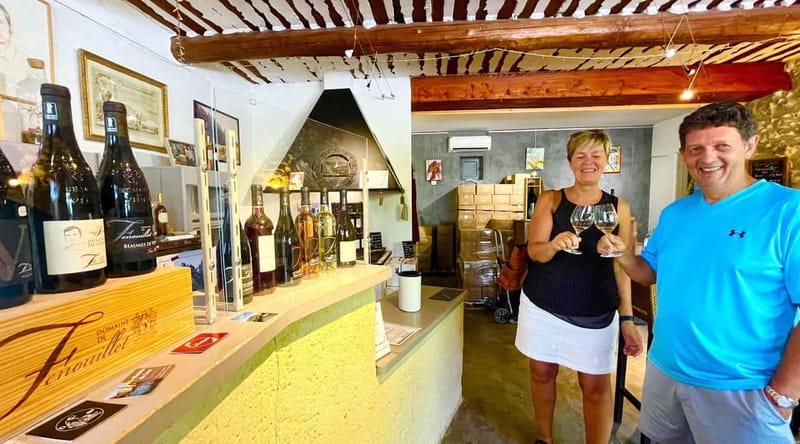
- At least 9 wines across 3 wineries in Beaumes de Venise, Gigondas, and Châteauneuf-du-Pape
- Beaumes de Venise’s Muscat terroir sits on the southern face of the Dentelles de Montmirail, sheltered from the worst wind
- Gigondas fights the Mistral about 150 days a year, which helps vines stay healthier in this climate
- Châteauneuf-du-Pape centers on river stones, with wines built for long aging (often 20–30 years)
- Small group cap of 6 means more questions and calmer tastings, not a sprint through rooms
- Morning April–October picnic uses fresh local farm produce like olives tapenades, goat cheese, fruit, and juice
South Rhône wine tasting from Avignon: why this route works
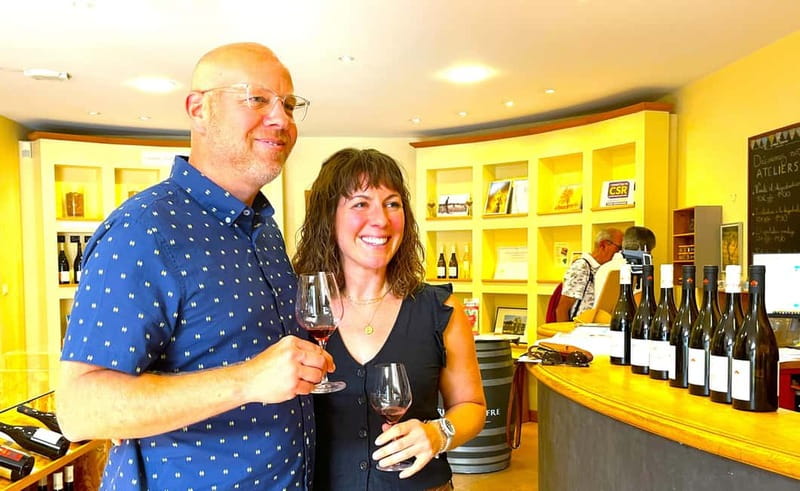
This tour is built around three places that really explain the Rhône in a way a map can’t. Beaumes de Venise gives you Muscat-focused South Rhône flavors, Gigondas shows you what wind and altitude do to red and rosé styles, and Châteauneuf-du-Pape delivers the famous red-wine power made from its distinctive stone-rich soils.
You also get the best kind of travel day: one driver, one plan, and enough time at each stop to talk with the people pouring the wine. Arnaud has a track record for pacing the day well, with time for questions, and he’s easy to talk to in both French and English.
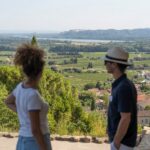
Then there’s the setting. Between vineyard rows and the Dentelles de Montmirail mountain ranges, the day has those wide views where you can see why this region became a world-class wine center. If you like taking photos, you’ll find plenty of moments where the vineyards look custom-made for a camera roll.
You can also read our reviews of more wine tours in Avignon

Morning vs afternoon vs winter: when the picnic shows up and stops change
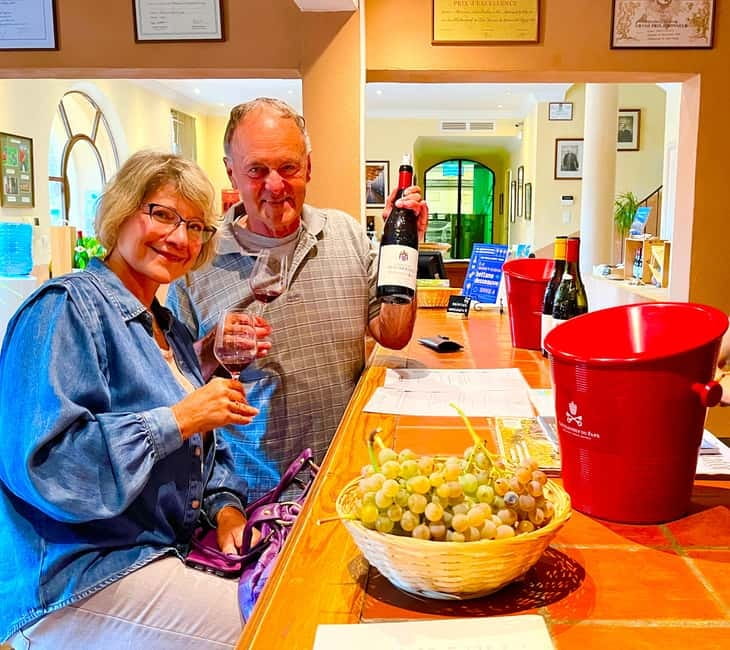
You’ll choose a departure time that matches your appetite for food and your tolerance for shorter days.
- April to October, morning (around 9:30 am to about 3:30 pm): this is the full experience with tastings and a picnic during the day. You’re set up for Beaumes de Venise, Gigondas, and then Châteauneuf-du-Pape, in that order. The tasting count stays the same idea: a minimum of 9 wines across 3 estates.
- All year, afternoon (about 2:00 pm to around 6:30 pm): same wine route in the opposite direction, meaning Châteauneuf-du-Pape first, then Gigondas, then Beaumes de Venise. Tastings happen, but there’s no meal included.
- November to March (about 9:30 am to around 12:30 pm): the tour is shorter and visits only 2 estates (either Gigondas or Beaumes), then stops in Châteauneuf-du-Pape. Again, no picnic.
So, if your main goal is to eat and drink slowly in the vineyards—April to October morning is the sweet spot. If you’d rather keep it light and save the rest of your day for Avignon, the afternoon option fits well.
Beaumes-de-Venise: Muscat country under the Dentelles de Montmirail
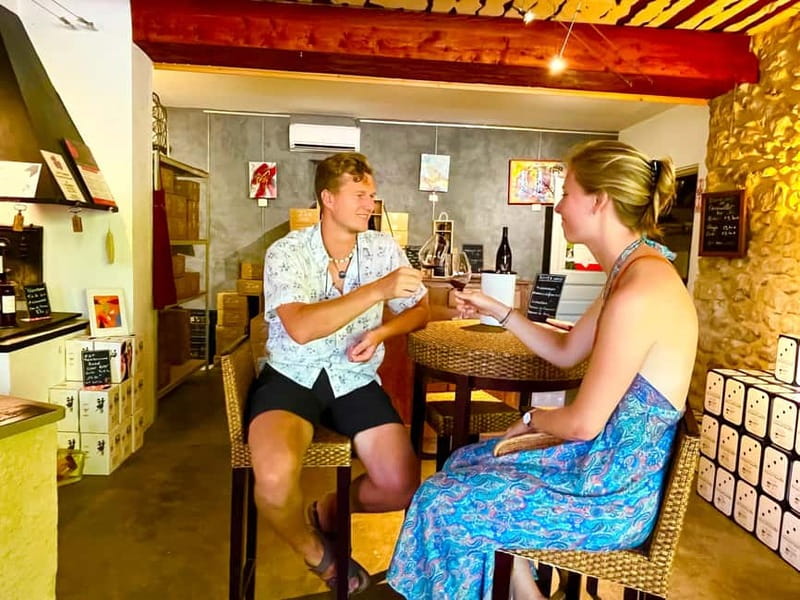
Beaumes de Venise is the friendly on-ramp to the Southern Rhône, and it starts with how the land is shaped. This area sits on the southern face of the Dentelles de Montmirail, which acts like a windbreak. It’s often warmer and less windy than other nearby vineyard zones, and that matters for grape ripening and for the style of wines you’ll taste.
Expect a real focus on Muscat, including the natural sweet version that’s been protected as an AOC since 1943. Muscat here works in classic ways: as an aperitif, with desserts, or paired with things like blue cheese and charcuterie. If you think sweet wine is only for dessert, this stop can change your mind fast—in a good way.
The terroir is described as limestone or sandstone with sandy or clay soils. You’ll feel the difference in how the wines balance fruit, sweetness, and texture, even if you’re new to these terms.
Also, don’t skip the red wine angle. Beaumes has a red AOC too, with a rule that winemakers can use up to 10% of white grapes in the blend (a detail that shows up in how these wines are made). Red is less the star than Muscat, but it’s part of the story of this appellation.
This stop is about 45 minutes of tasting, enough time to understand the region without feeling rushed.
Gigondas: Mistral-blown vineyards and the taste of altitude
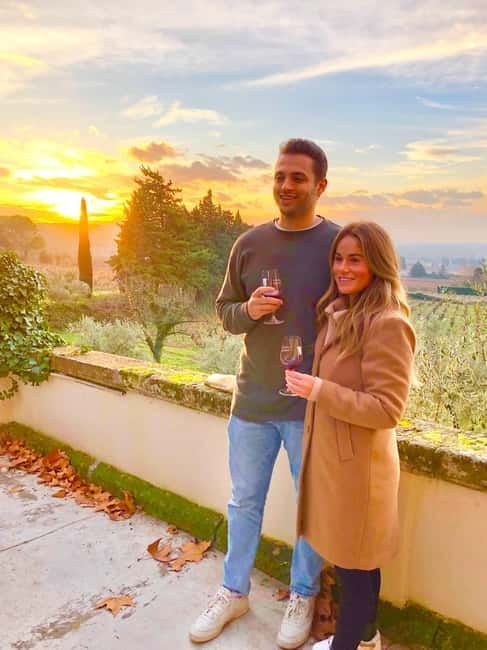
If Beaumes is the warmer, sheltered side of the Dentelles de Montmirail, Gigondas is the tougher customer. It sits on the north face, gets hit by wind, and it’s higher in elevation—around 100 to 600 meters. The mistral can blow roughly 150 days a year, even when it’s cold, and that wind plays a practical role: it helps push clouds away and can dry vines, which supports vineyard health.
That’s the key idea with Gigondas: the flavor isn’t just about grapes, it’s also about weather pressure. Sandy marls show up as a specific soil marker here, though you can also find clay soils, sandy soils, limestone, and sandstones. In plain terms, it’s a place where the ground and the climate push vines to make wine with real character.
This area is famous for red wine, long established as a major style. There’s also rosé made since 1971. White wine is a newer chapter—its AOC status is listed as 2023—so it’s not something you should expect to be the center of the spotlight on every tasting flight.
During the day, Gigondas is usually where you’ll get more variety in what you taste because the wines here can show darker fruit, savory edges, and firm structure. And yes, it’s scenic enough that you’ll want photos, especially with the vineyards stretching toward those Dentelles peaks.
Your Gigondas time includes about 1 hour of tasting, then (on morning departures) another hour built around food and local snacks. One helpful tip: don’t treat this as a heavy lunch. It’s set up as snack pacing—enough to reset your palate so the next tasting, especially Châteauneuf-du-Pape, lands well.
Châteauneuf-du-Pape: river stones, big red style, and 1936 AOC status
Châteauneuf-du-Pape is the headliner, and the region’s signature starts with the soil. Big river stones are a defining feature here, and they help create wines that are generally rich and built for long aging. The region is also described as historically important: it was the first AOC in France in 1936.
About the wine styles: the data you’ll see for this appellation is clear—92% red production and 8% white. So even if you’re mostly a red-wine person, it’s smart to pay attention to the white option too, if it’s offered during your tasting. The local approach can be different from what you may be used to elsewhere in the Rhône.
The tasting itself is scheduled for about 1 hour, with the estate pouring multiple wines (part of your total minimum of at least 9 across the whole day). This is the stop where you’ll usually taste the biggest differences in texture and depth, the kind of wines that tend to keep and evolve over time. The region’s wines are described as cellaring well for 20–30 years, which gives you context for why producers talk about balance and long-term aging.
A small note to keep things fair: one experience described a Châteauneuf stop where the samples felt more youthful than expected. Wine styles, vintages, and what an estate pours can vary. If you’re sensitive to that, I’d still treat Châteauneuf as the most likely place to taste the region’s signature, but understand it won’t always mean every pour feels instantly mature.
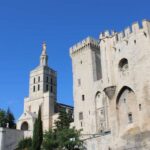
If you’re interested in more than wine, there’s also a chance for an extra local moment—one group shared that Arnaud added an impromptu castle visit in Châteauneuf-du-Pape when they showed interest. That’s not something I’d bank on, but it’s a good example of the guide adjusting to curiosity.
What $93 buys you: real value in a tight half-day
At $93 per person for about 3 hours (listed up to 330 minutes), the value isn’t just the price tag. It’s what’s included and how much you actually get to taste.
You’re paying for:
- a small group experience capped at 6
- pickup and drop-off in Avignon, starting and ending in front of Hôtel Le Bristol
- multiple tastings at 3 different estates
- a total tasting minimum of at least 9 wines, including Châteauneuf-du-Pape
- and, for April–October mornings, a picnic with fresh local produce
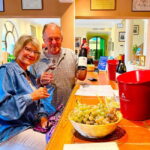
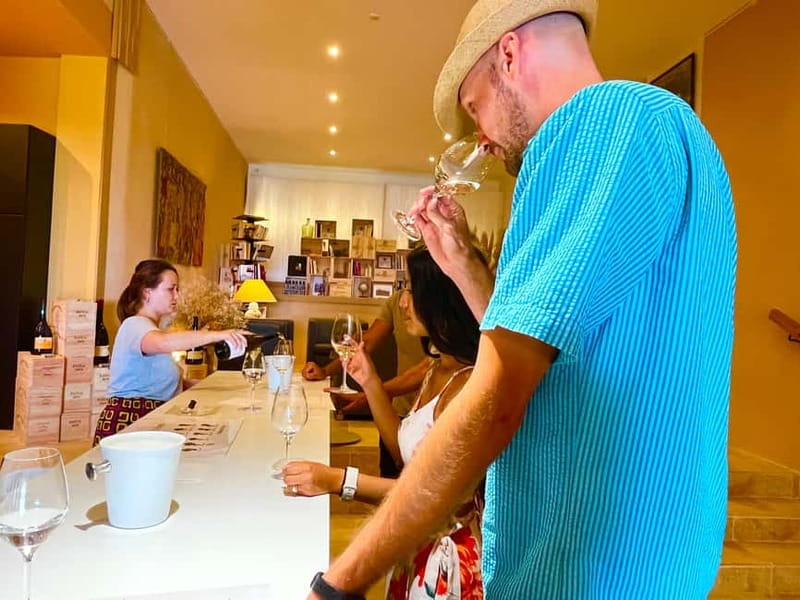
That’s a lot of wine touchpoints for the time. It’s also not set up like a conveyor belt. Many people appreciate that the guide’s pace leaves room for questions, and there’s no hard sales vibe in what you’ll do with purchases. You’ll have plenty of chances to decide what you truly want, instead of being pressured to buy before you’ve processed anything.
There’s also a trust signal in the numbers. The tour is rated 4.8 out of 5 across 94 reviews. That’s not a magic guarantee, but it does suggest consistent quality in guide delivery and estate choice.
Your guide and transport: Arnaud, Ventourisme, and a calm pace for questions
Your guide is Arnaud, operating under Ventourisme. You’ll meet in front of Hôtel Le Bristol Avignon, and the car is described as black with Ventourisme on the sides. You’ll be with a live guide who speaks French and English, and the day is planned to keep conversations flowing during the drive between estates.
One thing I really like about this setup is that the guide seems to treat wine education as practical. In plain terms, you get explanations tied to what you’re seeing outside—why this part of the Dentelles changes wind, why soils differ, and why that leads to different flavors in the glass.
The car is comfortable for the group size, and the driving is described as smooth and safe. Still, a practical heads-up: the vehicle is a small-group car. One comment specifically mentioned it felt a bit cramped for a group of three, so if you’re very space-sensitive, consider that reality when you decide.
Also, the day can be affected by weather. The tour may be canceled due to conditions, so build in a little flexibility, especially if you’re tight on your Avignon schedule.
How to make the most of tastings without overdoing it
Wine tours are fun until you start feeling it. So I suggest a simple strategy.
First, go in with curiosity, not a checklist. Ask about what you’re tasting—sweet vs dry styles, why Muscat is treated differently here, or why Gigondas feels different because of wind and altitude. That kind of conversation makes the wines stick in your memory.
Second, pace yourself. With at least 9 wines in a few hours, you’ll want water breaks and time between pours. The morning picnic helps with that reset, but even on tastings-only versions, treat the gaps between estates as time to breathe and reset your palate.
Third, bring your best “photo brain.” Vineyard stops are naturally photogenic, so keep your phone ready when you’re at scenic viewpoints outside the wineries. You’ll also want to wear something comfortable for a countryside drive, since you’re spending the day on roads between multiple zones rather than walking long distances.
Lastly, respect the transport limits. Oversize luggage and large bags are not allowed, and walking frames aren’t permitted in the car. If you’re traveling light, you’ll feel instantly more comfortable.
Who should book this Rhône Valley tour from Avignon
This is a great fit if you want:
- a first serious introduction to Southern Rhône styles
- a route that connects appellation names to real terroir details (wind, stones, and soil)
- a guided day with just enough structure to avoid stress
- and, for many people, the added joy of a countryside picnic during the morning season
It may not be the best match if:
- you need a very spacious vehicle
- you’re looking for a full-day, multi-stop lunch experience in every season
- you have health situations listed as not suitable, including pregnancy or heart problems
If you’re visiting Avignon and want a wine day that feels local and not staged, this route makes sense.
Should you book this tour?
Yes, if your goal is a compact Rhône wine education with real tasting time at Beaumes de Venise, Gigondas, and Châteauneuf-du-Pape. The mix of soils and climate explanations, plus the fact you taste at least 9 wines in small-group settings, makes the day feel like value rather than just time spent in a van.
If you want the food side too, choose the April–October morning departure for the farmer picnic. If you’d rather keep it light, the afternoon or winter options still give you the key wine stops—without the meal.
FAQ
How many wineries and wines are included?
The tour visits 3 wineries, with tastings of at least 3 different wines in each place for a minimum of at least 9 wines total, including Châteauneuf-du-Pape.
Where do I meet the guide?
The tour starts and ends in front of Hôtel Le Bristol in Avignon. The guide’s car is black with Ventourisme on the sides.
Is pickup available if I’m not staying in Avignon itself?
If you don’t stay within Avignon, you should contact the provider. The tour may be able to arrange a better pickup place.
Are meals included?
Only the morning tour (April to October) includes a picnic with fresh local farm products. Afternoon tours and November to March tours do not include meals.
How long is the tour?
It runs about 3 hours, listed as up to 330 minutes, depending on the departure time and season.
What routes do different seasons use?
April to October mornings go Beaumes-de-Venise, Gigondas, then Châteauneuf-du-Pape, with the picnic included. Afternoon departures reverse the order. November to March includes only 2 estates (either Gigondas or Beaumes) plus Châteauneuf-du-Pape, without meals.
What languages does the guide speak?
The live guide offers French and English.
Is it a small group?
Yes. It’s limited to a small group of up to 6 participants.
Is there any luggage or equipment restriction?
Oversize luggage and luggage or large bags are not allowed, and walking frames are not allowed in the car.
FAQ
What if weather forces a cancellation?
The tour can be canceled because of weather conditions.
Can I cancel and get a refund?
You can cancel up to 24 hours in advance for a full refund.