REVIEW · LA PALMA
La Palma: Roque de los Muchachos Stargazing Tour with Wine
Book on GetYourGuide →Operated by La Palma Transfer & Tours · Bookable on GetYourGuide
Saturn’s rings look better than any screen. I love the combo of sunset wine and real night-sky observing, and I also like how the guide turns the telescopes at Roque de los Muchachos into something you can actually understand. One thing to consider: it gets cold fast up at altitude, and the mountain-area stops don’t include convenient toilet access.
You’ll start with hotel pickup and a mountain ride, then watch the sky shift from sunlit to star-filled. The viewpoint is high—2,426 meters—and famous for astronomy. I also think the $65 price feels fair because transportation, a guide, a telescope session, and that included glass of wine are all wrapped into one plan; you’re not renting gear or self-driving dark roads.
In This Review
- Key Points You’ll Care About
- Roque de los Muchachos: The Sky Turns Serious
- The Itinerary: Pickup, Viewpoints, and That Sunset-to-Stars Transition
- Telescope Time: What You Can Expect to See
- Price and Value: Is $65 Worth It?
- Timing, Cold, and Practical Comfort (Without Sugarcoating)
- Who This Stargazing Tour Is Best For
- Should You Book La Palma Roque de los Muchachos Stargazing with Wine?
- FAQ
- Where does the tour pick me up?
- Do you enter the Roque de los Muchachos observatory?
- What’s included in the price?
- How long is the tour?
- What should I bring for stargazing?
- What happens on a full moon night?
- What languages are the guides available in?
- Can the tour be canceled due to weather?
- When will I be dropped back at my hotel?
- Does the tour include wine during sunset?
Key Points You’ll Care About
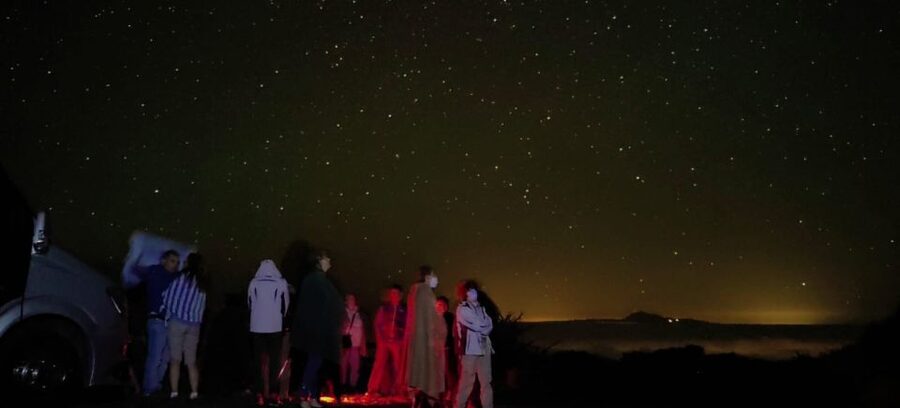
- Roque de los Muchachos at 2,426 meters: a top-quality stargazing viewpoint with telescopes lining the road.
- Sunset wine stop: one easy, scenic break before it turns fully dark.
- Telescope viewing (not observatory entry): you observe with a guide’s help, without going into the closed observatories.
- Guides who explain what you’re seeing: guides like Stefanie (and bilingual narration) make the sky feel less random.
- Cold-weather reality check: bring warm clothes and expect the mountain to bite.
- Full moon affects the show: the tour can’t run on full-moon nights due to visibility.
Roque de los Muchachos: The Sky Turns Serious
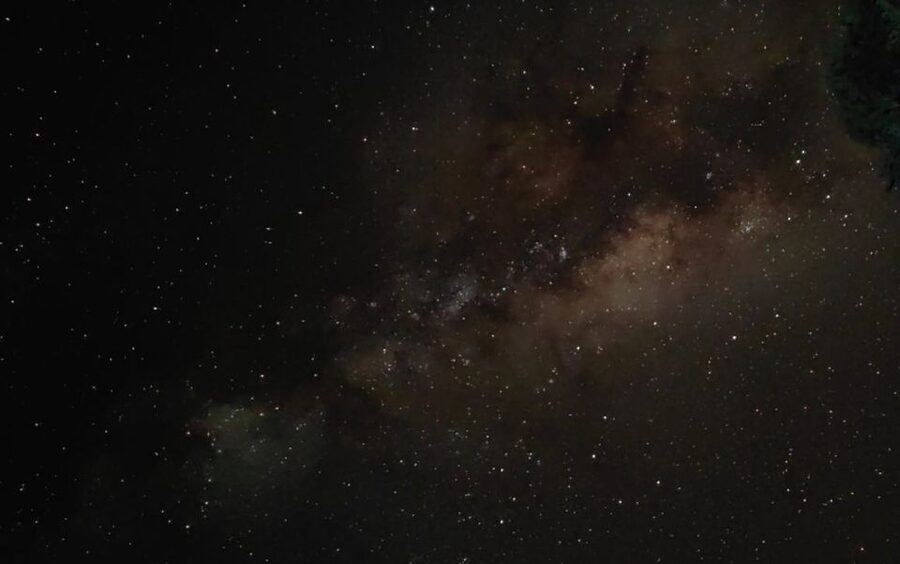
This tour is built around one very specific idea: if you want stars that look sharp and vivid, you go where the light is scarce and the air is steady. Roque de los Muchachos sits at 2,426 meters, and the whole area is known for astronomy. The payoff is not just “pretty stars.” It’s the sense that the night sky stops being background and starts being a show.
I like the fact that you don’t need to be an expert. The guide points out the telescopes along the road and explains why this location is so popular with astronomy folks. You’re not just staring upward—you’re learning what you’re looking at and why the place is built for it.
Also, you don’t need to drive up steep mountain roads at night. With pickup and drop-off, you can focus on enjoying the sky instead of white-knuckling a rental car. That safety piece matters more than you might think when you’re doing this far from town and after dark.
The Itinerary: Pickup, Viewpoints, and That Sunset-to-Stars Transition
The day runs long enough to feel like an event—about 6 to 7 hours—and it follows the natural rhythm of the sky: light first, then dark.
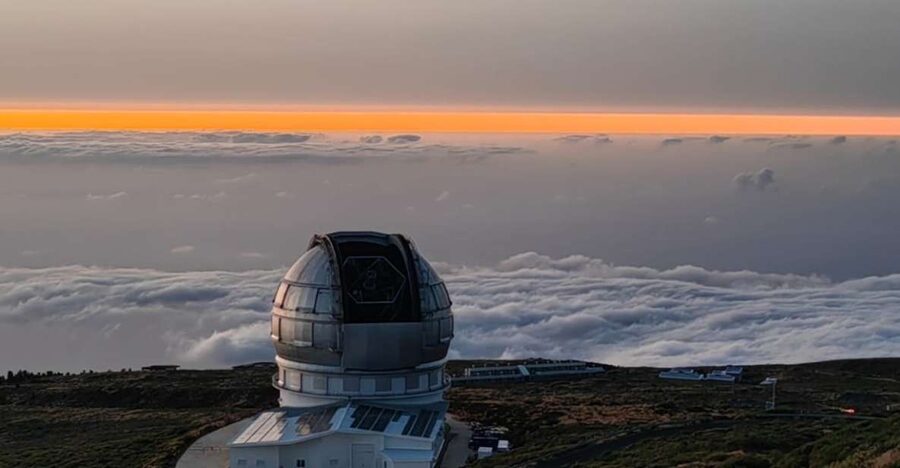
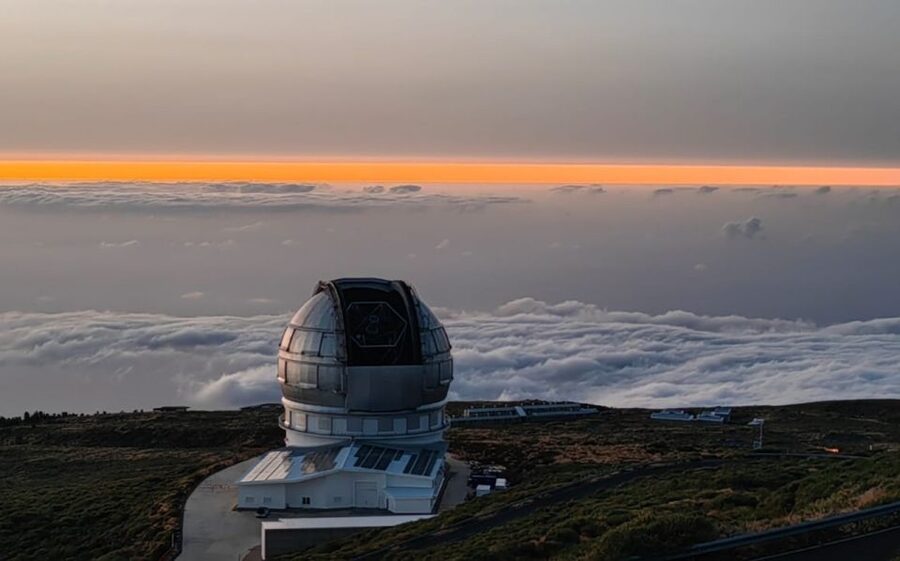
Pickup can be from Fuencaliente, Los Cancajos, Santa Cruz de La Palma, or Los Llanos (depending on what you book). Then you’ll head toward Roque de los Muchachos. The tour’s first big moment is arriving at the viewpoint and getting oriented. You’ll be at the high overlook where telescopes sit on both sides of the road, and your guide uses that backdrop to explain the different instruments and why this spot was chosen.
After that, you move to a nearby vantage point for sunset. This is where the included wine comes in—one glass as the sky warms with color and then fades toward night. It’s a smart pause. You get a comfortable human moment before the real stargazing starts, and it’s also a good chance to take photos while the light is still workable.
Then comes the main night-sky portion. Depending on weather, you go to an additional viewpoint for telescope observing. You’ll be guided through what to look for—stars, planets, nebulae, and star clusters—so you’re not standing there guessing. The tour is designed so you can actually connect the “what” with the “wow.”
One practical note: observatories themselves are closed at night, so you won’t enter the Roque de los Muchachos observatory. You do the observing from viewpoints and telescope setups the tour provides. That’s not a deal-breaker. It keeps the night schedule moving, and it avoids you waiting around at a closed facility.
Telescope Time: What You Can Expect to See
The telescope session is the heart of the tour, and it’s where the guide earns their keep. In the experience I’m describing here, guides like Stefanie (and others on multilingual nights) help you locate objects and understand what you’re looking at.
You can also expect that the tour doesn’t treat the night sky as one-size-fits-all. The guide picks what’s visible and prioritizes objects that feel rewarding even if you’ve never used a telescope before. From the firsthand observations tied to this tour, people have seen things like the Milky Way with the naked eye, and telescope views of major planets such as Saturn, including its rings and moons. You may also see star clusters and other deep-sky targets when conditions allow.
A useful thing to know: the tour generally runs in groups, with language-dependent guidance. One review described the party being split into groups by language, with a guide in each group to explain galaxies related to La Palma’s sky and show a few planets and stars through powerful telescopes. That structure helps you get time with the guide instead of being lost in a big group.
Also, don’t underestimate the naked-eye portion. When conditions are good, the dark makes a difference you can feel. Going from city lights to this mountain sky can be a wake-up call—one that makes you understand why astronomy is such a big deal here.
Price and Value: Is $65 Worth It?
At $65 per person, this is not an all-day “cheap attraction.” But it also isn’t overpriced when you compare what you get: hotel pickup and drop-off, a guided astronomy experience, telescope viewing, and one glass of wine.
What you’re really paying for is three things you’d struggle to replicate easily on your own:
- You’re using a professional guide who helps you see more than random points of light.
- You’re getting to high-altitude stargazing spots without managing night driving.
- You’re being scheduled for the best portion of the day-night transition (sunset into dark).
So the value depends on your goal. If you want a casual photo opportunity, you might feel this is pricier than you need. But if you want a night where you actually learn what you’re seeing and you want someone to point the telescope at the right objects, the price starts to make sense quickly.
Also, transportation is a hidden cost when you do this independently. The tour’s covered ride isn’t just convenience—it’s part of the “you’ll actually enjoy this” equation.
Timing, Cold, and Practical Comfort (Without Sugarcoating)
This is one place where the romantic idea of stargazing meets real-world comfort. The mountain is cold, and the schedule can mean you’re outside at night longer than you think. Reviews tied to this experience specifically recommend warm clothing, and I’m with them. If you dress like you’re going to dinner, you’ll be thinking about your hands the whole time.
Bring:
- Warm layers (seriously)
- A camera if you have one
- A charged smartphone (useful for photos and keeping track of the evening)
Another comfort issue: there’s no mention of toilet facilities being available during the mountain stops. One review called it out directly as a problem for the whole trip period. That means you should plan ahead and assume you’ll be uncomfortable if you need quick restroom access. If you’re the type who gets stressed by that, consider it a key factor in whether this tour fits your comfort level.
Then there’s the wine. Wine is included, but since the tour can be cold and long, don’t count on it being the main pleasure of the evening. Treat it as a nice extra, not a centerpiece.
Finally, expect timing to shift. The start time can change based on when the sun sets, and the tour returns to your pickup point between 22:00 and 01:00, depending on season and sunset timing. On some nights, road closures can also lengthen the ride.
Weather matters too:
- Routes may be canceled due to weather conditions, with the option to change the date during your stay or get a full refund.
- On full moon nights, the activity can’t take place because moonlight affects star visibility.
Who This Stargazing Tour Is Best For
This tour suits you if you want a guided night-sky experience with minimal hassle. It’s especially good for:
- First-timers who don’t know where to look
- People who want telescope views without learning the gear
- Anyone who prefers pickup/transportation over driving mountain roads at night
It may feel less ideal if:
- You hate cold outdoor waiting
- You strongly need restroom availability during long remote stops
- You’re expecting to wander inside open observatories (this tour does not enter observatories)
If you’re traveling with someone who wants both scenery and learning, this is a solid match. The sunset wine stop and the guided telescope session give you both a warm-to-cool visual arc and a real “now I get it” astronomy moment.
Should You Book La Palma Roque de los Muchachos Stargazing with Wine?
I’d book it if your priority is guided, high-quality stargazing without logistics headaches. The combination of Roque de los Muchachos viewpoints, a sunset stop with wine, and telescope observing with help from guides like Stefanie (plus a driver such as Max in some groups) makes it feel like a complete package, not just a bus ride with a quick stop.
On the other hand, if you’re sensitive to cold, uncomfortable with long outdoor time, or you’re counting on a clear, moonlit sky, you might want to double-check timing and moon conditions before committing. The tour also depends on weather, and routes can be canceled.
If you want a memorable night under one of the world’s best astronomy skies, this is a straightforward way to do it.
FAQ
Where does the tour pick me up?
Pickup is available from Fuencaliente, Los Cancajos, Santa Cruz de La Palma, or Los Llanos depending on the option you book.
Do you enter the Roque de los Muchachos observatory?
No. The tour does not enter the observatories, and observatories are closed at night.
What’s included in the price?
The tour includes hotel pickup and drop-off, a guide, telescope observation, and one glass of wine.
How long is the tour?
The duration is about 6 to 7 hours.
What should I bring for stargazing?
Bring warm clothing, a camera, and a charged smartphone.
What happens on a full moon night?
The activity cannot take place on full moon nights because moonlight affects star visibility.
What languages are the guides available in?
The live tour guide is available in German, Spanish, and English.
Can the tour be canceled due to weather?
Yes. Routes may be canceled due to weather conditions. If that happens, you can change the date during your stay or receive a full refund.
When will I be dropped back at my hotel?
You’ll be returned between 22:00 and 01:00, depending on sunset and the time of year.
Does the tour include wine during sunset?
Yes. You’ll have one glass of wine while watching the sunset at a viewpoint.