REVIEW · LA PALMA
La Palma: Bodegas Teneguia Winery Tour with Wine Tasting
Book on GetYourGuide →Operated by Bodegas Teneguía · Bookable on GetYourGuide
Volcanic vines make better wine. The Bodegas Teneguía tour in Fuencaliente gives you real-world volcanic soil context, then follows it through how the winery processes grapes. I also like that you get vineyard views while you’re settling in, so the experience doesn’t feel like you’re locked inside a lecture hall.
Two big wins here: you’ll walk through the wine-making flow from grape to bottle, and you’ll end with a focused tasting of the winery’s best-quality wine. One heads-up: the tour runs about an hour on the schedule, but the bilingual delivery (English and Spanish) can stretch the experience if the group is large and everyone has to hear the same parts.
In This Review
- Key things to know before you go
- Fuencaliente and Teneguía’s volcanic terroir
- Inside the reception hall: where the grape-to-bottle story starts
- Cellar walk-through: what you’ll see beyond the tasting
- Aging rooms and the 1945 cement warehouses
- Bottling area and the tasting you actually care about
- Price and value: is $17 a good deal?
- What can slow you down: language, group size, and seating
- Who this tour is best for
- Should you book Bodegas Teneguía?
- FAQ
- How long is the Bodegas Teneguía wine tour?
- What languages are the guide and tour offered in?
- What’s included in the price?
- Do I need my own transportation to the winery?
- What should I bring?
- Can I buy wine after the tasting?
- Is there free cancellation?
Key things to know before you go
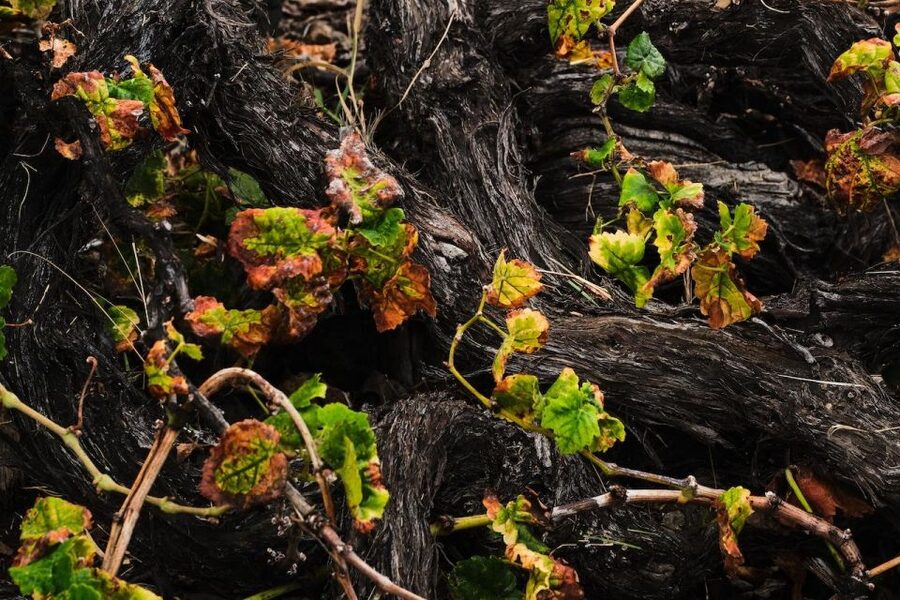
- Volcanic-soil grape cultivation: You’ll learn how vine work ties directly to what ends up in the glass.
- Grape processing basics: You see the step-by-step chain, including destemming and pressing.
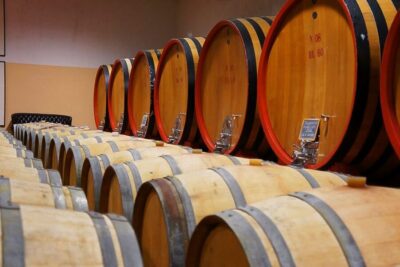
- Aging rooms with oak barrels: The layout helps you understand what happens after fermentation.
- Cement warehouses from 1945: You’ll spot these historic storage spaces while the sommelier explains how aging is managed.
- Taste-and-buy setup: You end in the bottling area and can purchase wines you tried.
- Time may vary in practice: Some groups can feel closer to 1.5–2 hours, especially with bilingual repetition and limited seating.
Fuencaliente and Teneguía’s volcanic terroir
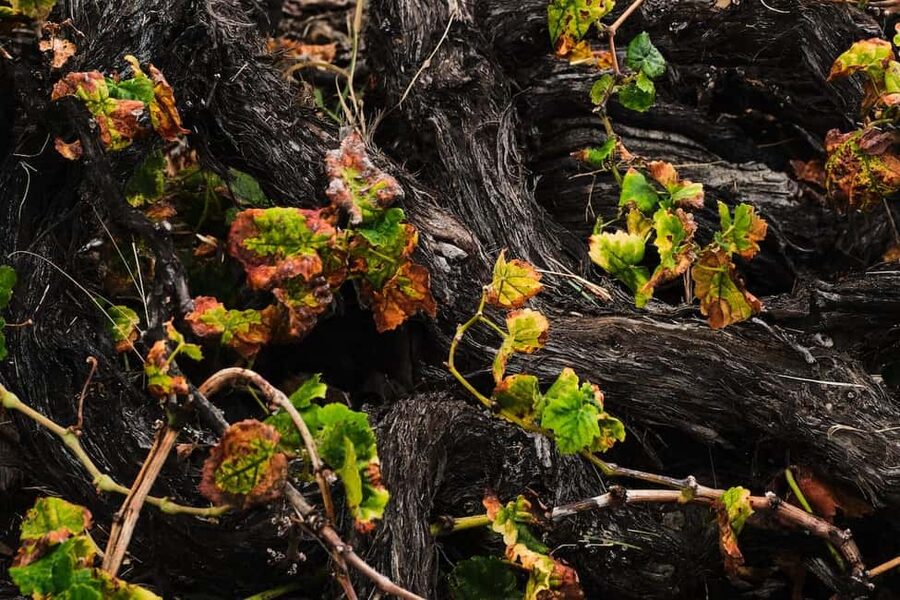
If you’re aiming for a practical La Palma wine tour, this one hits a sweet spot: it’s short, structured, and rooted in place. Bodegas Teneguía is based in Fuencaliente, a municipality well known for viticulture. That matters because it frames everything you’ll hear next: the labor of vine cultivation, the grapes used for red wine production, and why volcanic conditions are a selling point here.
The winery’s story is also easy to understand. It’s been operating for over seventy years, which helps the tour feel less like a generic brochure and more like a working operation. You’re not just hearing names of wine styles. You’re getting the logic of how grape growing and processing connect, which is exactly what I look for when I want a tasting to make sense.
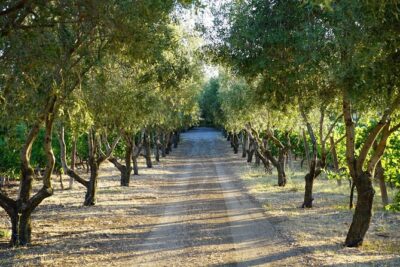
And yes, you’ll also get moments outdoors. Even if most of the “work talk” happens indoors, the tour includes scenic views along the way—perfect for photos and for resetting your brain between cellar stops.
You can also read our reviews of more tours and experiences in La Palma.
Inside the reception hall: where the grape-to-bottle story starts
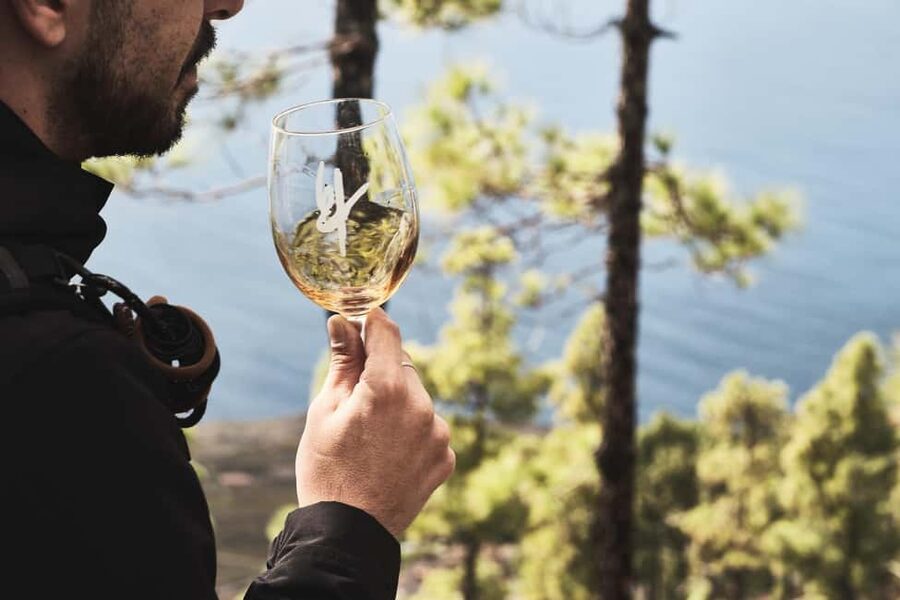
The experience begins at the meeting point at Llanovid S. C. L. Bodegas Teneguía. From there, you’ll start in the reception hall with your English/Spanish guide and sommelier. This part sets expectations quickly: what they’ll show you, how the process flows, and what you’ll be tasting later.
Then comes the practical wine-making sequence. You’ll learn how grapes are handled and transformed into wine, including steps like destemming and pressing. That’s not as glamorous as some winery tours, but it’s valuable. Once you understand what happens right after harvest, tasting becomes easier: you can start noticing what the wine is doing and why.
You’ll also hear about harvesting and about the raw materials that go into the winemaking process. The tour doesn’t pretend these are mysterious steps. It treats them like craft. That’s especially useful if you’re not a wine expert. You don’t need a vocabulary full of wine jargon to follow along—you just need to stay focused during the key steps.
Cellar walk-through: what you’ll see beyond the tasting
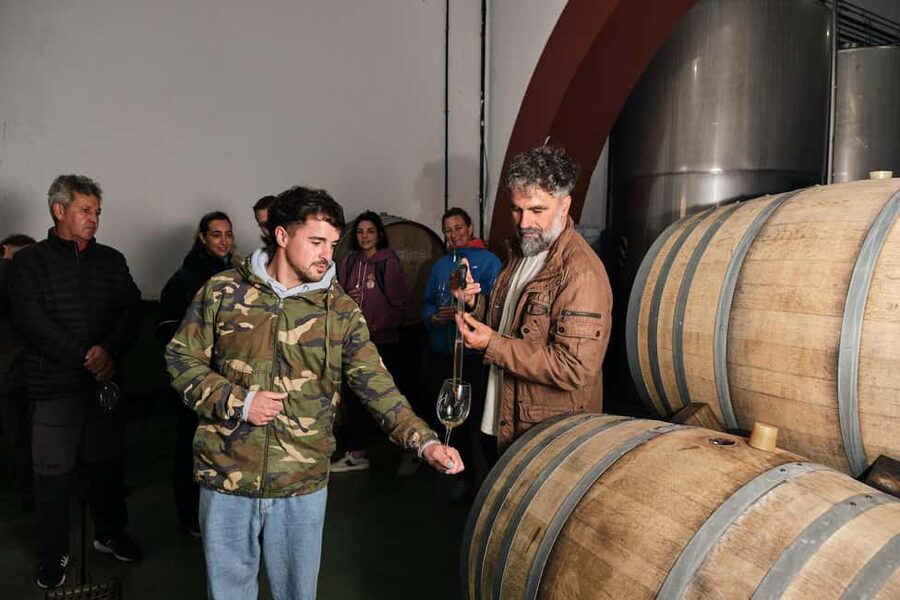
After the reception hall, you move into the cellar areas where the tour gets more hands-on and less talky. You’ll walk through the winemaking spaces while your guide connects each room to what’s happening to the grapes.
This is where the tour’s structure helps. You’re shown the workflow rather than just standing at one viewpoint and listening. The tour’s pacing is designed to keep you moving: listen, look, learn, then move on. For a one-hour experience, that’s the difference between a tour that feels like a sales pitch and one that feels like a guided education.
One subtle benefit: because you’re moving through different stages, you’re less likely to forget what you were told at the start. When you later taste, you’re not starting from zero. You already know the broad stages—how grapes get prepared, how fermentation leads into aging, and how storage affects the final bottle.
Tip for you: if your language is English or Spanish, try to tune into the delivery from the start. If you’re in a bilingual format that repeats explanations, you’ll get through it faster if you stay alert early rather than waiting for the part that matters most to you.
Aging rooms and the 1945 cement warehouses
The heart of the Teneguía story is how it handles aging, and you’ll see that clearly in the aging rooms. This area includes authentic oak barrels positioned along the room. The placement makes the concept easy to visualize: wine spends time aging after fermentation, and you can see the physical side of that process rather than hearing it as an abstract idea.
Then there are the cement warehouses built in 1945. That detail isn’t just trivia. It helps you understand the winery’s long-term approach to storage and aging conditions. Even without getting overly technical, the existence of these older spaces tells you something about the winery’s continuity and scale.
I like that this part of the tour is visual. It breaks up the more theoretical parts of winemaking with rooms that look and feel like they’ve been in use for a long time. If you enjoy seeing how food and drink are made, this is the moment when the tour feels most real.
Also, keep in mind you’ll be walking between areas. Comfortable shoes matter here. You’ll likely spend more time on your feet than you expect for a short tour, especially if you’re doing photos in the view points and then moving indoors.
Bottling area and the tasting you actually care about
The tour wraps up after you reach the bottling area. That ending is smart: it connects what you’ve learned about aging to the moment the wine becomes a sellable product.
Then comes the tasting. You’ll sample what the winery produces, including its best quality wine. The purpose isn’t just drinking. It’s to let you connect the chain you just learned with what you’re tasting now.
Here’s what you should know so you don’t feel blindsided: some tasting experiences at wineries with bilingual tours can end up with a limited selection—often a couple of wines. In at least some cases, people reported receiving only two pours (one white and one red). Also, sometimes the guide includes an extra explanation about a wine you won’t taste.
So your best move: go in curious, but be ready to treat this as a short tasting, not a full flight of many styles. If you care about comparing specific types, arrive with a short list of questions for your guide, like which varietal the red is focused on and what aging step you should pay attention to while tasting.
After the tasting, you’ll have the chance to purchase wines at the point of sale. I like this layout because it prevents the awkward moment where you’re halfway through the tour and you start wondering if you’ll get time to buy. Here, that’s part of the flow.
Price and value: is $17 a good deal?
At about $17 per person for a roughly one-hour tour, this is priced like a value play. What makes it feel worth it is what you get for the money: a guided tour, a bilingual guide, and a wine tasting, with opportunities to purchase bottles afterward.
It’s also a manageable commitment. If you’re building a La Palma itinerary and you don’t want to lose half a day to transportation and long museum-style explanations, a short winery stop can be perfect. The tour is structured so you get the key winemaking stages in a compact format.
Just keep expectations aligned with the format:
- Transportation is not included, so you’ll need your own way to reach the winery.
- Meals and additional drinks are not included, so plan on treating this as a tasting event, not a full dining experience.
One more practical value point: you’re paying for understanding plus tasting. Many “quick tours” skip one of those pieces. Here you get both, which makes it easier to decide whether you want to buy a bottle that matches what you actually liked.
What can slow you down: language, group size, and seating
This is the part I’d rather you hear before you go. On paper, the duration is 1 hour. In real life, bilingual tours can stretch. If your group is large, you might find that you hear similar explanations in both languages, and that can lengthen the time and feel repetitive.
Seating is another factor to consider. At least some people reported that there wasn’t a real chance to sit for a long stretch, even though the tour can run longer than expected. If you’re someone who needs frequent breaks, plan your energy accordingly.
And yes, there’s a rare but important operational consideration: one booking reported the winery being closed with no one present, linked to a holiday period (Three Kings). I can’t promise every date will behave the same, but it’s a good reminder to check opening timing close to your visit date, especially around major local holidays.
Practical tip: bring a little patience, especially if you’re in a group where many people don’t speak the same language. The upside is that you still get the full process and tasting. The downside is that you might feel the pacing isn’t as tight as it could be.
Who this tour is best for
This tour works well if you want:
- A short, guided winery experience with a clear grape-to-bottle storyline
- A hands-on look at aging, including oak barrels and historic cement warehouses
- A tasting that ends with a chance to buy what you liked
You’ll probably enjoy it most if you’re the kind of traveler who likes practical context. Not everyone wants a lecture. Here, you can follow the steps because they’re tied to visible places in the winery.
If you’re a wine super-geek looking for hours of technical detail and a large flight of multiple varietals, this may feel compact. The tasting is focused, and the time is limited. But for most visitors—especially those doing several stops on La Palma—a one-hour structure with real winery rooms is a smart choice.
Also, wear comfortable clothes. You’ll be walking and moving through areas that aren’t designed like a smooth indoor showroom. Comfortable shoes are the safest bet.
Should you book Bodegas Teneguía?
I think you should book if you want a value-priced La Palma winery tour that explains how wine moves from processing steps to aging, then rewards you with a guided tasting and a chance to buy. The pacing is short enough to fit into a day, and the aging rooms plus the cement warehouses built in 1945 give the visit a sense of place and continuity.
Skip it or consider an alternative if you know you hate bilingual repetition, you need a lot of seating time, or you prefer longer tastings with many pours. In those cases, the one-hour format (even if it runs longer) may not match your style.
FAQ
How long is the Bodegas Teneguía wine tour?
The tour is listed at 1 hour.
What languages are the guide and tour offered in?
The tour is offered in English and Spanish.
What’s included in the price?
You get a guided tour of Bodegas Teneguía, a bilingual guide (English/Spanish), and a wine tasting session. You also have the opportunity to purchase wines.
Do I need my own transportation to the winery?
Yes. Transportation to and from the winery is not included.
What should I bring?
Bring comfortable shoes and comfortable clothes.
Can I buy wine after the tasting?
Yes. There is a point of sale where you can purchase wines you tasted.
Is there free cancellation?
Yes. You can cancel up to 24 hours in advance for a full refund.