REVIEW · BARCELONA
Barcelona Wine Tasting: Catalan and Spanish Wines
Book on GetYourGuide →Operated by Vivinos Barcelona Tastings · Bookable on GetYourGuide
Some wine tastings are just sip-and-smile. This one actually teaches you how to taste Spanish and Catalan bottles, led by guides like Robert and Omar. You’ll also get pairing tips and food snacks so the wines make sense, not just taste pleasant.
I especially like the small, relaxed feel—people end up chatting and asking questions—and the generous, guided pours. If you want a fun primer (even if you’re new), this hits the mark fast.
One thing to consider: the food pairings are included, but if you’re expecting a big, full meal, you might find the snacks lighter than you hoped.
In This Review
- Key highlights I’d circle
- Catalan and Spanish Wines in Barcelona’s Old Town, Without the Pretension
- What You’ll Drink: 5 Regional Wines plus Sparkling, Whites, and Reds
- How the 90 Minutes Flow (and How to Taste Without Overthinking)
- Food Pairings: Snacks or Cheese Tips That Actually Teach Your Palate
- The Sommelier Is the Product, and You Can Feel It
- Where to Meet: Finding the Big Wooden Doors in the Old Town
- Price and Value: Why $41 for 8 Wines Makes Sense
- Who Should Book This Tasting (and Who Might Skip It)
- Practical Tips to Get More Out of Your Tasting
- Should You Book Barcelona Wine Tasting: Catalan and Spanish Wines?
- FAQ
- How long is the Barcelona wine tasting?
- What wines are included?
- Is the tour in English?
- Where do I meet?
- Is it suitable for children or pregnant travelers?
- Is free cancellation available?
Key highlights I’d circle
- 8 wines in 1.5 hours: 5 regional wines plus 1 sparkling, with 2 whites and 2 reds.
- Sommelier-led, English instruction: hosts such as Robert, Omar, and Vivien keep it clear and interactive.
- Taste like a pro (without pretending): learn what to look for in aroma and flavor as you sip.
- Food pairing included: snack or cheese-style pairings depending on the option you pick.
- Old Town location: practical meeting point by the big wooden doors, with a cozy wine-bar feel.
- Great value for the time: $41 for a structured tasting with water, plus bar and restaurant tips.
Catalan and Spanish Wines in Barcelona’s Old Town, Without the Pretension
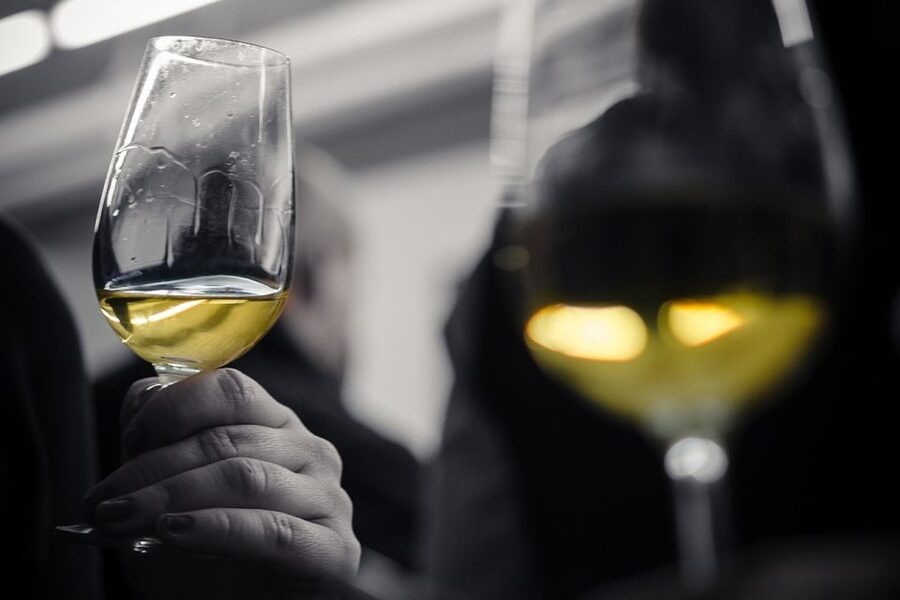
Barcelona is full of wine bars. This tasting is different because it gives you a map. In 90 minutes you go from random sipping to understanding why a wine tastes the way it does—grapes, regions, and how to sniff and taste with intent.
What makes it work is the pacing. You’re not stuck listening for an hour while others drink. The guide (often Omar, Vivien, Christina, or Robert) keeps checking in, and you get time to ask what you’re noticing in the glass.
And you’re not out in the cold for long. It’s designed as a focused tasting, in the heart of the Old Town, so you can plug it into a day of walking and still feel fresh after.
You can also read our reviews of more food & drink experiences in Barcelona
What You’ll Drink: 5 Regional Wines plus Sparkling, Whites, and Reds
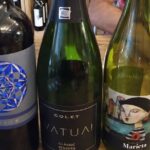
The drink lineup is one of the best parts because it’s broad enough to be educational. You taste 5 regional wines, plus 1 sparkling, plus 2 white wines and 2 red wines.
That matters because Spanish wine doesn’t behave like one simple style. The point of the tasting isn’t to crown a single favorite. It’s to let you compare. You’ll hear about the wines’ grapes and how different wine regions shape the flavor you’re getting.
You also get a structure you can remember later. Instead of thinking, I liked that—period—you’ll start thinking in categories: how the sparkling differs from the whites, how reds shift from fruit-forward to more complex flavors, and how aromas change as you taste.
If you’re the type who likes to know what you like, this is the setup that lets you refine your taste. And if you’re brand new to wine, you’ll still feel like you’re learning something real, not just repeating tasting vocabulary.
How the 90 Minutes Flow (and How to Taste Without Overthinking)
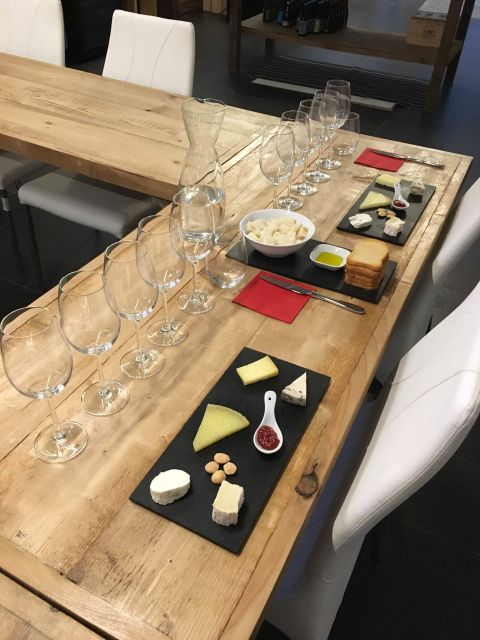
The timing is tight and friendly: 1.5 hours. That means you get enough explanation to connect the dots, but not so much that you lose energy.
Here’s the practical rhythm you can expect:
- The sommelier introduces the idea of Spanish and Catalan wine styles and points out what you should pay attention to.
- You taste a selection of wines, with the guide guiding you through the basics of tasting techniques.
- You connect each wine to what you’re tasting—aroma first, then sip, then finish—and you learn what to look for when you’re comparing.
The best advice you’ll walk away with is how to taste in a repeatable way. You don’t need fancy gear. You just need a method: smell, notice the main impression, then taste and check how it lands on the palate.
And the guide actively helps you do that. Multiple hosts are praised for being warm and answer-anything friendly. If you want to ask questions, you’ll get them answered in plain language, not with a lecture voice.
Food Pairings: Snacks or Cheese Tips That Actually Teach Your Palate
Wine tastings are often weak on food. Here, food is built into the experience. You either get snacks pairing or cheeses wine pairing tips, depending on which option you booked.
That choice affects the feel a bit:
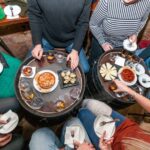
- If you’re doing the snack pairing option, you’ll taste alongside small bites designed to show how flavors interact.
- If you’re doing the cheese pairing tips option, you’ll still learn how to pair, but the focus may be more on guidance than on a larger cheese plate.
Either way, the takeaway is the same: you’ll practice pairing instead of only hearing about it. Many people loved that they tried different snacks with different wines and noticed what worked best before and after.
This is useful for two reasons. First, it makes the wines more interesting right away. Second, it gives you a reusable trick for future meals in Spain. Next time you’re ordering in a wine bar, you’ll have a sense of which style of wine plays well with salty, fatty, or bright flavors.
The Sommelier Is the Product, and You Can Feel It
The guides are consistently the reason people rate this so highly. You’ll hear from Robert, Omar, Vivien, and Christina (among others), and the common thread is a teaching style that stays human.
What I think works especially well for value is that the guide doesn’t just talk. They manage the tasting so you can actually taste. That includes keeping pours properly handled and making sure you’re not left waiting while others catch up.
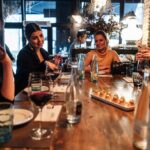
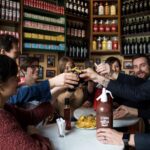
It also helps that the tone is social. People describe the experience as relaxed and interactive, with enough of a small-group vibe that conversation flows. That’s how learning sticks: you taste, you ask, you compare, then you talk about what you notice.
If you care about accuracy, you’ll like this part too. Several guides were praised for explaining how wine is made and for breaking down grapes and regional differences in a way that’s understandable.
One small consideration: at least one person wished the snacks had been more comprehensive. So if you’re the type who wants a bigger food component, check the option you book carefully and go in hungry-ish but not expecting dinner.
You can also read our reviews of more wine tours in Barcelona


Where to Meet: Finding the Big Wooden Doors in the Old Town
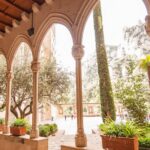
Location matters here because the experience is short. You’ll meet in the heart of Barcelona’s Old Town. The meeting point is simple: look for the big wooden doors.
Many people also mention the vibe of the area—close to major sights and centered around the Gothic Quarter energy. In practice, that means you can walk over before dinner plans, or pair it with a museum visit and then keep exploring on foot.
Since the tasting is English instruction, it’s also friendly for solo travelers. You’re not locked into a rigid pace where you can’t speak up. The guide works with the group size, and if the group ends up small, the tasting can feel more like a personal lesson than a crowd event.
Price and Value: Why $41 for 8 Wines Makes Sense
At $41 per person, you’re paying for a structured tasting plus a sommelier guide and included water. The wine lineup—8 pours total—is the key value lever.
Here’s how that math feels in real life:
- You’re not just tasting one bottle. You’re comparing multiple regional styles across sparkling, whites, and reds.
- You get tasting technique coaching, which is hard to replicate on your own unless you’re doing a very expensive guided experience.
- You also get food pairing support, either through snacks or pairing guidance for cheese.
If you’re comparing this to the cost of buying one or two wines by the glass at a busy central bar, you’re often paying similar money without getting instruction. This gives you a framework you can carry into your next meal.
And people repeatedly mention the vibe of generous pours and an attentive host who keeps the experience going at a pace that feels worth the time. That’s the difference between a gimmick tasting and a real learning session.
One more practical detail: some people said they wished they could buy the wines they tasted. That’s not guaranteed based on the info here, so if you want souvenirs in bottle form, plan to stop by a wine shop after, and ask what’s available.
Who Should Book This Tasting (and Who Might Skip It)
This experience is a great fit if:
- you want a clear introduction to Spanish and Catalan wine styles
- you like learning while you taste, not after you drink
- you want a central activity that pairs well with sightseeing
- you’re traveling with friends and want a group activity that stays social
It’s also a solid option for wine “newbies.” The tasting is set up so you don’t need prior jargon. You learn the basics, then you use them immediately on the wines in front of you.
It may not be for you if:
- you’re under 18 (not suitable)
- you’re pregnant (not suitable)
That’s it. No complicated fine print needed.
Practical Tips to Get More Out of Your Tasting
You’ll enjoy this more if you go in with a simple mindset: taste first, ask second, remember third.
A few practical moves:
- Arrive a little early so you can settle in and start tasting with a clear head.
- Pay attention to aroma. It’s one of the fastest ways to understand the guide’s technique.
- If you have allergies or dietary limits, it’s worth asking ahead of time. One person specifically noted the guide handled food allergies well.
- After the tasting, use your notes (even mental ones). Pick one wine style you liked and order something similar later in the city.
Also, don’t over-plan. This is best as a “first or early” experience, when you still want context for the rest of your Barcelona food and drink choices.
Should You Book Barcelona Wine Tasting: Catalan and Spanish Wines?
I’d book it if you want a short, high-value wine lesson in central Barcelona. The lineup is well-sized for 1.5 hours, the guide sets the pace, and the inclusion of pairing makes the tasting feel practical.
Book it especially if you’re:
- new to Spanish wine and want a guided start
- the type who enjoys asking questions and talking as you sip
- looking for a group-friendly activity that’s not stiff or formal
Skip it only if you’re looking for a long, deep winemaking tour, or if you need a bigger food component than snacks and pairing guidance. Otherwise, this is a smart way to understand what you’re drinking before you wander into the next wine bar.
FAQ
How long is the Barcelona wine tasting?
It lasts 1.5 hours.
What wines are included?
You’ll taste 5 regional wines plus 1 sparkling, along with 2 white wines and 2 red wines.
Is the tour in English?
Yes, the instructor provides English.
Where do I meet?
You should look for the big wooden doors.
Is it suitable for children or pregnant travelers?
No. It is not suitable for children under 18 and not suitable for pregnant women.
Is free cancellation available?
Yes. You can cancel up to 24 hours in advance for a full refund.