REVIEW · HANOI
Experience Hanoi Cooking Class with Free Wine Tasting
Book on Viator →Operated by Dine With Locals · Bookable on Viator
Your lunch starts at a market stall. This Hanoi cooking class mixes a hands-on cooking session with a guided look at food culture, then tops it off with coffee tastings and free homemade wine and liquor. My favorite parts are the market shopping (you pick ingredients) and the fact that you cook with a real home-style rhythm under an English-speaking chef. One possible drawback: free pickup mainly covers the Old Quarter, so you’ll want to confirm transport if you’re staying farther out.
I also like the small-group feel (up to 15 people), plus the extras that make it easy for short stays, like a digital recipe book and optional certificate. If you’re flying in, there’s even a free shower if availability lines up. Just keep in mind you’ll be eating and drinking on a schedule, so it’s best for people who don’t mind a lively, social pace.
In This Review
- Key Highlights You’ll Care About
- Đồng Xuân Market: Where Your Ingredients Get a Story
- Cooking in a Home-Style Kitchen: Knife Skills First, Not Theory
- Four Iconic Dishes: Hands-On Meal Building
- Salted, Egg, and Coconut Coffee: The Dessert You Choose
- Free Homemade Wine and Liquor: Fun Included, Timing Matters
- Meal Time: Folk Tales, Table Manners, and Chef Q&A
- Extras That Make Short Stays Easier
- Price and Value: Why $32 Feels Fair Here
- Who Should Book This Cooking Class in Hanoi
- Should You Book This Hanoi Cooking Class?
- FAQ
- Where does the class start and where does it end?
- How long is the Hanoi cooking class?
- What is the price per person?
- Is pickup offered?
- What food and drinks are included?
- Will we cook several dishes or just one?
- How big is the group?
- Can I get a certificate or recipe book?
- What about cancellation if my plans change?
Key Highlights You’ll Care About
- Đồng Xuân Market start so you shop like locals and understand how ingredients get used.
- Hands-on knife skills + cooking taught by an English-speaking home chef.
- Coffee tasting included: salted coffee, egg coffee, and coconut coffee, with your pick used in dessert.
- Free unlimited homemade wine and liquor for the meal (great for curiosity, plan your timing).
- Up to 15 people keeps it interactive rather than lecture-style.
- $1 donation per person supports pediatric patients in central Hanoi hospitals.
Đồng Xuân Market: Where Your Ingredients Get a Story
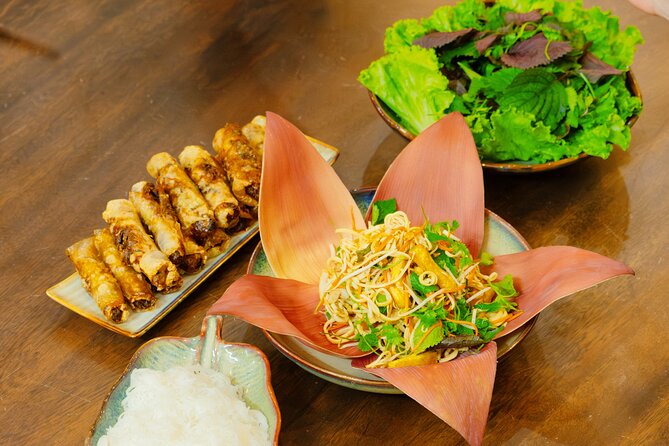
Most Hanoi cooking classes either start with a quick demo or skip the shopping entirely. This one begins at Đồng Xuân Market, and that matters more than you might think.
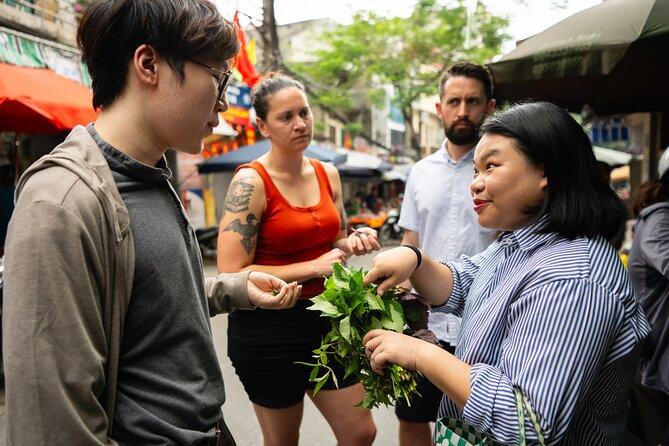
On the market walk, you get context for how Vietnamese cooking really works: what vendors sell, which cuts and herbs show up often, and what buyers look for. You’ll also hear practical notes about the wet market system—why these stalls exist, how fresh ingredients are handled, and why market shopping is still the default for many households.
This part is also your reality check for expectations. If you’re picturing a tidy, curated “food tour,” it’s not that. It’s a working market. That can be a little noisy and busy, but it’s exactly why this experience feels authentic. You’ll come away with a better sense of why certain flavors show up together and what “good” looks like before you start cooking.
Tip for you: wear shoes you can handle on uneven surfaces, and expect to spend time looking, not just walking. If you have dietary restrictions, this is a good moment to flag them early to the chef so they can guide you on what you can use.
Cooking in a Home-Style Kitchen: Knife Skills First, Not Theory
After the market, you head to a cooking studio where the pace changes from browsing to doing. This is where the class earns its value: you learn traditional knife skills and practice techniques that are meant to carry over beyond just one meal.
Instead of tasting your way through Vietnamese food, you build your dish step by step. You’ll get guidance from an English-speaking home chef, and the instruction is designed for real kitchen use—how to handle ingredients, when to adjust your cooking, and what to watch for so your food doesn’t fall flat.
The vibe tends to feel like learning inside someone’s working routine, not standing in a showroom. In past sessions, chefs have included people like Jane, Jesse, and Chef Mango, and the consistent theme is warm, welcoming teaching. That matters if you’re cooking with kids, if you’re nervous in the kitchen, or if you just want someone to translate Vietnamese cooking into actions you can repeat later.
One more detail that adds comfort: the experience is capped at 15 travelers, so you’re not just one face in a crowd. You can actually ask questions and get feedback.
Practical consideration: if you don’t like getting your hands messy, choose your tone in advance. This is hands-on cooking. You’ll likely taste as you go and you’ll be plating the meal you make.
Four Iconic Dishes: Hands-On Meal Building
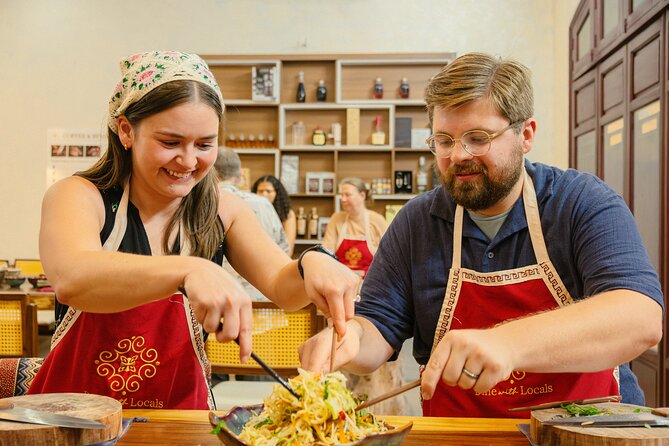
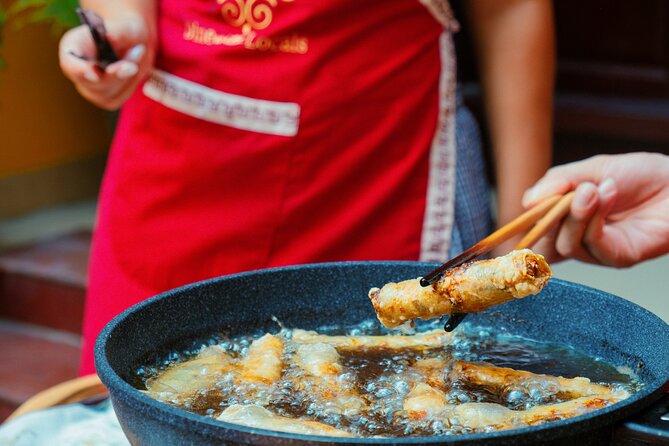
You’ll cook four iconic Vietnamese dishes during the class. The exact dishes aren’t specified in the details I have, but the structure is clear: you’ll prepare multiple components and then sit down together to eat what you made.
Why this matters for you: four dishes is enough variety to feel like you learned a lot, but it’s also realistic for a 4.5-hour session. Instead of one long slow recipe, you get a mix of techniques—chopping and prep, cooking and seasoning, then assembly or finishing steps that make the food taste like it belongs on a Vietnamese table.
The instruction style is meant to be practical. You’re not just copying a recipe card. You’re learning how to judge flavors and texture. That’s where market shopping connects back to cooking: the herbs and ingredients you chose or saw in stalls become part of your meal, and you remember why they mattered.
If you’re thinking about bringing picky eaters: this format helps. You’re creating dishes, and that tends to make people more willing to try bites they might skip at a restaurant. Still, alcohol and coffee are included, so it’s better for families where everyone can handle a social meal with choices.
Salted, Egg, and Coconut Coffee: The Dessert You Choose
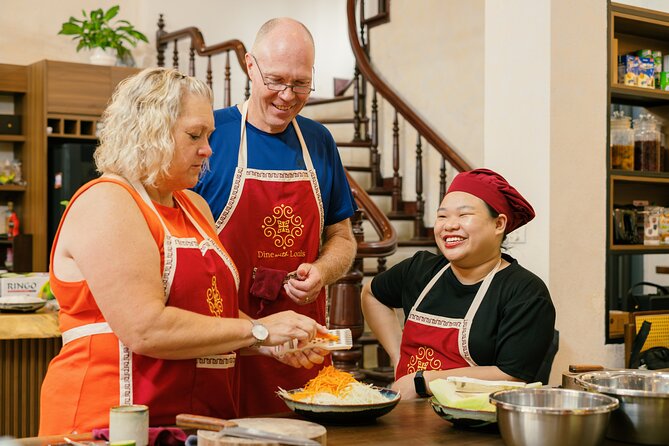
Here’s one of the smartest pieces of the program: the coffee tasting isn’t separate “entertainment.” It’s integrated into the meal.
You’ll taste three Vietnamese staples:
- salted coffee
- egg coffee
- coconut coffee
Then you pick your favorite, and that choice shows up in the dessert section. It’s a simple idea, but it changes the whole experience. Instead of leaving you with a random sweet afterthought, the class helps you personalize a Vietnamese flavor set—something you’ll remember because you chose it.
If you’ve never had Vietnamese coffee styles before, salted coffee is the big “wait, what?” for many people—sweet, bitter, and salty in one cup. Egg coffee is smooth and custardy, often with a foamy top. Coconut coffee leans creamy and fragrant.
Practical advice: if you’re sensitive to caffeine, plan to sip slowly. You’re doing a hands-on session, and coffee tasting tends to land more strongly than you expect once you start tasting sweet options.
Free Homemade Wine and Liquor: Fun Included, Timing Matters
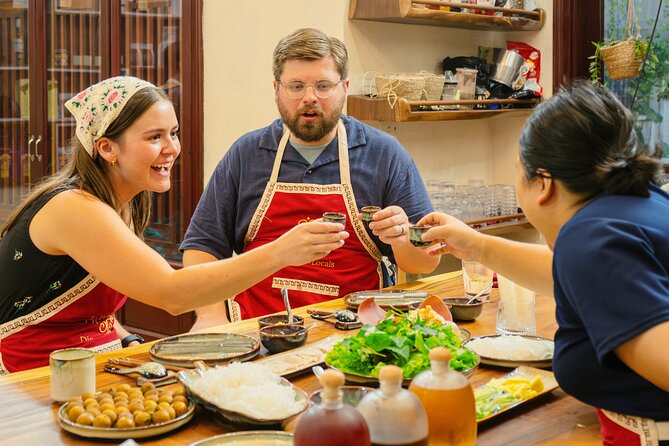
Alcohol is part of this experience. You’ll get free & unlimited local homemade wine and liquor during the meal, plus conversations with the chef and stories tied to Vietnamese food.
That can be a great fit if you want the cultural angle—Vietnamese meals often include a social drink, and this class treats that as normal, not optional add-on. You also get the chance to ask questions about homemade versions rather than only tasting bottled stuff.
Still, I’d flag this as your biggest “consideration” for planning. Unlimited means you should set your pace. If you’re the kind of person who gets tipsy quickly, or if you’re traveling with kids, you may want to focus on tasting small amounts or skipping it.
Also remember: this is a 4.5-hour experience. You’ll be moving, cooking, and eating. Drinking too much too fast can make the class less enjoyable—especially for the kitchen part where you need focus.
Meal Time: Folk Tales, Table Manners, and Chef Q&A
After you cook, you sit down and enjoy the meal you prepared. This isn’t just a “now eat” moment. You’ll have time to talk with the chef, learn about table manners, and hear folk tales or cultural stories that connect food to everyday life.
I love experiences like this because they don’t treat food as a disconnected product. They treat it as a social event with etiquette, stories, and habits that locals actually use at home.
If you’re curious about Vietnam beyond “what to eat,” this segment is where you pick up perspective: why certain flavors pair well, why cooking techniques matter, and how people think about meals in a family setting.
Good for conversation: bring one or two simple questions. For example: how they balance sour/sweet/salty in daily cooking, or what ingredients they consider essentials in their own kitchen.
Extras That Make Short Stays Easier
This class includes several small perks that can be genuinely useful, especially if your itinerary is tight.
- Air-conditioned vehicle pickup from the Old Quarter area (private options cover within a 20km range of downtown).
- A free digital recipe book you get after the class.
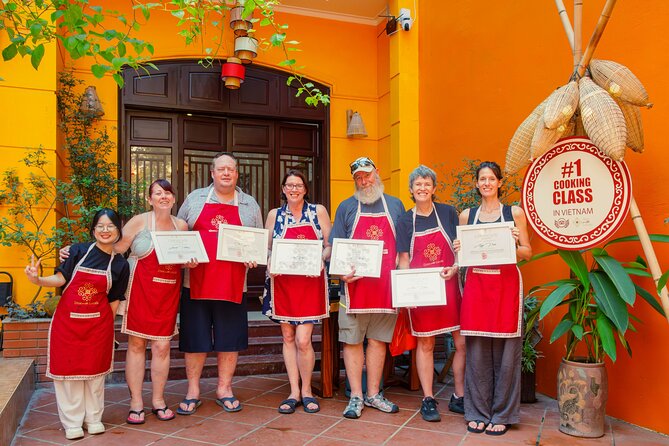
- A digital certificate upon request.
- A free shower if you just landed from a flight, subject to availability.
- Free luggage storing space up to 2 days.
These are the kinds of details that reduce friction. If you’re arriving late or you want to explore Hanoi before dinner, being able to store bags helps. And if you’re traveling from the airport, a quick shower can make the day feel human again.
One more practical note: the class uses a mobile ticket and you can expect confirmation at booking. Also, service animals are allowed.
Price and Value: Why $32 Feels Fair Here
At $32 per person, this class is positioned as an accessible way to learn Vietnamese cooking without paying luxury-tour prices. The value comes from the mix of real instruction and real inclusions.
What makes the cost feel reasonable:
- You get a market ingredient tour plus cooking instruction.
- You cook four dishes rather than one.
- Ingredients and equipment are handled for you.
- Coffee tasting is included (salted, egg, coconut), and your pick becomes part of dessert.
- Homemade wine and liquor are included and unlimited.
- You take home a digital recipe book.
On top of that, $1 per person is donated to charity meals for pediatric patients in central Hanoi hospitals. It’s not a huge amount on its own, but it’s a direct link between your booking and real support.
So for you, the question isn’t just whether $32 is cheap. It’s whether you’ll actually use what you learn. If you want hands-on skills, a memorable food story, and a social meal you helped create, the price is easy to justify.
Who Should Book This Cooking Class in Hanoi
This experience fits best if you want:
- hands-on cooking, not a passive show
- a market-to-kitchen connection (you see ingredients and then use them)
- a small group setting (up to 15 people)
- included cultural extras like folk tales and table manners
- built-in Vietnamese drinks: coffee tasting and homemade wine/liquor
It’s especially good for families where kids can participate with chopping or ingredient prep (assuming the chef matches tasks to ages). The market portion also tends to feel like an outing, not only a classroom.
It may not be the best match if:
- you’re staying outside the Old Quarter and don’t want to manage transport yourself
- you prefer no alcohol at all (since wine and liquor are included)
- you want super-specific dish names listed ahead of time (the program confirms four dishes, but not which ones)
Should You Book This Hanoi Cooking Class?
Yes, I think you should book it if you want a real snapshot of Vietnamese food culture in one afternoon: shop at a major market, cook four dishes, taste three iconic coffees, and sit down with what you made—all with an English-speaking home chef in a small group.
Before you go, do two simple things:
1) Confirm how pickup works for your exact hotel location in Hanoi.
2) Set your drinking pace if you plan to enjoy the included wine and liquor, since it’s unlimited and the schedule still includes lots of kitchen activity.
If that sounds like your style, this is one of the more practical ways to get a memorable, take-home learning experience in Hanoi.
FAQ
Where does the class start and where does it end?
The class starts at Đồng Xuân Market (Chợ Đồng Xuân, Đồng Xuân, Hoàn Kiếm, Hà Nội) and ends back at the meeting point.
How long is the Hanoi cooking class?
It runs for about 4 hours 30 minutes.
What is the price per person?
The price is $32.00 per person.
Is pickup offered?
Yes. Pickup is offered from the Old Quarter area by an air-conditioned vehicle. Private tour pickup is included within a 20km range of downtown.
What food and drinks are included?
You’ll get tea and coffee or tea, a coffee tasting (salted coffee, egg coffee, coconut coffee), and free & unlimited local homemade wine and liquor. You also cook four Vietnamese dishes and eat the meal you prepare.
Will we cook several dishes or just one?
You’ll learn how to cook four (4) iconic Vietnamese dishes.
How big is the group?
The experience has a maximum of 15 travelers.
Can I get a certificate or recipe book?
Yes. You’ll receive a free digital recipe book, and there is a digital certificate available upon request.
What about cancellation if my plans change?
You can cancel for a full refund up to 24 hours before the start time. If you cancel less than 24 hours before, there’s no refund.