REVIEW · ROME
Fettuccine & Tiramisù: Cooking Class with Wine & Limoncello
Book on GetYourGuide →Operated by Eat and Walk Italy · Bookable on GetYourGuide
Rome can taste better than it looks.
This cooking class puts hands-on pasta making and a real tiramisù dessert in the middle of central Rome, with clear guidance from the chef (I’ve seen instructors like Tommy and Lori lead lively, interactive sessions). I love two things most: you’ll actually make the dishes yourself, and you’ll sit down right after to eat your work with Italian wine and limoncello. One thing to keep in mind: the class can run at a lively pace, and group energy can vary depending on who’s in your session.
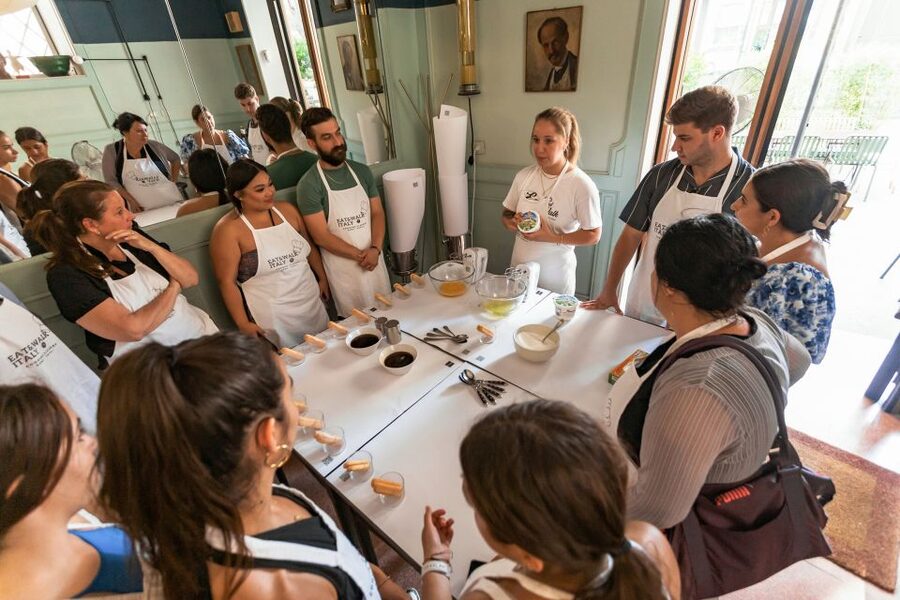
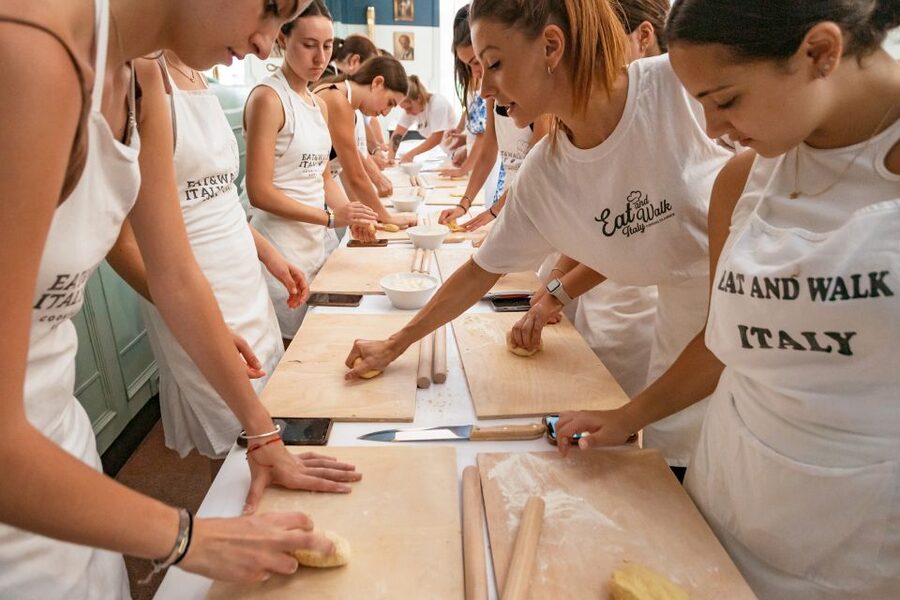
You also get a social payoff that feels very Italian—small-table talk over shared plates instead of a rushed demo. I like that the chef pulls you into the process, and the group includes food lovers from many countries, so you’ll swap quick tips while you’re kneading, rolling, and layering. It’s not a long show, though. At 3 hours, you’ll learn a lot, but it’s not the kind of class where you linger for every optional detail.
@Meta Description should be 155 chars max (already provided).
In This Review
- Key Things I’d Block Off for This Class
- Why Fettuccine and Tiramisù Work So Well in Rome
- Gusto Restaurant Meeting Point: What to Expect Before You Cook
- The 3-Hour Flow: From Dough to Fettuccine Shapes and Sauce
- Choosing your sauce (and why it’s a big deal)
- Shaping the pasta: the real skill you take home
- Timing reality check
- Tiramisù Hands-On: Layering, Resting, and That First Spoon
- What I like about this format
- Wine, Limoncello, and the Meal That Doesn’t Feel Like a Clip
- Value for $66: What You’re Paying For (Beyond the Food)
- Who Should Book This Class (and Who Might Not Love It)
- When to think twice
- Tips to Make Your Class Go Smoother
- Should You Book Fettuccine & Tiramisù in Rome?
- FAQ
- Where is the cooking class meeting point?
- How long is the cooking class?
- What dishes will I make?
- Can I choose the sauce for the fettuccine?
- What drinks are included?
- Is the class taught in English?
- Is the class suitable for children?
- Are pets allowed?
- What is the price?
- What are the cancellation terms?
Key Things I’d Block Off for This Class
- Fresh fettuccine from scratch, not just shaping store-bought dough
- Pick your sauce: Tomato and Basil, Amatriciana, or Cacio e Pepe
- Tiramisù is hands-on, then you get a proper chilling/rest step
- Chefs teach in English and keep instruction interactive (I’ve seen this with Tommy, Lori, and Maria)
- Wine + limoncello (or coffee) paired with the meal you made
- Central Rome location at Gusto Restaurant, with a real restaurant vibe
Why Fettuccine and Tiramisù Work So Well in Rome
Rome is a cheat code for Italian cooking classes. You’re surrounded by the language of food—chefs, ingredients, and habits that make the dishes feel natural instead of complicated. Fettuccine and tiramisù are also a smart pairing: pasta teaches structure and texture, while tiramisù rewards you with a creamy finish and a classic layering technique.
I like that the class focuses on fundamentals you can repeat later. You start with simple ingredients and build from there, instead of chasing fancy components. And because you make both dishes, the payoff is immediate: you get to taste pasta you shaped with your own hands, then you follow it with tiramisù that you assembled and let set.
You can also read our reviews of more cooking classes in Rome

Gusto Restaurant Meeting Point: What to Expect Before You Cook
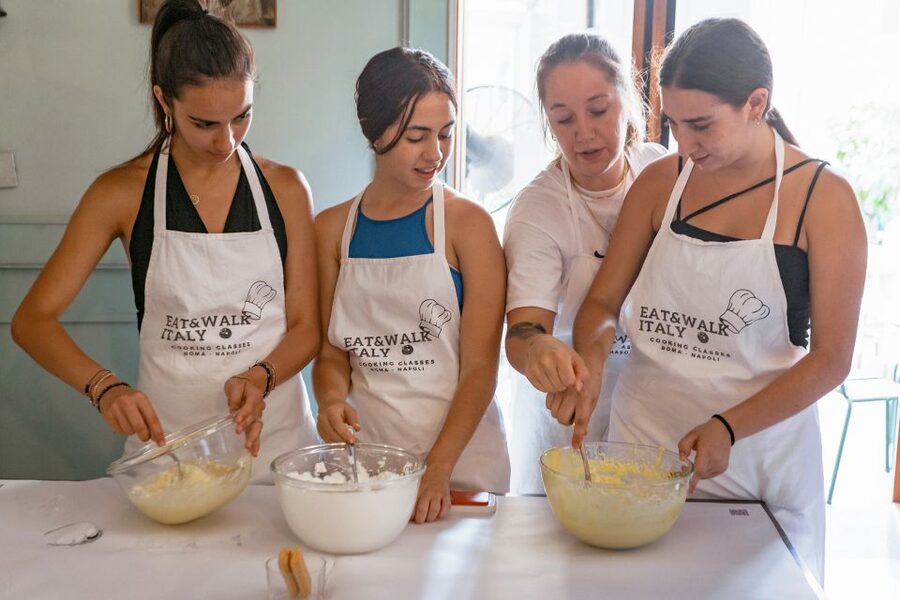
You’ll meet your chef at Gusto Restaurant, Via Giuseppe Zanardelli 14. Plan to arrive about 10 minutes early so you’re not scrambling for seats, aprons, or your first instructions.
This is an English-led class with an instructor who works with the group as it moves along. You’ll also want to remember the basic constraints: pets aren’t allowed, and the class isn’t suitable for children under 4. If you’re traveling with kids, it helps to know the experience has worked well for families with teenagers who enjoy hands-on activities.
The practical tip here is simple: bring your curiosity. This kind of class works best when you ask questions while you’re doing the work—how the dough feels, what to look for in the mixture, and how to time each step before the food heads to the next stage.
The 3-Hour Flow: From Dough to Fettuccine Shapes and Sauce
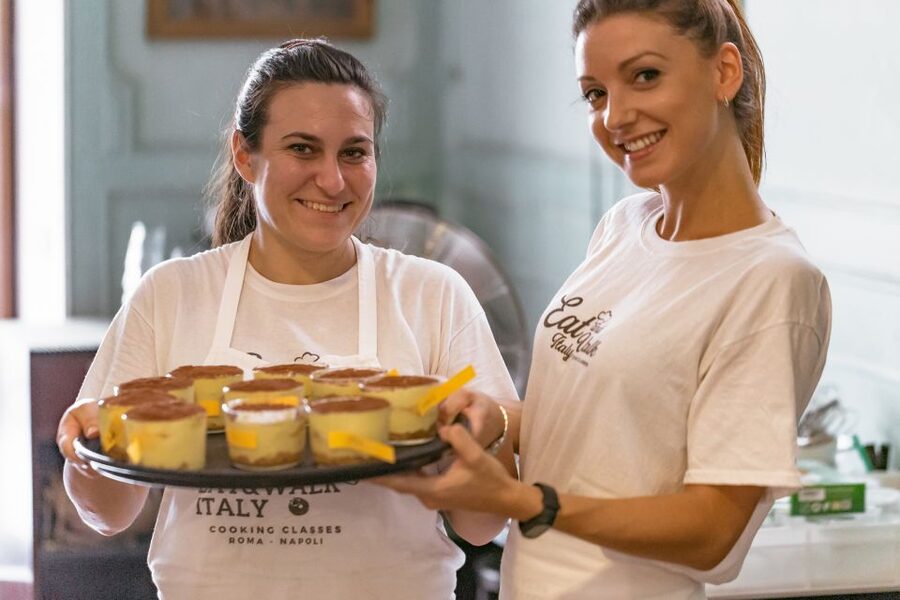
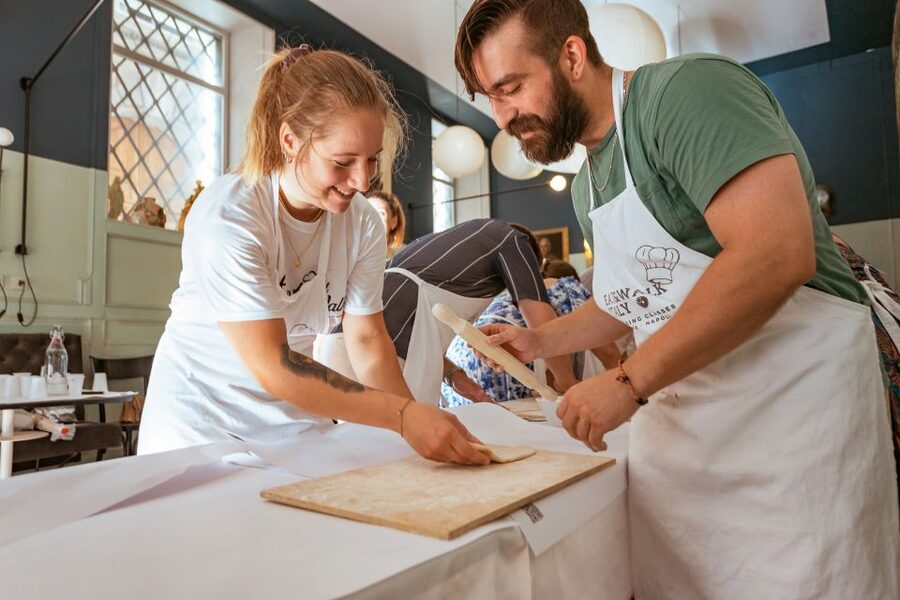
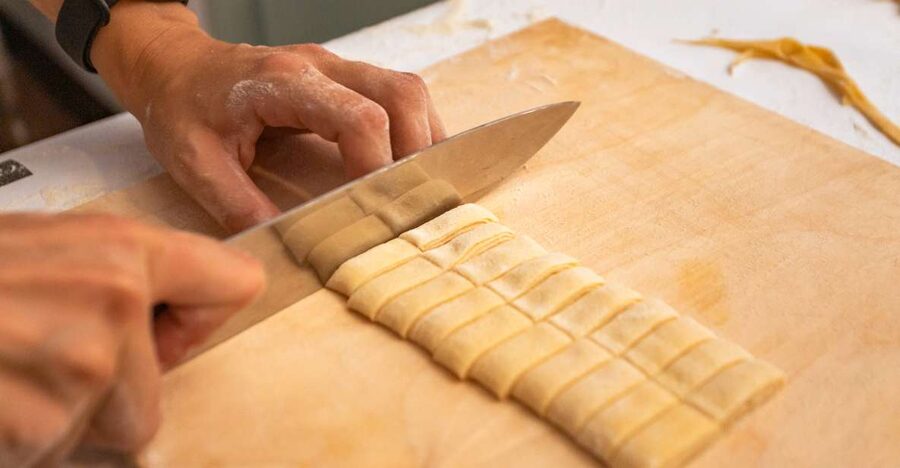
The session is built around a clear rhythm: pasta first, then tiramisù. You begin by making homemade fettuccine with the chef guiding you step by step. Even if you’ve never made pasta before, the structure matters here. You’re not left guessing.
Choosing your sauce (and why it’s a big deal)
Before you finish the pasta, you choose a sauce. You can go with:
- Tomato and Basil
- Amatriciana
- Cacio e Pepe
That choice is more than flavor. It changes what you think about while cooking. Tomato and basil is forgiving and bright. Amatriciana leans into savory, deeper notes. Cacio e pepe trains you to respect timing and texture because cheese-based sauces can go from perfect to heavy if you rush.
Shaping the pasta: the real skill you take home
After the tiramisù gets its chilling step, you shift fully into the pasta portion. The chef will show you how to shape the fettuccine, and you’ll put that instruction to use. One review notes the process included learning pasta shapes using a special recipe, so don’t expect a vague walk-through. You should come out feeling like you understand the shape you just made, not just that it got made for you.
You can also read our reviews of more wine tours in Rome





Timing reality check
A possible drawback: with a 3-hour format, the class can feel busy. If you’re the type who loves to linger at every step, you might feel the momentum. The upside is that you still get a full experience: dough, shaping, and then the chance to eat what you created.
Tiramisù Hands-On: Layering, Resting, and That First Spoon
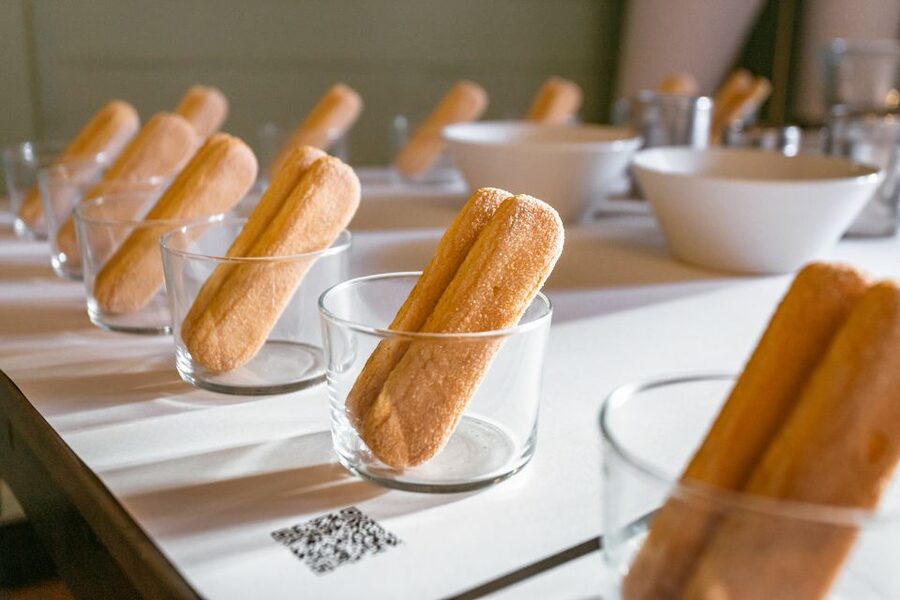
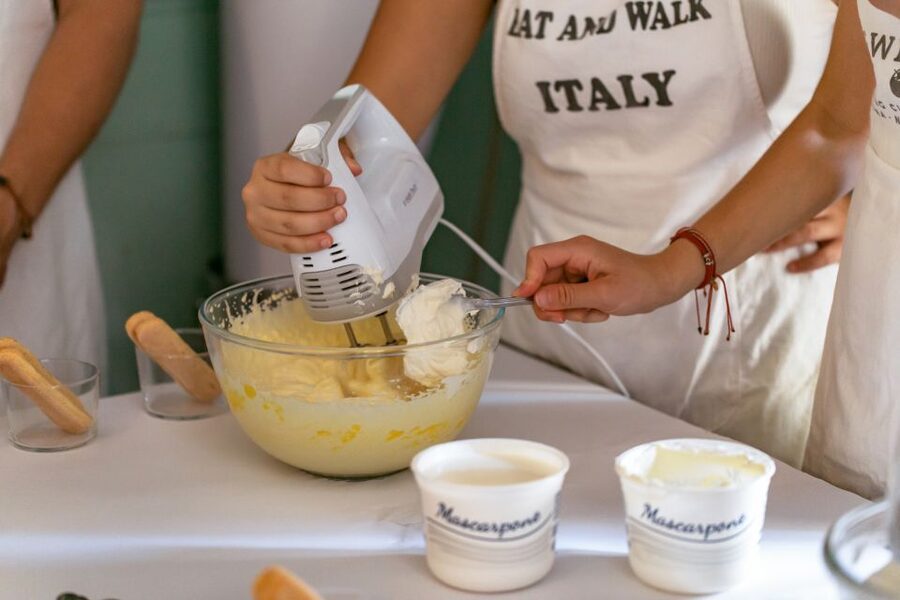
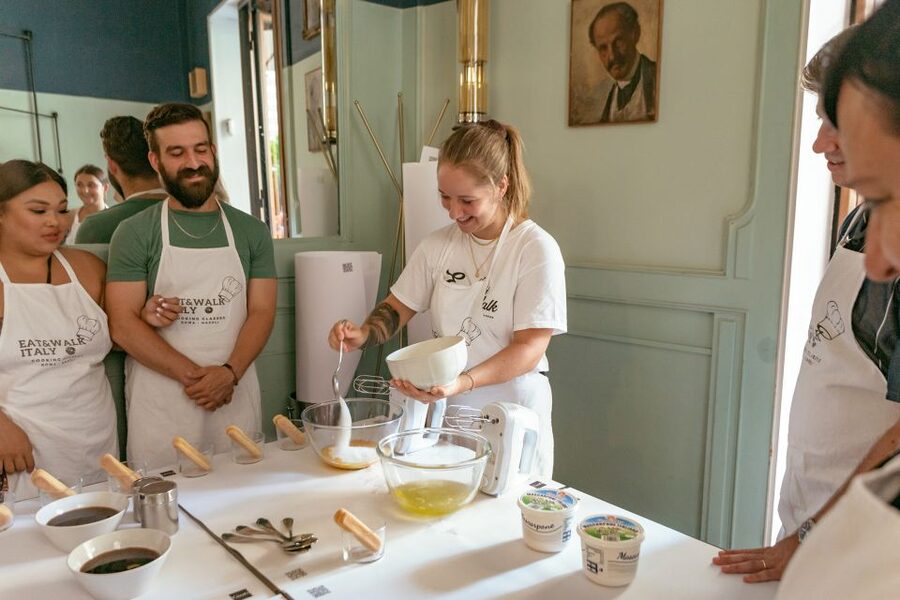
Then comes tiramisù, the dessert that makes everyone smile because it’s recognizable and flexible. You’ll craft it yourself, following the chef’s guidance through the mixing and layering. The class design also includes a key technical moment: the tiramisù goes into the fridge to rest before you get to enjoy it.
That rest step is important. It’s what turns a dessert from good to properly set. You can see the logic right away: the time in the fridge isn’t filler; it’s part of how tiramisù becomes tiramisù.
What I like about this format
You’re not just assembling a quick dessert. You’re learning the sequence that makes the texture work. And because you’re doing it in a group setting, you’ll also pick up small practical tips from the chef, like how to keep the layers even and how to handle the mixture without overthinking it.
If you’ve ever tried tiramisù at home and wondered why yours didn’t slice or hold up as nicely, this is exactly the kind of class element that helps you diagnose the difference. The fridge-rest timing is one of those details that sounds boring until you see why it matters.
Wine, Limoncello, and the Meal That Doesn’t Feel Like a Clip
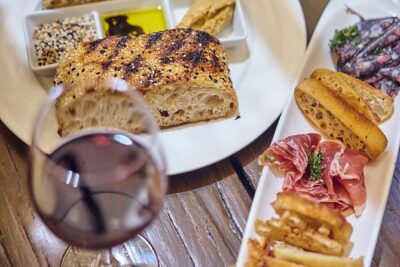
After all the work, you finally eat. This is where the class becomes more than a cooking lesson. You’re paired with Italian wine (or a non-alcoholic drink if you prefer), plus a glass of limoncello or coffee. It turns into a proper meal in the middle of Rome rather than a snack-sized tasting.
I like pairing wine with pasta because it nudges you into slow attention: you can taste the sauce you chose and notice what you did differently in the dough or shaping. And limoncello with dessert is a classic move for a reason—it brightens the sweetness and makes the tiramisù feel lighter instead of heavy.
Also, the restaurant ambiance matters. The setting is a picturesque Roman restaurant in the heart of the city, so you’re not cooking in a sterile studio. You’re learning in a place designed for eating, which makes the end feel earned.
Value for $66: What You’re Paying For (Beyond the Food)
At $66 per person for a 3-hour hands-on class, you’re paying for several real things:
- Chef-led instruction in English, with step-by-step support
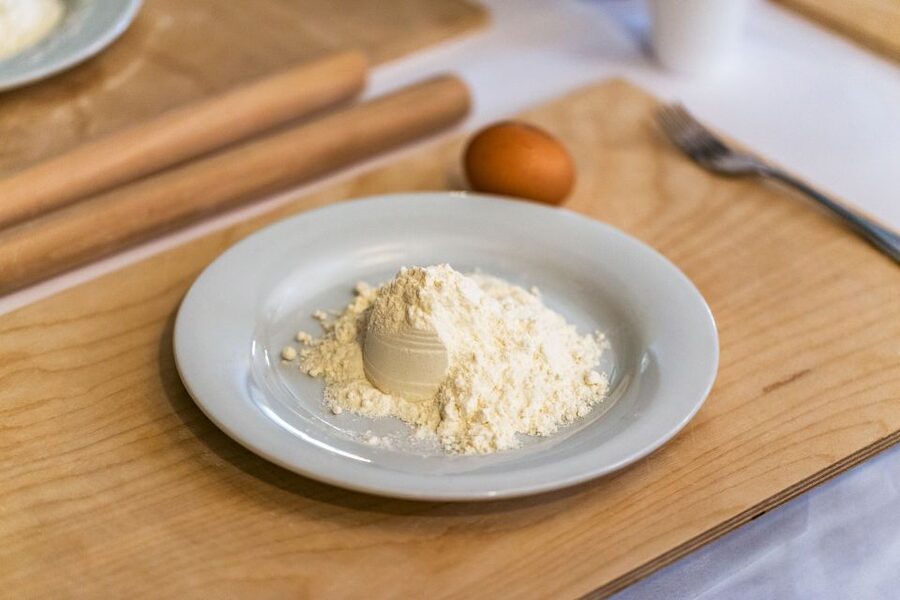
- Ingredients and tools included, so you’re not spending extra money to practice once
- The chance to learn two iconic dishes—fettuccine and tiramisù—rather than a single recipe
- A meal with wine and limoncello/coffee, so you’re not just leaving with leftovers and a vague memory
When a class includes both the cooking and the tasting, the value tends to feel clearer. You’re not paying just to learn techniques in a vacuum—you’re paying to do the work, then verify results immediately at the table.
One more value angle: you get something that’s hard to get from a recipe video. You’ll feel the dough. You’ll see the texture. You’ll hear the chef’s timing cues. That’s why even people who describe themselves as not great at cooking often come away impressed.
Who Should Book This Class (and Who Might Not Love It)
This is a strong fit if you want an active Rome experience without needing advanced cooking skills. Reviews show it works well for first-timers and for families, including teenage kids who enjoyed the hands-on part enough to ask about doing another class.
It’s also a good choice if you like social travel. You’ll meet fellow food lovers and trade stories while you cook and eat. That’s not just fun—it helps you remember what you learned, because you’ll talk about it afterward.
When to think twice
If you hate group activities or you’re sensitive to loud table energy, be aware that classroom-style sessions can have personality differences. The pace is also not slow-motion. In some sessions, it can feel quick, which is great if you like momentum, but less ideal if you prefer detailed craft time.
Tips to Make Your Class Go Smoother
- Decide your sauce choice early. If you can, pick what you genuinely want to taste at the end: Tomato and Basil, Amatriciana, or Cacio e Pepe.
- Pay attention to the chef when they correct texture and timing. Pasta and tiramisù both reward small adjustments.
- Use your downtime to ask about technique, not just ingredients. The most useful part of a class is how the chef explains what to look for while you work.
- If you’re bringing kids (above age 4), set expectations: this is a cooking-and-eating session, not a long museum-style stop.
Should You Book Fettuccine & Tiramisù in Rome?
Yes, if you want a classic Italian experience that’s actually hands-on, includes real food you made, and gives you a sit-down meal with wine and limoncello. At $66 and 3 hours, it’s good value because it combines instruction, ingredients, and immediate tasting in a central location.
I’d book it especially if you’re a pasta fan or a dessert person, and you want skills you can repeat at home. If you’re traveling with teenagers or you want a fun, non-stress activity that feels distinctly Roman, this checks the boxes.
If you dislike fast pacing or you’re worried about group dynamics, choose the time that best matches your energy level. In short: for most people, this is one of those Rome “do it once and you’ll remember it” experiences.
FAQ
Where is the cooking class meeting point?
You meet your chef at Gusto Restaurant, Via Giuseppe Zanardelli 14. Arrive about 10 minutes early.
How long is the cooking class?
The class runs for 3 hours.
What dishes will I make?
You’ll make homemade fettuccine and tiramisù.
Can I choose the sauce for the fettuccine?
Yes. You can choose from Tomato and Basil, Amatriciana, or Cacio e Pepe.
What drinks are included?
You’ll have a glass of wine or a non-alcoholic drink, plus a glass of limoncello or coffee. Water is also included.
Is the class taught in English?
Yes, the instructor speaks English.
Is the class suitable for children?
It’s not suitable for children under 4.
Are pets allowed?
No, pets are not allowed.
What is the price?
The price is $66 per person.
What are the cancellation terms?
You can cancel up to 24 hours in advance for a full refund.