REVIEW · PARMA
Pasta, Truffle and Wine: hands-on class in a medieval town
Book on Viator →Operated by Pasta Special Cooking Class · Bookable on Viator
Pasta lessons get better with a medieval view. This hands-on class takes you out of Parma crowds to Calestano in the hills, where Virginia and her mom teach you in their real family home, with the cats Cesare and Cindy as unofficial hosts. I love the hands-on pasta part because you really make two dishes from scratch, and I love how the meal turns into a long, friendly sit-down with wine and views. One possible drawback: because it’s in the countryside and the food is enjoyed outdoors afterward, you’ll want to stay flexible if the weather is iffy.
If you’re booking, plan on about 3 hours and a small group. The class is capped at max 8 guests, and you start and end back in Parma at V.le Mentana, so this feels like a full little day plan without the stress of stitching together transport.
In This Review
- Key highlights to know before you go
- Calestano in the Parma hills: why this pasta class feels different
- Meeting at V.le Mentana and getting out of Parma without stress
- The food warm-up: Parma cured meats, Parmigiano tastings, and wine
- Hands-on ricotta ravioli: soft dough, confident filling
- Tagliatelle and seasonal sauce: keeping it silky, not stiff
- Optional black truffle upgrade: when local pride becomes the main flavor
- Terrace time with wine and tiramisù: the real reason people remember it
- What you actually take home: pasta technique, not just a full belly
- Price and value: is $95.54 really fair?
- Who should book this class in Calestano (and who might not)
- Should you book it?
- FAQ
- How long is the pasta class in Calestano?
- How many people are in the class?
- What pastas and meal items are included?
- Is black truffle included?
- Do I need a car to get to the class?
- Is the class taught in English?
Key highlights to know before you go
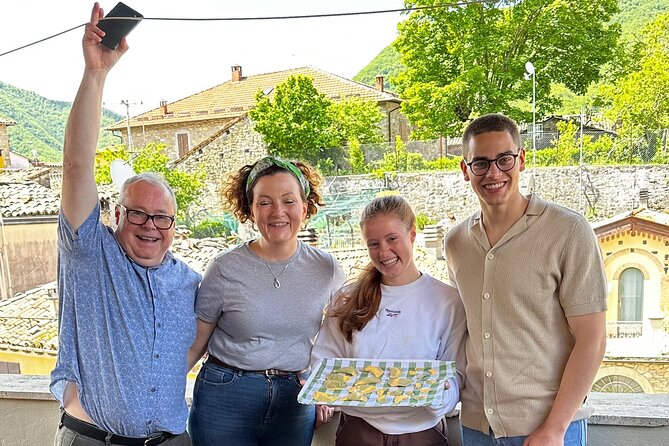
- Two fresh pastas, made by you: soft ricotta ravioli and silky tagliatelle, both from scratch
- A proper Parma starter: cured meats plus tastings of Parmigiano Reggiano (two vintages) with local wine
- Optional black truffle upgrade: truffle sourced locally from the surrounding hills
- Family-home pace, small-group comfort: instruction and conversation, not a factory-style class
- Terrace dining with panoramic views: the meal stretches into the kind of time you don’t rush
- English instruction and warm hospitality: Virginia teaches clearly, and the family keeps things welcoming
Calestano in the Parma hills: why this pasta class feels different
This is not a big, scripted cooking show. You’re escaping the tourist traffic for a quiet medieval village in the Parma hills, where the focus is on food, people, and doing it the real way. I like that the setting does the heavy lifting: the moment you reach Calestano, you feel like you stepped into the countryside version of Emilia-Romagna.
The heart of it is Virginia’s family home. You cook with Virginia and Mamma Nadia, and you’ll notice how natural the rhythm is, from prepping ingredients to sitting down afterward. Even the cats, Cesare and Cindy, show up as part of the household vibe. That might sound small, but in practice it makes the whole thing feel lived-in, not staged.
You also get a built-in reason to slow down. After you finish cooking, you don’t just take your food and run. You head to the terrace for the meal, with panoramic views and wine. That outdoor break is where the experience turns from lesson into memory.
Meeting at V.le Mentana and getting out of Parma without stress
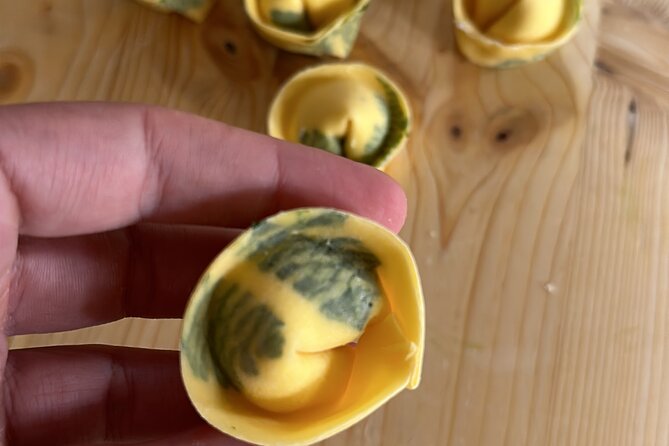
Your start point is easy to find: V.le Mentana, 140, 43121 Parma. The activity ends back there, so you’re not stuck trying to figure out the return trip.
If you don’t have a car, you’re still in good shape. The experience offers help arranging transportation from Parma. This matters because the drive from the city to Calestano is part of the point. In the countryside, you go from city noise to a slower tempo quickly, and you’ll feel it when you arrive.
One thing to plan for: you’ll want good energy at the start. It’s a hands-on, cooking-focused 3-hour experience, so show up ready to stand, mix, roll, and listen. If you’re pairing this with a busy day of sights in Parma, try to keep the schedule simple so you can enjoy the meal after.
Also, the class is near public transportation, and service animals are allowed—good practical notes if your travel style needs a bit more flexibility.
The food warm-up: Parma cured meats, Parmigiano tastings, and wine
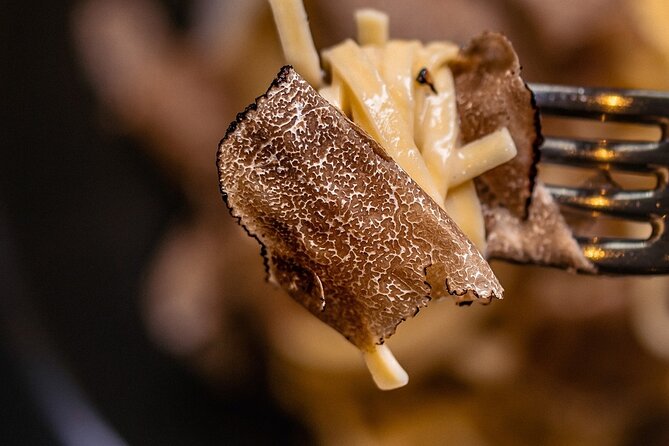
Before you touch dough, you start with a local tasting. Expect typical Parma cured meats, plus tastings of two different vintages of Parmigiano Reggiano. You’ll get that alongside a glass of local wine.
This starter is more than a snack. It sets your palate for what you’re about to make. Ravioli and tagliatelle aren’t just pasta shapes; they’re all about balance—fat, salt, and texture. By the time you sit down with your own pasta, you understand the regional flavors you’re building around.
You’ll also get a little preview of the wine-and-food flow that continues after cooking. In practice, it helps the class feel like a full Italian meal, not a quick cooking detour.
Hands-on ricotta ravioli: soft dough, confident filling
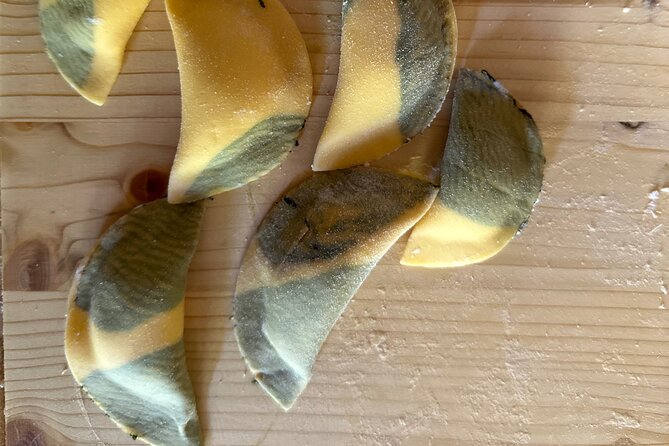
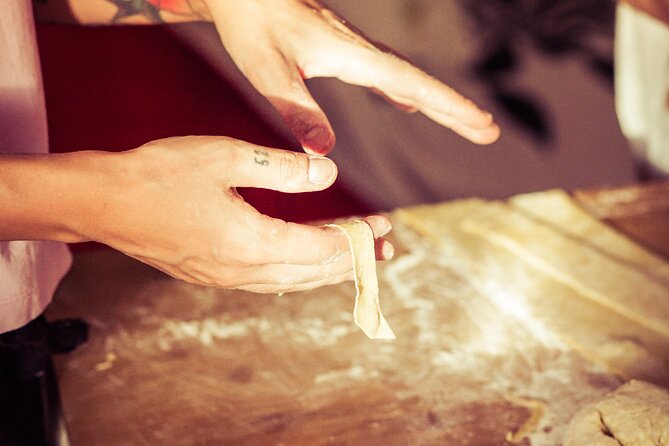
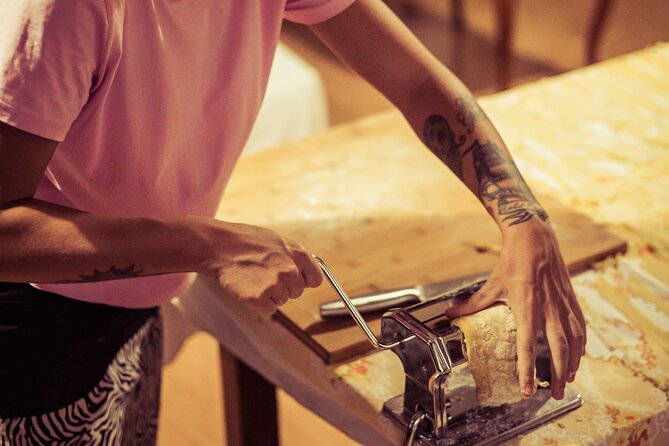
The main cooking work centers on two pastas: soft ricotta ravioli and tagliatelle. The ravioli portion is where you’ll learn the most hands-on technique, because you’re shaping and filling.
What I like about this format is that you’re not just watching. You’re making the dough, building the filling, and forming the ravioli. That matters because pasta is one of those skills where a tiny change in handling affects the final texture. In this class, the instruction is in English, so you can actually connect the why to each step.
A practical way to think about it: ravioli are about closure and gentleness. If you press too hard or handle too roughly, you change how the pasta behaves. The family-style teaching approach means you can go at a comfortable pace without feeling rushed.
And because ingredients are described as seasonal and organic, you’re not tasting a generic filler. You’re making something grounded in what’s available in these hills at this time of year. That keeps the flavors coherent with the rest of the meal, especially the sauces that come later.
Tagliatelle and seasonal sauce: keeping it silky, not stiff
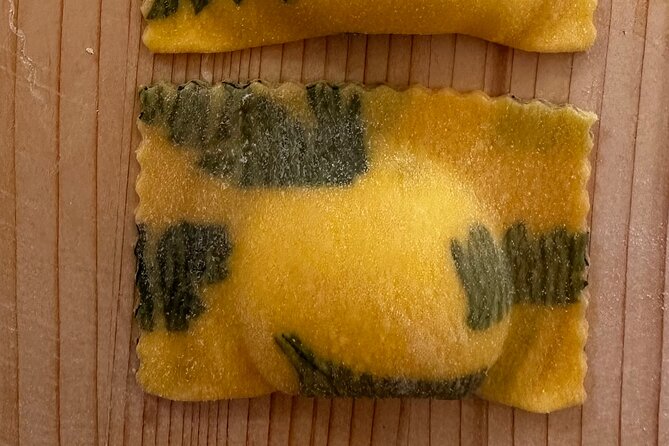
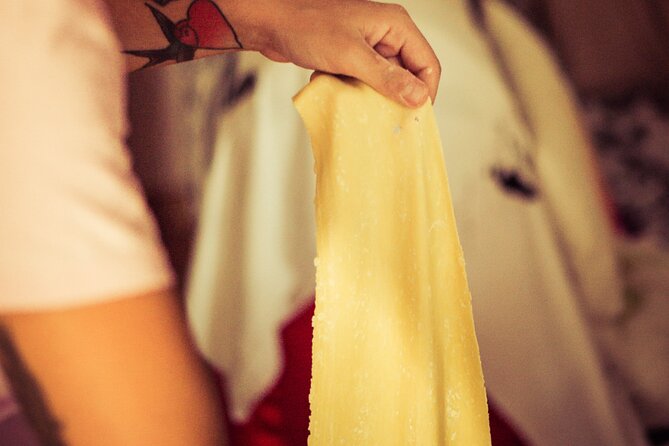
After ravioli, you move to tagliatelle. This is a different pasta challenge. Tagliatelle tends to show you how dough behaves when it’s thinner and worked into long strands.
You’ll make it from scratch, then season it with a homemade sauce. The sauce ingredients vary according to seasonality, which is a smart touch. It means the flavor isn’t forced into a fixed recipe that ignores the season.
This is also where you’ll start to learn how Italian home cooking stays consistent. It’s not always about exact measurements. It’s about texture, timing, and tasting as you go. Even if you’re a beginner, the structure of the lesson gives you a path to success: do the steps, taste, adjust, and serve.
Optional black truffle upgrade: when local pride becomes the main flavor
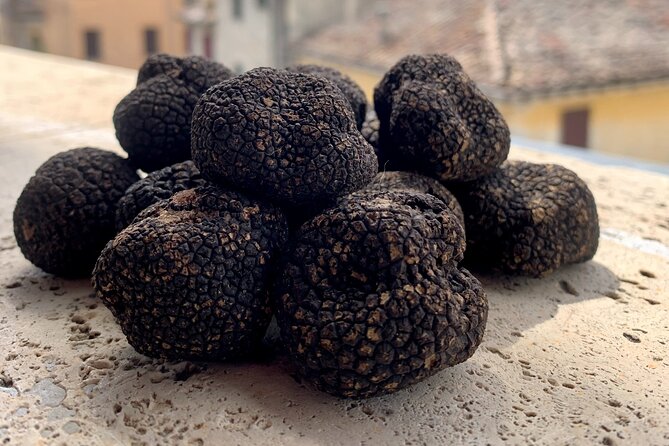
If you upgrade, you’ll add black truffle sourced locally from the surrounding hills. This is the type of add-on that can easily turn a cooking class into a one-note truffle event, but here it’s framed as an option that builds on your pasta rather than replacing the core experience.
In practical terms, truffle shifts the meal’s aroma fast. It’s earthy, rich, and bold, so you’ll want to pay attention during the seasoning stage so the truffle supports the pasta and doesn’t overpower everything.
If truffles are a bucket-list taste for you, this upgrade is worth serious consideration. The class already gives you two pastas and a proper seated meal afterward, so adding truffle feels like a logical step rather than an extra you tack on out of curiosity.
Terrace time with wine and tiramisù: the real reason people remember it
After cooking, you relax on a panoramic terrace and enjoy a full Italian meal. Depending on the option you choose, your experience includes either pasta tasting only or a full meal after the class—so check which version you’re booking if you want the complete sitting-down lunch.
When the full meal is included, you’ll get:
- the starter tastings with wine (cured meats, Parmigiano Reggiano vintages)
- your freshly made pasta with homemade sauce
- tiramisù prepared by the family (described as made by them)
This is where the class becomes a social meal. Conversations happen naturally, and the terrace view makes the time feel longer in the best way. One of the clearest joys in the experience is that you don’t just cook and eat. You cook, then you linger. Wine supports that pace without turning it into chaos.
And yes, the cats are still part of the atmosphere while you’re eating. If you’re traveling with kids, this kind of relaxed home setting is usually a win because it feels safe and playful.
What you actually take home: pasta technique, not just a full belly
The biggest value here is learning the basics you can repeat. Most pasta classes teach you a recipe. This one teaches you how pasta behaves during the process—how it feels when you shape it, how to handle dough gently, and how to build flavor with what’s in season.
Here are the practical takeaways you’ll likely use at home:
- Rolling and handling dough without overworking it
- Filling and closing ravioli with confidence
- Making tagliatelle in a way that keeps texture right
- Understanding sauce as seasonal rather than fixed
- Finishing the meal family-style with tasting and balance in mind
Also, you’ll learn the difference between cooking as a project and cooking as dinner. That sounds obvious, but in Italy it’s a skill. The meal is built around what you make, and the wine and dessert seal the deal.
Price and value: is $95.54 really fair?
At $95.54 per person for about 3 hours, the key question is what you get. You’re paying for:
- hands-on instruction in English
- ingredients for two pastas made from scratch
- a starter tasting with local wine
- your lunch or full meal after cooking (depending on option)
- tiramisù, prepared by the family
For many places, you’d pay a similar amount for a class without the full dining component. Here, the cooking and the meal are tied together in one flow, and the setting is a quiet medieval village rather than a food-studio substitute.
If you care about authentic small-group experiences and you’re excited to eat what you make, the value lands as solid. If you’re mainly seeking a quick taste with minimal hands-on work, you may decide it’s more than you need.
Who should book this class in Calestano (and who might not)
This is a great fit if:
- you want an out-of-city break from Parma
- you like hands-on learning and eating the results
- you’re comfortable in a small group setting
- you’re a pasta person or you want to become one
- you want a medieval village setting that’s calm, not crowded
It may be less ideal if:
- you dislike countryside driving or prefer only city logistics
- you’re short on time and want a quick, stand-alone activity
- you’re expecting a fast, sightseeing-heavy day rather than a food-focused afternoon
If you’re traveling solo, couples, or as a family, the small group vibe helps. It’s also a good option if you want a more personal experience than the usual big-ticket food tour.
Should you book it?
I think you should book this class if you want a real Parma-area day where food is the main event. The combination of two homemade pastas, a local starter tasting, wine, terrace views, and family tiramisù is exactly the kind of memory that lasts longer than a museum ticket.
Choose it especially if:
- you love learning by doing
- you’re excited about ricotta ravioli and tagliatelle
- you like the idea of a black truffle upgrade
- you want to meet people in a small, welcoming setting
If you’re unsure, here’s my simple decision rule: if you’d happily spend 3 hours in a kitchen eating the results, this is a yes.
FAQ
How long is the pasta class in Calestano?
It lasts about 3 hours.
How many people are in the class?
The class is described as intimate with a maximum of 8 guests. The activity also lists a maximum of 12 travelers.
What pastas and meal items are included?
You’ll prepare two traditional pastas from scratch: soft ricotta ravioli and tagliatelle. Depending on your selected option, the experience includes either pasta tasting only or a full meal after the class, along with a starter tasting and tiramisù.
Is black truffle included?
Black truffle is available as an optional upgrade.
Do I need a car to get to the class?
No. If you don’t have a car, they will help arrange transportation from Parma.
Is the class taught in English?
Yes, the experience is offered in English.