REVIEW · BARCELONA
From Barcelona: Montserrat Half-Day Wine and Tapas Trip
Book on GetYourGuide →Operated by Castlexperience · Bookable on GetYourGuide
Montserrat looks like it was built by myth. Pair that with a castle winery and you’ve got a day that moves fast but feels full. I love the combination of Montserrat’s Benedictine basilica and the drama of the mountain views, and I also love how the wine portion is tied to place, not just pouring glasses. One thing to plan for: Montserrat weather can turn on you, and fog can cut visibility.
The winery stop is a standout because you’re tasting Catalan wines in a 10th-century castle setting with vineyard context. I also like the small-group limit (up to 20), because you get more back-and-forth with your guide—often guides like Vince, Ivan, and Carlos are the kind who explain the why, not just the what. The possible drawback is timing: the free time in Montserrat is not long enough for every extra you might want, like fully riding the funicular or spending extra minutes at the Black Madonna.
In This Review
- Key takeaways before you go
- The Montserrat stop: the mountain that does the talking
- Inside the basilica: time-saving entry and the Black Madonna context
- Viewpoints and museum time: how to use your free hours well
- Oller del Mas in a 10th-century castle: wine tasting with real setting
- Tapas brunch and tasting table: make the flavors work for you
- The optional VIP barrel-room add-on: for serious wine lovers
- Walking, weather, and pacing: staying comfortable on a 7-hour day
- Price and value: why $105 can make sense (or not)
- Should you book this Montserrat half-day wine and tapas trip?
- FAQ
- FAQ
- How long is the Montserrat and wine tour from Barcelona?
- Where do I meet for the tour?
- What’s included in the price?
- Is there a train included to reach the monastery?
- Is the tour available in English?
- What happens during the winery visit?
- What is the VIP Winery Experience add-on?
- Is this tour wheelchair-friendly?
- Do I have time to ride the funicular or touch the Black Madonna?
Key takeaways before you go
- Skip-the-line basilica entry saves time so you get more Montserrat for your money
- Guided Montserrat moments plus free time gives you both structure and breathing room
- A family-run winery in a 10th-century castle makes the wine tasting feel tied to history
- You taste three local wines with Catalan grape and barrel notes explained in plain language
- Optional VIP barrel room access is the move if you truly care about how wine gets made
- Expect some walking and bring gear for cooler or cloudier conditions than Barcelona
The Montserrat stop: the mountain that does the talking
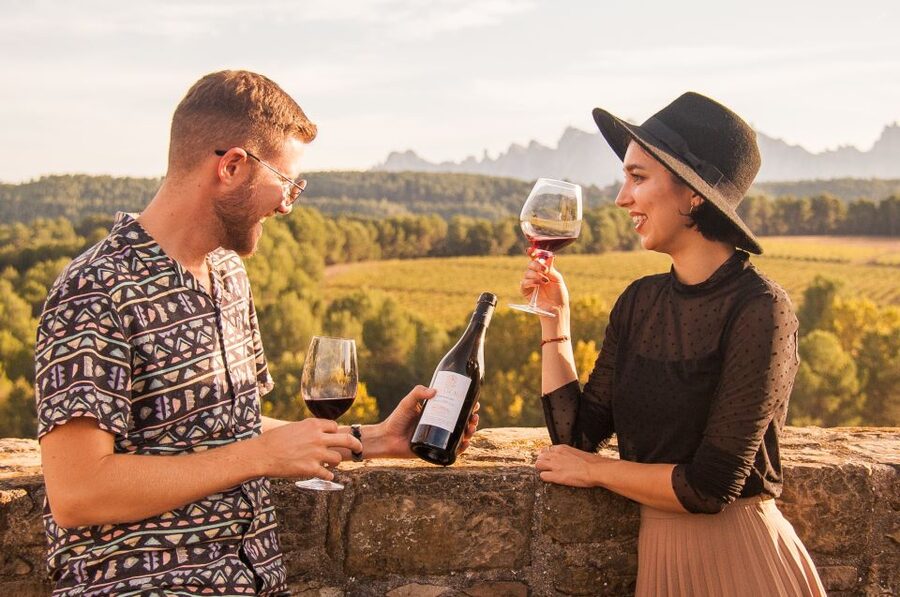
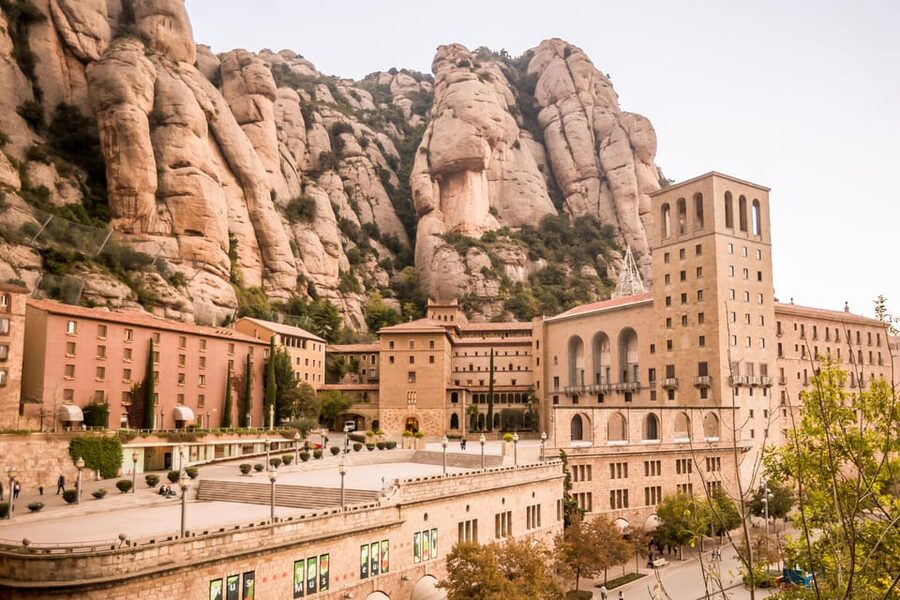
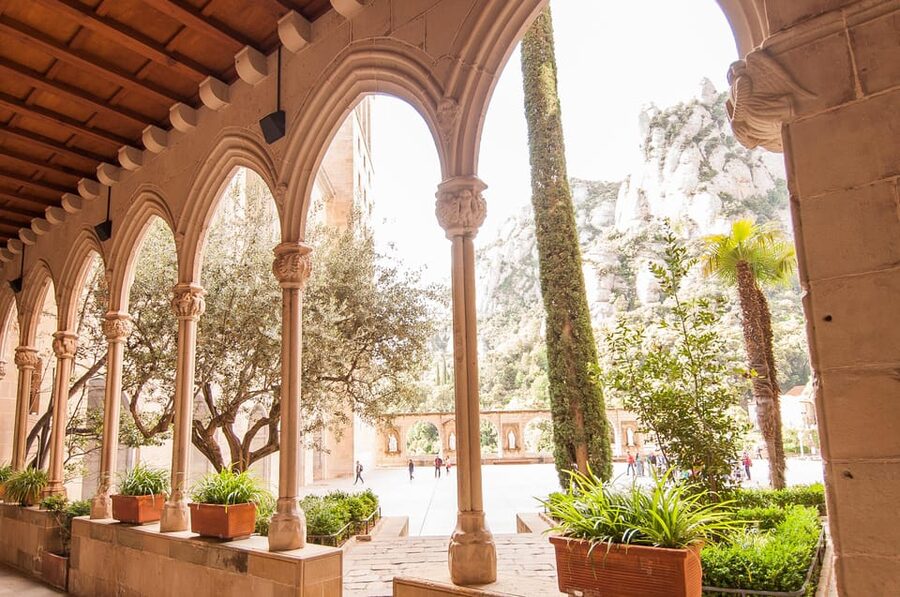
Montserrat has a way of pulling your eyes upward the moment you arrive. Those sharp, weird rock shapes make the whole place feel “set from another world,” even before you reach the monastery area. You’ll ride out of Barcelona by air-conditioned coach, and along the drive you’ll get an orientation to Catalonia that helps everything make more sense once you’re there.
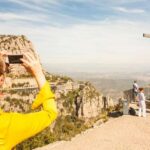
Then comes the first Montserrat payoff: the views. Even with limited time, you’ll hit classic lookout points, including Mirador dels Apòstols (the viewpoint named for the apostles) where you can pause, look around, and let the mountain fill your camera. From there you continue through the monastery zone at a guided pace, so you’re not wandering while everyone else is waiting.
If you’re worried about weather, don’t ignore it. One big theme in the feedback is fog. When visibility drops, the mountain still feels impressive, but the big “wow” view moments can turn into “mist and mystery” instead. That’s not bad, just different—pack a little patience.
You can also read our reviews of more wine tours in Barcelona
Inside the basilica: time-saving entry and the Black Madonna context
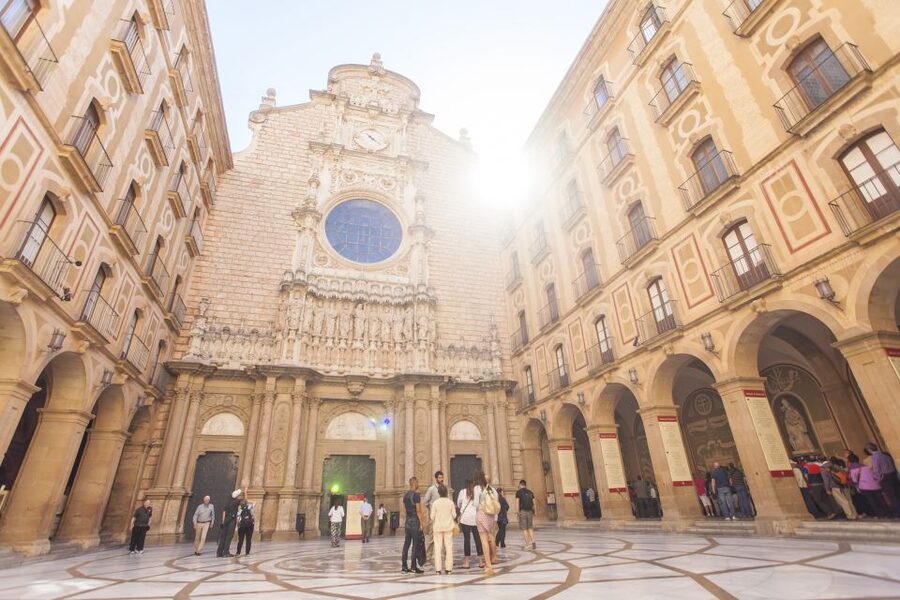
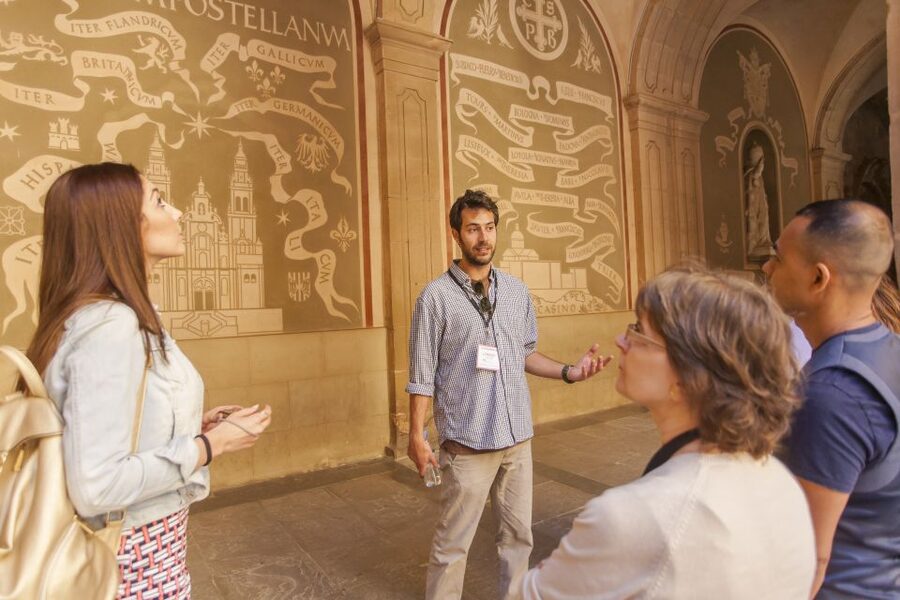
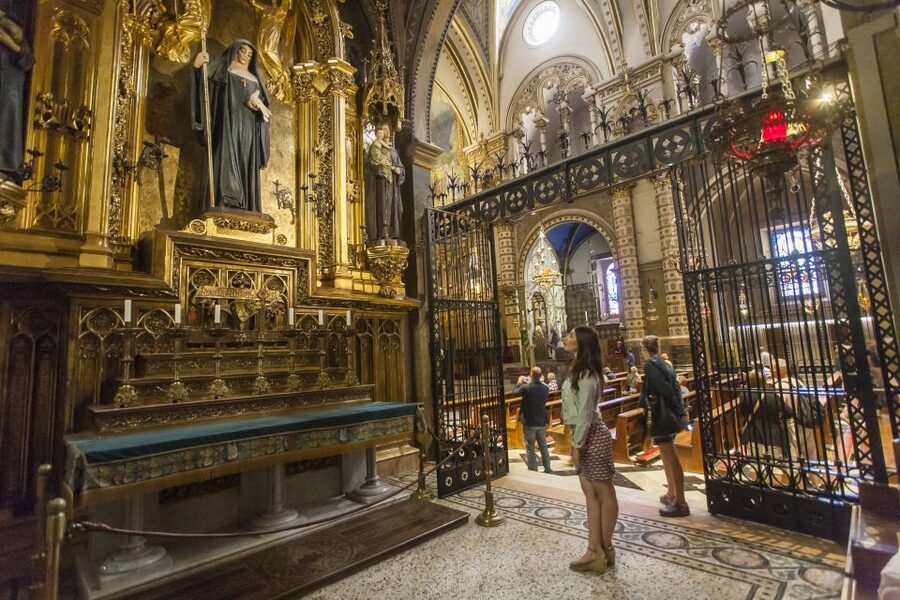
This tour is designed so you don’t burn your day in long lines at the basilica. You get skip-the-line entry, plus a guided visit focused on what matters most once you’re inside: the Benedictine setting, the religious story tied to the Virgin Mary, and the famous 12th-century image known as the Black Madonna.
One practical point: the free time you get in Montserrat is not meant to stretch into a full slow pilgrimage day. The tour won’t give enough time to do everything you might dream about, like fully touching the Black Madonna or riding the funicular with plenty of buffer. If those are your top priorities, plan for a longer Montserrat visit on another day, or talk with your guide about what’s realistic with your specific timing.
Also, expect the route to be a mix of guided walking and self-guided wandering. You’ll have short windows to explore on your own and shop or snack, but your group still moves along a schedule. Guides (including Vince and Ivan in many departures) tend to keep the story clear, so you’re not standing around asking, “What am I looking at?”
Viewpoints and museum time: how to use your free hours well
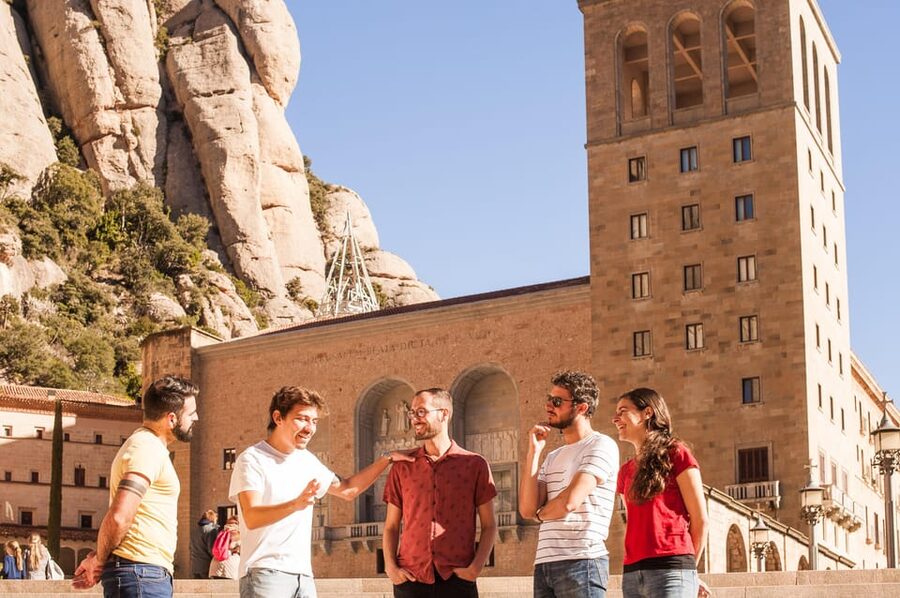
Montserrat isn’t only about one building. You’ll get viewpoints around the mountain area—like Saint Michael’s Cross—where you can take in the scale of the rocks and the valleys below. It’s the kind of stop where you’ll feel your whole day shift from “bus day” into “mountain day.”
Between the monastery moments, you also get a little free time for real-life travel needs: a local bakery stop and time around a food market. This is genuinely useful. It’s not just tourist browsing; it’s where you can grab a snack, pick up something to take home, and slow down for a bit so you’re ready for the next walking stretch.
There’s also museum time in the Montserrat area. If art and cultural context are your thing, this can be a nice break from the outdoors. If you’re more into pure scenery, keep it quick and spend your energy outside.
Tip for maximizing your time: decide early which “optional” items you want most—viewpoints, market browsing, museum, or extra photo stops. The tour is balanced, but it’s not unlimited.
Oller del Mas in a 10th-century castle: wine tasting with real setting
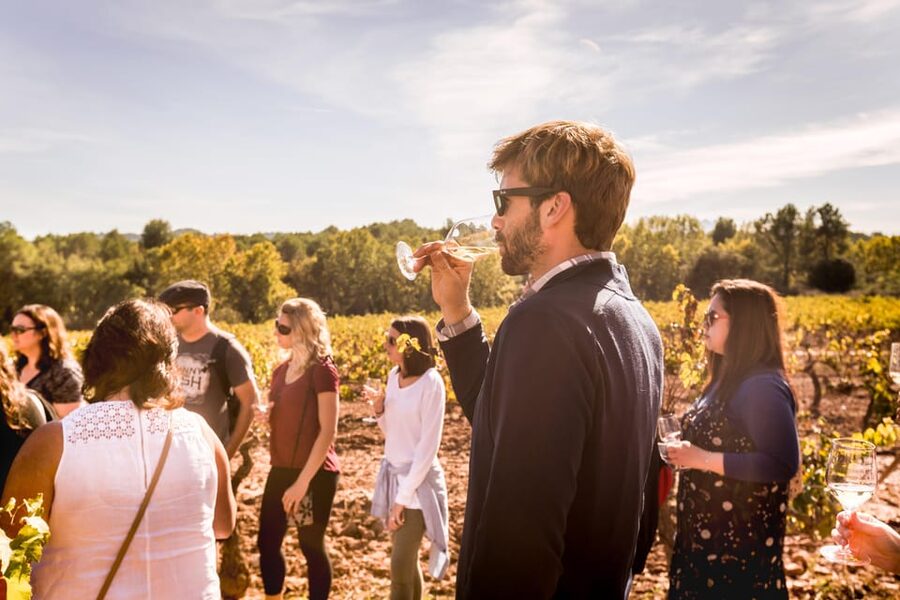
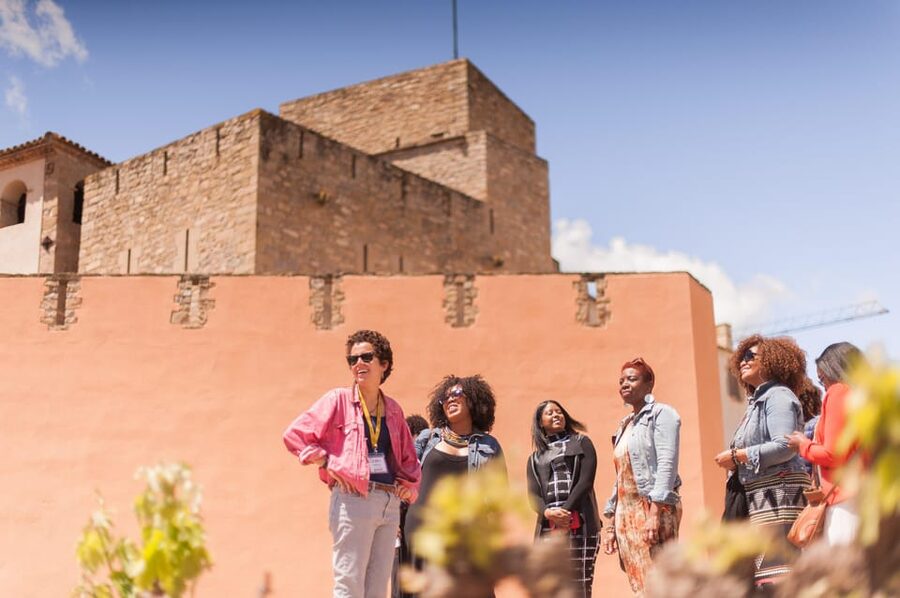
The wine portion is where this tour earns its name. You’ll visit a boutique, family-run winery known for being continuously owned by the same family for 36 generations. The setting matters: the winery is located in a 10th-century castle, so you’re not just tasting in a modern room with labels on a wall. You’re tasting with stone, age, and the sense that winemaking here is part of long-term tradition.
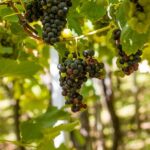
At the winery, you’ll tour vineyards and the production space, and you’ll learn how the grapes and the environment shape the final wines. One detail I really like: the winery has revived ancient local grape varieties. That gives your tasting more meaning. Instead of “here’s another red,” you’re tasting something connected to Catalonia’s specific heritage and soil conditions.
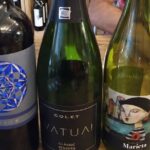
Your guided tour also connects flavor to process. You’ll hear about things like harvest rhythms and how barrel choices—especially French oak—affect the wine. Then you move into tasting: three local wines, explained in a way that stays practical, so you can actually notice differences at the table.
And yes, the reviews are pretty consistent about this being a highlight. Many people call out the winery setting as memorable on its own, even before the wine. The castle helps, but the real value is that you get context, not just sampling.
Tapas brunch and tasting table: make the flavors work for you
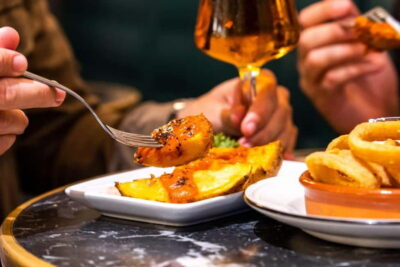
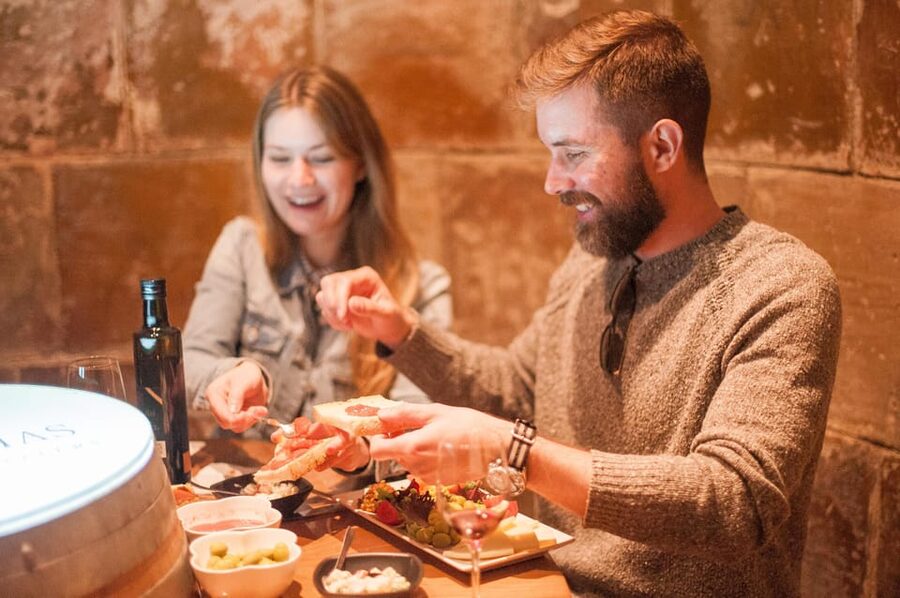
Food is included as a traditional tapas brunch with dessert, and the tasting table is laid out with tapas. This matters more than people think. Wine in a good tasting room can stay delicate; wine paired with salty, savory bites helps you notice aromatics and textures instead of just chasing alcohol warmth.
In practice, you’ll want to do two things: pace yourself and pay attention to pairing logic. Start with lighter bites, then move toward richer flavors as the tasting progresses. If you love wine, you’ll likely enjoy the guide’s explanations while you eat; if you’re not a big wine person, the tapas alone can keep the experience enjoyable.
One honest consideration: not every tasting style will hit everyone the same way. There was at least one mention where someone didn’t love the wine lineup and felt the extra premium add-ons they ordered weren’t worth it. That’s a reminder to treat the included tasting as the core plan. If you want more later, consider it based on what you like in your first three pours.





The optional VIP barrel-room add-on: for serious wine lovers
If wine is a big part of your trip—not just a fun stop—go for the VIP add-on. It’s private access to the barrel room with an intimate tasting of three premium wines. The tasting includes samples drawn directly from oak barrels and from large foudres, using a traditional pipette.
This experience is different from a standard tasting in one key way: you’re closer to the “why” behind the flavors. The guide doesn’t just name the results; you’re tasting in a space where the aging process is literally happening in front of you. Many people who choose this add-on highlight it as the thing that turns a nice tour into a genuinely distinctive one.
Who should skip it? If you mainly care about Montserrat and want wine as a bonus, you may not need VIP. The included tasting is already part of the main flow.
Walking, weather, and pacing: staying comfortable on a 7-hour day
This trip runs about 7 hours and involves walking. It’s not a “sit on the bus and see everything” plan. You’ll move through the Montserrat area with guided portions plus free time, and you’ll do vineyard and winery touring on the other side.
Comfort advice is simple:
- Wear comfortable shoes (you’ll thank yourself on Montserrat stone)
- Dress in layers for temperature swings
- Expect crowds and timing changes due to weather or traffic
One logistical detail that can affect your experience: for some language selections, the tour includes a cogwheel train ride to the monastery, which can change how you feel about the climb and the timing. Don’t stress—either way, you’ll be led through the key sections—but if you’re sensitive to walking, it’s worth knowing that the route may vary.
Also, your day isn’t 100% identical for everyone. The operator notes that for logistical reasons, you may visit a different winery on the day. That doesn’t mean the experience gets worse; it means you should treat this as a Montserrat-and-Catalan-winery day, not a promise of one exact vineyard if circumstances shift.
Price and value: why $105 can make sense (or not)
At $105 per person, you’re paying for more than entry tickets. You get air-conditioned bus transportation from Barcelona, a live tour guide, guided Montserrat time with basilica skip-the-line entry, tapas brunch, and a guided winery visit with a tasting of three local wines.
That value gets better if you’re the type who likes structure. You’re not figuring out transportation, timing, and interpretation on your own. You’re getting a curated pairing: one cultural anchor (Montserrat) and one taste anchor (Catalan wine in a castle). Guides named in the feedback—Vince, Ivan, Carlos, Elena, Lesly, Lina—show up repeatedly for their ability to connect dots and keep people engaged.
Does it make sense if you’re not into wine? You’ll still get tapas and the winery tour, but wine is clearly a central part. If wine tasting sounds like an obligation, you might be happier with a Montserrat-only day.
One more “value lens” point: this is a small group capped at 20 people, so the guide can actually manage the experience. Compared with bigger bus tours, that smaller size often translates into smoother timing and a more personal feel.
Should you book this Montserrat half-day wine and tapas trip?
I think you should book it if you want one efficient day that blends Montserrat’s religious and cultural atmosphere with a memorable Catalan wine experience in a 10th-century castle. It’s ideal for couples, friends, and families who don’t want to spend the whole day planning, and who like getting context while they eat and taste.
Skip it if you want a long, unhurried Montserrat pilgrimage with plenty of time at the Black Madonna and time to ride the funicular at your own pace. This tour is built to cover the essentials and move on.
If weather is a concern for you, pick a flexible day and pack for fog or clouds. Even then, Montserrat still feels powerful. And if you’re a wine person, seriously consider the VIP barrel-room add-on—you’ll taste in a way that feels far more hands-on than a standard tasting room.
FAQ
FAQ
How long is the Montserrat and wine tour from Barcelona?
The tour runs about 7 hours total.
Where do I meet for the tour?
The meeting point can vary, but a common starting and ending location is Barcelona Norte bus station on C/ de Nàpols, 68.
What’s included in the price?
Included are air-conditioned bus transportation, a live tour guide, guided Montserrat visit with skip-the-line basilica entry, free time in Montserrat, a guided visit to a family-run Catalan winery, tapas brunch with dessert, and tasting of three local wines.
Is there a train included to reach the monastery?
A cogwheel train ride to the Montserrat monastery is included if you select the Spanish tour option.
Is the tour available in English?
Yes. The tour runs in English and Spanish.
What happens during the winery visit?
You’ll tour the family-run winery and its vineyards, learn about the wine-making process, and taste three local wines. You can also buy wines you taste, with shipping available.
What is the VIP Winery Experience add-on?
The add-on provides private access to the winery’s barrel room and includes an intimate tasting of three premium wines, including samples drawn directly from barrels and large foudres.
Is this tour wheelchair-friendly?
No. It’s not suitable for wheelchair users.
Do I have time to ride the funicular or touch the Black Madonna?
The Montserrat free time doesn’t allow enough time for either the funicular ride or to touch the Black Madonna.