REVIEW · CAPE TOWN
Cape Town Super Saver: Cape Point Tour plus Wine Tasting in Stellenbosch
Book on Viator →Operated by Cullinan Guided Journeys · Bookable on Viator
Cape Point in one full day feels fast. I love the drive on Chapman’s Peak and the chance to pair it with Hout Bay’s seal-island boat trip, and I like that the wine tasting day is built into the route so you’re not bouncing around town. The trade-off: each day is full, and a couple of the best add-ons cost extra, like the penguins and the Table Mountain cable car.
This is the kind of trip that works best when you like structure: pickup, an English-speaking guide, and a van that keeps you moving along the coast. I also appreciate the small-group cap (max 12 travelers) since it makes stops feel less chaotic and questions easier to answer.
One thing to plan around: conditions can change. Chapman’s Peak Drive may close and the route can swap to Ou Kaapse Weg, and the Table Mountain cableway only runs weather permitting, so you’ll want flexible expectations.
In This Review
- Key things to know before you go
- The big win: a 3-day Cape Town-and-Winelands combo that saves driving time
- Day 1: Hout Bay, Seal Island option, and Cape Point wildlife views
- The Chapman’s Peak to Boulders Beach penguins stretch (what fits and what costs extra)
- Day 2: Castle of Good Hope and Table Mountain by cable car (weather permitting)
- Day 3: Paarl, Stellenbosch, Franschhoek—wine country with a paced schedule
- Price and value: where the $230 really goes
- What the guide actually changes (Frizzo, Farouk, Tony, Kevin, Chris)
- Weather, closures, and why your schedule should stay flexible
- Practical tips that make this itinerary feel easier
- Who should book this, and who should skip it
- Should you book the Cape Town Super Saver?
- FAQ
- How much does the Cape Town Super Saver cost?
- How long is the experience?
- Is hotel pickup and drop-off included?
- What are the main included stops?
- What isn’t included in the price?
- Is the Table Mountain cable car included?
- What happens if Chapmans Peak Drive is closed?
- How many people are on the tour?
- Do I need at least two people to book?
- What’s the cancellation policy?
Key things to know before you go
- Chapman’s Peak + Cape Point Nature Reserve means big views and real wildlife chances, not just photo stops
- Hout Bay has an optional Seal Island boat trip (extra cost, time permitting) that adds a fun wildlife element
- Cape Town landmarks on day two hit the Castle of Good Hope, then Table Mountain if conditions cooperate
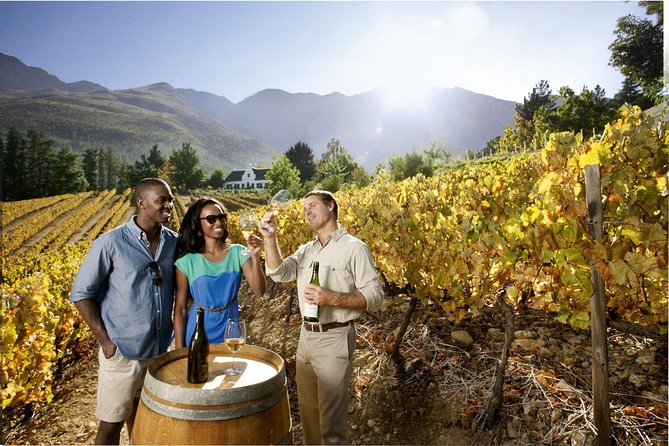
- Winelands day 3 focuses on Paarl, Stellenbosch, and Franschhoek with at least one included tasting nearby
- Your van is small (up to 12 people), so the guide can manage the pace and picture breaks
The big win: a 3-day Cape Town-and-Winelands combo that saves driving time
If you’re short on time, this tour’s layout makes sense. You’re effectively stitching together three huge “musts” in one package: the Cape Peninsula coastal scenery, Cape Town’s key landmarks, and South Africa’s famous wine country around Stellenbosch.
For the included price, you’re getting real value in transportation plus guided time. Hotel pickup and drop-off from Cape Town City Centre Hotels cuts out the hardest part of planning: figuring out routes, parking, and how to stitch coastal drives and wine towns together without losing hours.
The only reason this combo might feel “expensive” is simple: some of the marquee experiences cost extra (penguin entry and the Table Mountain cableway ticket). If those are non-negotiable for you, budget for add-ons from the start.
You can also read our reviews of more food & drink experiences in Cape Town



Day 1: Hout Bay, Seal Island option, and Cape Point wildlife views
Day one sets the tone with the coastal side of Cape Town, starting in Hout Bay. It’s a working fishing village with a laid-back feel, and the stop is timed so you can stretch your legs and look around without feeling rushed.
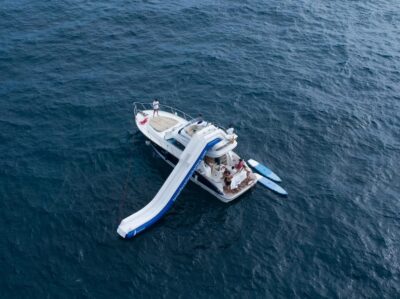
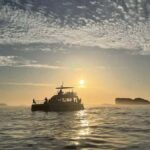
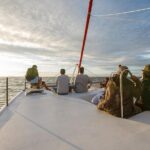
The standout option here is a short boat trip to Seal Island. It’s not included, and it runs only if time and conditions allow, but it’s a great way to add more animal action beyond what you’ll see later in the day. If you’re prone to motion sickness or the sea looks rough, you can skip it and still have plenty to enjoy on land.
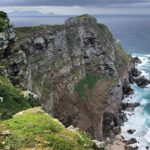
From Hout Bay, the route turns scenic fast. You’ll travel via Chapman’s Peak Drive, one of those roads you feel in your stomach because the viewpoints keep arriving. It’s dramatic driving, and it’s also practical: you’re on a guided schedule that means you’re not trying to time traffic and pull over yourself.
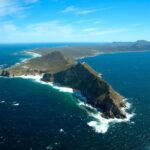
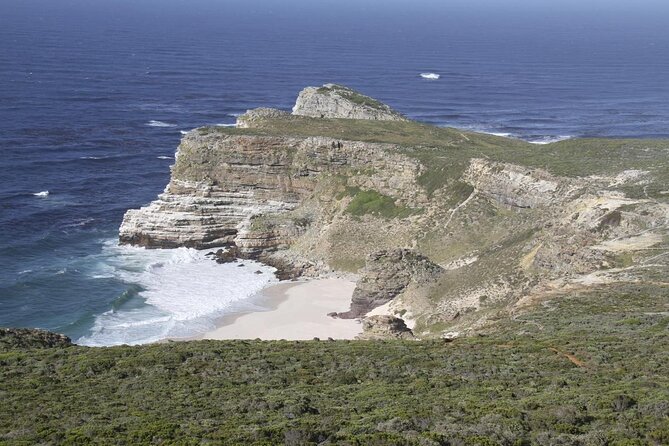
Then comes Cape Point Nature Reserve, included. This is where the tour stops being only about views and starts offering real wildlife and birdwatching potential. The reserve covers over 17,300 acres of indigenous fauna and flora, and you might spot animals like baboons, reebok, Cape Mountain zebra, bontebok, and even the elusive eland. Tortoises are a big feature too, and birdwatchers will find plenty to watch as you move between viewpoints.
What I’d do if I were you: wear shoes you can walk in comfortably. Reserve paths and viewing areas can mean uneven ground and some uphill effort, especially if you want the best angles for photos.
The Chapman’s Peak to Boulders Beach penguins stretch (what fits and what costs extra)
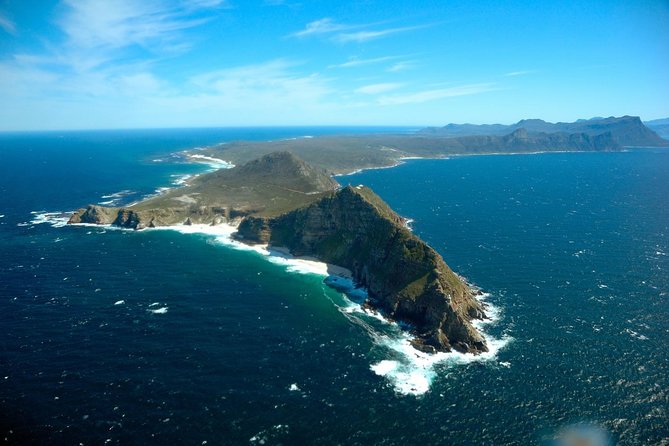
After Cape Point, the tour follows the coastline toward Simon’s Town and then heads to Boulders Beach Penguin Colony. This part of the plan is popular for a reason: the penguins are adorable, and the setting makes it easy to enjoy them without needing a lot of imagination.
Here’s the one cost point you should know: penguin entrance is not included. You’ll also have limited time, so it helps to keep expectations aligned—this is a quick visit, not a long nature walk.
This day is also where the tour’s “big picture” matters. You’re packing Cape Peninsula scenery, reserve wildlife potential, and penguin viewing into one day, so you’ll likely do more looking from designated viewpoints than trekking for miles. If you love short, efficient stops with lots of scenery per hour, you’ll be happy. If you prefer slow travel and long, unstructured time on your feet, you may feel slightly time-pressed.
Day 2: Castle of Good Hope and Table Mountain by cable car (weather permitting)
Day two is the historical-and-iconic Cape Town portion, starting with the Castle of Good Hope. It’s included, and it’s built in 1666 by the Dutch East India Company. Even if you’re not a big museum person, a fort built by an early colonial power helps you understand the city’s layout and why the port matters.
The route then moves toward Table Mountain. The key moment is the Table Mountain Aerial Cableway, and it’s only available weather permitting. That matters more than it sounds. Fog, wind, or poor visibility can change whether you get that full panorama or not, and the cable car ticket is not included.
If you’re hoping for the classic skyline and coastline views, I recommend dressing for a temperature swing. Even in good weather, the top can feel cooler and breezier than street level. Layers are your friend.
The cableway experience also connects to the environment you don’t see from downtown. The tour notes wildflowers and the famous silver tree, which is a nice touch because it reminds you you’re not just riding to a lookout—you’re heading into a unique mountain ecosystem.
Day 3: Paarl, Stellenbosch, Franschhoek—wine country with a paced schedule
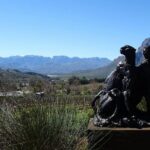
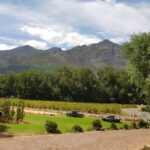
Day three is full winelands time, focused on Paarl, Stellenbosch, and Franschhoek. This is where South Africa’s wine culture becomes more than a label. You’ll see long vineyard valleys, small-town streets, and the kind of countryside views that make you understand why people come back year after year.
Paarl is first, with a visit that’s partly about scenery and partly about context. You’ll learn about the Pearl of Paarl, and you’ll also hear the connection to Nelson Mandela’s release from Groot Drakenstein prison (formerly Victor Verster prison) on the outskirts of Paarl. That history isn’t presented as a lecture wall—it’s more like a lens that gives place meaning while you look out over the valley.
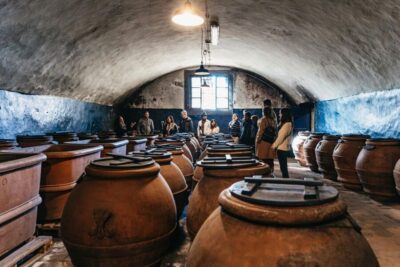
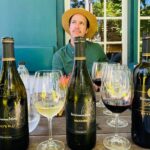
You also get a wine tasting at a local estate in the area. In the better days of this tour, it’s a relaxed, no-panic tasting where you can focus on what’s in front of you rather than feeling pushed to buy. I like that the structure isn’t designed to rush you out the door.
Next up is Franschhoek. This is the town break where the tour gives you time for lunch on your own (not included). Then you’ll stop for another wine tasting at a local vineyard. Franschhoek’s appeal is also the story behind the place: it was founded in 1688 by French immigrants fleeing Huguenot religious persecution, and the town has a memorial marking their arrival. That French influence helps explain why the village feels different from some other South African wine towns.
Finally, the tour reaches Stellenbosch, the second oldest town in South Africa and a historic heart of the wine region. You’ll pass through Dorp Street, lined with massive oaks that shade the original water furrows. The architecture mix—Cape Dutch, Georgian, and Victorian—is part of what makes Stellenbosch feel walkable and photogenic even when you’re not stopping at a single attraction.
You’ll enjoy a final wine tasting before returning to Cape Town. If you like variety, this day layout is a good match because it lets you compare how different towns shape the tasting experience and the vibe of the valley.
You can also read our reviews of more wine tours in Cape Town




Price and value: where the $230 really goes
At $230.05 per person for about three days, the price feels fair if you compare it to the “real cost” of doing this by yourself. You’re paying for transport across long distances, an English-speaking guide, and guided admissions that would add up quickly—Cape Point Nature Reserve and the Castle of Good Hope are both included, plus wine tasting time in the Paarl/Stellenbosch/Franschhoek area.
You’re also getting the convenience of hotel pickup and drop-off from Cape Town City Centre Hotels, which is often the difference between a smooth trip and a stressful one. And the small group size (up to 12) generally means more interaction than the big-departure tours.
Where the value shifts is in the optional and excluded items. Meals and beverages are on your own, and two big-ticket add-ons are not included: Boulders Beach penguin entrance and the Table Mountain cable car ticket. The seal-island boat trip is optional too. If you add all those, your total trip cost will rise—so it helps to decide early which experiences you consider must-haves.
What the guide actually changes (Frizzo, Farouk, Tony, Kevin, Chris)
On tours like this, the guide can turn a checklist day into a story day. The solid guides here tend to be the ones who explain what you’re seeing in plain terms and keep driving safe and smooth.
I’ve seen strong feedback tied to specific names. People mention guides such as Frizzo and Farouk as friendly and detailed, with a focus on describing the sights clearly. Others call out Tony for safe driving and gentle humor, and Kevin or Chris for maximizing time while still giving room for photos and questions.
There’s also a recurring theme: stops aren’t only “get out, photo, get back in.” Guides often give extra context and make sure you understand which bits are included and which are optional, so you’re not surprised later.
If you care about efficiency and good explanations, this type of guided format is where the tour shines.
Weather, closures, and why your schedule should stay flexible
Cape Town is gorgeous, but it has weather moods. The tour is built with that reality in mind, but you still need to be mentally ready for Plan B.
Chapman’s Peak Drive may close, and on those days the tour uses Ou Kaapse Weg instead. You’ll still get a scenic coastal drive, but your exact feel and viewpoint sequence could shift. That’s normal, and your day is still designed to hit the same main targets.
Table Mountain is the other weather-sensitive piece. The cable car is listed as weather permitting, and the ticket itself is not included. If you land in cloudy conditions, you may need to accept that the mountain experience could be reduced or skipped that day.
My advice: plan your clothing for change. Bring a light rain layer and something warm for evenings, even if the morning starts sunny.
Practical tips that make this itinerary feel easier
This trip moves across multiple regions fast, so your comfort choices matter.
- Bring comfortable walking shoes for Cape Point and Boulders Beach areas, where ground can be uneven.
- Pack layers. Table Mountain and coastal drives can feel colder or windy than city-level weather suggests.
- If penguins and the cable car matter to you, budget for them upfront since they’re not included.
- Bring a light day bag. You’ll want water and something small for sun protection during long viewing stretches.
- Keep your phone charged. You’ll have a mobile ticket, and you’ll likely use maps and camera time between stops.
Also, note that the tour order can run in reverse on occasion, depending on the day. And the route may include a return to Cape Town to collect additional passengers for the second half of the tour. None of this changes the core sights—you’re still covering the same major areas.
Who should book this, and who should skip it
This tour is a great fit for:
- First-time visitors to Cape Town who want the big sights without driving
- People who like a guided pace but still want time to look around
- Wine lovers who want an efficient taste route through Paarl, Stellenbosch, and Franschhoek
You might want to skip it if:
- You want slow, long stays and deep wine farm lounging with zero time pressure
- You prefer fully independent travel and don’t like set schedules
- You’re hoping for a fully guaranteed Table Mountain cable car experience regardless of weather
Should you book the Cape Town Super Saver?
If you want a smart “greatest hits” Cape Town + wine region trip, I think this is a strong option. It’s priced like a bundle, and the included admissions and tastings help justify the cost—especially when you factor in the convenience of hotel pickup, guided navigation, and the small group size.
Book it if you’re okay with extra costs for the two big add-ons and you don’t mind that some days depend on conditions. Don’t book it if you hate busy schedules or you’re the type who needs hours at one place rather than highlights across three regions.
If you want to see a lot quickly and still feel guided and cared for, this is the kind of itinerary that delivers.
FAQ
How much does the Cape Town Super Saver cost?
It costs $230.05 per person.
How long is the experience?
The duration is listed as approximately 3 days.
Is hotel pickup and drop-off included?
Yes. Pickup and drop-off are included from Cape Town City Centre Hotels.
What are the main included stops?
Included items cover Cape Point Nature Reserve, the Castle of Good Hope, and one wine tasting in the Paarl, Stellenbosch, and Franschhoek area.
What isn’t included in the price?
Meals and beverages are not included. Also not included are the Boulders Beach penguin entrance fee, the Table Mountain cable car ticket, and any optional items like the Seal Island boat trip.
Is the Table Mountain cable car included?
No—the cable car ticket is not included. The cable car ride is weather permitting.
What happens if Chapmans Peak Drive is closed?
On certain days when Chapmans Peak Drive is closed, the tour travels via Ou Kaapse Weg.
How many people are on the tour?
The tour has a maximum of 12 travelers.
Do I need at least two people to book?
Yes. A minimum of 2 people per booking is required.
What’s the cancellation policy?
You can cancel for free up to 24 hours in advance of the experience start time for a full refund.