REVIEW · LYON
From Lyon: Beaujolais Wine Route Half-Day Tour
Book on GetYourGuide →Operated by TASTY LYON · Bookable on GetYourGuide
Beaujolais in four hours beats doing it alone. This half-day wine route packs two very different tastings with scenic village drives like Fleurie and Morgon, plus a proper English-speaking guide who helps you make sense of what you’re tasting. The small group (up to 8) keeps it relaxed and question-friendly.
I especially like the first stop at Château de Pizay, where you go through a oenosensorial circuit and sample 12 estate wines, including an educational element that ends with an amateur wine expert diploma. One thing to consider: it’s a tight 4-hour schedule, and if road traffic runs long, time at each tasting stop can feel a bit compressed.
In This Review
- Key highlights to look forward to
- Why this Beaujolais wine route works from Lyon
- Getting started in Bellecour: meeting point, minivan comfort, and timing
- Stop 1 at Château de Pizay: the oenosensorial circuit and 12 estate wines
- The Beaujolais drive-through: Fleurie, Morgon, and Moulin à Vent
- Stop 2: the family-run winery in Moulin à Vent-style country
- How much wine are you really drinking? Pace and tasting style
- Price and value: what $116 buys you in real terms
- Who this tour is best for
- Small-group comfort and what to know before you go
- Should you book the Beaujolais wine route half-day tour from Lyon?
- FAQ
- Where do I meet the guide for this tour?
- How long is the Beaujolais Wine Route half-day tour?
- What is the group size?
- How many wines do I taste?
- What kind of transportation is included?
- What language is the tour guide?
- Is this tour wheelchair accessible?
- What should I bring, and what’s not allowed?
Key highlights to look forward to
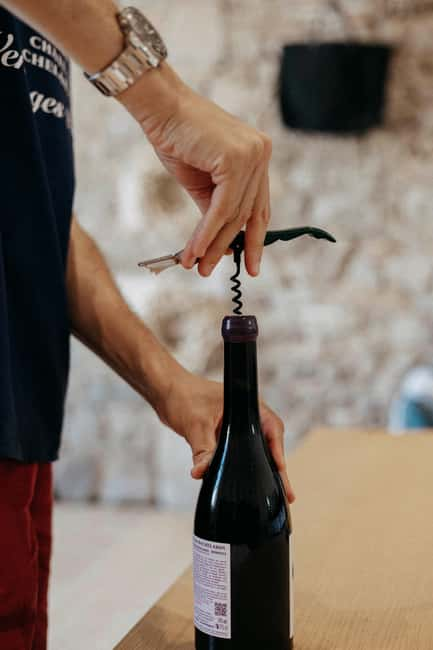
- Château de Pizay oenosensorial circuit + 12 estate wines: taste-led learning with a visual, sensory format.
- Scenic drive through key Beaujolais villages: Fleurie, Morgon, and Moulin à Vent on the way.
- Meet a winemaker at a family-run winery: you’re not just tasting; you’re hearing how it’s made.
- Taste five wines at the second winery: a focused set that lets you compare styles.
- Small group feel: limited to 8 participants for a calmer pace and more direct guide attention.
- Skip-the-line access via a separate entrance: you spend more time tasting and less time waiting.
Why this Beaujolais wine route works from Lyon
Beaujolais sits close enough to Lyon that you can do it without losing a whole day. This tour is built for that reality: a short outing where you still get variety—different wineries, different winemaking styles, and enough tastings to help your palate start forming opinions fast.
The region is famous for wines that can taste light and fruit-forward in one moment and more structured in the next. That’s why the format matters. Instead of one long tasting where everything blurs together, you get a step-by-step approach: learn the basics, taste many wines early, then slow down at a family winery where the person behind the bottles explains what you’re drinking.
If you’re new to Beaujolais, this kind of structure is gold. If you already know your way around Burgundy-style talk, you’ll still benefit from the terroir language and the guided comparisons.
You can also read our reviews of more wine tours in Lyon
Getting started in Bellecour: meeting point, minivan comfort, and timing
You meet your guide in front of the Lyon tourist office in Bellecour Square. Plan to arrive 15 minutes early so you’re not scrambling when the group is formed.
Transport is by air-conditioned minivan, which is a big deal in a region full of countryside drives and uneven timing. Also, the tour is designed as a shared small group (limited to 8), so you’re not stuck listening to someone repeat the same basic instructions over and over. You’re more likely to get quick answers to questions about wine styles, tasting technique, and what “terroir” means in plain terms.
Practical tip: wear comfortable shoes. Even if it’s not a hiking day, you’ll move around winery spaces and tasting areas. And keep in mind it’s not suitable for wheelchair users, based on the tour’s stated limits.
Stop 1 at Château de Pizay: the oenosensorial circuit and 12 estate wines
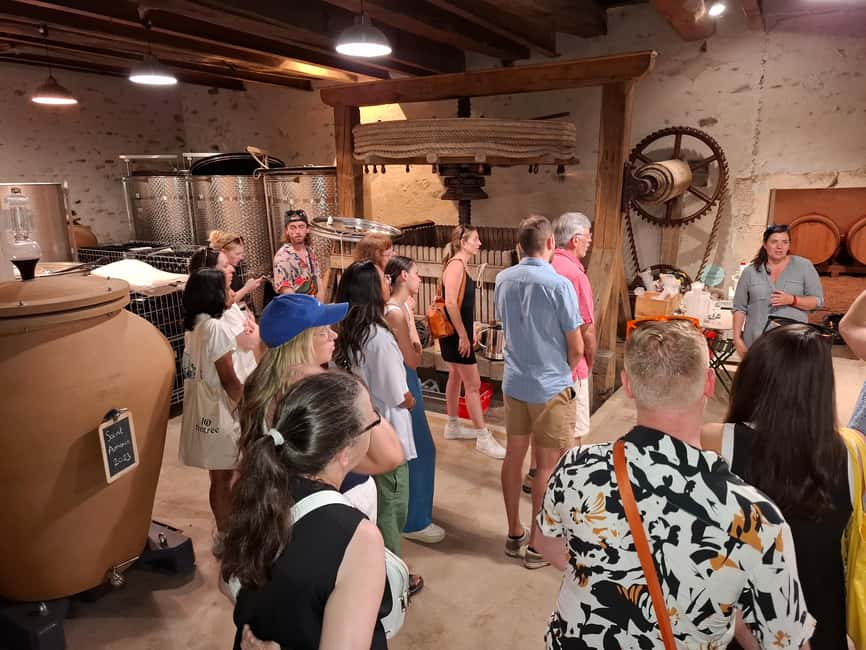
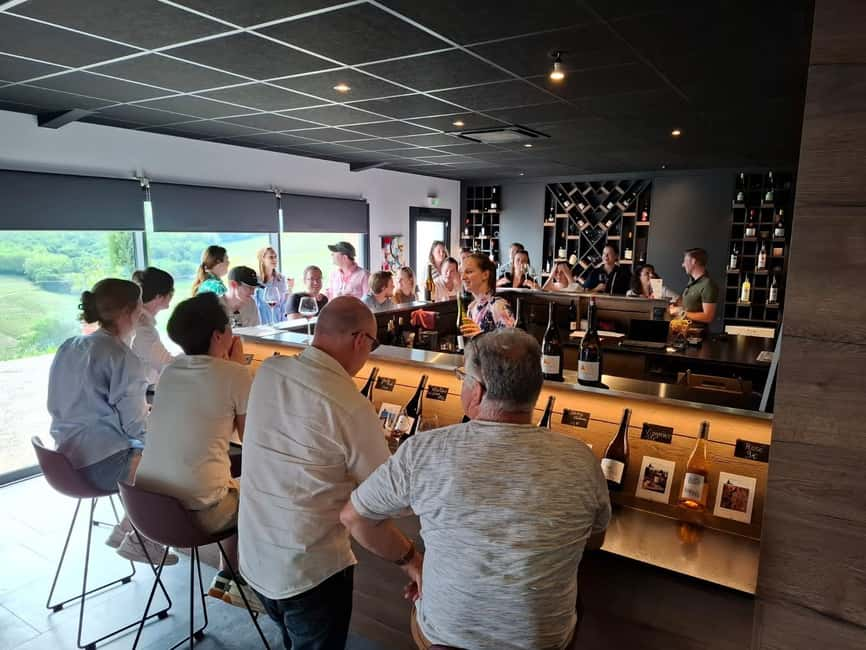
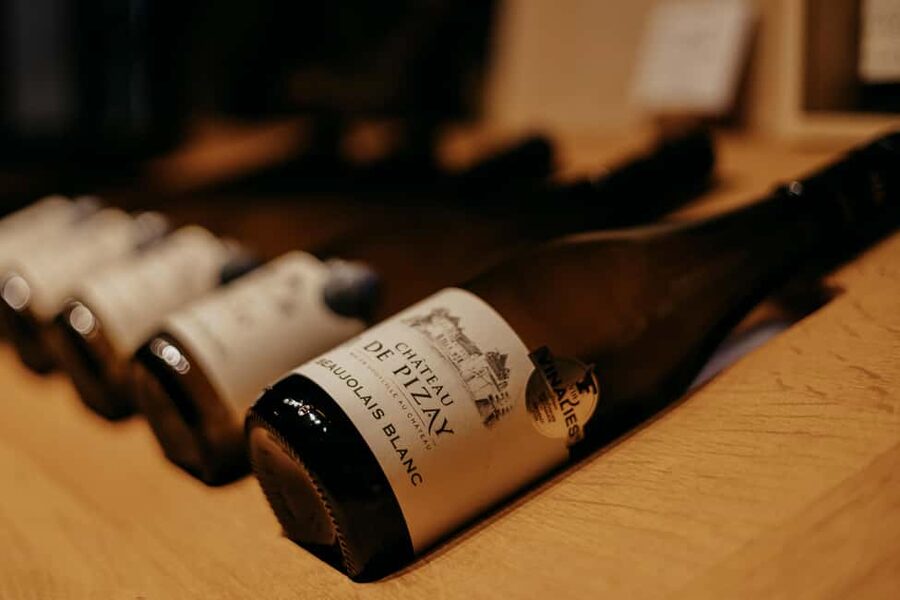
Château de Pizay is your first big “wow” moment, and it’s not just because it’s a real working estate. The experience uses an oenosensorial circuit, meaning you’re guided through a tasting setup that pairs what you taste with visual and sensory cues. It’s a different way to learn than the usual sip-and-guess routine.
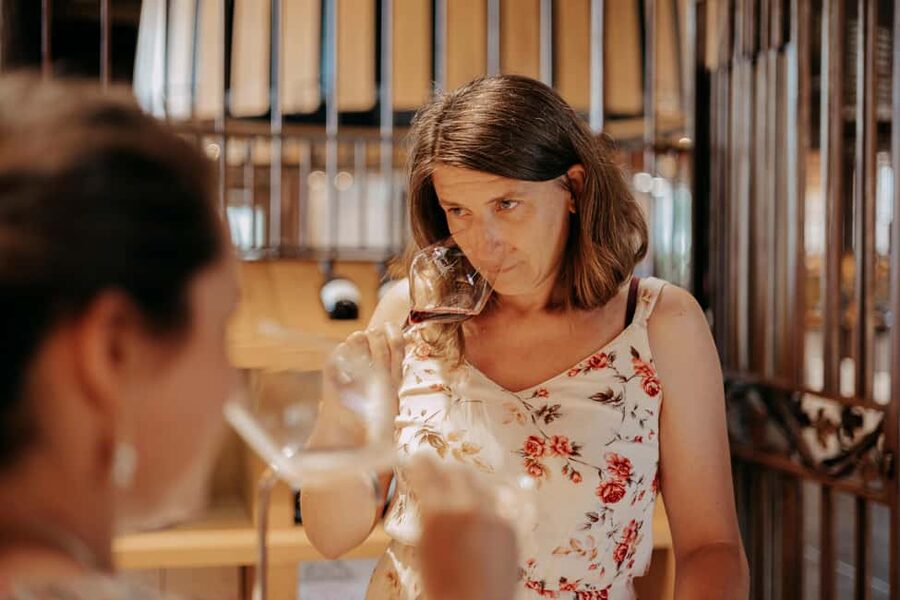
Here’s what makes this stop especially useful for first-timers: you taste 12 estate wines, and the guide ties the tasting back to ideas like terroir—the combination of soil, climate, and slope that influences how grapes behave. You’ll likely hear how variations across the Beaujolais landscape affect aroma and flavor, and you get practice identifying what you’re responding to.
One of the fun surprises is the educational angle. You’re not just collecting sips; you may earn an amateur wine expert diploma, which sounds silly until you realize it pushes the group to pay attention and think about what they’re tasting. Several people also describe the first stop as interactive and structured, including a quiz-style element and a self-serve tasting flow for the 12 wines.
A small caution: because this is a learning-heavy tasting with lots of pours, it can feel fast if you’re the type who likes to slow down over every glass. Go in with a calm mindset: you’re sampling breadth today, not perfecting every bottle.
The Beaujolais drive-through: Fleurie, Morgon, and Moulin à Vent
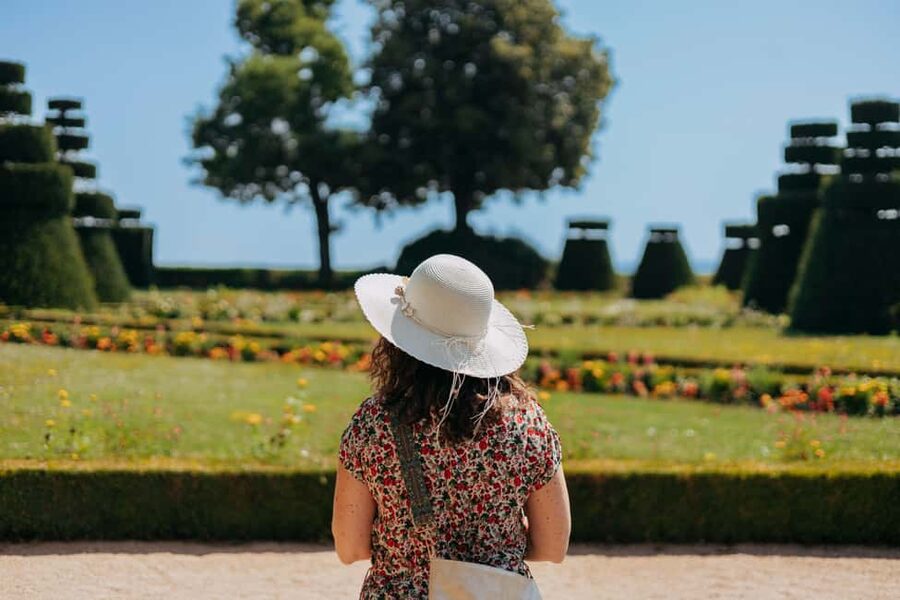
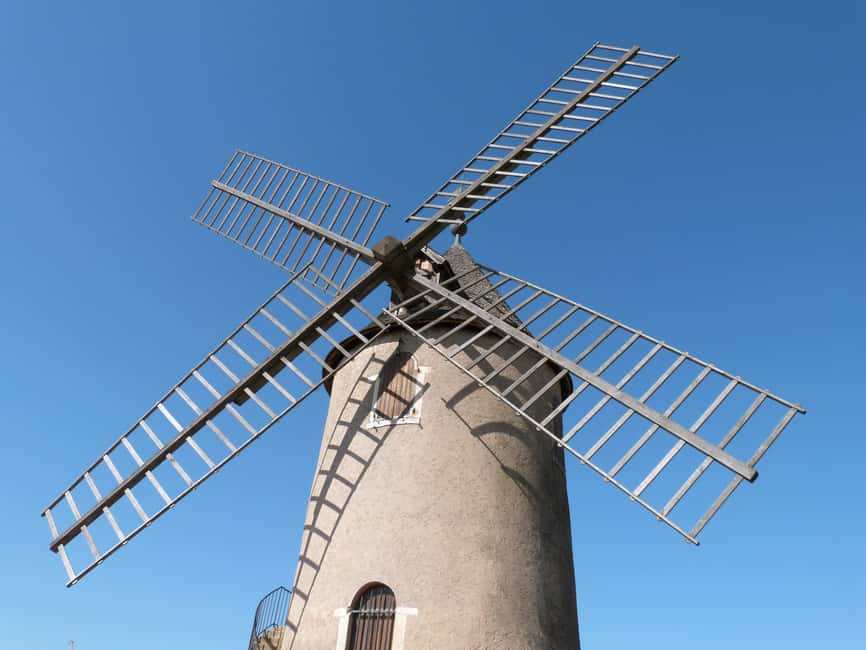
Between wineries, the ride is part of the point. You’ll pass through and/or visit areas associated with Fleurie, Morgon, and Moulin à Vent, all key names in the northern Beaujolais world.
What you should do during the drive: use it as a reset for your palate. If you’ve just tasted a dozen wines, your nose and tongue need a breather. Watch for how the guide talks about differences between villages or styles, and think about what you tasted earlier. Even without long stops for photo ops, these place names help your brain organize the wine information instead of treating everything as one big blur.
This segment is also where the tour’s pacing becomes clear. Because the day is only 4 hours, the schedule is built around efficient travel time. If traffic runs long, this is often the first place where you feel it—less time to linger, more time to move.
Stop 2: the family-run winery in Moulin à Vent-style country
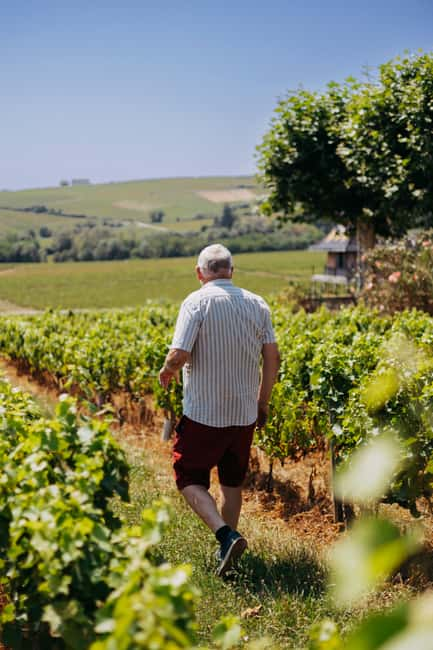
The second stop is where the tour slows down and becomes more personal. You end at a family-run winery, and the highlight is meeting the winemaker and tasting wines directly from their production world.
You’ll taste five wines here, and the experience is typically more conversational than the first stop. This is where you get the “how” behind the bottles—how the family approaches farming and winemaking decisions, and what they believe makes their wines work. You may also get a sense of daily life at a small operation, which helps explain why small wineries can taste more distinct even when the grape and region are familiar.
One of the best parts of this stop is comparison. After sampling 12 wines at Château de Pizay, the five at the family winery feel more intentional. You’re not just accumulating variety—you’re learning how a single producer translates Beaujolais into a recognizable style.
Also, this is the stop where many people feel the emotional connection. The person pouring isn’t acting like a salesman. It’s more like: you ask, they answer, and you leave with a better sense of what to look for next time you’re choosing a bottle in France or at home.
A few more Lyon tours and experiences worth a look
How much wine are you really drinking? Pace and tasting style
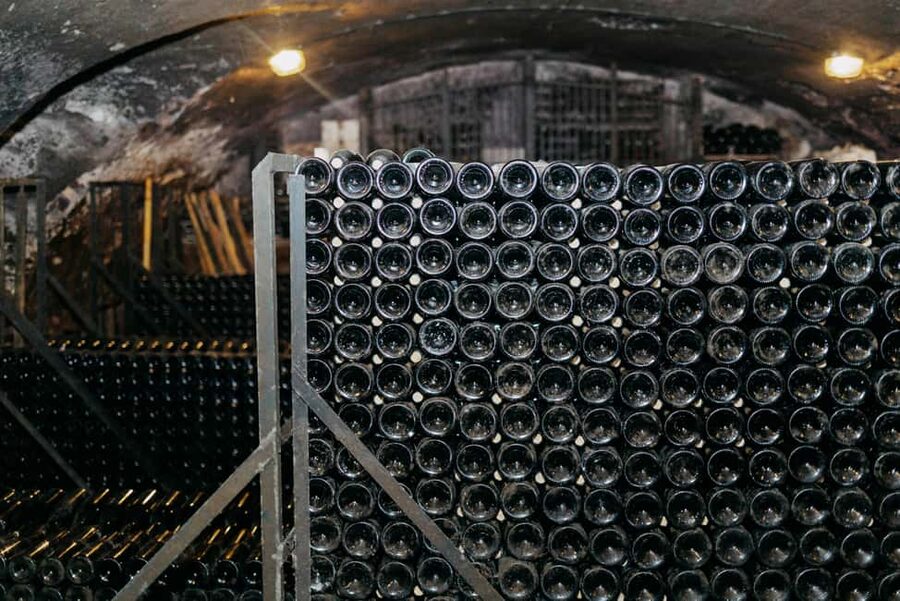
This is a tasting tour, so yes, you’ll drink wine. The included tastings and the fact that alcoholic beverages are part of the experience means you should plan accordingly.
The good news is the format is designed to keep you from getting overwhelmed. You start with a larger set at Château de Pizay (12 wines) in an organized, educational format. Then you move to a smaller set at the second winery (five wines), which helps you stabilize your palate and focus on differences.
Here’s the practical way to approach it so you actually learn:
- Start with aroma: smell first, then sip.
- Take small notes if you like. Even quick words like fruity, spice, or dry make the experience stick.
- Pace yourself at the first stop so you don’t end up rushing at the second.
And plan water and bathroom breaks as part of your rhythm. You’re on a half-day schedule, so it helps to treat breaks like normal travel hygiene rather than distractions.
Price and value: what $116 buys you in real terms
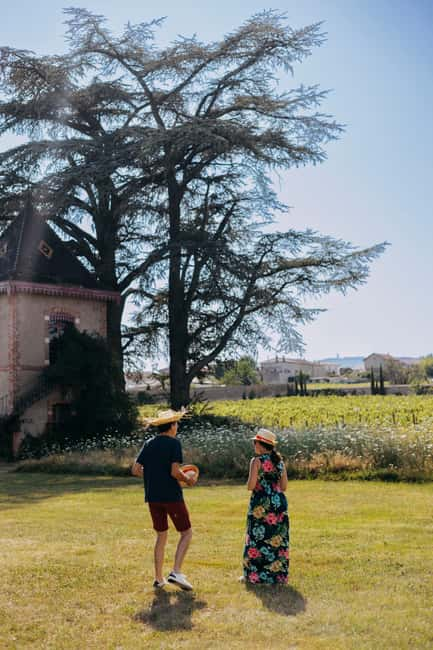
At $116 per person for a 4-hour tour, you’re paying for more than wine. The value is in three things working together:
- Transportation from Lyon via air-conditioned minivan
You’re not doing this by yourself, which matters when you want short drives between multiple producers.
- A guide who keeps the tasting structured
Wine tasting can become random if nobody frames it. Here, the guide-led explanations and the oenology-focused circuit help you turn sipping into learning.
- Tasting volume across two styles of wineries
You sample 12 estate wines at Château de Pizay and five wines at a family winery. That’s a lot of wine for a half-day, especially paired with context.
Also, the transport is noted as high quality, with many people scoring it perfectly—meaning the vehicle experience is usually smooth and comfortable. For a short tour, that kind of reliability matters.
If you’re on the fence because you think it might feel touristy: the structure actually helps. You get one larger, designed educational tasting and one smaller, family-led meeting with the winemaker. That mix usually gives you both breadth and meaning.
Who this tour is best for
This tour is a strong fit if you:
- want a short Beaujolais introduction without planning the wineries yourself
- like guided context more than solo wandering
- want to compare styles from a larger estate experience and a smaller family operation
- are traveling with people who enjoy wine but don’t want a full-day commitment
It may be less ideal if you prefer long winery stays, deep food pairings, or hands-on work in the vines—this is a tasting route with a timed rhythm, not a farm workday.
Small-group comfort and what to know before you go
A few rules make the experience smoother:
- No smoking in the vehicle
- No pets are allowed (with assistance dogs permitted)
- No food and drinks in the vehicle
- Comfortable shoes are recommended
- It’s English with a live guide, and the group stays small
This kind of tour also tends to work best if you show up ready to listen. The guide’s job is to tie tastings to concepts, names, and place-based differences. If you’re looking for a quiet, no-instructions ride, you might feel a bit guided. If you want help forming wine opinions, you’ll do well.
Also: if you’re sensitive to timing, know the tour is short. A couple of traffic delays can shrink your time at each stop, even when the hosts do their best.
Should you book the Beaujolais wine route half-day tour from Lyon?
If you want a high-value Beaujolais sampler with real guidance, I think this is an easy yes. The two-winery structure gives you variety, and the Château de Pizay first stop is built to teach you quickly—especially if you’re not yet comfortable talking about terroir and how it shows up in the glass.
Book it if:
- you’re short on time in Lyon
- you want tastings plus explanations, not just wine sipping
- you like small-group tours where you can ask questions
Skip it (or consider a longer option) if:
- you dislike structured tasting formats like quiz-style learning
- you’re the type who needs extra time at each winery to really settle in
- you’re counting on perfect timing and won’t handle a possible rush due to road delays
FAQ
Where do I meet the guide for this tour?
Meet your guide in front of the Lyon tourist office in Bellecour Square. Arrive about 15 minutes before the scheduled start time.
How long is the Beaujolais Wine Route half-day tour?
The tour lasts 4 hours.
What is the group size?
It’s a small group, limited to 8 participants.
How many wines do I taste?
At the first stop, you sample 12 estate wines. At the second, you taste five wines.
What kind of transportation is included?
You travel by air-conditioned minivan as part of the tour.
What language is the tour guide?
The live tour guide speaks English.
Is this tour wheelchair accessible?
No. It is not suitable for wheelchair users.
What should I bring, and what’s not allowed?
Bring comfortable shoes. The tour does not allow pets (assistance dogs are allowed) and you should not smoke in the vehicle. Food and drinks are not allowed in the vehicle.