REVIEW · LYON
Wine Tasting in Lyon Small Group, Curated Wines
Book on Viator →Operated by Wine Tasting LYON | JEANGUYOT Wine Agency · Bookable on Viator
French wine, mapped in one evening.
This is a small-group masterclass in central Lyon where Hugo Jeanguyot walks you into the tastings and keeps everything English-friendly. The format is simple but smart: you move through four stages, tasting at least ten wines, and you learn what makes each region tick rather than just naming grapes.
What I especially like is how the food is part of the lesson, not an afterthought. You get wine-and-cheese pairings built into each flight, with local specialties like cheeses, charcuterie, fresh fruit, and seasonal desserts at no extra cost. One more plus: the way Hugo teaches you to taste means you do more than sip—you compare, guess, and get quick feedback as you go.
One thing to consider: the setting can be small and very local. A previous venue was described as an upstairs room with no air conditioning and no windows, so if you’re sensitive to stuffy or dim spaces, you’ll want to factor that in.
In This Review
- Key points to know before you go
- Entering Lyon’s wine world at Place d’Ainay
- The walk to the dairy and why the first moments count
- Four tasting stages: sparkling, whites, reds, and special pours
- Stage 1: Sparkling wines + opening bites
- Stage 2: Whites built for contrast
- Stage 3: Reds that teach structure and age
- Stage 4: Three special wines for the final “what was that?” moment
- The pairing table: cheeses, charcuterie, fruit, and seasonal sweets
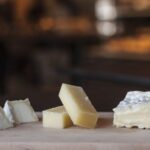
- Cheese names you might taste
- Why charcuterie and bread matter
- The French wine regions you connect to what’s in your glass
- Beaujolais: more than a name on a label
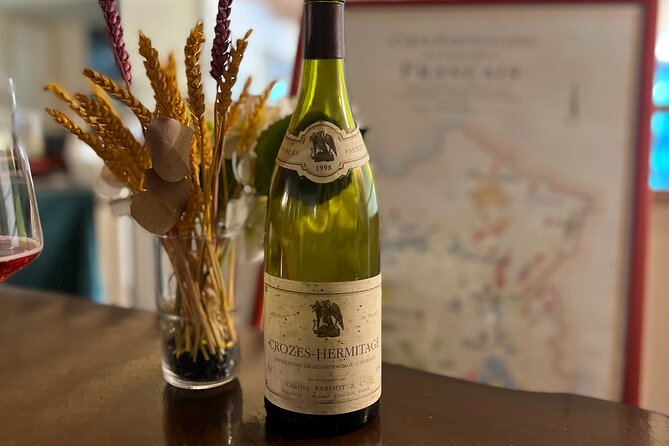
- Rhône Valley: range in one region
- Jura: the oddball that makes you pay attention
- Small-group size (up to 10) and the value of getting answers
- Price and value: what $193.50 buys you in real terms
- Who should book this Lyon wine masterclass?
- Should you book it? My quick take
- FAQ
- Where does the tour start and end?
- How long is the wine tasting experience?
- What group size should I expect?
- What language is the tour offered in?
- How many wines will I taste?
- What food is included?
- Is there a specific meeting location and is it near transit?
- What if weather is bad or plans change?
Key points to know before you go
- Small group pace (max 10): more chat, more questions, less waiting your turn.
- English-speaking sommelier host: Hugo guides the tasting with maps/books and clear explanations.
- Four tasting stages: sparkling, whites, reds, plus a final set of special wines.
- Pairings included: cheeses, charcuterie, fruit, bread, and seasonal sweets show up with every stage.
- French wine regions with real stories: you’ll connect what you taste to places like Beaujolais, Rhône Valley, and Jura.
- A hands-on tasting feel: you’ll taste and make calls before the full explanation lands.
Entering Lyon’s wine world at Place d’Ainay
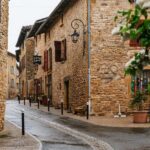
The experience starts at Place d’Ainay (69002 Lyon). It’s central, easy to reach, and it keeps the vibe practical right from the jump. From there, you walk together to the tasting spot. That short stroll matters more than you’d think: it gets you oriented in Lyon and puts you in “local mode,” not museum mode.
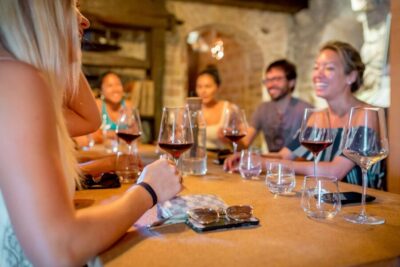
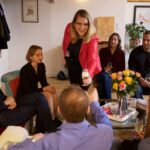
Once you’re there, the host—Hugo Jeanguyot—runs the night like a guided tasting class, not a formal lecture. He brings structure, but he doesn’t kill the atmosphere. One reason this works well for visitors is that the whole thing is designed for an English-speaking group, so you’re not stuck decoding terminology while everyone else seems fluent.
If you’ve had wine tours that felt overly stiff, this one is the opposite. The tone comes across as relaxed and interactive. You’ll still learn a lot, but it won’t feel like homework.
You can also read our reviews of more food & drink experiences in Lyon
The walk to the dairy and why the first moments count
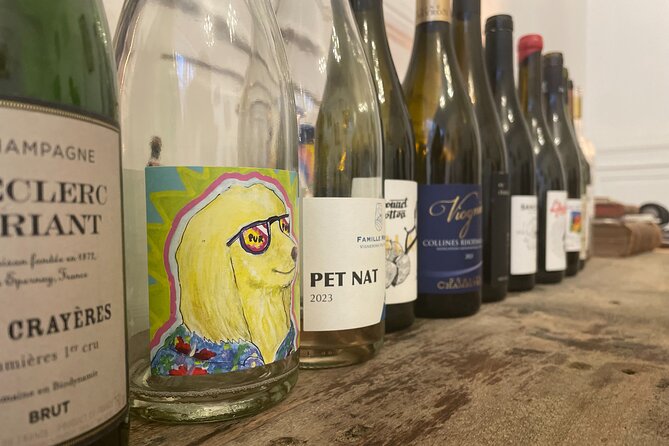
That early walk is more than a warm-up. You’re taken from a public square into a local tasting environment where the cheeses and wine feel like they belong together. Several guests pointed to the pairing setup as a key highlight, and the logistics help that happen smoothly.
Also, the meeting-point choice is a clue about value. Lyon has plenty of wine stops that require extra transit and time. Starting at Place d’Ainay keeps your evening tight, which helps when you only have a couple nights in town.
The tour ends back at the meeting point, so you’re not worrying about where you’ll land after the last sip.
Four tasting stages: sparkling, whites, reds, and special pours
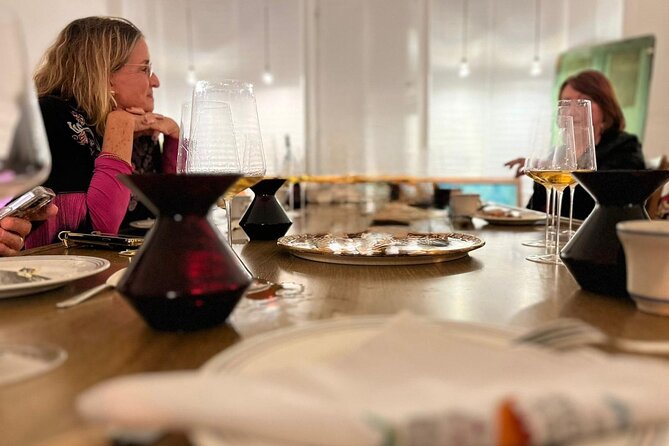
The masterclass is organized into four tasting stages. That structure is one of the smartest parts of the evening. Instead of random samples, you see how styles change—first by wine type, then by region and aging decisions.
Stage 1: Sparkling wines + opening bites
You begin with sparkling wines paired with cheeses and seasonal bites. Even if you’re not a dedicated bubbles person, this stage is useful because sparkling wine is a fast way to learn texture and balance. You can pay attention to acidity, how the bubbles frame flavor, and how certain cheeses cut through or soften the wine’s edge.
This is also a good place for first-time French wine drinkers. It’s less intimidating than a heavy red and it sets the “listening” mindset you’ll use for the rest of the evening.
Stage 2: Whites built for contrast
Next come three white wines designed to show contrast—different terroirs, grape varieties, and winemaking styles. The goal is clarity: you should leave understanding that French white wine isn’t one thing. It can be crisp and lean, or rounder and more textured. It can taste like freshness or like depth, depending on what’s in the glass.
The pairings during this stage help you notice balance. If the wine feels sharp, the pairing should make it feel more coherent. If the wine feels soft, the pairing should bring detail back.
You can also read our reviews of more wine tours in Lyon
Stage 3: Reds that teach structure and age
Then the flight shifts to three red wines, framed as a journey through structure, age, and appellation. This is where you get the practical lesson many people miss: a red isn’t only about flavor. It’s also about the architecture—tannin, acidity, and how time changes the fruit and the finish.
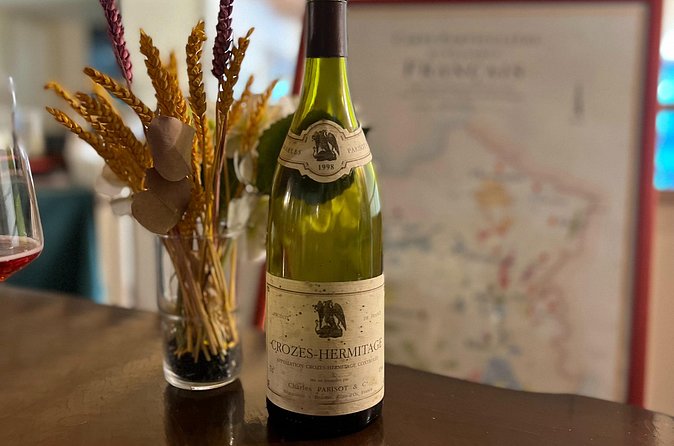
Guests specifically praised the range of vintages and even called out older bottles as highlights. One guest mentioned an exceptionally memorable aged white from Graves (and that tells you the host is willing to go beyond the safe, entry-level selections). You should expect variety across grapes and time periods.
Stage 4: Three special wines for the final “what was that?” moment
The last stage is for the surprises—three distinctive wines that might include an old vintage, a sweet wine, or something unexpected. This part is great because it breaks the pattern. By then you’re more alert, and it’s easier to spot what’s going on behind the scenes.
You’ll still get explanations, but you may also get the chance to make guesses first. One recurring theme in the descriptions of the host’s style is that Hugo challenges the group to taste and try to identify what they’re drinking before he reveals the full story.
The pairing table: cheeses, charcuterie, fruit, and seasonal sweets
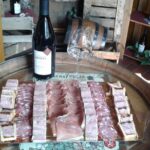
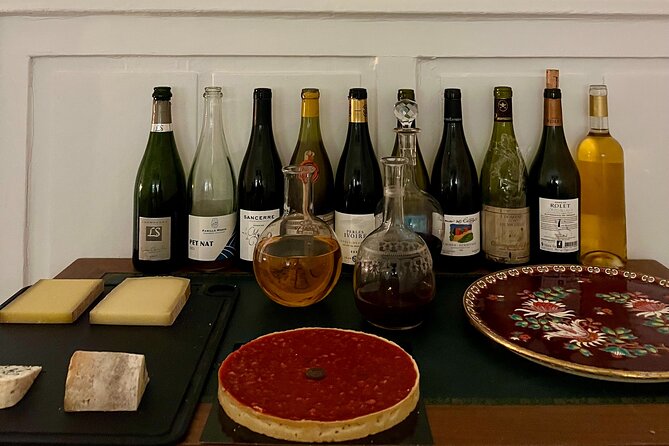
Food isn’t decoration here. It’s a teaching tool and it’s included in the price. The cheese-and-wine pairing is a core part of why this is consistently recommended.
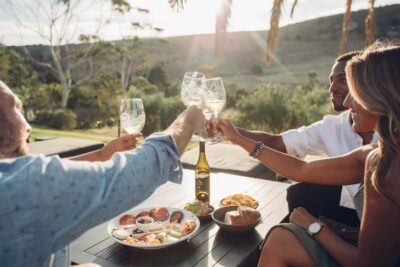
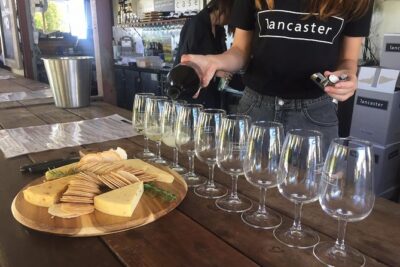
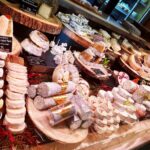
Across the flights, expect combinations like artisanal cheeses, charcuterie, fresh fruits, bread, and seasonal desserts. In other words, you’re not stuck with just cheese boards. The menu moves with the wine stages.
Cheese names you might taste
The evening includes cheeses such as:
- Brillat-Savarin
- Fromage de chèvre du Beaujolais
- Comté 24 mois
- Beaufort Chalet d’Alpages
- Bleu d’Auvergne
- Bleu du Vercors-Sassenage
Those are not random choices. They cover a range of textures and intensities—from creamy and buttery to nutty and firm to the blue-cheese category that can overpower a careless pairing.
And yes, guests have asked for the cheese list afterwards, which is a sign that the snacks aren’t generic.
Why charcuterie and bread matter
Charcuterie and bread show up because they help you connect wine to real eating habits. A lot of wine tastings ignore that middle ground between “fancy bites” and “real dinner.” Here, the goal is for you to understand how wines behave when you actually chew, eat, and reset your palate.
The French wine regions you connect to what’s in your glass
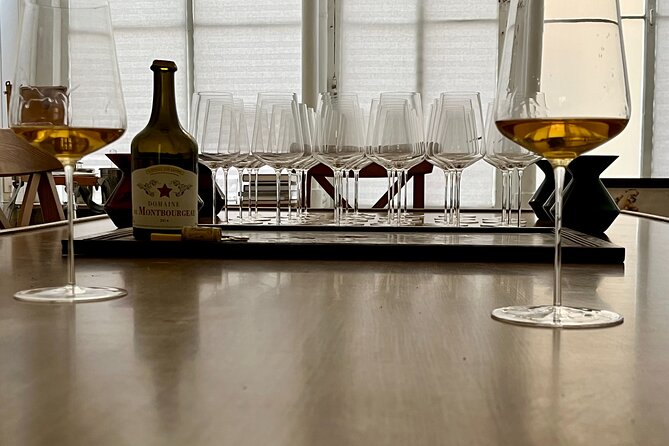
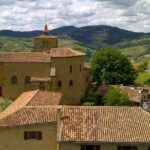
You’re not just tasting. You’re learning a map. The evening includes stories about major regions, especially Beaujolais, Rhône Valley, and Jura, plus other surprises.
Here’s the practical value: once you understand the signature idea behind each region—climate tendencies, grape choices, typical styles—you can start recognizing patterns in bottles you see later.
Beaujolais: more than a name on a label
In Beaujolais, you often find wines that can feel light yet expressive, with flavors that can read as fruit-forward and lifted. If your tasting includes a chèvre from Beaujolais (one of the cheeses served), you’ll get a close-up lesson on how local food and local wine traditions overlap.
Rhône Valley: range in one region
Rhône wines are known for diversity—both in reds and whites—and the pairing style can highlight how that range plays out in texture and aroma. A good Rhône experience shouldn’t make you feel like you’re memorizing. It should help you recognize how different choices lead to different results.
Jura: the oddball that makes you pay attention
Jura is a region that rewards curiosity. If you’ve ever looked at a Jura label and thought it sounded complicated, this kind of structured tasting helps make it feel logical. Even if you don’t remember every word, you’ll remember the taste behaviors.
And the host makes it feel easier by using tools like books and maps to support the explanations. That matters when you’re trying to connect flavor to place.
Small-group size (up to 10) and the value of getting answers
This is capped at 10 travelers, and that limit changes the whole experience. In a big group, the guide stays in “talk mode.” In a small group, you get closer to the people asking questions, and Hugo can answer more directly.
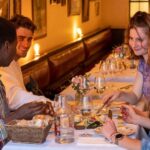
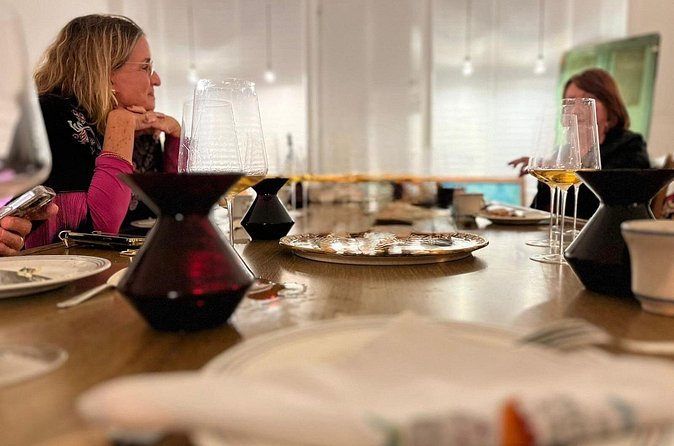
Guests highlighted how the atmosphere felt comfortable and never rushed. That’s the sweet spot for learning. You can ask about why one wine tasted drier, or why the cheese made it taste richer, without feeling like you’re slowing the whole room down.
You also get a more social evening. Several people described continuing conversations after the tasting and sharing meals together nearby. That’s a sign the group interaction feels natural, not forced.
Price and value: what $193.50 buys you in real terms
At $193.50 per person for about 2 hours 30 minutes, this isn’t a cheap snack-and-sip. But you’re paying for three things that add up quickly:
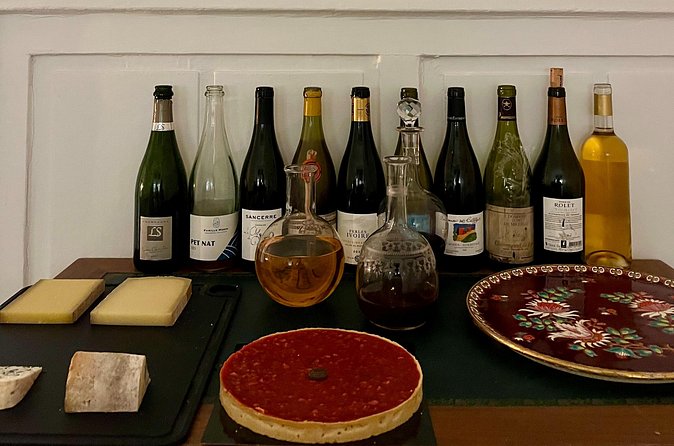
- Depth in tasting: at least ten selected wines across multiple stages.
- Food pairings included: cheeses, charcuterie, fruit, bread, and seasonal desserts are part of the package.
- A real host-led lesson: Hugo’s time is built into the format, and the session is small-group (max 10).
If you’ve ever bought tasting flights in a wine bar and then felt like the food didn’t match the wine—or like the staff couldn’t explain what you were tasting—this is the fix. Here, the pairings are integrated into the lesson, not added on after.
Is it “value” if you just want to drink casually? Maybe not. But if you want to leave with more wine confidence than you started with, the price starts to look fair.
Who should book this Lyon wine masterclass?
This works best if you:
- want wine education without the snob factor
- like cheese and charcuterie as part of a real evening out
- enjoy structured tastings that still feel relaxed
- want to understand French regions like Beaujolais, Rhône, and Jura in plain language
- are traveling in a small group and want interaction
It may not be ideal if you’re seeking a huge, high-energy party style wine event. This is more thoughtful than loud.
Should you book it? My quick take
I’d book this if you want a Lyon wine evening that mixes wine education + included pairings in a small group. Hugo’s approach—clear explanations with maps/books, paired snacks that make sense, and tasting moments where you guess along the way—hits the practical sweet spot for first-time and repeat wine lovers alike.
One caution: check the setting vibe. Some rooms used in the past have been described as upstairs and lacking air conditioning and windows. If that would bother you, consider asking the operator how the room will be set up for your date.
If you’re excited to learn the French wine map by tasting, this is a strong choice.
FAQ
Where does the tour start and end?
The tour starts at Place d’Ainay (69002 Lyon, France) and ends back at the same meeting point.
How long is the wine tasting experience?
It lasts about 2 hours 30 minutes.
What group size should I expect?
The experience has a maximum of 10 travelers.
What language is the tour offered in?
The tour is offered in English, and the sommelier/host communicates in English.
How many wines will I taste?
You’ll taste at least ten selected wines across four tasting stages: sparkling, whites, reds, and special wines.
What food is included?
Wine and food pairings are provided at no extra cost and can include cheeses, charcuterie, fresh fruits, and seasonal desserts.
Is there a specific meeting location and is it near transit?
Yes, the meeting point is Place d’Ainay, and it’s near public transportation.
What if weather is bad or plans change?
The experience requires good weather. If it’s canceled due to poor weather, you’ll be offered a different date or a full refund. Free cancellation is available up to 24 hours in advance for a full refund.