REVIEW · PAROS
Paros: Cooking Class with Greek Meal & Wine
Book on Viator →Operated by MTM Experiences · Bookable on Viator
Paros can feel like a beach town first, food second. This class flips that. You’ll get hands-on cooking of a full Greek meal, taught by local hosts, then sit down with what you make.
Two things I especially like are the small-group setup (capped at 15, with a stated max of 25) and the family-style teaching approach that shares real techniques, not just a printed recipe. The one possible drawback: the experience includes local house wine and a brief dance segment, so if you want a quiet, alcohol-free evening, this might feel a bit party-like.
In This Review
- Key highlights at a glance
- Why a Paros cooking class is worth your time
- Getting to the kitchen: Anezina pickup, aprons, and first tastes
- How the class runs in 3.5 hours (and why it feels doable)
- Station cooking: what you actually do in the kitchen
- What you’ll cook: Parian Greek dishes from starter to dessert
- Lunch at communal tables, plus wine and a short dance break
- The value of $140.29: what you’re really paying for
- Best for: who will enjoy this class most
- Practical tips: what to pack and how to plan your day
- Quick compare: cooking class vs. another Paros food option
- Should you book this Paros cooking class with Greek meal and wine?
- FAQ
- How long is the Paros cooking class?
- What’s the price per person?
- Is pickup and drop-off transfer included?
- Where does the class start and end?
- What group size should I expect?
- What’s included in the price?
- What if I need dietary accommodations or want to cancel?
Key highlights at a glance
- Small-group feel with a cap at 15 (and a maximum of 25), so you’re not stuck watching from the sidelines
- Hands-on stations where you’ll chop, mix, assemble, and cook as guided
- A full Greek meal, from appetizers through dessert, made and shared at communal tables
- Local house wine served with your meal, plus a light traditional dance introduction
- Recipe handout after the class, so you can recreate Parian flavors at home
Why a Paros cooking class is worth your time
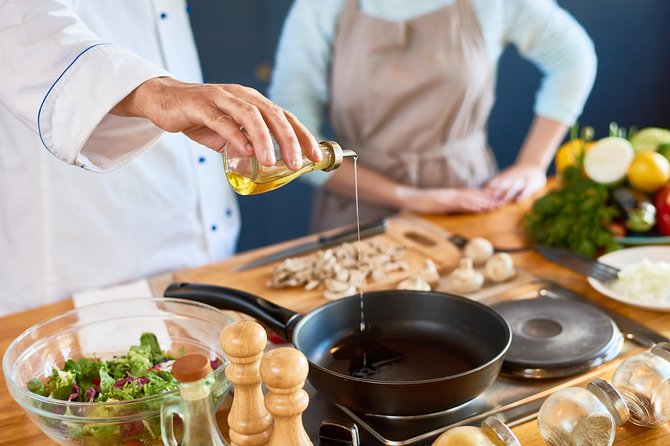
If your Paros days are already packed with beaches and boat trips, this kind of cooking class gives you something that sticks. You’re not just eating Greek food once—you’re learning the steps, the logic, and the small choices that make dishes taste like they belong on this island.
I also like the “local cooks, not a lecture” approach. The class format is built around doing, tasting, and asking questions while the food is actually on the go. You’ll leave with a better feel for how Greek flavors work: olive oil, herbs, lemon, garlic, and slow-cooked comfort foods that don’t need fuss.
And you’re doing all of this in a small group, capped tightly enough that most people get hands-on time. Even solo travelers tend to fit in fast because the kitchen setup pushes participation.
You can also read our reviews of more tours and experiences in Paros.

Getting to the kitchen: Anezina pickup, aprons, and first tastes
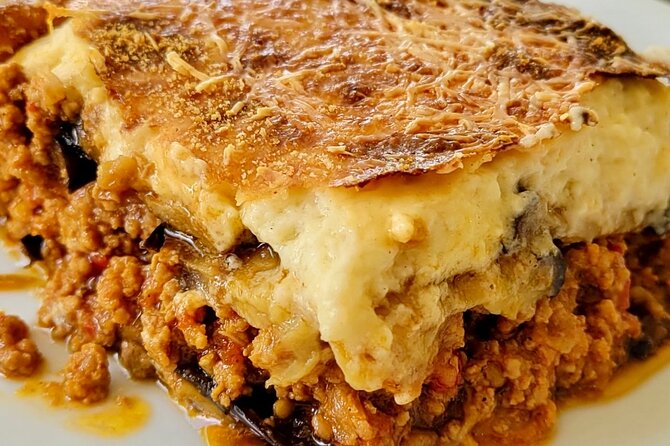
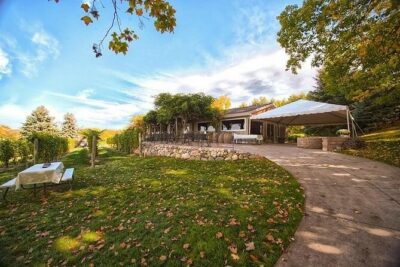
Your day starts near public transportation, with pickup and drop-off transfer included. The meeting point is at Anezina Hotel & Village in Naousas, Drios (844 00), Greece. Pickup typically happens at the hotel lobby or a nearby appointed spot, and you’ll need to provide exact pickup details.
Once you arrive, the welcome is part of the experience, not a formality. Based on how the class runs, you’ll start with communal setup—think shared tables and getting settled—then you’re geared up with cooking basics like an apron and head covering. There’s also a first taste to set the mood: local house wine is served early, and it returns again with the meal.
This matters because it changes the vibe. Instead of waiting in a room until dinner, you’re already part of the evening as soon as you step in.
How the class runs in 3.5 hours (and why it feels doable)
The whole experience runs about 3 hours 30 minutes (approx.). That’s long enough to learn real techniques, but short enough that you’re not spending half your trip trapped indoors.
The class is structured to keep things moving. You’ll work in stations, so different small groups handle different prep tasks. In many sessions, instructors prepare some components in advance (so you’re not stuck doing every step of everything for three hours), then guide you to put the pieces together and cook the finished dishes.
Timing flexibility is also built in. The experience offers choice of timings, so you can match your plans—late lunch, early evening, or whatever fits your schedule.
Station cooking: what you actually do in the kitchen
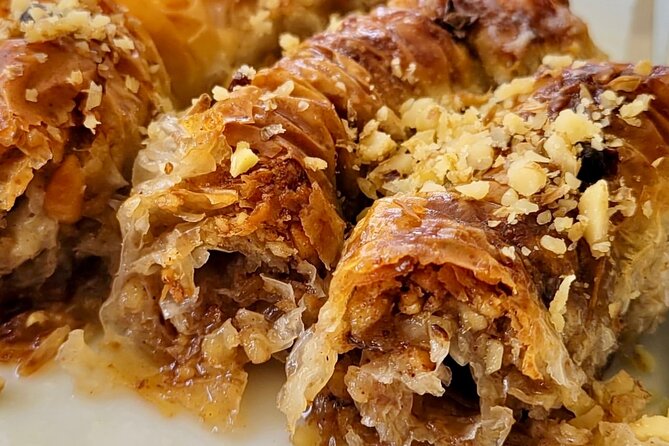
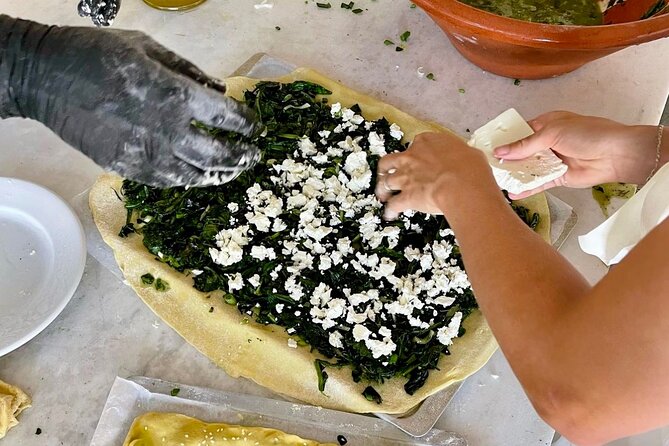
This is not a watch-and-wait situation. You’ll be given tasks that make sense: chopping, mixing, assembling, and shaping. The instructors guide the process and help you avoid common mistakes, like overfilling wraps, under-seasoning, or rushing sauces that need a little time.
From the examples of dishes described, you may work with:
- fresh vegetables and herbs for Greek salads and dips
- pastry and filling for pies
- rice, pasta, and sauces for hearty mains
- fish prep and filleting steps (shown in at least one session example)
The hosts you might meet include Vivian, Maria, and Abdul. Across the sessions, the teaching style is consistent: clear explanations, hands-on help, and lots of participation. If you’ve never cooked before, you’re not behind. The pace and guidance are set up so beginners can contribute.
What you’ll cook: Parian Greek dishes from starter to dessert
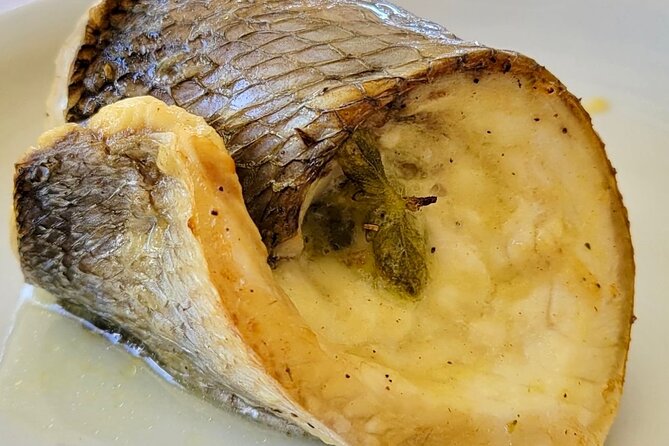
This class is sold as a full Greek meal, so you’re building an actual spread, not just one dish. The menu can shift, but the themes are consistent: classic Greek staples plus island comfort food.
Here are examples of dishes that show up in the class experience (so you’ll know what to expect the day of):
- Anezina Salad, described as a special and memorable starter
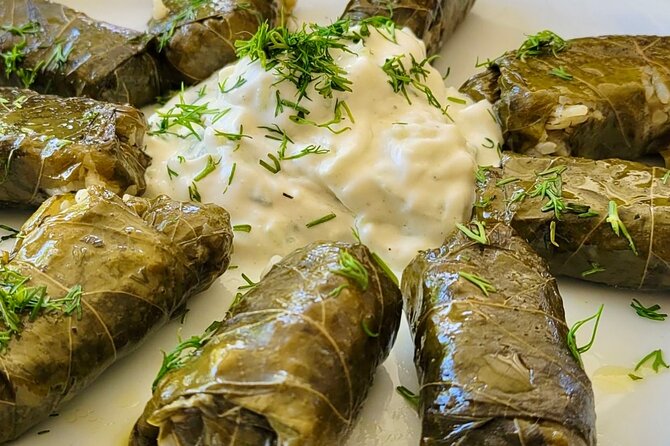
- Dolmades (stuffed grape leaves)
- Spanakopita (spinach and cheese pie)
- dishes with orzo and chicken (a hearty Greek comfort main)
- Lemony stuffed sea bass (a bright, herb-lemon style main)
- Baklava for dessert
- seafood options like mussels and stuffed tomato-style dishes
You’ll usually get multiple elements in the mix: something fresh, something savory and baked, a substantial main, and something sweet to close the evening. That’s part of the value here—you’re learning several techniques in one sitting rather than mastering a single recipe.
Also, you’re not just being told what to do. You’re learning variations. That’s what helps you cook again later without needing the exact same ingredients or tools you had in class.
Lunch at communal tables, plus wine and a short dance break
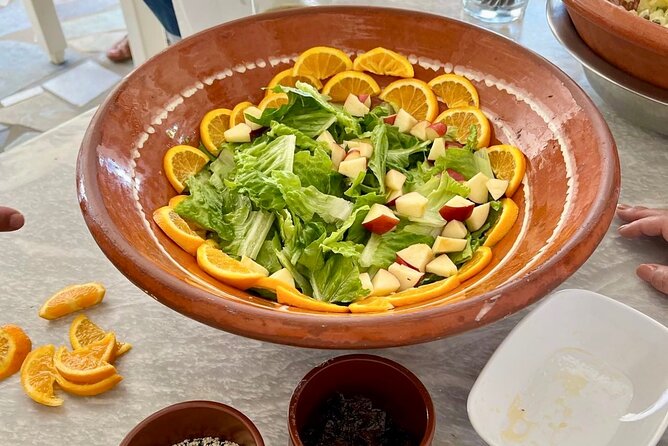
After the cooking, you sit down and eat what you made. The shared meal is a key part of the format because it turns cooking into an experience with people, not just food on a plate.
Local house wine is included with your meal. Based on how the class is described, it’s not a tiny taste—it’s part of the flow of the evening, paired with the fact that you’ve just been actively cooking and learning. If wine isn’t your thing, you can still enjoy the meal and the process, but you should know this experience leans social.
Then there’s a brief cultural moment: a traditional dance introduction. It’s short and friendly rather than formal. One big reason I like this addition is that it keeps the class from being purely culinary. Greek food culture is also about gathering, music, and movement.
The value of $140.29: what you’re really paying for
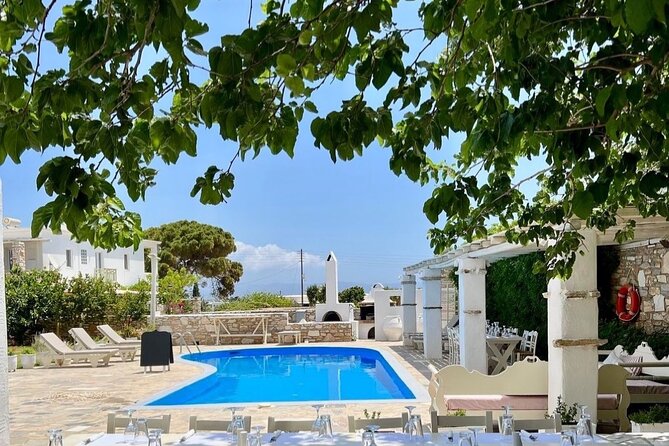
At $140.29 per person, it’s not a budget half-hour food stop. But for Paros, it’s priced like a full, guided, hands-on experience—and the inclusions back that up.
Here’s what’s covered:
- cooking demonstration and active instruction
- lunch (the dishes you help prepare)
- pickup and drop-off transfer included
- all fees and taxes
- recipes of the dishes you prepare
- local house wine with your meal
- a brief intro to a traditional dance
That’s a lot bundled together. If you tried to recreate the experience on your own—market shopping, paying for a private class, arranging transport, and eating afterward—it would usually cost more and take more planning.
Also, the small-group cap is part of the value. You’re paying to participate, not to observe.
Best for: who will enjoy this class most
You’ll likely love this if:
- you want a hands-on activity instead of another dinner out
- you like learning recipes you can actually repeat later
- you’re traveling with friends or family and want a shared “event” moment
- you’re visiting Paros and want something beyond beaches and towns
It also works for solo travelers because the kitchen setup encourages participation. The class feels built for inclusion—people take turns, and the instructors keep everyone involved.
If you’re sensitive to a social environment, though, note that wine and a dance break mean it won’t feel like a museum-style, quiet activity.
Practical tips: what to pack and how to plan your day
This is a cooking class, so wear something you don’t mind getting a little messy. The class provides cooking gear like aprons and head covers in the flow of the evening, but you’ll still want comfortable clothes and closed-toe shoes.
Plan your day around a “full stop.” Since you’ll eat lunch as part of the class, you probably don’t need a big meal before you go. The lesson and meal take up about half your day, and it’s better when you don’t try to stack another major commitment immediately after.
If you have dietary restrictions, tell the team ahead of time. You’re explicitly asked to inform them of dietary needs, and that’s the right move for any food-focused activity.
Quick compare: cooking class vs. another Paros food option
Going out to dinner in Paros is easy. You eat well and move on. This class adds something different: you learn the steps that produce the flavor.
If you want the deeper satisfaction of cooking plus the fun of sharing the table, it’s a great trade. And if you’re the type who likes to bring home more than photos, the included recipes are a big reason this is memorable.
Should you book this Paros cooking class with Greek meal and wine?
Book it if you want a hands-on, small-group Paros experience that turns Greek cooking into something you can recreate. The price makes sense because you’re getting real instruction, lunch, wine, recipes, and a short cultural moment, all with pickup and drop-off included.
Skip it (or consider an alternative) if you want a quiet, alcohol-free activity or if you’re only interested in one dish. This is built as a full meal and a social evening, so it fits best when you’re in the mood to participate.
If you’re on the fence, think about your “one must-do” on Paros. This is the kind of day that gives you stories, skills, and a tableful of food—exactly the blend that makes trips feel complete.
FAQ
How long is the Paros cooking class?
It lasts about 3 hours 30 minutes (approx.).
What’s the price per person?
The price is $140.29 per person.
Is pickup and drop-off transfer included?
Yes. Pickup/drop-off transfer is included.
Where does the class start and end?
It starts at Anezina Hotel & Village, Naousas, Drios 844 00, Greece. The activity ends back at the meeting point.
What group size should I expect?
The class is capped at 15 for an intimate atmosphere, and the maximum is stated as 25 travelers.
What’s included in the price?
You get cooking demonstration and hands-on cooking, lunch, local house wine during your meal, the recipes of the dishes prepared, pickup/drop-off transfer, all fees and taxes, plus a brief introduction to a traditional dance.
What if I need dietary accommodations or want to cancel?
You should inform the provider about any dietary restrictions. For cancellations, free cancellation is available up to 24 hours in advance for a full refund; if you cancel less than 24 hours before, you won’t receive a refund.