REVIEW · NORTHERN PORTUGAL
Classic Wine Tasting with GUIDED TOUR
Book on Viator →Operated by Quinta do Beijo · Bookable on Viator
Port and table wine in one guided stop. At Quinta do Beijo in Northern Portugal, this classic tasting pairs an interactive cellar tour with a smart explanation of how wines actually get made, then finishes with a Port tasting in the Port cellar. I like that it’s taught in plain language and paced for learning, not just sipping. One possible drawback: the whole experience is only about 45 minutes to 1 hour, so it’s not the kind of stop where you can linger and do deep, slow comparisons.
You’ll meet at Quinta do Beijo, Sociedade Agrícola e Comercial LdaR. de São Bento No 1, 5060-011, and the tour ends back where it starts. Expect English service, a private format (only your group), and a focused set of tastings: three table wines and two Port wines, all with the admission ticket included.
In This Review
- Key points that make this tasting worth your time
- Quinta do Beijo in Northern Portugal: what you’re really paying for
- Entering the centennial cellars: the vibe and pacing
- Table wines first: 3 pours with vinification context
- The Port cellar shift: tasting 2 Port wines with contrast
- What you learn (and how to use it later)
- Price and value: why $30.23 makes sense here
- Logistics that actually matter on the day
- Who this guided tasting is perfect for
- Should you book this guided wine tasting at Quinta do Beijo?
- FAQ
- How long is the classic wine tasting with a guided tour?
- What wines are included in the tasting?
- Where does the tour start, and does it end nearby?
- Is the tour private?
- Is the tour offered in English?
- Do I need a printed ticket?
- Can I cancel for free if my plans change?
Key points that make this tasting worth your time
- Centennial cellars: you’re tasting in the place where the cellar tradition actually lives
- 5 wines in total: 3 table wines plus 2 Port wines in one tight itinerary
- Vinification explained: traditional and modern vinification processes are part of the story
- Port cellar handoff: you move from table wine context to Port context for a clear contrast
- Private group feel: you’re not stuck in a crowded herd at the bar
- Fun teaching style: the owner-led humor shows up in the most positive feedback
Quinta do Beijo in Northern Portugal: what you’re really paying for
This tour is built around value you can feel right away: in under an hour, you get a guided explanation plus a practical tasting. At $30.23 per person, that works out best if you care about learning the basics and not just collecting sips.
The big win is the setting. Quinta do Beijo is described as having centennial cellars, and you experience them as part of an interactive tour. That matters because wine tasting in a random tasting room is one thing; tasting in the actual cellar environment gives your brain an anchor. You’ll understand why certain methods and aging steps happen where they happen.
Also, this is a private tour/activity, so the pacing stays sane. If your group has questions, you can usually get answers without waiting your turn in a large group.
Entering the centennial cellars: the vibe and pacing
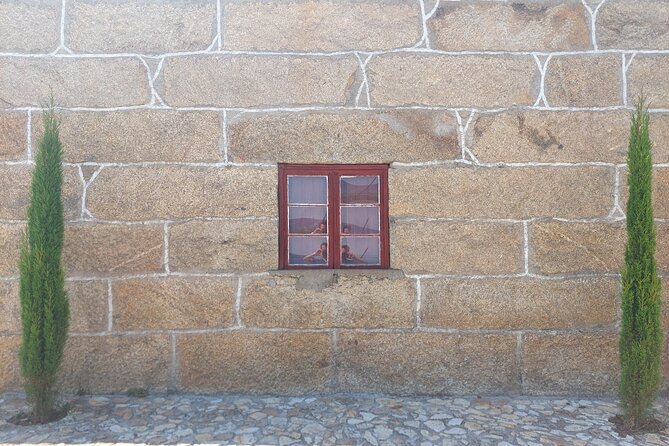
The experience starts at Quinta do Beijo and stays centered on the property. You’ll begin in the cellars with an interactive tour format, and that’s a big deal for first-timers.
Here’s what I’d watch for as you go in:
- You’re not just walking through; you’re being shown how the winery thinks about making wine.
- You’ll get context while you’re still fresh, before you start tasting, which helps you remember what you’re tasting for.
The tour then moves from the cellar experience into two tastings phases: first the table wines, then Port. The flow is simple, which is exactly what you want when you’re only there for about an hour.
Table wines first: 3 pours with vinification context

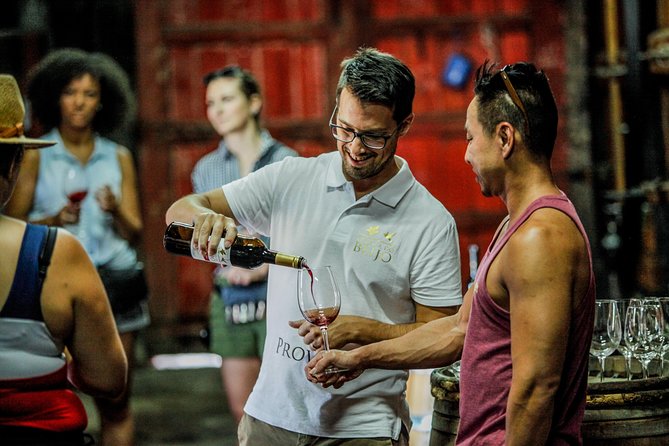
Your first tasting block is all about table wines. You’ll explore the traditional and modern vinification process as you tour the centennial cellars, and the tasting includes three table wines.
Why that order matters: it gives you a framework before you start evaluating flavors. When someone explains vinification—how grapes become wine—your palate has something more to work with than guesswork. You start noticing how style choices might show up as taste, not just temperature and sweetness.
A practical tip: keep the order in your head. If the wines are presented one after another, try to remember what you liked and why in quick, simple terms (acid, fruitiness, dryness). Since you’ll later switch to Port, this helps you catch the contrasts instead of treating everything as just “wine.”
And based on the strongest feedback, the teaching style is a highlight. People praised the way they learned the basics of wine making in a way that felt both informative and entertaining—especially when the owner took part in the tour and added humor.
The Port cellar shift: tasting 2 Port wines with contrast
After the table wine phase, the tour moves to the Port cellar, where you taste two Port wines. That second tasting isn’t presented as a random add-on. It’s a change in both place and purpose, which makes the comparison much clearer.
Port is different in character, and the Port cellar setting helps you understand that difference isn’t only in the glass. It’s also about the methods and choices behind the scenes. Even if you don’t know the details ahead of time, you’ll leave with at least a clearer sense of what makes Port feel like Port.
I also like that the tasting count is manageable. Two Port wines is enough to notice variety without turning the experience into a blur. If you’ve ever felt overwhelmed by tastings, this pacing is a good, controlled approach.
What you learn (and how to use it later)
The best part of wine tours like this isn’t just what you taste—it’s the mental model you take home. This one explicitly explains traditional and modern vinification processes while you’re in the cellars, then ties that learning into what you taste.
Here’s how that helps you after:
- You’ll start paying attention to structure (dryness, acidity feel, weight) instead of only sweetness or alcohol heat.
- When you read a label or ask for a recommendation, you’ll have words to use—especially around what type of wine-making approach might be happening.
- You’ll understand why a winery experience in the cellar can teach you something that a supermarket shelf won’t.
And from the feedback, the delivery style matters. The owner being knowledgeable and funny is the kind of combo that makes learning stick. You’re more likely to remember what was explained when it didn’t feel like a lecture.
Price and value: why $30.23 makes sense here
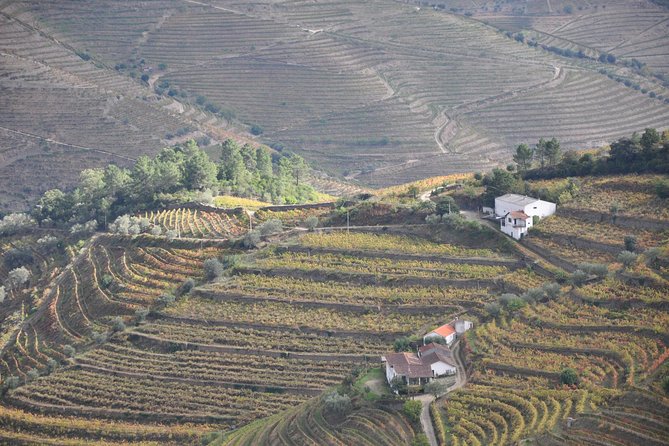
The headline price is $30.23 per person, and you’ll get a guided tour plus admission included. You’re also tasting five wines total: three table wines and two Port wines, all in a set timeframe of about 45 minutes to 1 hour.
So the value question becomes: do you want guided structure? If yes, this is strong value because you’re not buying just access to wine. You’re buying explanation in the cellar environment and a tasting sequence designed to build understanding.
If you only want a long, slow, pick-your-own tasting session, then the short duration might feel limiting. But if you want a concentrated introduction that’s easy to fit into a day, the time-per-glass ratio is pretty fair.
Logistics that actually matter on the day
This is offered in English, which is important for comprehension—especially when vinification is being explained. You’ll also receive a mobile ticket, which simplifies entry.
Because the tour ends back at the meeting point, you won’t need extra transport planning around the experience itself. For Northern Portugal travel days, that simplicity is underrated.
Also, it’s described as most travelers can participate, and service animals are allowed. If you’re planning around a tight itinerary, that’s reassuring.
The tour is booked on average about 14 days in advance, which suggests it’s popular enough that you’ll want to reserve if your schedule is fixed.
Who this guided tasting is perfect for
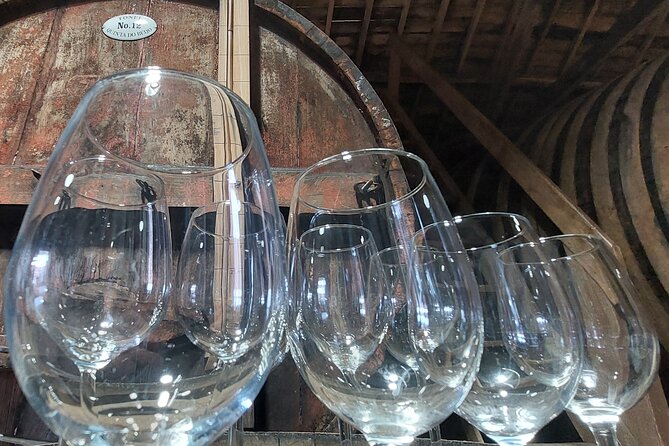
I’d point you here if:
- you’re new to Portuguese wine and want basics fast
- you like your wine education practical, not academic
- you want table wine plus Port in one stop
- you’d rather do a private group experience than a large crowded group
You might choose something else if:
- you’re looking for a multi-hour tasting with lots of variety
- you prefer to explore at your own pace without a guided structure
- you want a long sit-down meal paired with wine (this is a short tasting experience)
Should you book this guided wine tasting at Quinta do Beijo?
Yes—if your goal is a compact, structured introduction to how wine is made and how Port differs, this is an easy recommendation. The strongest praise centers on learning the basics of wine making and enjoying the humor and clarity of the presentation, and the format is well designed: centennial cellars, vinification explanation, then table wines, then Port in the Port cellar.
Book it if you want to leave with understanding, not just a sip count. Skip it if you need hours of downtime, because this one is intentionally short and focused.
FAQ
How long is the classic wine tasting with a guided tour?
It runs about 45 minutes to 1 hour.
What wines are included in the tasting?
You’ll taste 3 table wines and 2 Port wines.
Where does the tour start, and does it end nearby?
The tour starts at Quinta do Beijo, Sociedade Agrícola e Comercial LdaR. de São Bento No 1, 5060-011, Portugal, and it ends back at the meeting point.
Is the tour private?
Yes, it’s private for your group only.
Is the tour offered in English?
Yes, it’s offered in English.
Do I need a printed ticket?
No. It uses a mobile ticket.
Can I cancel for free if my plans change?
Yes. Free cancellation is available up to 24 hours in advance for a full refund.