REVIEW · VENICE
Private Secret Venice Tour; Rialto Market, San Polo & Food and Wine tasting
Book on Viator →Operated by Avventure Bellissime · Bookable on Viator
Rialto is more than a postcard. This private Venice walk takes you through Rialto Market lanes and quieter backstreets, with guides such as Georgia, Christina, Frederica, and Barbara sharing how this part of the city really worked. You also get a food-and-wine stop that feels like a local routine, not a staged show.
I especially like the way the tour points out Venice’s trade story. You’ll hear why the Rialto area mattered for centuries, then shift into San Polo’s older quarters where commerce and crime rubbed shoulders—yes, including the Palazzo dei Camerlenghi and its reputation. One other big win: the tasting is timed well so you can slow down with a glass of wine and cicchetti after you’ve worked up an appetite.
One thing to consider: the food-and-wine portion is a light stop, so if you want a long sit-down tasting menu or multiple formal tastings, this may feel a bit short on that front.
In This Review
- Key things to look forward to
- Starting at Campo S. Bortolomio: a route built for momentum
- Ponte di Rialto: the bridge lesson you don’t get from photos
- Mercati di Rialto: walking through Venice’s market engine
- Cicchetti and wine at an osteria: the right kind of break
- Canal Grande views: seeing the bridge from multiple angles
- San Polo: old streets, Carampane corners, and the Palazzo dei Camerlenghi
- T Fondaco dei Tedeschi: a canal-facing clue about foreign merchants
- Price and value: is $257.05 per person fair for two hours?
- Practical timing tips: comfort, high water, and the Venice access fee
- Should you book the private Rialto, San Polo, and food-and-wine tour?
- FAQ
- Where is the meeting point, and where does the tour end?
- How long is the tour?
- Is this tour private?
- What’s included in the price?
- Do I need tickets or pay for admission at the stops?
- Does the tour run in bad weather or high water?
Key things to look forward to
- Rialto Market in action: you walk the fish-and-produce world where commerce has operated for ages
- A guided story, not just sightseeing: the bridge, buildings, and street layout get explained
- Cicchetti and wine at an osteria: a local-style snack break built into the route
- San Polo backstreets: older Venice streets, plus the Palazzo dei Camerlenghi’s darker past
- Grand Canal viewpoints: pauses with context, including views linked to T Fondaco dei Tedeschi
Starting at Campo S. Bortolomio: a route built for momentum
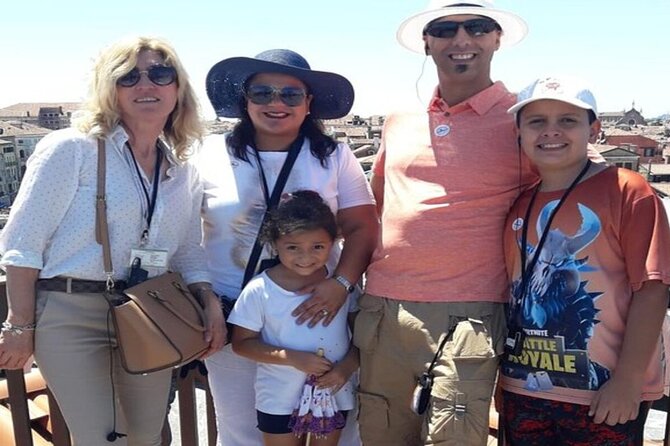
Most Venice tours start with a grand promise and then freeze in crowded squares. This one starts in a real neighborhood location: Campo S. Bortolomio. From there, you move through streets that feel made for walking—tight turns, small bridges, and the kind of street corners that don’t show up on most photos.
Because it’s private (only your group participates), the pace is easier to manage than the typical “herd and hurry” model. That matters in Venice, where the distance between interesting sights can be shorter than you think, but the time to get there can stretch due to bottlenecks.
I also like that the tour is designed to work in most weather. If you’re visiting during winter rains or shoulder-season wind, you won’t feel like the whole plan is fragile. And in high water, the route can be partially adapted—so you’re not just standing around hoping Venice cooperates.
You can also read our reviews of more food & drink experiences in Venice

Ponte di Rialto: the bridge lesson you don’t get from photos
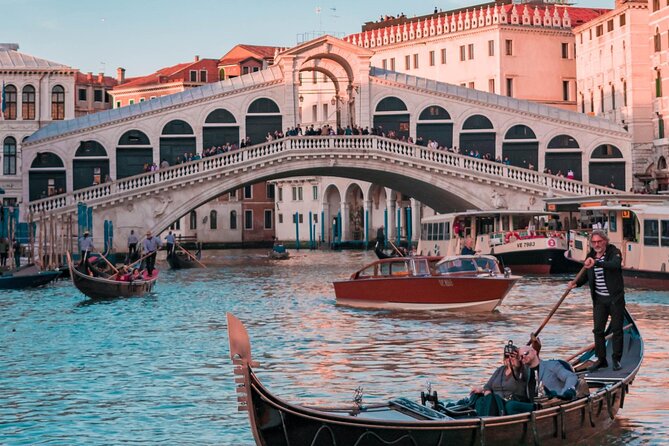
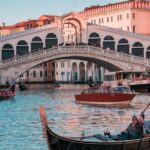
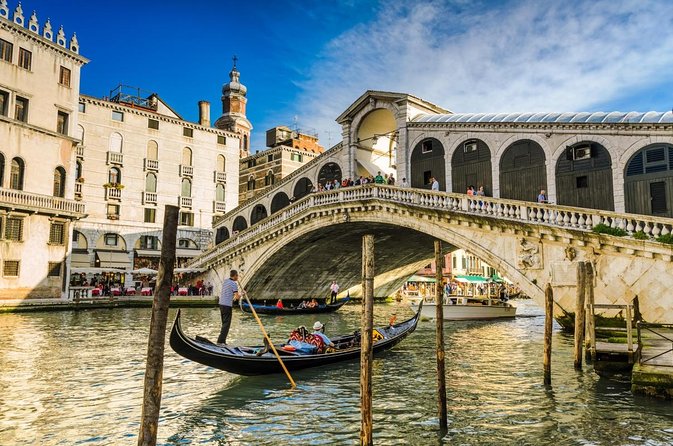
The tour’s first stop is at Ponte di Rialto. The guide isn’t just pointing at the bridge for a nice view; you’ll learn the secrets of the bridge itself and the nearby buildings. That’s important because Rialto can look like one iconic object in the middle of everything, when in real life it’s a key junction in Venice’s older commercial geography.
What I like about this part is the way it reframes your arrival. Instead of treating Rialto as a single photo spot, you start seeing it as a hub: a place where goods moved, people traded, and the city’s power concentrated around the market district.
You also get a historical thread about mercantile Venice—when this area was one of the biggest market centers in the western world. Even if you’ve read a bit about Venice, a live explanation helps the street layout click. You’ll likely find yourself noticing building details you’d otherwise skip: the way structures face the route of people, and how the area funnels movement.
Mercati di Rialto: walking through Venice’s market engine
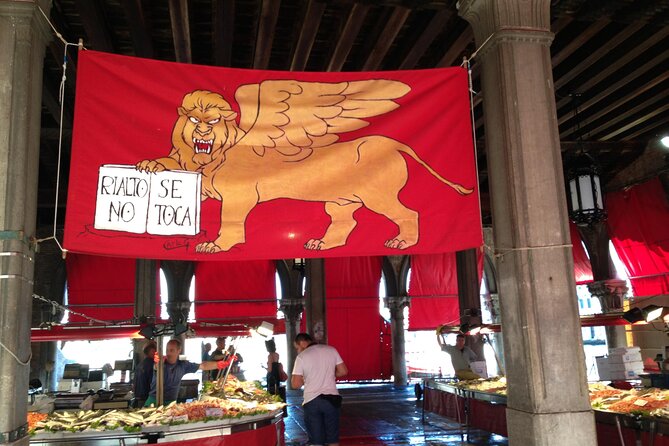
Next comes Mercati di Rialto, with time to visit the Rialto fish and vegetable market. This is one of those places where your senses do half the job: you see what’s being sold, you hear sellers working, and you understand why Venice’s market system mattered.
The tour also gives context that helps you read the scene. You’ll hear that Rialto’s role as a financial and commercial center stretches back to at least the ninth century. That kind of detail turns the market from a tourist attraction into a living economic machine—one that shaped daily life, not just grand history books.
The market visit is also a good use of the walking time. Even if you’re not a shopper, watching how vendors arrange produce and fish gives you an instant sense of how Venice fed itself and how trade flowed. You’ll come away with a better feel for why the area stayed important even as the city changed.
One practical note: markets can be hectic. You’ll get more out of it if you keep your phone away for a few minutes and just watch the human workflow. The guide’s job here is to keep you moving without turning it into a speed-run.
Cicchetti and wine at an osteria: the right kind of break
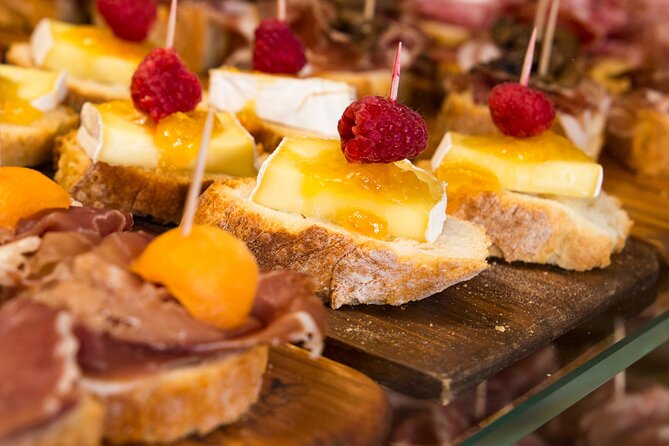
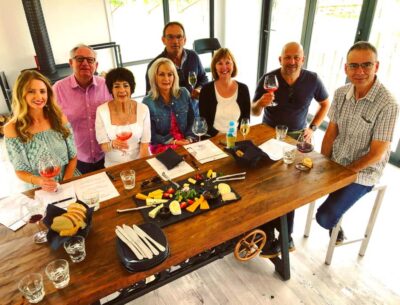
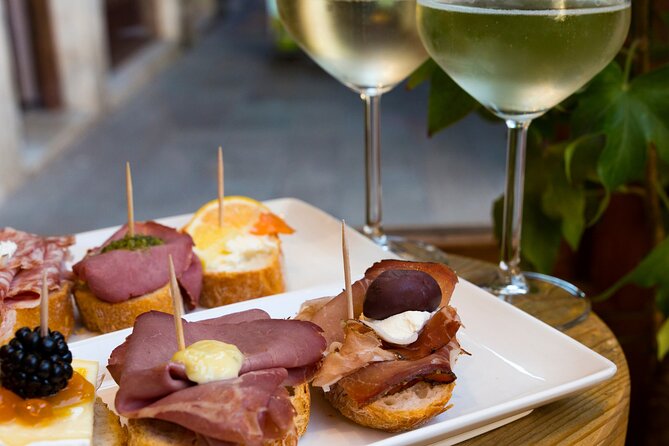
After the market browsing, the tour takes you to a nearby osteria for a wine glass and a light tasting of cicchetti (Venetian tapas). This is where you slow down and reset your attention.
I like that the tasting is described as light. Venice food culture is meant to be flexible—tiny plates, quick social moments, and lots of variety. A full meal would take too much time out of a two-hour route. With cicchetti and wine, you get the flavor of the system without losing the walk.
From past experiences on similar small Venice routes, you can expect the tasting portion to be simple and snack-sized—often a couple of bites each, paired with the wine. The main goal isn’t a gourmet feast. It’s more about learning what to order and how locals snack in real time.
If you’re picky about food, this is still usually manageable because cicchetti can range from simple seafood and savory bites to other typical osteria options. The tour info you provided just says a light taste, so you should treat it as a snack stop rather than a guaranteed full menu.
Canal Grande views: seeing the bridge from multiple angles
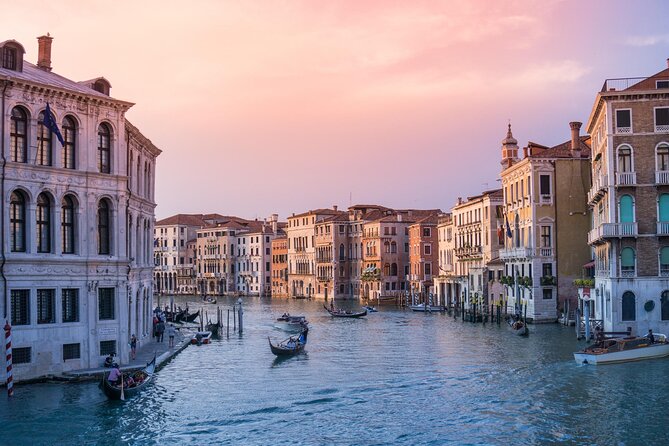
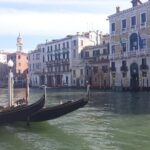
The route includes Canal Grande views from various places. That doesn’t sound dramatic on paper, but it changes how you understand the bridge and the neighborhood around it.
From different angles, Rialto stops being a single structure and becomes a working piece of the canal city. You’ll also get more of the mercantile Venice story tied to the Medieval and Renaissance periods. Again, it’s less about memorizing dates and more about understanding why this canal corridor mattered.
If you’ve only ever seen Canal Grande from the big tourist stretches, these pauses can feel like a cheat code. They give you sightlines with less chaos, and the guide’s explanations help you connect what you’re looking at with what used to happen there.
A few more Venice tours and experiences worth a look



San Polo: old streets, Carampane corners, and the Palazzo dei Camerlenghi
San Polo is where the tour widens your Venice lens. You’ll walk through one of the oldest parts of the city, settled since the 9th century. The district also served as a major market area by the 11th century, so you get another layer of the commerce story—this time with older streets and quieter vibes.
The tour description also points to the Carampane area, linked with a historical red light district reputation. You won’t likely get a sanitized version of Venice here. The city’s past included respectable trade and shady side businesses, all living in the same urban fabric.
Then comes one of the most memorable visual stops: Palazzo dei Camerlenghi. The palace is ornate and striking, and it sits on the banks of the Grand Canal. But the guide’s story flips the mood: despite how beautiful it looks, it was feared by small-time criminals in its days as a prison for tax evaders.
That contrast is the point. Venice has a habit of turning power into architecture. Once you learn that a gorgeous facade once housed serious enforcement, you’ll start reading other buildings differently across the city.
This stretch is also a great time for photos, but only after the explanation. If you understand what you’re looking at, your pictures come out better—and so does your understanding.
T Fondaco dei Tedeschi: a canal-facing clue about foreign merchants

The tour also includes T Fondaco Dei Tedeschi, a historic building facing the Grand Canal. This site once functioned as the headquarters and living quarters for German merchants.
That merchant detail matters. Venice wasn’t just Italian. It was a hub where goods and people moved across languages and cultures. A building like this tells you that Venice’s economy relied on networks, not just local production.
The time here is shorter (around ten minutes), so you’ll want to pay attention during the guide’s explanation. Use the stop to spot the building’s canal presence and imagine it full of traders coming and going. Even a quick stop like this can land hard when you know what role it played.
Price and value: is $257.05 per person fair for two hours?
At $257.05 per person (for about two hours, walking), this isn’t a budget “drop-in” Venice tour. But it also isn’t trying to be one. You’re paying for a private guide experience focused on a specific neighborhood arc: Rialto Market to San Polo, plus a food-and-wine tasting.
Here’s where the value makes sense:
- You’re getting a guide for the parts that are hardest to research on your own fast—like how the market district’s trade power shaped street life.
- You’re spending time at Rialto and then shifting to San Polo, which keeps the story from feeling repetitive.
- You’re including wine and cicchetti as part of the walking rhythm, not as an afterthought.
Where value can feel less strong:
- If you want a long multi-stop food crawl with repeated tastings, the tasting portion is described as light.
- If you already know Venice market history well, you might feel less “new” information.
A good compromise for many people is to treat this as a first-day or early-trip orientation tour. It gives you a mental map of how Rialto and San Polo fit into Venice’s older economy. After that, you can explore on your own with more confidence.
Practical timing tips: comfort, high water, and the Venice access fee
Venice rewards good shoes. This is a walking tour, so comfortable footwear is non-negotiable. You’ll move through areas where the ground can be uneven and the turns can be tighter than you expect.
You should also plan for weather. The tour runs in most weather conditions, but you’ll want a jacket and layers. If high water hits, the route may be partially adapted. That’s normal for Venice. The best move is to accept it and stay flexible.
One more small but important detail: on some dates, day-trippers staying outside Venice may need to pay a €5 access fee. Your tour info points you to the official schedule for which days apply and which exemptions exist. I’d check this before you go, so you aren’t surprised when you arrive.
Lastly, there’s no hotel pickup. You’ll need to get yourself to the meeting spot on time, and in Venice, being late can turn into a mini-adventure you don’t want.
Should you book the private Rialto, San Polo, and food-and-wine tour?
Book it if:
- You want Rialto Market plus older Venice streets without being stuck only in the busiest photo zone.
- You like history that explains why a neighborhood looks the way it does, especially around trade.
- You want a guided cicchetti and wine moment that keeps momentum.
Skip it or look for something else if:
- You want a long, heavy food program with many tastings.
- You’re hoping for mostly “scenic views” rather than street-level context.
If your goal is to understand how Venice worked—markets, merchant networks, and the stories behind iconic buildings—this private route is a strong choice. It’s not trying to do everything. It picks a real slice of Venice and gives you a reason to care about what you’re seeing.
FAQ
Where is the meeting point, and where does the tour end?
You meet at Campo S. Bortolomio (Campo S. Bortolomio, 30124 Venezia VE, Italy). The activity ends back at the meeting point, after the tour concludes at Rialto Bridge.
How long is the tour?
The tour lasts about 2 hours.
Is this tour private?
Yes. It’s described as a private tour/activity, meaning only your group participates.
What’s included in the price?
The tour includes a professional guide and a light taste of cicchetti and wine. You’ll also receive a mobile ticket.
Do I need tickets or pay for admission at the stops?
The itinerary lists admission ticket free for the stops shown (including Rialto Bridge and the market/areas). Also, on certain dates there may be a separate €5 Venice access fee for some day-trippers—check the official schedule for details.
Does the tour run in bad weather or high water?
It operates in most weather conditions. During high water, the tour still runs, but the route may be partly adapted to the conditions.