REVIEW · PARIS
Paris: Les Caves du Louvre Guided Tour with Wine Tastings
Book on GetYourGuide →Operated by Les Caves du Louvre · Bookable on GetYourGuide
Wine hides under the Louvre. This one-hour tour takes you into 18th-century Louvre wine cellars where the former French king stored bottles, then turns wine into a hands-on, 5-sense mini mission right in central Paris.
I like two things most: the sensory tasting games that make wine basics easy to remember, and the freedom to choose and taste three wines at the end from a list that changes weekly. One consideration: the tour is English-only, so if that language barrier is an issue, plan something else.
In This Review
- Key Highlights You Should Actually Care About
- Entering the Louvre Area’s Wine Cellars (Without the Usual Museum Feeling)
- How the Tour Teaches Wine Making: Grape to Bottle, Piece by Piece
- The 5-Senses Sensory Stops: How Smell and Taste Become Learnable
- Your Wine Tasting: Choosing Three Wines and Learning How to Taste
- Price and Value: What $41 Gets You in Paris
- Timing It With a Louvre Day: Make It a Useful Stop, Not a Random One
- Who This Tour Is Best For (And Who Should Skip It)
- Should You Book Les Caves du Louvre Wine Tastings?
- FAQ
- How long is the Les Caves du Louvre guided tour?
- Where do I meet for the tour?
- Is the tour offered in English?
- Do I get to taste wine during the experience?
- Is food included in the price?
- Who is this tour not suitable for?
- Can I cancel for a refund?
Key Highlights You Should Actually Care About
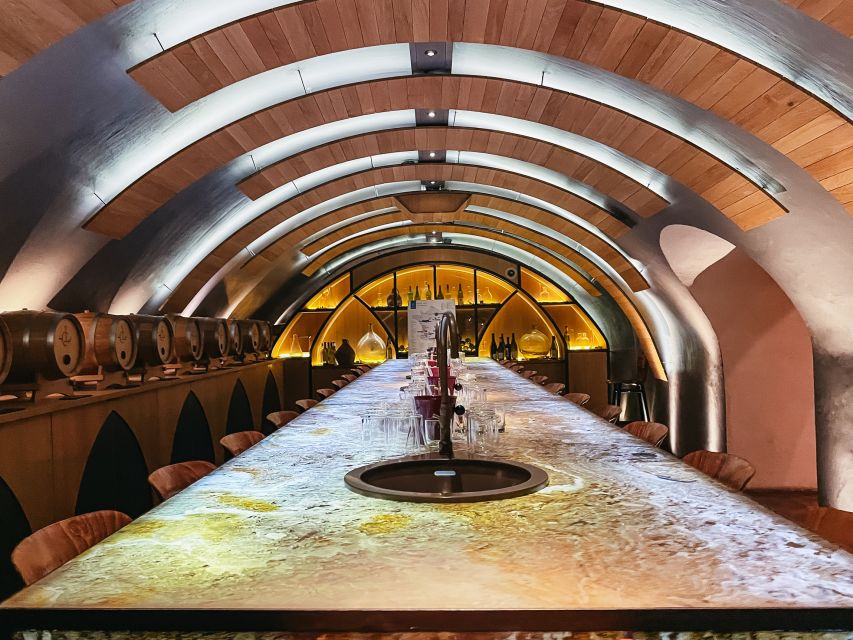
- Historic cellars by the Louvre: You tour the former wine storage tied to the French king.
- Grape-to-bottle wine making explained simply: You learn the process step by step, including fermentation topics like yeasts.
- A real 5-senses style experience: Games, videos, and aroma-note tools help you practice tasting instead of just listening.
- Sommelier-led technique, not theory: You get practical guidance on how to smell and taste like a pro.
- Pick your own trio to taste: At the end, you choose three wines, and the wine list changes every week.
- Small group pacing: The format keeps the hour moving without feeling rushed.
Entering the Louvre Area’s Wine Cellars (Without the Usual Museum Feeling)

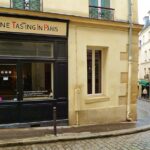
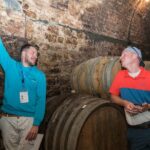
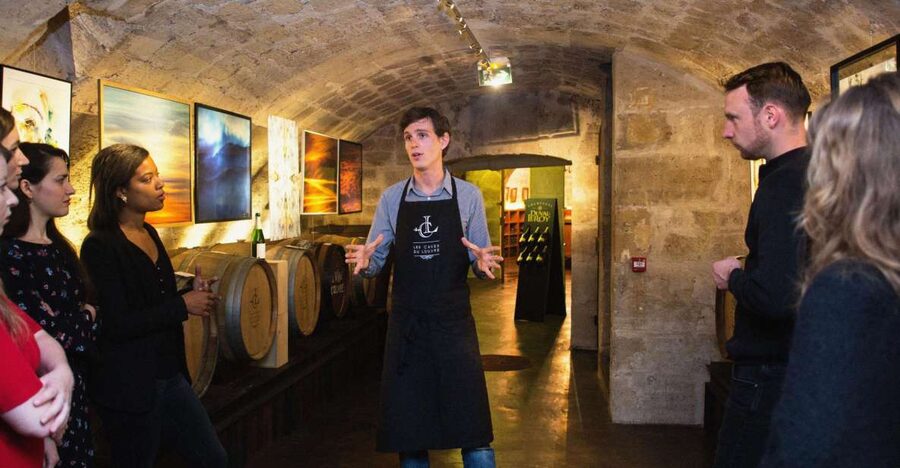
This is Paris, but underground. Les Caves du Louvre is set in stunning 18th-century wine cellars that were used by the French king, and they’re right by the Louvre area (meeting point: 52, Rue de l’Arbre Sec, 75001 Paris). The location alone makes it feel like a “why is this here?” stop, especially if your day already includes the Louvre.
What makes it more than a gimmick is the tone of the visit. You’re not stuck in a lecture hall with a glass you barely touch. You move through the cellars as the story of wine making unfolds, then you finish with tastings led by your guide. In other words, it’s education with a purpose: you leave knowing what to look for next time you open a bottle.
Because it’s only one hour, it also fits neatly into a crowded sightseeing schedule. I love that it works as a reset between bigger attractions, rather than being one more “line up and wait” event.
You can also read our reviews of more guided tours in Paris

How the Tour Teaches Wine Making: Grape to Bottle, Piece by Piece
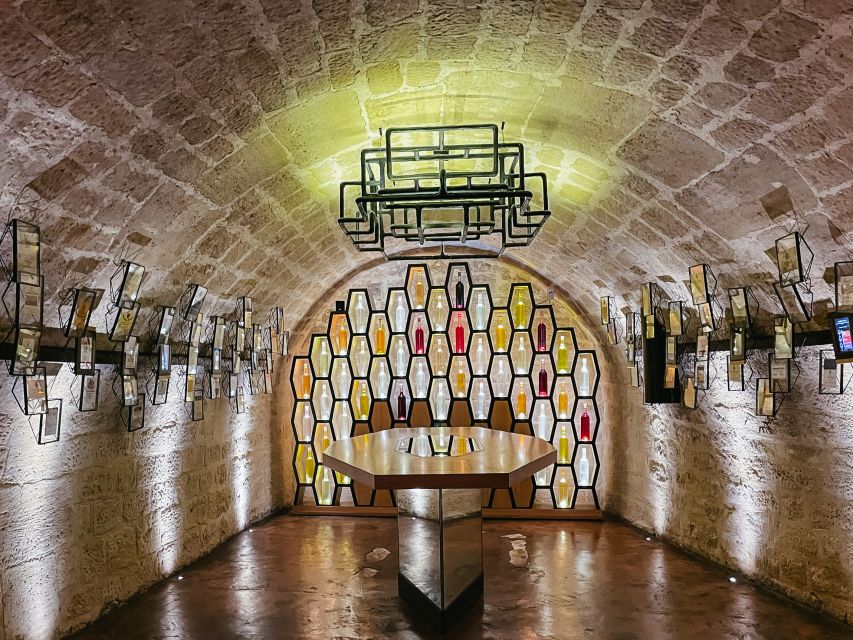
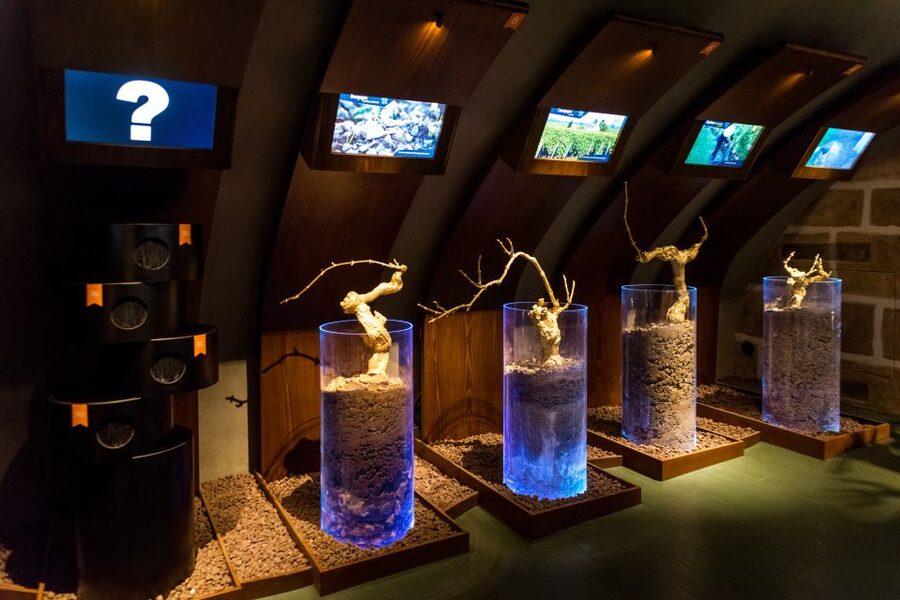
The core of the experience is a guided walkthrough of the wine making process, from grape to bottle, built around interactive stations. Instead of memorizing terms, you practice what each step means for flavor and texture. It’s designed to be fun and hands-on, with an interactive app and activities that keep you engaged.
As you progress through the experience, expect moments that connect the science and the senses. Wine is the end result of chemistry (fermentation), careful growing choices (grapes and terroir), and time. That’s why the tour includes explanations tied to what you’ll later taste.
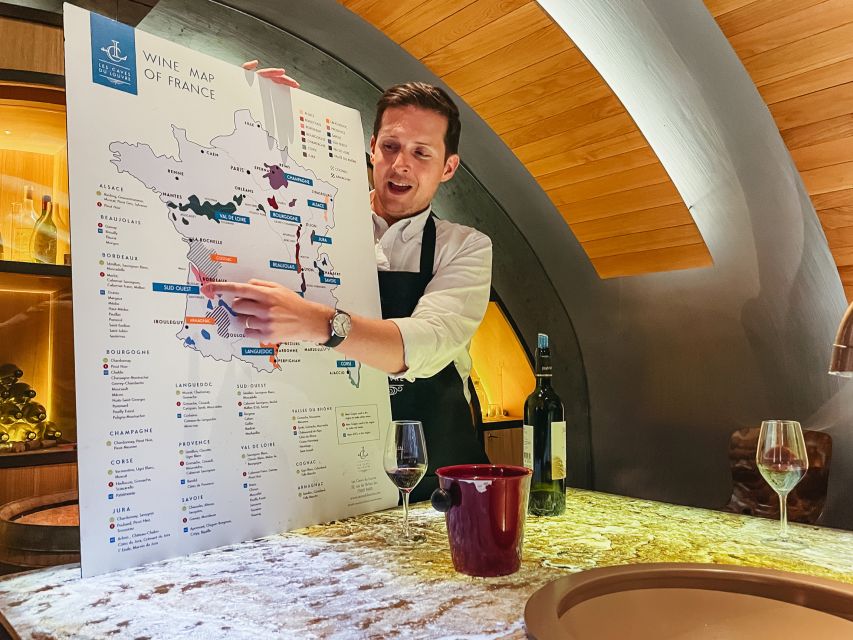
One detail I’d call out: the fermentation topic shows up in a way that stays practical. You’re not just told that yeast matters. You’re guided through how fermentation works and why it affects the final character of a wine. The same goes for learning about French grapes and the wine regions they come from—wine regions aren’t treated like trivia, but like a set of clues.
You also spend time in interactive displays and video segments. These aren’t there just to fill space. They help you translate what you see and hear into what you later recognize in your glass. That’s the real value: you’re building a tasting lens, not collecting facts.
The 5-Senses Sensory Stops: How Smell and Taste Become Learnable
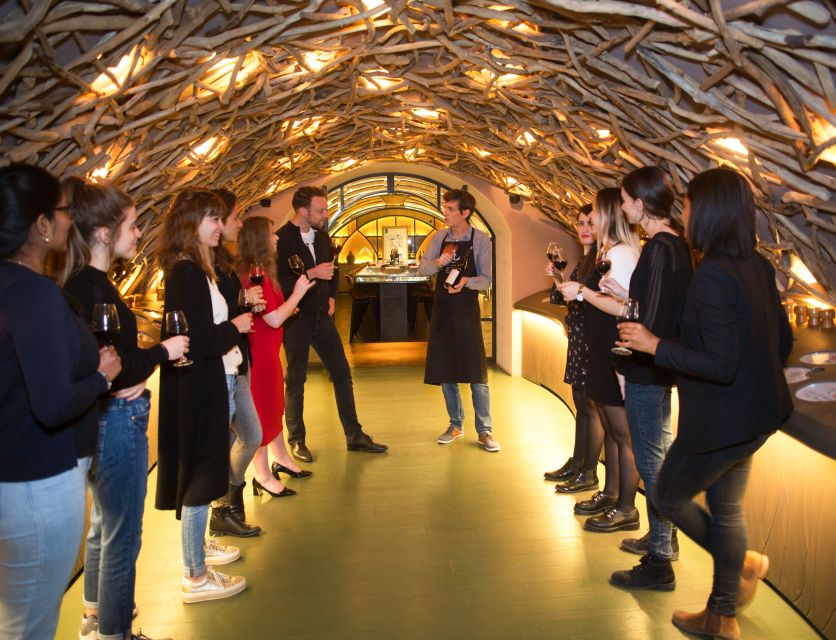
Wine can feel mysterious if you only rely on the words people use. This tour tackles that head-on by stimulating your senses with games and surprising discoveries. The guide’s job is to help you notice what’s in front of you—especially aromas—so you can identify patterns instead of guessing.
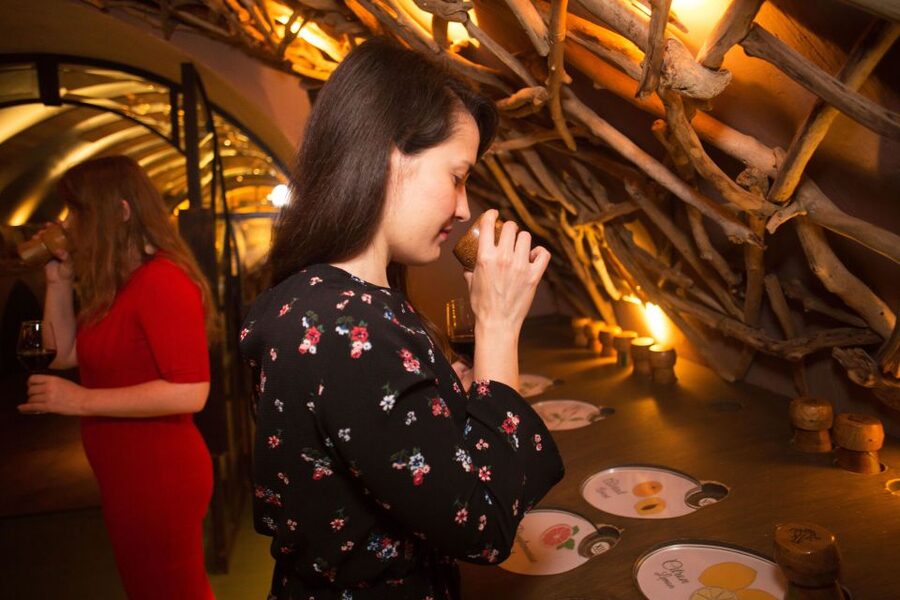
In the tasting-focused parts, the experience uses aroma and smell prompts to teach tasting technique. You get an approach you can repeat later: smell first, take your time, then taste with intention. It’s the kind of structure that helps you understand why one wine might feel lighter while another feels rounder or more textured.
There’s also an interactive aroma-note component that makes the sensory side feel tangible. If you’ve ever wondered what people mean when they say notes like fruit, spice, or flowers, this kind of aroma tool is the easiest bridge from vague impressions to something you can actually name.
One more thing: the tour uses simple sensory games to make the learning stick. The guide may use clear analogies to explain how growing conditions influence flavor. For example, you might hear ways to think about soil depth and how it relates to a vine’s access to water and nutrients—an idea that connects terroir to what you experience in the glass.
And yes, the whole “5 senses” concept is not just marketing language. You really do use your senses in sequence, which is exactly what helps a first-time wine taster feel confident.
Your Wine Tasting: Choosing Three Wines and Learning How to Taste
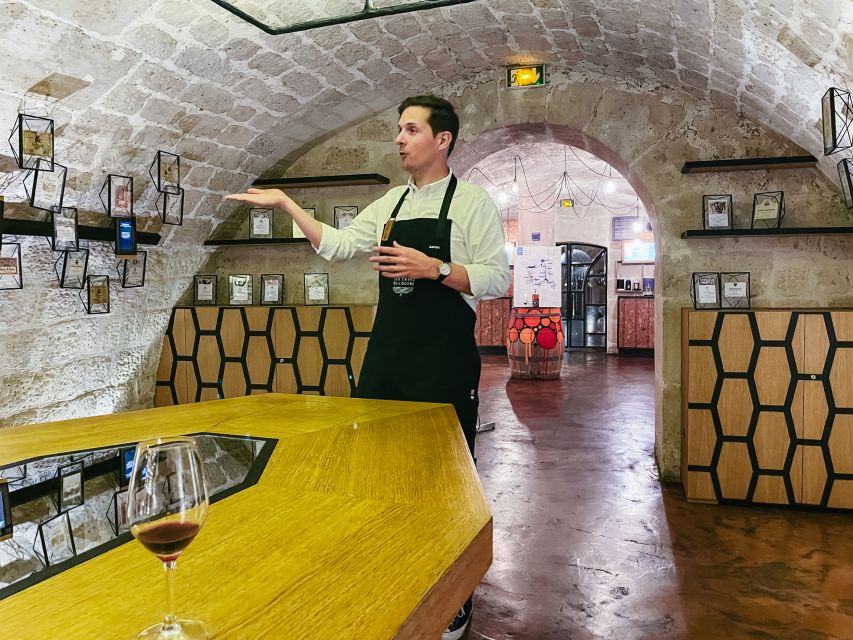
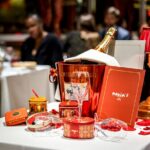
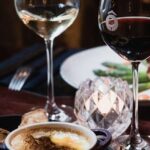
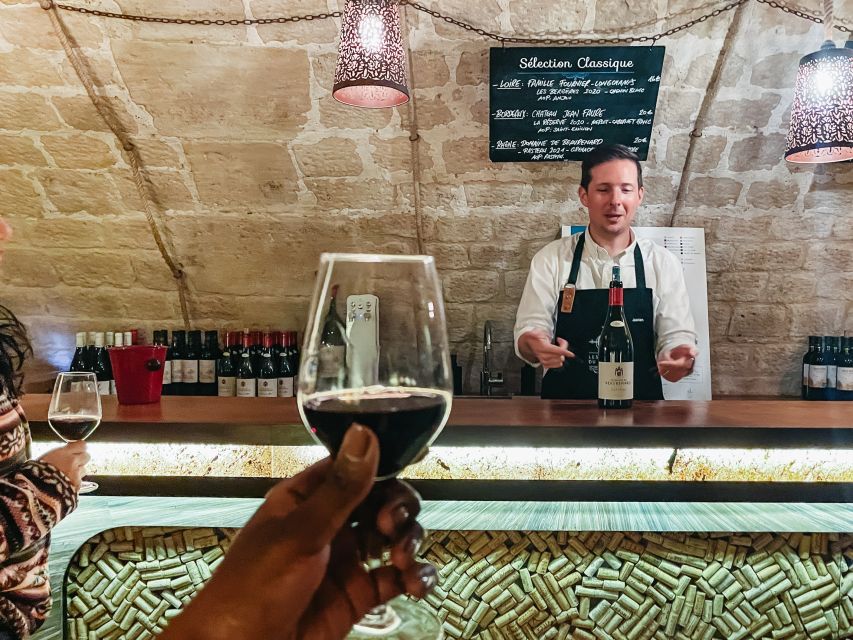
After the guided cellar portion, you shift into tasting mode. The format is straightforward: you taste three wines you choose, and the wine list changes every week. That choice element matters because it turns tasting from a fixed flight into a personalized experience. If you prefer red over white, or you want to compare two different styles, you can steer your own tasting.
Your sommelier teaches tasting technique during this portion. That means you’re not just drinking. You’re learning how to evaluate wine using method: smell, taste, and then notice how flavors evolve. The guide’s explanations help you connect what you’re experiencing to the grapes and regions you learned earlier.
This is also where the pacing feels smart. The educational portion comes first, so when you taste, you understand what you’re tasting rather than only reacting to it. It’s a small detail, but it changes the whole experience.
Some visitors also mention that there’s a premium-tasting choice. Since the exact offering isn’t spelled out here, I’ll keep it practical: if you see an upgrade option during booking, it seems to be appreciated for including a more generous tasting experience. For many people, that can be worth it if you’re treating this as a highlight and you really want time with the glass.
Food isn’t included, so if you’re doing this around lunch or dinner time, plan to eat afterward. The tasting can be the main event, but you’ll likely want something solid after.
Price and Value: What $41 Gets You in Paris
At about $41 per person for a 1-hour guided experience, the value hinges on what’s included. Here’s what you’re paying for: a tour of the former king’s wine cellars, explanations of how wine is made, discussion of French grapes and wine regions, a sensory “5 senses” experience, and wine tastings with tasting technique from your guide, plus an interactive app.
That combination is key. In Paris, you can spend money on wine-related events that are only tasting, or events that are only talking. This blends both, which is why it works well even if you’re new to wine.
Another value point: the format is small group. A smaller group often means more chance to ask questions and get clarification while you’re learning, instead of waiting your turn for the end.
Just don’t treat it like a full day food outing. Since food isn’t included (it can be purchased on site), you’ll get best results if you view it as an educational tasting experience and plan your meal separately.
You can also read our reviews of more wine tours in Paris




Timing It With a Louvre Day: Make It a Useful Stop, Not a Random One
This tour’s big advantage is location. Being near the Louvre area means you can pair it with a museum day without adding travel time chaos. If you like to start with something interactive and then go into the Louvre with a calmer headspace, this can work well before you dive into other indoor sights.
Alternatively, if you’ve already walked a ton and you want something that changes pace, the cellar setting gives you a break from bright streets and long museum halls. The experience is compact, so you don’t lose half a day to planning.
Because you’ll be underground and in a cellar environment, you might want to dress for a slightly cooler, dimmer space than outside—bring a light layer if you tend to feel cold.
Who This Tour Is Best For (And Who Should Skip It)
This is a strong fit for:
- First-time wine lovers who want an easy entry into French wine regions and grapes
- People who like hands-on learning (games, displays, and sensory practice)
- Anyone who wants a guided tasting with technique, not just a pour-and-go moment
- Visitors who need something short and central while staying engaged
The tour has clear limits. It’s not suitable for children under 18, and it’s also not suitable for pregnant women or people with mobility impairments. If any of those apply, look for another wine experience with a better match for your needs.
Also keep in mind it’s English-only. If you’re visiting with a friend or partner who doesn’t comfortably follow English, this is the kind of tour where you’ll feel the gap in every explanation and tasting prompt.
Should You Book Les Caves du Louvre Wine Tastings?
If your idea of a great Paris day includes tasting something real while learning how the pieces fit together, I think this is an easy yes. The setting—former king’s cellars—adds atmosphere, but the real win is the structure: step-by-step wine making explanations paired with a sensory approach and then a tasting where you can choose your own three wines.
Book it if you want:
- A short, high-impact activity near the Louvre
- A guided experience that teaches technique you can use again later
- Wine education that doesn’t require prior knowledge
Skip it if:
- English-only is a dealbreaker for your group
- You need an accessible format that works for mobility constraints
- You’re mainly looking for a meal-focused experience (food isn’t included)
If you’re on the fence, treat this as a smart “Paris-to-glass” activity: you’ll walk away with a better tasting mindset and a story behind the bottle beyond the label.
FAQ
How long is the Les Caves du Louvre guided tour?
The tour lasts 1 hour.
Where do I meet for the tour?
The meeting point is 52, Rue de l’Arbre Sec, 75001 Paris.
Is the tour offered in English?
Yes, the tour guide speaks English only.
Do I get to taste wine during the experience?
Yes. After the guided cellar experience, you taste three wines you choose. The wine list changes every week.
Is food included in the price?
No. Food is not included, but you may be able to purchase food on site.
Who is this tour not suitable for?
It is not suitable for pregnant women, people with mobility impairments, and children under 18.
Can I cancel for a refund?
Yes. There is free cancellation up to 24 hours in advance for a full refund.