REVIEW · PARIS
Champagne Area Small-Group Tour including a Top Champagne house & Family Winery
Book on Viator →Operated by Paris TRIP · Bookable on Viator
Champagne starts long before the first sip. This full-day Champagne region tour runs about 11 hours, taking you from Paris to Epernay for chalk-cellar drama and on to a family winery where you can meet the people behind the bottles. I love the small-group feel (max 8) because it keeps the day moving without feeling like you’re in a cattle pen.
My other favorite part is the way you learn the production story, not just the marketing story. You’ll tour the subterranean cellars at a top house in Epernay, then sit down for tastings that help the bubbles make sense. One thing to weigh: if you expect a lot of wine at every stop, some people feel the tasting pours are on the modest side—and the minivan can feel tight when it’s full.
In This Review
- Key Things to Know Before You Go
- A Tight Little Group and a Long Day Out of Paris
- The Real Logistics: Time in the Van vs. Time in the Vineyards
- Moët & Chandon Cellars in Epernay: Where the Bubbles Get Real
- Hautvillers and Dom Pérignon’s Tomb: A Small Stop With Big Meaning
- Mumm and a Second House Feel: Comparing Styles Without Overthinking It
- The Family Winery Finish: Champagne Roger-Constant Lemaire
- How Much Champagne You Get (And What That Means for Value)
- Cellar Comfort: Dress Like You’re Going Underground
- The Driver, the Guide, and the Pace
- Who This Tour Is Best For
- Should You Book It?
- FAQ
- How long is the Champagne tour from Paris?
- What is the group size limit?
- What time does the tour start?
- Where do I meet the tour?
- What is included in the tastings?
- Which top Champagne house might be visited?
- Is food included?
- What about warm clothing for cellars?
- Is there alcohol served to minors?
- Is the tour guaranteed to run in bad weather?
Key Things to Know Before You Go
- Max 8 people in a small-group minivan, which usually makes the day feel calmer than big-bus tours
- Moët & Chandon-style cellar time in Epernay, including a look at the chalk labyrinth and the Champagne-making process
- Hautvillers + Dom Pérignon’s tomb gives you the historical anchor point for the region
- 4 Champagne tastings total, split across a top house and a family producer
- Cellars run cold and damp, so pack a warm layer even if the Paris morning feels mild
- No food included, so you’ll want to budget for lunch on your own
A Tight Little Group and a Long Day Out of Paris
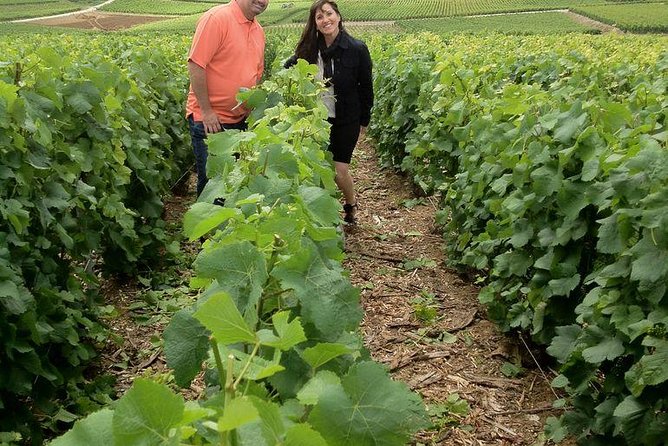
This tour is built for one thing: getting you out of Paris and into Champagne without the hassle of figuring out trains, timetables, and transfers. You start early, around 7:30 am, and you’ll be back at the Arc de Triomphe area by late afternoon or evening—so yes, it’s a full day. Still, the small size (up to 8) helps a lot.
I also like that the tour is designed for a one-day Champagne education. You’re not only chasing pretty vineyards and photo stops. You get structured cellar time and guided explanations, then you taste along the way so the process clicks. If you want a straightforward Champagne crash course with limited planning, this fits.
You can also read our reviews of more wine tours in Paris

The Real Logistics: Time in the Van vs. Time in the Vineyards
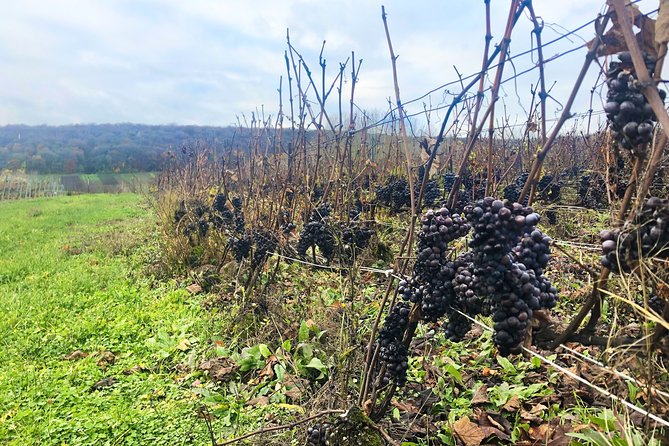
You leave central Paris at 7:30 am from 2 Av. Foch (75016) and finish near the Arc de Triomphe (75008). Expect countryside views on the drive, and you’ll likely get a few quick stops on the way out and back to break up the ride. Because it’s an 11-hour day, your comfort on the road matters.
Here’s the tradeoff: this is transportation-heavy. One clear theme in feedback is that the day can feel like a lot of time driving, especially when schedules tighten. If you’re sensitive to cramped seating or long stretches in a vehicle, think about that before booking.
A practical tip: bring a layer for the car ride. Even when it’s warm in Paris, the day can swing as you move through the region—and you’ll spend real time underground later.
Moët & Chandon Cellars in Epernay: Where the Bubbles Get Real
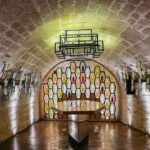
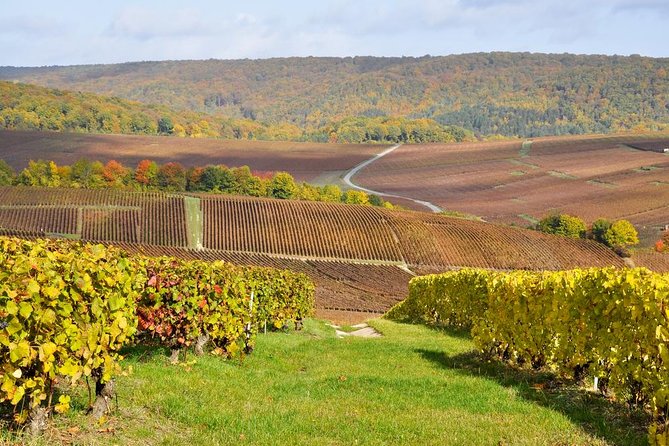
Epernay is the classic Champagne postcard town, and the tour puts you right where the magic is made: the chalk cellars. These subterranean galleries are part tour, part history lesson, and part sensory experience—cool air, damp walls, and bottles stacked like they’re waiting for your future toast.
Inside the visit, you’ll learn the intricate Champagne production process—the steps that turn still wine into the sparkling style Champagne is famous for. The best part is that the explanation isn’t abstract. You tour, you listen, and then you taste, which makes the flavors easier to connect to what you just saw.
You’ll also get a tasting at the top Champagne house stop. This is one of the highlights people consistently bring up: the combination of a real behind-the-scenes cellar tour with a guided tasting that helps you read the wine instead of just chugging it. If you’re a first-time Champagne drinker, this is where you start building the vocabulary.
Hautvillers and Dom Pérignon’s Tomb: A Small Stop With Big Meaning
Hautvillers is where Champagne’s story is anchored in a very human way. The tour includes a stop to see the tomb of Dom Pérignon, which gives you context for why this region became so important. Even if you only have a short window, it’s a moment that helps you connect the modern Champagne experience to the people behind the legend.
This is also a good “reset” stop. After time in the van and time underground, you get a breath of fresh air and a sense of place. And since Champagne is tied to geography, villages like this matter more than you might expect.
Mumm and a Second House Feel: Comparing Styles Without Overthinking It
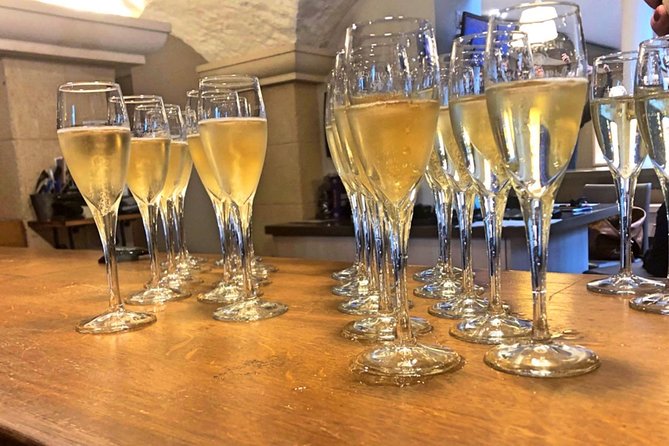
Your day isn’t limited to one house. The tour includes a House of Mumm tasting as part of the overall plan, which gives you a useful comparison point. Even when the tours cover similar ground (because Champagne houses follow the same broad logic), the style differences show up in the glass.
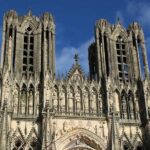
Some versions of the day add time around Reims as well, including a stop linked to the cathedral area. If your schedule includes it, treat it like a break—not a must-see architecture marathon. The point of the day is still Champagne: the cellars, the grapes, and the tasting that follows.
The value of adding a second house is simple: you stop thinking of Champagne as one taste. You start noticing how houses lean into different blends, aging choices, and flavor profiles. If you’ve ever wondered why one Champagne tastes crisp and another feels fuller, this is the practical way to learn the answer.




The Family Winery Finish: Champagne Roger-Constant Lemaire
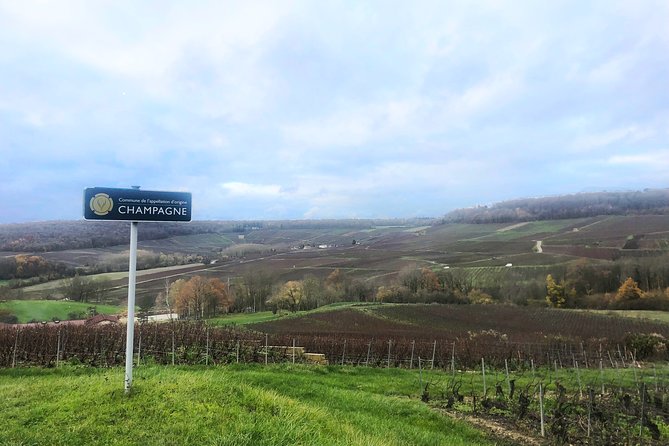
The last stop is Champagne Roger-Constant Lemaire, a family producer with estate roots stretching back to the late 19th century in the Hautvillers area. The big appeal here is that family wineries often feel less scripted. Instead of only focusing on brand polish, you get a sense of growers and terroir in plain language.
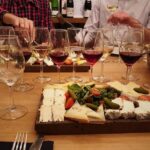
You’ll have time to taste at the family stop, with the day’s tastings designed to include multiple pours. The family is described as specializing in a fresh palate, with an emphasis on authenticity and a distinctive terroir flavor. That matters because it shifts the story from Champagne as luxury product to Champagne as place-based agriculture.
One note to keep your eyes open: the stop info for this winery lists admission ticket not included. The tour still claims tastings are included, so read the details carefully on what you’ll be charged at the door versus what’s covered. It’s rare for that kind of thing to be expensive, but it’s worth confirming so you don’t get surprised.
How Much Champagne You Get (And What That Means for Value)
At $322.34 per person for an about 11-hour day, you’re paying for transport, guided cellar access, and multiple tastings—plus the convenience of not having to coordinate everything yourself. That can be a great deal if what you want is a structured, hassle-free Champagne sampler from Paris.
But the honest consideration is pacing and pour size. Several comments point out that you may not get as many glasses as you expected from the wording, with some days feeling more like a couple of total pours rather than a full flight experience at every stop. In that case, the price can feel high compared to DIY planning.
So how do you decide? I suggest setting your expectations like this: you’re buying a guided route and curated cellar access. You’re not buying a wine festival where you taste everything in sight. If your main goal is maximum Champagne quantity, you’ll want to compare options. If your main goal is learning and getting the right stops in one day, this can feel worth it.
Cellar Comfort: Dress Like You’re Going Underground
This is a real-world detail that makes or breaks the comfort level. The underground galleries and wine cellars are usually cold and damp, so bring a warm layer. Even in summer, you’ll feel the temperature shift once you step inside.
Also think about what you wear for a long day. You’ll be moving between vehicle and sites, spending time standing or walking through cellar spaces, and tasting while dressed for the conditions. Wear shoes you don’t mind getting slightly dusty, because cellars and old buildings are not the cleanest places on earth.
Finally, plan for hydration. Since food isn’t included, it’s smart to keep your energy up so the tasting portions stay enjoyable rather than stressful.
The Driver, the Guide, and the Pace
The tour’s quality often hinges on the person running it. You’ll see a wide range in feedback about guide and driver style—some people mention very strong English explanations and a lot of local context, while others feel the guide focused mainly on getting everyone from A to B.
Even when the guiding is lighter, the day still tends to deliver on the core experience: real cellar visits at major Champagne houses and a family stop where you can taste with context. If you care most about history and storytelling, look for a day that emphasizes guiding time rather than just transport.
Here’s a practical trick: ask a couple of questions at the start of the day. If your guide is the talkative type, you’ll get more out of the drive and the cellar walkthroughs. If not, at least you tried.
Who This Tour Is Best For
This tour is a great match if:
- You want a structured Champagne day from Paris with minimal planning
- You’re excited about cellar tours and want to understand how Champagne is made
- You like the idea of comparing a top house style with a family producer style
It may be less ideal if:
- You’re extremely sensitive to tight seating in a minivan
- Your top priority is lots of tasting pours and free-flow generosity
- You prefer to pick exactly which Champagne houses you visit and how long you stay
If you fall into the last group, you might be happier with a DIY approach using train or a private driver. The convenience of this tour is its main selling point.
Should You Book It?
Book it if you want a one-day Champagne education with Moët-style cellar access, a meaningful Hautvillers stop tied to Dom Pérignon, and a family winery tasting finish—all wrapped into small-group logistics. It’s especially appealing for first-timers who don’t want to juggle reservations from Paris.
Skip or compare more carefully if you’re chasing maximum Champagne volume or you’re worried about comfort when the van fills to capacity. The tour can still be fun, but set expectations: you’re paying for guidance and access, not an all-you-can-taste binge.
If you decide to go, do it with the right mindset: wear layers, arrive early, and treat the tastings like lessons. That’s when this kind of Champagne day pays off.
FAQ
How long is the Champagne tour from Paris?
It runs about 11 hours.
What is the group size limit?
The small-group tour has a maximum of 8 participants.
What time does the tour start?
It starts at 7:30 am.
Where do I meet the tour?
You meet at 2 Av. Foch, 75016 Paris, France.
What is included in the tastings?
You get 4 Champagne tastings during the day, including tastings at a top Champagne house and at a family producer.
Which top Champagne house might be visited?
The top house is listed as Moët & Chandon, Mercier, Taittinger, or similar.
Is food included?
No. Food is not included.
What about warm clothing for cellars?
Cellars and underground galleries are usually cold and damp, so you should dress appropriately or bring warm clothes.
Is there alcohol served to minors?
No. People under France’s legal drinking age of 18 will not be served alcohol.
Is the tour guaranteed to run in bad weather?
Yes. It operates in all weather conditions.