REVIEW · BORDEAUX
Bordeaux: Wine and Trade Museum Entry Ticket & Wine Tasting
Book on GetYourGuide →Operated by Musée du Vin et du Négoce de Bordeaux · Bookable on GetYourGuide
Bordeaux’s wine story starts underground. This ticket pairs a self-paced museum visit with a vineyard presentation and a guided tasting of two Bordeaux wines. I love how the museum uses vaulted cellars and traditional barrels to make the past feel real, and I also like that the tasting is paired with local treats. One possible drawback: the experience ends up feeling more like a ticketed museum visit with a short guided segment than a full guided tour.
You’ll spend your time in the former residence of a royal broker and walk through spaces that date back about 1720, then finish with a short teaching session on grape varieties and Bordeaux classifications. I’d suggest going in with an open mind, especially if you’re new to terms like AOC and terroir. The tasting portion is focused and educational, but it is still a two-wine format, so plan to eat separately if you want a fuller meal.
In This Review
- Key highlights at a glance
- Entering the Bordeaux Wine and Trade Museum: Louis XV era to present day
- Museum walk-through: how the paper and audio guides shape your visit
- Vaulted cellars and traditional barrels: why the setting teaches you faster
- Bordeaux vineyards presentation: AOC, terroir, and grape varieties explained
- Guided tasting of two local wines: what you’ll notice and how you’ll pair it
- The vaulted-cellar setting plus the tasting guide: a good learning rhythm
- Price and value: is $14 a good deal for Bordeaux wine education?
- Who this experience fits best in Bordeaux
- Tips to get more from your tasting day
- Should you book this Bordeaux museum ticket and tasting?
- FAQ
- How long is the Bordeaux Wine and Trade Museum ticket experience?
- What does the entry ticket include?
- Is there a guided tour of the museum rooms?
- Will I have an audio guide?
- How many wines are tasted?
- What foods are paired with the wine tasting?
- How big is the group?
- Where does the experience start?
- What languages are available?
- Is there flexibility if my plans change?
Key highlights at a glance
- Small group tasting capped at 9 participants, so questions actually land
- Paper guide or audio guide in many languages for a comfortable self-paced museum walk
- Vaulted cellars around 1720, with barrel aging and cooper traditions on display
- Bordeaux vineyards presentation covering AOC, terroir, and local grape varieties
- Guided tasting of two wines paired with local treats like raisins dorés and canelés de Bordeaux
Entering the Bordeaux Wine and Trade Museum: Louis XV era to present day
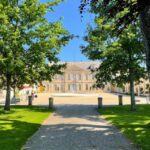
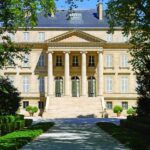
If you want Bordeaux without the foggy “just drink wine” version, this is a smart way to start. The museum is tied to the Bordeaux wine-and-trade world: it’s housed in the former residence of Louis XV’s royal broker, and that setting matters. You’re walking in a building that already belonged to people whose job was moving value around the region—and wine was the big one.
I like that the visit is structured so you’re not stuck listening to someone talk the whole time. You get the freedom to wander through the museum at your own pace, using a paper guide or an audio guide in multiple languages. Then, when you’re properly oriented, the experience pivots into a vineyard talk and a guided tasting.
One practical thing to know: the museum visit portion is self-guided. That’s great for staying curious, but it also means you should give yourself enough time to slow down and look at what’s in front of you. If you’re the type who clicks through rooms fast, you’ll get less value out of the cellars and the barrel-aging context.
A few more Bordeaux tours and experiences worth a look
Museum walk-through: how the paper and audio guides shape your visit
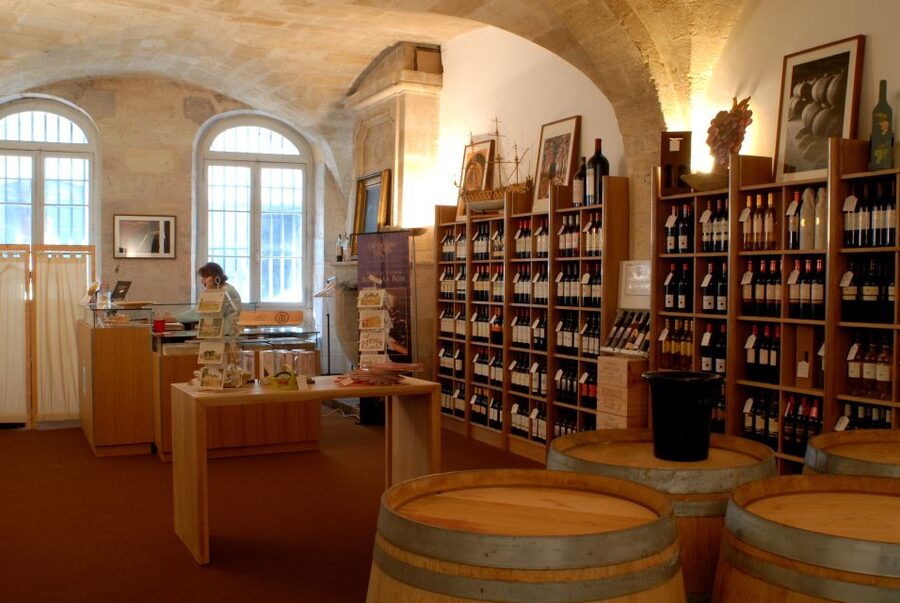
The museum experience is designed around two ways of learning: you can use a paper guidebook or an audio guide. Both are available in several languages, which is a big deal in a museum like this, where the details are the whole point. If you prefer to skim and move, the paper guide lets you control the pace. If you like context while you walk, the audio guide helps you connect exhibits to a bigger story.
I found this approach genuinely practical because you can aim your attention. In wine museums, people often rush to the most dramatic-looking spaces. Here, you can do that, but you can also spend time on the “working details” that make wine culture make sense: how wine is stored, how it’s discussed, and how the merchant world helped Bordeaux become famous.
In terms of flow, the visit starts with exploring at your own pace, then transitions into a dedicated vineyards presentation. That structure keeps the day from turning into random facts scattered everywhere. It also gives you a moment to ask questions right before you taste, which is when it usually clicks.
Vaulted cellars and traditional barrels: why the setting teaches you faster
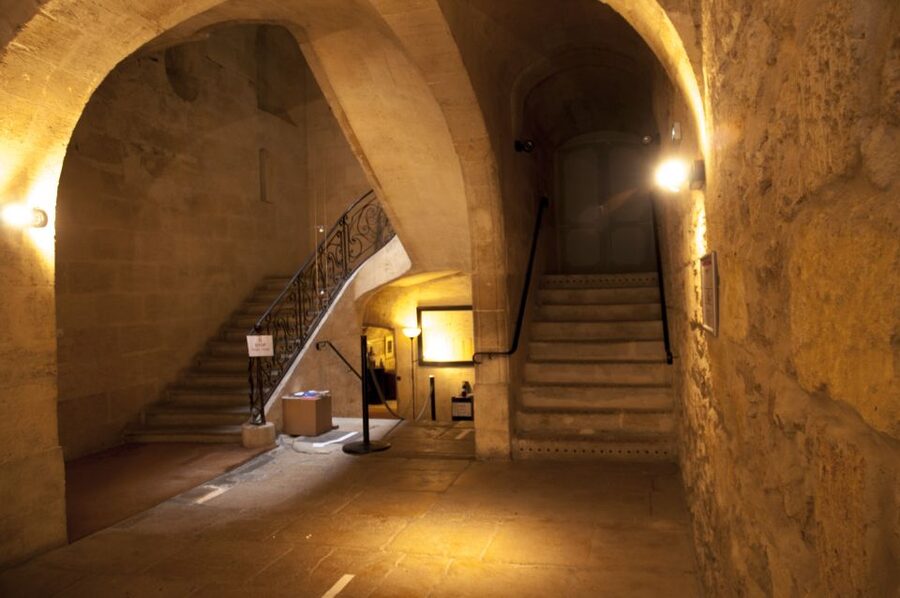
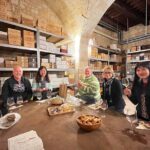
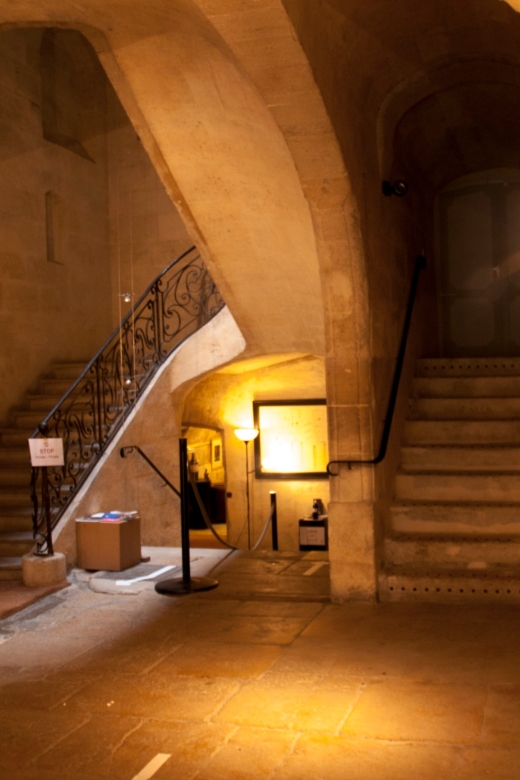
This is the part that I think most people remember. You’re guided (in the sense that your route makes sense) through two historic cellars with vaulted ceilings. The cellars date back to around 1720, and they’re set up to show how wine was aged using traditional barrels and the work of coopers.
You don’t just see barrels—you get the sense of a system. In Bordeaux’s wine trade history, storage wasn’t a background detail. It was part of the product quality and the merchant process. When you see barrel aging in a space like this, you understand why certain styles and timelines developed. The environment and architecture helped shape the conditions that wine needed to mature.
Also, the cellars connect to 19th-century merchant practices, which makes the story more than craft tradition. Bordeaux wasn’t just made by growers; it was managed and traded in networks. Those networks helped the region build a reputation that traveled far beyond its own borders. The museum helps you connect that dots without making it feel like a textbook.
If you’re sensitive to strong smells, note that wine-cellar environments can feel earthy. It’s not described as intense, but it is a cellar, and it’s meant to feel like one. Wear something you’ll be comfortable in for walking underground.
Bordeaux vineyards presentation: AOC, terroir, and grape varieties explained
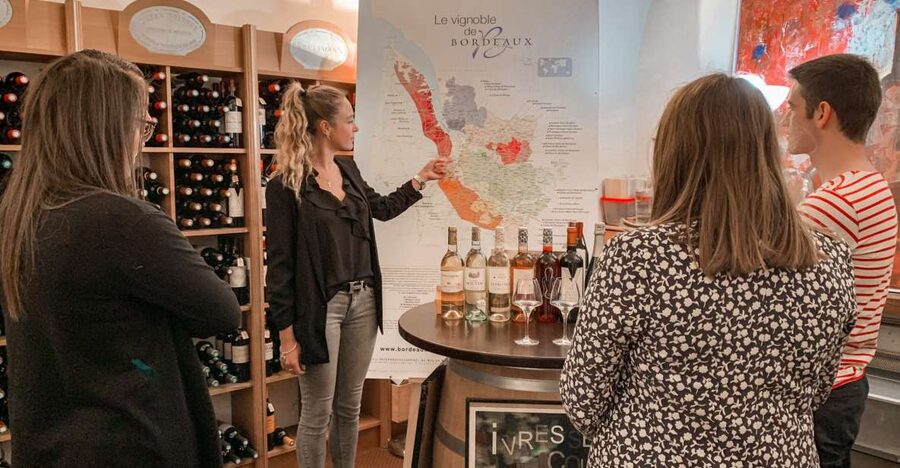
After your self-guided exploration, the day shifts into a more teaching-style segment: a presentation on the Bordeaux vineyards. This part is designed to set you up for the tasting that follows, so it doesn’t feel like random lecture time.
You’ll cover key concepts like:
- grape varieties
- appellations d’origine contrôlée (AOC)
- terroir
- regional classifications
What I like about this is that it gives you handles for what you taste later. Without those basics, wine tasting can turn into just flavors and labels. With them, you start to connect how grapes and growing conditions influence structure and character. Even if you don’t memorize every term, you’ll at least know what someone means when they talk about classification or terroir.
This presentation also helps you understand Bordeaux as a region, not just a bottle. Bordeaux wine reputation is built on systems—naming rules, regional divisions, and grape choices—so learning the logic is part of getting more from the tasting.
Guided tasting of two local wines: what you’ll notice and how you’ll pair it
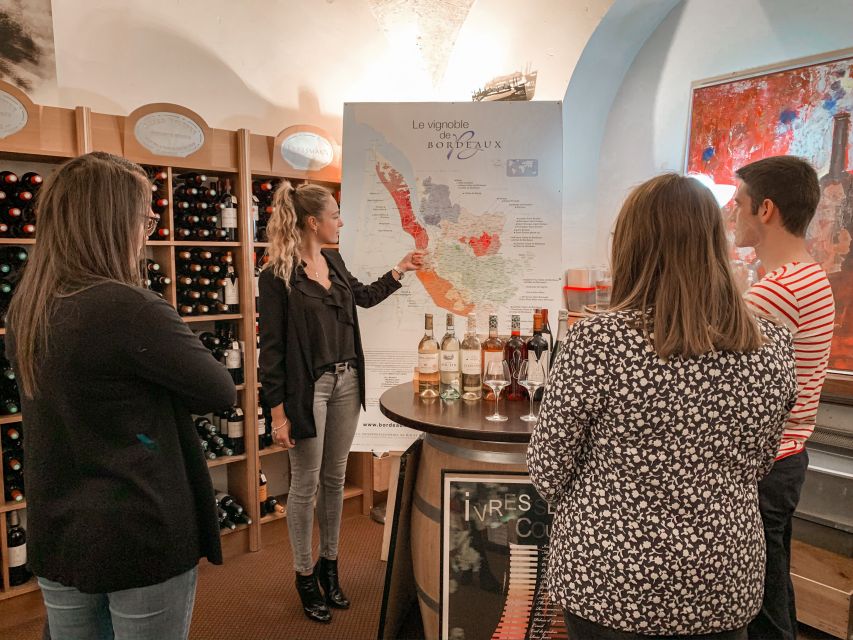
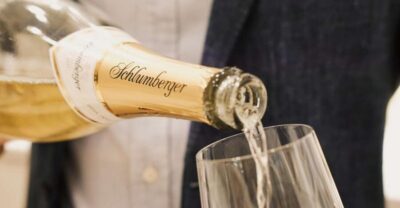
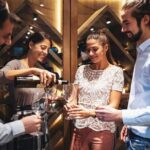
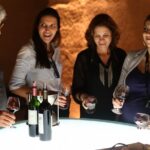
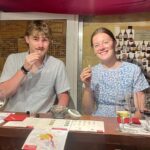
The tasting is a guided session focused on two local wines. That’s the sweet spot for learning: enough variety to notice differences, without overwhelming you with too many variables at once.
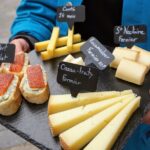
During the tasting, you’ll get pairing elements that keep it grounded in local tastes. Expect refined local treats such as raisins dorés (chocolate-coated raisins) and canelés de Bordeaux, a classic French pastry known for being rum-soaked. The goal here isn’t gourmet complexity; it’s contrast and comfort. Sweet notes and pastry texture help you pick up how the wine handles richness, spice, and cocoa-like flavors.
One small consideration: the format is intentionally compact. Your included food is tasty, but it’s not positioned as a full meal. If you get hungry easily, I’d plan a real lunch or early dinner around the visit, especially because wine tasting can make you feel full faster than you expect.
What you’ll likely come away with is a clearer sense of how Bordeaux wines are presented to the public: not as mysterious liquids, but as products with defined grapes, growing logic, and aging approaches. When the guided part happens after the cellar walk, it also feels less abstract. You’ve already seen how aging works; now you’re tasting something shaped by that reality.
You can also read our reviews of more food & drink experiences in Bordeaux
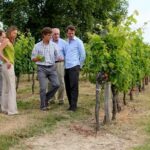
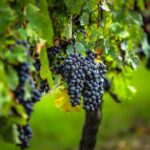
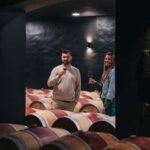
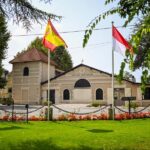
The vaulted-cellar setting plus the tasting guide: a good learning rhythm
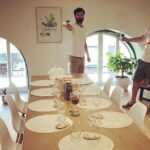
A strong part of this experience is pacing. You begin with self-guided discovery, then you get a structured explanation, and finally you taste with guidance. That rhythm is valuable because it mirrors how you build understanding in real life: see it first, learn the vocabulary second, then test it with your senses.
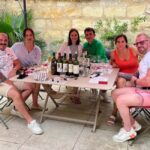
I also like that the group is small—limited to 9 participants. In a tasting, that size matters. You can ask a question, and the person leading the tasting can actually respond instead of speaking over everyone. It tends to make the explanation feel more practical and less generic.
The museum itself has a “stop-and-look” feel. The vaulted cellars help because they naturally slow you down. The vineyards presentation then gives you a framework so your tasting isn’t just guessing. Together, they create value beyond just drinking.
Price and value: is $14 a good deal for Bordeaux wine education?
For about $14 per person and a day-long window, this ticket is one of the more approachable ways to get real wine education in Bordeaux. You’re not only buying entry to a museum. You’re buying the combination of:
- museum time (with paper and audio options)
- a vineyards presentation
- a guided tasting of two wines
- local tasting treats, including raisins dorés
That matters for value. Museums alone can be pricey, and tastings alone can be even pricier, especially when you’re paying for instruction. Here, the tasting is integrated into the museum storyline, so you’re not just consuming wine—you’re learning the region’s logic as you go.
Is it the cheapest option? Maybe not, depending on what else you plan to do in Bordeaux. But if you want a compact “Bordeaux fundamentals” day, this is a strong use of time. You’ll leave with a clearer sense of what AOC, terroir, and grape choices mean in practice.
Who this experience fits best in Bordeaux
This works well if you:
- want a structured introduction to Bordeaux wine without committing to a full-day winery excursion
- like history that explains how wine gets made and stored, not just where it’s produced
- enjoy learning through a mix of self-guided walking and a guided finish
- appreciate small groups and a guided tasting format with questions
It’s also a good option if you’re short on time. The duration is listed as 1 day, and your museum visit is at your own pace, so you can match your energy level. If you’re the kind of visitor who loves finding quiet corners and reading exhibit details, you’ll likely get your money’s worth.
If you’re strictly after an all-guided, step-by-step tour of everything, note that this isn’t that style. The museum portion is self-guided. The guided component is the vineyards presentation and the tasting.
Tips to get more from your tasting day
A few practical moves make this experience go smoother.
First, use the guide method that matches your mood. If you’re a fast reader and like to skim, pick the paper guidebook. If you’d rather walk while listening, choose the audio guide so you can keep your hands free.
Second, show up ready to ask one or two basic questions during the vineyards presentation or tasting. Terms like AOC and terroir can feel abstract until someone translates them into what you might notice in wine.
Third, taste with pauses. Don’t just swirl and swallow. Take a moment to look at the wine’s character, then connect it to the pairing. Raisins dorés and canelés are sweet, so pay attention to how the wine handles sweetness, chocolate notes, and pastry richness.
Finally, plan food timing. The included treats are good, but they’re not a full meal. If you want a proper lunch, eat before or after so you don’t start rushing.
Should you book this Bordeaux museum ticket and tasting?
I’d book it if you want a compact, high-learning-value Bordeaux experience without the logistical headache of a vineyard tour. The museum cellars and barrel-aging context make the tasting feel grounded, not random. And the small-group guided tasting of two wines gives you just enough instruction to understand what you’re drinking.
Skip it only if you’re looking for a full guided tour of every minute. This is best seen as a self-paced museum visit that hands you a framework, then rewards you with a guided tasting plus local treats.
If your goal is to leave Bordeaux with more than a few bottles—if you want the region’s logic in your head—this one-day combo is a smart bet.
FAQ
How long is the Bordeaux Wine and Trade Museum ticket experience?
The experience is listed as 1 day.
What does the entry ticket include?
It includes the Bordeaux Wine and Trade Museum entry ticket, a paper guidebook, a Bordeaux vineyards presentation, and a guided tasting with two local wines, plus raisins dorés.
Is there a guided tour of the museum rooms?
No. The museum part is self-guided. You explore at your own pace using a paper guide or an audio guide.
Will I have an audio guide?
Yes. An audio guide is available in several languages, and a paper guidebook is also available.
How many wines are tasted?
The tasting is guided and includes two local wines.
What foods are paired with the wine tasting?
You’ll be paired with local treats such as raisins dorés (chocolate-coated raisins) and traditional canelés de Bordeaux, described as rum-soaked.
How big is the group?
The group is limited to 9 participants.
Where does the experience start?
Start at the Wine and Trade Museum.
What languages are available?
Languages listed include French, Portuguese, Spanish, Russian, Korean, Chinese, Japanese, Italian, English, German, and Dutch.
Is there flexibility if my plans change?
The experience offers free cancellation up to 24 hours in advance for a full refund, and it also offers a reserve now & pay later option.