REVIEW · BORDEAUX
Bordeaux: Vineyards Wine Tasting Half-Day Trip
Book on GetYourGuide →Operated by OFFICE DE TOURISME DE BORDEAUX · Bookable on GetYourGuide
Saint-Émilion is the main event. On this half-day trip, you get UNESCO streets, châteaux tours, and tastings without driving.
I particularly like the set 1:30 PM to 6:30 PM schedule, which makes it easy to fit into a Bordeaux day. I also like that the program changes by day and season, so you’re not stuck with the same itinerary every time you visit. One thing to consider: tastings are real tasting portions, but many people find the pours on the small side for the money, and there’s no meal built in.
This is a short, tightly run wine day. You’ll ride a comfortable bus, learn how the region works, then spend your time at two wine stops (or one wine stop plus Saint-Émilion in winter). The upside is efficiency. The downside is you move fast, and the village time can feel brief depending on the day.
In This Review
- Key things I’d zero in on before you go
- Meeting Point and the 5-Hour Rhythm That Keeps This Trip Moving
- Saint-Émilion Saturdays in Winter (and What Makes the Underground Church Special)
- April to October: How the Daily Route Changes Your Whole Experience
- Monday & Sunday: Saint-Émilion + Underground Church + Château Tasting
- Tuesday & Saturday: Médoc with Two Châteaux
- Wednesday: Graves + Sauternais with Two Châteaux
- Thursday: Entre-deux-Mers with Two Châteaux
- Friday: Blaye Citadel + Château Tasting
- Inside the Châteaux: What Those 1-Hour Tours Are Really Like
- Wine Tasting Reality Check: Small Pours, Big Context
- Bus Comfort, Language Flow, and Timing Details You’ll Care About
- What This Trip Is Best For (and Who Should Choose Another Option)
- Price and Value: Why $68 Can Be a Good Deal (or Not)
- Should You Book This Bordeaux Vineyards Half-Day Trip?
- FAQ
- How long is the Bordeaux vineyards wine tasting half-day trip?
- Where do I meet for the tour?
- Which regions do you visit, and does it change by day?
- What’s included in the price?
- Is food included, and can I bring snacks?
- Does the tour run in bad weather?
- Who is this tour not suitable for?
Key things I’d zero in on before you go
- A half-day rhythm (about 5 hours) that’s designed for people without a car
- UNESCO time in Saint-Émilion, including the monolithic underground church on many departures
- Two châteaux + two tastings on most routes, not just a quick storefront stop
- Routes rotate by day and season, including Medoc, Graves/Sauternais, Entre-deux-Mers, and Blaye
- Rain-or-shine touring, so dress for weather instead of sunshine fantasies
- Small-tasting reality, where the goal is learning first, tasting second
Meeting Point and the 5-Hour Rhythm That Keeps This Trip Moving
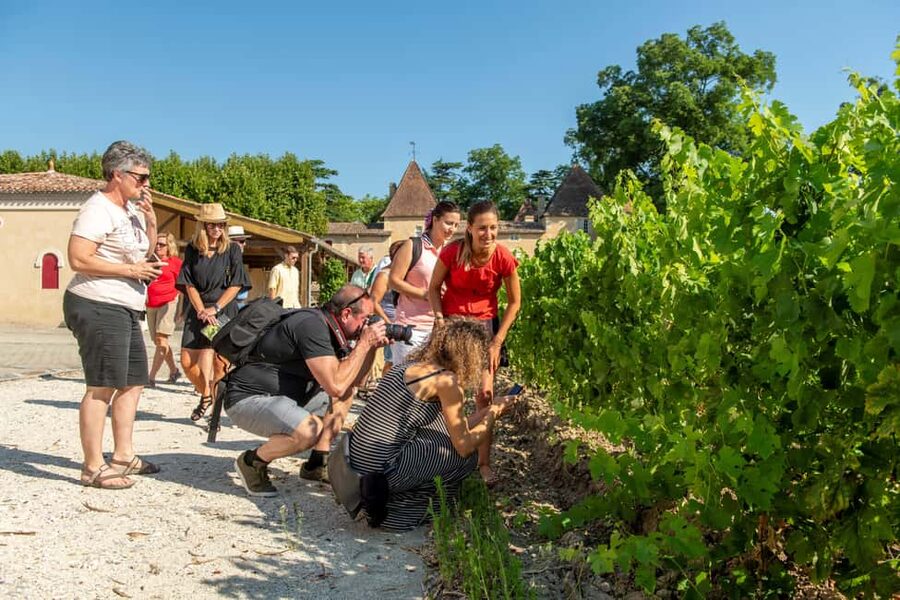
You start at the Office de Tourisme et des Congrès de Bordeaux Métropole, right in the city at 12 Cr du 30 Juillet, 33000 Bordeaux. The plan is simple: wait out front, then go with the guide when your departure is called.
From there, the pacing is built around a classic half-day bus tour structure. You’ll spend roughly:
- 1 hour on the coach before your first winery stop
- About 1 hour at the first château for a tour and tasting
- A short ride (~30 minutes) to the second stop
- About 1 hour at the second château
- About 1 hour back to Bordeaux, arriving around 6:30 PM
That “tight but not rushed” rhythm is exactly why this works. You’re not burning an entire day for one vineyard photo. You also get guided context while you travel, so the landscape makes sense instead of just looking pretty.
The catch: because you’re on a schedule, you’ll want to treat the tastings as part of a lesson, not a full wine binge. Multiple people mention that the tasting pours can be small, and one person explicitly points out that the wine part is only a limited slice of the day.
You can also read our reviews of more food & drink experiences in Bordeaux

Saint-Émilion Saturdays in Winter (and What Makes the Underground Church Special)
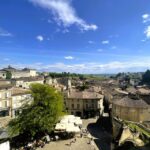
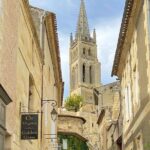
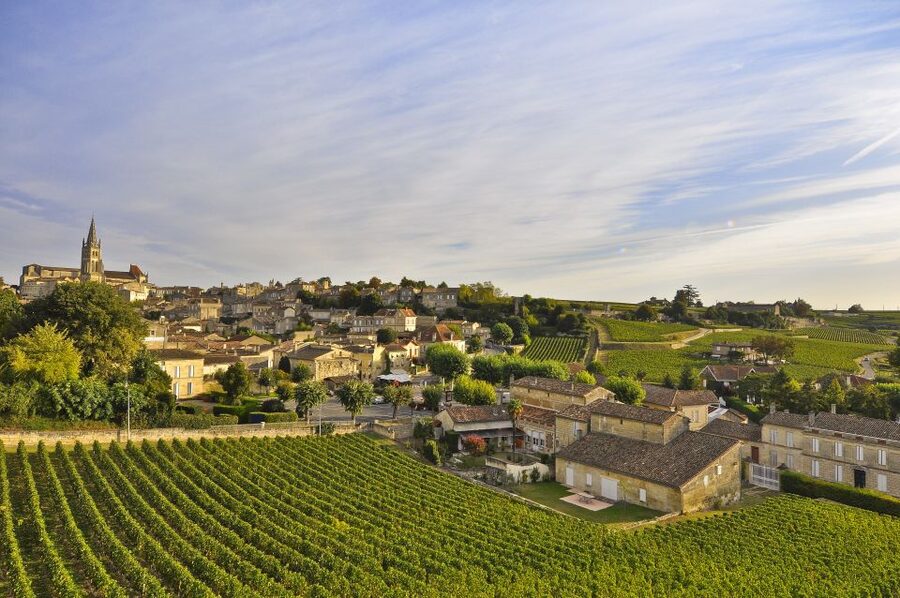
From November through March, the departure runs every Saturday and the half-day itinerary centers on Saint-Émilion. This is one of the most iconic medieval settings in the Bordeaux region, and it comes with a big bonus: the monolithic church carved directly into the rock.
On these winter Saturdays, you’ll wander cobbled streets in and around the UNESCO village. Then you’ll get access to the underground church, described as a unique structure and a European underground treasure. Even if you don’t care about architecture, it’s the kind of stop that changes how you see the region. Vineyards are important, but the people who built these spaces were thinking on a much longer timeline.
After the historical part, you continue into surrounding vineyards and visit a local wine château for a guided tasting. The tour is designed to teach you how to taste Saint-Émilion wines properly, not just how to sip and move on.
A practical note: underground stops can have rules about photos, and one review specifically mentions being unable to take pictures inside. That’s worth remembering so you’re not surprised when you get there.
One more consideration: several people say the village time is fairly short on some departures. If you want long, unhurried café wandering, treat this as a “highlights visit,” then plan your own extra time in Saint-Émilion on another day.
April to October: How the Daily Route Changes Your Whole Experience
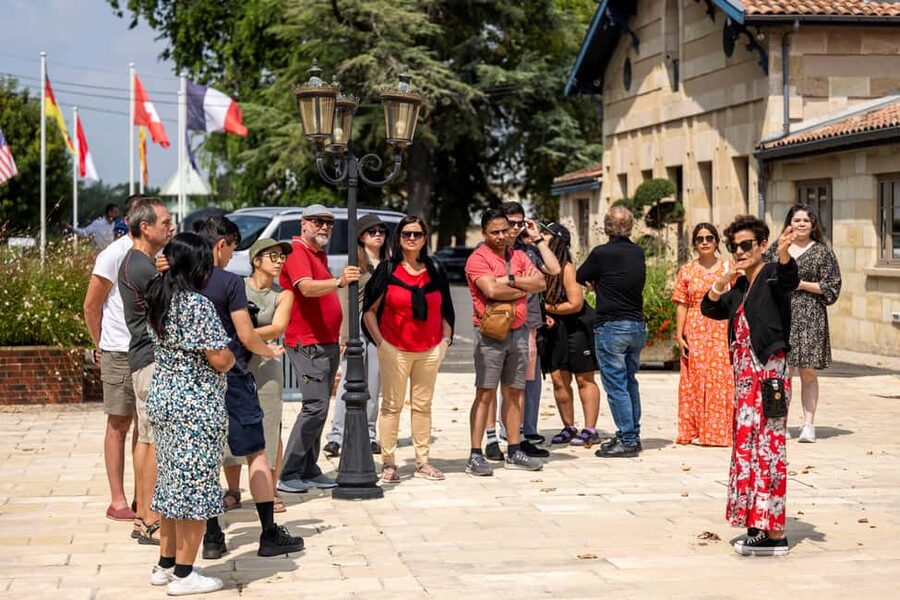
From April through October 2026, the schedule runs Monday through Sunday with different regions each day. That rotation is part of the value. You can pick a day that matches your wine mood.
Here’s the daily breakdown:
Monday & Sunday: Saint-Émilion + Underground Church + Château Tasting
These departures are the closest thing to the “greatest hits” version. Expect Saint-Émilion (UNESCO village) plus the underground church, and then a wine tour and tasting at a château.
If you only have one half-day and you want the most famous picture of Bordeaux, this is the safest bet.
Tuesday & Saturday: Médoc with Two Châteaux
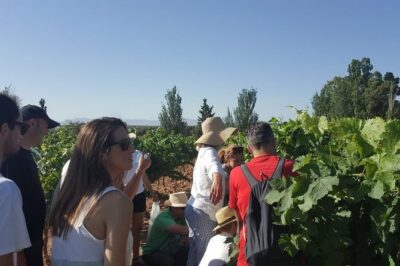
These days are classic Bordeaux wine-country mode: two château visits and tastings in the Médoc. You’ll see how different producers approach grape growing and cellar work, and you’ll collect more comparison points than on a single-stop visit.
You can also read our reviews of more wine tours in Bordeaux




Wednesday: Graves + Sauternais with Two Châteaux
If your taste runs toward white wine and the honeyed styles tied to Sauternes, this is your day. You’ll do two château visits, one tied to Graves and one tied to Sauternais, each with tastings.
Thursday: Entre-deux-Mers with Two Châteaux
This itinerary focuses on an area known for being intimate and picturesque. Again, it’s two château visits and tastings, so you get a real sense of how winemaking changes across neighboring terroirs.
Friday: Blaye Citadel + Château Tasting
On Fridays, you swap the second vineyard stop for a heritage landmark: the UNESCO-listed Citadel of Blaye. After that, you enjoy a wine tasting at a château in Bourg or Blaye.
This option is a good fit if you love history as much as wine, because it gives your day a different shape than the more vineyard-heavy routes.
Inside the Châteaux: What Those 1-Hour Tours Are Really Like
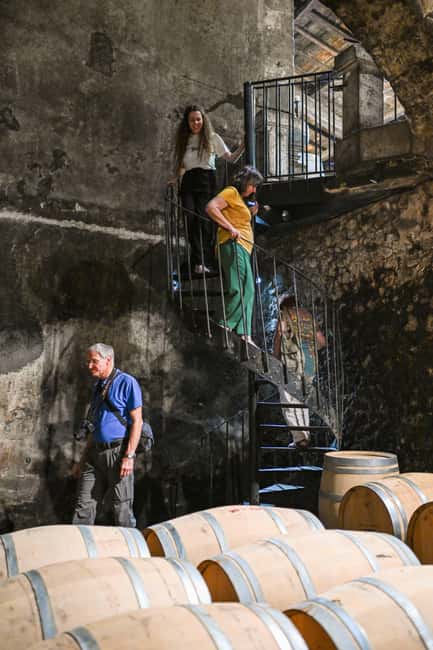
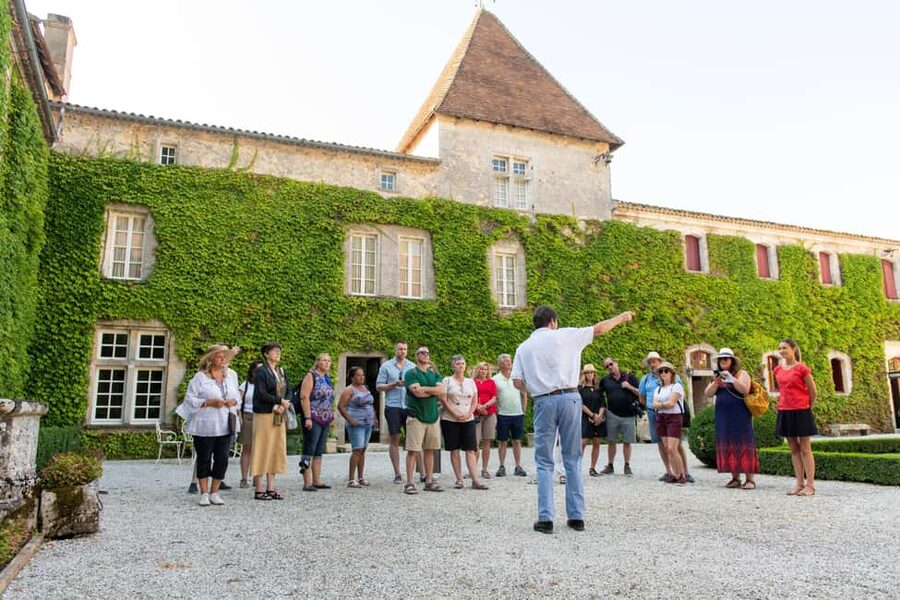
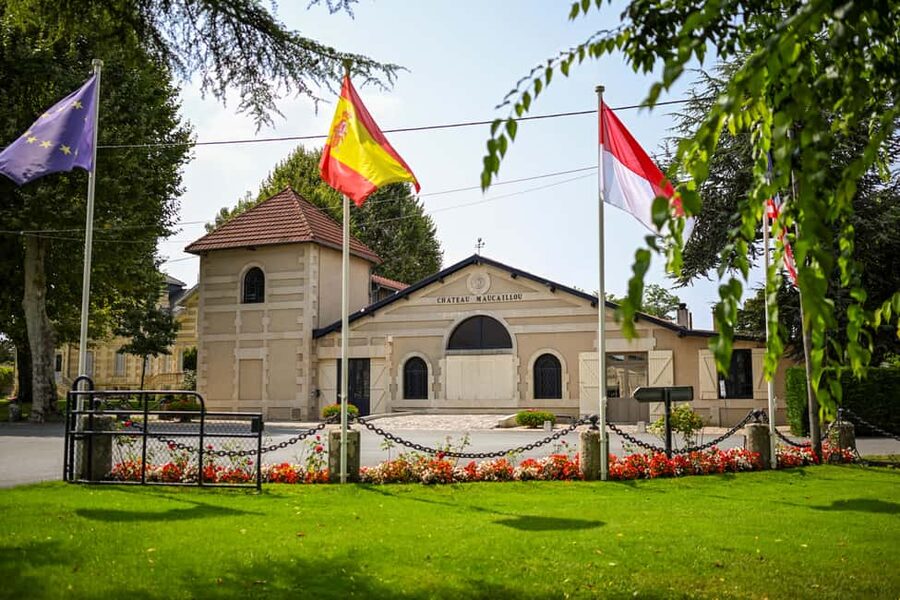
Most routes are built on two château visits, each with roughly one hour for a tour and tasting. That hour is usually where the learning happens: you’ll walk through production areas, storage spaces, and equipment, then connect it all back to the wine in the glass.
Some tours lean more “production walk-through” than “storybook château selfie.” A couple of people mention the winery portion focuses on fundamentals: vines, vats, barrels, and the basic steps from grape to wine. That’s useful. You walk away with an understanding of what you’re tasting instead of just memorizing labels.
There are also hints that the personalities vary by château. One person mentions a host who was particularly friendly and made the tasting more fun. Another points out seeing differences between a smaller château and a larger one, which helps you understand that Bordeaux isn’t just one style of winery.
If you’re hoping for a super interactive tasting, temper expectations a bit. Even positive reviews sometimes note that the tasting notes and wine info can be limited, and the tasting itself may not be as generous as you’d get on longer wine experiences.
Wine Tasting Reality Check: Small Pours, Big Context
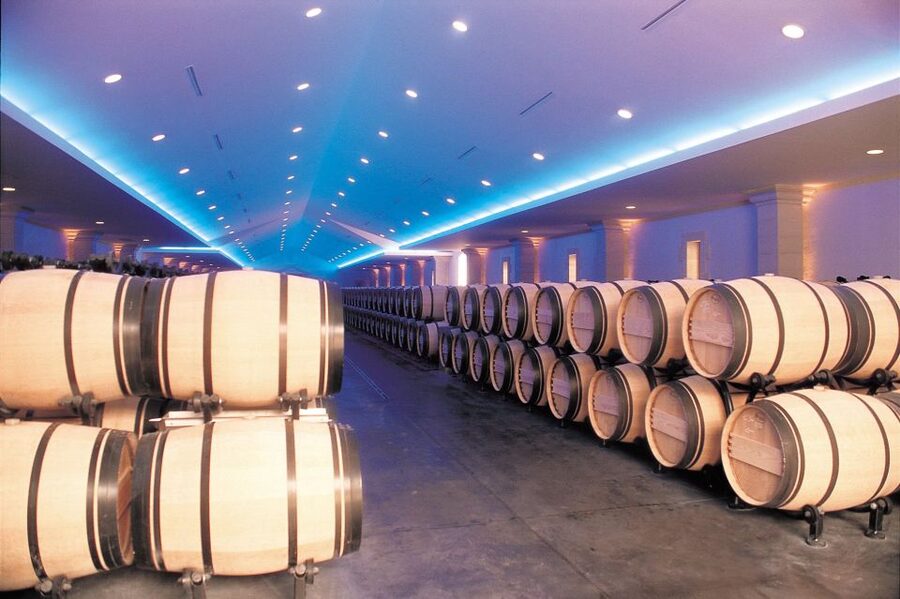
Here’s the deal: this is a half-day trip, and the program includes structured learning plus short tastings. That’s why it fits the schedule.
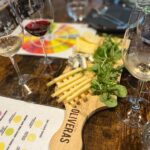
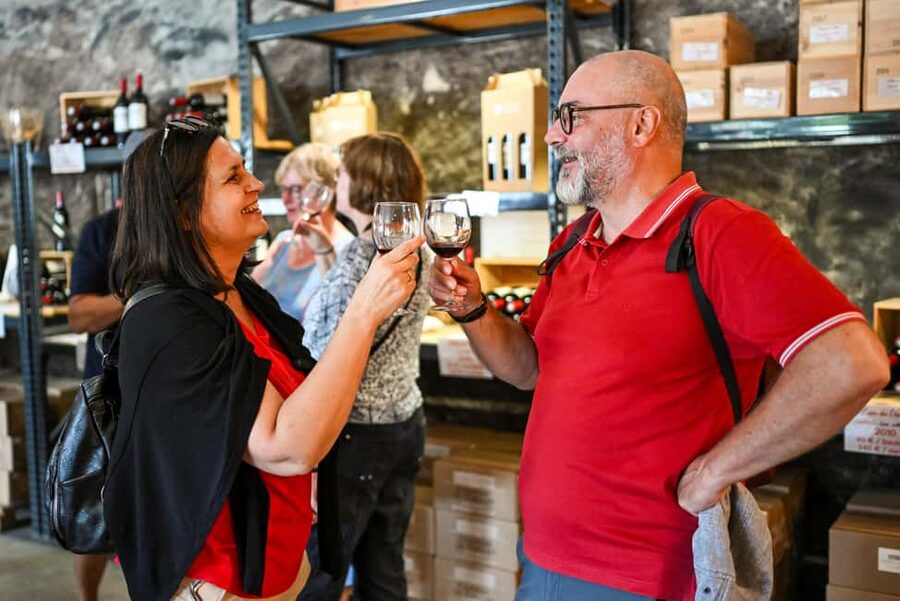
Multiple comments mention that the tasting quantities are not huge. Some people say the wine is offered in very small mouthfuls, and a few point out there’s no accompanying snack like crackers or cheese.
So I’d plan like this:
- Treat the tasting as sampling with instruction, not as your main drinking event
- If you tend to get hungry, plan a snack before you meet (since food isn’t included, and there are restrictions about food on the coach)
- If you want to taste more bottles and compare more styles, look at longer-day wine tours or add a wine bar stop afterward in Bordeaux
Still, the upside is real. When the tasting is small but guided, you usually get more value from the discussion: what grapes matter, why barrels show up, and how the appellation affects the taste.
Bus Comfort, Language Flow, and Timing Details You’ll Care About
The coach matters on a half-day tour because you’re spending a chunk of time in transit. Several reviews praise the bus experience: good commentary during the ride and comfortable conditions, including air-conditioning.
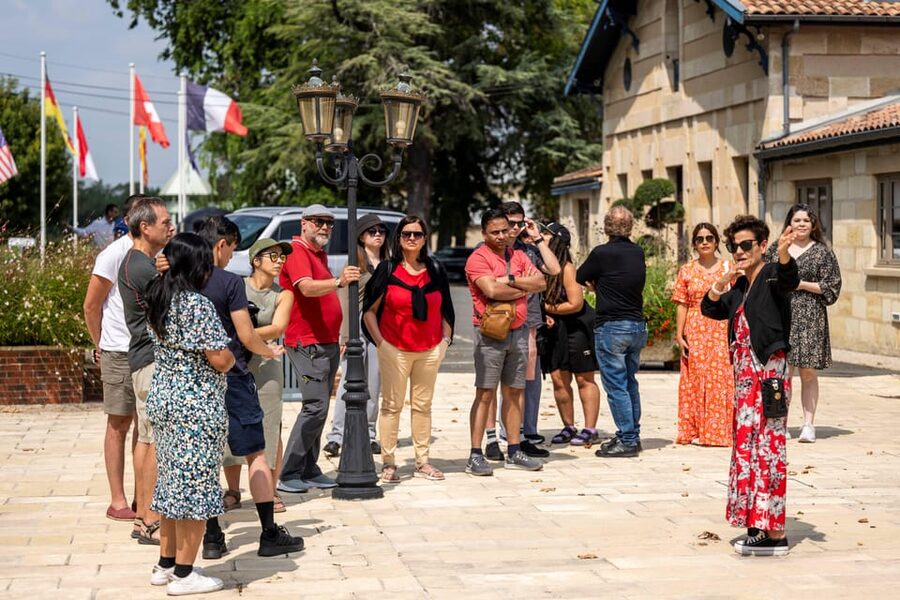
Language flow is the other big factor. The tour runs in English and French, and some reviews note that guides sometimes speak more French than English depending on the group mix. There’s also a review mentioning translation challenges at one stop because of how sound carried in Saint-Émilion.
My practical advice: if you’re an English-only traveler, still go for it. The guide is professional and bilingual, and the tour is designed to include both languages. But come with the mindset that you’ll pick up most of the story, even if a few parts are faster or less loud.
Also, the monolithic underground church and some château spaces can affect pacing. It’s not just about your legs, it’s about stop-and-go logistics.
What This Trip Is Best For (and Who Should Choose Another Option)
This tour makes the most sense if you:
- Want a guided Bordeaux wine day without driving
- Like pairing heritage (UNESCO) with wine education
- Prefer a structured schedule over open-ended wandering
- Are happy to taste a few wines and learn the logic behind them
It may not be ideal if you’re:
- Hoping for a full meal experience paired with heavy pours
- Hoping for lots of free time to wander at your own pace
- Very sensitive to pace and tight schedules
And it’s explicitly listed as not suitable for:
- Pregnant women
- People with mobility impairments
If you fit those categories, don’t plan on “maybe it’ll work out.” Choose a different style of visit designed around accessibility.
Price and Value: Why $68 Can Be a Good Deal (or Not)
At $68 per person for about 5 hours, this is positioned as a value-friendly entry into Bordeaux wine country. Here’s what you’re paying for:
- A professional bilingual guide
- Round-trip transportation by bus
- Winery tours and tastings (varies by day, but generally two château visits on most routes)
- On many routes, an extra standout heritage access like Saint-Émilion’s monolithic church or Blaye’s citadel
For people without a car, the transportation alone can be the hidden value driver. You also get interpretation in real time, which is where group tours can beat self-guided chaos.
The main reason people feel a little “wait, that’s it?” is the tasting size. If your personal idea of value is a larger tasting quantity, this may feel expensive for what’s in the glass.
My take: it’s good value if you want learning + highlights. It’s less good value if your top priority is maximizing wine volume.
Should You Book This Bordeaux Vineyards Half-Day Trip?
I’d book it if you want a clean, efficient way to experience more than just wine bars. The mix of UNESCO village heritage (especially Saint-Émilion) and real château tours gives you the story behind what you’re drinking. The rotating day-by-day regions also help you pick the style you’re curious about: Medoc, Graves/Sauternais, Entre-deux-Mers, or Blaye.
I wouldn’t book it if you want a long lunch, big tasting flights, and lots of unstructured time. This is a “take the highlights, learn, then go back to Bordeaux” kind of day.
If you do book, wear comfortable shoes, plan your expectations around tasting portions, and aim for your own follow-up stop afterward in town. You’ll enjoy the day more when the tour is treated as the educational kickoff, not the full wine feast.
FAQ
How long is the Bordeaux vineyards wine tasting half-day trip?
The tour runs for about 5 hours, departing at 1:30 PM and returning by 6:30 PM.
Where do I meet for the tour?
Meet in front of the Bordeaux Tourist Office at 12 Cr du 30 Juillet, 33000 Bordeaux, France.
Which regions do you visit, and does it change by day?
Yes. From April to October, the destinations depend on the day (Saint-Émilion on some days, Médoc on Tuesday and Saturday, Graves and Sauternais on Wednesday, Entre-deux-Mers on Thursday, and the Citadel of Blaye on Friday). From November to March, departures focus on Saint-Émilion on Saturdays.
What’s included in the price?
You get a professional French and English-speaking guide, bus transportation, and château tours plus wine tastings. The exact extra inclusions depend on the route, including access to the monolithic church at Saint-Émilion on applicable days and a citadel visit on Fridays.
Is food included, and can I bring snacks?
Food and drinks are not included. Food is also not allowed on the coach.
Does the tour run in bad weather?
Yes. The tour takes place rain or shine.
Who is this tour not suitable for?
It is not suitable for pregnant women or people with mobility impairments.