REVIEW · BORDEAUX
Make your own cuvée of Bordeaux wine
Book on Viator →Operated by Le Pied à Terre · Bookable on Viator
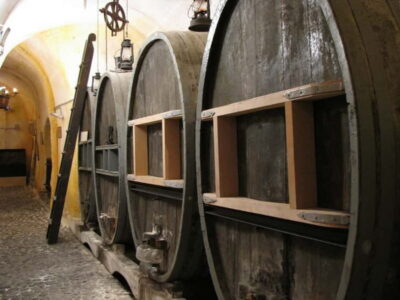
Wine blending turns Bordeaux into a hands-on puzzle. This workshop at Le Pied à Terre guides you through the ideas behind Bordeaux blends, then lets you build your own cuvée in a warm cellar setting. What I like most is the way the session stays practical—taste, compare, adjust—rather than turning into a dry lecture, and the fact it is run for a small group so you can actually ask questions.
You’ll also like that the teaching team includes instructors such as James (and, in other sessions, Pierre and Geoffroy are mentioned in reviews), with an approach that mixes history, aroma training, and blending rules you can use immediately. One thing to consider: the experience is not a full production winemaking day, so you should expect blending and tasting with guided instruction, not anything like making wine from grapes.
In This Review
- Key things to know before you go
- Le Pied à Terre cellar blending workshop: the real point of the experience
- What you do during the tasting: aromas first, then structure
- Blending your cuvée with tubes and pipettes: how the choices work
- The Basque starter: a simple pairing that keeps the pace pleasant
- How the workshop connects Bordeaux’s geography to what’s in the glass
- Price and value: is $71.20 a fair deal for the time you get?
- Who should book this (and who might prefer something else)
- Tips to get the most from your cuvée workshop
- Should you book the Bordeaux make-your-own cuvée workshop?
- FAQ
- What is the duration of the experience?
- What does the workshop include?
- Is the experience offered in English?
- How large are the groups?
- Where do I meet for the activity?
- Is there a take-home bottle?
- Can I cancel and get a full refund?
- What if the experience has to be canceled due to weather or minimum numbers?
Key things to know before you go
- Hands-on cuvée blending: you create a personalized blend using the workshop’s tools and guidance.
- A tasting you can use: aroma and taste basics plus a blind tasting step to sharpen your instincts.
- Small-group feel: capped at 12 travelers, which keeps the pace human and the questions flowing.
- Bordeaux structure made simple: you learn how grapes like Merlot, Cabernet Sauvignon, and Cabernet Franc work together.
- Take-home souvenir bottle: you can leave with a bottle labeled with your name.
- Food included: Basque cheese and charcuterie pairs with the tasting.
Le Pied à Terre cellar blending workshop: the real point of the experience
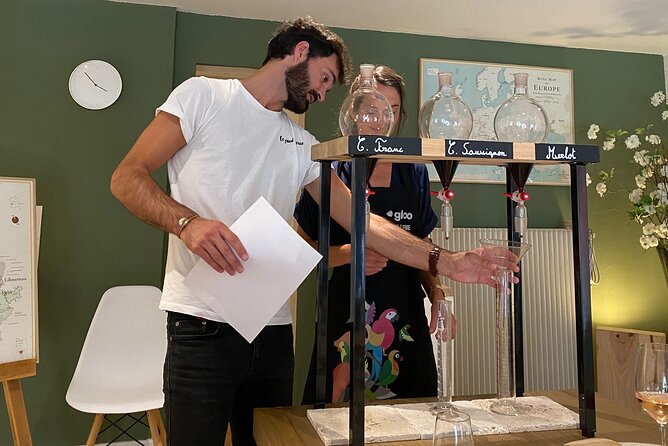
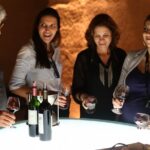
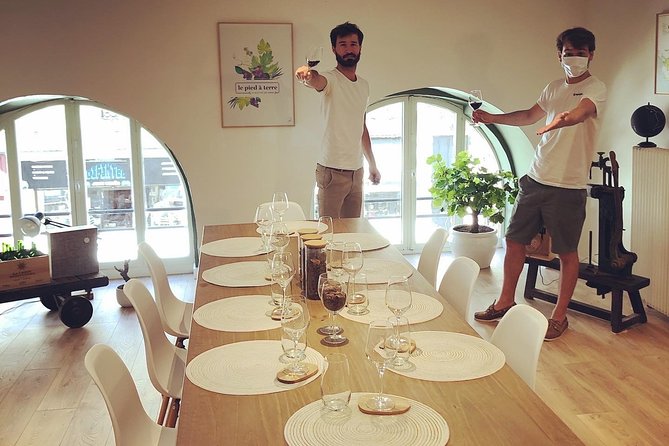
Bordeaux can sound technical on a wine label. This experience translates the jargon into a set of choices you can taste and adjust. You meet at Le Pied à Terre – Cave à vin & atelier dégustation, 22 Rue Judaïque, 33000 Bordeaux, and the activity ends back where you started, which makes it easy to fit into an afternoon.
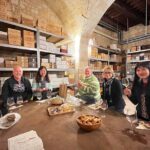
The format matters. With a group of up to 12, you’re not stuck listening from the back row while everyone else plays in the front. You get guided tastings, then the fun part: creating your own blend from selected single-varietal wines. If you’ve ever wondered why Bordeaux red blends feel balanced instead of random, this is built to answer that question with your own palate.
Also, this is a workshop that works even if you don’t think of yourself as a wine person. The session is offered in English, and the instruction style shows up in the reviews as clear and engaging—people talk about learning more in a few hours than from a pile of reading. That’s exactly what you want in travel: something you can carry home and use.
You can also read our reviews of more wine tours in Bordeaux


What you do during the tasting: aromas first, then structure
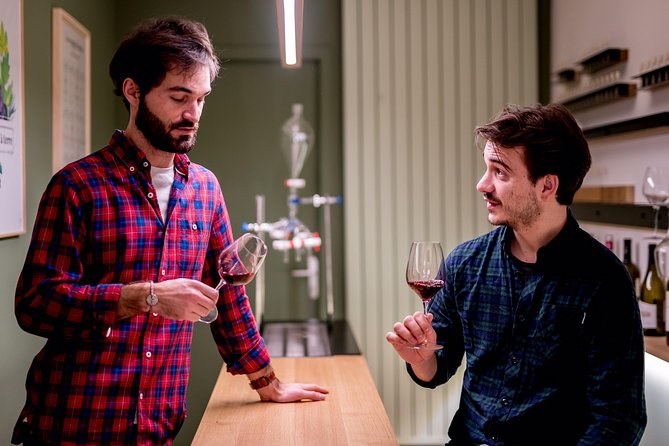
Before you blend, you train your senses. The workshop introduces the key grape varieties that make up classic Bordeaux blends—especially Merlot, Cabernet Sauvignon, and Cabernet Franc—and explains the typical aromatic profiles that go with them. You’re not just sipping; you’re learning how to identify what you’re tasting and what role each grape tends to play.
Then you move through a structured tasting flow. Reviews describe a guided tasting, an assisted tasting, and then a blind tasting. The blind part is smart because it forces you to rely on your senses instead of the label on the glass. One helpful tip from a participant: try smelling and tasting all three varieties side-by-side rather than one after another. That comparison helps you notice how Cabernet Sauvignon often brings the more tannic structure, while other grapes help balance aromas and acidity.
Expect small pours, paired with a bit of food. In one review, the total amount tasted across the three wines was roughly the equivalent of just a few ounces—enough to learn, not enough to get sloppy. That balance is part of the value: you’re paying for learning and practice, not a wine-soaked evening.
Blending your cuvée with tubes and pipettes: how the choices work
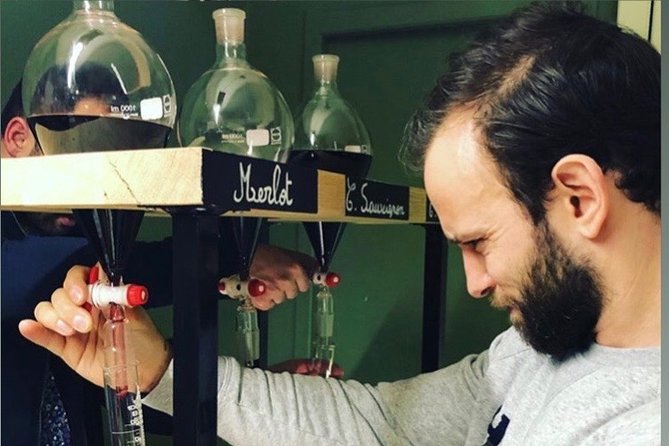
This is the core of the experience. You’re guided through how Bordeaux blending becomes a finished wine with an intended personality: balanced, expressive, and aligned with what you like. You use tubes and pipettes to experiment with proportions from the selected varietal wines, then build a blend that reflects your preferences.
Here’s what makes this step genuinely useful. You’re not only told that blending balances flavors—you practice the balancing. If you love a smoother mouthfeel, you lean more toward grapes that tend to round out the blend. If you want more bite and structure, you shift toward the variety that tends to add tannic backbone. The workshop makes the logic tangible by turning it into small, adjustable moves.
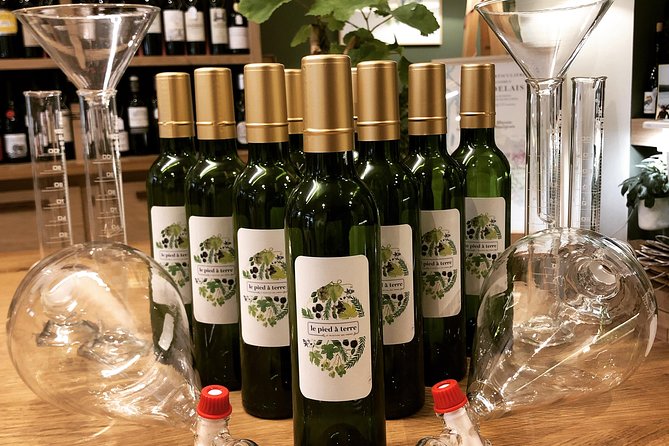
Many reviews highlight that the instructor explains the process clearly and then lets you make decisions with support. You’ll likely go through a guided round, then adjust based on what you notice in the glass. And if you’re the kind of traveler who likes a souvenir you actually earned, you’ll also have the satisfaction of taking home a bottle labeled with your name.
One small consideration: this is still an assisted blending workshop. You won’t be doing cellar-scale winemaking. The best way to avoid disappointment is to think of it as wine education plus blending practice—your job is to create the blend, not to produce the wine.
The Basque starter: a simple pairing that keeps the pace pleasant
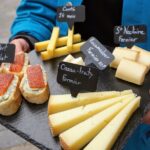
You don’t just blend and taste in a vacuum. You start with an included starter: cheese and charcuterie from the Basque Country. It’s a classic pairing choice because salt, fat, and cured flavors help you notice changes in aroma and texture when you return to the next pour.
Timing-wise, it helps keep the workshop comfortable. A tasting can feel longer if your stomach is empty, and this one is designed to keep you focused without rushing. You’ll be able to reset your palate between tastings and blending steps, which makes the learning stick.
It’s also a nice “travel authenticity” touch. Bordeaux wine culture can feel like its own world, so food from the Basque Country adds contrast and keeps the experience from feeling like a closed system.
How the workshop connects Bordeaux’s geography to what’s in the glass
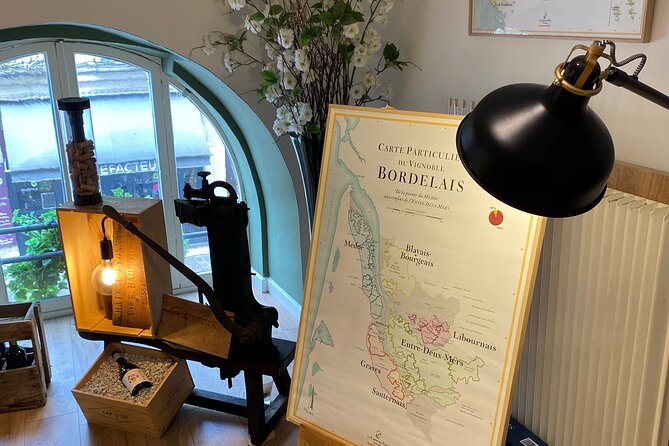
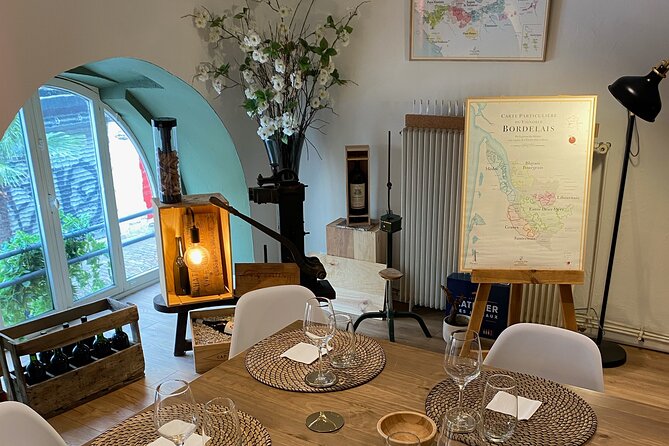
Bordeaux isn’t just about grapes. It’s about where they grow and how that shapes the wine. Reviews mention that the session covers the big regional categories—Left Bank, Right Bank, and Entre-Deux-Mers—so you can place what you’re learning in a broader map of the region.
You may also get added sensory details such as soil samples. That kind of visual and tactile element helps you connect why certain grapes behave differently depending on the vineyard environment. Even if you don’t remember every grape profile afterward, you’ll remember the idea that terroir changes how vines express themselves.
That’s one reason people say this workshop builds confidence. Once you’ve tasted with guidance and then tried a blind comparison, you start drinking the rest of your trip with better questions. You’ll notice structure, tannins, and aromatic cues more clearly, and you won’t need to rely on a label to tell you what you’re actually experiencing.
Price and value: is $71.20 a fair deal for the time you get?
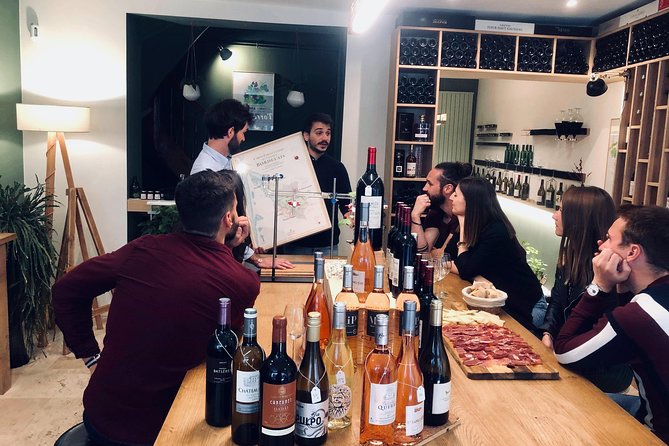
At $71.20 per person for about 2 hours 30 minutes, the pricing feels reasonable for what you get: a structured tasting plus hands-on blending, with food included and a take-home bottle available. For Bordeaux, it’s also not unusual to see wine experiences that are either expensive for a short tasting or too casual for serious learning. This one aims for the middle ground: you get a real workshop, not a quick pour-and-go.
The small group size is part of the value math. With a maximum of 12 travelers, you’re more likely to get personal feedback on your tasting choices and your blend. That turns the session from entertainment into actual instruction.
Think of it like this: you’re paying for (1) time with an instructor, (2) tasting practice in multiple formats including blind tasting, (3) blending tools and guidance, and (4) a souvenir you helped create. If that appeals to you, the price makes sense.
Who should book this (and who might prefer something else)
This workshop is a great fit if you want an active Bordeaux experience. It suits:
- Wine-curious travelers who want a clear entry point into Bordeaux blending
- People who enjoy hands-on activities, not just sitting and listening
- Couples and small groups who want a memorable take-home bottle
One note from the experience itself: it’s a red wine focus. If you mostly like white wine, you might find the selection less aligned with your preferences, even though the education is still helpful.
Also, if you prefer learning through books only, you might not get full value. The workshop shines when you’re willing to taste, compare, and adjust. You get better results when you lean into the tasting exercises rather than treating them like background noise.
Tips to get the most from your cuvée workshop
A few practical things can boost your results fast:
- Take notes on what you like and why. The session moves quickly, and it helps you recreate your preferences in your blend.
- Smell first, then sip, then adjust. The instructors push you to identify aromas and structure, and you’ll get more out if you follow that order.
- When comparing the three varietals, try to keep the experience side-by-side in your mind. One review specifically suggested tasting them side-by-side instead of sequentially.
- Don’t aim for a perfect blend on round one. Blending is about iteration. Your best bottle often comes after you recognize which element is missing.
- After you leave, try your bottle soon while the workshop logic is still fresh. That makes the learning click.
And a comfort detail: the workshop is in a cellar atmosphere, so dress for a slightly cooler, cozy environment. You’ll be moving around, using tools, and tasting over time.
Should you book the Bordeaux make-your-own cuvée workshop?
If you want a Bordeaux experience that feels like a class you actually remember, I’d book this. The ratings back up the experience: it scores 4.9 out of 5 with 97% recommended, and the strongest praise centers on the tasting structure and the blending hands-on part—people call it a highlight and say it taught them more than expected.
Book it if:
- You want to learn how Merlot, Cabernet Sauvignon, and Cabernet Franc work together
- You like guided tastings that include a blind step
- You want a take-home bottle labeled with your name
Skip or consider something else if:
- You’re expecting winemaking from scratch, not a blending workshop
- You mostly want white wine or you’re not interested in red-wine structure
Bottom line: for a half-day-style activity in Bordeaux, this is one of the best ways to trade passive wine tourism for real understanding—and then bring home something you helped design.
FAQ
What is the duration of the experience?
It runs for about 2 hours 30 minutes.
What does the workshop include?
You’ll do a guided tasting focused on Bordeaux grape varieties, then blend your own cuvée, with a bottle you can take home labeled with your name. A starter of Basque cheese and charcuterie is also included.
Is the experience offered in English?
Yes, it is offered in English.
How large are the groups?
The workshop has a maximum of 12 travelers.
Where do I meet for the activity?
You meet at Le Pied à Terre – Cave à vin & atelier dégustation, 22 Rue Judaïque, 33000 Bordeaux, France.
Is there a take-home bottle?
Yes. You can take home a bottle of the blend you create, labeled with your name.
Can I cancel and get a full refund?
Yes, you can cancel for free up to 24 hours in advance for a full refund.
What if the experience has to be canceled due to weather or minimum numbers?
If it’s canceled due to poor weather, you’ll be offered another date or a full refund. If the minimum number of travelers isn’t met, you’ll also be offered a different date/experience or a full refund.