REVIEW · BORDEAUX
Workshop Bordeaux wine tasting: 4 reds & charcuterie pairing
Book on GetYourGuide →Operated by I love my 2cv Sas Verrevidophobe · Bookable on GetYourGuide
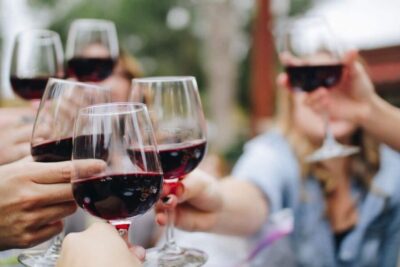
Bordeaux, explained in one hour. This small-group tasting is interactive and seriously learnable, built around 4 Bordeaux reds plus charcuterie, with a take-home booklet for practice after you leave. I like that it feels like a conversation, not a lecture, and that the pairing work actually teaches your palate. One possible drawback: it’s not suitable for people with mobility impairments.
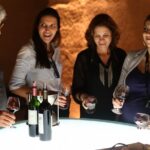
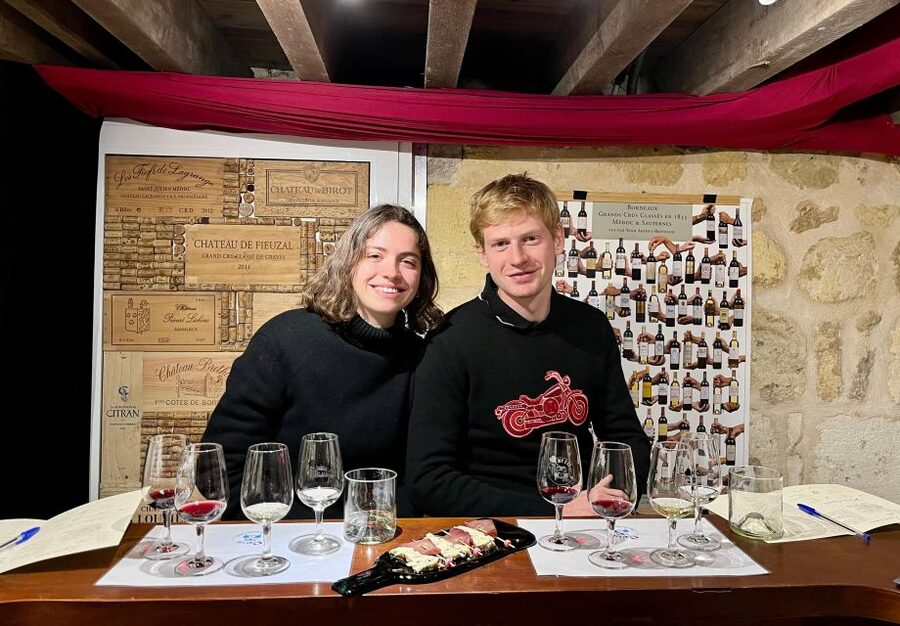
Meet at 25 Avenue Thiers, just a short walk from the tram A stop Stalingrad, and look for the gray door behind the building with the bell marked I ♥️ TASTING. In the session, guides Cécilia and Mathilde (both trained and certified at the Université du Vin) lead you through a structured tasting, including an aroma game and a mystery glass, in whatever cozy setting the season brings—stone room, private courtyard, or an underground cellar.
In This Review
- Key highlights worth clocking before you book
- Finding the place: 25 Avenue Thiers and the hidden door
- A 1-hour workshop that teaches your palate
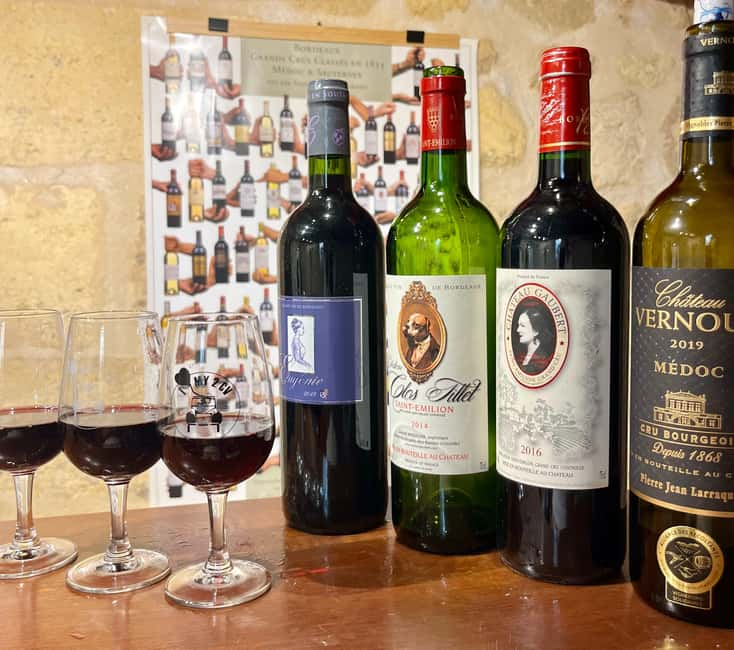
- The wine lineup: 4 Bordeaux reds plus a mystery glass
- Left Bank vs Right Bank: the grape logic that clicks
- Vinification choices you’ll actually remember
- Aroma game: learning to name what you smell
- Charcuterie pairing: when food teaches the wine
- Where you taste: stone room, courtyard, or underground cellar
- The tasting booklet: take the training home
- Onsite bottle shopping: share your discoveries
- Price and value check: is $46 for an hour fair?
- Who should book this Bordeaux workshop?
- Should you book this tasting workshop in Bordeaux?
- FAQ
- How long is the Bordeaux wine tasting workshop?
- How many people are in the group?
- What wines are included in the tasting?
- Is there food included?
- Where is the meeting point?
- What language is the guide?
- Can you accommodate someone who prefers white wine?
- Is it suitable for people with mobility impairments?
Key highlights worth clocking before you book
A real Left Bank vs Right Bank tasting map
4 red wines showing grape variety, terroir, and vinification choices
An aroma game that helps you name what you smell
Charcuterie pairing designed to change how you taste
One mature wine to understand aging potential (no guessing needed)
A booklet you can use right after, not just during the tasting
Finding the place: 25 Avenue Thiers and the hidden door
This tasting workshop is easy to reach once you know what to look for. You meet at 25 Av. Thiers (33100 Bordeaux), about 100 meters from tram A stop Stalingrad. The tasting room isn’t on the street in a big obvious storefront. It’s hidden behind a building, so don’t wait for a flashy sign—go straight to the gray door next to the Guy Hoquet panel and ring the bell marked I ♥️ TASTING.
Why this matters: small venues like this can feel secretive in the best way, but only if you plan for quick arrival. If you’re the type who shows up five minutes late and then panics, I’d aim to be there early and take a breath in the street before you find the door.
You can also read our reviews of more food & drink experiences in Bordeaux

A 1-hour workshop that teaches your palate
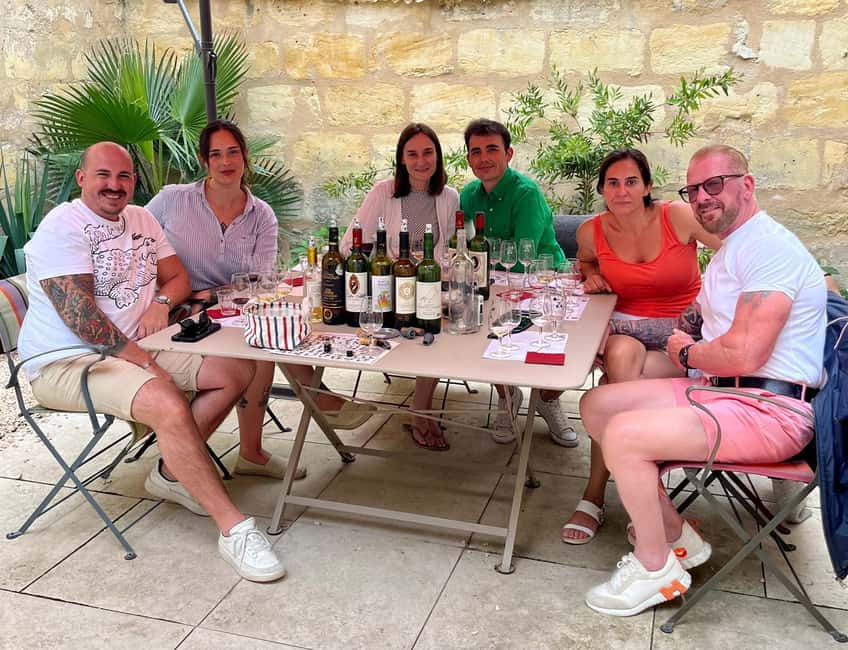
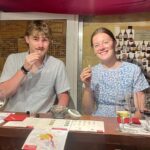
The whole experience is 60 minutes, capped at a small group of 6 participants. That size is the point. You get enough attention to ask questions, yet it stays social. Instead of rushing through wine names, the guide walks you through what to notice: aroma first, then texture and flavor, then how the wine holds up in your glass.
You’re also not just passively tasting. The format includes an aroma game, which sounds simple, but it’s a practical way to train your nose. Many people smell something and think they should already know the right word. Here, you’re encouraged to compare notes and learn vocabulary step-by-step.
If you’re nervous about wine, don’t worry. The structure is designed for beginners, but it still gives enough detail for people who already love Bordeaux.
The wine lineup: 4 Bordeaux reds plus a mystery glass
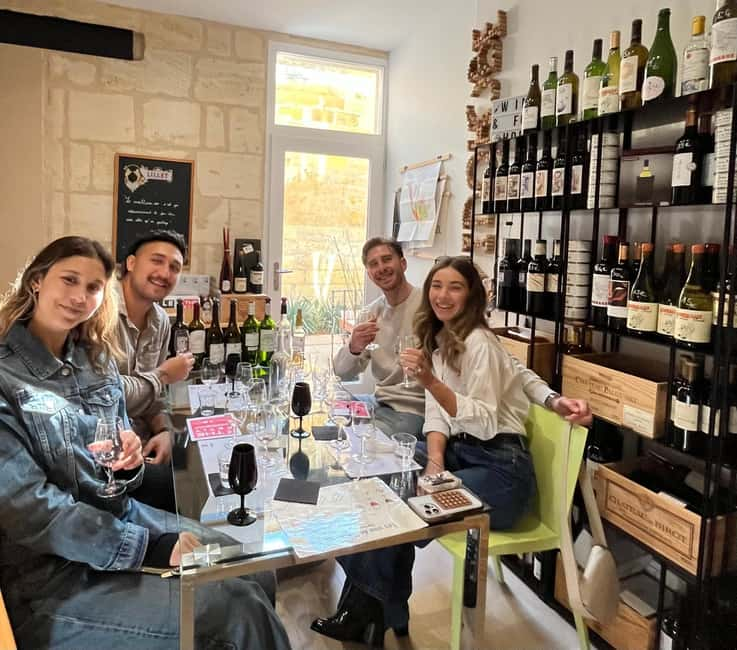
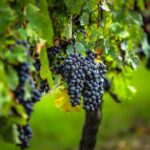
You’ll taste four Bordeaux red wines, each chosen to show a different side of the region. The workshop doesn’t treat Bordeaux as one “type” of wine. It treats Bordeaux as a set of decisions—grape variety, terroir, and how the wine is made.
Here’s what the experience is built to show you:
- Single-varietal wines that highlight what grapes contribute (especially Merlot and Cabernet Sauvignon).
- Blends that show how winemakers combine grapes for balance and aging.
- One wine that’s matured, so you can see how Bordeaux changes when time does its job.
And then there’s the twist: you’ll taste one mystery glass. You’re not meant to feel tested. You’re meant to practice observation—what does it smell like, what does it feel like on the palate, and which “Bordeaux clues” point you in the right direction?
Left Bank vs Right Bank: the grape logic that clicks
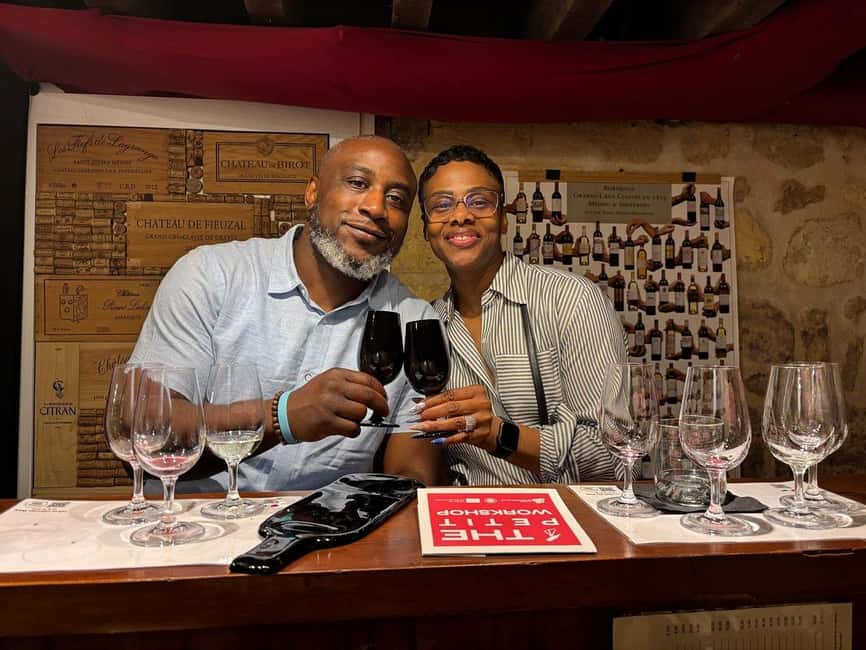
Bordeaux is famous for red wine, but beginners often get stuck in memorizing labels. This workshop flips the focus. It teaches you to think like a taster: what choices create what you taste?
You’ll specifically compare the Left Bank and Right Bank styles through examples:
- Left Bank (think Médoc): often more structured and Cabernet Sauvignon-forward, with a reputation for aging potential.
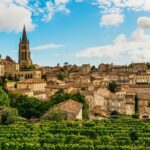
- Right Bank (think Saint-Émilion): often smoother and more fruit-forward, with Merlot taking the lead.
The value here is mental. Once you understand how Cabernet and Merlot tend to express themselves, you can walk into a bottle shop later and make smarter guesses. You’re not relying on marketing. You’re using your senses.
Vinification choices you’ll actually remember
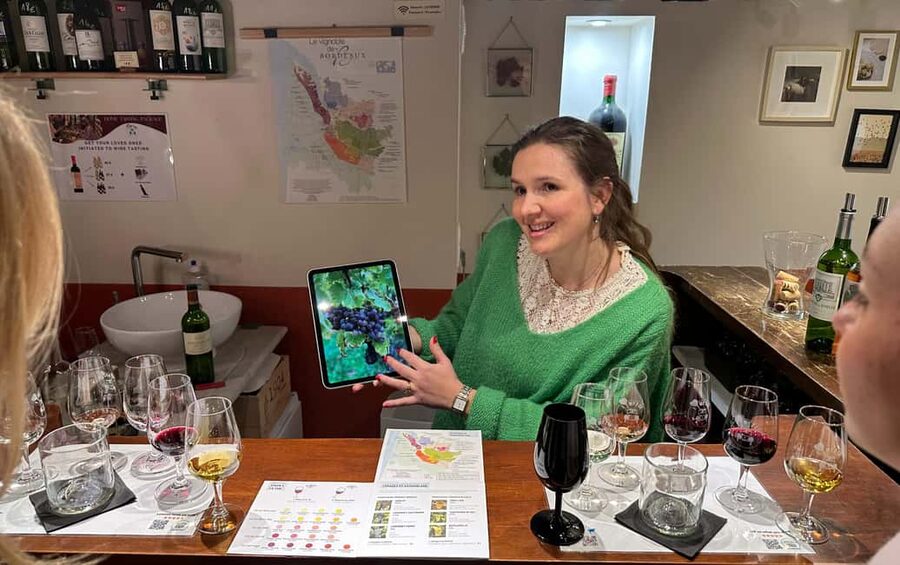
The guide doesn’t stop at grape and region. You’ll connect grape and terroir to winemaking decisions and then to what you feel in your glass. The session targets exactly these links:
- Grape variety: what it tends to contribute to aroma and flavor
- Terroir: how place influences texture and balance
- Vinification style: how the winemaking choices shape feel and aging potential
You’ll also encounter wines from different types of producers, including family organic estates and prestigious Grand Crus (so you can see how “serious” and “organic” can still show different styles). One mature wine also reinforces the idea that Bordeaux isn’t only about youth and fruit. It’s about development.
You can also read our reviews of more wine tours in Bordeaux

Aroma game: learning to name what you smell
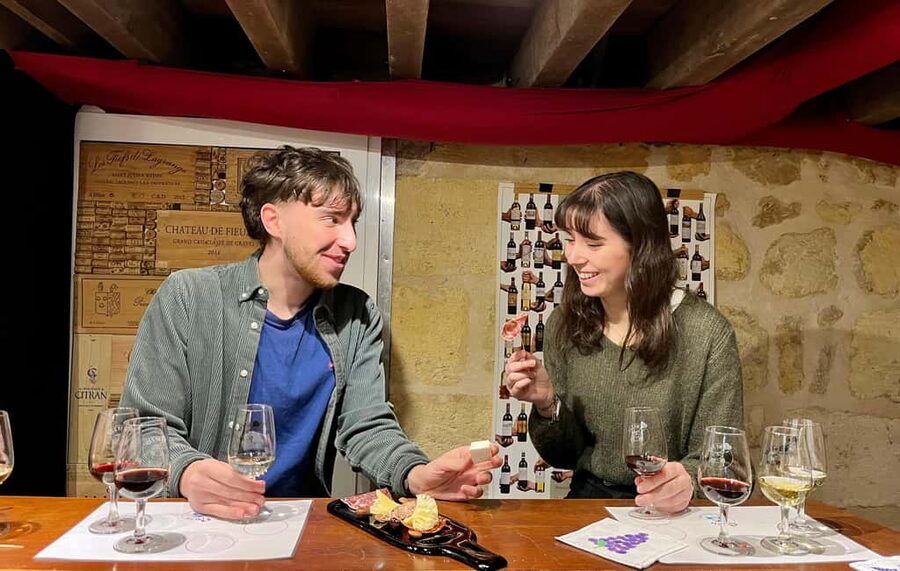
The aroma game is one of those small touches that makes the class stick. Smell is the hardest part for many people. It’s also where beginners often get frustrated because the vocabulary doesn’t come naturally.
In this session, you’re guided to identify aromas by comparison, not by perfect guessing. It helps you stop thinking of tasting as a quiz. You start thinking of it as description.
If you want to get more out of wine later, train your nose now. This workshop is a good place to do it because you’re supported by a guide who can help you translate experience into words.
Charcuterie pairing: when food teaches the wine
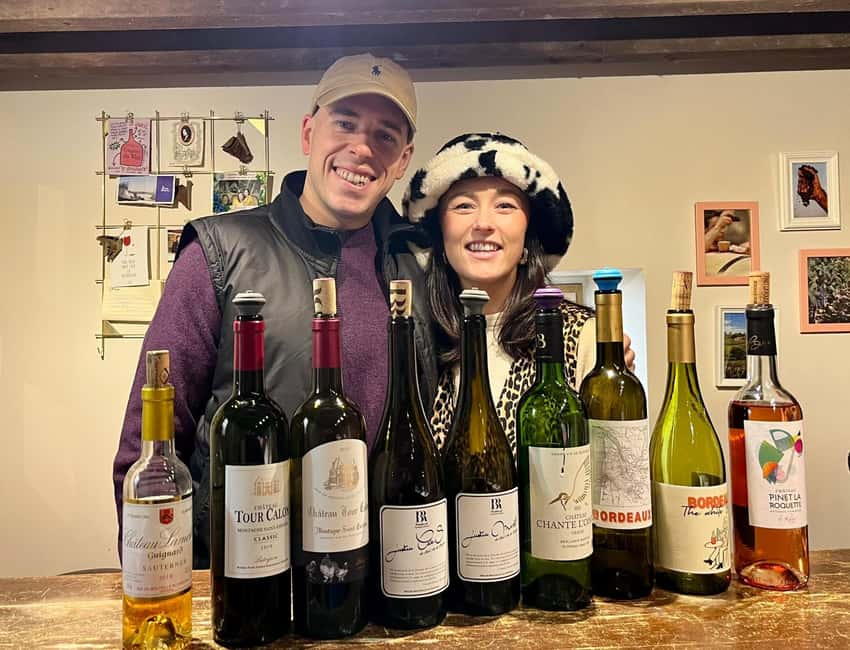
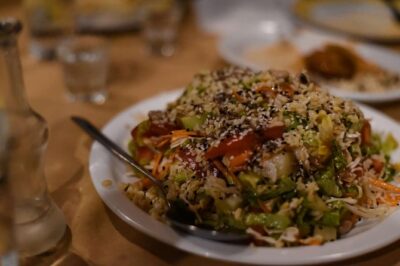
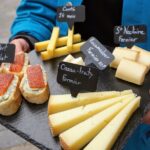
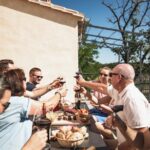
Yes, you’re pairing wine with food. But the pairing isn’t just extra snack value. The goal is to show you how charcuterie can change what you notice in a glass.
Expect thoughtful matches: each wine comes with its own pairing intended to complement flavors. That matters because people often judge wine alone at home and call it “too much” or “too dry” or “not for me.” The truth is that wine’s character moves around with salt, fat, smoke, and spice.
This class is basically a shortcut to that lesson. You taste a wine, then you taste with the food, and you start building the habit of asking: What is this pairing doing?
Also, don’t underestimate the practical side. If you’re spending a day in Bordeaux and want easy dinner ideas afterward, this pairing gives you a reference point you can actually use.
Where you taste: stone room, courtyard, or underground cellar
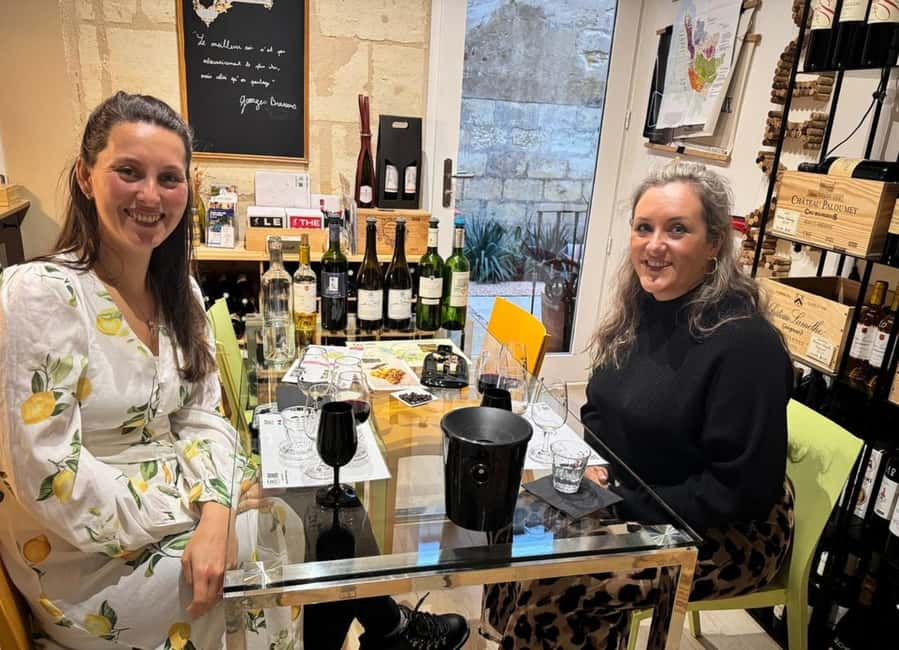
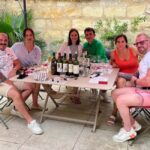
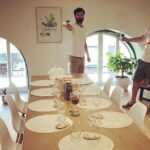
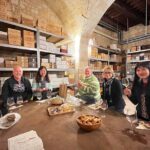
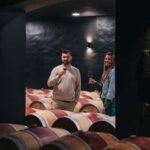
The session location can change depending on the season. You might be in a stone-built tasting room, in a charming private courtyard, or in a cooler underground cellar. That isn’t just atmosphere. It affects how the tasting feels—warmer and social in one setting, quieter and focused in another.
If you’re sensitive to temperature, this is worth knowing. Underground cellars tend to be cooler. In summer, that can be a relief. In cooler months, you’ll likely appreciate the controlled environment.
The tasting booklet: take the training home
You get a personal tasting booklet included with the workshop. This is one of the best ways to turn a one-hour experience into long-term learning. During the tasting, you can follow along. Afterward, you can actually review what you tasted and why you noticed certain aromas and textures.
That’s the difference between wine tourism that fades and tasting practice you can repeat.
In practical terms, this booklet helps you:
- remember the key contrasts between wines
- connect your notes to the guide’s explanations
- keep the Left Bank vs Right Bank logic fresh when you’re shopping later
Onsite bottle shopping: share your discoveries
Wines tasted are available to purchase on site. If you liked one of the wines (and many people do after a focused tasting), it’s a low-friction way to bring something home without guessing.
This also makes the experience easier to share with friends later. You can say what you learned and which style matched what you liked, instead of just handing over a random bottle.
Price and value check: is $46 for an hour fair?
For $46 per person you’re getting a lot for the time: four Bordeaux red wines, an aroma game, charcuterie pairing, and a tasting booklet. Plus, it’s a small group format, so guide attention isn’t diluted.
Is it “cheap”? No. But it’s also not trying to be a long day excursion. It’s a concentrated lesson at a price that feels reasonable for Bordeaux if you consider the full package. You’re paying for structure—someone guiding your senses, not just letting you taste a few pours and leaving you to figure it out alone.
Where the value really lands is for people who don’t want to commit to a half-day or full-day wine tour. This is the kind of stop that fits between sightseeing blocks and still improves how you understand what you’re drinking afterward.
Who should book this Bordeaux workshop?
This workshop is a great fit if you want:
- a high-impact wine introduction in one hour
- a guided way to understand Bordeaux red diversity
- an approachable structure that works for both curious beginners and wine lovers
- food pairing that teaches you something, not just fills a plate
It’s also a smart choice if you’re doing other Bordeaux wine outings and want a foundation that makes the bigger tours click. Getting the Left Bank vs Right Bank logic early can make Médoc and Saint-Émilion day trips feel less like a blur of vineyards.
One important match note: it’s not suitable for people with mobility impairments.
Should you book this tasting workshop in Bordeaux?
If you’re short on time but you don’t want to stay shallow, book it. The combination of four reds, a mystery glass, an aroma game, and charcuterie pairing is exactly how you learn tasting fast. Add the booklet, and you’ve got something to revisit after the city moves on.
I’d skip it only if you want a very long, vineyard-focused tour. This is about tasting technique and Bordeaux style differences in a small room. It’s not a bus ride, it’s a palate lesson.
If that sounds like your style, this $46 hour is a good use of Bordeaux time.
FAQ
How long is the Bordeaux wine tasting workshop?
It lasts 1 hour.
How many people are in the group?
The group is limited to 6 participants.
What wines are included in the tasting?
You’ll taste 4 Bordeaux red wines, plus one mystery glass.
Is there food included?
Yes. Each wine is paired with charcuterie.
Where is the meeting point?
You meet at 25 Avenue Thiers, 33100 Bordeaux, about 100 meters from tram A stop Stalingrad.
What language is the guide?
The live tour guide speaks English, French, and Spanish.
Can you accommodate someone who prefers white wine?
Yes. The organizers can accommodate white-wine preferences, and they also offer a tasting of white Bordeaux wines if you mention it in advance.
Is it suitable for people with mobility impairments?
No, it is not suitable for people with mobility impairments.