REVIEW · BORDEAUX
From Bordeaux: Afternoon Saint-Emilion Wine Tasting & snack
Book on GetYourGuide →Operated by A La Francaise Tourisme - Bordeaux · Bookable on GetYourGuide
Medieval streets and serious wine education in one afternoon. This small-group trip blends a Grand Cru Classé chateau visit with a guided Saint-Émilion walk, so you leave understanding the region, not just drinking it.
I especially like the balance: you get hands-on learning at the winery and then see the village’s medieval layout up close. I also like that the included aperitif is built from classic French ingredients—cheese, cured meats, and dark chocolate—so the tasting feels like a full experience.
One drawback to consider: it focuses on a single chateau tasting, so if you want multiple wineries and lots of pouring, this is more “quality education” than “wine marathon.”
In This Review
- Why This Saint-Émilion Afternoon Feels Worth the Drive
- Setting Out From Bordeaux: A Comfortable Van and a Useful Primer
- The Grand Cru Classé Chateau Visit: More Than Just a Pour
- What to expect from the tasting
- Saint-Émilion Walking Tour: 5th-Century Roots in Real Streets
- Pace and comfort tip
- Winemaking Class Feel: How to Taste With a Plan
- The Aperitif Platter: Classic French Pairings That Make the Wines Make Sense
- Timing and Group Size: The “Small Group” Part You Actually Feel
- Who This Tour Suits Best (and Who Should Skip It)
- Should You Book This Saint-Émilion Afternoon Tasting?
- FAQ
- Where is the meeting point in Bordeaux?
- How long is the Saint-Émilion wine tasting and snack tour?
- What’s included in the tasting?
- Is the tour wheelchair accessible?
- What should I bring?
- Are pets allowed on the tour?
Why This Saint-Émilion Afternoon Feels Worth the Drive
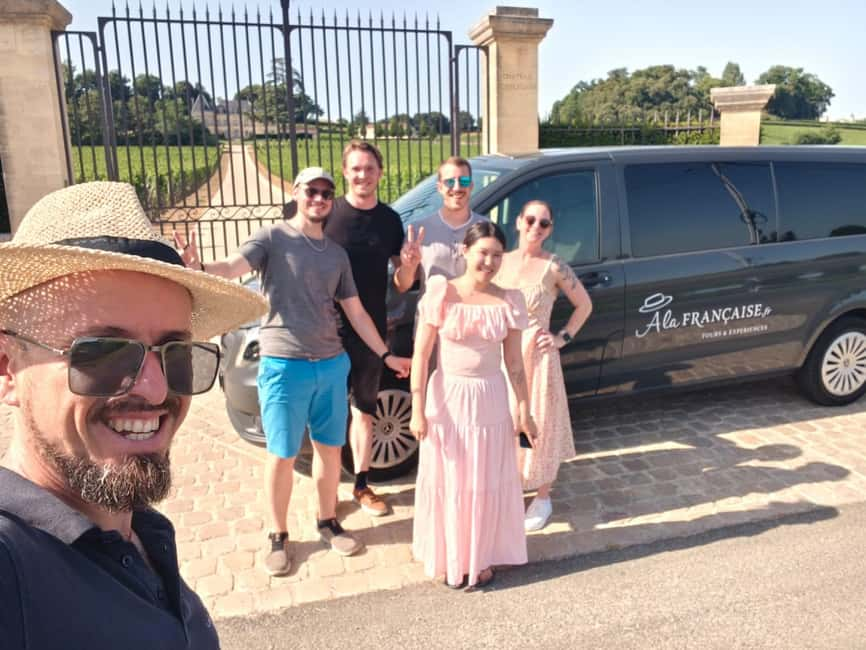
You start with a Bordeaux-to-wine-region lesson. On the way in, the guide explains Bordeaux wine in plain language, which helps the rest of the afternoon click. You’re not just riding; you’re getting context for what you’ll taste later.
You visit one “Great Classified Growth” (Grand Cru Classé). That matters because it’s not random wine-stand hopping. The chateau visit is designed to teach how the system works in Saint-Émilion: the prestige, the methods, and the style.
You’re not stuck in a museum mode. The afternoon includes a walking tour through Saint-Émilion itself, with history reaching back to the 5th century. You see the shape of the place, not just read about it.
You taste 3–4 wines paired with French produce. The aperitif platter isn’t an afterthought. It gives you something to compare against the wines—salt, fat, and chocolate sweetness all change how red wine tastes in your glass.
Small group size keeps it personal. Limited to 8 participants, which helps the guide manage questions and keep the pace realistic. Air-conditioned transport also helps, especially if the weather turns warm.
Setting Out From Bordeaux: A Comfortable Van and a Useful Primer
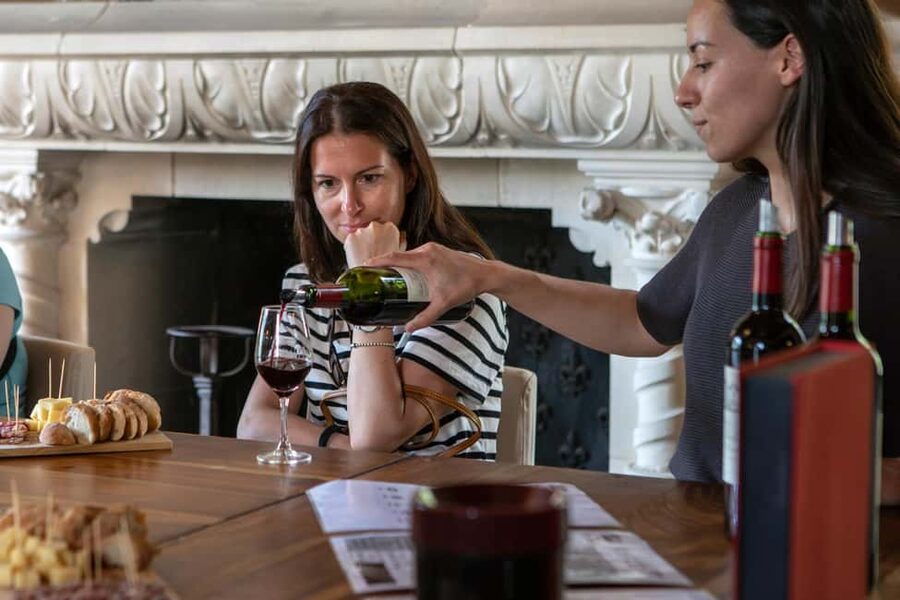
You meet in the center of Bordeaux at the Monument aux Girondins, in Quinconces Square. From there, you’re loaded into an air-conditioned minivan for the drive to Saint-Émilion.
The trip from Bordeaux is short enough to feel easy, but long enough for the guide to do something smart: explain Bordeaux wines while you’re on the move. You’ll hear enough to understand things like how Bordeaux regions think about balance, aging, and grape character—and then you’ll carry that into the Saint-Émilion tasting.
This part works for two types of travelers:
- First-timers who don’t want to guess what they’re tasting.
- Wine-curious travelers who want structure without getting stuck in a textbook.
A small practical note: bring a reusable water bottle, since you’ll be walking and tasting for a few hours.
You can also read our reviews of more food & drink experiences in Bordeaux

The Grand Cru Classé Chateau Visit: More Than Just a Pour
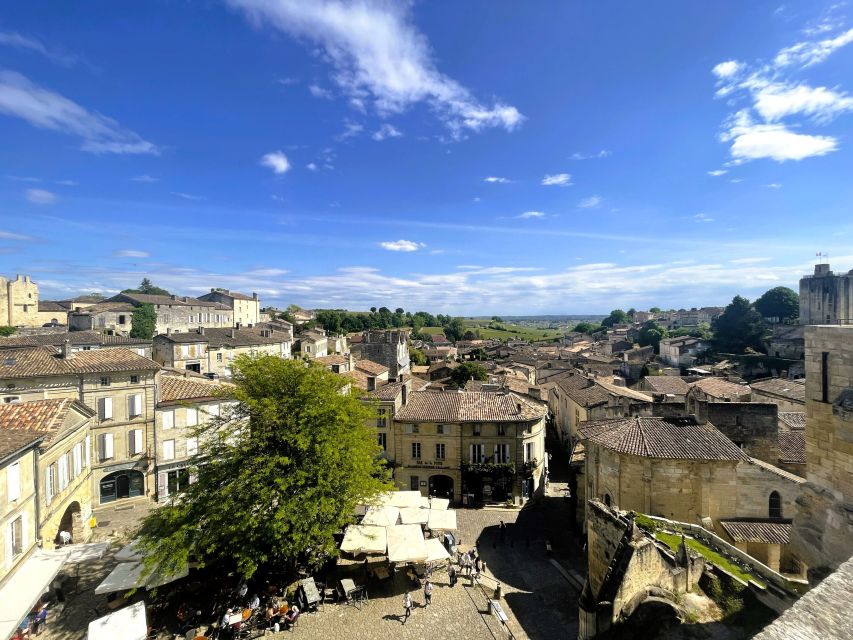
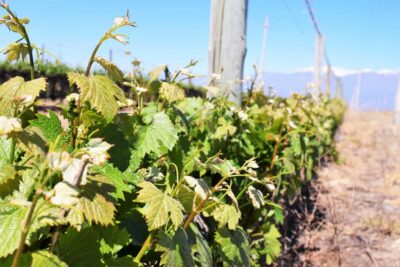
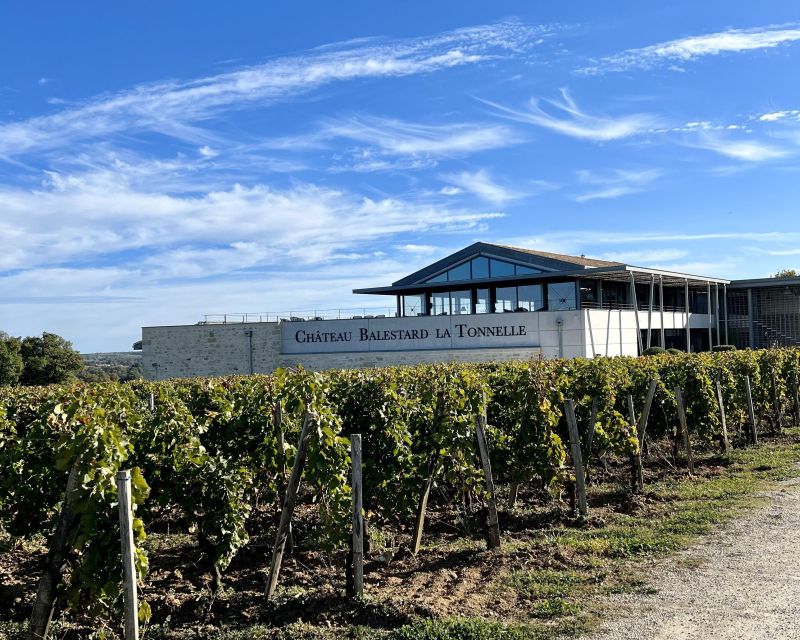
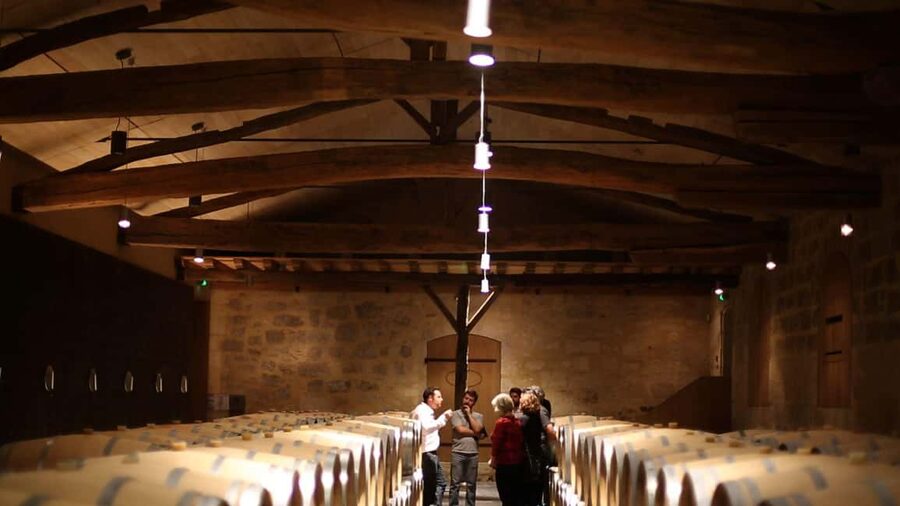
The centerpiece is your visit to a chateau described as a Great Classified Growth (Grand Cru Classé) in the Saint-Émilion area. You arrive and get a guided winery experience that goes beyond a quick glass-and-smile routine.
What I like about the setup is the teaching order. You’re not only tasting. You also learn about the wine-making process, which makes the tasting feel less random. When you understand what decisions the winemaker makes—ripeness timing, fermentation approach, and aging direction—you taste with more purpose.
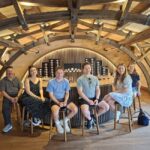
At the chateau, you’ll also get a tasting session for 3 to 4 wines. The wines are presented as part of Saint-Émilion’s specific style. That’s the key value here: you’re tasting within one regional framework, so the comparisons mean something.
What to expect from the tasting
This isn’t a “every sip is a mystery” experience. The guide typically sets you up with what to look for, and then you taste and react. Since the tasting is paired with French produce afterward, you’ll get a chance to notice how food changes the flavor—especially with cheese and cured meats.
One consideration from real-world feedback: a few people felt they could use a bit more wine volume. The amounts are likely designed to stay friendly and educational rather than alcohol-heavy, so it helps to treat the goal as learning, not getting tipsy.
Saint-Émilion Walking Tour: 5th-Century Roots in Real Streets
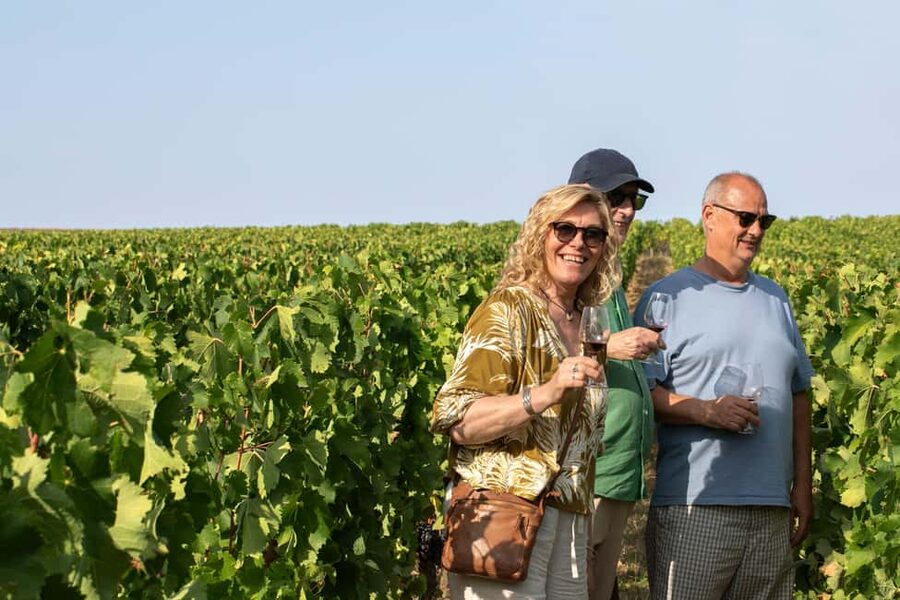
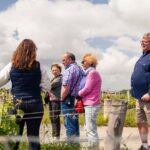
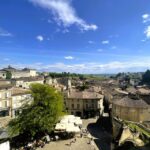
After the chateau portion, you head into Saint-Émilion for a guided walking tour of the village, including the history and secrets of the place. The tour connects the scenery to time: Saint-Émilion’s story is tied to centuries of wine culture, and the background here reaches to the 5th century.
This is where the tour earns its “worth it” status. Saint-Émilion isn’t just vineyards from a distance. The village has a medieval street plan that makes you slow down. Even if you’re not a history buff, you’ll notice details quickly once the guide starts pointing things out.
The village walk also helps you understand why wine is central to daily life there. You’re learning the logic of the geography—how the settlement and the vineyards connect.
Pace and comfort tip
Saint-Émilion is charming, but it’s also built with slopes and stairs. One practical advantage is that guides may offer options to rest during steeper stretches. If you have mobility limits within the “walking is fine but hills are tough” category, it’s smart to mention it early to your guide so they can guide you with sensible stops.
You can also read our reviews of more wine tours in Bordeaux



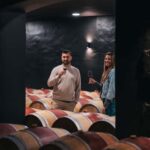

Winemaking Class Feel: How to Taste With a Plan
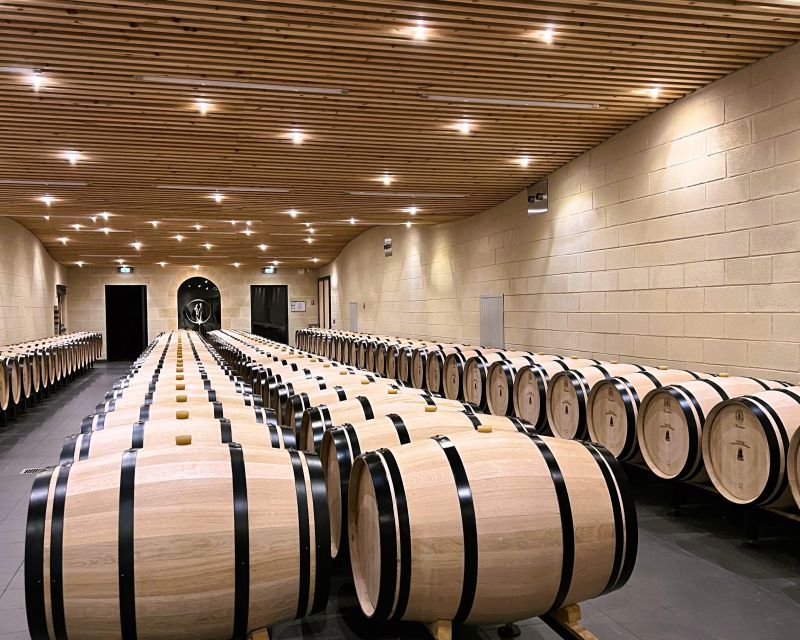
At the winery, the tour includes the wine-making process education. Even if you’re not chasing technical detail, this piece matters because it changes how you read the wine in your glass.
Here’s a simple way to think about it while tasting:
- Look at how the wine feels first: light, medium, or full.
- Then notice balance: does it feel fruit-forward, or more structured and dry?
- Finally, think about what you learned: if the guide talked about aging and fermentation choices, ask yourself how that shows up in texture and aftertaste.
That’s the trick. You don’t need to memorize chemistry. You just need a framework.
This is also why the included tasting works better than “random sipping.” You taste 3 to 4 wines as part of the region’s story, so you can start identifying what you like—and, importantly, what you should seek out later on your own.
The Aperitif Platter: Classic French Pairings That Make the Wines Make Sense
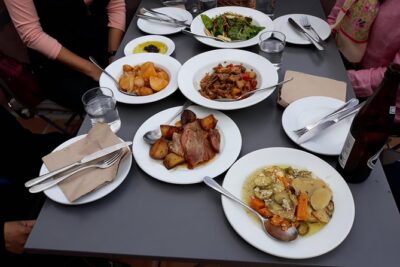
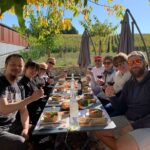
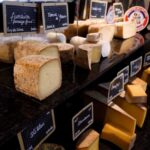
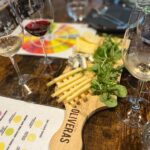
The tour doesn’t end at tasting. You get an aperitif platter with traditional French produce, including:
- Cheese
- Cured meat
- Dark chocolate
This trio is perfect for a wine tasting because it hits different taste channels. Cheese adds salt and fat; cured meat adds savory punch; dark chocolate adds sweetness and bitterness. Together, they change how a red wine reads in your mouth.
If you’re trying to improve your ability to order wine later, use the snack as your training tool. Take a small bite, then go back to a sip. Notice what gets softer, what gets sharper, and what stays steady.
And yes, this is the kind of detail that helps the afternoon feel like a complete experience rather than a quick stop on a schedule.
Timing and Group Size: The “Small Group” Part You Actually Feel
Your total duration is about 270 minutes—a solid chunk of time without turning into an all-day slog. You’re out with a small group of up to 8 people, which is a big deal for two reasons:
- More interaction. You can ask questions and get answers without waiting forever.
- Less crowd chaos. You move through the chateau and village without feeling packed in like a bus tour.
Transport is also described as highly rated, with an air-conditioned minivan. Comfort matters on vineyard-region tours. You don’t want to spend the best part of your afternoon overheated and distracted.
You’ll also have guide-led flow: van drive, chateau time, then the village walk, and back to Bordeaux. If you’re thinking about building your own day around Saint-Émilion, this tour’s schedule is one of the main reasons it feels efficient: you don’t spend time figuring out logistics.
Who This Tour Suits Best (and Who Should Skip It)
This experience is a great fit if you want:
- A focused Saint-Émilion introduction built around a Grand Cru Classé
- A mix of wine education and village sightseeing
- A snack-and-wine pairing experience that stays classically French
- A small-group format that feels manageable
It’s not the best fit if you:
- Want to visit several wineries in one afternoon (this tour centers on one chateau tasting)
- Expect a big, party-style wine experience with lots of pouring
- Need wheelchair access or have mobility impairments, since it’s not suitable for wheelchair use
Price-wise, at $112 per person, you’re paying for three things you’d otherwise have to assemble yourself: transportation from Bordeaux, entrance to a high-status chateau, and guided instruction plus tastings and a full aperitif platter. If you value convenience and structured learning, it’s strong value. If your only goal is maximum wine volume across multiple producers, you may feel the cost is higher than you want.
Should You Book This Saint-Émilion Afternoon Tasting?
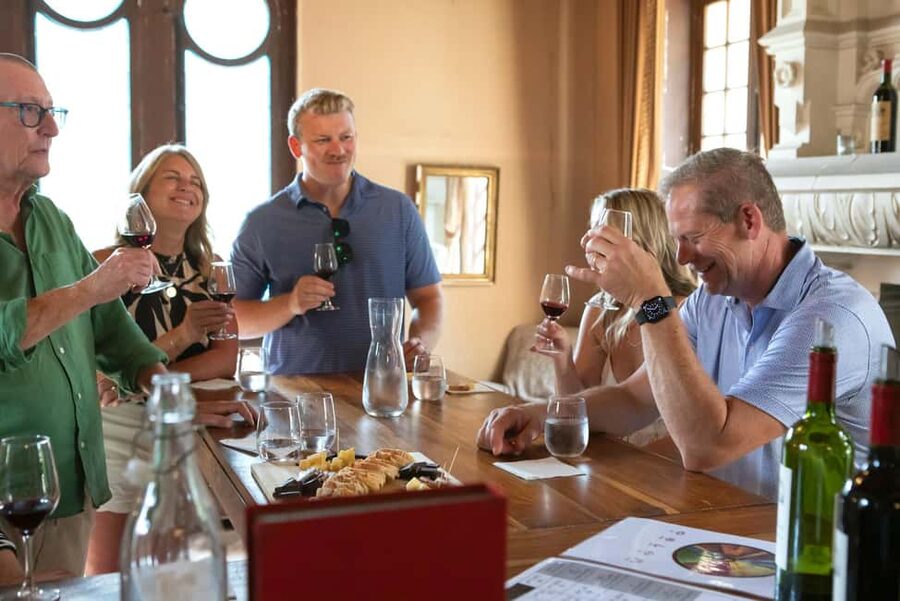
I’d book it if you’re the kind of traveler who wants the story behind what you’re tasting. The strongest part is the pairing of Grand Cru Classé wine time with a real village walk—plus the food lineup of cheese, cured meat, and dark chocolate that actually supports your tasting.
I’d think twice if you’re shopping purely for a multi-winery wine day or you’re chasing heavy pours. This is built to teach you how to taste, not to collect stamps across a dozen estates.
If you book, here’s how to get the most out of it:
- Come with at least a basic preference in mind (light vs. structured reds, dry vs. softer styles).
- During the tasting, take one deliberate comparison bite at a time—don’t just sip.
- Ask questions about the winemaking steps you hear; that’s where the “aha” moments tend to land.
FAQ
Where is the meeting point in Bordeaux?
You meet in front of the Girondins Column statue in Quinconces Square.
How long is the Saint-Émilion wine tasting and snack tour?
The total duration is 270 minutes.
What’s included in the tasting?
You’ll have access to a Great Classified Growth (Grand Cru Classé) chateau, and you’ll taste 3 to 4 wines. An aperitif platter with French produce is included.
Is the tour wheelchair accessible?
No, the tour is not wheelchair accessible and is not suitable for people with mobility impairments.
What should I bring?
Bring a reusable water bottle.
Are pets allowed on the tour?
No pets are allowed.