REVIEW · BORDEAUX
Bordeaux: Guided Bordeaux Wine Tasting Class with 6 Wines
Book on GetYourGuide →Operated by I love my 2cv Sas Verrevidophobe · Bookable on GetYourGuide
Bordeaux wine classes can feel like a maze, fast. I like how this one gives you a clear path through six wines in 1.5 hours, and pairs it with a scent-focused aroma game plus a take-home booklet. One thing to weigh: it is not suitable for mobility impairments, and you’ll be tasting alcohol without hotel pickup, so plan logistics accordingly.
What makes it especially workable for real trips is the small group vibe (max 6) and the fact you can learn in English, French, or Spanish. The hosts guiding the session may include sommelier-style experts such as Ilona or Cecilia, and the class is designed so you can ask questions while you taste.
In This Review
- Six Wines and a Scent Game: The Simple Plan That Works
- Entering the Bordeaux Basics: What You Learn While You Taste
- Aroma Game: Turning Guesswork into a Skill
- Food and Wine Pairing: Learn the Logic, Not Just the Result
- Bordeaux Terroir in Plain Language: How to Make Sense of Labels
- Finding the Place: “Secret Door” Logistics and What to Expect On Arrival
- Price and Value: What $51 Buys You in Real Terms
- Who Should Book This Bordeaux Wine Class (and Who Might Skip It)
- Wrap-Up: Should You Book This 6-Wine Bordeaux Tasting?
- FAQ
- How long is the Bordeaux guided wine tasting class?
- How many wines do you taste?
- What is included besides the wine?
- Is hotel pickup included?
- What languages are the guides available in?
- Is this a small group experience?
- Is the experience suitable for people with mobility impairments?
- Can I cancel for a full refund?
Six Wines and a Scent Game: The Simple Plan That Works
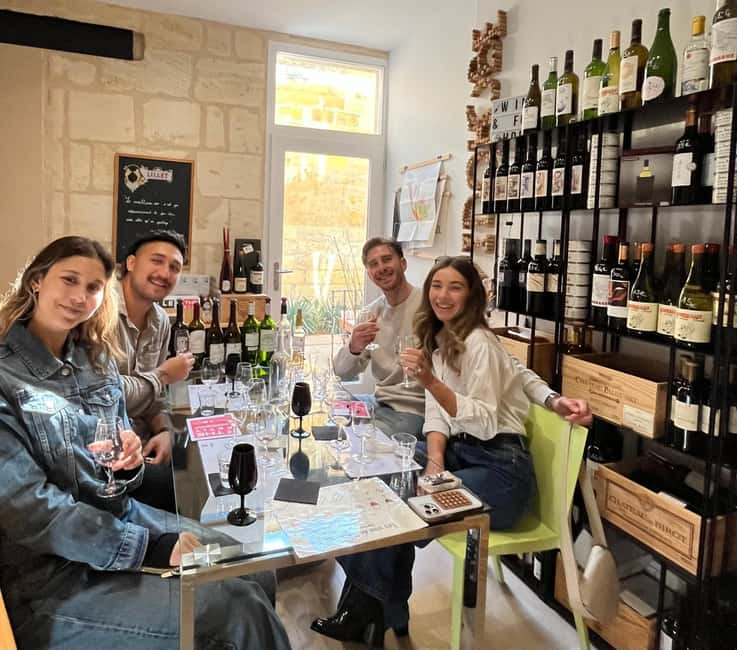
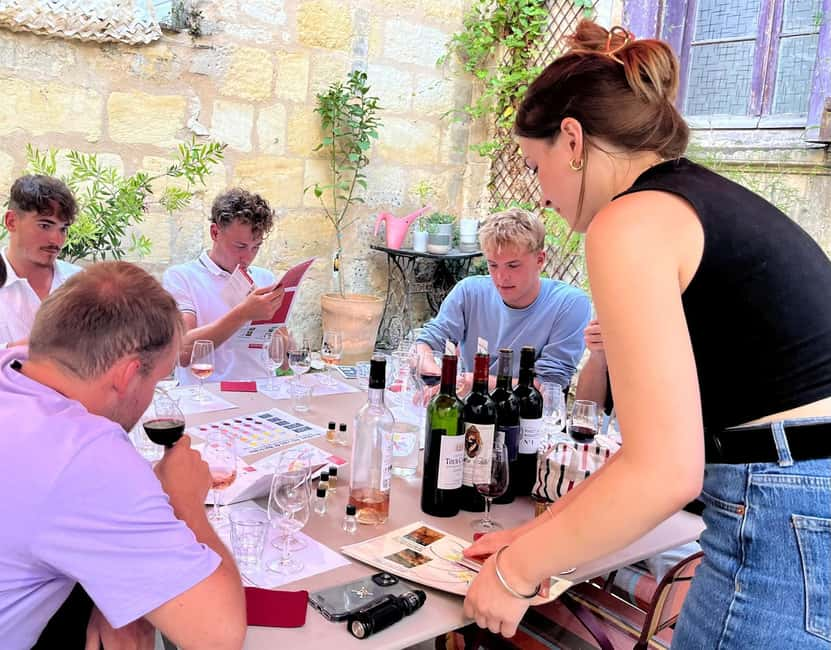
This tasting class is built around one practical idea: you don’t need to memorize Bordeaux to enjoy it. In about 90 minutes, you move through a sequence of six Bordeaux wines, each chosen to show a typical expression of the terroir it comes from. You’ll get guided prompts to notice color, swirl, smell, then taste and compare.
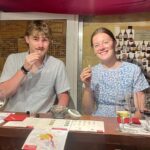
The aroma game is the secret sauce for most beginners. Instead of just being told what to look for, you practice identifying scents as you go. That kind of training matters because wine tasting is mostly pattern recognition: fruit, flowers, herbs, spices, and wood (or the lack of it) start to separate in your mind.
You also get a personal tasting booklet that stays with you after the class. That’s valuable because your palate keeps improving once you have a method. The booklet is meant to help you keep refining how you smell and describe what’s in the glass.
There’s also a bit of experimentation with food and wine pairings. You’re not just sipping for fun—you’re learning what changes when you match (or mismatch) flavors.
Entering the Bordeaux Basics: What You Learn While You Taste
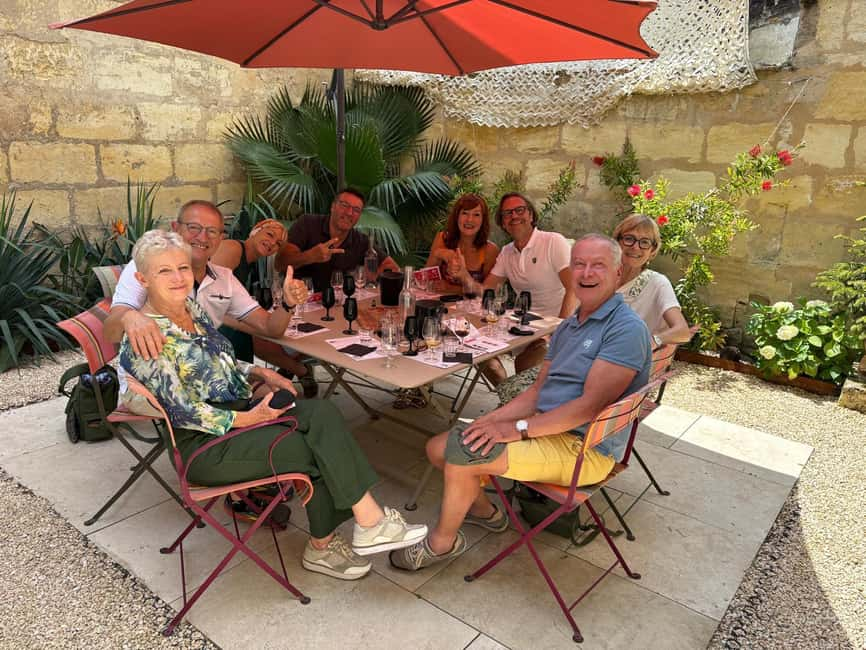
Bordeaux has a reputation for complexity, and that reputation is not wrong. But this class doesn’t treat complexity like a wall. It treats it like a set of tools you can use right away.
You’ll be introduced to how Bordeaux wines are understood and organized, including:
- Appellations and where wines come from
- Soils and what they contribute
- Grape varieties commonly used in the region
- Blends and the famous Bordeaux blend idea
- Classifications and other key concepts used in Bordeaux
Here’s why that matters for you on a trip. If you understand the labels at a basic level, the bottle you order later stops feeling like a gamble. You’ll start to see patterns such as which grape types tend to show up, and how blending changes the final flavor direction.
The tasting also helps you link aromas to place. The six wines are selected so you can compare what feels typical of different terroirs in Bordeaux. Even if you’re not trying to become a wine expert, you’ll come away better at saying things like this tastes more herbal, this feels more structured, or this smells more like dark fruit than bright fruit.
You can also read our reviews of more food & drink experiences in Bordeaux

Aroma Game: Turning Guesswork into a Skill
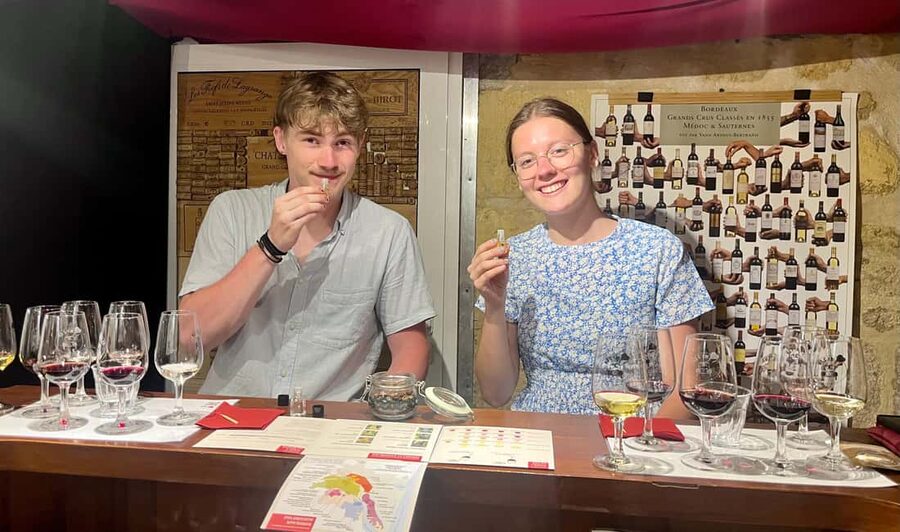
If you’ve ever tried to smell wine and thought, I don’t know what I’m doing, you’ll like how this activity is structured. The host guides you through perceiving aromas with more intention, almost like a game with rules.
Aromas in wine aren’t random. They often cluster into categories—fruit, floral notes, spices, earthy tones, and sometimes oak-related scents. The aroma game is designed to help you build those categories in your mind, then connect them to what you taste afterward.
This is also why the method sticks better than a simple lecture. You’re training memory in real time: smell first, then taste, then compare wine to wine. By the end, you’re not just tasting six glasses; you’re practicing a repeatable routine that you can use when you buy bottles back home.
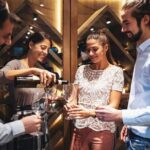
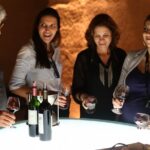
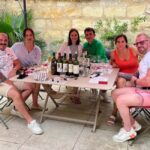
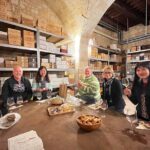
And because it’s a small group (up to 6 people), the host can correct and guide without rushing you. That’s a big deal if you’re traveling solo, new to wine, or simply overwhelmed by all the choices in Bordeaux shops.
Food and Wine Pairing: Learn the Logic, Not Just the Result
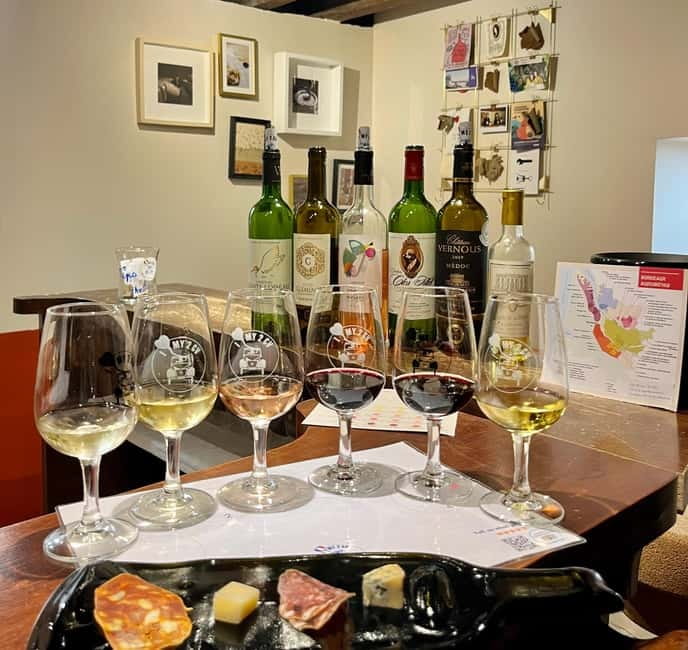
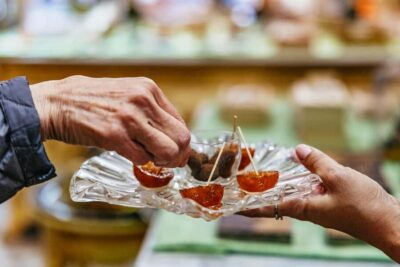
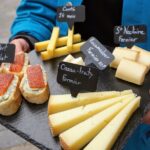
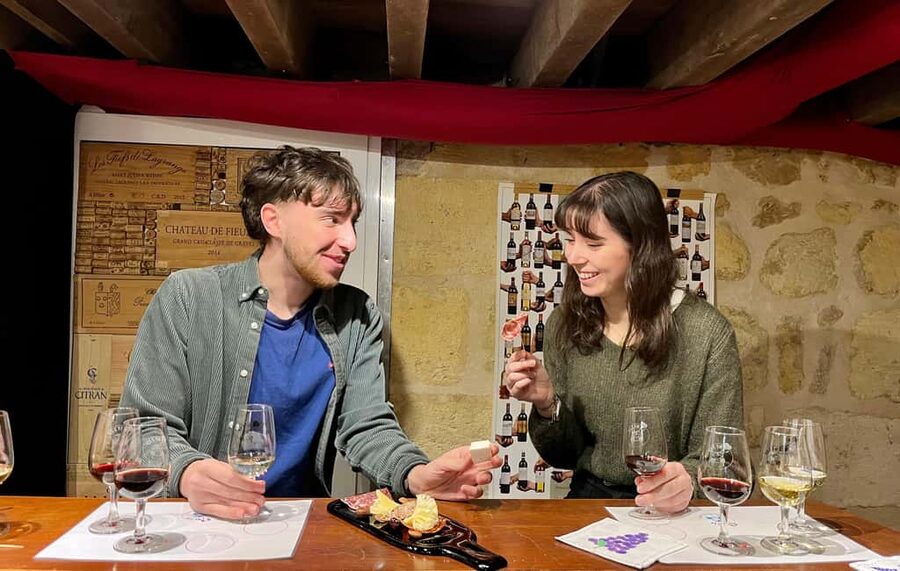
Wine is half of the meal. Food is the other half, and the pairing can change how everything reads in your glass. This class includes wine and food pairing with a little experimentation, so you can feel the difference rather than just hearing about it.
What you’re likely to notice during pairing:
- Food can soften tannins or make them feel more present
- Certain flavors in food can highlight fruit in the wine
- Salt and fat can change texture and balance
- The same wine can taste different depending on what you eat first
That’s why this portion is one of the best uses of time in a short class. Bordeaux is famous, but dining there is where the region becomes real. Once you understand the basic pairing logic, you can be more confident when you choose a restaurant dish.
Also, the pairing component makes the session more social and less formal. You’re tasting, reacting, and adjusting—like learning at a table, not studying from a textbook.
Bordeaux Terroir in Plain Language: How to Make Sense of Labels
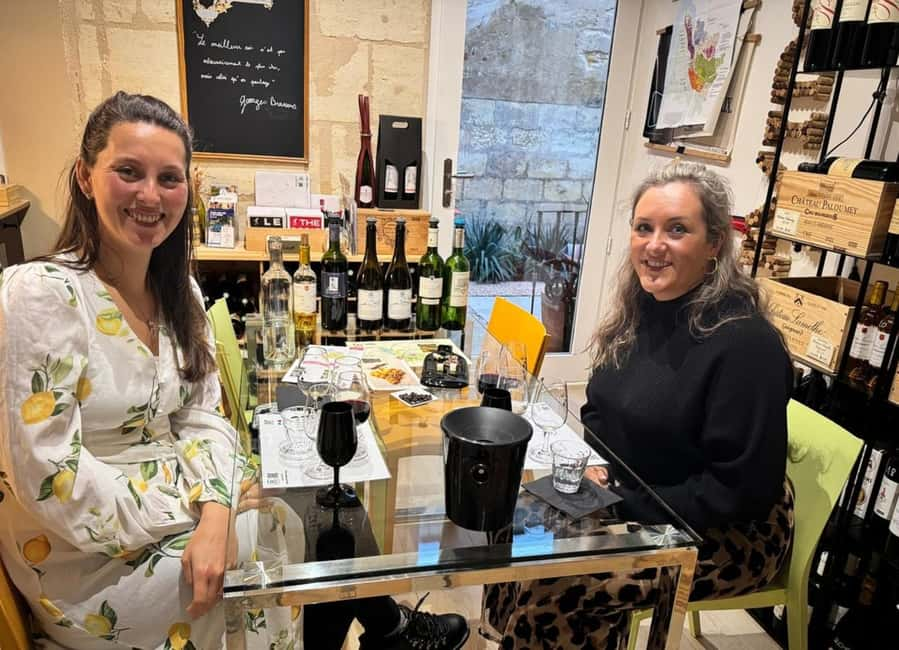
The best part of Bordeaux for many people is also the hardest part to decode: appellations, grape varieties, blends, and classifications can feel like alphabet soup. This tasting workshop turns those terms into something you can connect to flavor.
You’ll hear about Bordeaux terroirs, soils, grape varieties, and the idea behind the Bordeaux blend. The goal is not to make you recite a textbook. It’s to give you a sense of why Bordeaux tastes the way it does.
Here’s a practical way to think about it as you taste:
- Terroir tells you what kind of environment the grapes grew in
- Grapes tell you the core fruit and structure you can expect
- Blending shapes balance (fruit, acidity, tannin, and sometimes oak influence)
- Classifications and appellation systems help explain the market and tradition behind the wine
That means the six wines are more than a sample flight. They’re a guided tour of how Bordeaux works. If you plan to visit wineries later, this kind of foundation can make those visits feel less random. Even if you never tour a vineyard, you’ll still be better equipped to choose bottles and order intelligently in restaurants.
Finding the Place: “Secret Door” Logistics and What to Expect On Arrival
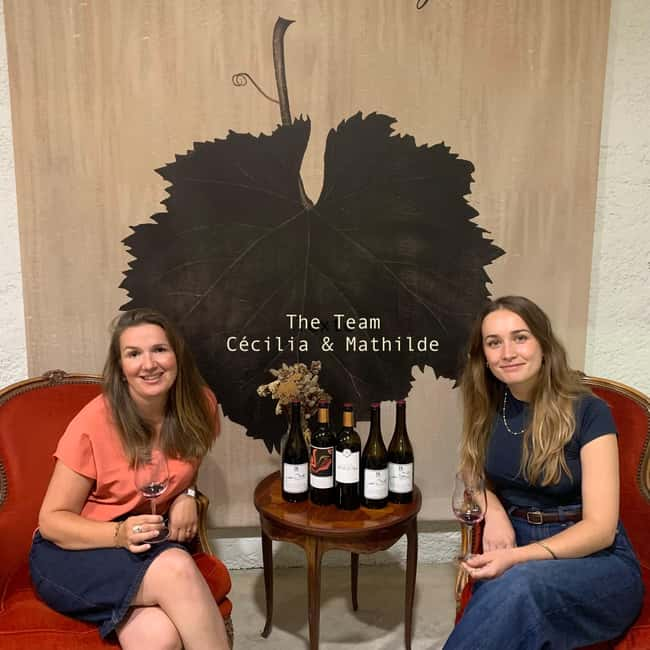
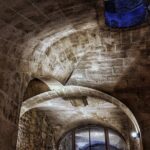
The meeting point is described in a very Bordeaux way: the tasting room is not visible from the street. You’ll start near the N25, and the hint is to look for the ring marked with I love on the street. The key is that you should expect a slightly hidden entrance, so don’t plan to wander too far once you arrive.
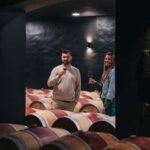
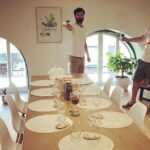
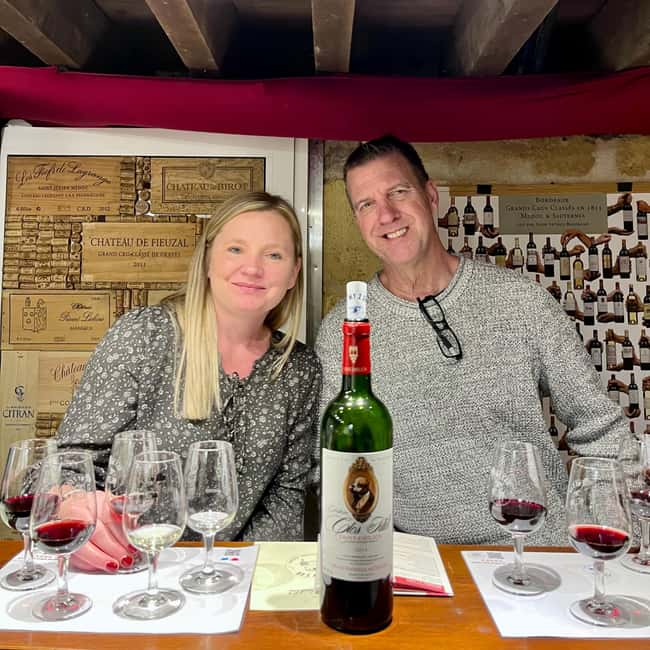
Once you’re there, the whole experience is designed to keep you comfortable and focused. You’re in a dedicated tasting space, and you stay with the same group for the full 1.5-hour session. There’s no hopping between multiple stops, which makes it a good option if you have only one afternoon to spare.
Also note the language options: live guide in English, French, or Spanish. That matters because your understanding will be much better when the explanations match your comfort level—especially when the host is walking you through aroma perception.
The activity ends back at the meeting point, so you’re not stranded in another part of the city.
You can also read our reviews of more guided tours in Bordeaux

Price and Value: What $51 Buys You in Real Terms
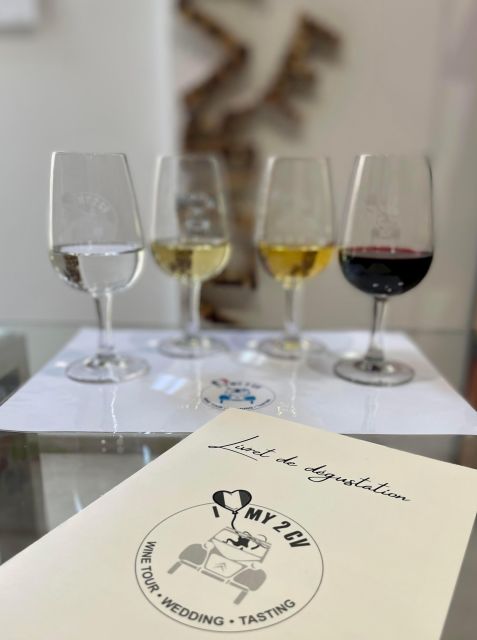
At $51 per person for roughly 1.5 hours, this tasting class is priced as an “all-in experience,” not a casual pour-and-go event. You’re getting:
- Wine tasting class
- Six glasses of Bordeaux wine
- Wine and food pairing
- Aroma game
- A personal tasting booklet
For many people, the value equation here is simple. You’re paying for instruction, structure, and comparison time—not just the wine itself. With six wines, you get enough range to understand differences, and the pairing plus aroma game turns the time into learning you can reuse later.
If you’re thinking of buying bottles without context, this is a smarter first step. The class doesn’t promise a certification or a winery tour. It offers practical orientation so your future wine choices feel less like luck.
One caution on value: since you’re tasting, you’ll likely want to keep your next plans low-key. If you’re rushing to dinner reservations right afterward, it can work, but try to avoid scheduling something that requires a lot of focus.
Who Should Book This Bordeaux Wine Class (and Who Might Skip It)
This workshop is a good fit if you:
- Are new to Bordeaux and feel overloaded by terminology
- Want a guided tasting with hands-on aroma practice
- Like small group learning and asking questions
- Plan to eat well in Bordeaux and want pairing ideas you can reuse
- Want a take-home booklet to keep improving after the trip
You might skip it if you:
- Already know Bordeaux classification systems and grape structures deeply and want a more advanced masterclass (this class is aimed at learning and tasting basics through comparison)
- Need accessibility support for mobility impairments, since the class is not suitable for that
If you’re on a tight schedule, the 1.5-hour format is also a big advantage. You can still explore the city afterward with more confidence about what you’re drinking.
Wrap-Up: Should You Book This 6-Wine Bordeaux Tasting?
I’d book this if you want Bordeaux to feel understandable quickly. The mix of six wines, an aroma-focused game, and food pairing is a strong combo for beginners and for anyone who wants a method they can keep using at home.
It’s also a smart “first taste” experience. You’ll learn how Bordeaux is organized, how blends and grape varieties translate into flavor, and how pairing logic affects what you notice in the glass. Then, at the end, the wines you tasted are available for sale in the cellar—so you can turn learning into a bottle choice.
If you’re comfortable finding a slightly hidden meeting spot and you can handle tasting as part of your afternoon, this class is a solid use of money and time.
FAQ
How long is the Bordeaux guided wine tasting class?
It lasts about 1.5 hours. Starting times vary, so you’ll want to check availability for the schedule.
How many wines do you taste?
You taste six Bordeaux wines during the class.
What is included besides the wine?
The class includes a wine tasting lesson, an aroma game, wine and food pairing, and a personal tasting booklet.
Is hotel pickup included?
No. Hotel pickup and drop-off are not included.
What languages are the guides available in?
The live guide offers instruction in English, French, and Spanish.
Is this a small group experience?
Yes. It’s limited to 6 participants, so you get a more personal pace.
Is the experience suitable for people with mobility impairments?
No, it is not suitable for people with mobility impairments.
Can I cancel for a full refund?
Yes. You can cancel up to 24 hours in advance for a full refund.