REVIEW · MONTEPULCIANO
Montepulciano: Winery Tour and Tasting
Book on GetYourGuide →Operated by Hidden Experiences · Bookable on GetYourGuide
A 16th-century staircase sets the mood fast. I like the chance to tour a historic underground cellar before tasting, and I like that the tasting is guided by a real sommelier with specific attention to Montepulciano’s DOCG wines. The main thing to consider: there’s a steep descent and tight passages, so this isn’t a good fit if you have mobility limits.
You’ll meet at Talosa Cantina Storica in central Montepulciano and head straight into the cool, stone world below street level. Expect vaults, tunnels, and massive wooden barrels, plus a guide who explains what you’re tasting and how the region’s wines work. If you’re mixing languages in your group, ask questions in English early so you don’t miss what the guide says about the wines.
This is a short experience—about 1.5 hours—but it packs in both place and flavor. You’ll get water, bread, and a selection of traditional Tuscan appetizers along with the tastings, so you’re not drinking wine on an empty stomach.
In This Review
- Key takeaways before you go
- Meeting Talosa Cantina Storica: how the experience starts
- Walking into the 16th-century cellar: what’s special about the space
- The sommelier-led tour: how you learn what you’re tasting
- Tasting four DOCG wines: what to look for in each pour
- Appetizers and bread: why food matters in a tasting
- Price and value: is $41 for 1.5 hours a fair deal?
- Who should book this Montepulciano cellar tasting
- Should you book it?
- FAQ
- Where is the meeting point?
- How long is the tour and tasting?
- How much does it cost?
- What is included in the price?
- What wines are included in the tasting?
- Which languages are offered?
- Is hotel pickup or drop-off included?
- Is this tour suitable for children?
- Is it accessible for wheelchair users or people with mobility impairments?
- Can I cancel, and can I pay later?
Key takeaways before you go
- 16th-century underground cellar setting with impressive vaults and tunnels
- Sommelier-led tasting focused on four Montepulciano region wines, including Rosso di Montepulciano DOCG and Nobile di Montepulciano DOCG
- Tuscan appetizers and bread paired alongside your pours
- Real guide personality shows up in the way hosts like Luigi, Hector, and Flavio answer questions
- Small-group feel can happen, with at least some tours running as a tight group
Meeting Talosa Cantina Storica: how the experience starts
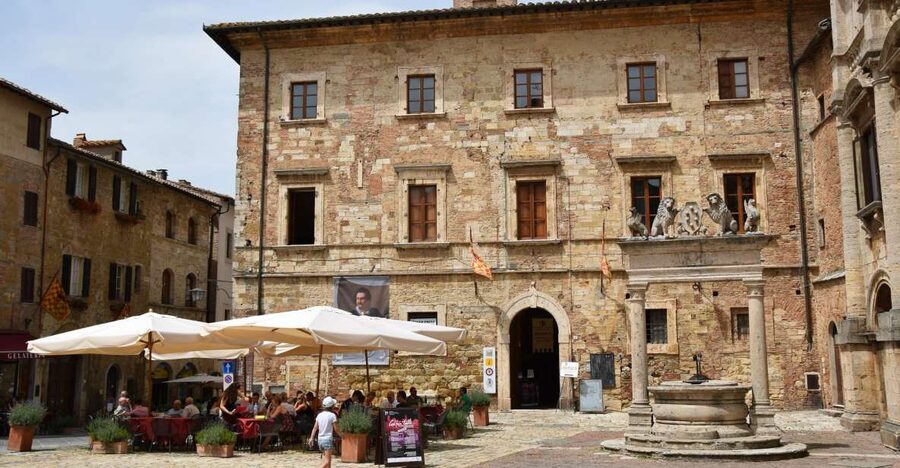
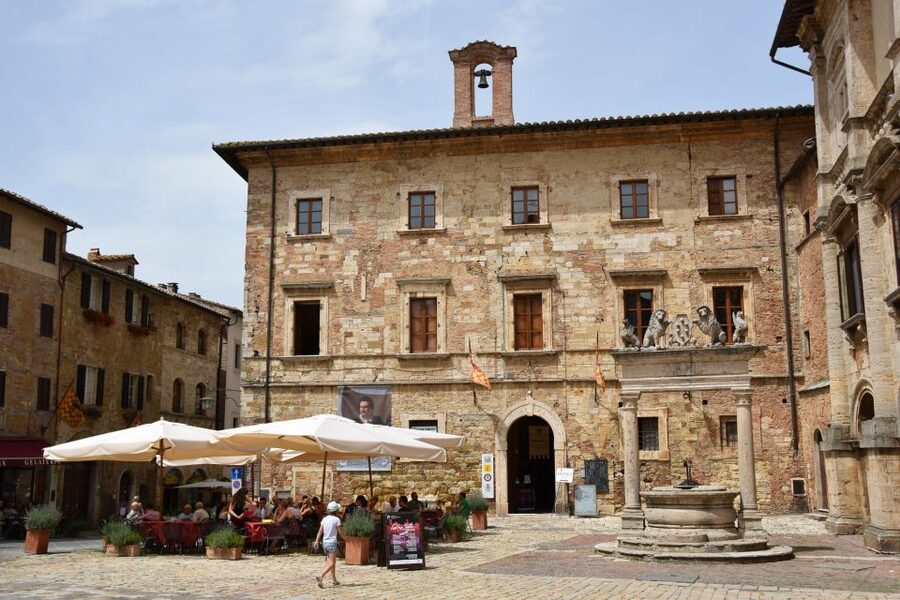
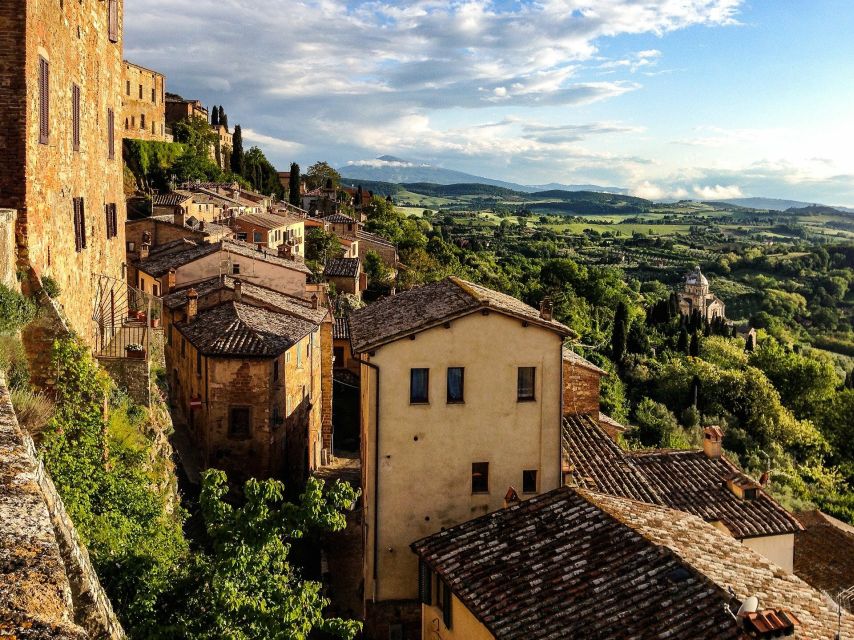
Your day begins at Talosa Cantina Storica, right in the heart of Montepulciano. This matters more than it sounds. Starting downtown means you can combine it with a walk through the town before or after—Montepucliano is best on foot.
Once you arrive, you’ll quickly move into the cellar area. The pacing is one of the strengths here: the tour doesn’t drag. You’ll get set up for what you’re about to see, then head down.
One practical point: because this experience is not suitable for wheelchair users and it involves stairs, plan on sensible shoes. Even if you’re comfortable walking, you’ll likely be moving carefully on a steep staircase and through low sections of the cellar.
You can also read our reviews of more food & drink experiences in Montepulciano
Walking into the 16th-century cellar: what’s special about the space
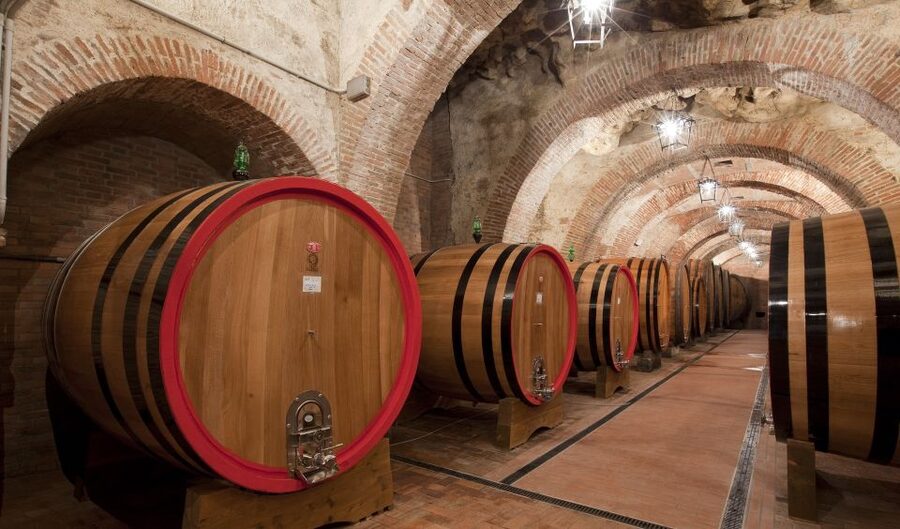
The headline is the historic underground cellar, with origins that date back to the 1500s. That 16th-century timeline isn’t just a label. The physical feel is the point: cool air, old stone, and a layout built around tunnels and vaults.
What you’ll notice fast:
- the cellar is a maze-like underground space, not a modern tasting room
- you’ll pass through vaulted corridors and tunnels
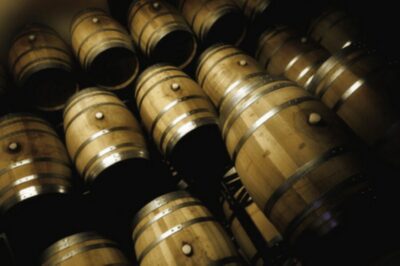
- you’ll see large, old wooden barrels, the kind that make you understand why aging happens the way it does
Some guides also weave in stories that go beyond wine. One of the standout details from hosts and descriptions is that this space once had other uses, including a role as a prison and wartime shelter, and there’s mention of a church inside the site. Even if those details aren’t the focus of every tour, it gives the cellar a human layer, not just a wine layer.
Yes, there are downsides. Several people note a steep descent and parts where you bend slightly. That’s not a minor footnote—you should decide early if you’re up for it. If you’re even a little unsure, skip this and look for a more accessible tasting option.
The sommelier-led tour: how you learn what you’re tasting
The tasting part is guided by a professional sommelier, and that’s where the experience earns its high scores. The best moments are usually not the pouring. It’s the way the host explains differences you can actually taste.
Guides you may encounter include Luigi, Hector, and Flavio. What ties them together is how they answer both wine questions and non-wine questions. People consistently mention that the hosts explain:
- how wines connect to the vineyard and winemaking process
- how aging affects flavors
- how grape varieties and production choices show up on the palate
You’ll sample four well-known Montepulciano-area wines, and two of the featured ones are:
- Rosso di Montepulciano DOCG
- Nobile di Montepulciano DOCG
You can expect the session to be structured. The guide won’t just say, This one tastes like fruit. Instead, you’ll learn what to pay attention to—texture, aroma direction, and how the wines relate to Montepulciano’s style.
A real-life caution from feedback: the tasting portion can feel a bit slow for some people, especially if you’re more eager to get to the fun part of sipping. If you’re the type who likes quick momentum, settle in for a calm, paced explanation rather than a rapid-fire tasting sprint.
Tasting four DOCG wines: what to look for in each pour
You’ll taste four wines in total, with Rosso di Montepulciano DOCG and Nobile di Montepulciano DOCG called out as the best-known anchors. Even without knowing the exact remaining two labels, you can still make the most of the session by using a simple tasting checklist.
For each wine, ask yourself:
- Does it feel lighter and fresher, or more structured?
- Does the aroma read more red-fruit or deeper tones?
- Does the finish feel smooth and round, or more firm and persistent?
What you’re really learning is how Montepulciano’s wines express themselves across different versions. The DOCG structure matters here. It’s a framework that points to a certain level of tradition and regulation. Understanding that helps the tasting feel less random and more connected.
If you don’t usually drink a lot of red wine, this is still a good way to test the water. One common theme from comments: people who aren’t big red drinkers still found multiple wines they liked. That’s often because the guide helps you taste beyond the obvious stereotypes.
And one more helpful tip: take small sips first. Let the wine warm slightly, then notice how the flavor changes. In an underground space, your senses can feel sharper once your body stops bracing for the cold.
Appetizers and bread: why food matters in a tasting
The tasting isn’t just wine in a vacuum. You’ll also get bread, water, and a selection of traditional Tuscan appetizers.
This matters for two reasons:
1) Food resets your palate between pours, so each wine stays distinct.
2) You get a more complete sense of a Tuscan meal rhythm—wine is part of eating, not separate from it.
That said, people describe the appetizer spread in different ways. Some call it great, while at least a few note it can be more basic than the wine-focused parts. Don’t go in expecting a full Tuscan feast.
Still, if you want to leave feeling satisfied rather than wobbly, the snack pairing is a big part of the value.
You can also read our reviews of more wine tours in Montepulciano
Price and value: is $41 for 1.5 hours a fair deal?
At $41 per person, you’re paying for a tight package: tour + tasting + sommelier + water + appetizers and bread. For 1.5 hours, it’s not just a place to drink wine. It’s a guided explanation in a historic setting.
Here’s how I’d judge the value in plain terms:
- You’re getting expertise from a sommelier, not just a self-guided sip.
- You’re paying for the setting (that 16th-century underground cellar isn’t free to maintain or operate).
- You’re getting food included, which usually costs extra if you do the “tasting and then dinner” plan separately.
Is it a bargain? It’s positioned as a solid mid-range activity. The scores make sense: when the host is strong—and several guides named Luigi, Hector, and Flavio have strong followings—the whole experience feels worth the ticket.
If you’re the type who only cares about one glass, then $41 might feel steep. If you care about learning what you’re tasting and you like the cellar atmosphere, it’s more like paying for a high-quality afternoon stop.
Who should book this Montepulciano cellar tasting
This experience fits best if you:
- want to learn Montepulciano wine with a real sommelier
- enjoy underground historic spaces and don’t mind stairs
- like a short, structured outing in a place where walking is the normal way to travel
- want food included without planning your own pairing
It’s also a nice choice even if you’re not a hardcore wine person. Multiple people mention that someone in their group didn’t drink wine but still found the tasting enjoyable—often because the guide encourages tasting and asks questions in a way that keeps it from feeling intimidating.
Who should skip it:
- People with mobility impairments or wheelchair users (this isn’t designed for easy access)
- Children under 18 (not suitable)
Also consider language. The tour runs in Italian and English with a live guide. If your group is mixed-language, it’s possible that questions from one side won’t be translated. If you want full participation, ask your questions in the language you’re attending with the guide.
Should you book it?
I’d book it if you want a focused, high-value way to experience Montepulciano beyond scenic photos. The best parts—the 16th-century cellar setting and a guide-led tasting that explains both the wines and the broader production logic—are exactly what make this kind of tour memorable.
Pass if stairs and tight tunnel movement sound stressful, or if you want a quick tasting with zero explanation. This one is built for learning as you sip.
FAQ
Where is the meeting point?
Meet at Talosa Cantina Storica.
How long is the tour and tasting?
The experience lasts about 1.5 hours.
How much does it cost?
It costs $41 per person.
What is included in the price?
You get a winery tour, wine tasting, a professional sommelier, water, and appetizers and bread.
What wines are included in the tasting?
The tasting includes four of the most well-known wines of the region, including Rosso di Montepulciano DOCG and Nobile di Montepulciano DOCG.
Which languages are offered?
The live tour guide offers Italian and English.
Is hotel pickup or drop-off included?
No. Hotel pickup or drop-off is not included.
Is this tour suitable for children?
No. It is not suitable for children under 18.
Is it accessible for wheelchair users or people with mobility impairments?
No. It is not suitable for mobility impairments or wheelchair users.
Can I cancel, and can I pay later?
You can cancel up to 24 hours in advance for a full refund. You can also reserve now and pay later.