REVIEW · MONTEPULCIANO
Montepulciano: Wine Tasting and Cellar Tour
Book on GetYourGuide →Operated by UMBRIA CON ME · Bookable on GetYourGuide
Wine in Montepulciano feels like a story. This 1-hour cellar tour in the medieval center pairs tastings with real winemaking context, so you leave knowing what you actually drank and why. I love the barrel rows and I love that you get a focused lineup of five DOC/DOCG Montepulciano wines to taste and compare.
You’ll also get practical food pairing—pecorino in different ages plus bruschetta with extra-virgin olive oil—without the tour dragging on. The only real drawback to plan for: transportation isn’t included, and the cellar is in a no-car zone, so you’ll want to park at Parking S. Donato or Parking P8.
In This Review
- Key things that make this Montepulciano cellar tour worth it
- Montepulciano’s wine cellar, built for tasting—not walking for hours
- Where you’ll go in town (and how to handle the no-car zone)
- The cellar visit: barrels, stone, and what wood aging really means
- Your tasting lineup: five Montepulciano DOC/DOCG wines, not random pours
- Food pairing: pecorino by age, plus bruschetta with extra-virgin olive oil
- How the guide shapes the experience (and what to listen for)
- Is it good value at $38?
- Who should book this Montepulciano wine cellar tour?
- Should you book this Montepulciano wine tasting and cellar tour?
- FAQ
- How long is the Montepulciano wine tasting and cellar tour?
- How many wines will I taste?
- What food is included?
- Where is the meeting point and where should I park?
- Are transportation or pickup included?
- What languages is the guide available in?
- Is it flexible to book and cancel?
Key things that make this Montepulciano cellar tour worth it
- A short 1-hour format that still covers wine history, cellar details, and tastings
- Five DOC/DOCG pours so you can compare styles without a full afternoon tour
- Slavonia oak and French wood side-by-side, explained in plain terms
- Tufa soil and fossils bring a surprising geology angle to the story
- Cheese + bruschetta pairing is built into the experience, not an afterthought
- Experienced guides (you may meet people like Mirko, Emilio, Ron, or Debi) who make it feel personal
Montepulciano’s wine cellar, built for tasting—not walking for hours
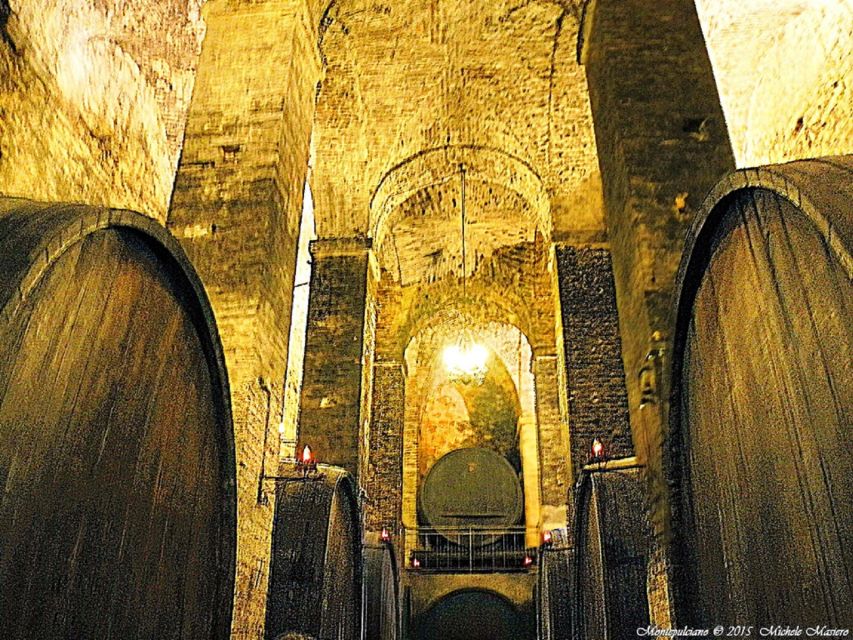
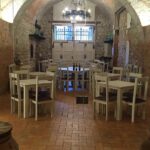
Montepulciano is one of those Tuscan towns that can feel “slow” on the map, but the cellars underneath are anything but. In about an hour, you’ll get guided time in a working wine space in the medieval core, where barrels, stone, and storage practices do most of the explaining.
What makes this work for your trip is the balance. You don’t just get a sip and a smile. You get a guided cellar look, then tastings that connect to what you saw—especially how wood aging changes the wine.
Price-wise, $38 can sound like a splurge until you see what’s included: five DOC/DOCG wines, a cheese selection, and bruschetta with extra-virgin olive oil. If you’re the type who hates “cheap tours” that give you two wines and a stale cracker, this format will feel fair.
You can also read our reviews of more food & drink experiences in Montepulciano
Where you’ll go in town (and how to handle the no-car zone)
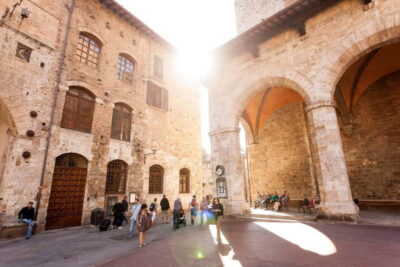
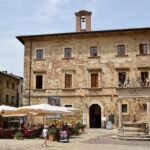
The cellar meeting point is in central Montepulciano, inside the no-car zone. That’s great for atmosphere, but it means you should think about arrival timing and walking distance.
Parking guidance is specific: aim for Parking S. Donato or Parking P8, then walk into town. If you’re traveling with a rental car, factor in that city-center access can be restricted, and you don’t want to rush your reservation.
Also note that transportation isn’t included, so don’t plan on being picked up. Plan to be there on your own schedule, especially since the tour runs for just one hour.
The cellar visit: barrels, stone, and what wood aging really means
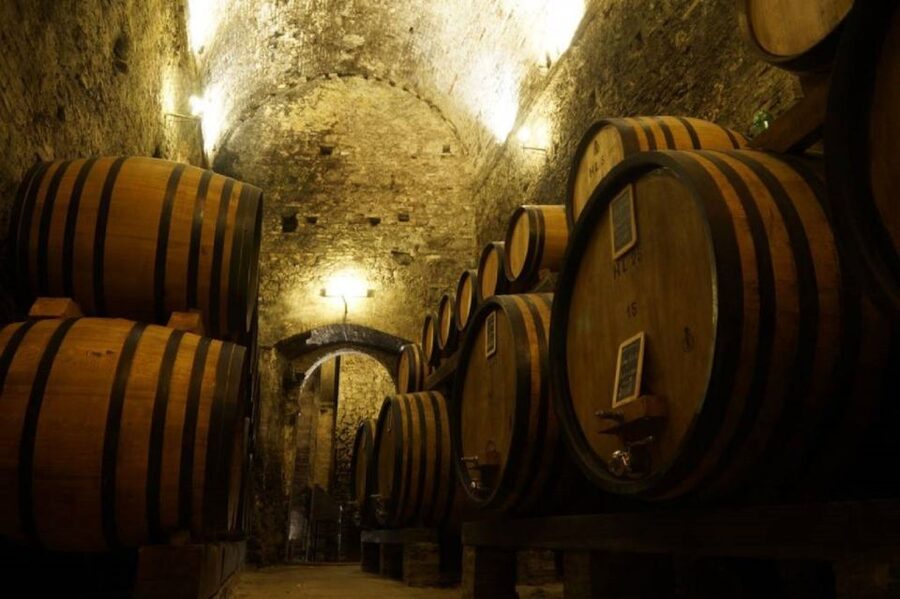
The centerpiece of the experience is what you see once you’re inside. You’ll look at long rows of barrels, including enormous oak barrels associated with Slavonia, and you’ll learn how refined Montepulciano styles are stored there. The guide also points out that you’ll find barrels made from quality French wood in the same cellar world.
For you, the practical value is comparison. When the guide connects wood type to flavor cues, you can taste with intention instead of guessing. You’ll start picking up differences in how wines feel—how they come across in aroma, texture, and overall structure.
You’ll also hear about the local soils. Montepulciano’s area includes sandy tufa soil, and fossils have been found there, pointing to very ancient origins. It’s a quick lesson in “why this place matters,” not a science lecture. But it adds meaning to what you taste because it explains that the region isn’t generic farmland—it has a specific natural story.
If you like details, you’ll likely enjoy how guides bring the cellar to life with family and regional context. Names like Mirko, Emilio, Ron, and Debi show up in the tour’s guide lineup, and they tend to blend history with a sense of humor.
Your tasting lineup: five Montepulciano DOC/DOCG wines, not random pours
The tasting portion is built around a set of five wines that are DOC and DOCG di Montepulciano. That’s a big deal because it keeps the tasting coherent. Instead of sampling whatever happens to be available, you’re guided through a curated comparison within the same wine identity.
Because it’s five wines in one hour, you’ll want to pace yourself:
- Take a breath between pours.
- Focus on one thing at a time (aroma first, then taste, then finish).
- Don’t let conversation rush your palate.
The upside of this intensity is clarity. You’ll likely be able to describe what you liked and why—especially after the guide ties each glass back to what you saw in the cellar (wood, storage style, and what the region is known for).
Food pairing: pecorino by age, plus bruschetta with extra-virgin olive oil
One of the strongest parts of this tour is how food supports the wine. You’ll get a selection of pecorino cheeses of various ages, which matters because aged cheese changes the texture and saltiness you taste. That gives your mouth a new baseline for each wine instead of letting everything blur together.
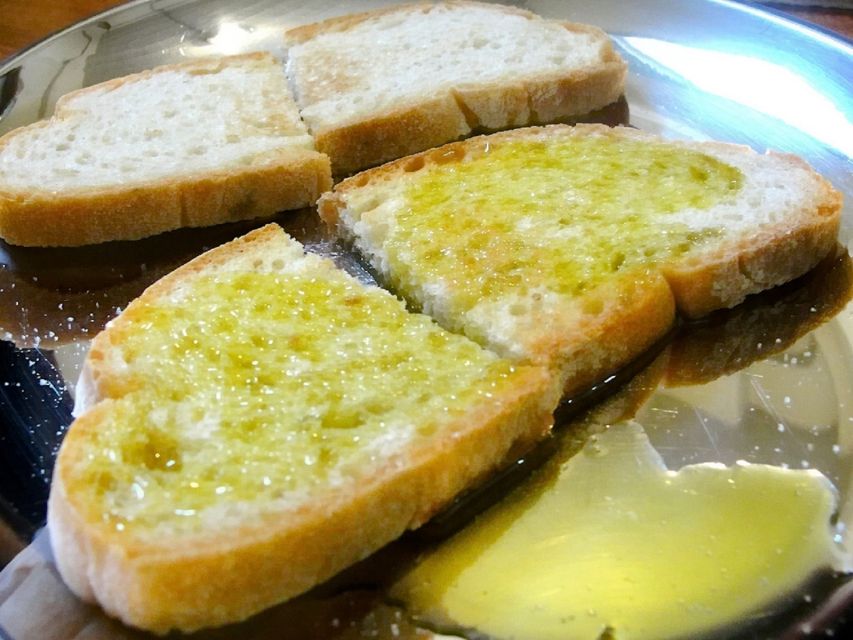
Then comes bruschetta: bruschetta with extra-virgin olive oil and typical crostini. It’s a classic match for Tuscan red wines because the bread and oil give you fat and crunch to balance acidity and tannin.
This pairing also helps the tour feel like a real meal, even though it’s short. In the best-case scenario, you’ll finish with a clear sense of what you’d order in a restaurant afterward: not just wine, but the right bites to go with it.
You can also read our reviews of more wine tours in Montepulciano
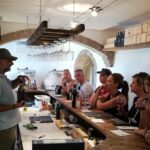
How the guide shapes the experience (and what to listen for)
The guide is the engine here. Your enjoyment will depend on how well you engage with the story, and the guides tend to do more than list facts—they translate cellar details into tasting cues.
You’ll often hear explanations about:
- how the cellar works and why the barrels matter
- how wood aging relates to what you taste
- what the Montepulciano terroir contributes (including tufa and fossil findings)
- what to look for during each of the five tastings
If you’re visiting with friends, this is also a great format for group energy. The guide’s pacing keeps everyone together, but the tasting gives you something personal to react to.
And yes, some guides bring real personality—people mention fun, enthusiasm, and a host who made the time feel quick rather than rushed.
Is it good value at $38?
For a short, one-hour tour, the price is only a “good deal” if you truly use what you’re paying for. Here’s the straightforward math: you’re paying for five DOC/DOCG tastings, plus cheese and bruschetta.
Many wine tours fall into a trap: you pay for the venue and the guide, but you only taste a couple wines. This one avoids that. The food isn’t an accessory, and the tasting isn’t token-sized.
That said, it’s not cheap like a basic introductory pour. If you’re the kind of buyer who wants to stock up, you may appreciate that the experience often leads people to purchase bottles after. If you’re purely “one glass is enough,” you might prefer a simpler, cheaper stop in town.
Who should book this Montepulciano wine cellar tour?
This tour fits best if you:
- want a short experience that still teaches you what you’re tasting
- like learning in small doses, tied to what you see in the cellar
- care about the difference between wine styles within Montepulciano
- enjoy food pairings with your tastings (pecorino and bruschetta)
It’s also a solid pick for first-time wine visitors in Tuscany because the structure is clear: cellar context, then a guided tasting sequence.
If you hate the idea of tasting multiple wines in one hour, or you’re planning to drink lightly all day, you might find the pace a bit brisk. But if you like focused tastings, this is exactly the kind of tour that respects your time.
Should you book this Montepulciano wine tasting and cellar tour?
I’d book it if you want a guided cellar experience that actually connects the dots between barrels, terroir, and your glass. The one-hour timing makes it easy to fit into a day in town, and the included food keeps it from feeling like a rushed sales stop.
Skip it only if you’re specifically looking for transportation, a longer winery walk, or a lighter tasting with fewer pours. In Montepulciano, you’ll get the best value when you arrive ready to taste and listen—then you leave with a much clearer picture of what makes these DOC/DOCG wines Montepulciano.
FAQ
How long is the Montepulciano wine tasting and cellar tour?
It lasts 1 hour.
How many wines will I taste?
You’ll taste a selection of 5 wines that are DOC and DOCG di Montepulciano.
What food is included?
The tour includes a selection of pecorino cheeses of various ages, plus bruschetta with extra virgin olive oil and typical crostini.
Where is the meeting point and where should I park?
The cellar is in the center of Montepulciano in a no-car zone. Park at Parking S. Donato or Parking P8, then walk to the meeting area.
Are transportation or pickup included?
No, transportation is not included.
What languages is the guide available in?
The live tour guide is available in English and Italian.
Is it flexible to book and cancel?
Yes. You can reserve now and pay later, and you can cancel up to 24 hours in advance for a full refund.
If you tell me your travel month and whether you’ll be using a car or public transport, I can suggest the easiest way to time your arrival in Montepulciano.