REVIEW · VIENNA
Vienna: Schlumberger Wine Cellar Guided or Self-Guided Tour
Book on GetYourGuide →Operated by Schlumberger Kellerwelten · Bookable on GetYourGuide
Underground bubbles sound like a bad idea. It is actually a smart one: you get a self-paced audio tour in Austria’s famed sparkling wine cellar, plus a guided-in-spirit look at how champagne-style sparkle is made. I love the hands-on, story-driven moment where you try the classic hand-riddle method, and I also love that the history goes back to Schlumberger’s roots in 1842. One thing to plan for: the experience is in a cellar, so it’s cold, and you’ll also want earbuds/headphones since audio is central to enjoying it.
The best part is how the maze-like vaults turn wine-making into something you can picture. You walk through exhibits about how sparkle forms inside the bottle, and you can connect the process to what you’re tasting at the end. My only caution is practical: if you want more than the included pour(s), extra glasses cost extra.
In This Review
- Key Highlights You’ll Care About
- Schlumberger Kellerwelten: A Champagne Cellar You Can Actually Picture
- Entering the Cellar: What the 60-Minute Audio Tour Feels Like
- The “Hand-Riddle” Moment: Where Hands Learn What Books Can’t
- Austria’s Oldest Sparkling Cellar: Schlumberger’s Story in the Vaults
- After the Tour: Choosing Your Tasting Set (and What Comes Next)
- Value in Plain Dollars: Is $15 Worth It?
- Getting There and What to Wear in the Cellar
- Best Timing: Beat the Crowd Effect
- Who Should Book This (and Who Might Skip It)
- Should You Book the Schlumberger Wine Cellar Tour?
- FAQ
- How long is the Schlumberger Wine Cellar tour?
- Is the tour self-guided or guided by staff?
- What’s included in the price?
- Do I need headphones for the audio tour?
- What tasting options do I get after the tour?
- Can I taste more than what’s included?
- Is it suitable for children?
- Is it easy to reach from central Vienna?
- Can I get a refund if my plans change?
- Can I pay later instead of right away?
Key Highlights You’ll Care About
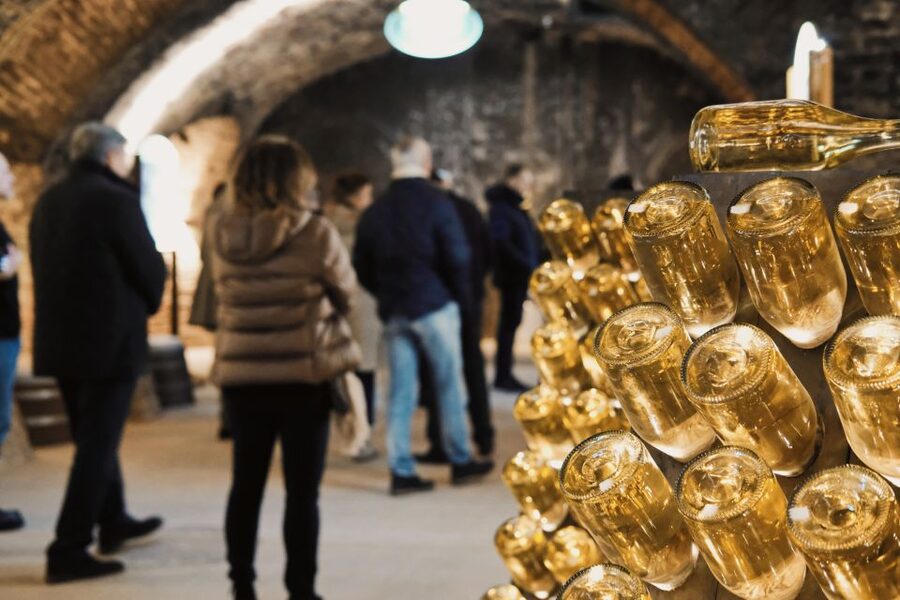
- Hand-riddle the bottles on wooden sloping racks and learn the purpose behind riddling, disgorging, and dosage
- Walk the cellar designed by Carl Ritter von Ghega, with engineered vaults that make the space feel like a true workshop
- Choose your tasting set after the tour: sparkling, rosé, or a mix
- Learn how the sparkle is born inside the bottle, using a 60-minute audio narrative
- Make a quick jacket decision before you go; the cellar stays cool
Schlumberger Kellerwelten: A Champagne Cellar You Can Actually Picture
Vienna has plenty of showy sights. This one is different. Instead of polishing paintings or chasing imperial views, you step into a working-style world where sparkling wine is made in a very old-school way—and you get to see the place where bottles move through the magic steps.
I like that the experience doesn’t feel like a rushed factory stop. You take your time in the tunnels, and the audio tour keeps you focused on what you’re looking at: origin of sparkling wine, how champagne-style production works, and how the sparkle ends up inside the bottle rather than floating on top. It’s not just tasting; it’s understanding what you’re tasting.
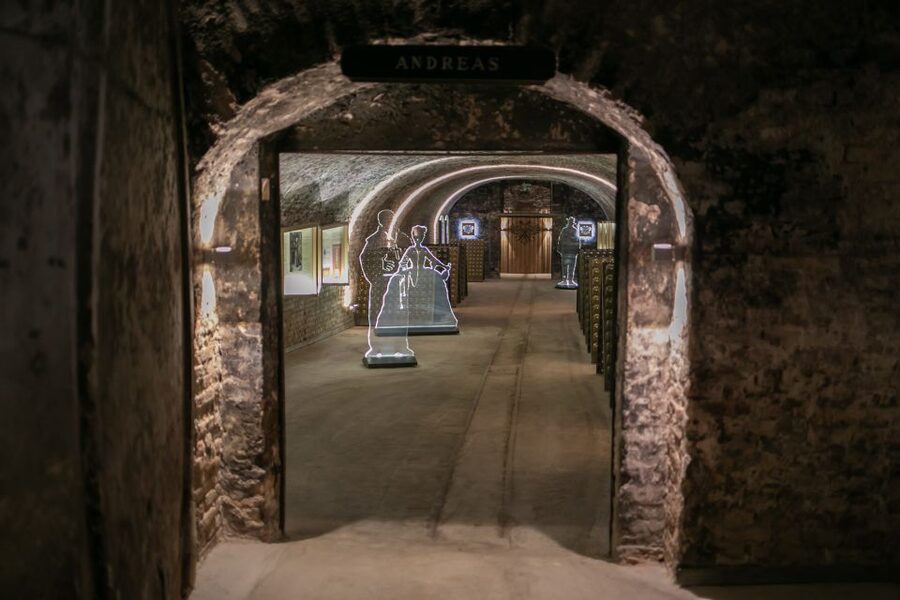
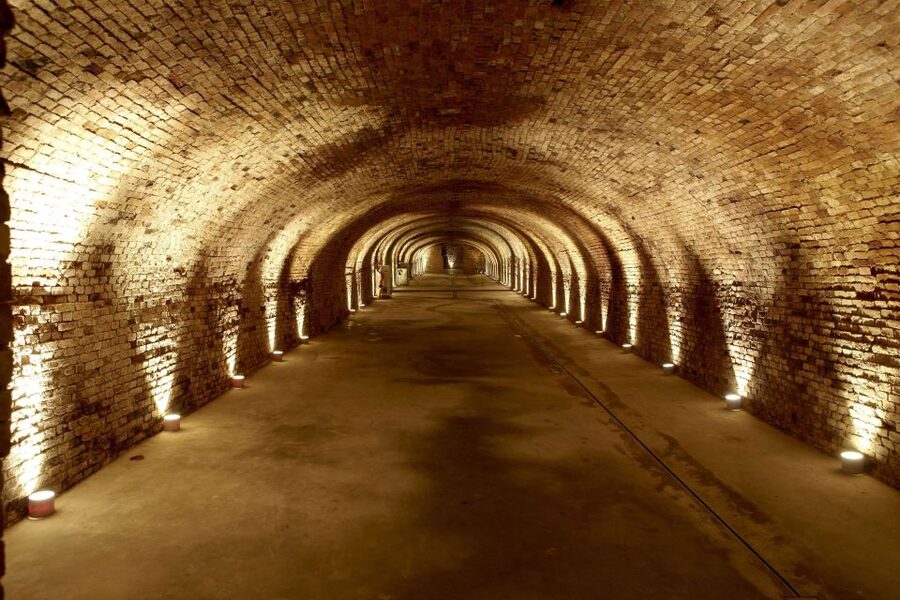
Also, the setting matters. These are cellar vaults built in a maze-like layout, and the design is credited to Carl Ritter von Ghega—an engineering genius more associated with the big infrastructure of Vienna. In a place like this, you can see why engineering and wine-making belonged in the same conversation.
You can also read our reviews of more tours and experiences in Vienna.

Entering the Cellar: What the 60-Minute Audio Tour Feels Like
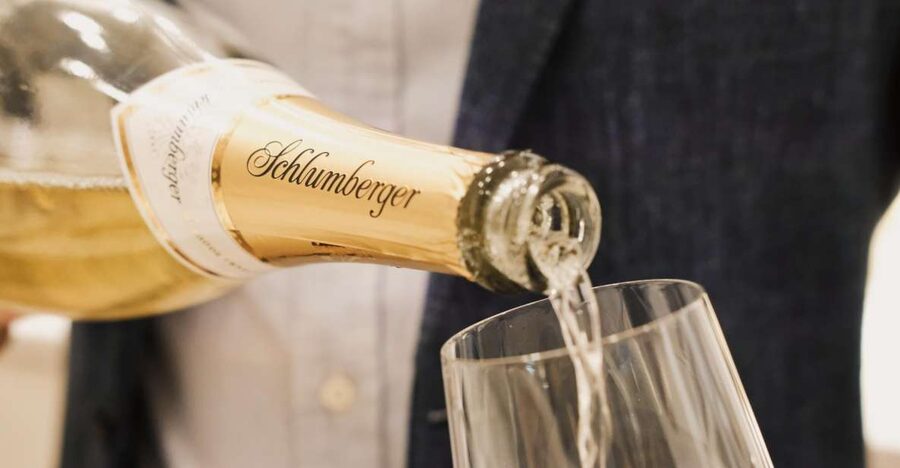
You’ll start with admission and then follow the self-guided audio tour, designed to last about 60 minutes in the cellar. The rhythm is simple: you walk at your pace, stop when you want, and let the audio explain the process step by step.
That format is a real perk in a high-season city. A guided tour can be great, but it also locks you into someone else’s timing. Here, you can pause longer in the spots that interest you—especially when the exhibits are pointing you toward how sparkle happens.
The tour also helps you make sense of the physical space. You’re not just passing rows of bottles. You’re moving through a labyrinth of vaults filled with countless bottles, where each area is basically a chapter in the production story. If you like learning by seeing, this works well.
One small practical detail: audio is a big part of the experience, and headphones are not included. The site lists headphones as €1, and if you don’t bring earbuds that fit your setup, you might end up holding the device closer to your ear than you want.
The “Hand-Riddle” Moment: Where Hands Learn What Books Can’t
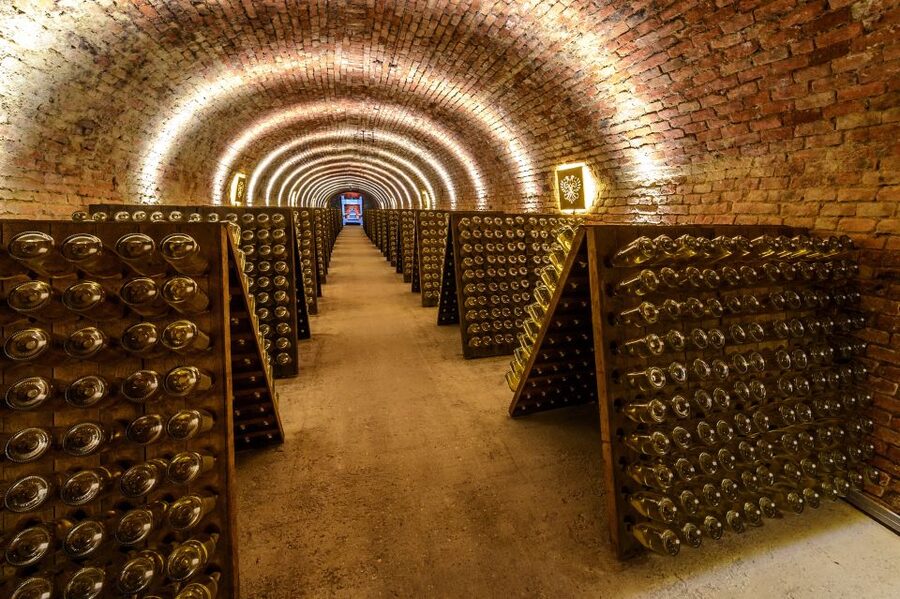
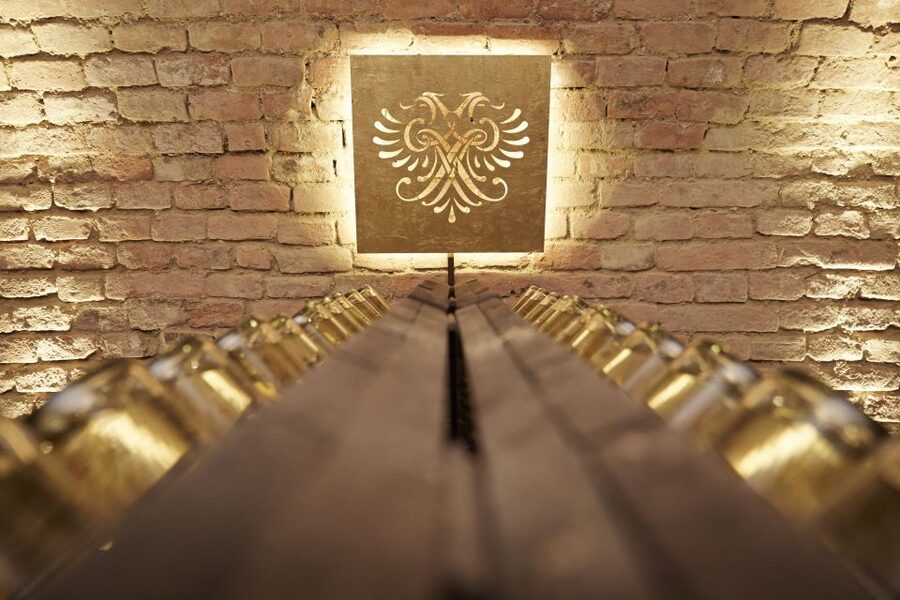
The production steps for traditional sparkling wine can sound technical fast. The experience gets smarter at the point where you do something physical: you’ll try the hand-riddle activity on wooden sloping racks.
Riddling is part of the process that helps position what needs to be removed during disgorging. The audio also explains the connected steps—how disgorging and dosage fit into the final bottle. Even if you’re not a wine nerd, this part makes the “how” stick.
I like that it’s not just watch-and-wait. You’re placed in front of the setup and asked to do the action yourself. That turns the cellar from a visual experience into a memory you’ll remember later when you drink.
Also, the “secret” framing helps. The cellar tour doesn’t act like the process is random tradition. It treats the method like a craft with reasons, which makes the tasting feel earned.
Austria’s Oldest Sparkling Cellar: Schlumberger’s Story in the Vaults
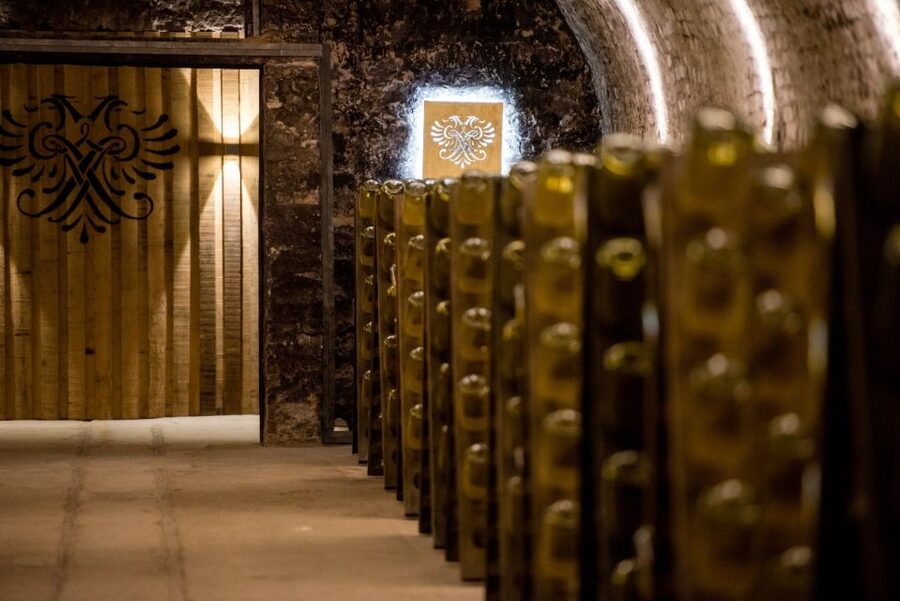
One reason this works better than many tasting rooms is that you’re not only meeting a brand. You’re walking through a company history that reaches back to 1842.
The audio and exhibits connect the sparkling wine story to Austria’s place in the broader world of champagne-style production. You’ll learn about the origin of sparkling wine and how the sparkle is created inside the bottle. That’s the kind of detail that makes a tasting stop more interesting, because you stop treating the bubbles as a flavor trick and start treating them as a result of method.
There’s also a big feeling of scale here: the cellar is described as Austria’s oldest and biggest sparkling wine cellar. Whether you’re a history buff or just curious, scale makes you slow down. You get the sense that this has been going on long enough for it to become infrastructure, not just a business.
After the Tour: Choosing Your Tasting Set (and What Comes Next)
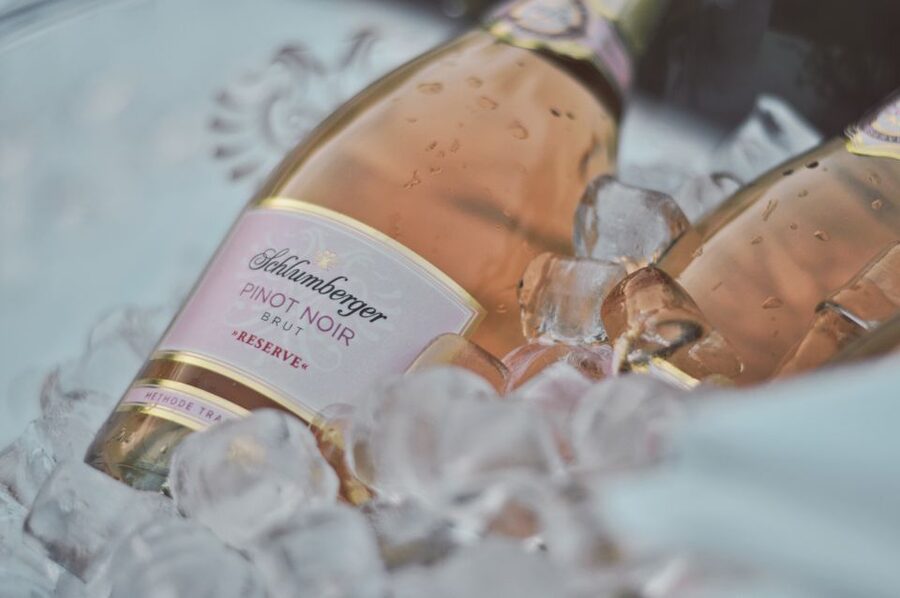
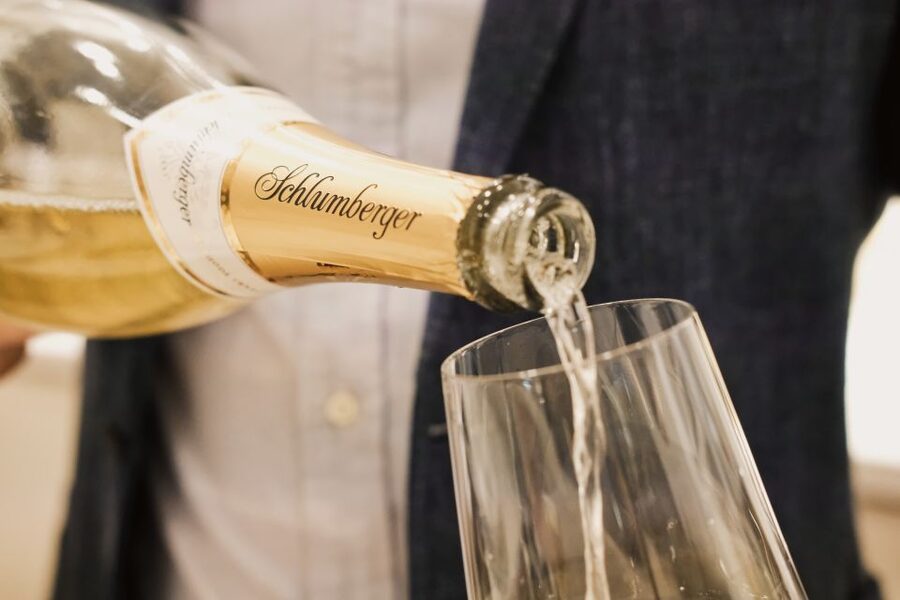
Once you finish the audio walk, you get to taste. The tasting happens after the tour, and you can choose between three tasting sets:
- sparkling wines
- rosé wines
- a mix of both
I like that the tasting choice pushes you to think about your preferences instead of forcing you into whatever the staff feels like pouring. If you tend to like crisp and classic flavors, the sparkling set will likely suit you. If your palate leans toward fruity and slightly lighter vibes, rosé is the straightforward pick.
The experience doesn’t pressure you to buy. One review experience noted there’s no obligation to purchase, which is exactly how it should feel. That said, you do have the option to buy bottles—some people even take a couple home.
Also, plan around glass reality. One review mentioned that only one standard glass is included, and additional glasses cost extra (with different prices for regular versus premium). So if you’re the type who loves a slow tasting with multiple refills, you’ll want to budget accordingly.






Value in Plain Dollars: Is $15 Worth It?
At about $15 per person, this is one of those Vienna experiences that feels like a bargain when you look at what you get. You’re paying for:
- admission to a major cellar experience
- a self-guided audio tour (about 60 minutes)
- a tasting set after the tour
That combination matters. Many “tours” are really just a quick walk plus a small sip. Here, the audio tour and the cellar setting add time and context, so the tasting feels like the final chapter rather than an add-on.
There’s also practical value in the self-guided nature. You can fit it into your day without being stuck at a strict group schedule all the time, and you can adjust if you want more stops for photos or reading.
One more value note: a couple of reviews mention extra space beyond the cellar itself, like an art gallery upstairs and access to a temporary exhibition and garden area. Those add-ons can turn your visit into a longer, more rounded outing without much extra cost.
If you’re in Vienna for a few days and want an experience that isn’t the usual museum-and-cake route, this is a strong pick per dollar.
Getting There and What to Wear in the Cellar
Location is the main “gotcha.” This isn’t in Vienna central. One helpful detail: it’s about 20 minutes from Stephansplatz by public transport. If you’re basing your day around the main historic center, give yourself extra time so you don’t arrive stressed.
Then there’s clothing. The cellar is cold. Bring a jacket. One review specifically suggested that, and it makes sense once you picture underground vaults holding their temperature. Dress like you’re stepping into a cool basement, not like you’re touring a sunlit palace.
Finally, think about audio comfort. If you don’t have earbuds, you may need headphones at €1, and if your setup is finicky, you might find the audio less comfortable than you’d like. This is easy to fix: just bring earbuds that work with your device.
Best Timing: Beat the Crowd Effect
Self-guided is great, but crowds still matter in a limited-space cellar. One review shared a useful tactic: go earlier when fewer large groups are around, and opening time can help.
If you’re deciding on a time slot, I’d aim for the earlier end of the day. You’ll get a calmer walk through the vaults, and the audio will feel less like background while you squeeze past other people.
If you arrive later, you might still enjoy it, but you’ll feel the pressure of space more.
Who Should Book This (and Who Might Skip It)
This tour fits you best if:
- you like hands-on learning, not just sitting in a room with a brochure
- you enjoy sparkling wine and want to understand the production steps behind the bubbles
- you want an experience with a clear structure but the freedom to go at your own pace
It may be less ideal if:
- you hate cold indoor spaces
- you don’t want audio-based touring
- you expect a long guided talk from a live instructor (this is self-guided audio, not a full live guide session)
It’s also not suitable for children under 16, so plan accordingly if you’re traveling with teens and kids.
Should You Book the Schlumberger Wine Cellar Tour?
I’d book it if you want one memorable Vienna stop that’s truly about something tangible: bottles, methods, and the craft behind champagne-style sparkle. The combination of cellar vaults, the hand-riddle activity, and the choice among tasting sets makes it feel worth your time—and at roughly $15, it’s a practical splurge rather than a budget-buster.
Skip it only if you know you dislike audio tours or cold underground spaces. If either of those sounds like a deal-breaker, your money will go farther on a surface-level cultural stop.
If you’re on the fence, here’s my quick decision rule: if you’d enjoy learning how the sparkle is made and then tasting the results, you’ll be happy you went.
FAQ
How long is the Schlumberger Wine Cellar tour?
The self-guided audio tour is designed to run for about 60 minutes. Plan extra time for the tasting afterward.
Is the tour self-guided or guided by staff?
It’s self-guided. You follow a 60-minute audio tour through the cellar.
What’s included in the price?
Admission ticket, the self-guided audio tour, and a tasting set of sparkling wine are included.
Do I need headphones for the audio tour?
Headphones are not included. You may be able to purchase them on site for €1.
What tasting options do I get after the tour?
After the tour, you can choose one of three tasting sets: sparkling wines, rosé wines, or a mix.
Can I taste more than what’s included?
Only one standard glass is mentioned as included in at least one experience, and additional glasses cost extra (with different prices for regular versus premium).
Is it suitable for children?
No. It’s not suitable for children under 16.
Is it easy to reach from central Vienna?
One review notes it’s about 20 minutes from Stephansplatz by public transport.
Can I get a refund if my plans change?
Free cancellation is offered up to 24 hours in advance for a full refund.
Can I pay later instead of right away?
Yes. The listing offers reserve now and pay later, so you can book without paying immediately.