REVIEW · PORTO
From Porto: Premium Douro Valley 4 Vineyards Tour with Lunch
Book on GetYourGuide →Operated by EFun Tours · Bookable on GetYourGuide
Four tastings beats one good bottle. This premium Douro Valley day from Porto is built around four winery stops and I love how you get a real sense of the region’s wine culture, not just one quick tasting. Add lunch at a winery, and the whole thing feels like you’re spending the day with the people who make the wines.
The main thing to consider is time and comfort: the tour runs around 10 hours, and it’s not suitable for wheelchair users. If you’re sensitive to long drives or early starts, plan for a relaxed morning and wear comfortable clothes.
In This Review
- Key highlights worth knowing
- Four wineries in one day: how this tour actually pays off
- Getting from Porto to the Douro: pick-up, drive, and your first real view
- Stop one: a first vineyard tasting that sets the tone
- The sightseeing break: why the 45 minutes are more than a stretch
- Stop two: olive oil, Port, and an older-vine feel
- Lunch at the third winery: Portuguese food paired with estate wines
- Stop three to four: the long scenic transfer (and how to use it)
- Stop four: finishing with regional products and a last tasting
- What you’ll taste: Porto, DOC wines, and olive oil (not just one type)
- Small group + guide language: what it feels like in practice
- Price and value: is $200 fair for a full-day Douro tasting?
- Who this tour suits best
- Should you book this Douro Valley 4 Vineyards Tour from Porto?
- FAQ
- How many wineries are visited on this tour?
- What’s included for food and drinks?
- How long is the tour and how big is the group?
- Is pickup in Porto included?
- What languages does the guide speak?
- Is the tour wheelchair friendly, and can I bring large luggage?
Key highlights worth knowing
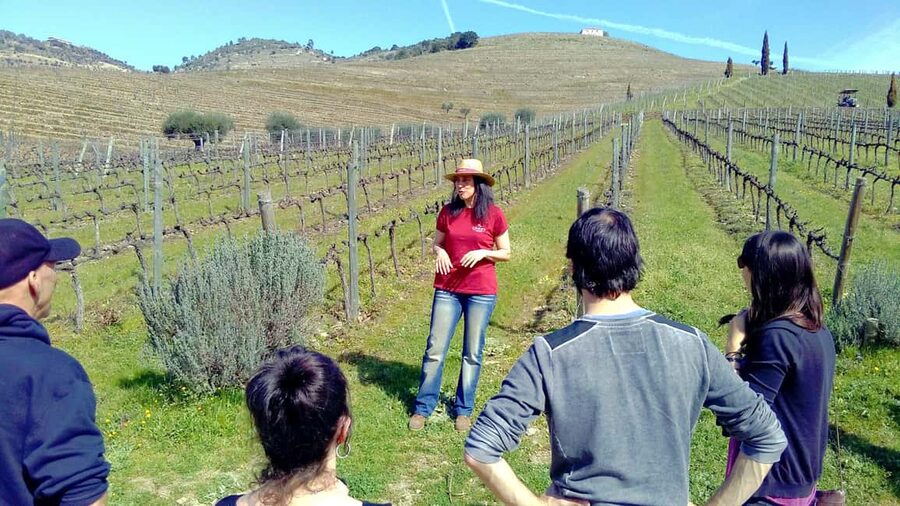
- Four winery visits with tastings that cover Porto plus DOC wines
- Lunch at a winery with traditional Portuguese cuisine paired with estate wines
- Olive oil tasting (commented) alongside the wine program
- Small group size (up to 8) for a calmer pace and more interaction
- Expert local guide in English, Portuguese, or Spanish
- Porto pick-up options across central Porto and nearby areas
Four wineries in one day: how this tour actually pays off
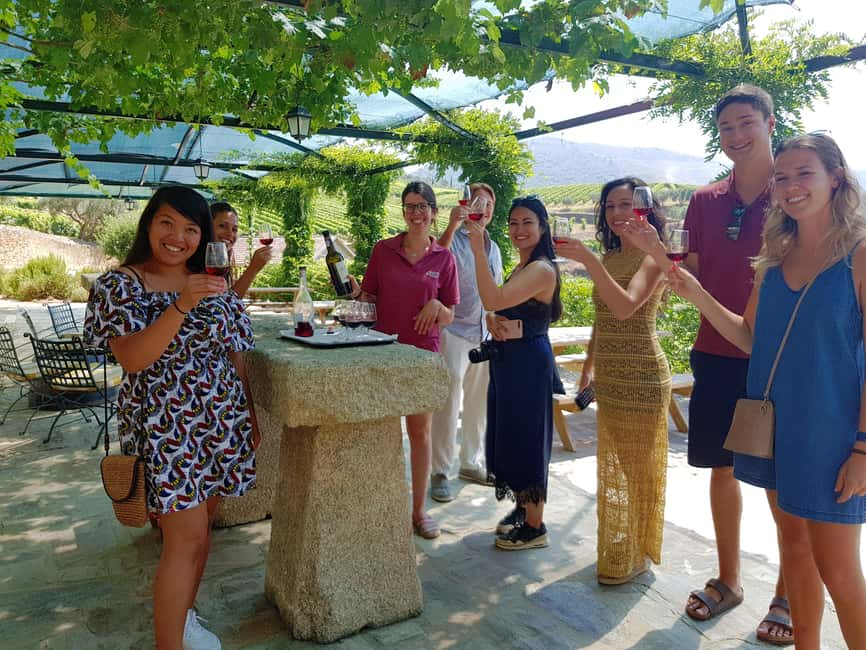
A standard Douro day trip can feel like a hop-on, hop-off wine buffet. This one is different because it’s designed as a full experience: you get multiple stops, guided time inside production settings, and enough breathing room between tastings to taste with your head (not just your glass).
What I like most is the balance. You’re not only chasing famous names—you visit a mix of producers, including a family-style estate experience and larger, more established wineries. The lineup matters because Douro is not one single style; it’s a range of approaches shaped by steep slopes, old vines, and changing winemaking priorities.
The other big advantage is lunch isn’t an afterthought. It’s scheduled at a winery, with Portuguese food served alongside wines from that property’s production. That pairing is what makes the meal feel useful, not just convenient.
Price-wise, $200 per person is not bargain-bin territory. But when you break it down, you’re paying for a full-day itinerary: air-conditioned transport, guide throughout the day, four winery visits, multiple wine tastings (Porto and DOC wines), plus lunch and a commented olive oil tasting. For a one-day format leaving from Porto, it’s the kind of price that starts to make sense if you want real time on-site rather than rushing between viewpoints.
A few more Porto tours and experiences worth a look


Getting from Porto to the Douro: pick-up, drive, and your first real view
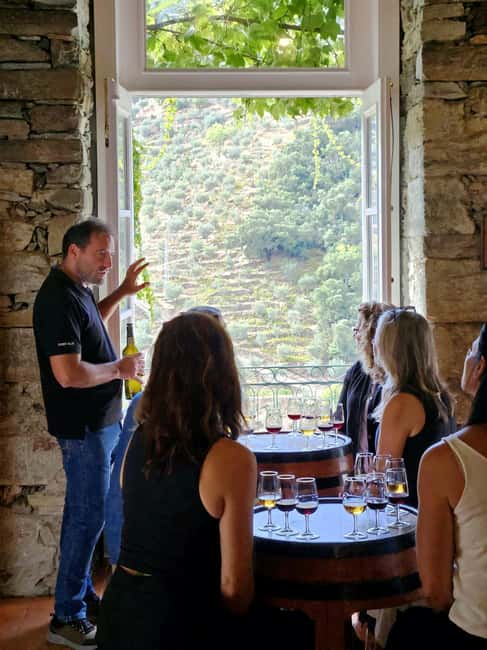
Your day starts with pick-up at a set meeting point. You can choose an option close to where you’re staying, and the list includes central Porto landmarks and major hotels—places like Av. dos Aliados, Igreja da Lapa, and options around the waterfront and Porto/Gaia area (such as The Yeatman). After booking, you’ll receive your exact pick-up time by email/text/WhatsApp the day before.
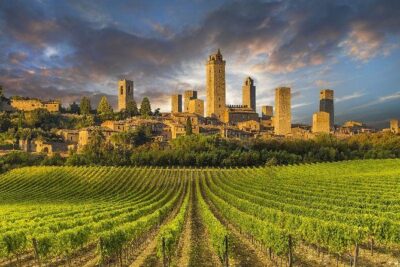
Once you’re in the vehicle, it’s a steady ride with air-conditioning—important in summer when the Douro can run warm. The drive is part of the point. You travel toward UNESCO-listed Douro Valley and get your first look at those famous terraced vineyards built on steep hillsides. It’s not just pretty. Those slopes explain why the work is hard, why the vineyards look the way they do, and why wine from Douro can feel so tied to place.
One practical note: the tour doesn’t allow luggage or large bags. If you’re doing Porto for a few days before or after, pack like this is a day out with only what you can carry comfortably.
Stop one: a first vineyard tasting that sets the tone
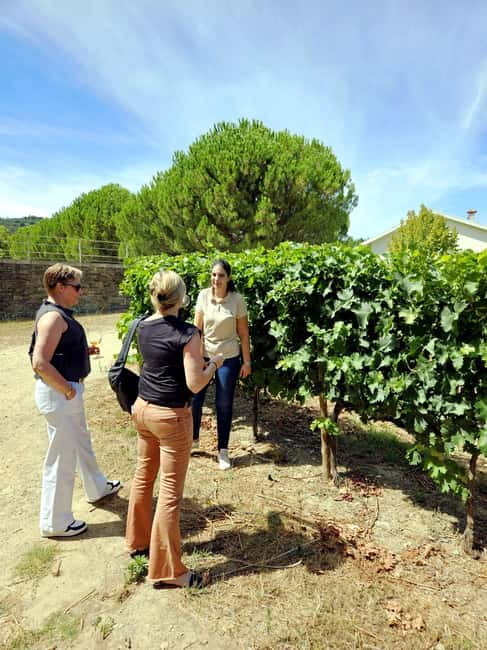
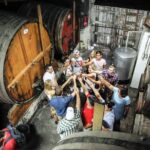
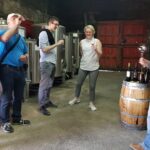
The day begins with your first wine experience at a vineyard. You’ll get a guided look at the facilities, then do your first tasting session on-site.
This first stop matters because it frames what you’ll see later. You’re not just sampling wine randomly—you’re building a baseline. As the guide talks you through the vineyards and production basics, you’ll start noticing the little differences you might miss if you started with a big-name producer immediately.
Expect about an hour for this first tasting time. That’s long enough to ask questions and get explanations tailored to what you’re tasting, not just a quick pour-and-go.
The sightseeing break: why the 45 minutes are more than a stretch
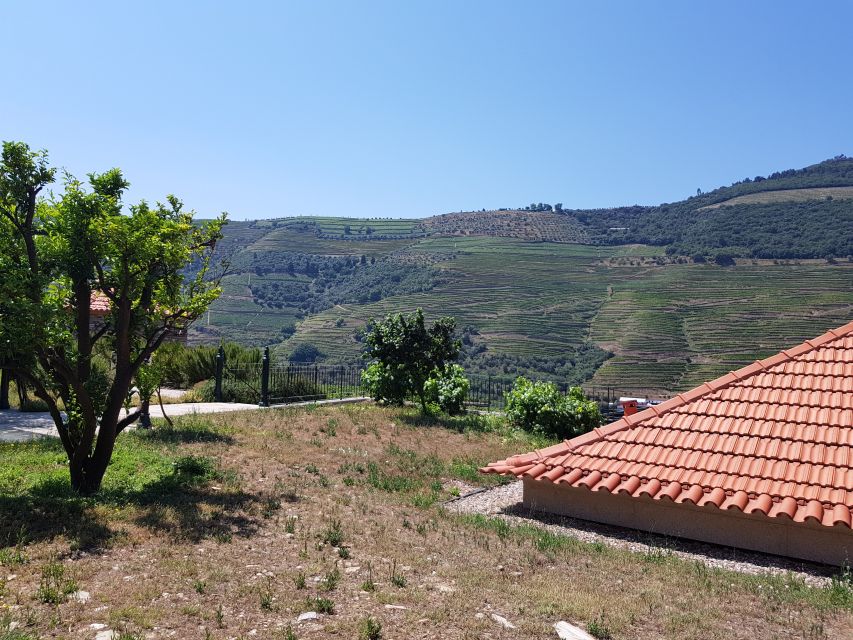
After the first tasting, you’ll have a sightseeing stop. It’s around 45 minutes, which is a sweet spot: enough time to get oriented and take in key views, without turning the day into a bus tour for the sake of it.
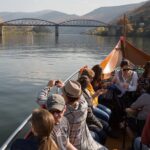
This segment also helps you understand the route. Later you’ll be driving along the Douro area and moving between producers; having that quick orientation makes it easier to connect what you’re seeing (river bends, terraced slopes, road cut through the valley) with what the guide is explaining about the region.
If you like photos, this is one of the best chances to slow down. But even if you’re not, treat this as your mental reset before the more structured production visits.
Stop two: olive oil, Port, and an older-vine feel
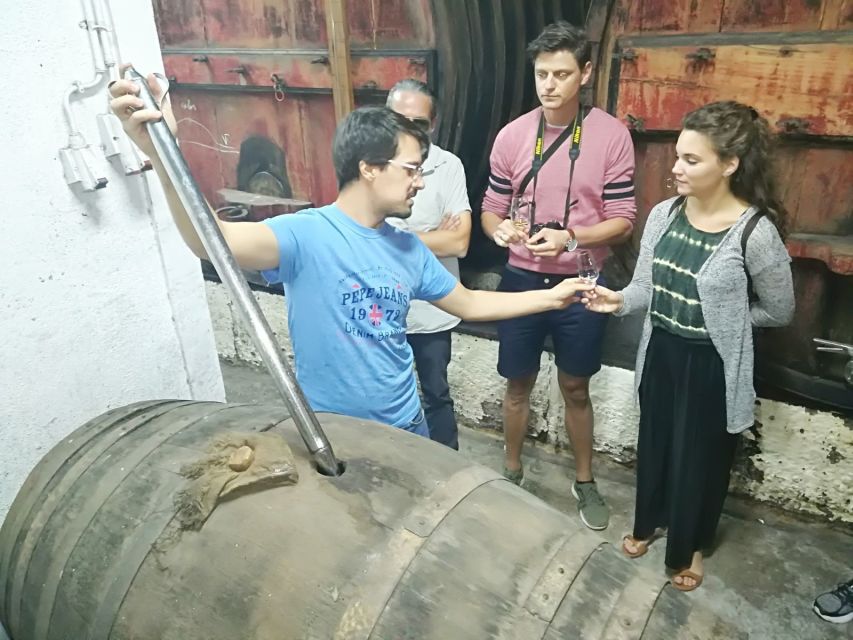
Next comes a bigger producer and one of the oldest vineyards in the region. You’ll visit the property, tour their facilities, and then taste olive oils and Port wines.
This is one of the most interesting combinations on the whole day because it trains your palate in two directions at once. Olive oil tasting—especially when it’s explained—changes how you taste. It also adds contrast to the wine program. You’re shifting from grape-based flavors to fruit/leaf/bitterness balance that olive oil can show, which makes your later sips feel more vivid.
Then you move into Port. Port is its own world inside the Douro story, and tasting it in the context of an estate with older vineyards gives you better context for why styles vary. You’re tasting as part of a regional system, not as a standalone souvenir drink.
If you’re the kind of person who likes variety, this is where the tour starts to feel like more than a checklist. It’s not just wine; it’s wine plus the wider food and production culture that supports it.

Lunch at the third winery: Portuguese food paired with estate wines
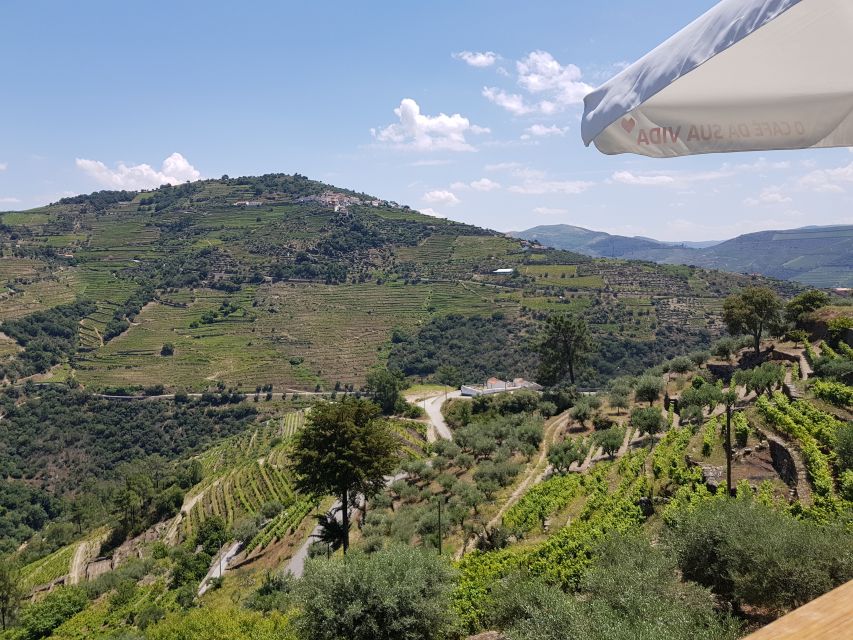
Lunch happens at the third winery after a drive along the Douro on National Road 222. That road detail isn’t random trivia. The route is famous, and you can feel why people talk about it: you’re moving through the valley with views of river, slopes, and vineyards.
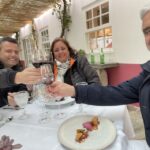
At lunchtime, you’ll have about 1.5 hours at the winery. The menu is traditional Portuguese cuisine, paired with wines from that estate’s production.
I like winery lunches for one reason: your tasting doesn’t feel separate from your meal. When the guide is talking you through what’s in front of you, you start connecting flavors—how a wine supports a dish, how a style might cut through richness, how acidity can reset your palate after a heavier bite.
The only caution I’d give: yes, you’ll taste wine. Plan a calm pace for the meal. Don’t schedule anything else afterward that requires sharp focus. This is a full-day outing, and your best strategy is to settle in and let the day run.
Stop three to four: the long scenic transfer (and how to use it)
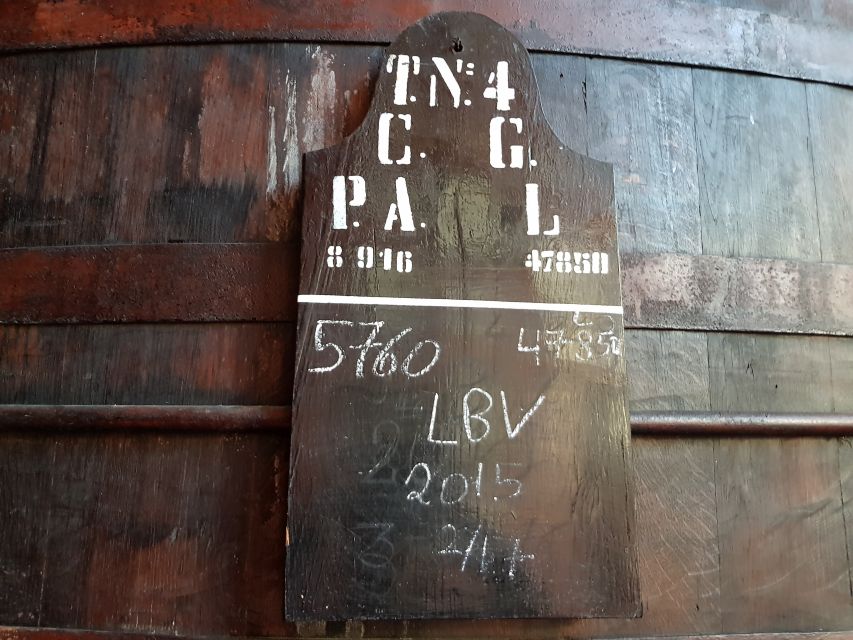
After lunch, you’ll get a longer drive section—about 75 minutes—before the final winery experience. This part of the day can feel long if you go into it expecting constant action.
But it’s actually useful downtime. You can write notes in your head, review what you tasted earlier, and watch for how the terrain changes as you move. Douro isn’t flat. Even subtle changes in slope and river proximity can affect grape growth and how wineries think about their vineyards.
Also, the vehicle has free WiFi, which is handy for mapping your future Porto plans, sending a few photos, or posting after you’ve already tasted your way through the day.
Stop four: finishing with regional products and a last tasting
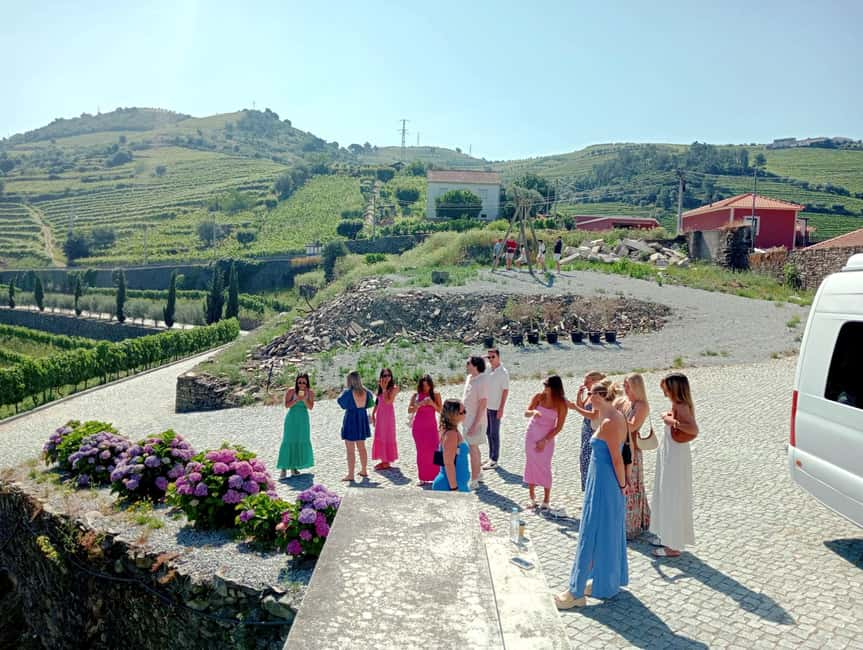
The final winery visit is timed to end the day on a strong note, with scenic surroundings and another tasting session. Along with the wine, you’ll be offered regional products—so the last part is about savoring the day and tying it together.
This stop is your chance to compare what you liked earlier. If earlier wines were more robust or more fruit-forward, you can look for those same patterns—or the changes. If Port was a highlight, you can see how the producers approach aging, intensity, or sweetness.
The tasting here is shorter than the first two: about 45 minutes. That’s plenty time to finish strong and get ready for the ride back to Porto, which arrives in the early evening.
What you’ll taste: Porto, DOC wines, and olive oil (not just one type)
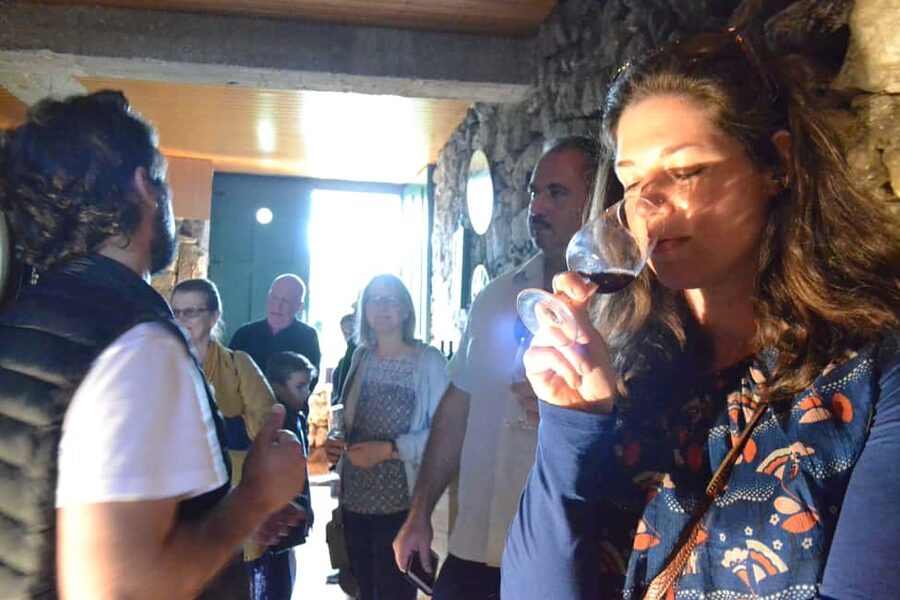
The tasting lineup is broader than you might expect for a one-day trip. You’ll sample Porto and DOC wines, plus olive oil through a commented tasting.
Here’s why that variety matters. If you only drink wine during a Douro day, your palate can get tired fast. Adding olive oil creates a reset. And tasting Porto alongside DOC wines helps you understand the spectrum: fortified styles versus table wines, and how producers position their products for different moments of drinking.
If you’re a “I just want the best stuff” person, you’ll still get plenty of highlights. If you’re a “teach me how it works” person, this approach is useful because it gives you multiple tasting contexts in one day.
Small group + guide language: what it feels like in practice
This tour keeps the group small, limited to 8 participants. That size change is real. It usually means shorter waits, less crowding during tastings, and easier conversation with the guide.
The guide is local and works in English, Portuguese, and Spanish, so you’re not relying on generic explanations. In past departures, guides named Juliana and Pedro have been cited as especially warm, accommodating, and strong on regional context—exactly the kind of person you want when you’re tasting wines that have place-specific stories.
My advice: ask questions that connect to what you’re tasting right then. For example, if a wine tastes dry or heavy to you, ask how their conditions or choices influence that. You’ll get more value than asking only broad historical questions.
Price and value: is $200 fair for a full-day Douro tasting?
At $200 per person, you’re paying for an all-in package. What you get:
- transportation by air-conditioned vehicle
- guide throughout the day
- four vineyard/winery visits
- wine tastings including Porto and DOC wines
- commented olive oil tasting
- lunch at a winery with traditional Portuguese cuisine
- free WiFi on board
So the real value question is whether you want a full-day route with multiple on-site tastings. If you’re comparing this to cheaper options with fewer stops or shorter tastings, that’s where the difference shows up. If you want the Douro day to include lunch at a winery and a tasting rhythm that feels paced, this price becomes easier to justify.
If you’re trying to keep costs very tight, you might feel $200 is high. But for a premium small-group day from Porto that includes real production time—not just a single tasting—this sits in the “pay a bit more, taste more, and actually learn something” category.
Who this tour suits best
This is a strong match if:
- you want four winery stops instead of one or two
- you care about Porto in addition to standard Douro wines
- you like the idea of olive oil tasting, not only wine
- you prefer a small group with a guide staying with you most of the day
It’s less ideal if:
- you need wheelchair accessibility (the tour isn’t suitable)
- you hate long days or don’t like driving time
- you’re traveling with large luggage (it’s not allowed)
Should you book this Douro Valley 4 Vineyards Tour from Porto?
Book it if you want a premium-feeling day that connects wine, production, and food in one loop. The combination of four winery visits, lunch at a winery, and tastings that include Porto, DOC wines, and olive oil makes it feel like a real tasting course in disguise.
Don’t book it if you’re looking for a quick, low-effort overview. This is a full-day schedule—about 10 hours—so bring comfortable clothes, plan your energy, and accept that your best souvenirs will be the flavors you remember and the stories you asked for.
FAQ
How many wineries are visited on this tour?
You visit 4 vineyards/wineries during the day, with wine tastings included at those stops.
What’s included for food and drinks?
Lunch is included at a winery and features traditional Portuguese cuisine paired with estate wines. You’ll also have wine tastings (including Porto and DOC wines) plus a commented olive oil tasting.
How long is the tour and how big is the group?
The tour lasts about 10 hours. It’s a small group experience limited to 8 participants.
Is pickup in Porto included?
Yes, pickup is included if you select the option with pick up included. You’ll receive your exact pick-up time the day before by email, text, or WhatsApp.
What languages does the guide speak?
The live guide speaks English, Portuguese, and Spanish.
Is the tour wheelchair friendly, and can I bring large luggage?
No. The tour is not suitable for wheelchair users, and luggage or large bags are not allowed.