REVIEW · VIENNA
Grape Grazing: Wachau Valley Winery Biking Tour
Book on GetYourGuide →Operated by Vienna Explorer · Bookable on GetYourGuide
Wine and bikes beat museum days. This full-day ride through Austria’s Wachau Valley turns vineyard tasting into something you can move through, with medieval towns, family wineries, and a Danube dip break built in. You start in Vienna, take a regional train, then pedal your way through some of Lower Austria’s most photographed river scenery.
Two things I love here: you taste at small, family-run wineries with real conversations, and you get Dürnstein as more than a stop sign, including Richard the Lionheart’s castle story. The other bonus is the balance—cycling, tastings, lunch, then time to wander—so the day stays fun even if you’re not a hardcore cyclist.
One consideration: for the price, the ride is designed to be easy and stop-and-go, and lunch costs extra (cash only). If you’re hoping to rack up big daily mileage or want electric-bike support, you’ll need to adjust expectations.
In This Review
- Key highlights at a glance
- Why a Wachau Valley bike-and-wine day works better than a bus tour
- Vienna Explorer to Krems by train: the easiest start for a full-day plan
- Krems an der Donau cycling segment: warm up with river views, not hills
- Dürnstein wine tasting and free time: Richard the Lionheart makes it more than scenery
- Lunch in Dürnstein: plan for the cash-only extra
- Weißenkirchen in der Wachau: the short ride that keeps the day moving
- Ferry crossing to Rossatz-Arnsdorf: the Danube reminder and the second tasting
- The return bike and train ride: wrap up with one more valley look
- What you actually taste: dry whites, apricot culture, and cellar conversations
- How hard is it, and who should ride it
- Group size, pace, and what guides do to keep it fun
- Price and value: what your $163 includes (and what it doesn’t)
- Should you book this grape grazing bike tour from Vienna?
- FAQ
- How long is the tour?
- What kind of biking is it, and how far do you ride?
- Is lunch included in the price?
- Do I need to bring swimwear for the Danube stop?
- Are electric bikes included?
- What language is the guide?
- What should I bring?
Key highlights at a glance
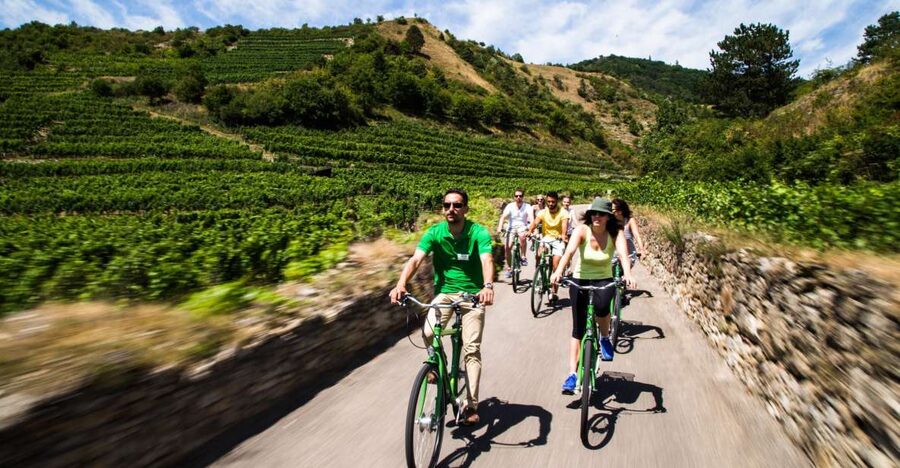
- Wachau Valley by bike: easy pace, frequent stops, and a route that’s scenic without being punishing
- Family wineries + Domäne Wachau: tastings tied to the region, not just pours on a schedule
- Dürnstein time: UNESCO town vibes plus optional castle ruins views tied to Richard the Lionheart
- Danube cooling break: swim option if you bring the right stuff
- All-weather planning: rain ponchos included, so rain is a speed bump, not a deal-breaker
- Train out of Vienna and back: you spend energy on the valley, not on transport math
Why a Wachau Valley bike-and-wine day works better than a bus tour
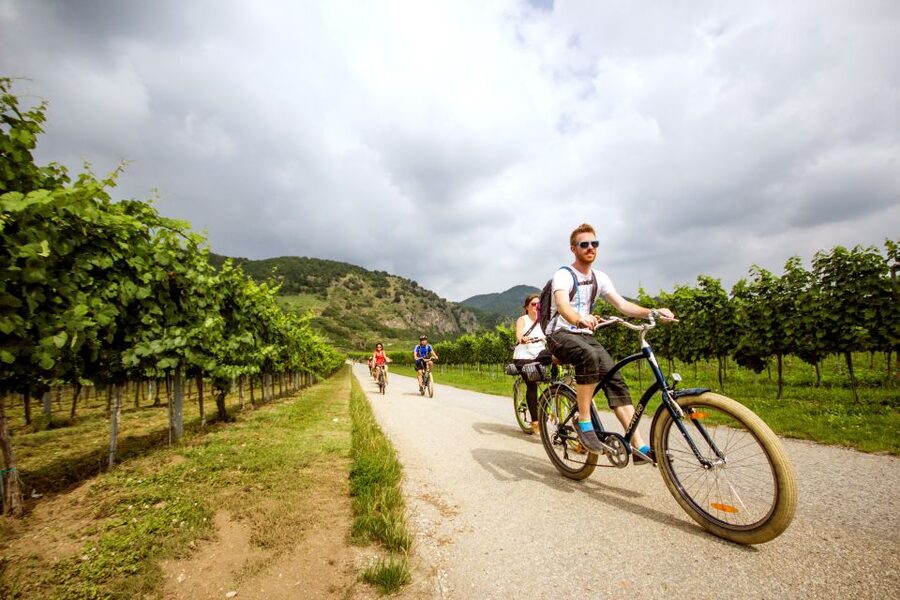
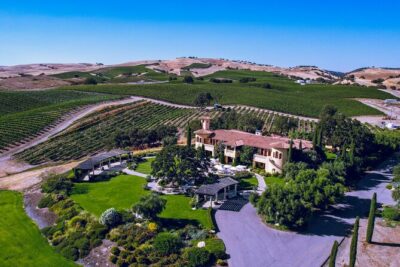
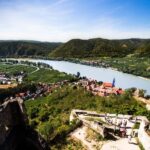
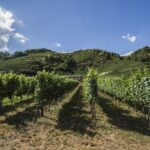
The Wachau Valley is one of those places where the scenery feels like part of the drink. You’re not just stopping at viewpoints—you’re riding through vineyard terraces and river bends, with towns close enough to feel walkable and alive. It’s also historically loaded. This valley has long been a wine corridor and a trade route, and the day’s stops bring that context to the surface without turning into a lecture.
The format is the real win. The tastings happen inside the rhythm of the cycling day, so you keep moving and the day doesn’t feel like a sequence of sitting around. And because you’re in a guided group, you get access to wineries that are easier to find (and more meaningful) than trying to chase independently.
If you’re the type who wants both: a little countryside exercise and a proper wine story, this tour hits that sweet spot.
You can also read our reviews of more cycling tours in Vienna
Vienna Explorer to Krems by train: the easiest start for a full-day plan
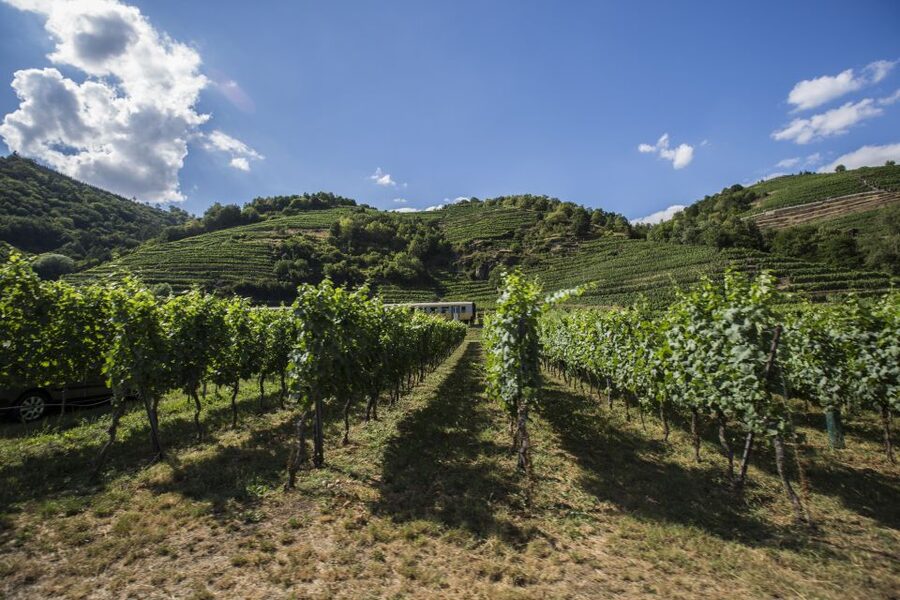
You meet at the Vienna Explorer tour office, then you get on a regional train for about an hour. I like this approach because you arrive in the valley already set up—less logistics stress, more time to settle in.
Once you land around Krems an der Donau, you switch gears from rail-watching to bike-watching. You’re not thrown onto a long climb right away. That matters, because this day’s best moments come after your legs warm up and your eyes get used to the vineyard scenery along the Danube.
Practical note: you’ll be in transit before you pedal, so keep your day bag simple. You’ll want sunscreen, a camera, and comfortable shoes, but you don’t want to lug extra stuff you won’t touch for hours.
Krems an der Donau cycling segment: warm up with river views, not hills
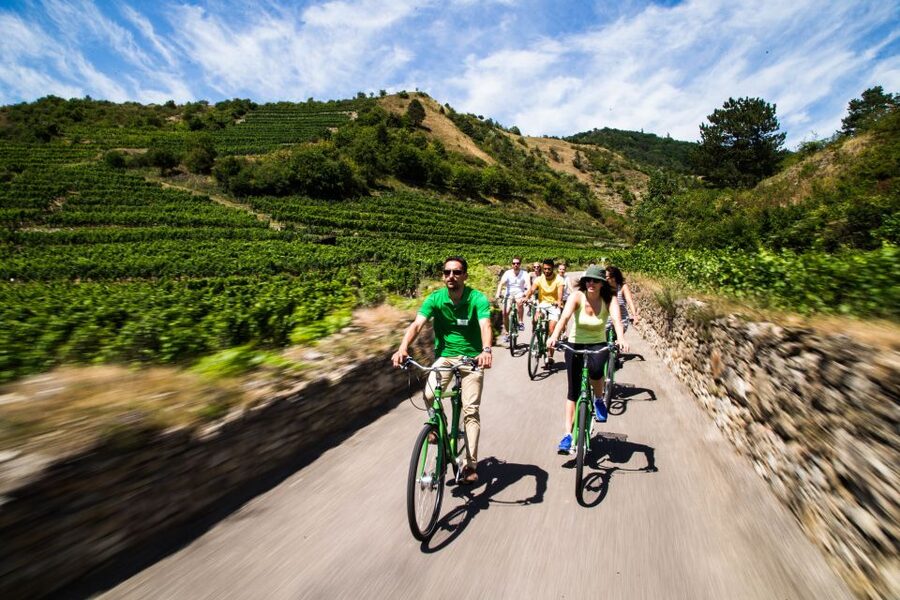
The first ride is about 45 minutes around Krems an der Donau. This is a “start gently” stretch. You’re still building momentum, but it’s long enough to settle into the route and feel like you’re actually exploring instead of just arriving for tastings.
You’ll get that classic Wachau feel: riverside walkability, vineyard texture, and small-town scale. It’s the kind of ride where you can keep a relaxed pace and still enjoy the scenery rather than focusing on effort.
If you’re prone to getting chilled after a train ride, remember this is outdoors. Pack layers if you travel outside peak summer months.
Dürnstein wine tasting and free time: Richard the Lionheart makes it more than scenery
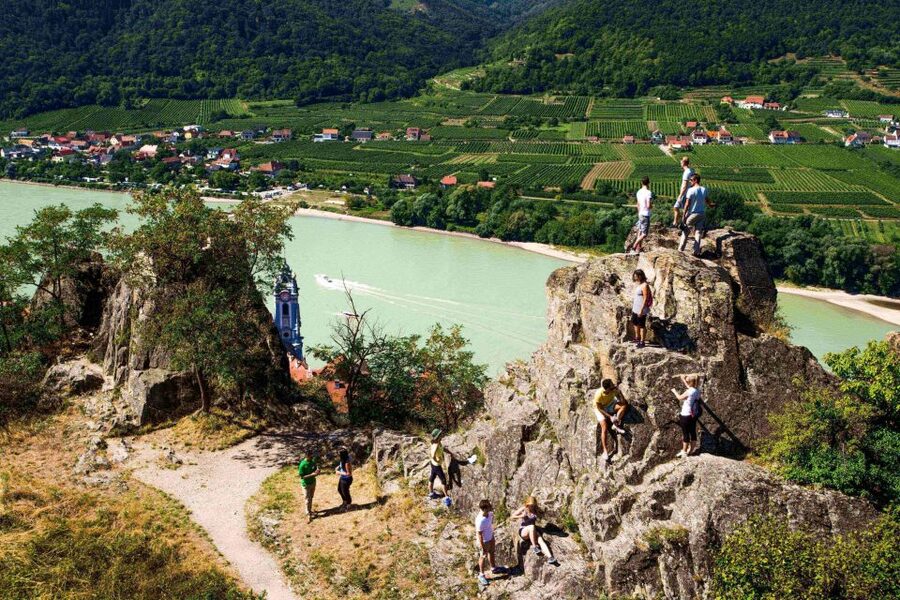
Dürnstein is one of the main reasons people plan a Wachau day trip. It has UNESCO World Heritage Site status, and the tour gives you the right mix: wine time plus actual time to explore.
You’ll spend about an hour on wine tasting in Dürnstein, then get about 45 minutes of free time right there. This is where the town becomes real. You’re not only looking at history; you can wander through it at a human pace—shopfronts, lanes, river views, and the feeling that you’ve stepped into a postcard with street life.
The famous story is Richard the Lionheart. There’s a castle connection tied to his imprisonment, and the area offers a hike option to the castle ruins. Many people use this part of the day to walk up for the views. If you’re up for it, do it after you’ve had wine and lunch later—your legs will thank you.
Lunch in Dürnstein: plan for the cash-only extra
Lunch runs about an hour, but it’s not included. Expect to pay about €17 per person, and it’s cash only. Other lunch options may exist depending on what your guide finds that day, but the main point is simple: budget for it.
Why it matters: lunch is one of the easiest places to save time or lose time. This tour keeps lunch within the valley schedule, which usually means it’s convenient and aligned with the rest of the day. The drawback is you’ll need to be ready with cash and not count on lunch being included in your upfront price.
Bring your swim stuff if you want to take advantage of the later Danube cooling break. Dürnstein can be the moment where you decide: hike, relax, or prep for the water stop.
You can also read our reviews of more wine tours in Vienna

Weißenkirchen in der Wachau: the short ride that keeps the day moving
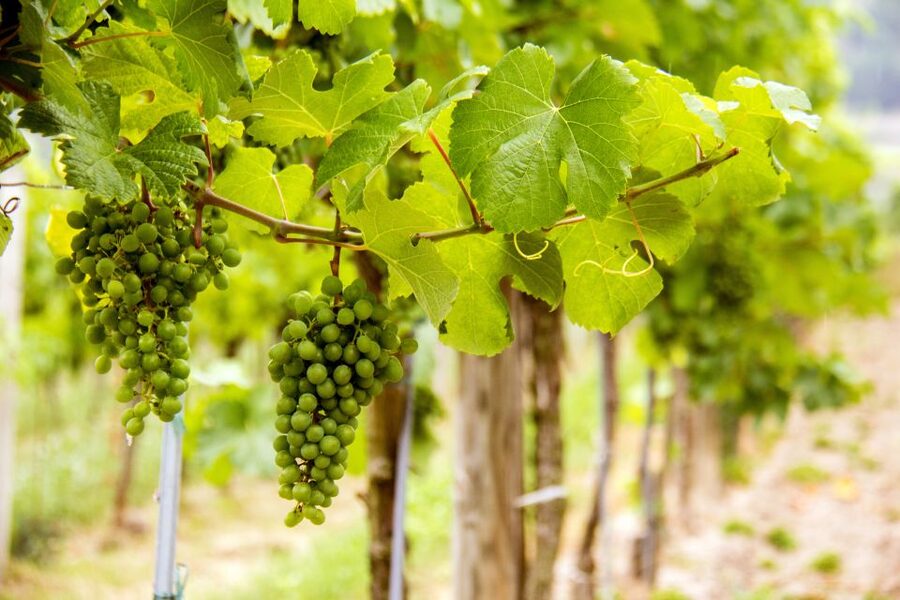
After Dürnstein, you head toward Weißenkirchen in der Wachau for a shorter bike stretch (about 30 minutes). This part feels like a breath between heavier stops.
Why that matters: it prevents the day from turning into a marathon of long cycling. The tour is designed with frequent pauses and segments, so you keep energy for tastings and for wandering. Weißenkirchen also reinforces how Wachau wine towns are shaped—clustered settlements with vineyards feeding into them.
This is a good moment to reset. If your first wine stop made you slow down, this short segment gets you back in motion without forcing a big effort.
Ferry crossing to Rossatz-Arnsdorf: the Danube reminder and the second tasting
Then you cross the Danube by ferry for about 15 minutes. A ferry stop might sound like a small detail, but it breaks the visual monotony and gives you a different angle on the river valley. It also helps you shift from one side of the day to the next.
Rossatz-Arnsdorf is where you get your second wine tasting (about an hour). This tasting is another chance to compare what different producers emphasize. Expect world-renowned white-wine territory here, with local specialties that fit the region’s reputation.
This is also one of the day’s natural cooling points. The tour description includes time to cool off in the River Danube. If you bring swimwear and a towel, you can take that option. If you don’t, it’s still fine—you’ll just stay dry and use the time for a scenic pause.
The return bike and train ride: wrap up with one more valley look
You bike back toward Krems an der Donau for about 45 minutes, then take the train back to Vienna (about an hour). I like this finish because you end in rhythm: you’re not rushing to make a late connection, and you’re not spending your last hour feeling like you’re stuck waiting.
The final ride is a chance to notice things you may have missed earlier—vineyard angles, bend-of-river perspectives, and town layouts that look different once you’re used to the valley.
Practical tip: when you’re tired, hydration and snacks matter. The rental shop includes Wi-Fi and snacks, and hot/cold drinks are available for purchase there. If you’re the type who likes to nibble constantly while riding, consider adding a couple of extras of your own so you don’t get caught feeling hungry between stops.
What you actually taste: dry whites, apricot culture, and cellar conversations
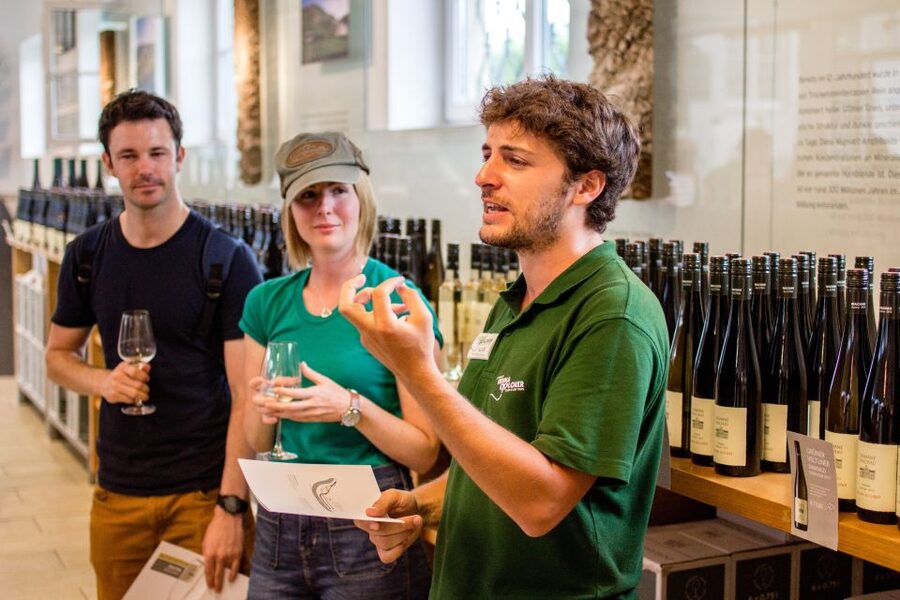
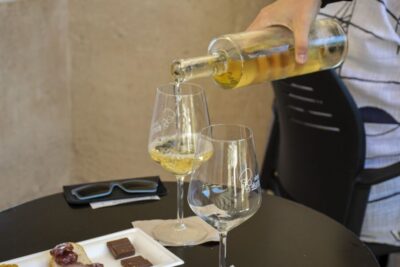
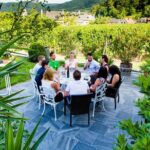
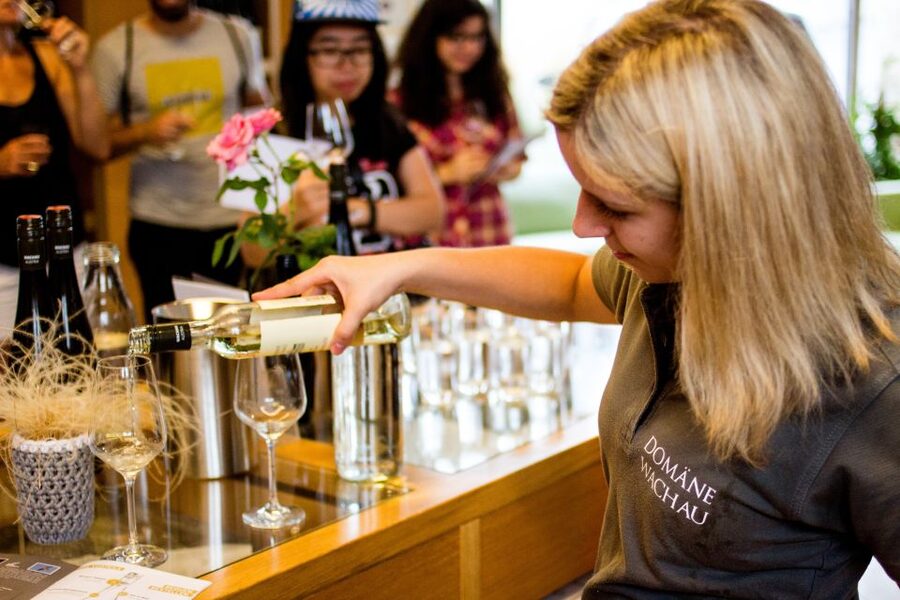
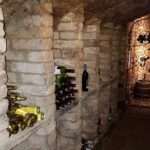
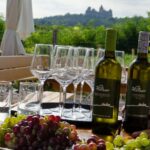
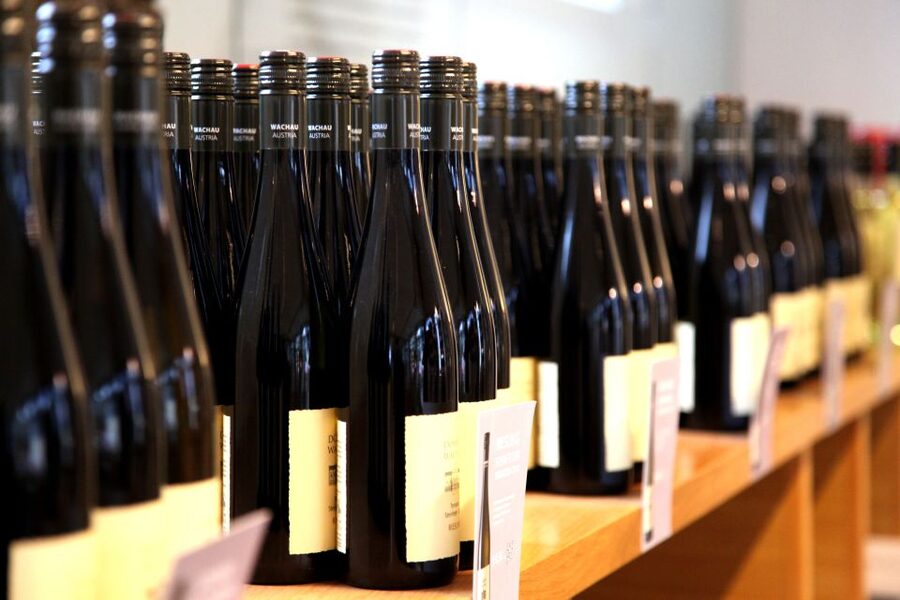
This tour is built around wine that fits the Wachau style: world-renowned white wines, often dry and fruity depending on the producer. Tastings are part of the day, not an afterthought, and you visit small wineries where the owners can talk with you.
The region is also famous for apricots, and the tasting day includes local add-ons like apricot jams and liqueurs. That matters because it gives you a fuller sense of what the valley sells besides wine—something you can take home as a flavor memory, not just a bottle.
A pattern shows up in the way these wineries host: they tend to explain their approach in a friendly way, with real stories tied to vines and place. If you’re a wine beginner, don’t worry. You don’t need tasting jargon to enjoy it. If you already know your styles, you’ll appreciate how clearly the producers differentiate.
And yes, you might leave with bottles. That’s common when tastings happen in actual working wineries and you can picture the surrounding vineyards.
How hard is it, and who should ride it
Good news: the bike route is about 14 miles (25 km) total. It’s described as not strenuous and suitable for all ages, with stops throughout the day so you’re not riding continuously.
The longest stretches between stops are typically around 30 minutes, depending on wind direction. That means your day is built for “enjoy the ride” more than “train for endurance.”
Still, there are a couple of hills and you may sweat a little. Bring comfortable shoes and expect to stand up out of the saddle at least occasionally. If you’re really worried about effort, check whether electric bikes are available through other arrangements; they aren’t included on this specific tour.
This is a great fit for:
- Couples and friends who want a scenic day with built-in tastings
- First-time cyclists who still want to feel confident
- Wine lovers who want producer contact, not just anonymous pours
- People who like history but don’t want it to take over the whole day
Group size, pace, and what guides do to keep it fun
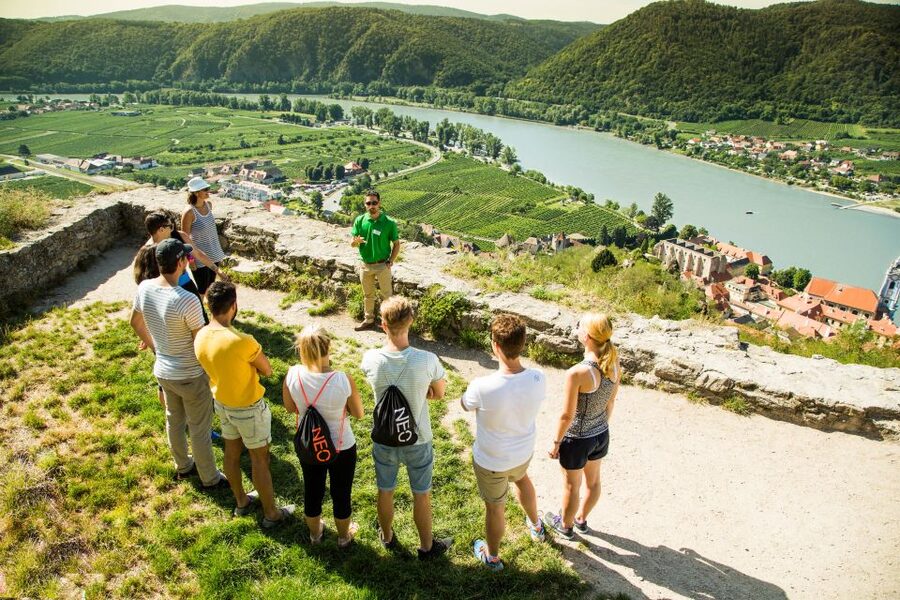
Your guide is part of the experience. The tour runs in English, and your guide explains history and culture along the route. That helps you understand why Dürnstein matters, why the valley’s wine culture looks the way it does, and why certain viewpoints or stops are timed when they are.
From what shows up in real-world runs of this tour, guides like Szana, Tim, Miguel, Tomas, Nicolas, Philippe, and Zana are repeatedly praised for being organized and flexible when weather shifts. That flexibility matters because the tour operates in all weather conditions, and rain ponchos are provided.
One small caution: group size can vary. Some days may feel busy for a tour style like this. If you prefer a quieter ride, aim for a smaller group departure when possible.
Price and value: what your $163 includes (and what it doesn’t)
At about $163 per person, this day looks pricey until you break down what’s bundled.
Included:
- Train transportation from Vienna and back
- Bike rental, helmets, and rain ponchos
- Tasting fees at the wineries
- An expert guide
- Wi-Fi and snacks at the rental shop
- Hot/cold drinks available for purchase at the rental shop
Not included:
- Lunch (about €17 cash only)
- Electric bikes
Here’s the value angle I think matters most: the big-cost items—transport and tastings—are handled for you, and you’re visiting wineries that feel like actual destinations. If you tried to assemble this on your own, you’d likely spend time figuring out schedules, tasting availability, and transport timing between vineyard stops.
The tradeoff is that cycling time is intentionally moderate. If you want a lot more time in the saddle, you may feel the day’s pacing is gentler than a solo ride from village to village.
Should you book this grape grazing bike tour from Vienna?
If you want a one-day break from Vienna that still feels genuinely Austrian, I think this is a strong choice. It’s not just wine, and it’s not just biking. The best version of this day is when you want both: a relaxing ride through the Wachau Valley plus tastings that feel connected to the valley’s culture and history.
Book it if:
- You like white wine and want to taste in small wineries
- You want Dürnstein and the Richard the Lionheart story beyond a quick photo
- You’d rather have someone manage the route and tastings than plan it all yourself
- You like easy, scenic cycling with frequent breaks
Skip it or look for alternatives if:
- You’re chasing maximum mileage or nonstop riding
- You know you won’t budget for lunch cash on the day
- You specifically want electric bikes included
If your ideal day is thoughtful, scenic, and drink-in-hand without being chaotic, this Wachau bike-and-tasting day delivers.
FAQ
How long is the tour?
The tour lasts about 11 hours.
What kind of biking is it, and how far do you ride?
The route is approximately 14 miles (about 25 kilometers). It’s described as not strenuous, with stops throughout the day and the longest stretch between stops typically around 30 minutes.
Is lunch included in the price?
Lunch is not included. It costs about €17 per person and is cash only. You pay your guide on the day of the tour.
Do I need to bring swimwear for the Danube stop?
The tour includes a chance to cool off in the River Danube. The provided packing list includes swimwear and a towel, so if you want to take that option, bring them.
Are electric bikes included?
Electric bikes are not included.
What language is the guide?
The live tour guide speaks English.
What should I bring?
Bring comfortable shoes, sunscreen, and a sun hat. If you want the Danube swim option, also bring swimwear and a towel. A camera is handy too.