REVIEW · VIENNA
Vienna: Wine Tasting Experience in a Private Wine Cellar
Book on GetYourGuide →Operated by mal anders gmbh · Bookable on GetYourGuide
Vienna’s wine story is hiding underground. This private wine tasting lets you sip Austrian and Viennese-style wines in non-public cellars while a local expert ties it to Roman-era roots.
I like that it’s hands-on and human: you’re not just looking at barrels, you’re learning what to taste and why.
Two things I really like are the cozy cellar setting and the food pairings that match the wines (including things like spicy apricot chutney and local cheese and cured meats). One drawback to consider: the cellar experience is focused on where you taste, so if you want a big walking tour through every room, manage expectations.
In This Review
- Key highlights you’ll care about
- Why Vienna’s Private Cellars Beat the Usual Tastings
- Choosing Your Time: 30 Minutes to a 2.5-Hour Multi-Cellar Tour
- The quick 30-minute self-guided option
- The guided 45 or 60-minute tasting
- The 2.5-hour option with three hidden cellars
- Entering the Hidden Cellars: How the Roman Thread Shows Up
- The Wines and the Pace: 3 Austrian Bottles You Can Actually Learn
- Pairing Like a Local: Austrian Delicacies That Aren’t an Afterthought
- Guide Personality and Your Chances to Ask Questions
- Price and Value: Why $22 Can Actually Feel Like a Deal
- Who This Fits Best (and Who Might Want to Skip)
- Practical Tips Before You Go
- Should You Book This Vienna Private Cellar Wine Tasting?
- FAQ
- How long is the Vienna private wine tasting?
- What wines will I taste?
- Where does the experience take place?
- What food is included?
- Do I get a guided tour?
- Do I need headphones for the audio guide?
- Is this suitable for children or people with mobility needs?
- Can I cancel or pay later?
Key highlights you’ll care about
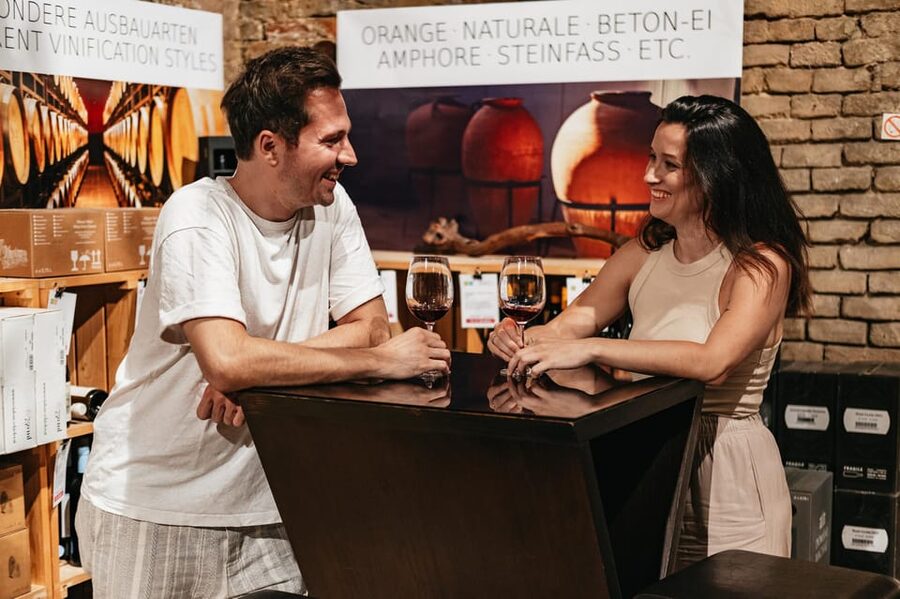
- Private, non-public cellars in central Vienna you’d be unlikely to find on your own
- 3 typical Austrian wines (and sometimes more depending on the option you pick)
- Roman history and Vienna’s viticulture origins, explained by an expert
- Regional delicacies paired with the tasting, not just a random snack
- Small group format, so questions don’t get lost in a crowd
- Short formats available if you want something quick but still guided
Why Vienna’s Private Cellars Beat the Usual Tastings
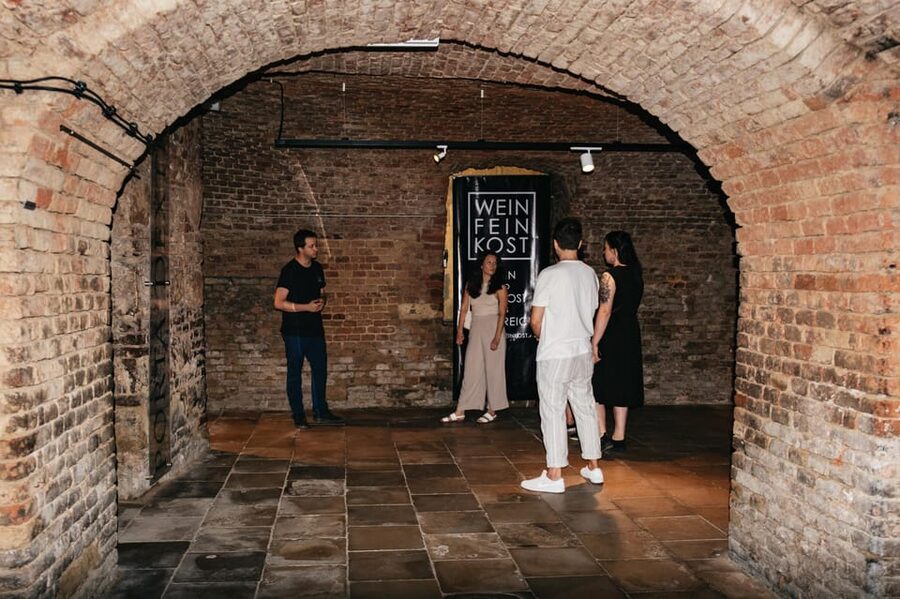
Most wine tastings are designed for crowds. This one is designed for closeness. You get taken into a private wine cellar in the heart of Vienna, the kind that stays off the public map. That matters because it changes the whole vibe: you feel like you’re stepping into someone’s working world, not a performance for tourists.
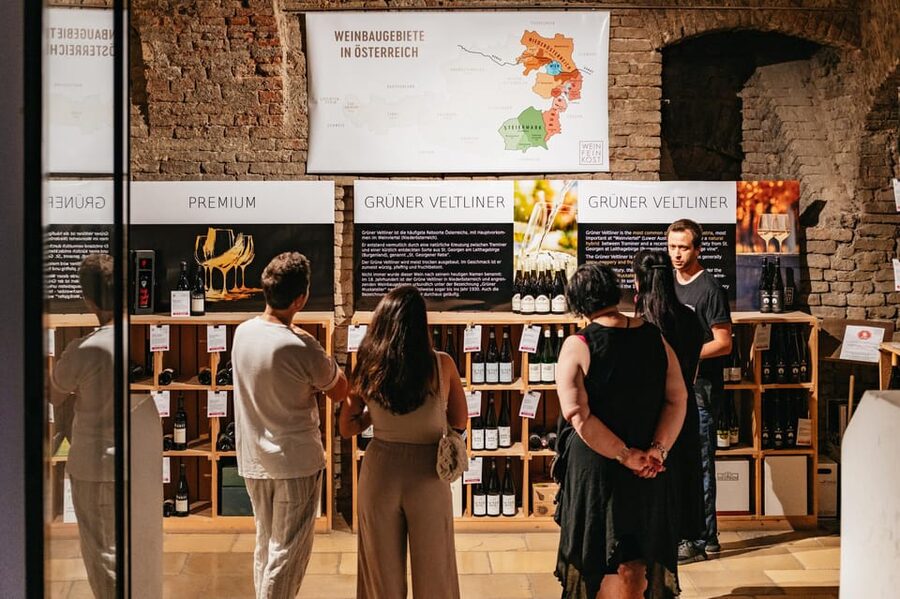
What you taste also matters. Austrian wine can feel intimidating if you only know a few international brands. Here, the expert keeps the focus on Viennese and Austrian styles, so even if you’re a beginner, you can follow along without turning it into a classroom.
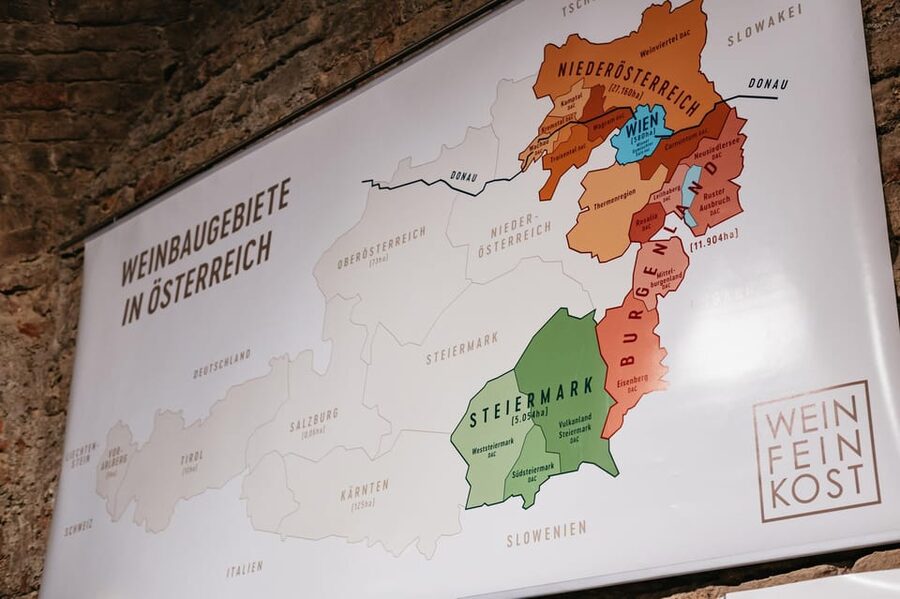
There’s also a story thread that makes the cellar feel more than decorative. You’ll hear how Vienna’s wine tradition links back to the Roman Empire, plus how local practices survived and evolved over centuries. In plain terms: you’re tasting a place, not just a product.
You can also read our reviews of more food & drink experiences in Vienna



Choosing Your Time: 30 Minutes to a 2.5-Hour Multi-Cellar Tour
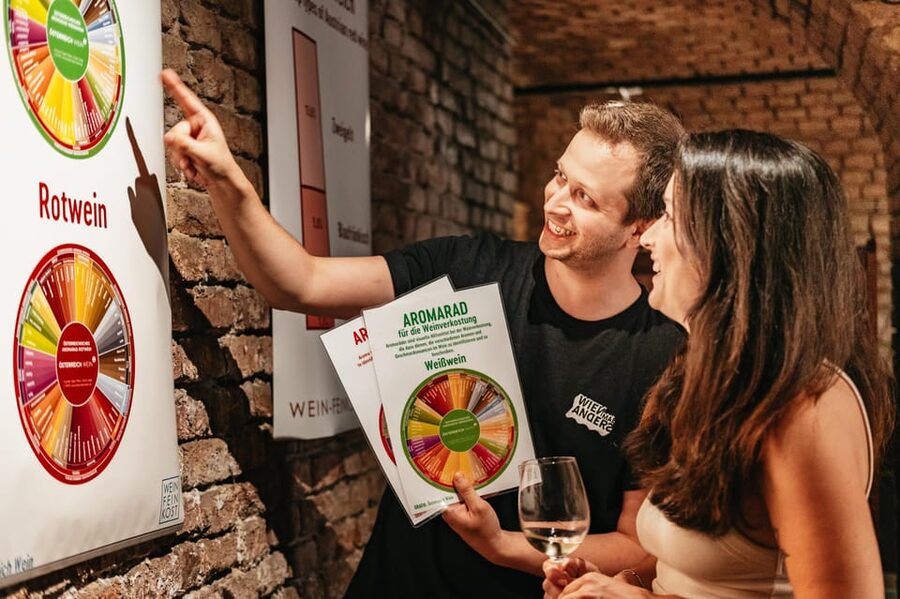
The experience comes in options, and your choice will shape how much you’ll actually do beyond the tasting table.
The quick 30-minute self-guided option
This is for you if you have limited time but still want the cellar atmosphere. You’ll get into the setting, and it’s complemented by a glass of local wine. If you select an audio option, you may also have an audioguide available (headphones are not included).
This format is great when you want to get your bearings fast and keep your day moving.
The guided 45 or 60-minute tasting
These options are built around a tasting in a hidden cellar with a professional wine expert. You’ll taste three wines in the shorter classic experience, or three/four depending on the exact option description you choose. This is the sweet spot if you want a real conversation and some context, not just sampling.
The 2.5-hour option with three hidden cellars
If you like variety and don’t mind more time underground, this one gives you a bigger structure. You visit three different hidden wine cellars, each with its own flavor of the story. The cellars are private and each has different former uses and an “era” of Vienna woven into the explanations.
Practical tip: pick the longer option if you’re the type who remembers stories better than labels. More stops usually means more storytelling hooks.




Entering the Hidden Cellars: How the Roman Thread Shows Up
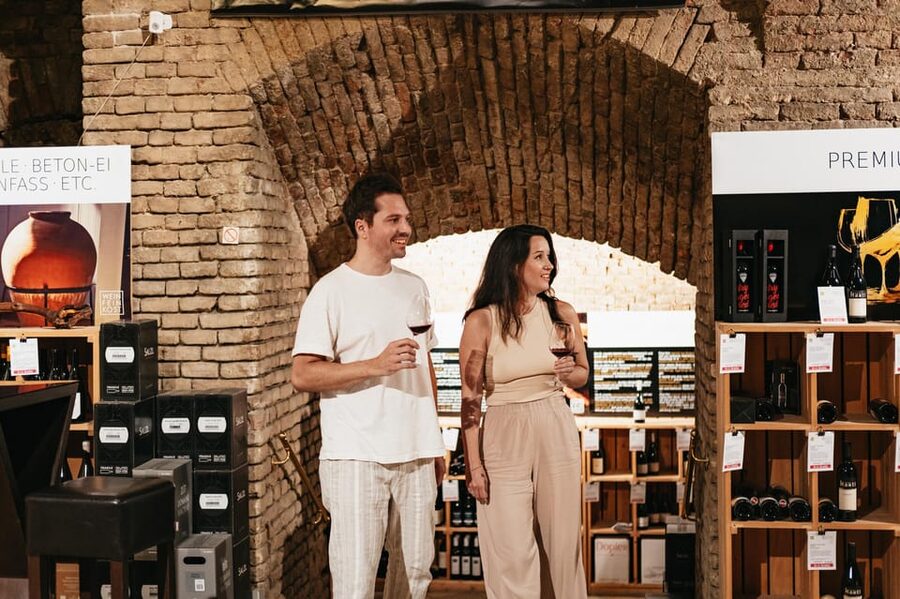
The cellar is the main stage, and the experience is designed around it. You won’t be wandering for hours through a huge route; instead, you’ll spend your time in the spaces where tastings happen.
As you settle in, the expert connects the wine to the city itself:
- the 600 hectares of vineyards around Vienna
- the origins of local wine tied to the Roman period
- traditions that continue in modern winemaking and tasting culture
If you enjoy history that feels practical rather than museum-static, this part works well. The Roman reference is used to explain where viticulture in the region comes from, which helps you interpret what you’re tasting instead of treating it like a blind flight.
One more expectation to set: at least some cellar setups are on multiple levels, but the tasting focus may sit on one level. So even if the cellar is impressive in multiple directions, the wine moment itself is where the time goes.
The Wines and the Pace: 3 Austrian Bottles You Can Actually Learn
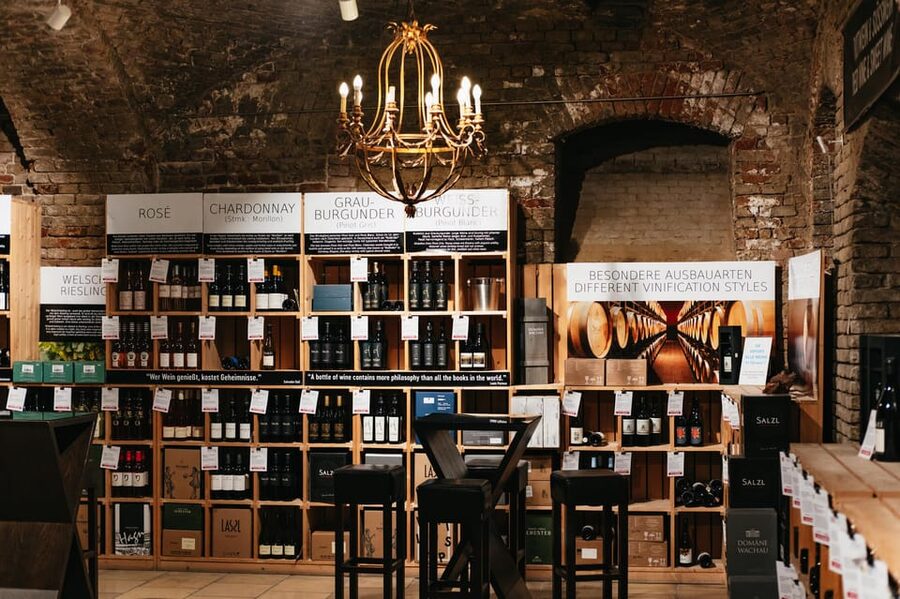
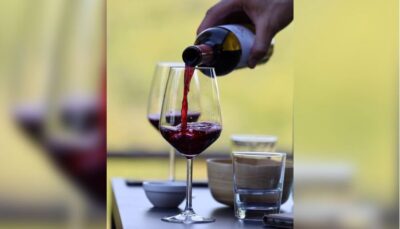
You’ll typically taste three typical Viennese and Austrian wines. That’s a smart number for most people. Too many wines can turn into a blur, and you forget what you liked and why.
Here’s how to use the tasting to get more value:
- Pay attention to the order. White wines first usually means you’ll notice acidity and aromatics more clearly, and the shift to red helps you compare styles without losing focus.
- Ask one or two tasting questions early. Things like what to watch for in aroma or how the guide thinks about pairing can make the rest of the tasting click.
- Don’t rush the last pour. The biggest mistake in tastings is spending the final wine on commentary you didn’t start at the beginning.
In the feedback you’ll see a common theme: people leave not just having tasted, but feeling like they found at least one wine they genuinely enjoyed. That’s a sign the selection tends to be friendly and approachable for newcomers, not only for serious collectors.
Pairing Like a Local: Austrian Delicacies That Aren’t an Afterthought
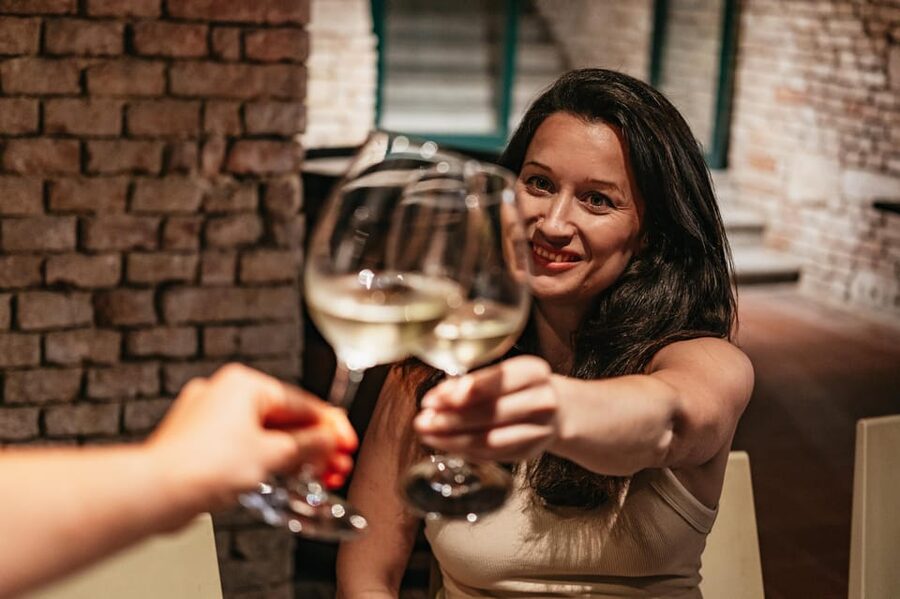
Wine tasting without good food is half a day. Here, the food is part of the design.
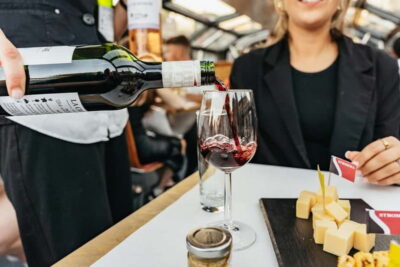
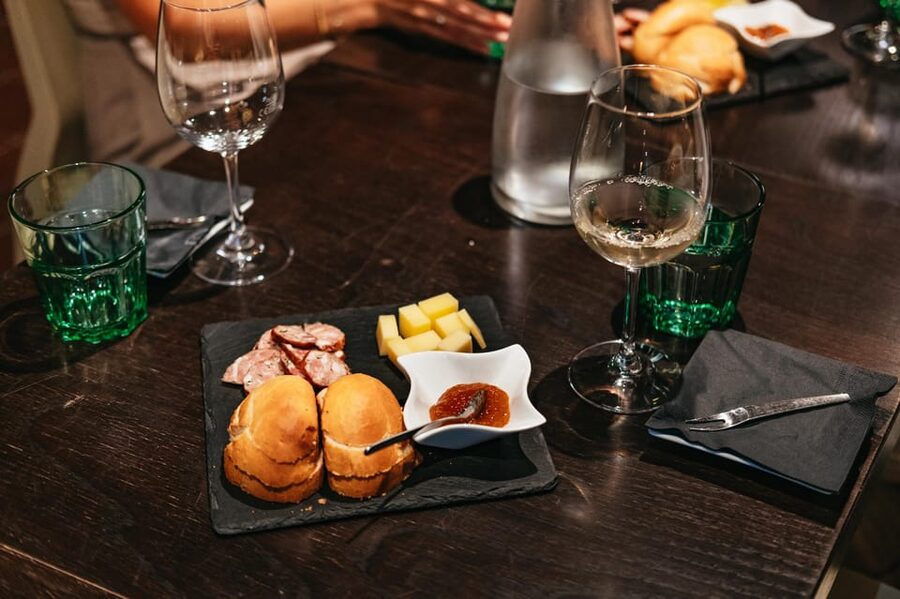
You can expect Austrian delicacies made by regional producers paired alongside the wines. The most common pattern you’ll encounter is a board-style setup, often including:
- cheese
- cured meats
- bread
- and at least one standout preserve like spicy apricot chutney
This matters because Austrian wine often has enough character—acidity, fruit, spice, or herbal notes—that pairing can change what you taste in the glass. The chutney alone is the kind of pairing that can make even a basic sip feel memorable because it adds sweetness and heat.
If you’re vegetarian, you might still be offered options (some experiences include vegetarian and non-vegetarian items). Still, since the exact board can vary by option and cellar setup, it’s smart to communicate dietary needs ahead of time if that’s relevant for you.
Guide Personality and Your Chances to Ask Questions
A big difference between a good tasting and a great one is whether the guide can hold your attention while also letting you participate. In this experience, the guide is a real part of the value.
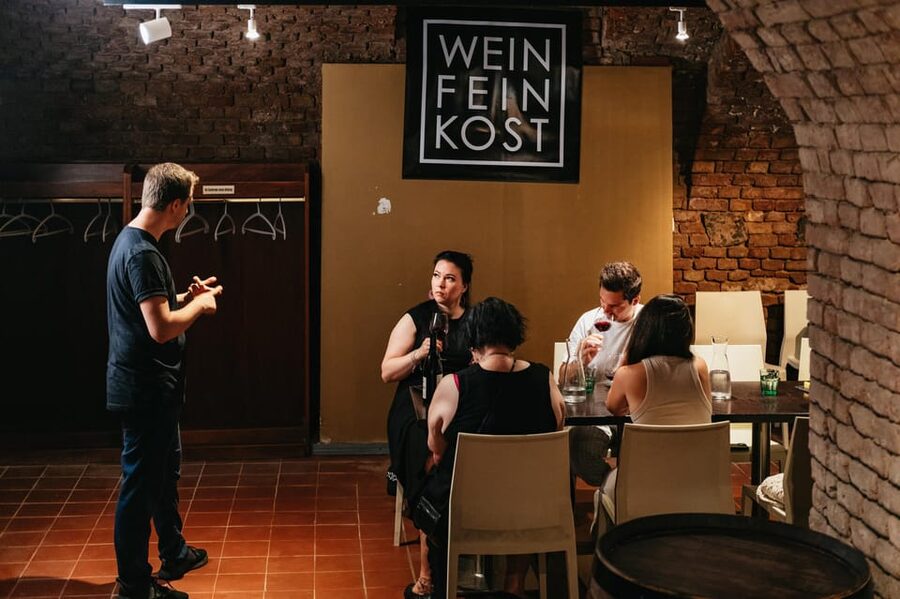
You may meet guides such as Bernie or Cornelius, who show up in booking feedback as friendly and story-forward. People also note humor and clear explanations, which is ideal if you’re not trying to memorize a textbook.
Group size is another quiet advantage. It’s positioned as small group available, which usually means you get more face time. If you’re traveling solo and want to talk without it turning into awkward networking, this format tends to be easier to manage.
Price and Value: Why $22 Can Actually Feel Like a Deal
Let’s talk money. At $22 per person, you’re paying for:
- access to a private cellar setting
- a structured wine tasting
- and paired regional delicacies
For Vienna, that’s not just a “wine spritz and a brochure” price. The key value driver is the combination. You’re not only paying for wine; you’re paying for the cellar access and the explanation that helps you understand what you’re drinking.
The short options also make sense. If you’re in Vienna for a packed itinerary, a 30-minute cellar moment plus wine can be a smarter value than a longer activity that leaves you tired and hungry.
That said, you should calibrate your expectations on how much wine you’ll get. Some people find the amount more like a tasting flight than a generous pour party. The tradeoff is that you get context and pairing, and you’re likely leaving more informed than tipsy.
Who This Fits Best (and Who Might Want to Skip)
This is a strong choice if you want:
- A beginner-friendly introduction to Austrian wine styles
- a day plan that mixes culture with something enjoyable to drink
- Roman-era and Vienna viticulture stories that stay human-scale
- a compact activity that still feels special because the setting is private
It may not be the best match if:
- you need lots of physical movement or wheelchair access (this experience is not suitable for wheelchair users or people with mobility impairments)
- you’re traveling with kids (it’s not suitable for children under 16)
- you’re looking for a long, step-by-step wine workshop on tasting etiquette rather than a guided flight and pairing
Also, if you’re expecting a full tour through multiple cellar levels with lots of standing and walking, the tasting focus may feel more stationary than you imagined.
Practical Tips Before You Go
A few things will help you get more out of the cellar time:
- If you choose an audio guide, remember headphones are not included.
- Wear something comfortable. The cellar atmosphere can mean cooler temperatures.
- Plan your pace. This is 30 to 150 minutes depending on your choice, so set yourself up to enjoy it rather than rush out to your next reservation immediately after.
- Bring curiosity. One good question can turn a simple sip into a memorable lesson.
Should You Book This Vienna Private Cellar Wine Tasting?
Yes, if you want a compact, high-feel activity that mixes private cellar access, a guided tasting, and Austrian snacks in the middle of Vienna. It’s especially worth it if you’re new to Austrian wine and want someone to translate it into something you can taste and understand.
Skip it (or choose a shorter option) if you’re not interested in guided context, or if you need more mobility than this setting is designed for. And if you’re the type who thinks a wine tour must equal lots of free pouring, treat this as a tasting experience first, food-and-story second.
If you’re deciding today, I’d book when one of these is true: you have limited time, you want a history-and-wine combo, or you like intimate group experiences where you can actually ask questions.
FAQ
How long is the Vienna private wine tasting?
It ranges from 30 minutes up to 150 minutes, depending on which option you select.
What wines will I taste?
You’ll taste three typical Viennese and Austrian wines. Longer options may include an additional wine depending on the option description.
Where does the experience take place?
The tasting happens in private wine cellars in the heart of Vienna. The exact cellar and number of cellars visited can vary by option.
What food is included?
You’ll get tastings of local wines plus regional delicacies paired with the wines.
Do I get a guided tour?
You can choose a classic guided tasting (45 or 60 minutes) with a live wine expert. There’s also a 30-minute self-guided option. Live tour guide languages include English and German.
Do I need headphones for the audio guide?
Headphones are not included. If you select an audio option, you’ll want headphones with you.
Is this suitable for children or people with mobility needs?
No. It’s not suitable for children under 16, and it’s also not suitable for wheelchair users or people with mobility impairments.
Can I cancel or pay later?
Yes. There’s free cancellation up to 24 hours in advance for a full refund, and you can reserve now and pay later.